
TV Box for Hotels
Engineering the Ideal TV Box for Hotels: SoC Architecture, Firmware, and PCBA Customization
The transition to AV1 codec support across hospitality IPTV networks exposes the limitations of consumer-grade streaming hardware. As 4K and 8K content distribution scales, system integrators face a distinct hardware bottleneck: deploying standard retail units in high-uptime commercial environments causes thermal throttling, unmanaged software updates, and DRM failures.
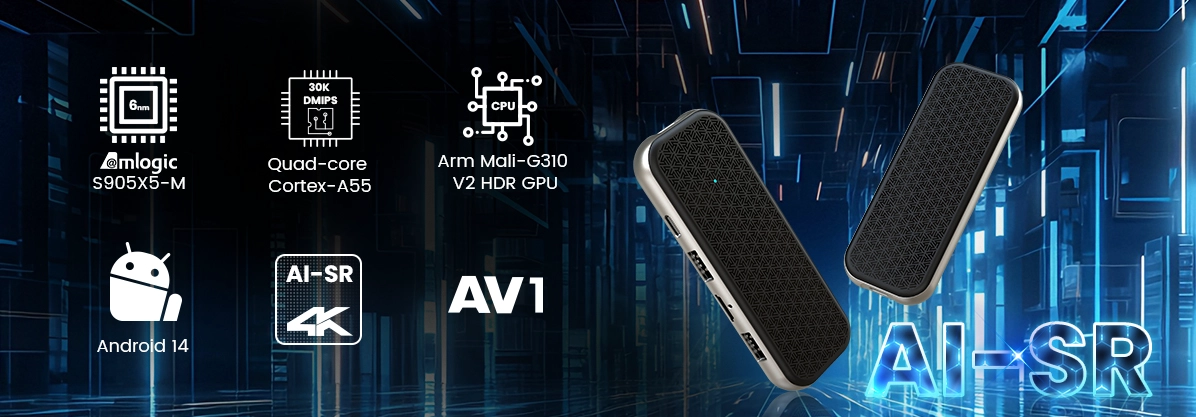
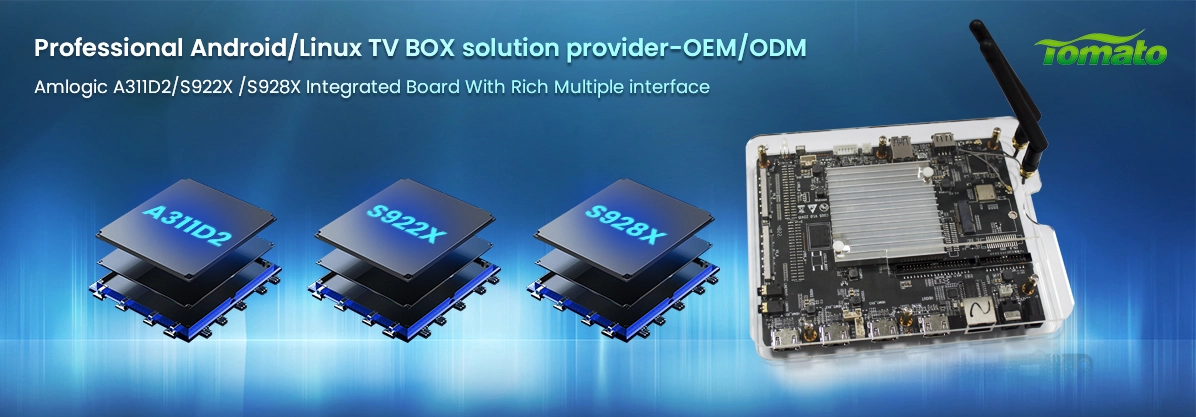
The introduction of the Amlogic S905X5M and S928X chipsets provides a reliable baseline for next-generation hospitality deployments, but raw silicon constitutes only 20% of the solution. The remaining 80% requires firmware-level engineering, PCBA layout modifications, and locked-down Android or Linux environments designed specifically for enterprise infrastructure.
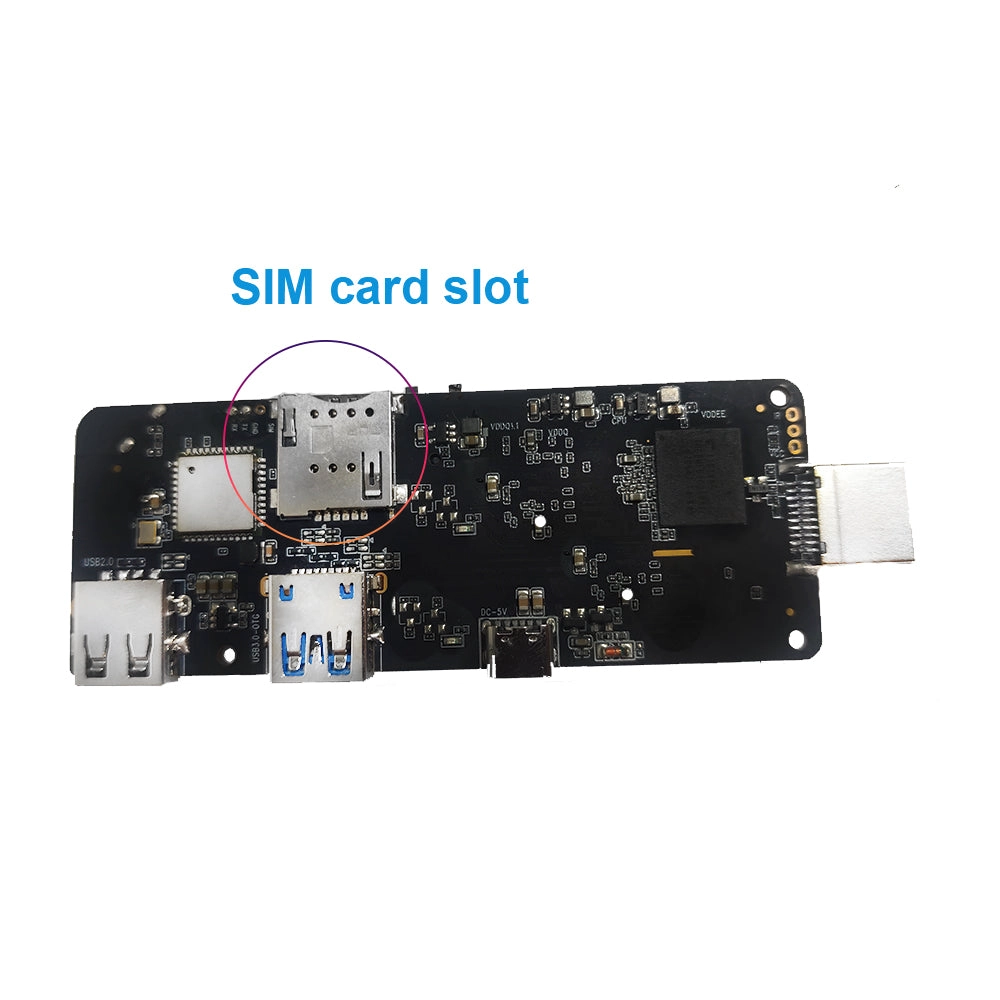
Overcoming Thermal and Architecture Bottlenecks with PCBA Modification
Consumer set-top boxes fail inside hotel server racks and behind wall-mounted displays due to inadequate passive cooling. Industrial deployment demands targeted PCBA hardware modification to sustain 24/7 operation without CPU throttling.
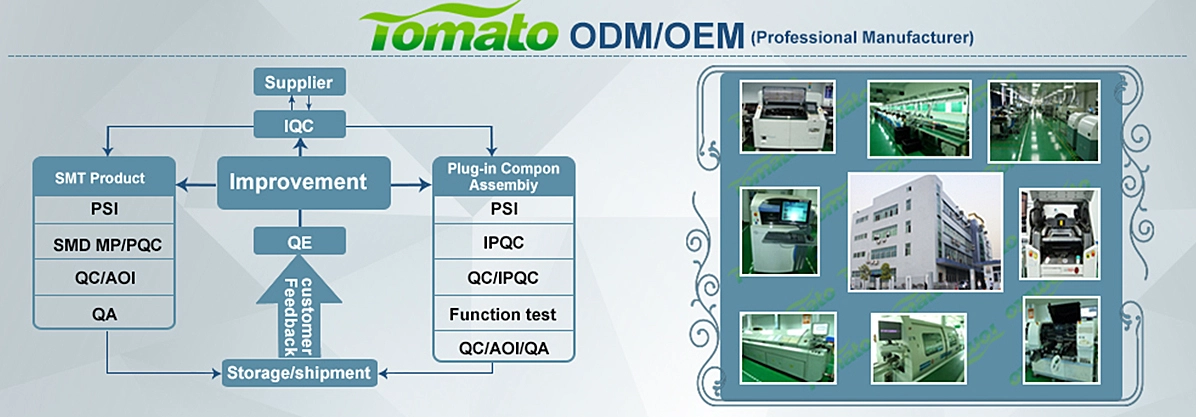
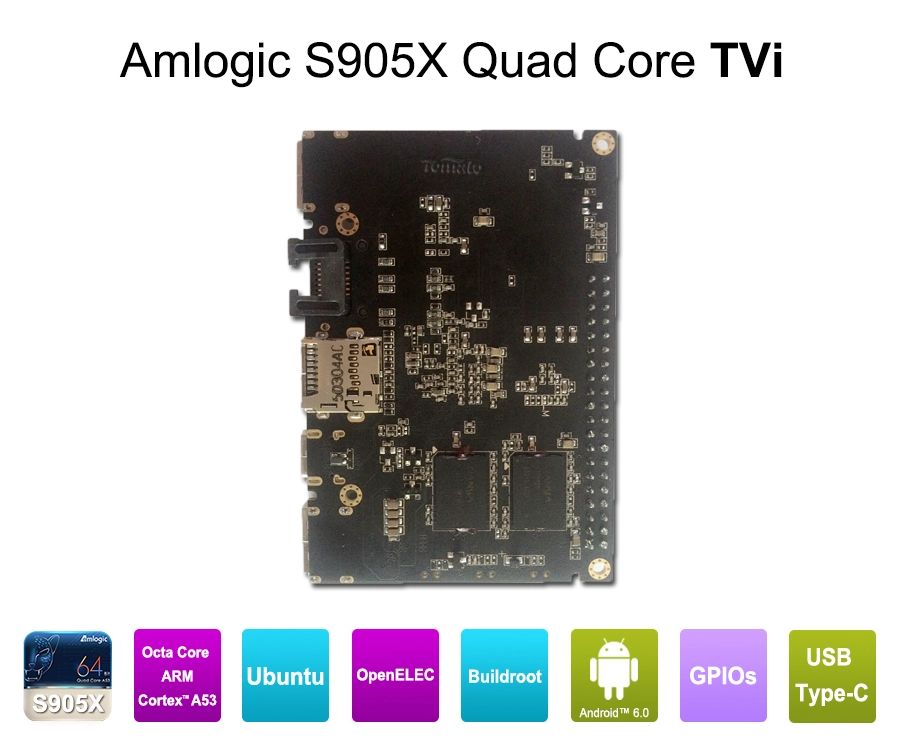
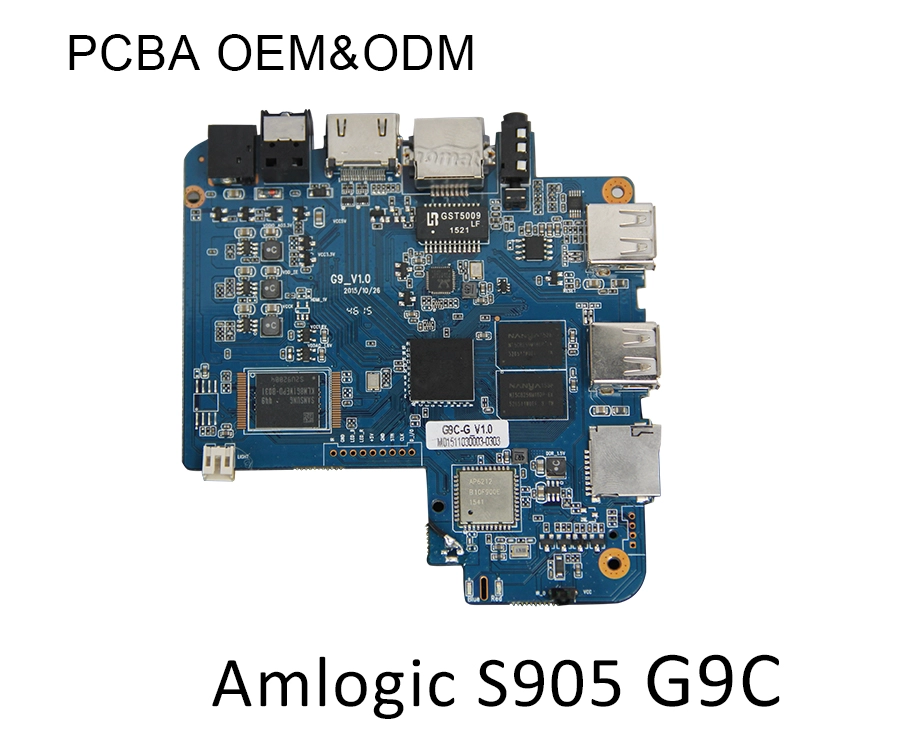
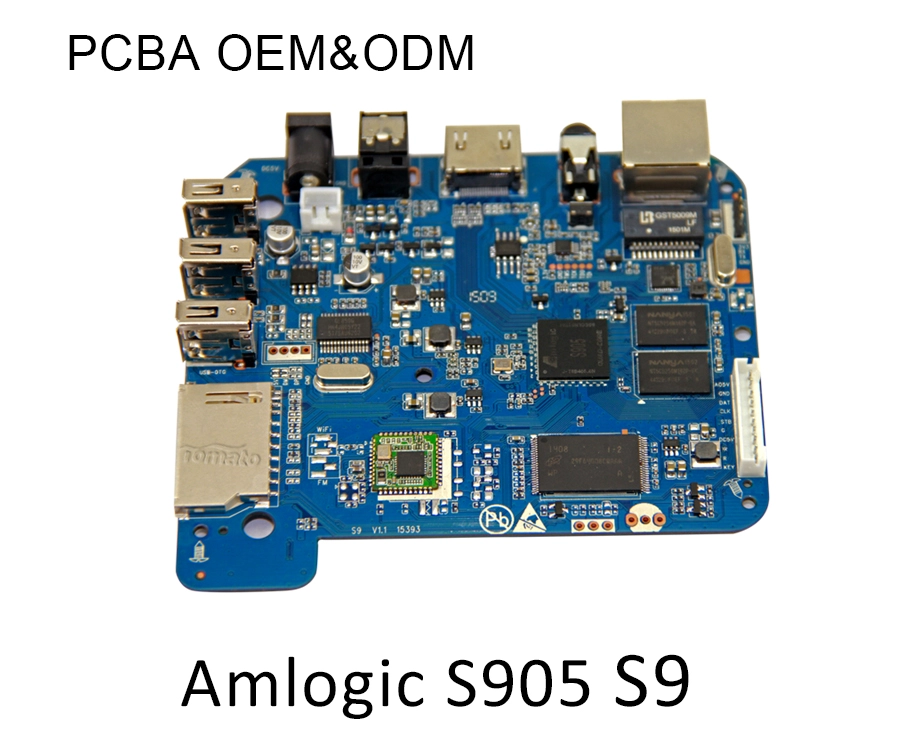
At SZTomato, our hardware engineering focuses on expanding the thermal envelope. We redesign the PCBA layout to isolate heat-generating components, specifically the central SoC and Wi-Fi 6E modules. By integrating specialized aluminum heat sinks and thermal pads tailored for confined spaces, we ensure the hardware maintains peak processing power for digital signage UI overlays and 4K VOD streaming, extending the lifecycle of a TV Box for hotels. Furthermore, our OEM/ODM manufacturing process allows for the integration of specific I/O ports—such as RS232 for legacy hotel property management systems (PMS) or Power over Ethernet (PoE)—directly onto the motherboard.
Firmware-Level Engineering: SDK Integration and Android Kernel Optimization
The core differentiator in B2B hardware deployment is software control. Retail devices force integrators into walled ecosystems, whereas commercial deployments require absolute firmware sovereignty.
SZTomato bypasses retail limitations by delivering direct SDK/API integration. Our engineering teams conduct deep Linux and Android 14 kernel optimization to strip out bloatware, disable automatic updates that disrupt custom IPTV applications, and lock down the operating system. Through custom UI/UX firmware builds, hotel operators enforce a branded, kiosk-mode experience spanning from the initial boot logo to the primary application launcher.
To manage fleets across thousands of endpoints, we implement secure, proprietary OTA (Over-The-Air) update systems. This infrastructure allows network administrators to push silent, granular security patches or full firmware upgrades without interrupting the guest experience or requiring manual room-by-room maintenance.
Security Compliance: HDCP Encryption and DRM
Hotel VOD networks must comply with stringent studio security mandates. Deploying hardware without proper DRM integration triggers black screens and HDCP handshake failures across mixed generations of HDMI displays.
A dedicated TV Box for hotels must support hardware-level Widevine L1 and PlayReady DRM, coupled with exact HDCP 2.2/2.3 encryption protocols. SZTomato engineers these security standards directly into the firmware pipeline during the ODM process. This ensures seamless decryption of high-bitrate AV1 streams and secure HDMI output, protecting the operator from licensing violations and content piracy vulnerabilities.
Procurement and Integration Next Steps
Standardizing hardware across a hospitality portfolio requires a manufacturing partner capable of deep technical customization, not merely bulk distribution. Shenzhen Tomato Technology Co., Ltd. (SZTomato) leverages 16 years of expertise in B2B cross-border electronics to bridge the gap between base silicon and enterprise-ready IPTV systems.
For B2B procurement managers and system integrators mapping out next-generation hospitality deployments, contact our engineering team to outline your PCBA modification requirements, Amlogic SoC sourcing strategy, and custom firmware parameters.
