
How does an OTT TV Box work?
Decoding the Commercial OTT TV Box: Silicon, Firmware, and Enterprise Deployment
The industry-wide mandate for hardware-level AV1 decoding has fundamentally altered the thermal and computational requirements for commercial streaming endpoints. When operators ask how an OTT TV Box works, they are no longer inquiring about simple IP packet delivery; they are evaluating the stability of underlying Amlogic or Rockchip SoCs handling continuous 4K/8K encrypted streams in zero-downtime environments. Moving beyond the consumer retail sector requires a deep understanding of hardware architecture, firmware-level control, and thermal management.
The Hardware Layer: Signal Processing and PCBA Architecture
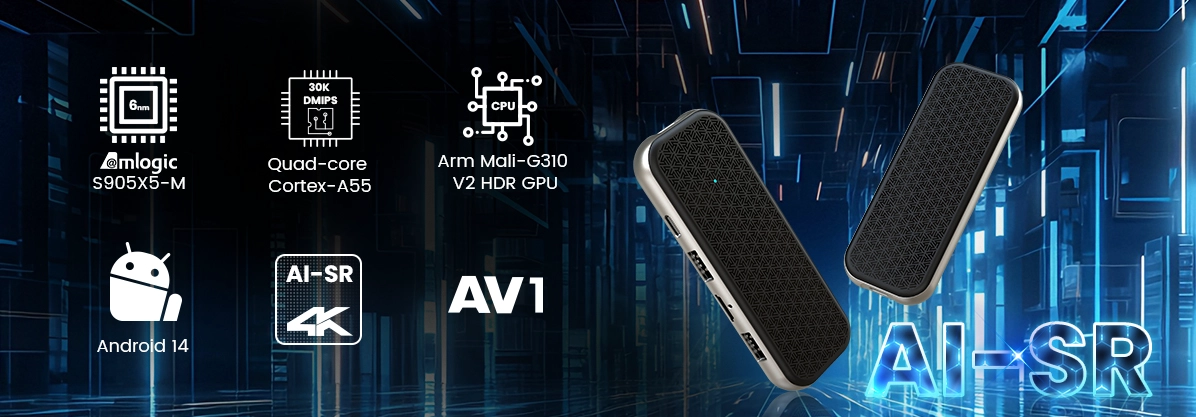
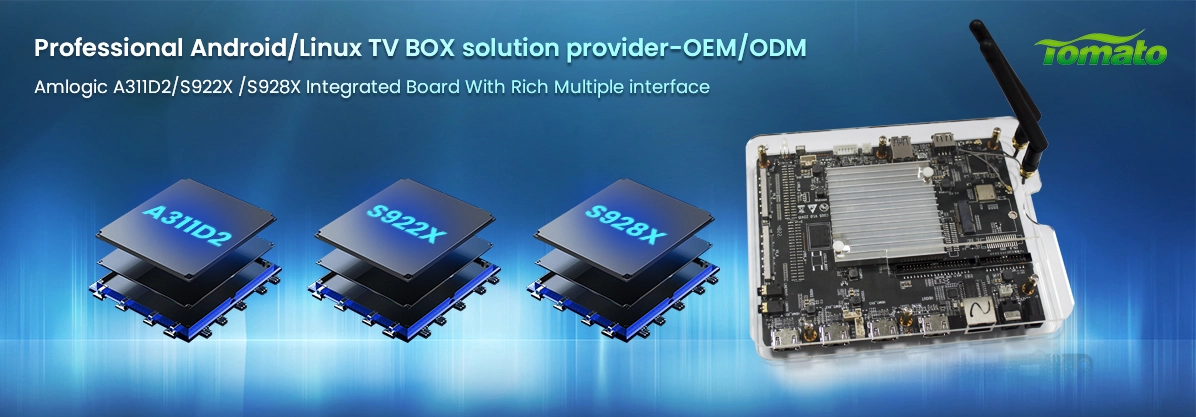
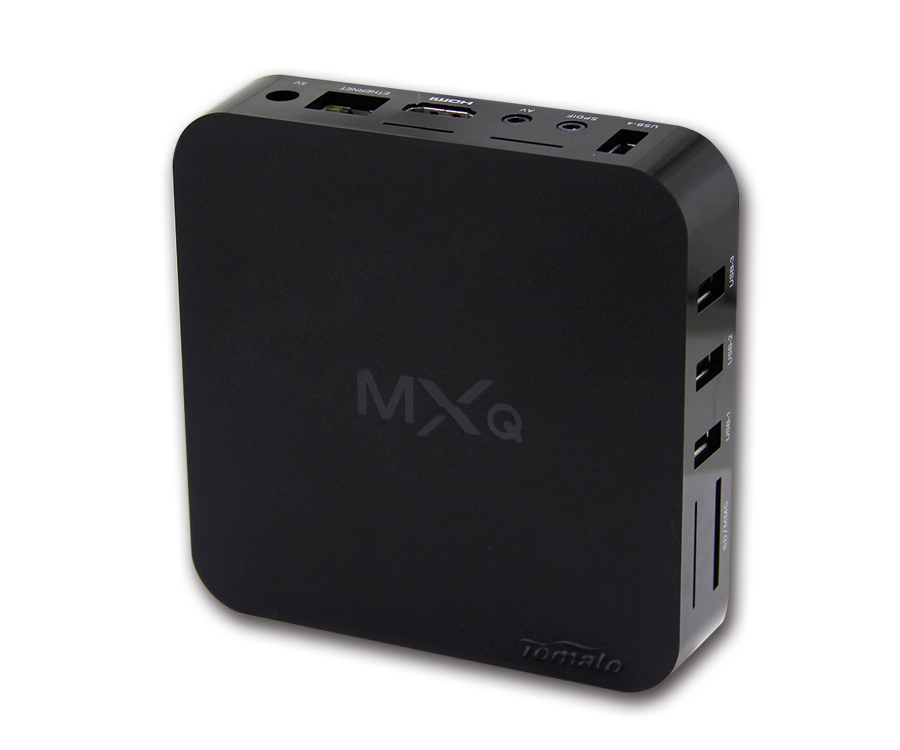
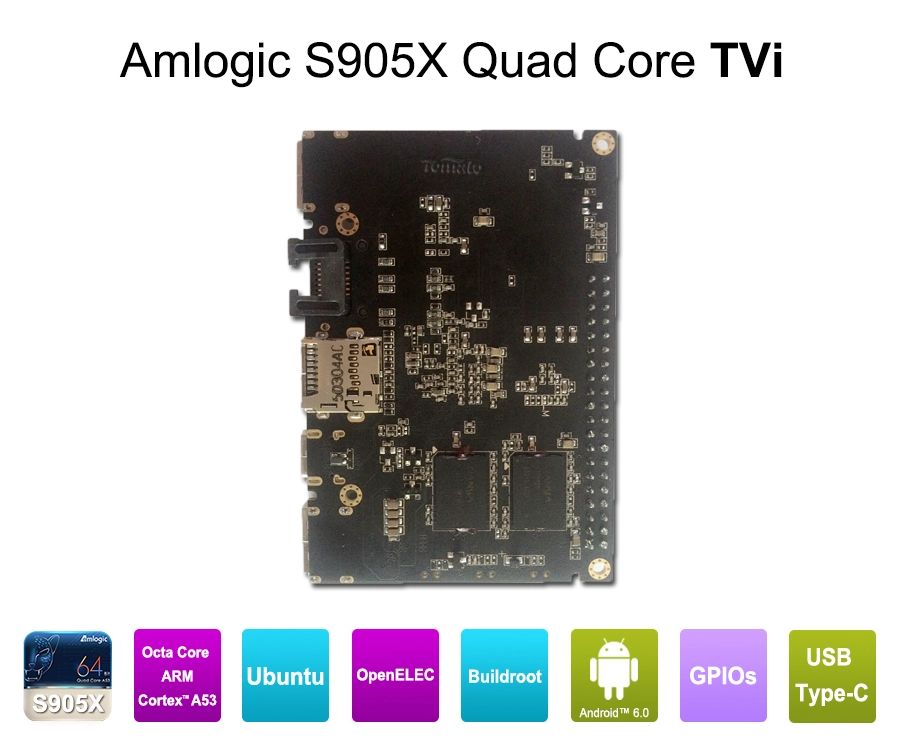
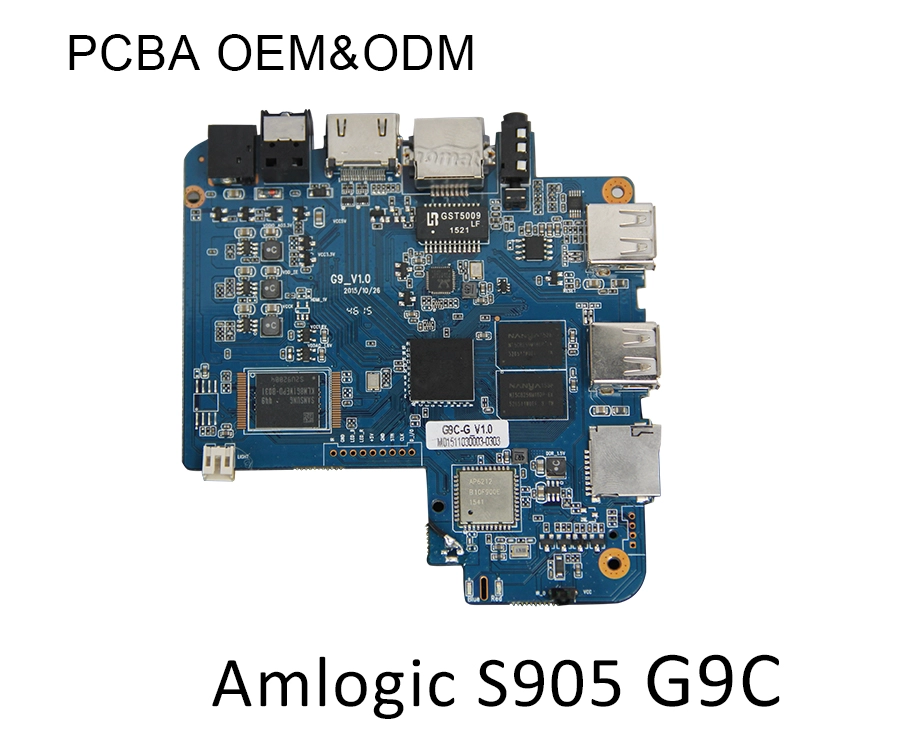
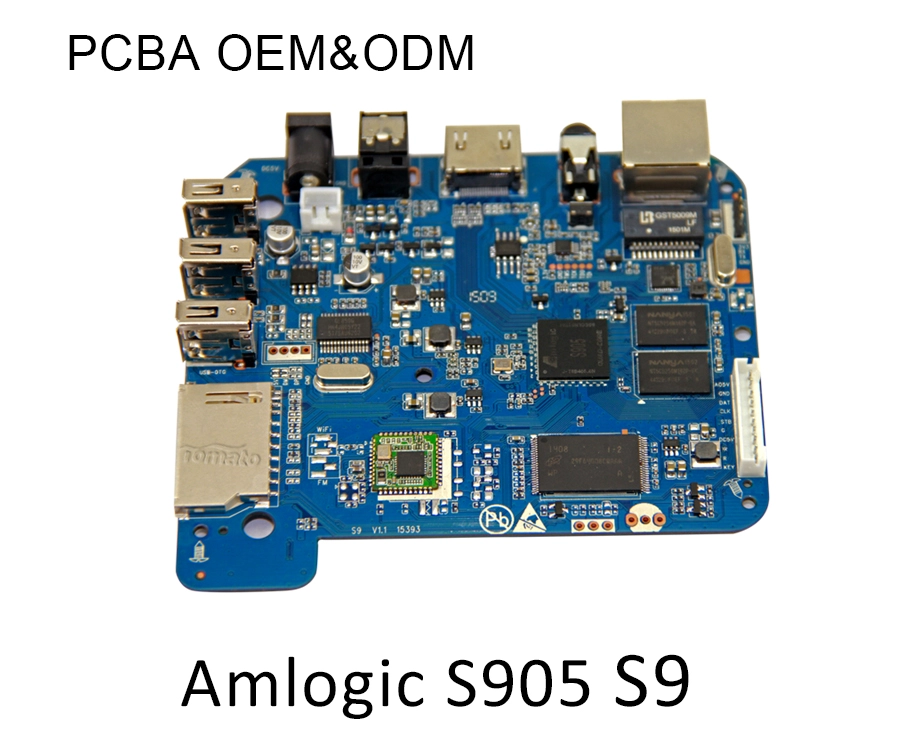
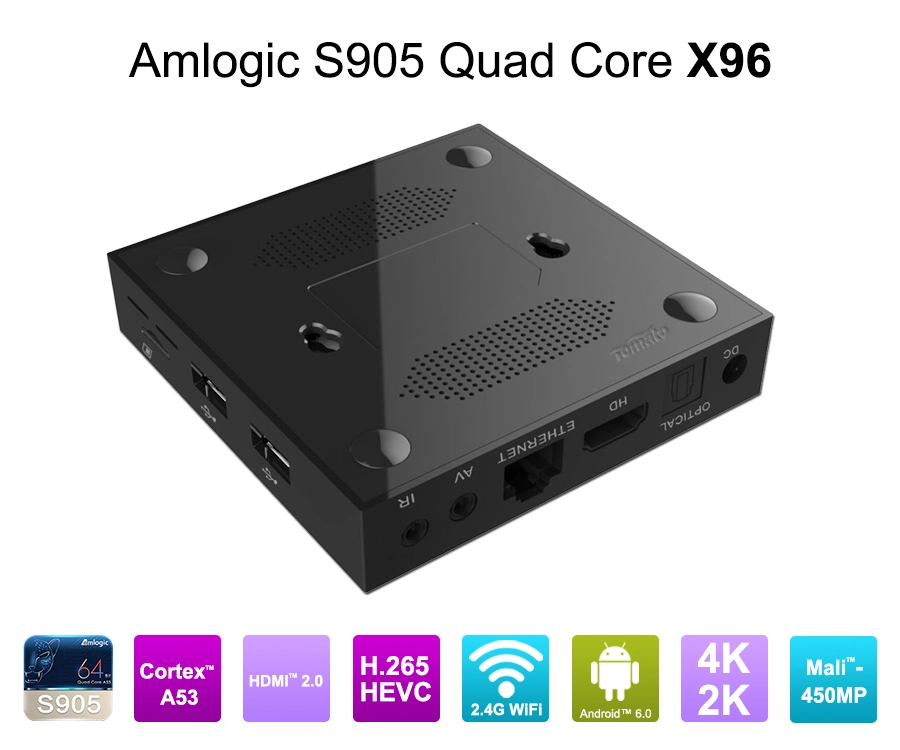
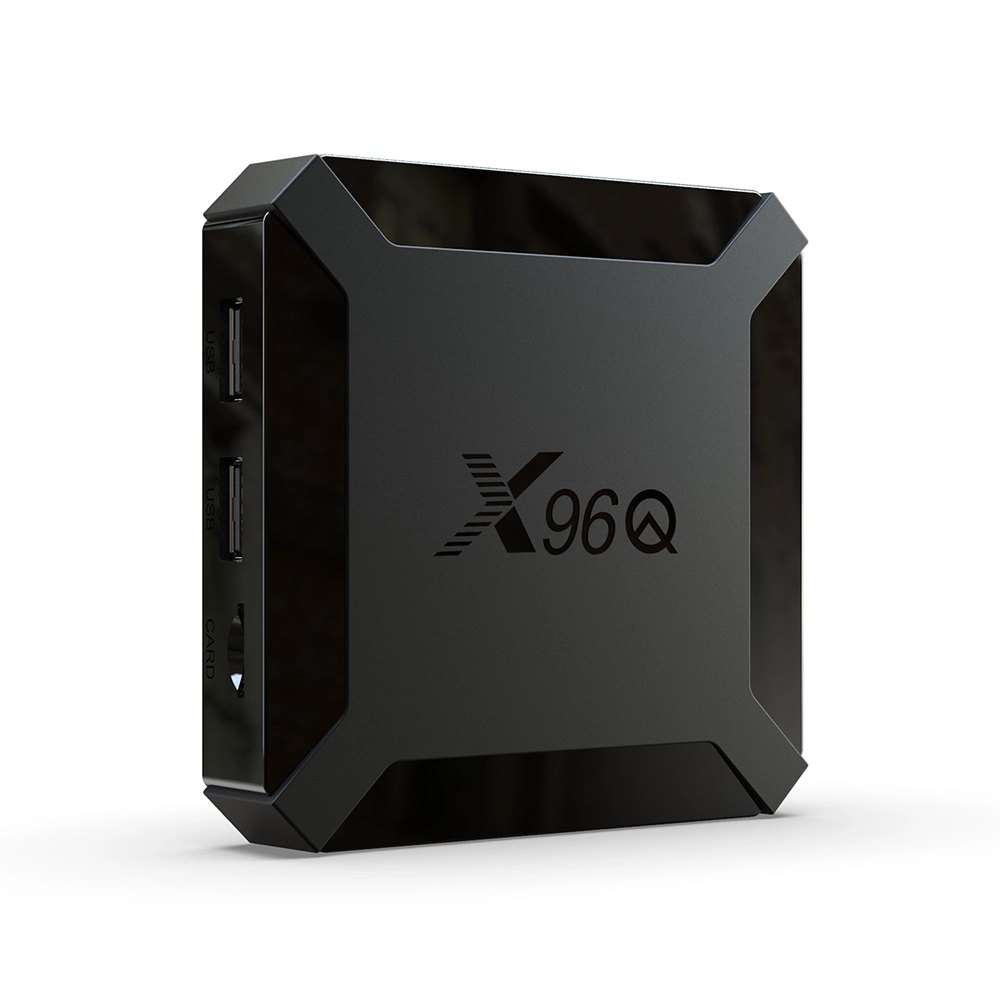
At its core, an OTT (Over-The-Top) TV Box operates as a specialized microcomputer designed to ingest compressed video data via TCP/IP protocols, decode it, and output an uncompressed audio-video signal through HDMI. The primary engine driving this process is the System on Chip (SoC), such as the Amlogic S905X5M or S928X, which integrates the CPU, GPU, and crucial Video Processing Unit (VPU).
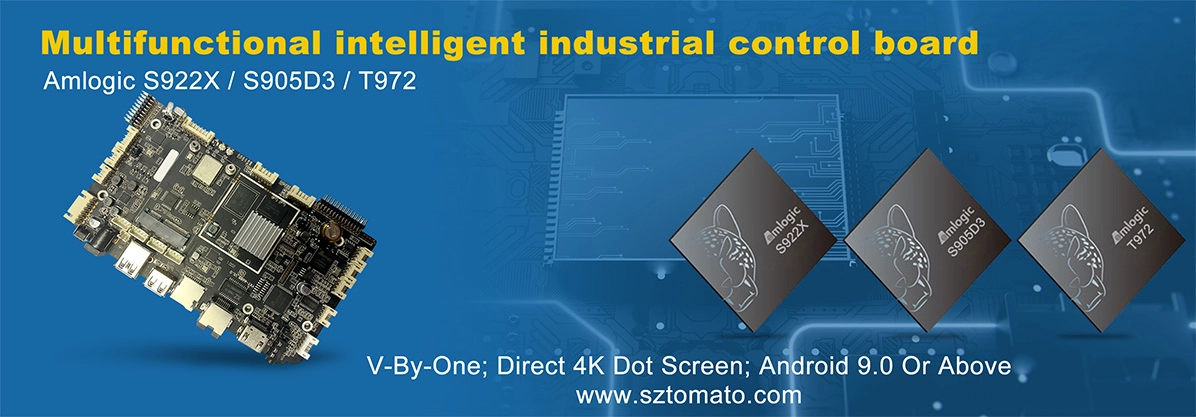
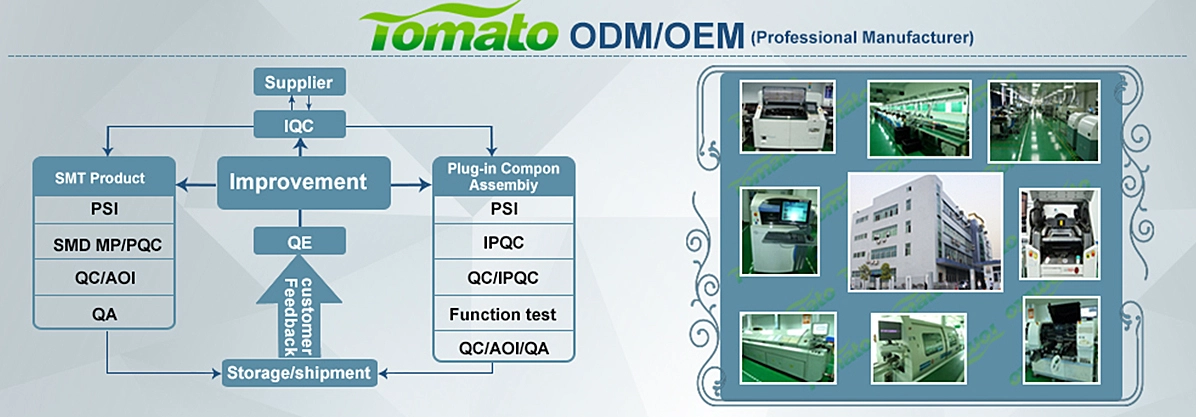
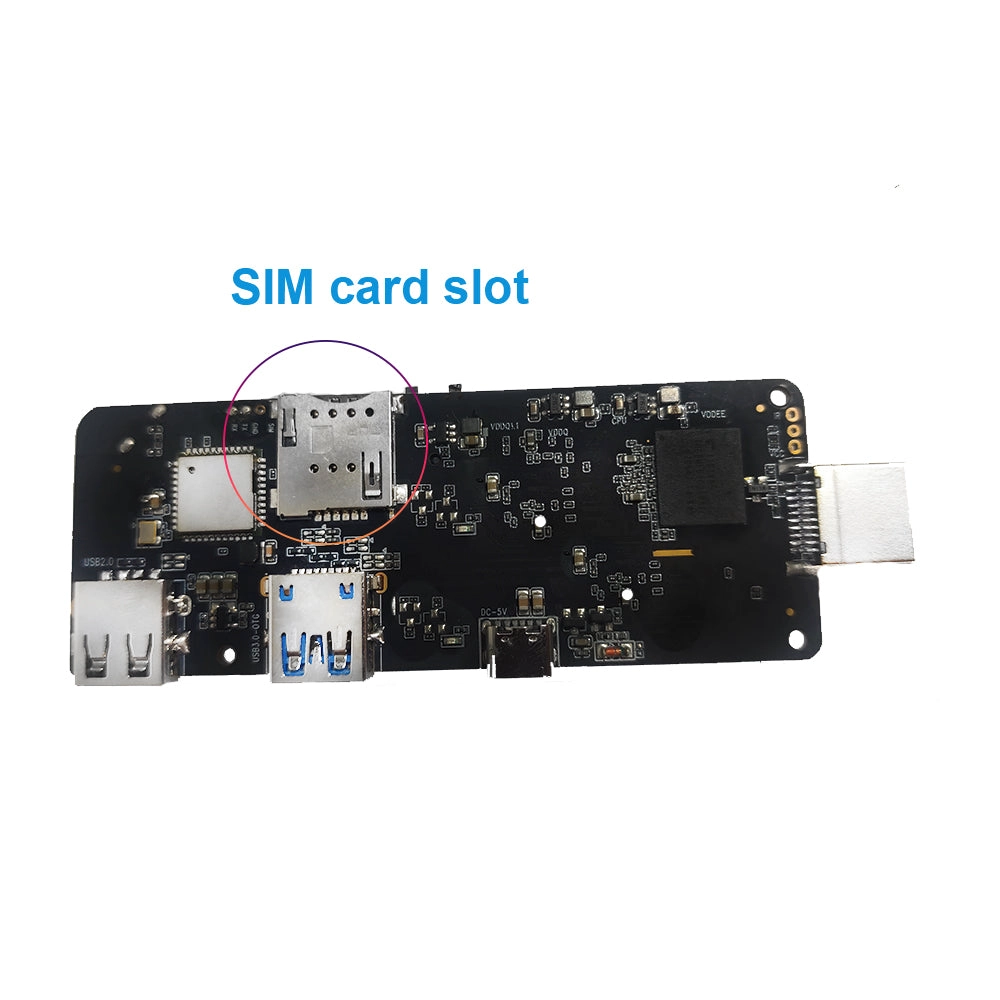
However, sustaining maximum VPU performance during 24/7 commercial operation induces significant thermal stress. Standard retail units quickly succumb to thermal throttling, leading to frame drops and system crashes. For industrial and digital signage applications, Shenzhen Tomato Technology Co., Ltd. (SZTomato) engineers robust physical solutions via rigorous PCBA hardware modification. We re-engineer the PCBA layout to isolate high-heat components and implement specialized, passive aluminum cooling solutions. This structural customization ensures the SoC remains within optimal temperature thresholds, extending hardware longevity in enclosed server racks or behind display panels.
The Decryption Pipeline: HDCP and Studio-Grade DRM
Once the data stream is ingested, the OTT TV Box must negotiate a complex security handshake before outputting the video. Commercial deployments cannot rely on software-based decryption.
The hardware must support Secure Video Path (SVP) architecture, routing encrypted packets directly into a trusted execution environment within the SoC. To comply with studio mandates for 4K content, an enterprise OTT TV Box relies on hardware-anchored Widevine L1 and PlayReady DRM, coupled with strict HDCP 2.2/2.3 encryption for the HDMI output. SZTomato integrates these security certificates directly at the factory level during our OEM/ODM manufacturing process, preventing the HDCP handshake failures and black screens that plague retrofitted consumer devices on commercial networks.
Firmware Sovereignty: Kernel Optimization and SDK Integration
The defining differentiator between a retail OTT device and a B2B deployment is the operating system environment. Consumer operating systems are bloated, update unpredictably, and restrict administrative access. Understanding how an OTT TV Box works for an enterprise means understanding firmware sovereignty.
SZTomato provides direct SDK/API integration, allowing system integrators to bypass walled ecosystems. Our engineering teams perform deep Linux and Android 14 kernel optimization to strip unnecessary background services and enforce strict kiosk modes. Through custom UI/UX firmware builds, we ensure that the device boots directly into the client’s proprietary launcher or digital signage application. This firmware-level engineering removes the end-user's ability to alter settings, uninstall critical applications, or interrupt the dedicated video feed.
Fleet Management: Proprietary OTA Update Systems
A single OTT TV Box is managed locally; a deployment of ten thousand units requires robust remote infrastructure. To maintain security and feature compliance without dispatching technicians to individual endpoints, commercial OTT ecosystems rely on managed Over-The-Air (OTA) updates.
As part of our ODM services, SZTomato builds and deploys proprietary OTA update systems mapped to private servers. This allows network administrators to push silent, granular security patches, update specific APKs, or execute full firmware flashes globally without disrupting the end-user experience.
Sourcing Strategy for System Integrators
Procuring hardware for hospitality, digital signage, or enterprise IP networks requires moving beyond off-the-shelf specifications to demand true engineering control. Shenzhen Tomato Technology Co., Ltd. bridges the gap between raw semiconductor capabilities and fully integrated, deployment-ready hardware.
For B2B procurement managers and system integrators seeking to standardize their hardware infrastructure, contact the SZTomato engineering team to discuss your specific PCBA layout requirements, API integrations, and custom firmware architecture.
