
Are Streaming Media Player worth it?
For a consumer, the question "Are Streaming Media Players worth it?" is often a comparison between a $50 stick and a Smart TV interface. But for an ISP, a hospitality chain, or a digital signage integrator, the question is purely financial. It is a calculation of Total Cost of Ownership (TCO) versus Operational Control.
In 2026, relying on the built-in operating systems of commercial displays is a strategic error. The "Smart" in Smart TV has a shelf life of 18 months. After that, security updates stop, apps lag, and the hardware struggles to decode modern codecs. The Streaming Media Player is not just an accessory; it is the only way to decouple your service delivery from the aging cycle of the display panel.
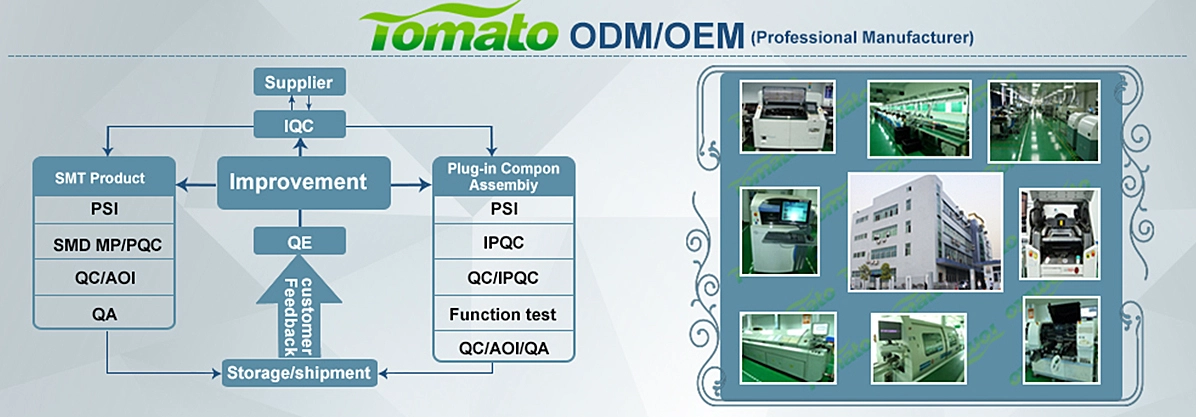
Here is the professional breakdown of why dedicated hardware is the only viable path for B2B deployment, and how SZTomato engineers the value into the device.
1. The Bandwidth Economy: Why Hardware Decoding Pays for Itself
If you are an IPTV operator or ISP, your largest recurring cost is bandwidth (CDN fees).
-
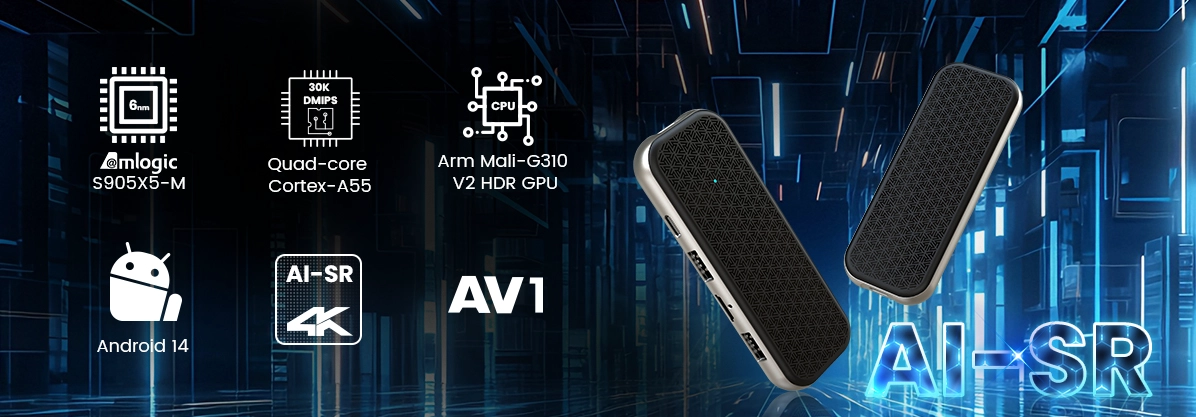
The Codec Gap: Most integrated Smart TV SoCs (System-on-Chips) are cost-optimized. They often lack native hardware support for AV1, the royalty-free codec that is standard in 2026.
-
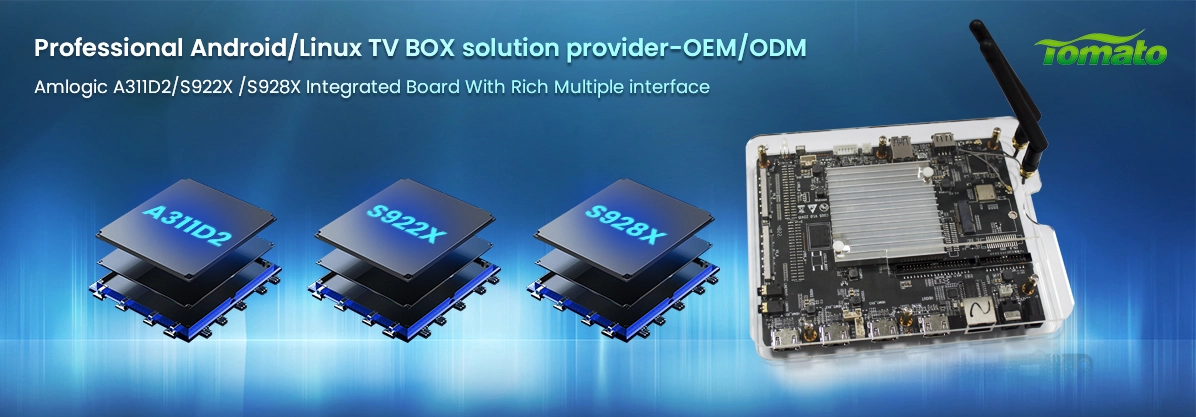
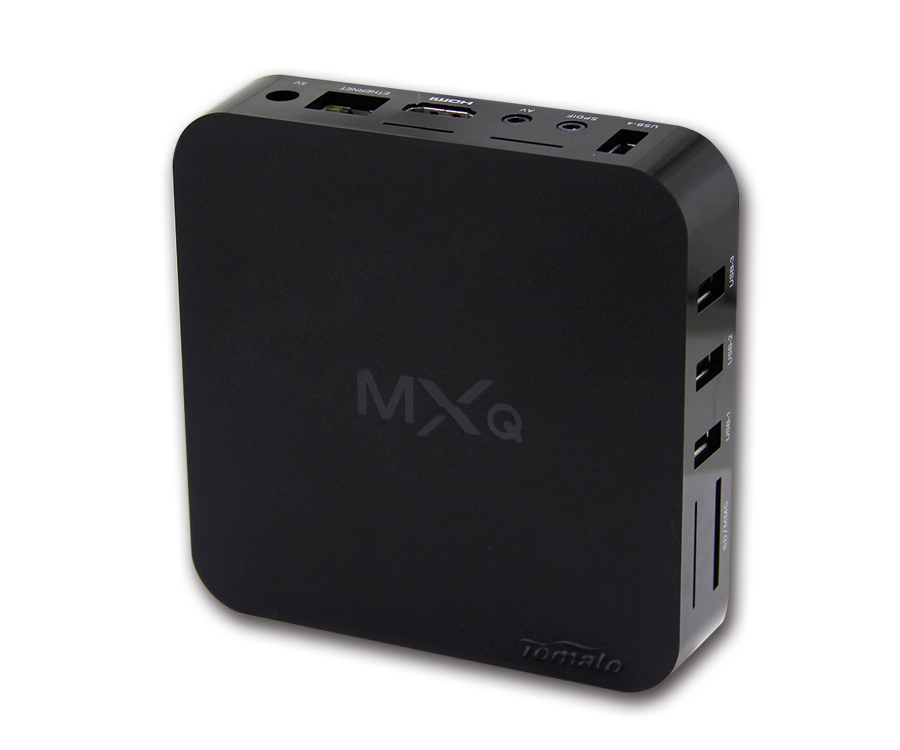
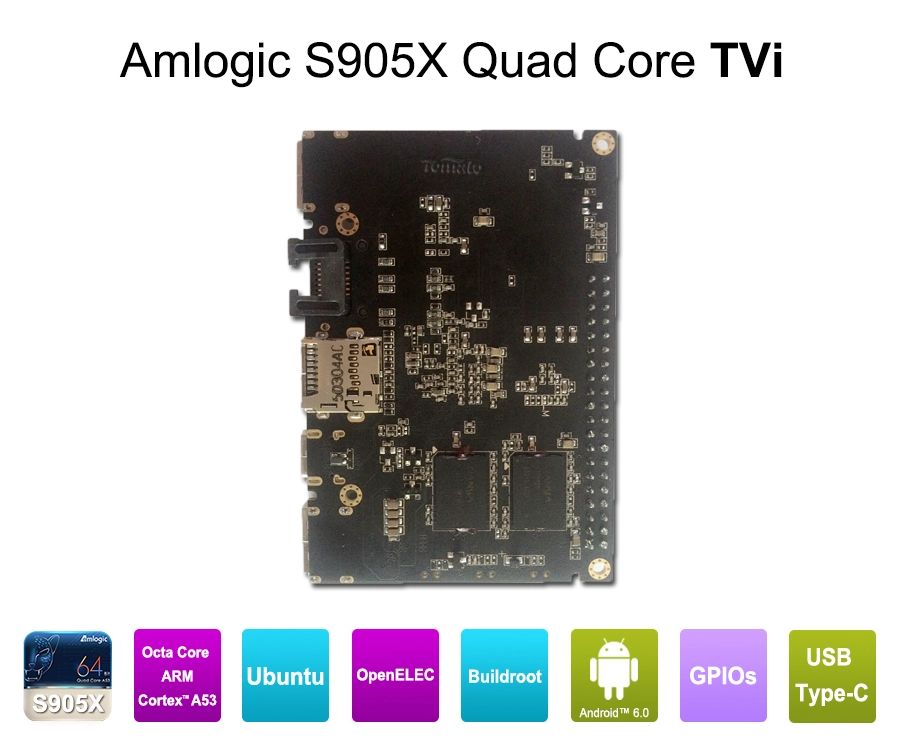
The SZTomato ROI: A dedicated Streaming Media Player built on the Amlogic S905X4 or S928X reduces bitrate requirements by 30% compared to H.265, without losing visual fidelity.
-
The Math: By deploying our AV1-native boxes, an operator with 10,000 subscribers saves significantly on monthly data transfer fees. The hardware pays for itself within the first year of operation solely through bandwidth efficiency.
2. Operational Sovereignty: Owning the Firmware
When you rely on a TV manufacturer’s OS (like Tizen or WebOS), you are a tenant in their house. They control the interface, the ads, and the updates.
-
The Control Crisis: You cannot stop a TV manufacturer from pushing a firmware update that breaks your proprietary app or rearranges the home screen to promote their partners.
-
The Customization Solution: Are Streaming Media Players worth it? Yes, because they allow for Root-Level Control. At SZTomato, our OEM services include building Custom ROMs. We can lock the device into "Kiosk Mode," forcing it to boot directly into your application. We remove the Google Play Store if necessary, disable USB ports to prevent data theft, and hard-code your logo into the boot animation. You own the user experience, 100%.
3. The "Truck Roll" Reduction: Remote Management
A Smart TV that freezes requires a technician to visit the hotel room or the client's home. This "truck roll" costs an average of $150.
-
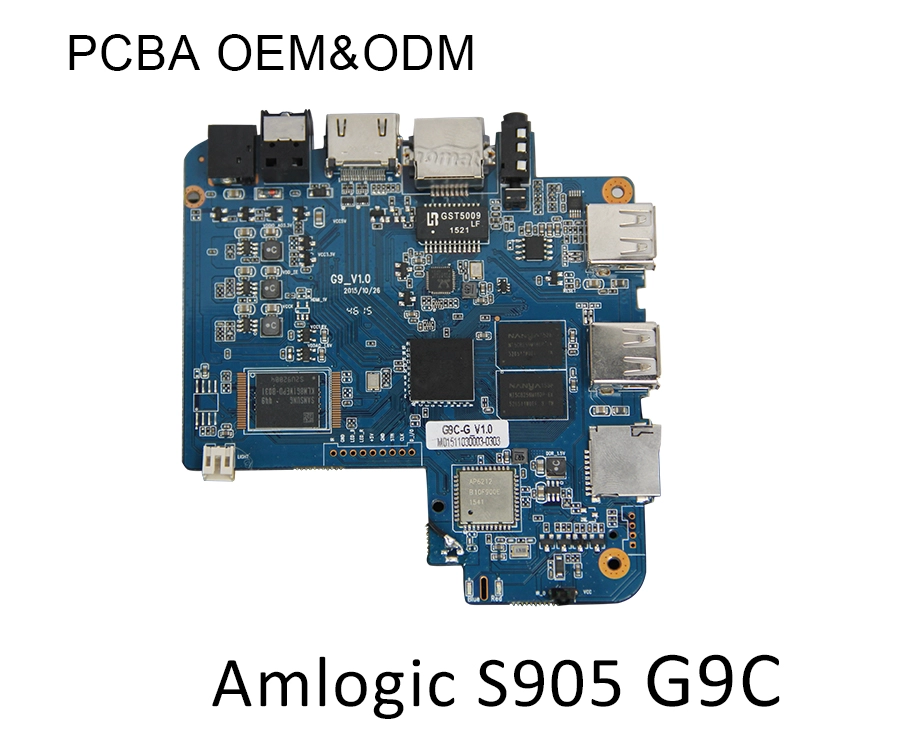
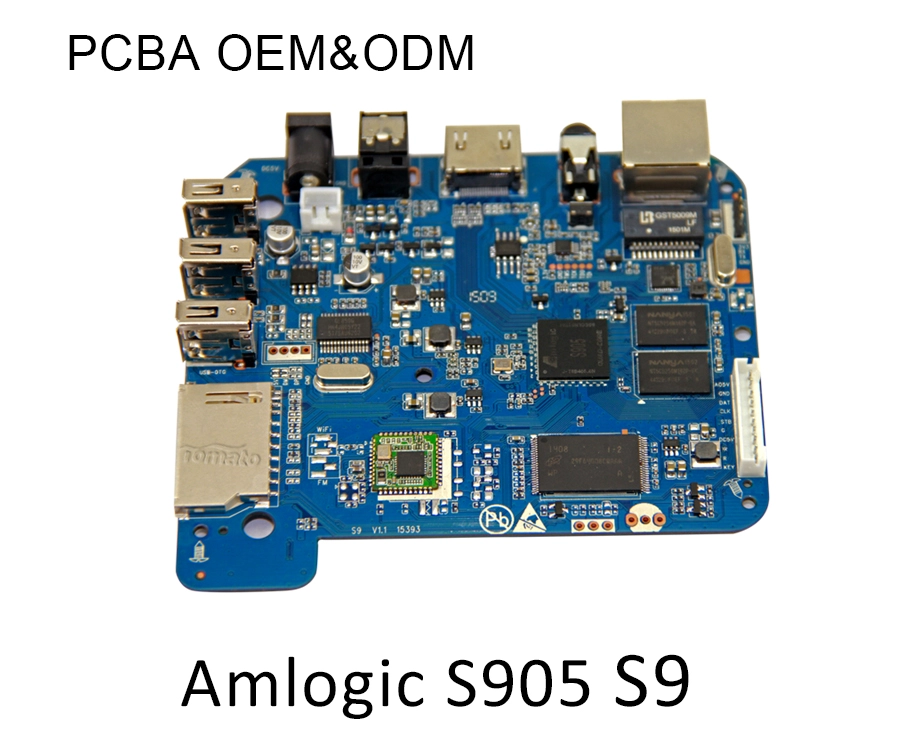
Watchdog Architecture: A professional Streaming Media Player is engineered for resilience. SZTomato integrates hardware watchdog timers on the PCBA (Printed Circuit Board Assembly). If the software hangs, the hardware forces a reboot automatically.
-
MDM Integration: We enable TR-069 or MQTT protocols within the firmware. This allows your central support team to reboot, wipe, or update thousands of units remotely. A consumer-grade solution cannot do this.
4. Lifecycle Management: The Module vs. The Monitor
A commercial display panel lasts 7-10 years. A processor becomes obsolete in 3.
-
The Replacement Reality: If you use built-in Smart TV functionality, you must replace the entire expensive display when the processor becomes too slow to run modern apps.
-
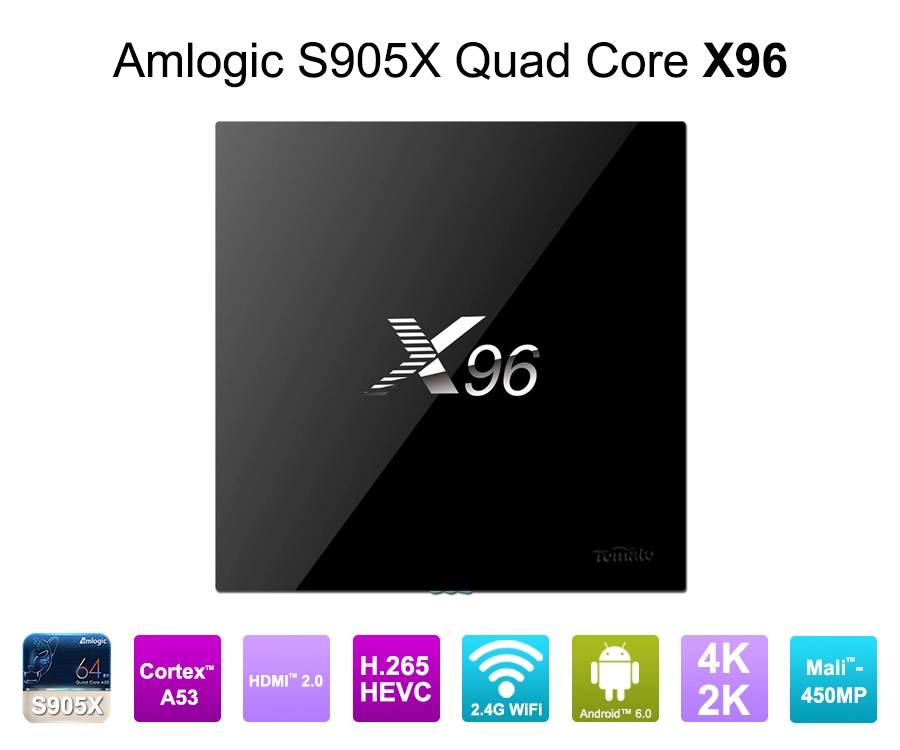
The Modular Strategy: By using a dedicated Streaming Media Player, you simply swap out the $50 box every 4 years while keeping the expensive $800 display. SZTomato facilitates this with consistent form factors and VESA-mountable chassis designs, ensuring that upgrades are a plug-and-play operation for your maintenance staff.
Conclusion: Value is Measured in Control
So, are Streaming Media Players worth it? If you value stable bandwidth costs, total brand control, and the ability to manage your fleet remotely, they are not just "worth it"—they are mandatory. At SZTomato, we don't just sell hardware; we engineer the customization that turns a commodity box into a critical business asset.
