Which OTT TV Box the best?
For a consumer browsing Amazon, "Which OTT TV Box is the best?" is a question of brand loyalty. For a B2B Operations Director managing 50,000 active subscribers, the answer is a calculation of MTBF (Mean Time Between Failures), Codec Efficiency, and Firmware Sovereignty.
In 2026, there is no single "best" box. There is only the best box for your specific architecture. An ISP delivering basic IPTV requires a different hardware profile than a luxury hotel chain demanding 8K AI upscaling. The "best" OTT TV Box is the one that balances chipset performance with thermal stability, while granting you absolute control over the user interface.
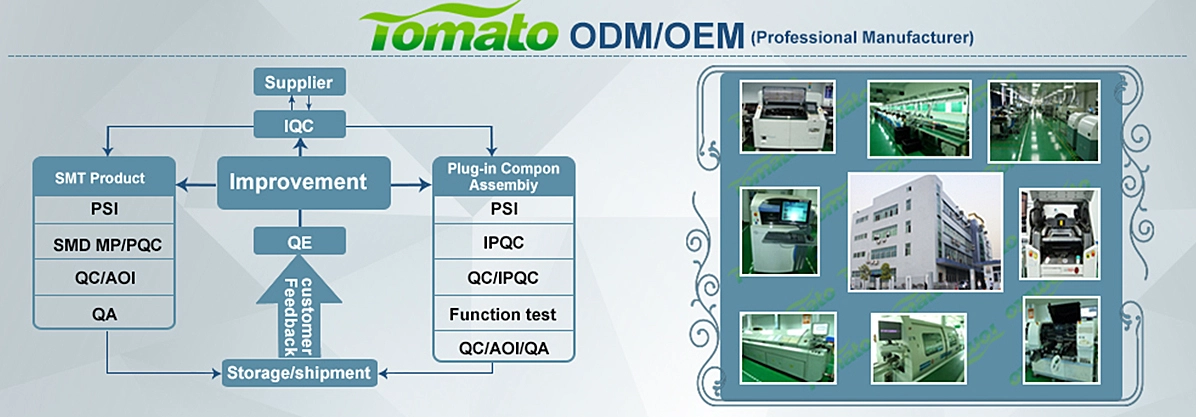
Here is the professional framework for identifying the right hardware tier, based on 15 years of OEM manufacturing data from SZTomato.
1. The Chipset Tier: S905X4 vs. S928X
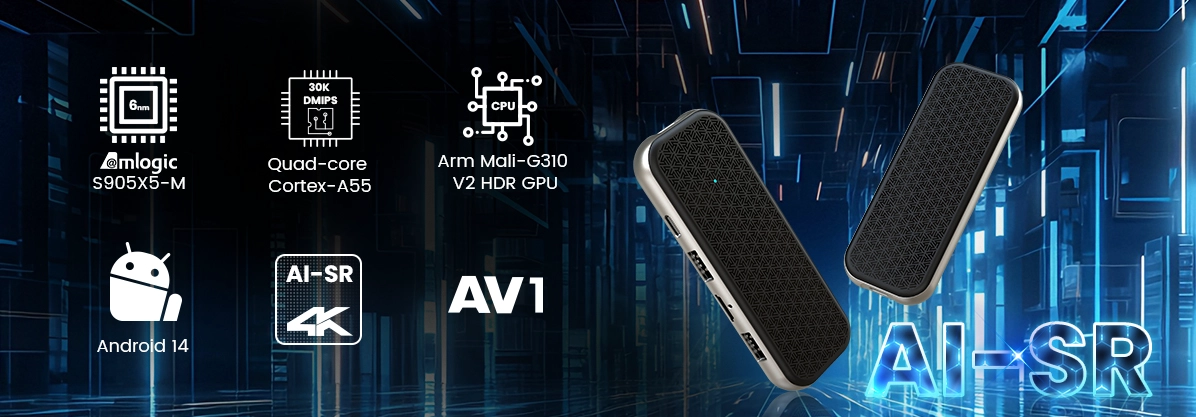
The heart of any OTT TV Box is the SoC (System on Chip). In 2026, if your hardware does not support AV1 hardware decoding, it is already obsolete.
-
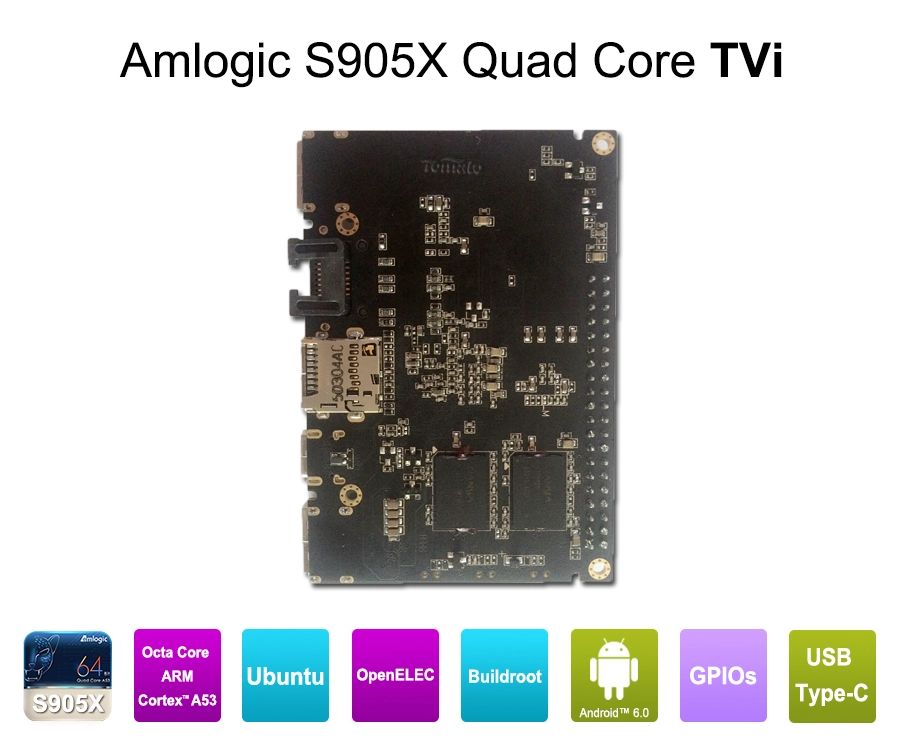
The Mass Deployment Champion (Amlogic S905X4): For 80% of ISP and IPTV projects, this is the "best" choice. It balances cost with performance, handling 4K HDR and AV1 streams effortlessly. It is the workhorse of the industry.
-
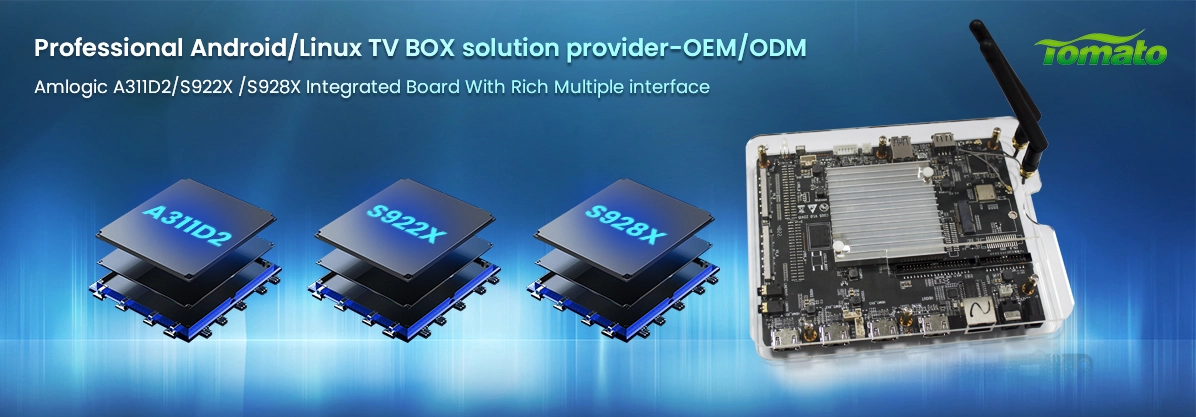
The High-Performance Flagship (Amlogic S928X): For digital signage, premium hospitality, or AI-driven applications, this is the superior option. It supports 8K decoding and features a dedicated NPU (Neural Processing Unit) for super-resolution upscaling.
-
SZTomato’s Role: We don't force you into a specific chip. We analyze your middleware (Stalker, Xtream, or proprietary app) and recommend the SoC that maximizes performance without over-speccing the budget.
2. The Invisible Spec: Thermal Engineering
Why do cheap retail boxes freeze after 4 hours? Poor thermal design. A powerful processor inside a sealed plastic case is a recipe for throttling. The "best" OTT TV Box is the one that stays cool under load.
-
Heat Dissipation: Standard boxes use a thin metal plate glued to the lid. Professional industrial units use extruded aluminum heatsinks bonded directly to the CPU with high-conductivity thermal pads (3.0 W/mK+).
-
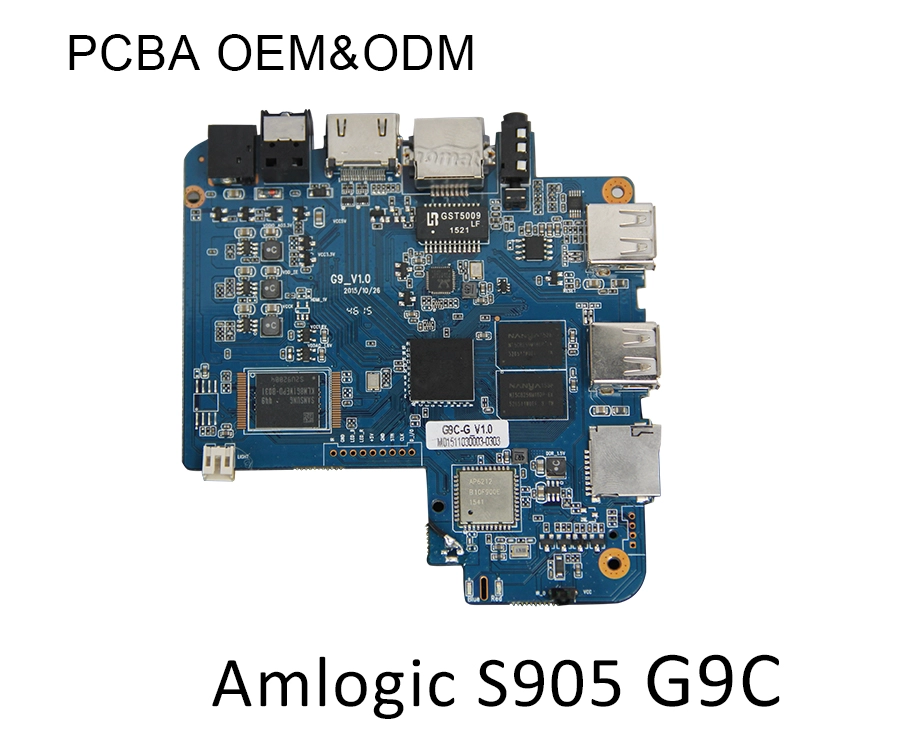
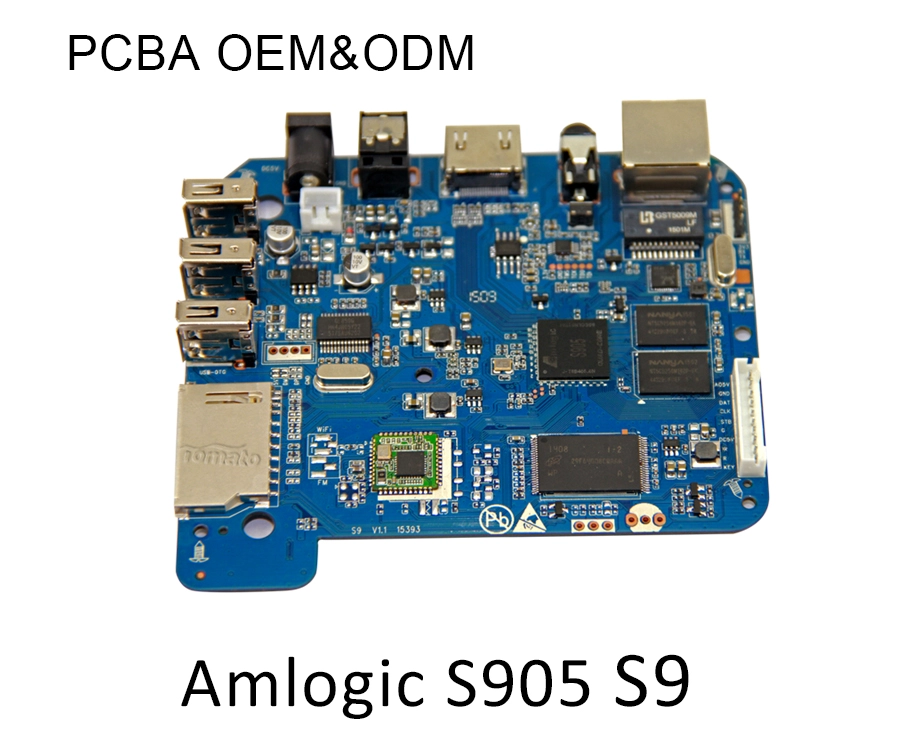
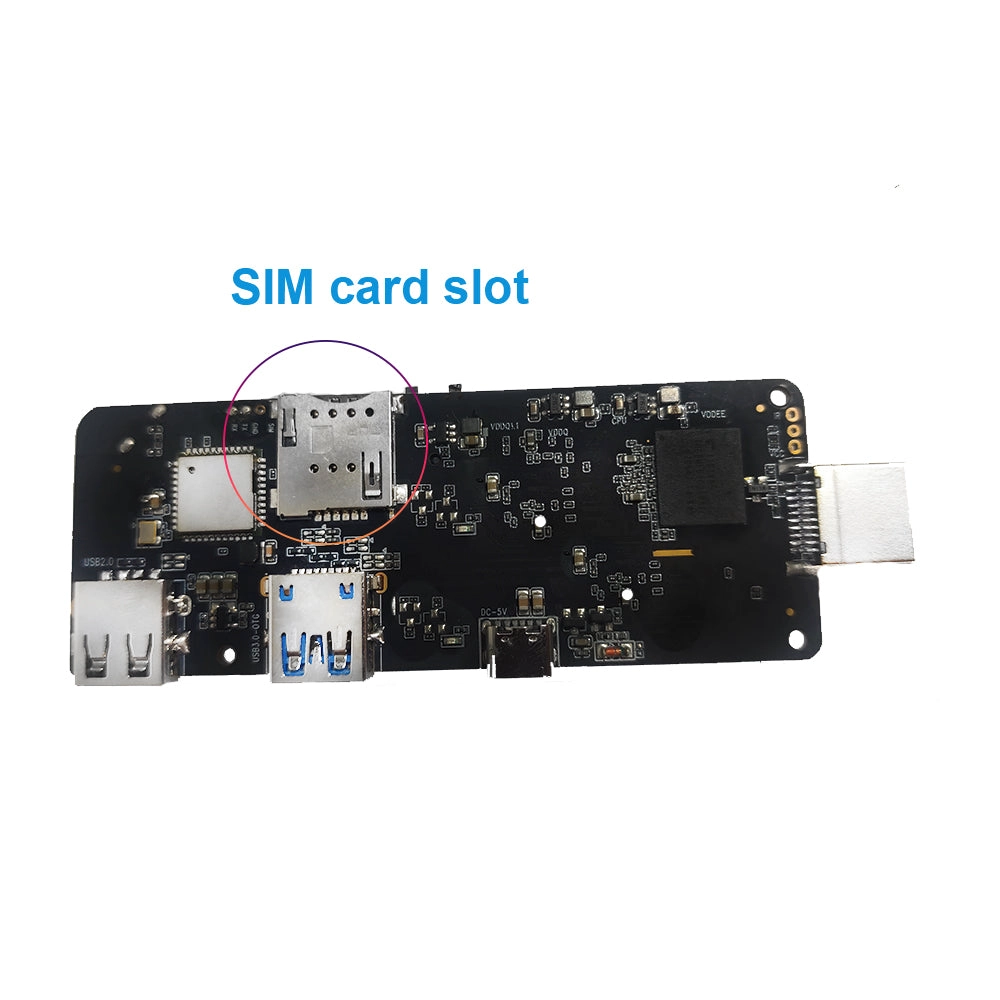
PCBA Layout: At SZTomato, we redesign the PCBA (Printed Circuit Board Assembly) to isolate heat-generating components (like the Wi-Fi module) from the CPU. We can even customize the housing with ventilation grilles or metal alloys to ensure 24/7 reliability in unconditioned environments (up to 45°C).
3. Connectivity: Wi-Fi 6 is the Baseline
In 2026, network congestion is the primary cause of buffering, not internet speed. The "best" OTT TV Box must navigate crowded RF environments.
-
The Wi-Fi 6 Mandate: Legacy Wi-Fi 5 (ac) is insufficient for high-density deployments like apartment complexes. You need Wi-Fi 6 (ax) or Wi-Fi 6E with 2T2R MIMO antennas.
-
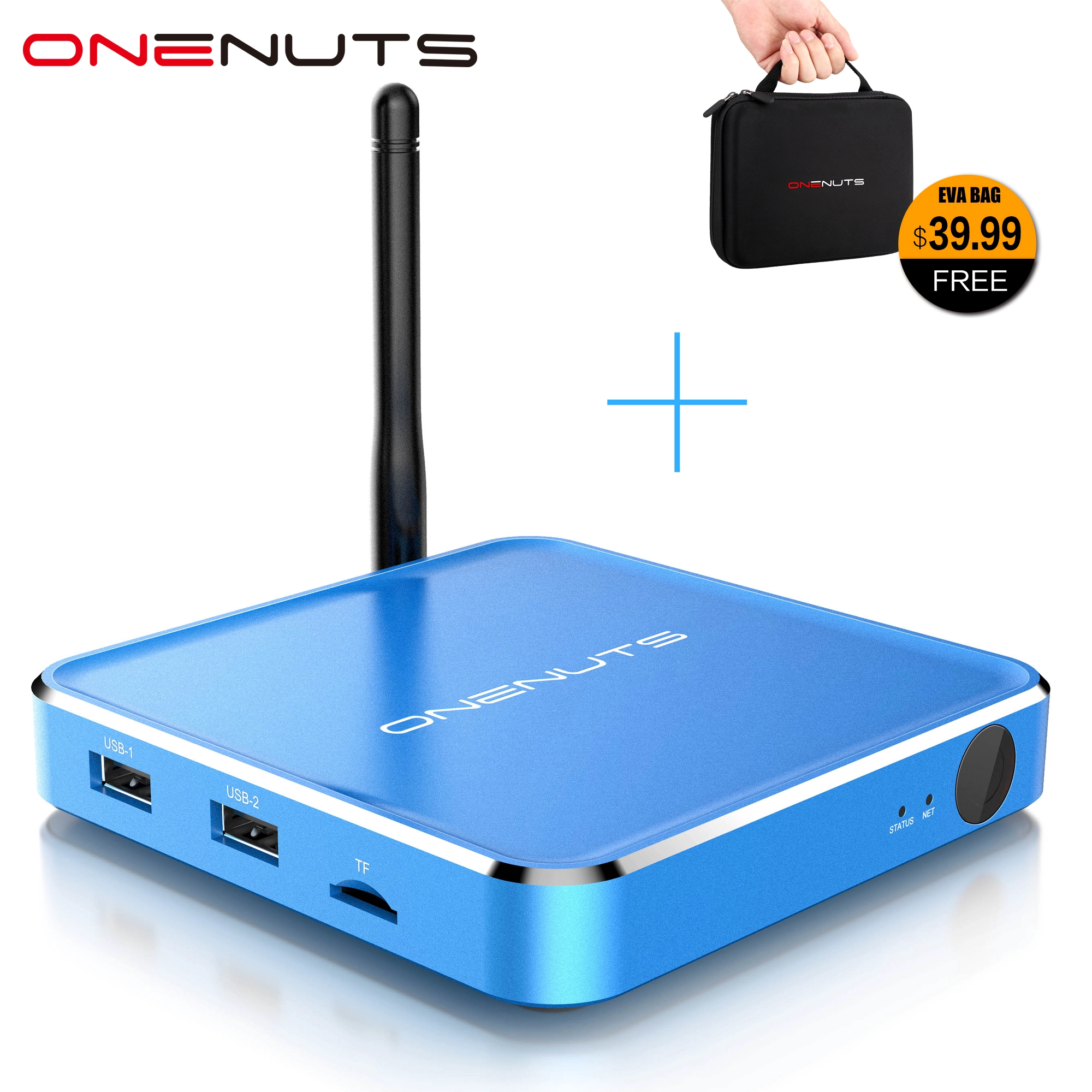
Antenna Customization: Internal PCB antennas are cheap but prone to interference. SZTomato’s engineering team often modifies the housing to include external, high-gain antennas for clients in rural or concrete-heavy areas, ensuring the signal lock is maintained even at -75dBm.
4. The Software Definition: Who Owns the UI?
The most powerful hardware is useless if the user interface (UI) is cluttered with competitor ads. The "best" OTT TV Box is one that runs your software, not Google's default launcher.
-
Firmware Customization: This is the core of our OEM service. We build Custom ROMs that strip out bloatware and boot directly into your branded application (Launcher).
-
Remote Management: We integrate TR-069 or private FOTA (Firmware Over-The-Air) protocols. This allows you to push updates to 10,000 units simultaneously, fix bugs, or change the channel lineup without a single truck roll.
Conclusion: The Best Box is a Custom Box
"Which OTT TV Box is the best?" The answer is: the one engineered for you. Off-the-shelf retail units are liabilities. The best solution is a purpose-built device with a chipset matched to your codec needs, a thermal design matched to your environment, and firmware matched to your business model.