

Do You Need WiFi for a TV Box?
For a retail consumer, the answer to "Do you need WiFi for a TV Box?" is usually "yes." But for a B2B operator managing a fleet of 5,000 devices in a hotel chain, a hospital, or a digital signage network, the answer is a complex calculation of Reliability vs. Infrastructure Costs.
In 2026, wireless congestion in high-density environments is the primary cause of service tickets. A professional deployment strategy requires moving beyond simple "connection" to "connectivity architecture." Here is the technical breakdown of when to cut the cord, when to use a wire, and how SZTomato engineers the hardware to suit your specific environment.
1. The Case for Ethernet: When WiFi is a Liability
In professional IPTV deployments, WiFi is often the enemy. In a hotel with 300 rooms, 300 overlapping WiFi signals create a noise floor that destroys throughput.
-
The Latency Killer: A TV Box relying on crowded 2.4GHz or even 5GHz bands will experience packet loss, leading to buffering during 4K streaming.
-
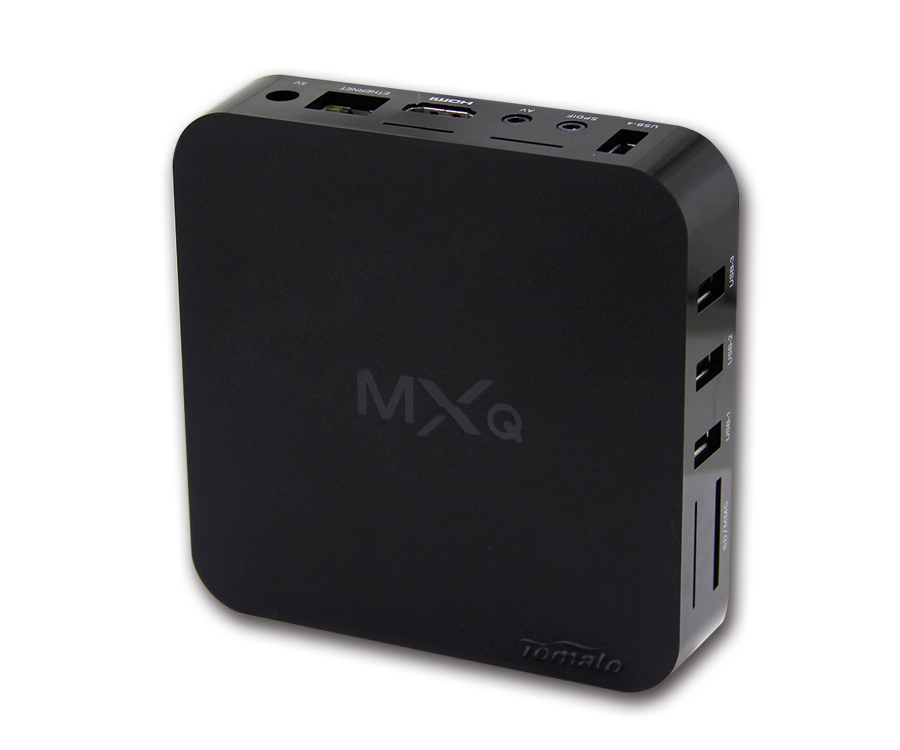
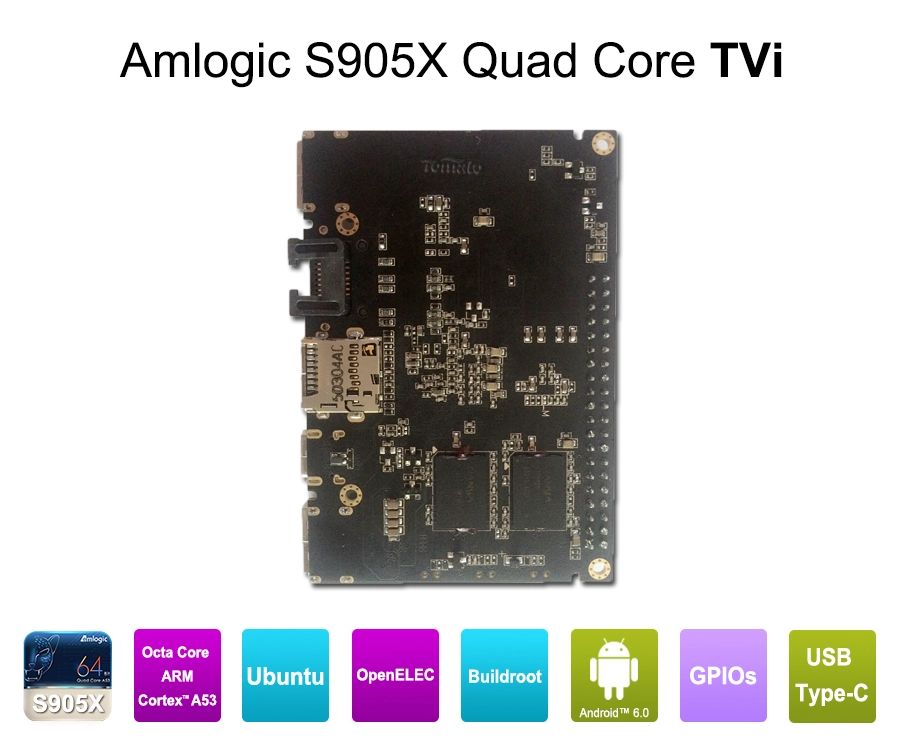
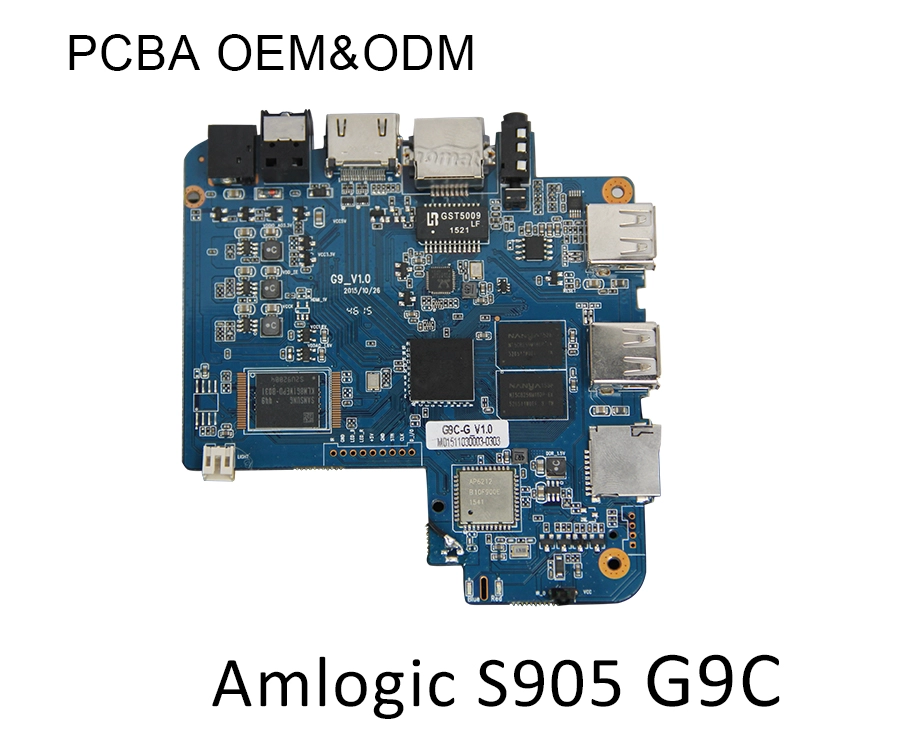
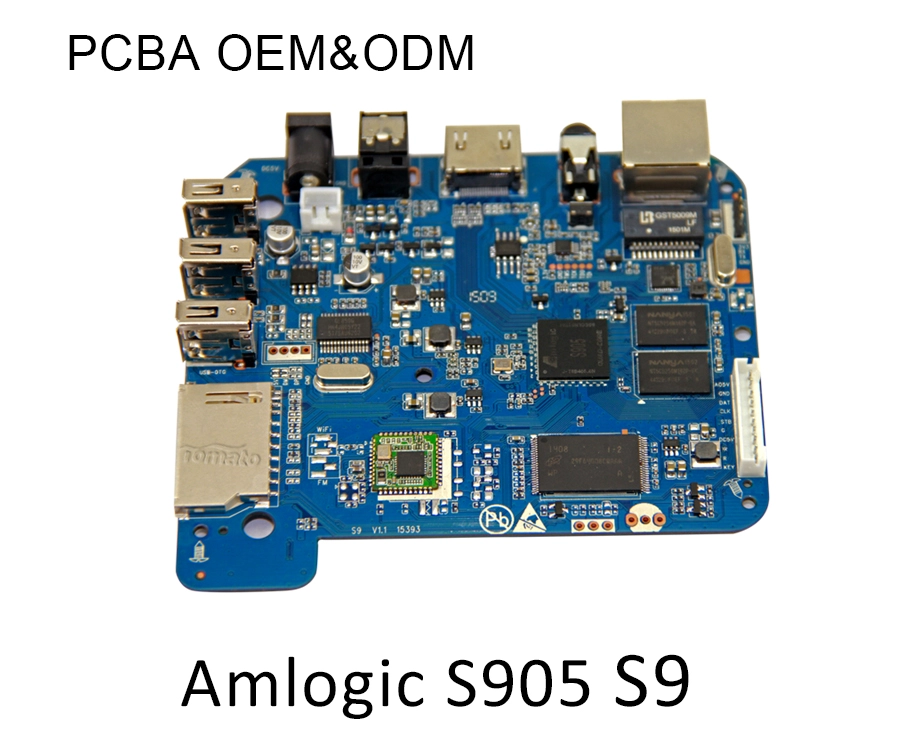
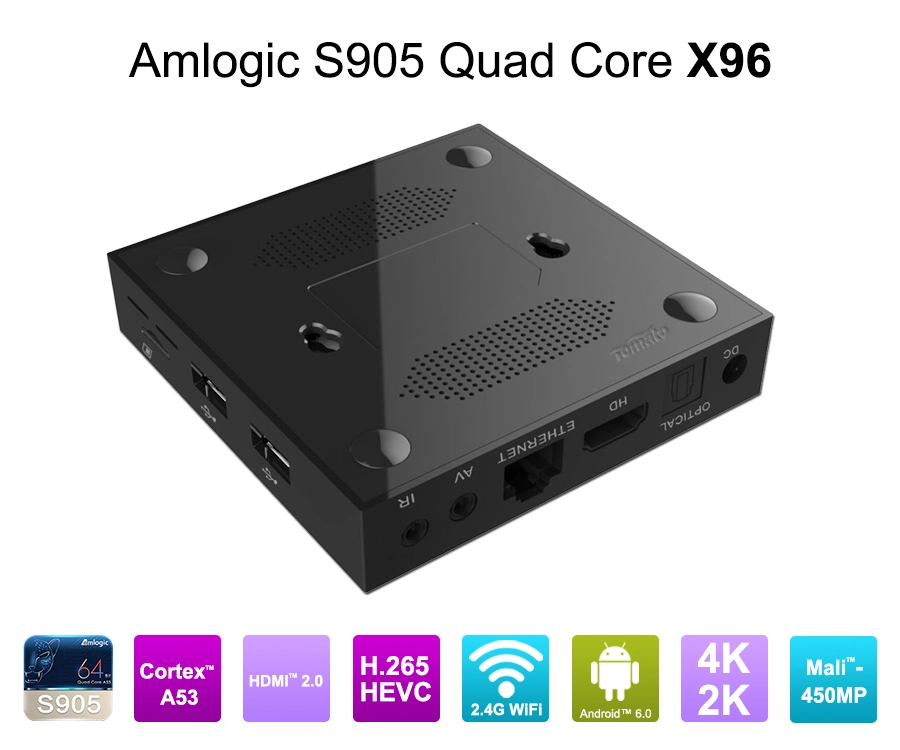
The SZTomato Solution: For these environments, we recommend—and manufacture—devices with Gigabit Ethernet (1000M RJ45) ports. Unlike standard retail boxes that cap at 100M, our customized PCBA (Printed Circuit Board Assembly) designs ensure the LAN port can handle high-bitrate multicast streams without a single dropped frame.
-
Security Customization: For government or prison contracts where WiFi is a security risk, SZTomato’s ODM team physically removes the WiFi/Bluetooth module from the motherboard, creating a "hardened" TV Box that is physically incapable of unauthorized wireless communication.
2. The Case for WiFi 6/6E: Solving the Retrofit Problem
Sometimes, drilling holes for Ethernet cables is impossible (e.g., historical buildings or asbestos-laden walls). In these scenarios, you do need WiFi, but you need Industrial-Grade WiFi.
-
The Spec That Matters: Do not settle for Wi-Fi 5 (802.11ac). In 2026, you require Wi-Fi 6 (802.11ax) or 6E. These protocols use OFDMA (Orthogonal Frequency-Division Multiple Access) to communicate with multiple devices simultaneously, reducing lag in crowded areas.
-
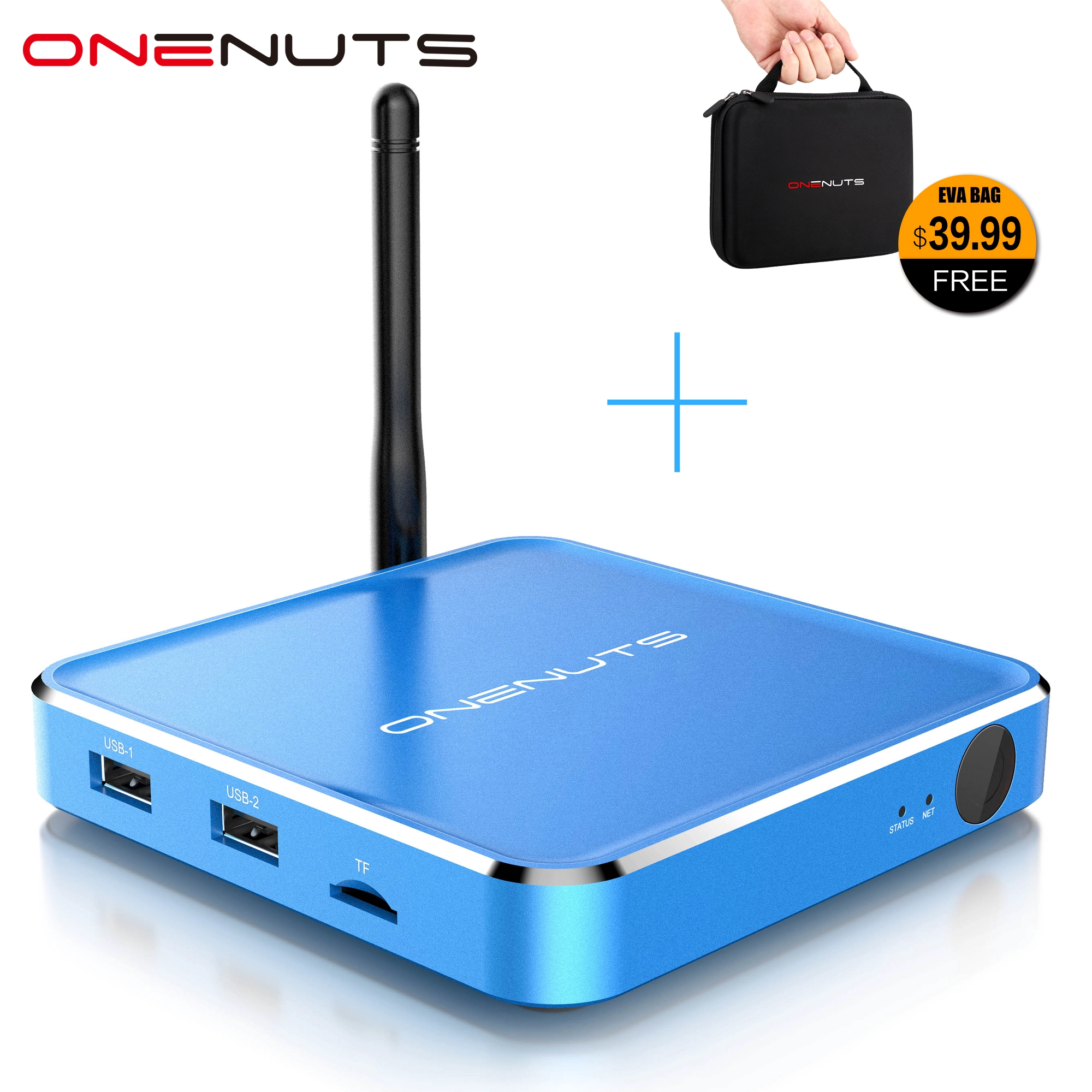
Antenna Engineering: A TV Box hidden behind a metal TV chassis acts as a Faraday cage, blocking signals. SZTomato solves this through Housing Customization. We modify the mold to include external, high-gain (5dBi) dual-band antennas. This simple hardware change can boost signal reception by 40% compared to internal PCB antennas, saving you the cost of installing mesh repeaters.
3. The "Offline" Use Case: Digital Signage & Store-and-Play
Do you need WiFi for a TV Box running digital signage on a remote billboard or a bus? Ideally, no. Reliance on a constant connection creates a point of failure.
-
Local Storage & USB 3.0: For these clients, we focus on Storage Expansion. We configure the TV Box with high-speed eMMC 5.1 storage (up to 128GB) and USB 3.0 ports.
-
Firmware Logic: Through our Firmware Development Service, we configure the device to operate in "Store-and-Play" mode. The box downloads content during a maintenance window (or via USB update) and plays it locally. If the WiFi drops, the screen never goes black.
-
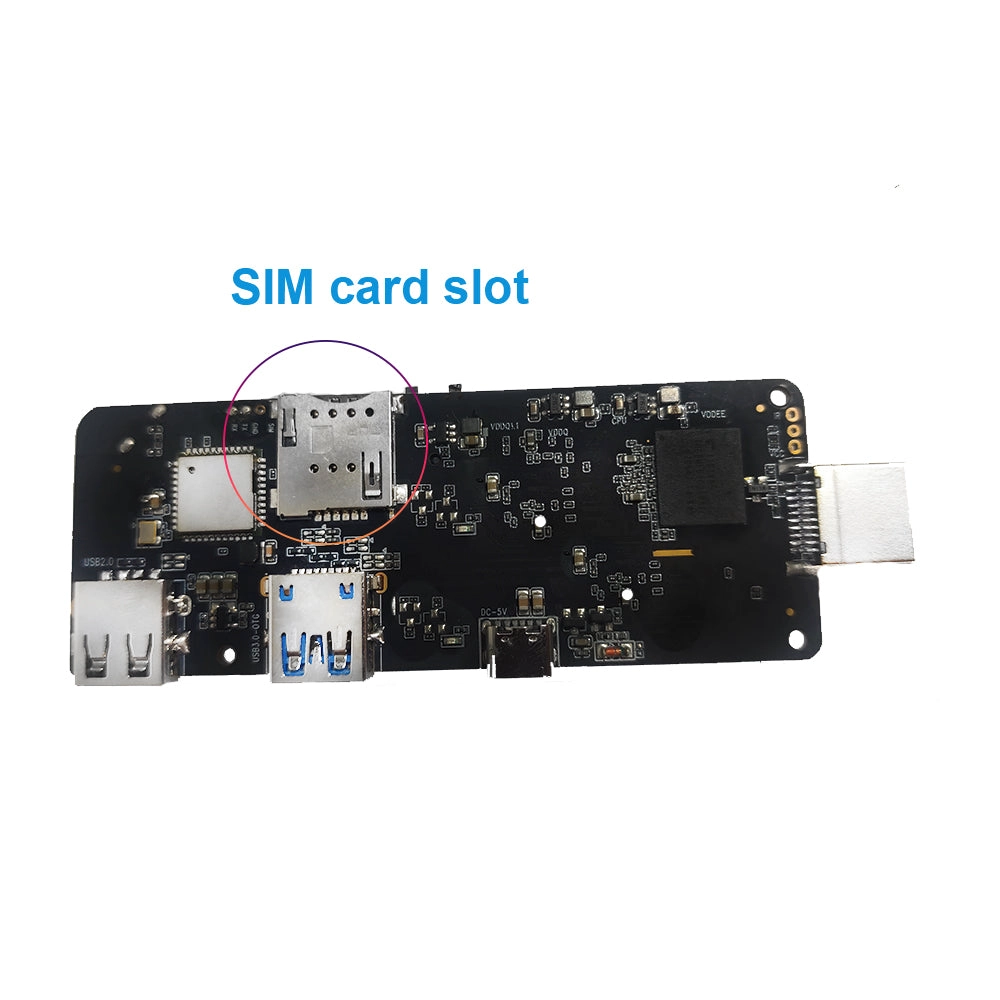
4G/5G Modules: For mobile deployments (like transport fleets), we can redesign the mainboard to integrate a SIM Card Slot and 4G/LTE Module. This bypasses WiFi entirely, using cellular data for playlist updates and proof-of-play reporting.
Conclusion: Connectivity is a customized Choice
"Do you need WiFi for a TV Box?" The answer depends on your ROI model. If you value stability above all, you need Ethernet. If you need flexibility, you need Wi-Fi 6. If you need mobility, you need 4G.
At SZTomato, we don't force you to adapt to a retail product. We adapt the product to your connectivity needs. From removing modules for security to adding external antennas for range, we engineer the connection to ensure your content is always delivered.
