
Streaming Media Player Buying Guide
In the B2B sector, buying a Streaming Media Player is not a transaction; it is an infrastructure decision. For an ISP rolling out 50,000 units or a hotel chain upgrading 500 rooms, a bad hardware choice today becomes a multi-million dollar support nightmare tomorrow.
The retail market is flooded with plastic dongles that throttle after 20 minutes of 4K playback. Professional procurement demands a different set of criteria: thermal stability, codec efficiency, and firmware sovereignty. This guide outlines the technical specifications that actually matter in 2026, moving beyond the spec sheet to the engineering reality.
1. The Silicon Strategy: Matching the SoC to the Service
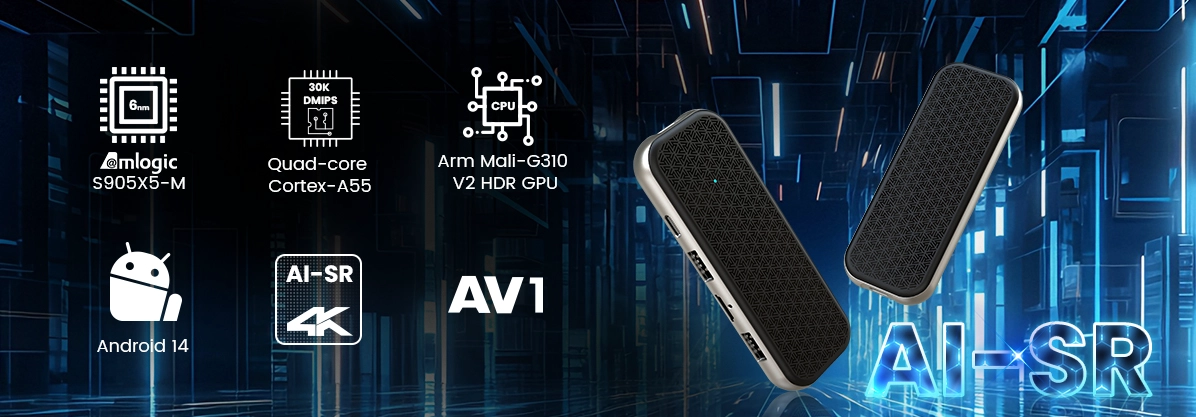
The heart of any Streaming Media Player is the System-on-Chip (SoC). In 2026, the baseline for industrial deployment is AV1 Hardware Decoding.
-
The Bandwidth Math: AV1 is 30% more efficient than H.265. For an IPTV operator, deploying a player without native AV1 support (like older S905X3 chips) means bleeding money on CDN fees every month.
-
The Amlogic Tiering:
-
For Mass IPTV/OTT: The Amlogic S905X4 or S905Y4 remains the gold standard. It balances cost with performance, supporting 4K@60fps AV1 decoding perfectly.
-
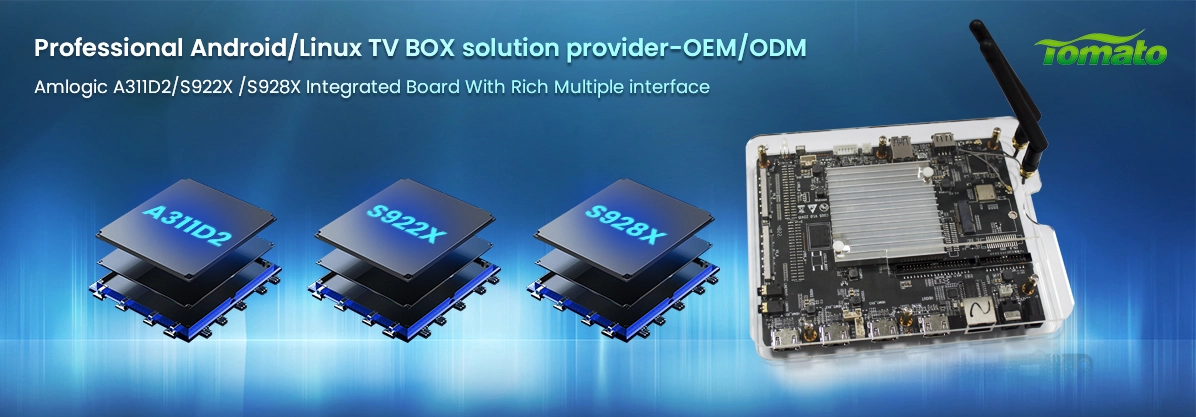
For Premium/Signage: The Amlogic S928X is the only viable choice for 8K decoding and AI-driven upscaling.
-
-
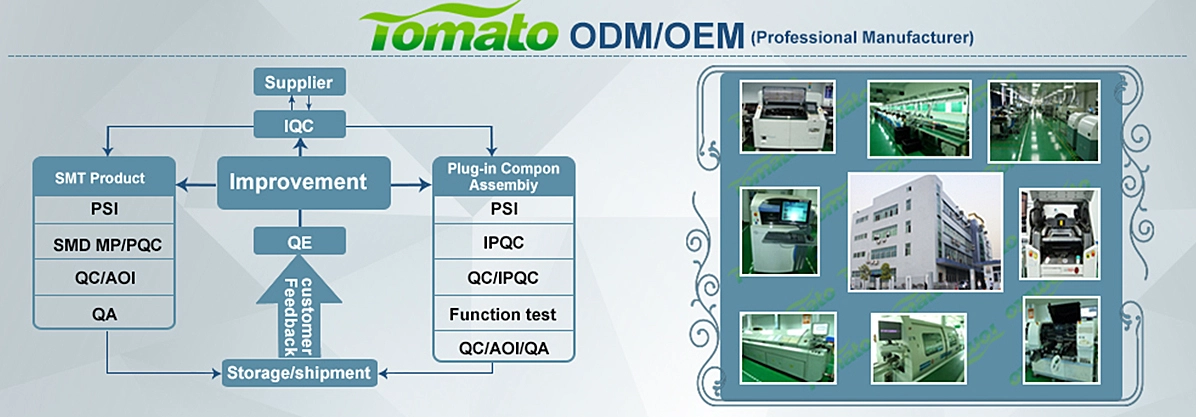
The SZTomato Edge: We don't just solder a chip. Our engineers tune the DVFS (Dynamic Voltage and Frequency Scaling) governance in the kernel. This ensures the SoC delivers peak performance without the micro-stutters seen in generic boxes.
2. Thermal Engineering: The "Invisible" Spec
Why do retail boxes die after 13 months? Heat. A Streaming Media Player enclosed in plastic without proper airflow cooks its own storage controller.
-
The Heatsink Reality: Most suppliers use a thin steel plate. Professional-grade players require extruded aluminum heatsinks with a high surface area, bonded with 3.0 W/mK thermal pads.
-
Housing Design: At SZTomato, we treat the housing as a functional component. Our OEM services include modifying the mold to add ventilation grilles specifically positioned over the PMIC (Power Management IC) and CPU. We test every design in thermal chambers at 45°C ambient temperature to ensure zero throttling under 24/7 load.
3. Firmware Sovereignty: Who Owns the User?
The most expensive mistake a buyer can make is purchasing hardware locked to a consumer ecosystem. You need a Streaming Media Player that obeys your rules.
-
The Launcher: Do not settle for the standard Android grid. You need a Custom Launcher that boots directly into your middleware (Stalker, Xtream, or a proprietary hotel portal).
-
The Lock-Down: SZTomato provides "Kiosk Mode" firmware. We disable the Google Play Store (if requested), lock the Settings menu, and remove the ability for users to sideload APKs. This transforms the device from a toy into a secure, managed endpoint.
-
Remote Management: A professional player must support TR-069 or MQTT for remote diagnostics. If you cannot reboot a box in Room 304 from your office, you have bought the wrong hardware.
4. Connectivity Architecture: Wi-Fi 6 vs. Ethernet
In 2026, RF interference is the primary cause of buffering.
-
The Wi-Fi 6 Mandate: If you cannot run Ethernet cables, you must specify Wi-Fi 6 (802.11ax) modules with 2T2R MIMO. Single-antenna Wi-Fi 5 (ac) is insufficient for modern high-density environments.
-
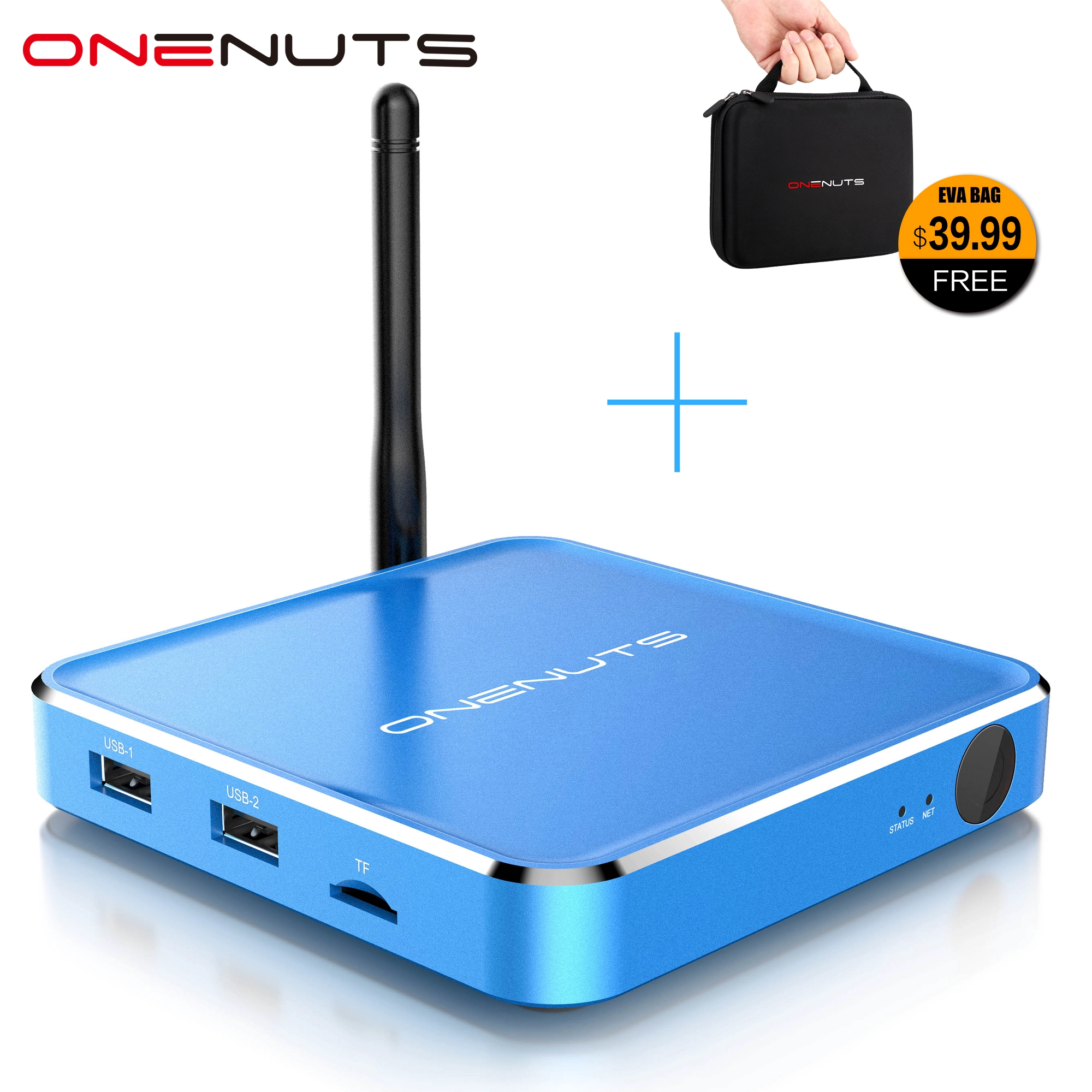
Antenna Customization: Internal antennas often fail behind TV screens. SZTomato offers hardware customization to add external, high-gain (5dBi) antennas or modify the PCBA to support Gigabit Ethernet for absolute stability.
Conclusion: Buy the Architecture, Not the Box
The "best" Streaming Media Player is the one you never have to think about after deployment. It runs cool, saves bandwidth via AV1, and boots your brand every time. At SZTomato, we engineer these traits into the device from the PCBA up.
