
Can Shenzhen Tomato Technology Co., Ltd provide OEM/ODM Custom firmware for IPTV Set-Top Boxes?
Can Shenzhen Tomato Technology Co., Ltd Provide OEM/ODM Custom Firmware for IPTV Set-Top Boxes?
Yes—But IPTV Firmware Customization Must Be Defined at the System Level
A recurring problem in IPTV projects is not the availability of hardware. It is the gap between a reference firmware image and the operator's actual deployment requirements.
An operator may need a branded boot sequence, a controlled launcher, proprietary middleware, conditional access integration, remote device management, custom APIs, automatic OTA updates, restricted settings, specific HDMI behavior, or a private application ecosystem.
A factory that only modifies the enclosure and preinstalls an APK cannot solve these requirements.
Shenzhen Tomato Technology Co., Ltd. supports OEM/ODM customization for IPTV Set-Top Boxes at both the hardware and firmware levels, depending on the project specification.
The customization scope can include:
-
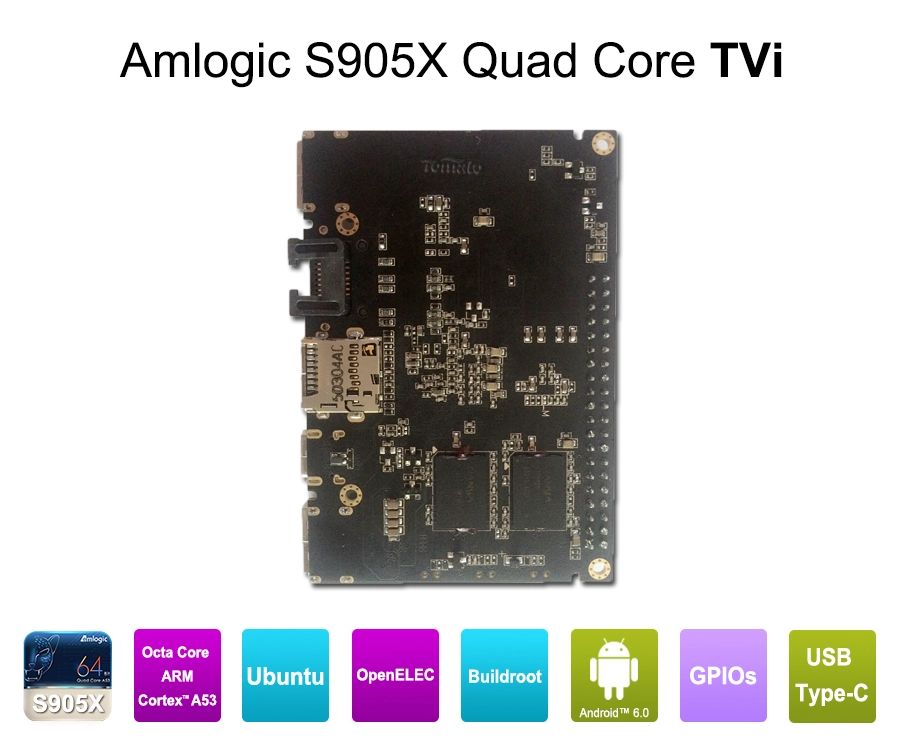
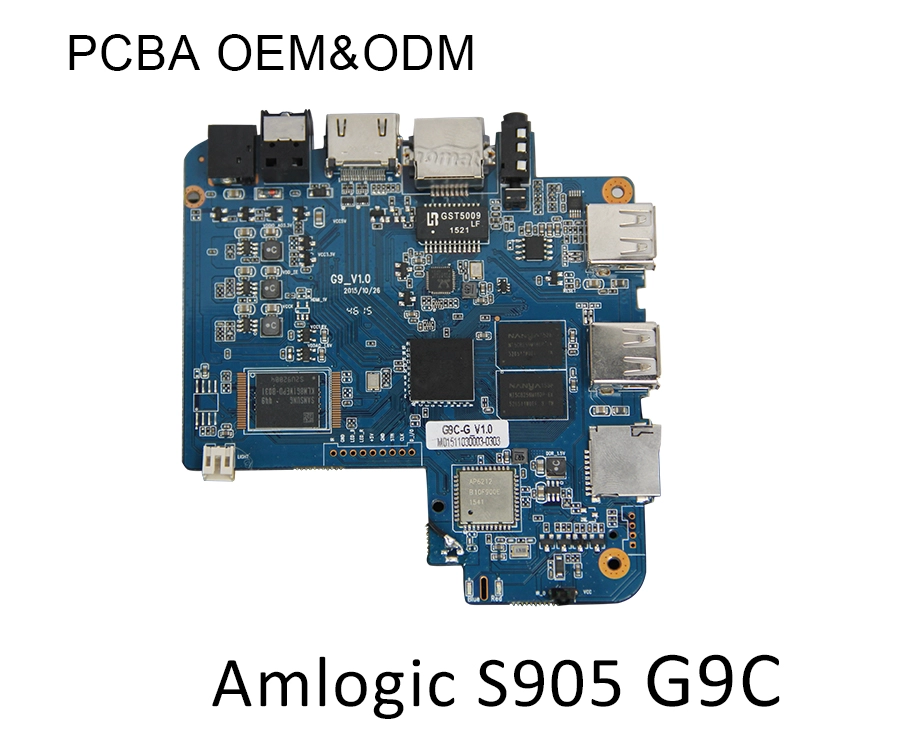
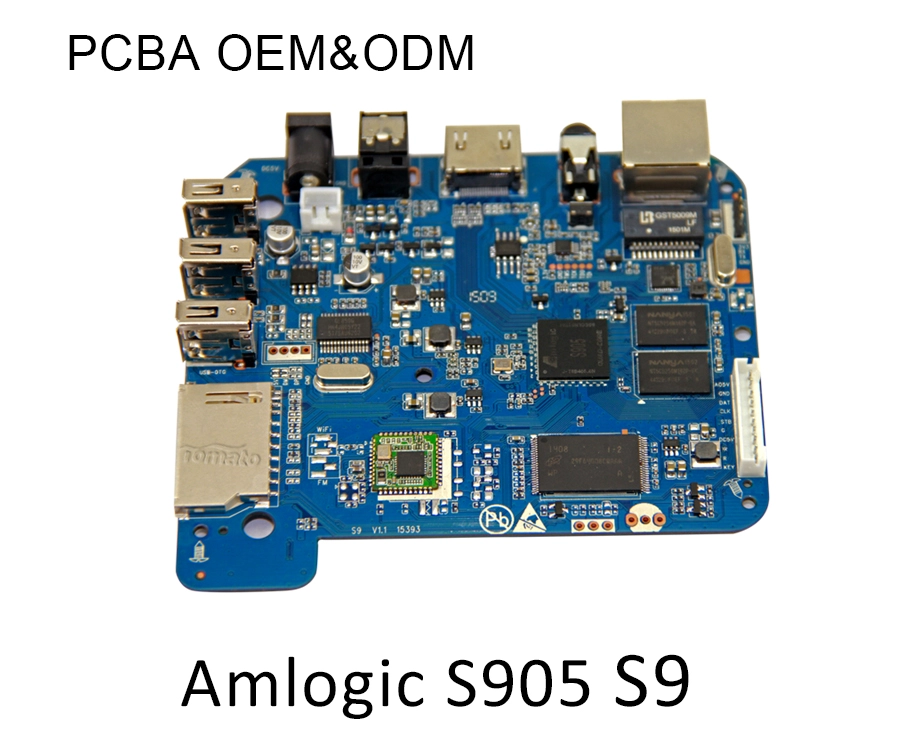
PCBA hardware modification
-
Android/Linux firmware customization
-
Custom UI/UX and launcher development
-
SDK/API integration
-
Boot animation and boot-flow customization
-
System application integration
-
OTA update architecture
-
Kernel and driver optimization
-
Storage and memory configuration
-
Network and peripheral customization
-
Thermal and mechanical optimization
-
Production firmware deployment
For B2B buyers, the important distinction is between cosmetic OEM and engineering-level OEM/ODM.
1. What Can Be Customized in an IPTV Set-Top Box?
An IPTV Set-Top Box is a hardware-software system. Changing one layer can affect another.
A practical customization architecture can be divided into five levels.
Hardware and PCBA Layer
The first layer is the physical platform.
Depending on the project, SZTomato can evaluate modifications to:
-
SoC selection
-
DDR memory
-
eMMC storage
-
Wi-Fi/Bluetooth modules
-
Ethernet configuration
-
USB interfaces
-
HDMI interfaces
-
AV interfaces
-
GPIO
-
UART
-
IR receiver
-
LED/display components
-
power management
-
PCB layout
-
antenna placement
This becomes important when the standard reference board does not match the customer's deployment environment.
For example, a telecom operator may require a specific Ethernet configuration, a different storage capacity, additional USB peripherals, or a customized enclosure with a different thermal path.
These requirements can require PCBA-level engineering, not simply a different plastic housing.
Bootloader and Operating-System Layer
The second layer controls how the Set-Top Box actually starts and manages the operating system.
Possible requirements include:
-
Custom boot logo
-
Custom boot animation
-
Secure boot configuration
-
System partition structure
-
Preinstalled applications
-
Default system settings
-
Device identification
-
Debug restrictions
-
Recovery mechanism
-
Factory reset behavior
For Android-based IPTV hardware, the firmware can be customized around the BSP and system framework supplied for the selected SoC platform.
For Linux-based projects, kernel configuration, drivers, system services, network management, and application startup can also be integrated into the product image.
UI/UX Layer
A generic Android launcher may be sufficient for a consumer device.
It is often unsuitable for an operator-managed IPTV platform.
A customized interface can include:
-
Operator branding
-
Custom launcher
-
IPTV application integration
-
Channel navigation
-
Customized settings
-
Remote-control mapping
-
Restricted menus
-
Kiosk-style operation
-
Promotional modules
-
Multilingual interfaces
The objective is to make the device behave like the operator's own terminal rather than a generic Android Box.
Application and Middleware Layer
This is where SDK/API integration becomes important.
An IPTV project may need communication between the Set-Top Box and:
-
IPTV middleware
-
Content management systems
-
Device management platforms
-
Authentication servers
-
EPG systems
-
Operator APIs
-
Advertising platforms
-
Remote monitoring systems
-
Private cloud infrastructure
The Set-Top Box therefore becomes an endpoint within a larger network architecture.
The firmware must expose the interfaces required by that architecture.
OTA and Device Management Layer
A commercial IPTV deployment can involve hundreds, thousands, or more devices.
Manually updating firmware is not a sustainable deployment model.
A customized OTA system can be designed around requirements such as:
-
Firmware version control
-
Signed update packages
-
Remote updates
-
Incremental updates
-
Device groups
-
Staged deployment
-
Rollback
-
Failure recovery
-
Factory recovery
-
Update logs
The exact OTA architecture depends on the operator's existing server and device-management environment.
2. How Does SZTomato Approach Custom IPTV Set-Top Box Firmware?
The key is to start with the project architecture, rather than selecting a generic Set-Top Box and attempting to modify it afterward.
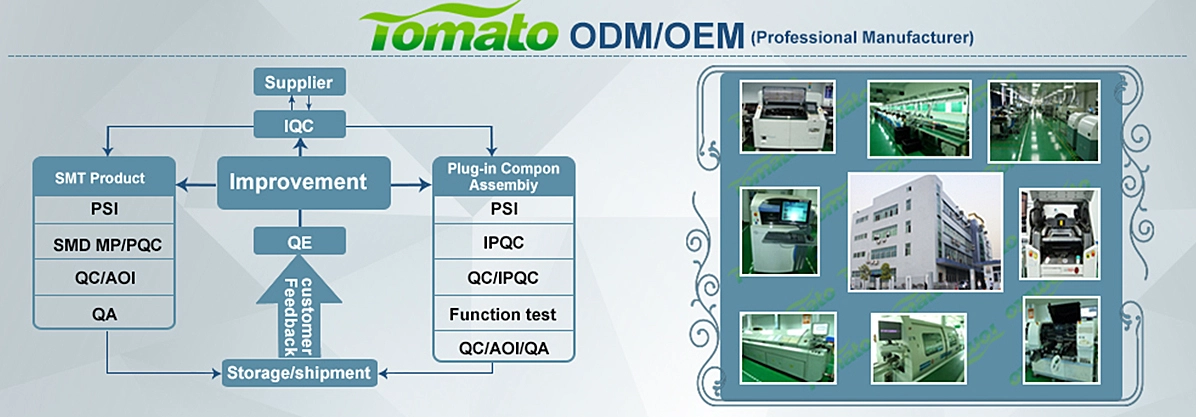
A typical OEM/ODM workflow can follow this structure:
Step 1: Define the IPTV Application Architecture
Before selecting hardware, the engineering team should identify:
-
IPTV middleware
-
Streaming protocol requirements
-
DRM or conditional-access requirements
-
Video codecs
-
Resolution
-
Network interfaces
-
Remote-control architecture
-
API requirements
-
Device-management platform
-
OTA mechanism
-
Target Android/Linux version
This determines the appropriate SoC and board architecture.
Step 2: Match the SoC and PCBA
The hardware platform must support the actual workload.
For example, an IPTV project may require:
-
4K decoding
-
H.265/HEVC
-
AV1
-
HDR
-
HDMI output
-
Gigabit Ethernet
-
Wi-Fi 6
-
Bluetooth
-
large eMMC storage
A different project may require additional USB, serial interfaces, dual Ethernet, PCIe, camera interfaces, or other industrial I/O.
The correct PCBA is therefore determined by the deployment specification rather than a generic product catalog.
Step 3: Integrate the Firmware
Firmware development can then address:
-
Bootloader
-
BSP
-
Linux/Android kernel
-
Device drivers
-
Framework configuration
-
System applications
-
Launcher
-
IPTV application
-
Network services
-
OTA
-
Security configuration
Kernel optimization is particularly important when the standard BSP does not provide the required performance or peripheral behavior.
Step 4: Integrate APIs and Applications
The Set-Top Box can then be connected to the customer's existing ecosystem.
SDK/API integration may involve:
-
Authentication
-
EPG
-
Channel management
-
Device registration
-
Content management
-
Remote commands
-
Advertising
-
Analytics
-
Device status
-
Firmware updates
This is where an OEM Set-Top Box becomes part of the customer's infrastructure rather than an isolated hardware product.
Step 5: Validate the Complete System
Testing should cover the complete hardware-software stack.
Important areas include:
-
Video playback
-
HDMI compatibility
-
HDCP behavior
-
Ethernet throughput
-
Wi-Fi stability
-
Bluetooth peripherals
-
Remote control
-
OTA updates
-
Factory reset
-
Long-duration operation
-
Thermal performance
-
Power consumption
-
Application stability
-
Firmware recovery
For operator deployments, field conditions matter as much as laboratory testing.
3. What About HDCP, DRM and IPTV Security?
Security requirements should be defined at the beginning of an IPTV Set-Top Box project.
HDCP, DRM, secure boot, key provisioning, encrypted content and application-level authentication are not interchangeable technologies.
For example, HDCP protects digital content transmitted through supported display interfaces, while DRM systems control access to protected content according to the content provider's security architecture.
A Set-Top Box may therefore need to support several security layers simultaneously.
The final implementation depends on:
-
SoC capabilities
-
DRM requirements
-
content-provider certification
-
HDCP version requirements
-
secure boot architecture
-
key provisioning
-
middleware
-
operator infrastructure
This is also an area where a standard Android Box firmware image may not be sufficient.
For projects involving commercial content distribution, the customer should define the required certifications, licenses, DRM technologies, and key-management responsibilities before mass production.
4. Why PCBA and Thermal Engineering Matter in IPTV Projects
Firmware customization cannot compensate for an incorrectly designed hardware platform.
A Set-Top Box operating continuously in a telecom cabinet, hotel environment, control room, or commercial installation can face a very different thermal profile from a residential device.
Higher-performance SoCs, larger memory configurations, high-speed networking and continuous video processing can increase thermal load.
SZTomato can address the hardware side through:
-
PCBA modification
-
Component placement optimization
-
Power design evaluation
-
Heat-spreader design
-
Heatsink selection
-
Thermal interface material
-
Enclosure airflow
-
Passive cooling
-
Active cooling where required
The objective is to maintain stable SoC performance rather than simply keeping the surface temperature low.
For long-duration IPTV deployments, thermal throttling, memory stability, storage reliability and power integrity should be evaluated under sustained workload conditions.
5. OEM vs ODM: Which Model Fits an IPTV Operator?
The distinction is important for procurement teams.
OEM Set-Top Box Customization
OEM is suitable when the customer already has a defined product architecture and needs manufacturing plus selected modifications.
Typical requirements include:
-
Customer branding
-
Logo
-
Packaging
-
Custom launcher
-
Preinstalled applications
-
Firmware configuration
-
Memory/storage options
-
Selected PCBA modifications
ODM Set-Top Box Development
ODM is more appropriate when the customer wants the manufacturer to participate in product engineering.
The scope can include:
-
SoC selection
-
PCBA design
-
Component selection
-
Mechanical design
-
Thermal design
-
Firmware development
-
SDK/API integration
-
UI/UX customization
-
OTA architecture
-
Prototype development
-
Production validation
For an IPTV operator or system integrator building a dedicated platform, ODM can reduce the gap between the initial specification and the final deployable product.
6. What Should B2B Buyers Ask Before Selecting an IPTV Set-Top Box Manufacturer?
Price should not be the first technical question.
A more useful supplier evaluation should include:
| Technical Area | Questions to Ask |
|---|---|
| SoC | Which SoC and BSP are used? |
| PCBA | Can the board be modified for project-specific I/O? |
| Firmware | Can the manufacturer modify system-level firmware? |
| Kernel | Can drivers and kernel configurations be customized? |
| UI | Can the launcher and UX be redesigned? |
| API | Can the firmware integrate with private APIs and middleware? |
| OTA | Can the update architecture support remote deployment? |
| Security | What secure boot, HDCP and DRM capabilities are supported? |
| Thermal | Can the cooling system be modified for continuous operation? |
| OS | Android, Android TV, AOSP or Linux? |
| Production | Can engineering changes be maintained during mass production? |
| Support | Who maintains the BSP and firmware after deployment? |
One question separates many real engineering suppliers from simple assembly vendors:
“Can you modify the firmware and PCBA when the standard reference design does not meet our specification?”
The answer reveals much more than a product catalog.
7. Why Firmware Ownership Matters for Long-Term IPTV Deployments
An IPTV Set-Top Box is not finished when the first production batch leaves the factory.
The product may need firmware updates for:
-
New applications
-
Security patches
-
Middleware changes
-
API changes
-
Network compatibility
-
Performance optimization
-
Bug fixes
-
OTA improvements
-
New content requirements
This makes firmware maintenance part of the product lifecycle.
For B2B buyers, the supplier's ability to work with BSP, SDK, kernel, drivers, system applications and OTA infrastructure can therefore have a direct effect on the total cost of ownership.
A low initial hardware price can become expensive if every firmware modification requires a complete redesign or if the supplier cannot maintain the platform.
Can SZTomato Provide Custom Firmware for IPTV Set-Top Boxes?
Yes. Shenzhen Tomato Technology Co., Ltd. can support OEM/ODM IPTV Set-Top Box projects that require customized firmware and hardware engineering, with the exact scope determined by the selected SoC platform, existing BSP, customer software architecture, security requirements and production specification.
The customization can extend from standard OEM requirements to deeper engineering work, including:
PCBA hardware modification → BSP/kernel optimization → SDK/API integration → custom UI/UX → application integration → OTA system → thermal optimization → production firmware
This approach is particularly relevant to IPTV operators, telecom companies, distributors, brand owners, system integrators and project-based buyers that need a Set-Top Box aligned with an existing service platform.
For a new IPTV project, procurement teams should provide the target SoC or performance level, Android/Linux version, video requirements, middleware/API documentation, network configuration, security requirements, UI specifications, OTA architecture and estimated production volume.
With those parameters defined, SZTomato can evaluate the appropriate hardware platform and determine which elements should be customized at the PCBA, firmware, application and system-integration levels.
