
Can a Smart TV box replace cable TV?
What Is a Smart TV Box — And What It Brings to the Table
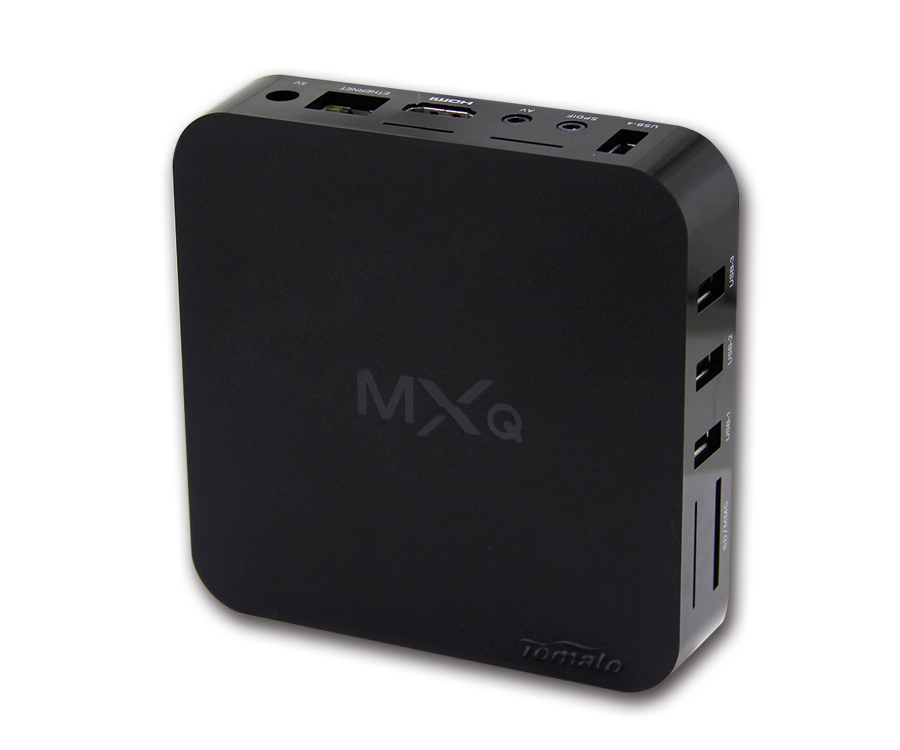
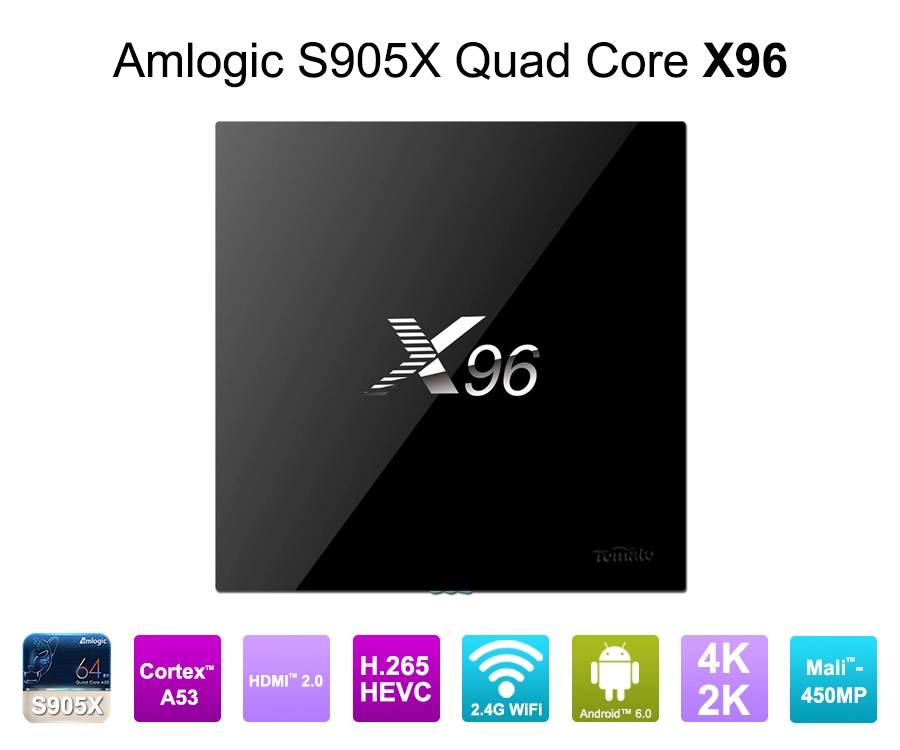
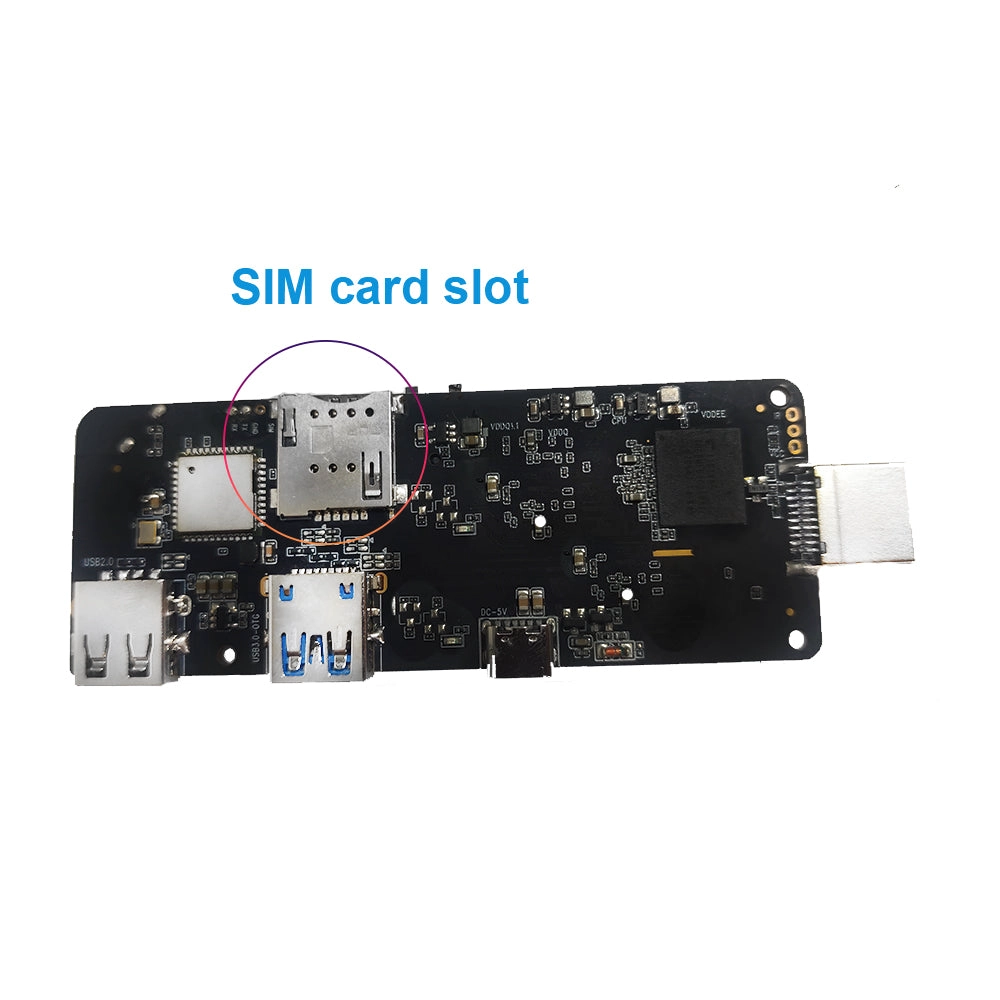
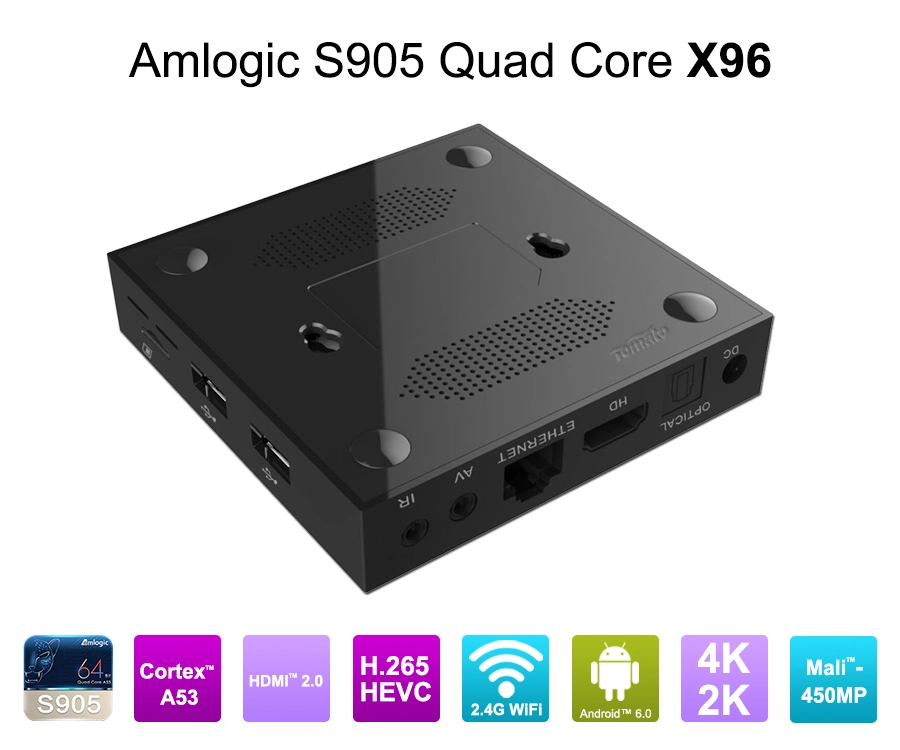
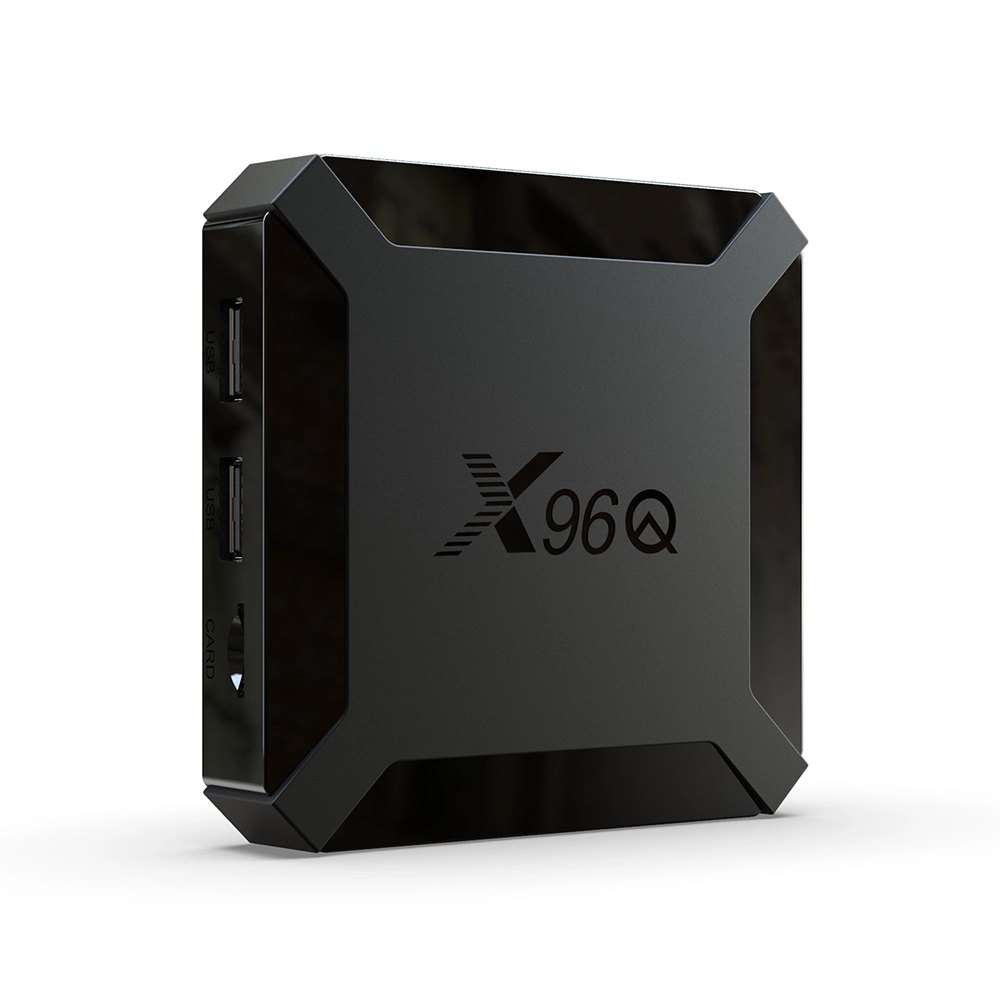
A smart TV box is a compact device that connects to a television via HDMI (or sometimes HDMI + AV), enabling online streaming, app access, over-the-top (OTT) services, and local content playback. Unlike fixed smart TV software, a smart TV box often allows installing third-party launchers, sideloading apps, firmware updates, and deeper customization.
Because it bridges traditional televisions with internet content, many users now ask: can this smart TV box fully substitute their cable TV setup?
Technical Feasibility — Can It Deliver All Cable Features?
Content Access & Channel Lineups
Cable TV offers a fixed line-up of channels (news, sports, local broadcast, premium). To imitate that, a smart TV box must support live TV streaming services (YouTube TV, Sling, Hulu + Live TV, etc.) or IPTV platforms. As of 2025, many users successfully cut the cord by subscribing to live-streaming alternatives.
However, regional limitations exist: some live-streaming services don't carry all local networks or regional sports networks in every market.
DVR, On-Demand and Recording
Cable boxes often bundle DVR (digital video recorder) functionality. Smart TV boxes must rely on cloud DVRs (offered by certain streaming services) or local-segment recording (if supported by app or firmware). This may not be as seamless or integrated as cable's built-in DVRs.
Latency, Stability & Bandwidth
Cable delivers broadcast over coax with consistent reliability. Streaming over the internet depends on bandwidth, network congestion, and latency. If a user has an unstable or low-speed internet, the smart TV box might suffer buffering, downgrades, or dropouts—problems cable rarely exhibits.
Channel Switching & User Experience
Traditional cable channel switching is nearly instant. Streaming channel changes may introduce slight delays as apps or services buffer. This difference is small for many viewers, but “channel-surfing” aficionados may notice.
Legacy Channels & Niche Offerings
Some niche or lesser-known channels may lack streaming presence, making them inaccessible through a smart TV box. Cable still retains certain content rights and carriage deals not yet matched by OTT providers.
Advantages of Smart TV Box Over Cable
Cost Efficiency & Flexibility
The monthly subscription for cable can be hefty, often including hidden fees and equipment rental. A smart TV box usually requires a one-time hardware cost along with streaming subscriptions—often less than traditional cable costs.
No Equipment Rentals or Service Fees
With cable, users typically rent a cable box or set-top box and may face service or activation fees. A smart TV box is user-owned hardware, eliminating rental overhead.
Greater App & OTT Ecosystem
Smart TV boxes are gateways to a vast universe of streaming apps, video-on-demand, gaming, music, and custom apps. They outpace cable's limited preloaded offerings.
For business or custom applications (digital signage, custom UI), smart TV boxes are far more adaptable.
Customization & Branding Potential
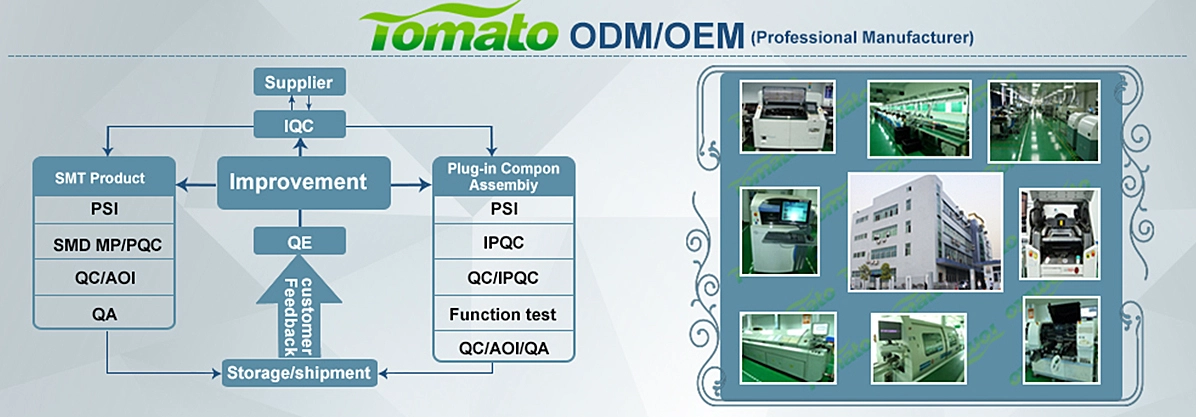
Unlike cellular or cable lock-ins, companies can design custom firmware, UI skins, branding, and pre-installed apps. SZTomato offers full OEM/ODM smart TV box customization: from packaging, remote, UI, to localization and features.
This positions smart TV boxes not just as consumer devices but also as branded B2B assets.
Limitations & Risks — When It Can't Replace Cable
Internet Dependency
No matter how powerful a smart TV box is, it can't replace cable in environments lacking reliable broadband. If your internet goes down, so does access to live TV.
Licensing & Regional Restrictions
Broadcast rights, licensing agreements, blackout rules, and geo-restrictions may prevent certain content from being available over streaming services—even if it's in the cable package.
Technical Fragmentation & App Support
Some streaming apps may not be available or fully optimized for every smart TV box. Firmware support, updates, or app quality may vary by device. Poorly supported devices may lag or become obsolete.
User Resistance & Habit
Many users are accustomed to cable's interface, remote, and channel guide. Transitioning to a switch-based UI or app ecosystem may create friction.
Real-World Use Cases & Success Stories
In markets where broadband is widespread, many users have already cut cable and run their entire TV experience via streaming boxes. Reviewers praise live TV services as cheaper alternatives to cable.
Meanwhile, cable operators themselves are transitioning, has begun phasing out traditional cable boxes in favor of internet-powered “stream boxes.”
Such shifts indicate that the industry itself believes the smart TV box (or streaming device) can eventually replace cable.
When You Should (or Shouldn't) Replace Cable with a Smart TV Box
Best candidates for replacement:
-
Users with stable, high-speed internet (50 Mbps or more).
-
Viewers whose preferred content is well-supported on streaming platforms.
-
Consumers willing to adapt to new interfaces and workflows.
-
Areas where cable costs are high or infrastructure is aging.
Situations to maintain cable (or hybrid setups):
-
Regions with poor or unstable internet.
-
Areas with limited streaming coverage or blackout rights.
-
Niche channels not carried in streaming catalogs.
-
Users who strongly prefer cable's instant switching and interface.
How SZTomato Enables Smart TV Box Replacements for B2B Partners
As a B2B solutions provider, SZTomato specializes in smart TV box design, customization, and turnkey delivery. Our offerings include:
-
White-label firmware, UI customization, and remote control design
-
Pre-installation of streaming/app bundles, IPTV integration, or hybrid cable + internet setups
-
Compliance with region-specific standards, DRM, and app store requirements
-
Scalable manufacturing, QA, and after-sales support
By partnering with SZTomato, brands and service providers can deploy smart TV boxes that exceed cable boxes in flexibility, branding opportunity, and feature roadmap.
For example, a telco operator might offer a co-branded smart TV box—with custom UI, preloaded live TV app, and the ability to bundle with broadband packages. That device would allow the operator to phase out rented cable boxes over time.
Conclusion — Is It Ready to Replace Cable?
Yes—with caveats. A smart TV box can replace cable TV for many users, provided the infrastructure, content availability, and device quality align. It is not a perfect mirror of cable in every edge case, but the advantages—lower cost, ecosystem access, customization—are compelling.
For businesses or service providers looking to adopt this shift, smart TV box customization (such as via SZTomato) becomes essential. Instead of competing with mass-market boxes, you offer your own branded, optimized experience—accelerating cable replacement in your target markets.
In short: a smart TV box can replace cable TV for the average consumer in many regions today—and for marginalized markets, it is the future. But success depends on smart product design, content partnerships, and infrastructure readiness.
Let me know if you'd like a version optimized for a specific region (US, EU, Southeast Asia) or a variant tailored to a vertical (ISP, hospitality, digital signage).
