
Can a Streaming Media Player Be Customized for OEM Projects?
1. What Can Be Customized in an OEM Streaming Media Player?
Yes. A Streaming Media Player can be customized at the hardware, operating-system, application, and enclosure levels. The scope depends on the target use case, required certifications, development budget, and expected production volume.
For OEM buyers, the most effective approach is to define the application requirements before selecting the hardware platform. This prevents a common project failure: choosing a low-cost reference design first and discovering later that it cannot support the required interfaces, software stack, or sustained workload.
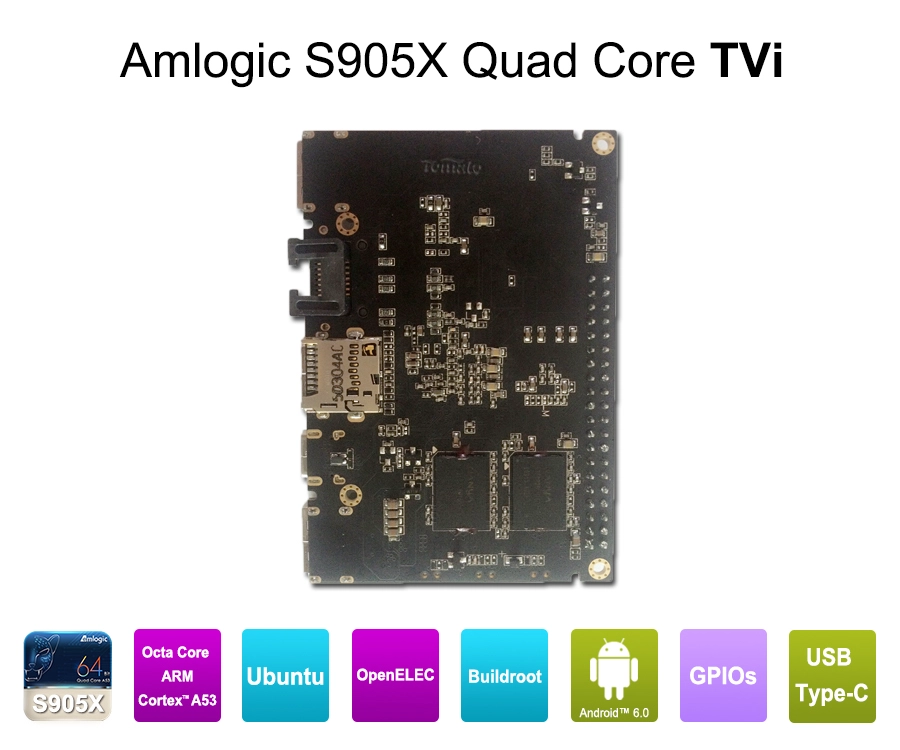
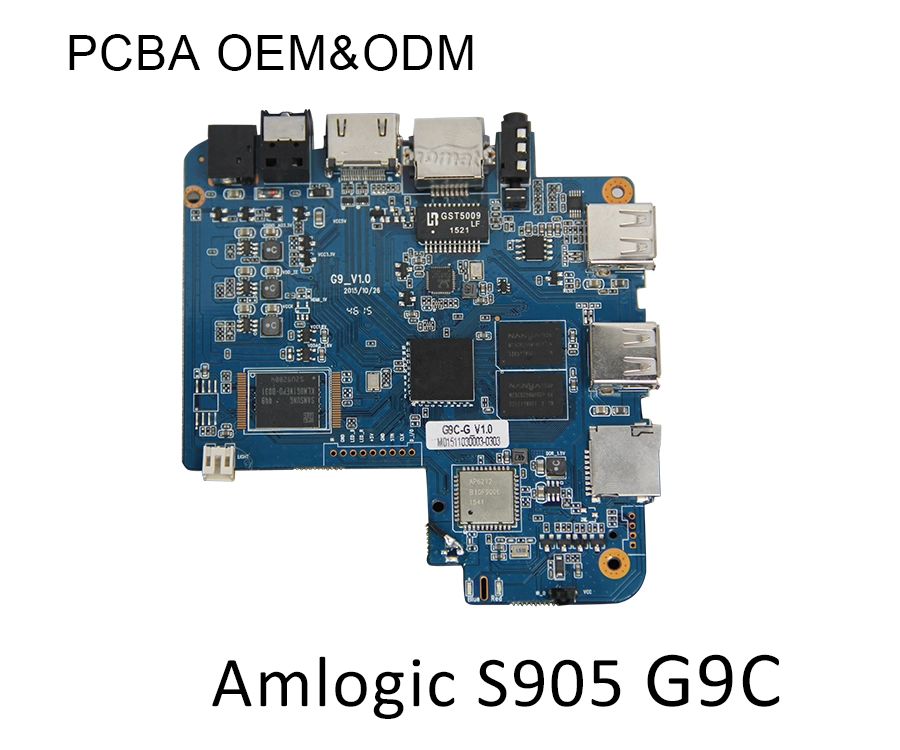
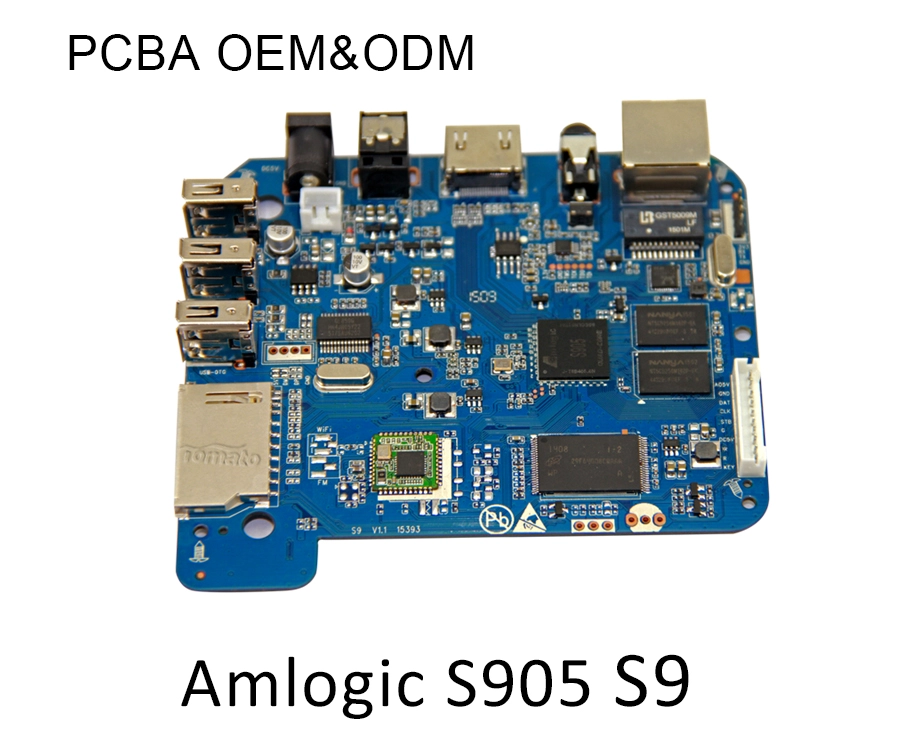
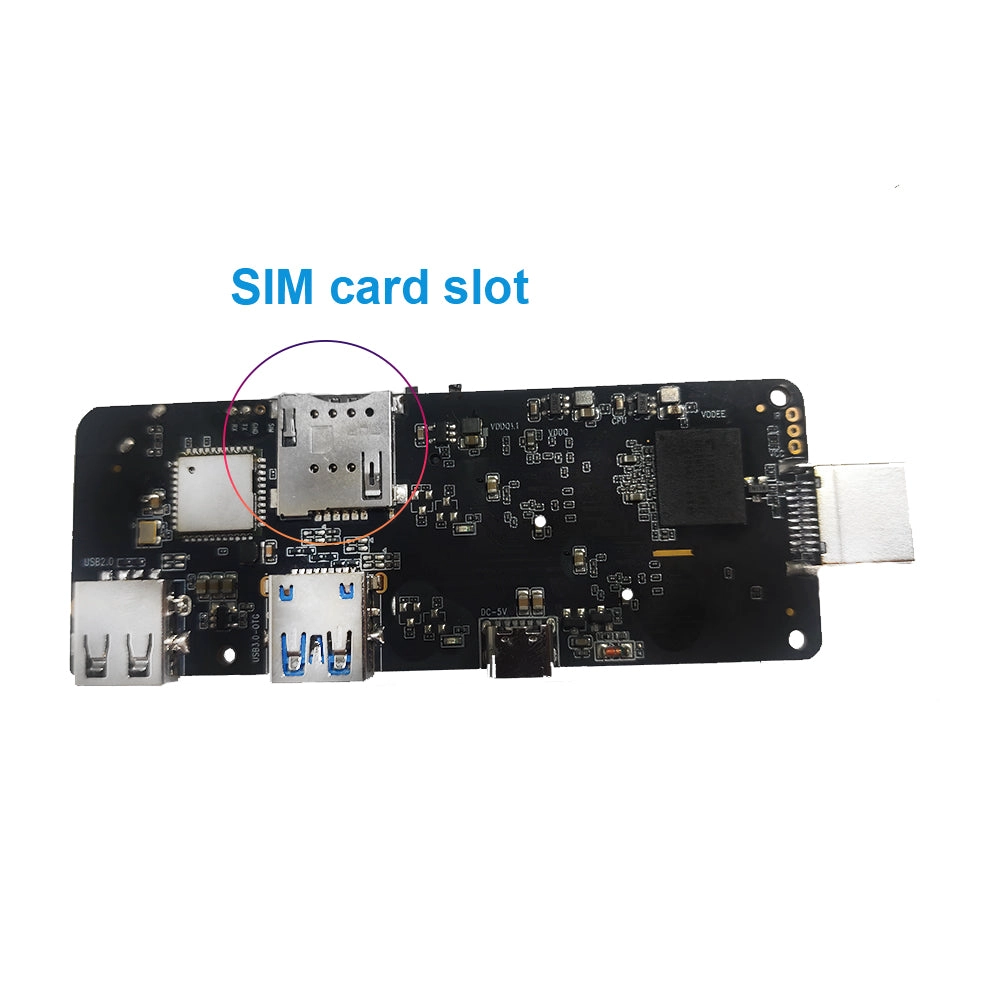
Hardware and PCBA customization
The system-on-chip (SoC) determines much of the device's video-processing capability, CPU performance, graphics acceleration, and peripheral support. The correct choice depends on the media formats, display resolution, application workload, and operating system.
An OEM project may specify:
-
Processor and decoding capability: Select a suitable Amlogic, Rockchip, or other platform based on the required codec support, resolution, frame rate, and hardware acceleration.
-
Memory and storage: Configure RAM and eMMC capacity according to application size, caching needs, logging requirements, and expected software growth.
-
Connectivity: Specify Gigabit Ethernet, Wi-Fi, Bluetooth, USB, HDMI, and other interfaces according to deployment requirements.
-
PCBA layout: Adjust component placement, power delivery, signal routing, and connector positions where the design and engineering constraints permit.
-
Thermal management: Evaluate heatsinks, airflow, enclosure design, and specialized cooling solutions for continuous operation in commercial or industrial environments.
For example, a digital signage player running 4K video, HTML5 content, and a remote management agent has different requirements from a basic OTT streaming device. The design must account for the combined workload rather than video decoding alone.
Firmware, user interface, and application integration
Hardware customization is only one part of the project. OEM customers may also require a branded boot animation, custom launcher, restricted settings menu, automatic application startup, or integration with proprietary content-management systems.
Custom Android or Linux firmware can support these requirements, subject to platform capabilities and licensing constraints. SDK/API integration can connect the device to IPTV middleware, authentication services, device-management platforms, and enterprise applications.
The key deliverable should be a defined, testable software configuration—not simply a device that boots successfully.
2. How to Select the Right Streaming Media Player Platform
The processor, operating system, codec support, and content-protection requirements must be evaluated together. A specification sheet showing 4K or 8K output does not guarantee that every application can decode every format at the required frame rate.
SoC and video-decoding requirements
Start with the media workload. Confirm the codecs, resolutions, frame rates, color formats, HDR requirements, and simultaneous streams the application needs.
AV1, H.265/HEVC, VP9, and H.264 have different processing requirements. Hardware decoding can reduce CPU utilization, but the exact codec profiles, bit depths, frame rates, and maximum resolutions supported depend on the selected SoC and its software implementation.
For commercial applications, validation should include representative media files and real application workloads. A player that handles a single 4K video may behave differently when it must render a dashboard, maintain network connections, and decode multiple video streams concurrently.
Android versus Linux
Android is often suitable for projects that need an application ecosystem, touchscreen or remote-control interfaces, and established multimedia frameworks. Linux may be preferable for embedded players with tightly controlled software, custom services, or specialized application requirements.
The decision should consider:
-
Available application frameworks and SDKs
-
Hardware-accelerated decoding and graphics drivers
-
Peripheral and network-interface support
-
Security updates and long-term maintenance
-
Boot time, resource consumption, and recovery behavior
-
Developer availability and total software lifecycle cost
Linux kernel optimization or Android framework customization may be necessary for specific hardware and performance targets. However, kernel-level changes should be introduced only when they solve a defined engineering problem and can be maintained across subsequent releases.
HDMI, HDCP, and streaming-service compatibility
Commercial streaming projects must distinguish video output capability from content-protection compliance. HDMI defines the digital audio/video interface, while HDCP protects supported content transmitted over compatible connections.
Streaming platforms may also impose DRM, device certification, application distribution, or service-specific security requirements. These requirements should be confirmed before hardware approval, especially when the product must support premium OTT services.
Installing an application or adding a compatible HDMI output does not automatically establish streaming-service certification. OEM teams should verify the applicable licensing and certification path during feasibility assessment.
3. What OEM Buyers Should Require for Firmware, OTA, and Industrial Reliability
A customized Streaming Media Player should be designed for its entire deployment lifecycle, not just initial production.
Custom firmware and OTA update systems
An OTA update system allows operators to distribute approved firmware releases to deployed devices. A production-grade implementation should address signed packages, version control, staged deployment, interrupted downloads, recovery procedures, and rollback where supported.
Application updates and full firmware updates should be treated as separate processes when the architecture permits. This reduces unnecessary system changes and makes maintenance easier to manage across a large device fleet.
Before approving a platform, ask the supplier to define:
-
Which firmware components can be customized
-
How security patches and bug fixes will be delivered
-
Whether updates can be deployed by device group or software version
-
How failed updates and interrupted power conditions are handled
-
Which components depend on third-party SDKs or proprietary drivers
-
What technical support is available after mass production
Long-term support also requires clarity on SoC vendor support, source-code availability, licensing, and the maintenance responsibilities of each party.
Thermal design and continuous operation
A media player installed behind a commercial display may operate for long periods in a confined space. Heat from the SoC, memory, power components, and surrounding equipment can affect performance and component reliability.
Thermal validation should use the intended enclosure, workload, ambient conditions, and installation orientation. Engineers should monitor temperatures, clock behavior, video playback stability, and recovery after extended operation.
Where necessary, SZTomato can support specialized cooling solutions and PCBA-level adjustments appropriate to the target design. The objective is to maintain stable performance within the selected components' operating limits, not simply to reduce the temperature measured at idle.
Testing before mass production
OEM acceptance testing should reflect the actual deployment environment. A practical validation plan includes codec playback, network interruption recovery, HDMI compatibility, peripheral operation, application startup, repeated reboot cycles, thermal stress, and OTA recovery.
For IPTV and digital signage projects, add tests for middleware communication, remote management, scheduled content playback, and behavior after power loss.
A defined engineering validation plan reduces the risk of discovering compatibility problems after hundreds or thousands of devices have shipped.
4. How SZTomato Supports Streaming Media Player OEM/ODM Projects
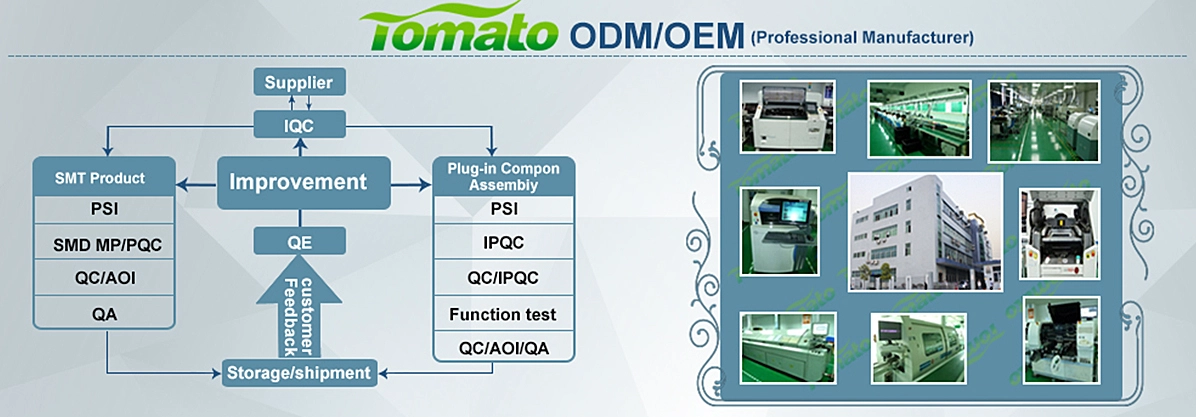
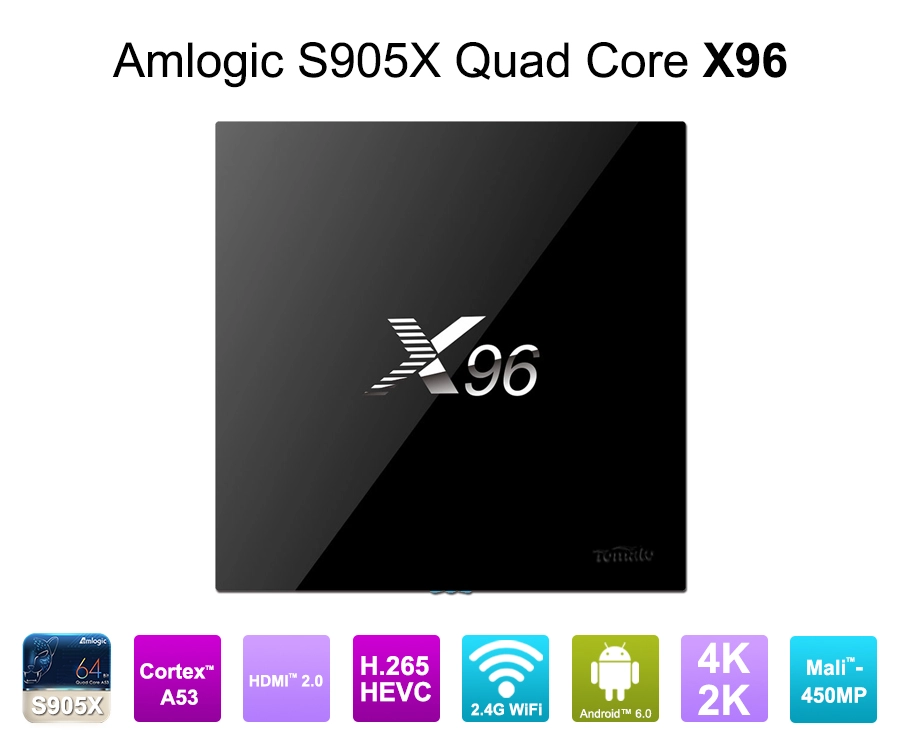
SZTomato works with B2B customers that need more than a standard retail media player. The development scope can be aligned with the customer's application, deployment model, branding requirements, and target hardware platform.
Available customization areas include:
Hardware engineering: PCBA hardware modification, SoC and memory configuration, interface selection, connectivity options, and thermal design.
Firmware engineering: Custom Android or Linux configurations, branded UI/UX, launcher customization, system behavior, and application startup control.
Software integration: SDK/API integration for IPTV middleware, enterprise applications, digital signage systems, and remote device-management platforms.
Production preparation: Engineering sample validation, hardware and software compatibility testing, and production configuration alignment.
The feasibility of each feature depends on the selected SoC, reference design, available source code, third-party licensing, certification requirements, and project scope. These factors should be established before development schedules and production commitments are finalized.
Frequently Asked Questions
Can a Streaming Media Player be customized with our company logo and interface?
Yes. Depending on the platform, customization may include enclosure branding, boot animations, launchers, application icons, menu layouts, and selected system settings. The available scope depends on firmware access and platform restrictions.
Can an OEM Streaming Media Player run our own application?
Often, yes. The application must be compatible with the operating system, processor architecture, available APIs, and hardware resources. Proprietary applications may also require SDK integration, device permissions, backend connectivity, or specific system services.
Can a custom Streaming Media Player support 4K or 8K video?
Yes, when the selected SoC, memory subsystem, firmware, display interface, and application support the required video format and output mode. Buyers should verify codec profiles, frame rates, HDR requirements, and content-protection needs rather than relying on the resolution label alone.
Can the manufacturer provide long-term firmware updates?
Support can be included in the OEM project scope, but the duration and responsibilities must be agreed in advance. Confirm the update mechanism, security patch policy, SoC vendor support window, source-code access, and any recurring engineering fees.
What information should we provide for an OEM quotation?
Provide the target application, operating system, required codecs and resolutions, connectivity interfaces, enclosure and branding requirements, certification needs, expected order quantity, target market, and desired support period. Existing application documentation or a technical requirements document can improve the accuracy of the initial assessment.
Conclusion: Build a Streaming Media Player Around Your Application Requirements
A successful OEM Streaming Media Player project begins with a clear engineering specification. SoC selection, PCBA design, firmware architecture, application integration, content protection, thermal performance, and OTA maintenance must work as a coordinated system.
For procurement managers, telecom operators, IPTV providers, and digital signage integrators, the right manufacturing partner should be able to assess these requirements before committing to a production design.
SZTomato supports OEM/ODM projects with PCBA hardware modification, custom firmware and UI/UX, SDK/API integration, and specialized cooling solutions for industrial use.
Visit www.sztomato.com to discuss your Streaming Media Player requirements, evaluate a suitable hardware platform, and define a customization plan for engineering samples and mass production.
