
Set-Top Box (STB) OEM/ODM Solutions: Custom Hardware, Firmware, and IPTV Integration
1. Why Set-Top Box (STB) OEM/ODM Projects Require Application-Driven Engineering
The transition toward AV1-capable streaming, higher-resolution video, hybrid IPTV/OTT services, and managed device fleets has changed how operators evaluate Set-Top Box platforms. A processor that handles basic H.264 playback may not meet the requirements of a deployment involving 4K HDR content, advanced middleware, interactive applications, and continuous remote management.
The first OEM/ODM decision should therefore be the target workload—not the lowest hardware quotation.
Selecting the right SoC and hardware architecture
The system-on-chip (SoC) determines CPU performance, GPU capabilities, video decoding, peripheral support, and many of the platform's multimedia functions. The appropriate chipset depends on the intended service, codec requirements, operating system, and expected product lifecycle.
An Set-Top Box (STB) engineering specification should define:
-
Video processing: Required H.264, H.265/HEVC, VP9, or AV1 decoding profiles, resolutions, frame rates, and HDR formats.
-
Memory and storage: RAM capacity for middleware and applications, plus eMMC capacity for firmware, application packages, and operational data.
-
Network interfaces: Ethernet, Wi-Fi, and any specialized connectivity needed by the operator's deployment.
-
Peripheral support: HDMI, USB, Bluetooth, IR receivers, remote controls, and other required interfaces.
-
Power and thermal limits: Sustained performance under the intended enclosure, ambient temperature, and operating duty cycle.
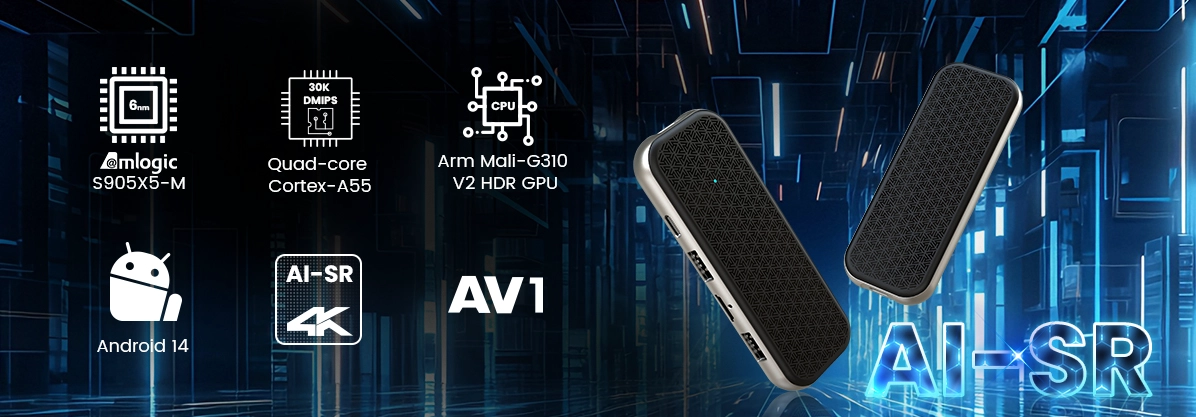
Codec support must be verified against the exact SoC specification and software implementation. A marketing claim such as 4K or 8K decoding does not guarantee support for every codec profile, bit depth, frame rate, or HDR configuration.
PCBA modification versus a standard reference design
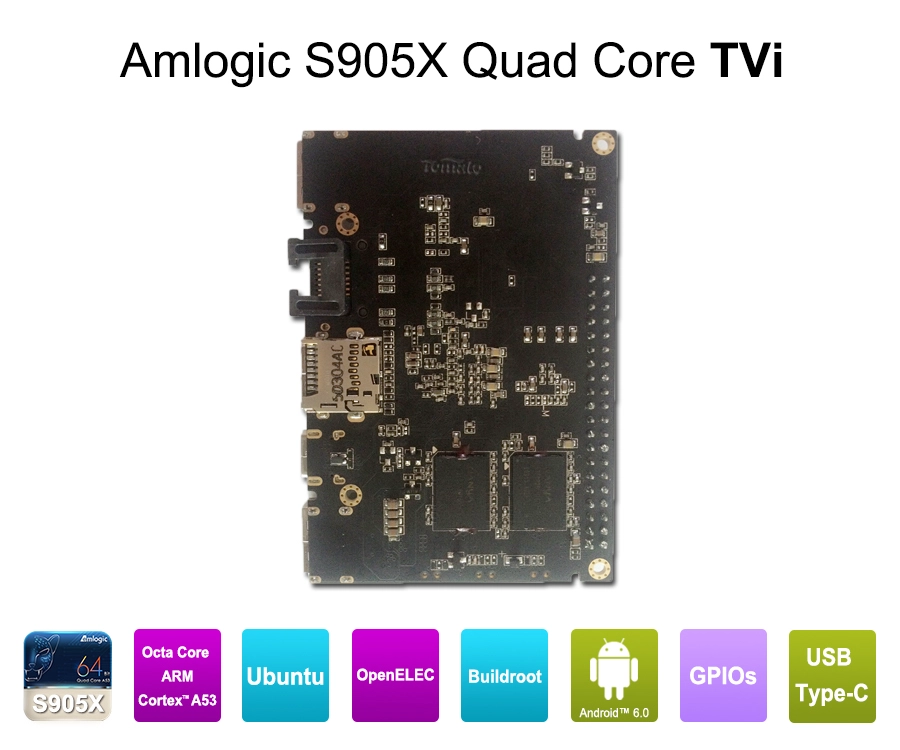
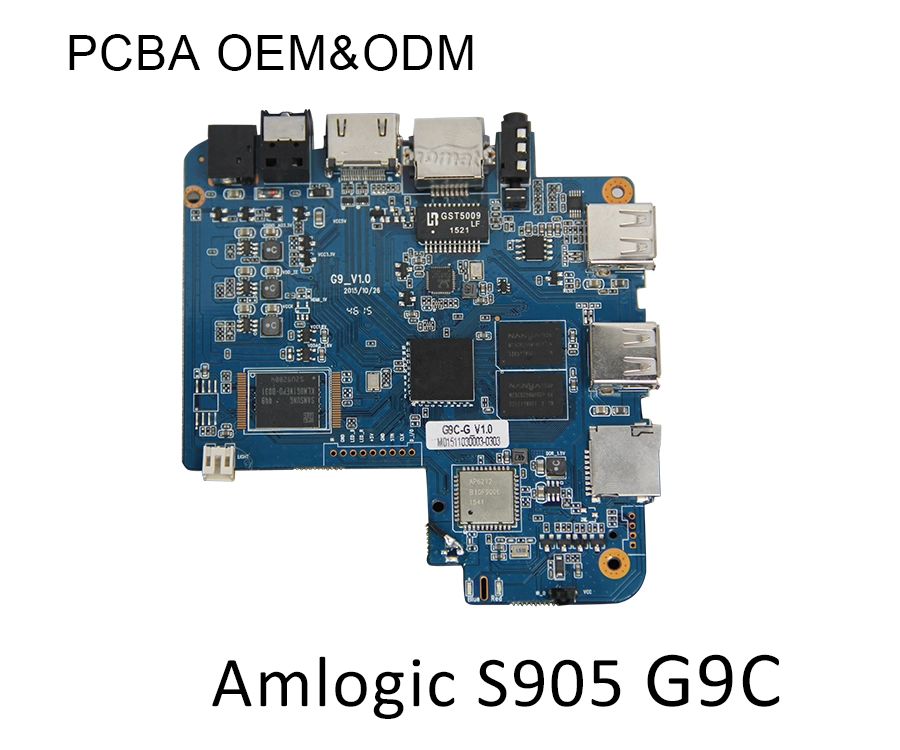
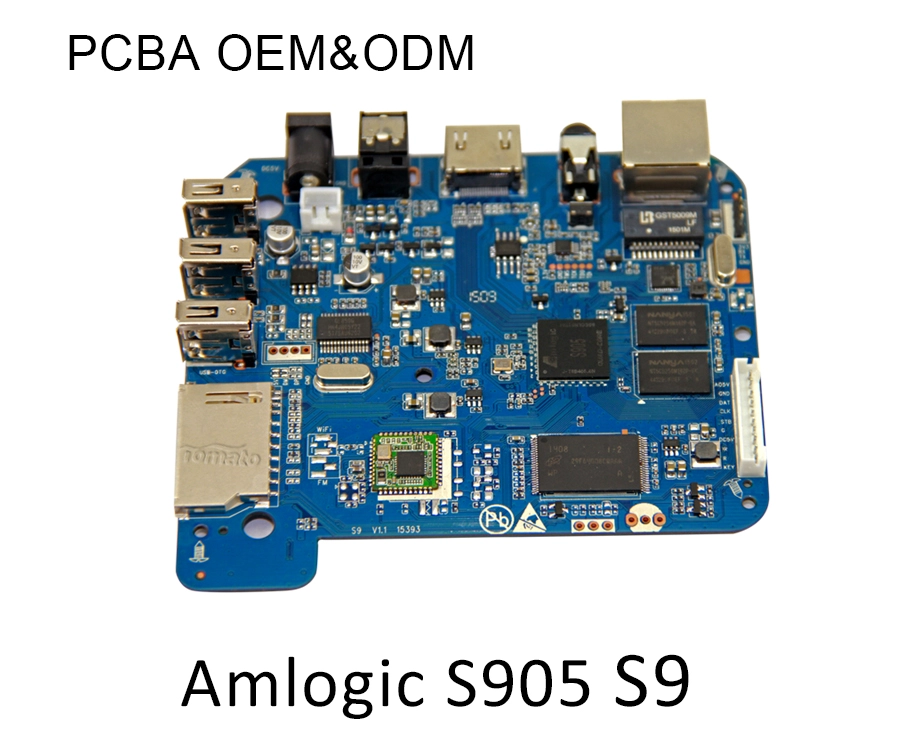
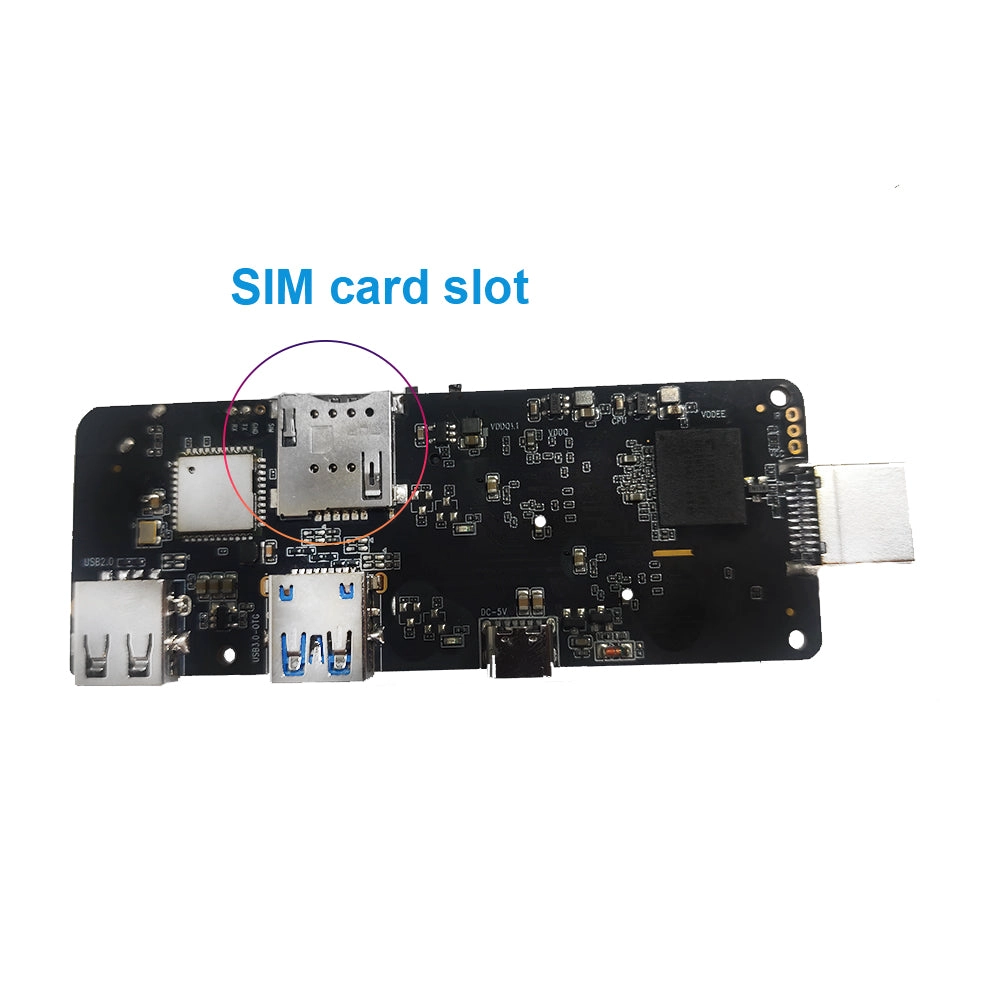
A standard reference design can shorten initial development, but it may not match every commercial requirement. Operator projects can require different connectors, additional interfaces, specific memory configurations, altered power circuitry, or a customized enclosure.
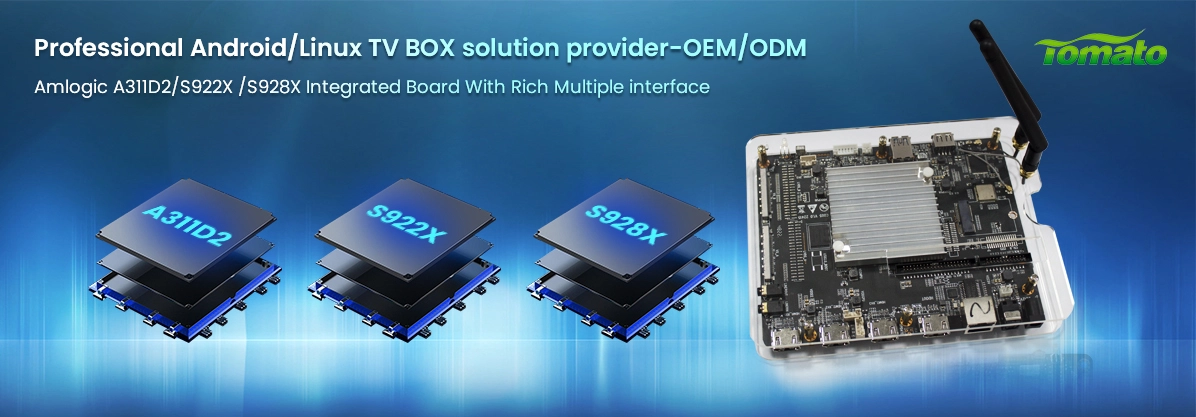
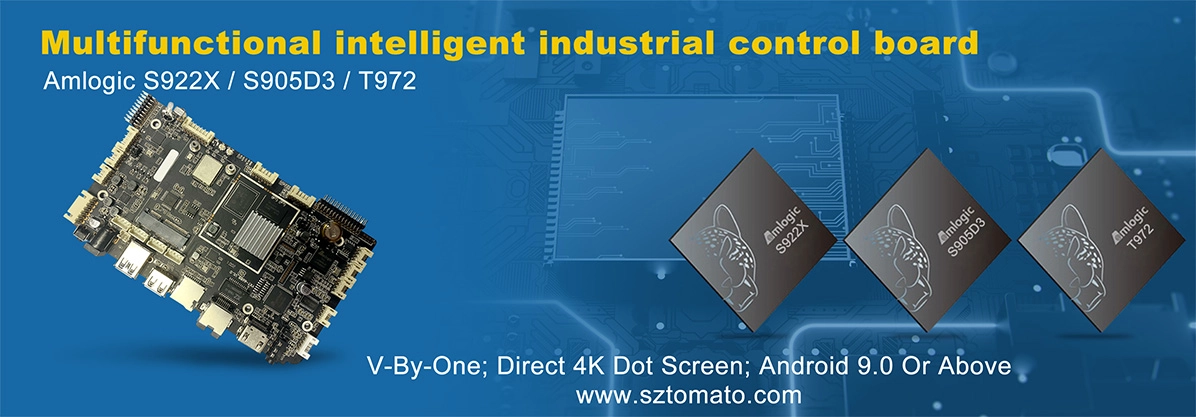
SZTomato supports PCBA hardware modification based on project feasibility and platform constraints. This allows the engineering team to assess component placement, signal integrity, power delivery, interface routing, and thermal behavior against the intended application.
The objective is to establish a stable, manufacturable design before mass production—not to introduce unnecessary board changes that increase cost without improving performance.
2. Android and Linux Set-Top Box (STB) Firmware: Middleware, Security, and User Experience
Hardware capability alone does not determine whether an Set-Top Box (STB) will work within an operator's ecosystem. Firmware must connect the multimedia hardware to the application layer, service platform, network environment, and device-management system.
Android Set-Top Box (STB) and Linux Set-Top Box (STB) customization
Android-based Set-Top Box (STB)s can suit projects that require an application ecosystem, custom launchers, multimedia frameworks, and familiar application development tools. Linux-based platforms can be appropriate for embedded systems with tightly controlled software stacks or specialized middleware requirements.
The choice should account for:
-
Available SDKs and APIs
-
Hardware-accelerated decoding and graphics drivers
-
Middleware and conditional-access requirements
-
Boot behavior and application startup
-
Security patch availability and maintenance responsibilities
-
Integration with existing operator infrastructure
Custom firmware may include branded boot animations, a dedicated home screen, restricted system settings, automatic application launch, and tailored navigation for the remote control.
Linux kernel optimization or Android framework changes may be necessary when the reference firmware does not meet defined requirements. Such work should be supported by reproducible testing and a maintenance plan, particularly when changes affect drivers, system services, or OTA compatibility.
IPTV middleware and SDK/API integration
IPTV deployments often rely on middleware for subscriber authentication, electronic program guides, channel management, content delivery, and service provisioning. The Set-Top Box (STB) must communicate reliably with these services while maintaining stable video playback and responsive navigation.
SDK/API integration can connect the hardware platform to proprietary IPTV applications, content-management systems, remote diagnostics, and enterprise applications.
Before development begins, the buyer and manufacturer should define interface specifications, authentication flows, error handling, logging requirements, and responsibility for third-party software. These decisions reduce the risk of late-stage integration problems.
DRM, HDCP, and content-protection requirements
Protected video introduces requirements beyond decoding capability. Depending on the service, an Set-Top Box (STB) may need an approved DRM implementation, device provisioning, platform certification, and a compatible HDCP configuration for supported HDMI outputs.
HDCP protects digital audio and video transmitted over compatible interfaces. It does not replace DRM or automatically authorize access to a streaming service.
For operator-grade projects, confirm the relevant licensing, certification, and security requirements before selecting the SoC and firmware architecture. Installing an application or enabling a video codec does not guarantee authorization to play protected content.
3. Building Reliable Set-Top Box (STB)s for Large-Scale Deployment
A device that performs well during a short demonstration may still fail under continuous operation, inconsistent network conditions, or repeated software updates. Commercial Set-Top Box (STB) validation must reflect the actual deployment environment.
OTA updates and remote device management
Over-the-air (OTA) infrastructure allows operators to manage firmware releases across deployed devices without physically accessing every unit.
A robust update strategy should define:
-
Firmware version control and package verification
-
Secure update delivery and device authentication
-
Staged rollouts by device group or software version
-
Recovery from interrupted downloads or power loss
-
Rollback or recovery mechanisms supported by the platform
-
Security patch responsibilities and maintenance schedules
Application updates, configuration changes, and full firmware updates should be managed as distinct operations where the system architecture permits. This separation reduces unnecessary system updates and supports more controlled maintenance.
For telecom operators and IPTV providers, OTA capability should be evaluated during the initial platform design. Retrofitting update infrastructure after deployment can require substantial engineering work.
Thermal management and industrial reliability
Set-Top Box (STB)s installed in hospitality systems, control rooms, commercial displays, or enclosed equipment spaces may experience sustained workloads and limited airflow.
Thermal engineering should account for SoC heat output, power circuitry, enclosure materials, airflow paths, and the surrounding installation environment. Specialized cooling solutions may be appropriate for industrial deployments where continuous performance is required.
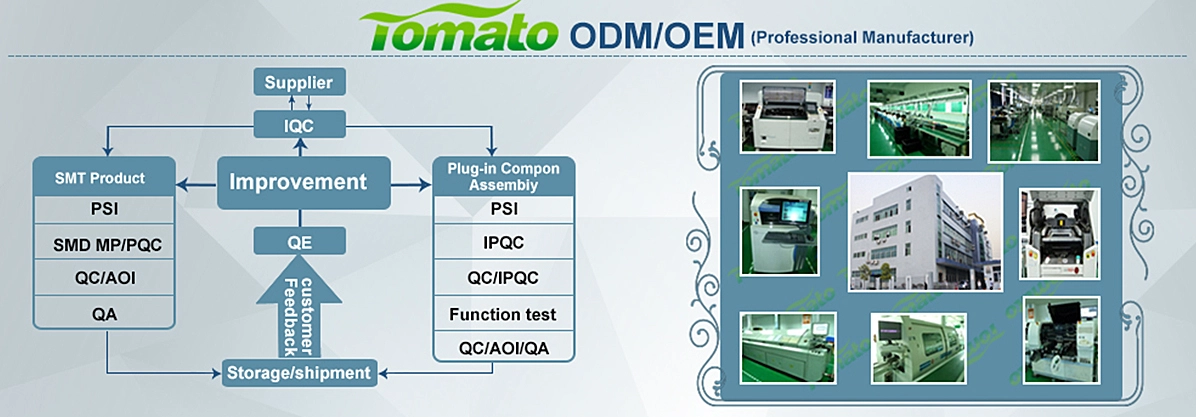
SZTomato can support thermal design and PCBA adjustments within the selected platform's engineering limits. Validation should include sustained video playback, temperature monitoring, clock stability, network recovery, repeated reboot cycles, and operation under the intended environmental conditions.
Quality assurance before mass production
A practical Set-Top Box (STB) validation plan should test the complete system rather than individual components in isolation.
Key tests include codec playback, HDMI compatibility, remote-control response, Ethernet and Wi-Fi stability, middleware communication, application startup, OTA recovery, and long-duration operation.
For deployments involving multiple hardware revisions or regional configurations, each approved configuration should have a defined firmware version and acceptance criteria. This makes production quality more consistent and simplifies field troubleshooting.
4. How SZTomato Supports Set-Top Box (STB) OEM/ODM Development
SZTomato provides OEM/ODM development support for brands, telecom operators, IPTV providers, wholesalers, and system integrators that need hardware and software aligned with a defined deployment.
The project scope can include:
Hardware customization: PCBA modification, SoC and memory configuration, interface selection, connectivity requirements, and enclosure-related engineering.
Firmware customization: Android or Linux configuration, branded UI/UX, launcher development, startup behavior, system settings, and platform-specific optimization.
Software integration: SDK/API integration for IPTV middleware, authentication, remote management, content-management platforms, and proprietary applications.
Thermal and reliability engineering: Cooling design, sustained-load validation, and hardware adjustments for demanding operating environments.
Production preparation: Engineering sample evaluation, hardware and firmware compatibility checks, and alignment between the validated configuration and mass-production requirements.
The final scope depends on the chipset, reference design, source-code availability, third-party licensing, certification requirements, target market, and production volume. These constraints should be reviewed before finalizing development schedules and commercial commitments.
Frequently Asked Questions
What is the difference between Set-Top Box (STB) OEM and ODM?
OEM projects typically involve manufacturing a product to the buyer's specifications, which may include customer-owned designs or a customized existing platform. ODM projects generally use the manufacturer's design and engineering capabilities to develop a product adapted to the customer's requirements. Actual responsibilities vary by contract.
Can an Set-Top Box (STB) support both IPTV and OTT services?
Yes, provided the hardware, firmware, applications, middleware, network configuration, and licensing requirements support the intended services. The integration must be validated against the actual service environment.
Can we customize the Set-Top Box (STB) boot logo and home screen?
Usually, yes, subject to platform access and software restrictions. Customization may include boot graphics, launcher layout, application shortcuts, navigation, and selected system settings.
Can a custom Set-Top Box (STB) support 4K and AV1?
It can if the selected SoC, firmware, memory subsystem, and output interface support the required AV1 profile and video mode. Buyers should confirm resolution, frame rate, bit depth, HDR, and simultaneous workload requirements before approving a design.
What information is needed for an Set-Top Box (STB) OEM/ODM quotation?
Provide the target market, IPTV or OTT use case, operating system, codec requirements, interfaces, memory and storage targets, content-protection requirements, branding needs, estimated order quantity, and expected firmware support period. Existing middleware documentation and application requirements are also valuable.
Conclusion: Choose an Set-Top Box (STB) OEM/ODM Partner for the Full Product Lifecycle
A dependable Set-Top Box is the result of coordinated hardware engineering, firmware development, application integration, content-protection planning, and production validation. Choosing a platform based only on chipset price or advertised video resolution can leave critical compatibility and maintenance issues unresolved.
For B2B procurement managers, telecom operators, IPTV providers, and system integrators, the priority should be a design that meets the deployment requirements and remains supportable after installation.
SZTomato supports Set-Top Box (STB) OEM/ODM projects with PCBA hardware modification, custom UI/UX firmware, SDK/API integration, and specialized cooling solutions for industrial use.
Visit www.sztomato.com to discuss your Set-Top Box requirements, evaluate a suitable hardware platform, and define a practical path from engineering samples to mass production.
