
Commercial Digital Signage Display Solutions for Hotels and Digital Hospitality
A conference room can be reassigned minutes before a corporate event. A restaurant can change its menu between breakfast and dinner. A hotel group may also need to publish a new promotion across dozens of properties without sending technicians to each site. When these changes do not reach the correct screens promptly, the problem extends beyond presentation quality to guest service and operational efficiency.
Commercial digital signage display solutions for hotels must therefore combine dependable display hardware, media players, content management software, network connectivity, and reliable data synchronization.
For procurement managers and hospitality technology integrators, the engineering challenge is not simply choosing a large commercial screen. It is building a display network that can operate continuously, receive accurate information, integrate with existing hotel systems, and remain manageable throughout its service life.
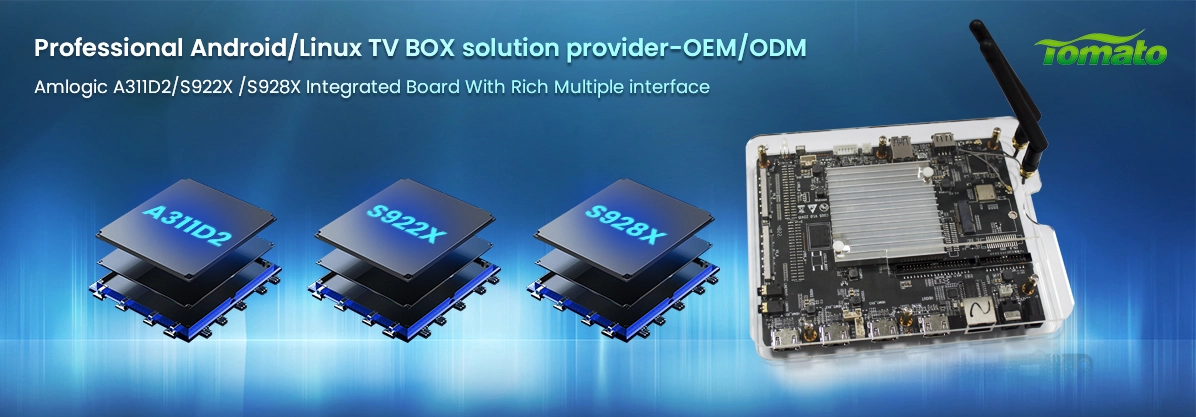
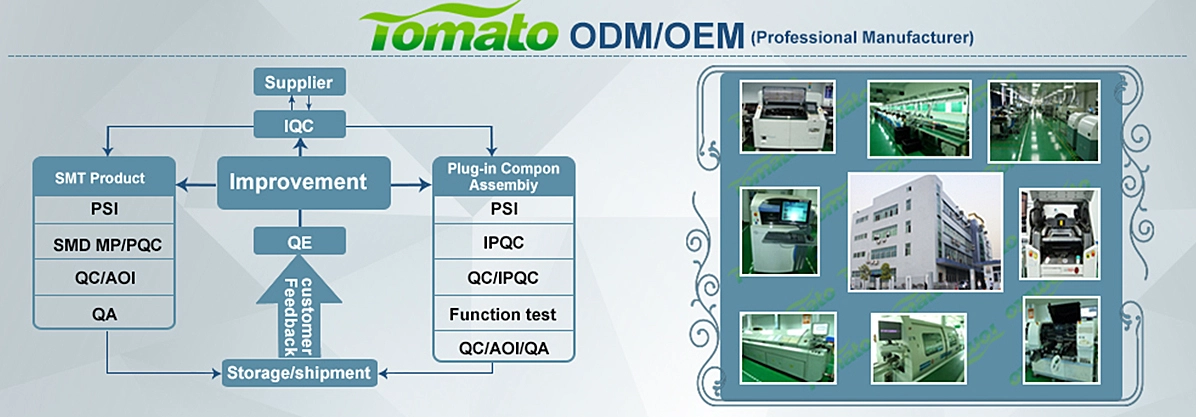
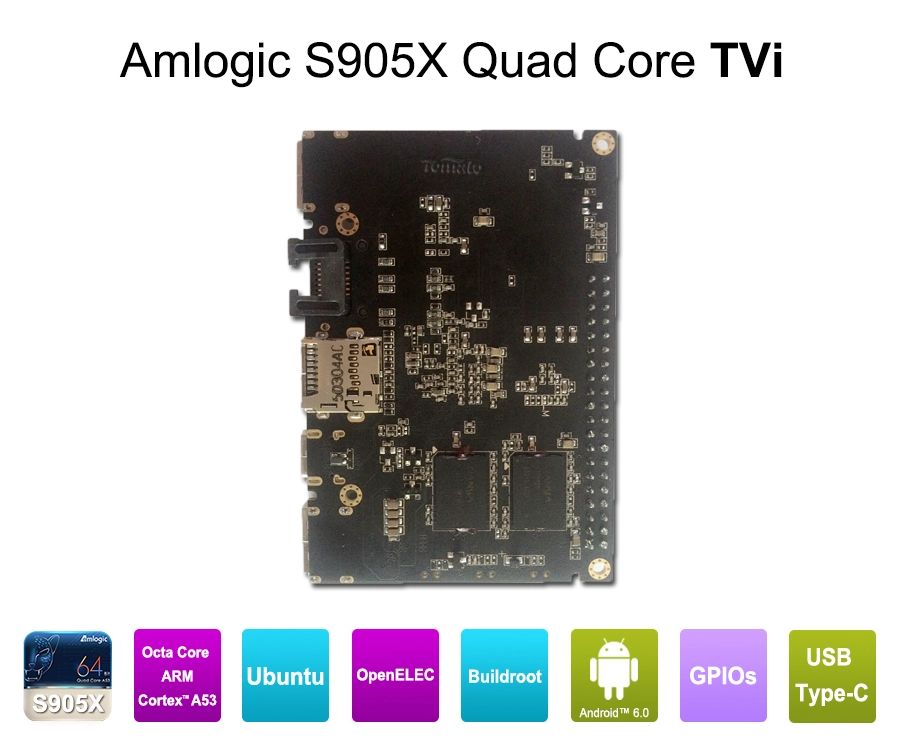
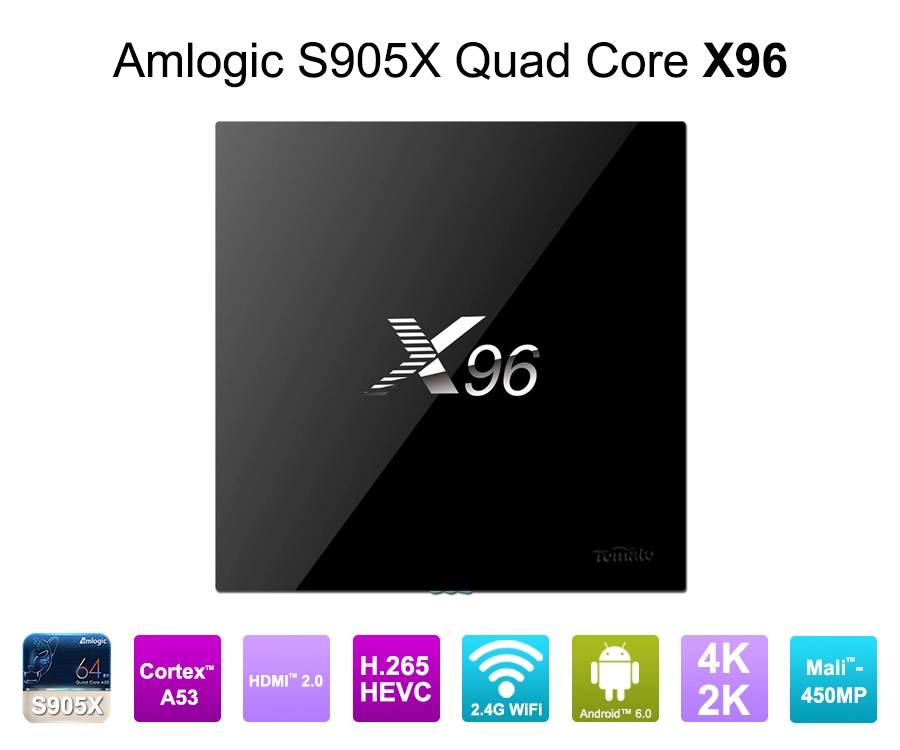
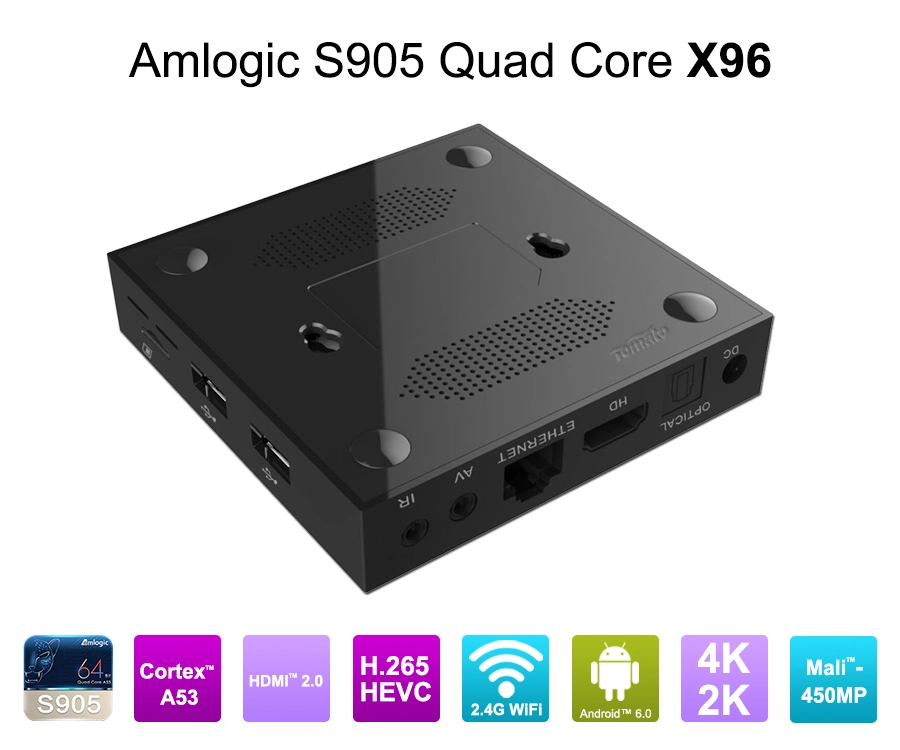
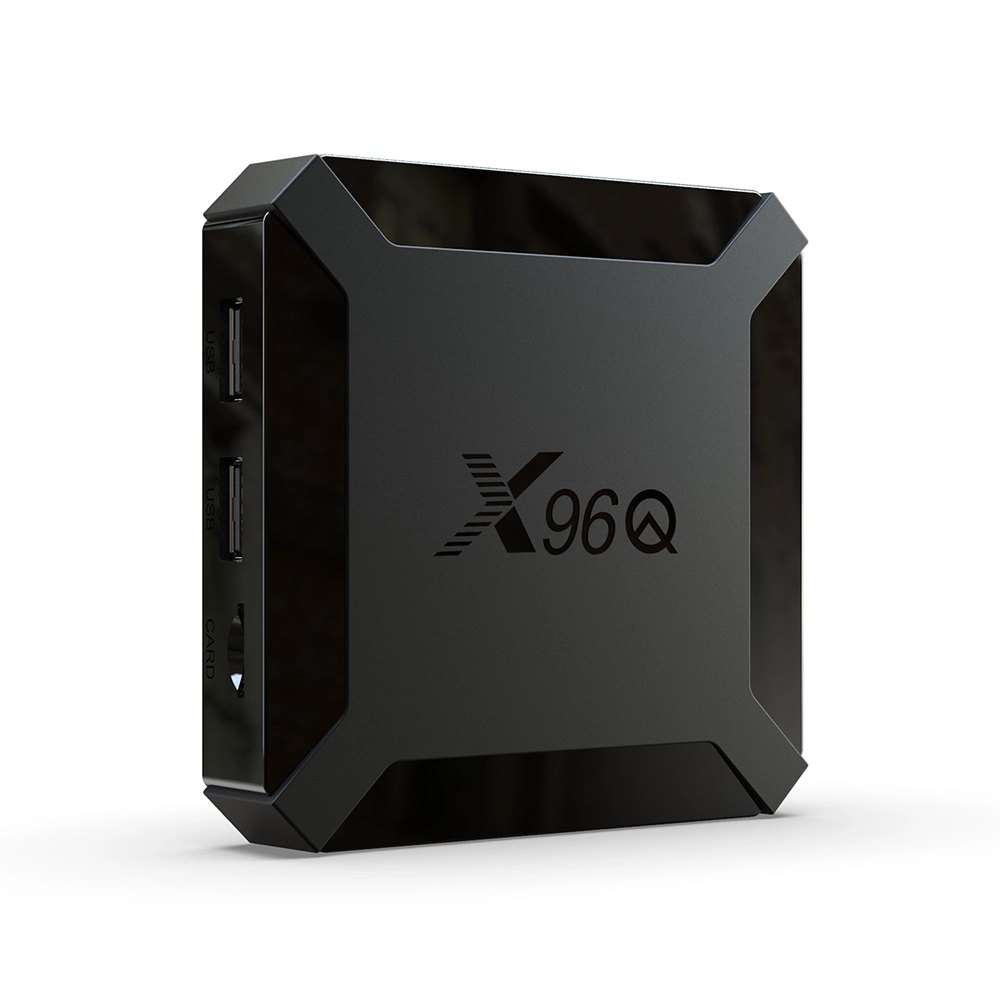
SZTomato approaches this requirement from the Android digital signage player and OEM/ODM engineering side, supporting hardware configuration, firmware customization, and system integration for commercial deployments.
1. Design Digital Signage Display Solutions Around Hotel Operations
A hotel does not have a single display requirement. Lobby branding, conference-room scheduling, food-and-beverage menus, interactive wayfinding, and staff communications have different operational and technical constraints.
Selecting the hardware by screen size alone often leads to mismatched processing capabilities, unnecessary system complexity, and avoidable maintenance costs.
Match the display hardware to each hospitality environment
Lobby and reception displays
Lobby screens typically present welcome messages, destination information, promotional videos, and property branding. Video walls and large-format commercial displays may require a media player capable of sustained high-resolution playback and stable output timing.
For 4K content, the selected player should support the required codec, profile, frame rate, bit depth, and output mode. Hardware decoding can reduce the CPU load associated with supported video formats, leaving more processing capacity for content applications and system services.
Meeting-room and conference displays
Meeting-room signage must keep room names, event titles, schedules, and occupancy information synchronized with the hotel's booking or event-management platform.
The player and application should handle event changes, scheduled content replacement, and temporary room reassignment. A disconnected network should not cause the screen to become unusable; where appropriate, locally cached schedules or predefined fallback content can maintain useful information until synchronization resumes.
Restaurant, bar, and food-service displays
Digital menu boards need reliable daypart scheduling, timely price changes, and consistent presentation across multiple outlets. The content system should support separate playlists for breakfast, lunch, dinner, and special promotions.
The media player must support the required mix of static images, HTML-based content, video, and application-rendered graphics. Memory capacity and storage should be sized for the actual content workload rather than selected solely to minimize unit cost.
Wayfinding, elevators, and shared facilities
Directional displays help guests locate meeting rooms, elevators, restaurants, fitness facilities, and other amenities. Large resorts and multi-building properties may require interactive maps, QR-code links, multiple languages, or location-specific content.
These functions may depend more on application responsiveness, touchscreen support, and backend integration than on advanced video-decoding performance.
In-room and IPTV-connected environments
In-room guest information may be delivered through a dedicated signage player or an existing hospitality TV and IPTV platform. These approaches have different integration requirements.
Where licensed television content is involved, the architecture must respect the relevant DRM, HDCP, conditional-access, and platform certification requirements. A generic signage player should not be assumed to replace a certified hospitality TV or IPTV system.
For each deployment zone, define the required screen type, player interface, operating hours, content formats, environmental conditions, and software dependencies before selecting hardware.
2. Engineer the Android Digital Signage Player for Continuous Operation
A commercial display can remain physically functional while the attached player stops rendering content, loses its network connection, or fails to restart an application. Reliable hospitality deployments must address these failures at the hardware, operating-system, and application levels.
Select the right SoC, memory, and interfaces
The system-on-chip determines important aspects of video decoding, graphics processing, memory bandwidth, peripheral support, and power consumption.
For a hotel digital signage player, the hardware specification should identify:
-
Required content resolutions and frame rates, including whether 4K playback is necessary.
-
Supported video codecs, such as H.264 and HEVC, with AV1 support where the application requires it and the selected SoC provides it.
-
RAM and storage requirements for the CMS application, browser engine, media cache, and local content.
-
Ethernet and Wi-Fi requirements, based on the installation environment.
-
HDMI output capability, display orientation requirements, and any additional interfaces.
-
Peripheral requirements such as USB, RS232, GPIO, or touch-panel connectivity, where supported by the chosen platform.
A hotel displaying scheduled promotional videos has different processing needs from an interactive wayfinding terminal running a map application, a browser-based interface, and live booking data simultaneously.
For fixed commercial installations, wired Ethernet is often the preferred primary connection when available because it provides a predictable network path. Wi-Fi can serve installations where cabling is impractical or as an additional connection where the hardware and network architecture permit it.
Optimize PCBA design and thermal management
A digital signage media player designed for unattended operation must account for component temperature, power quality, enclosure constraints, and the expected operating environment.
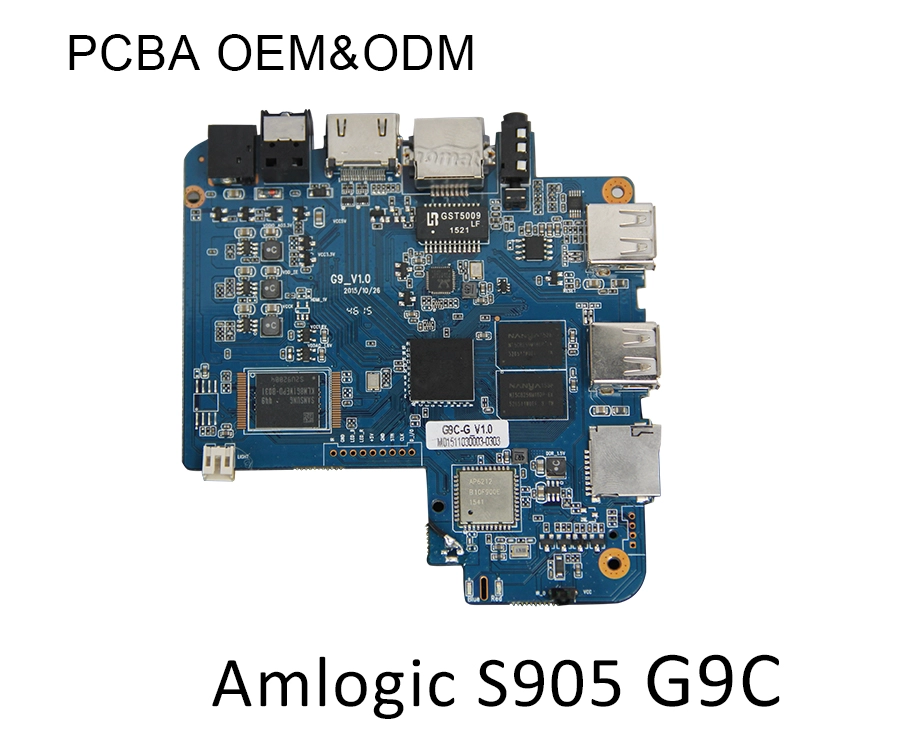
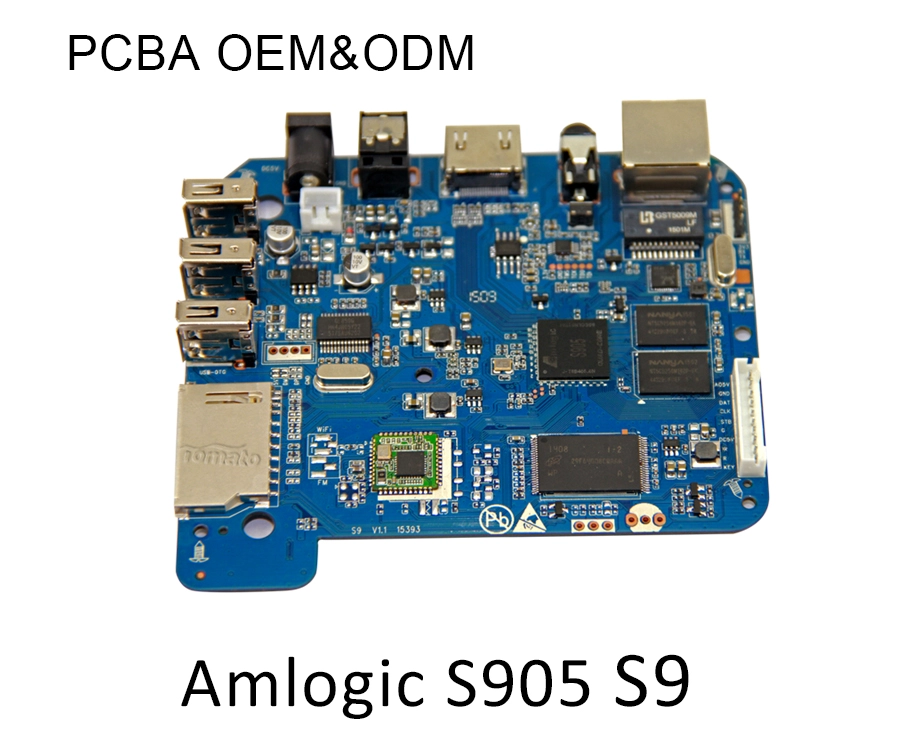
PCBA engineering should consider power-rail stability, component placement, network-interface integrity, connector durability, and electromagnetic compatibility. The physical design must also allow suitable heat dissipation around the SoC, memory, and power-management components.
Where the enclosure restricts airflow or the device operates in a high-ambient-temperature environment, thermal solutions may include improved heatsink contact, thermal-interface materials, chassis-assisted heat dissipation, and revised component placement.
The engineering team should test sustained video playback and concurrent network activity instead of relying exclusively on short functional tests. Thermal throttling can reduce performance even when the device passes an initial boot test.
For hotel groups that standardize hardware across multiple property types, these design decisions should reflect the most demanding intended installation rather than the easiest deployment.
Harden the firmware for unattended operation
Consumer-oriented Android firmware may expose unnecessary settings, navigation controls, applications, or background services that are unsuitable for public displays.
A commercial signage firmware build can instead be configured to:
-
Launch the approved signage application automatically at startup.
-
Apply kiosk restrictions and limit access to system settings.
-
Use an appropriate watchdog and recovery strategy for failed applications or unresponsive services.
-
Configure network behavior, logging, and device identification for centralized management.
-
Support controlled OTA updates and recovery procedures.
-
Reduce unnecessary background activity and validate application compatibility after firmware changes.
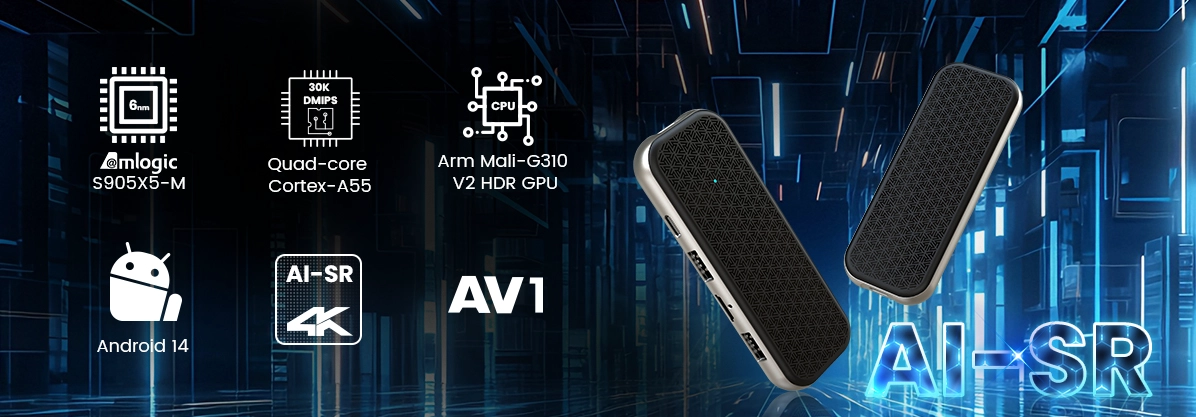
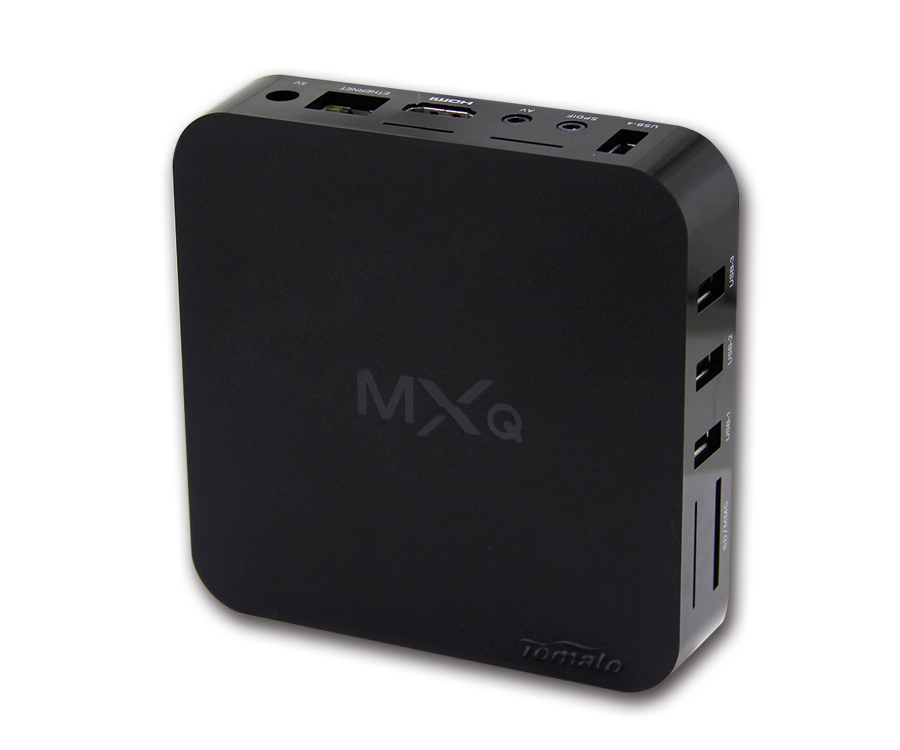
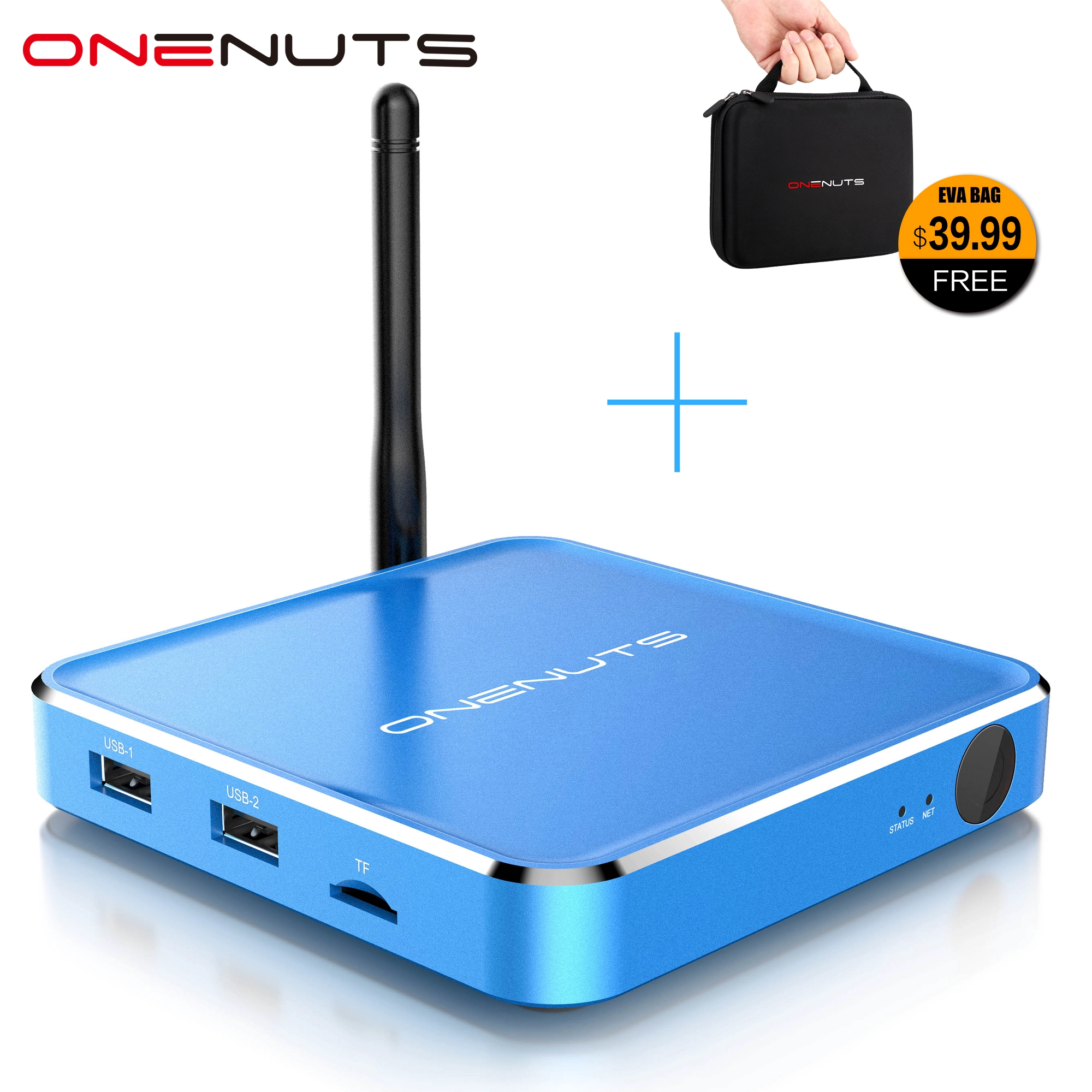
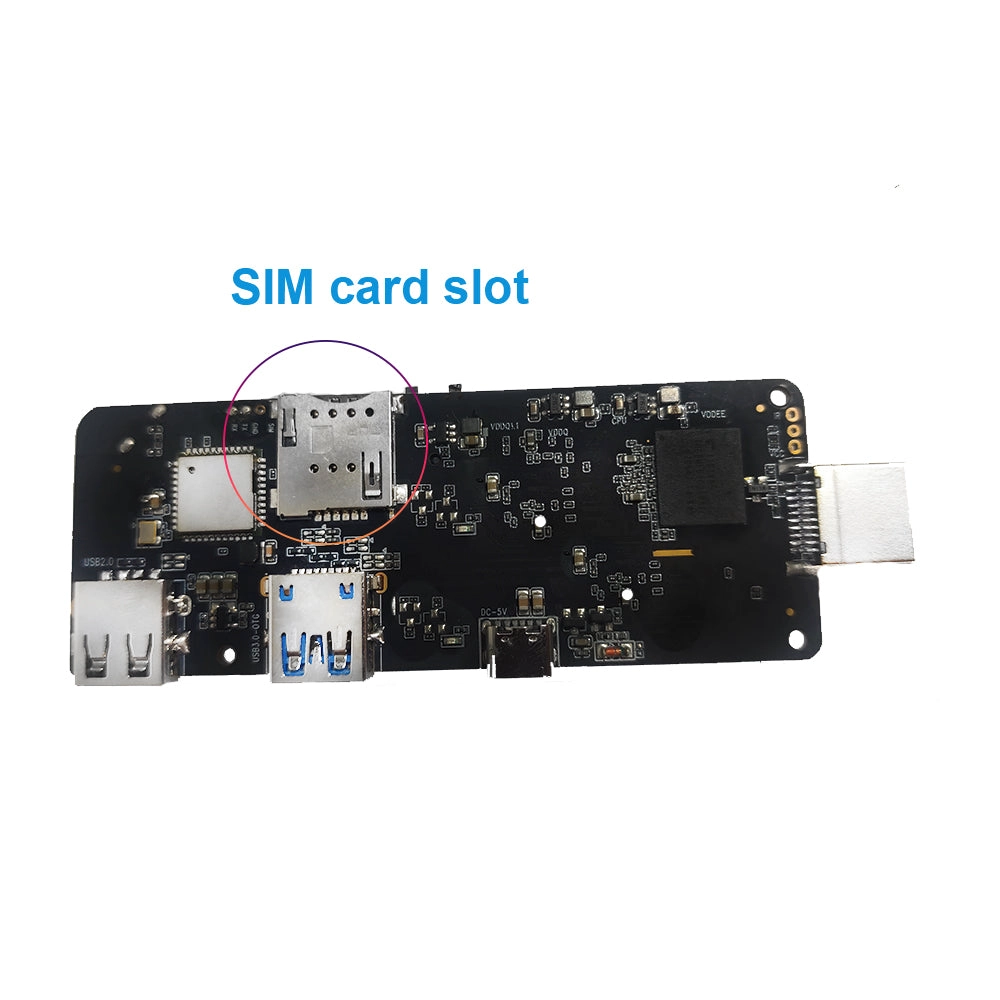
SZTomato offers OEM/ODM Android digital signage player customization, including hardware configuration, pre-installed applications, custom interfaces, startup behavior, and firmware-level controls. Its product offering includes configurable Android signage hardware based on the Amlogic S905X5M platform, with the final capabilities subject to the selected configuration and project requirements.
For system integrators, the objective is a player that boots into the required hospitality application, follows the customer's operating policy, and recovers predictably from common failures.
3. Integrate the Digital Signage CMS With Hotel Systems
The difference between a collection of screens and a useful hospitality display network is the ability to deliver accurate information to the right location at the right time.
A digital signage CMS manages content, playlists, publishing schedules, device groups, and screen assignments. For hotel deployments, its value increases when it can consume data from existing operational systems through documented APIs or supported integrations.
Connect the CMS to PMS and event-management platforms
A property management system (PMS) may contain information relevant to guest services, while conference and event platforms manage meeting schedules, venues, and event changes. Restaurant systems may provide menu data, and hotel applications may maintain promotional content.
A well-designed integration can connect these data sources to the CMS without requiring staff to update every screen manually.
Examples include:
-
Meeting-room displays that reflect approved event schedules.
-
Lobby screens that show current hotel announcements and scheduled events.
-
Restaurant displays that update menus according to the service period.
-
Wayfinding applications that reference approved venue names and locations.
-
Promotional displays that use centrally managed campaign schedules.
The integration should define the source of truth for each data field, supported API methods, authentication, refresh intervals, error handling, and content approval rules.
Not every PMS or reservation platform supports the same integration method. Some require a partner integration, middleware, a read-only data feed, or a custom API connection. Technical feasibility must be confirmed against the selected hotel software.
Build a reliable content-delivery path
A typical architecture contains five layers:
Business systems: PMS, event management, restaurant systems, and approved content sources.
Integration layer: API connectors, authentication, data validation, scheduling logic, and transformation of source data into display-ready content.
Content management: CMS publishing, device groups, screen assignments, playlists, and content approval.
Media-player layer: Android or Linux-based hardware that downloads content, renders media, executes the signage application, and reports device status.
Display layer: Commercial panels, video walls, menu boards, meeting-room screens, or interactive terminals.
The architecture should prevent temporary service interruptions from creating blank displays wherever local fallback is practical. Players can cache approved content, retain scheduled items, and restore synchronization when the connection returns.
Content freshness must also be defined. A cached promotional video can remain usable for hours, whereas a meeting-room schedule should have a much shorter acceptable delay. If data becomes stale, the application should follow an explicit fallback policy instead of presenting potentially incorrect information as current.
Secure and scale the device network
Hotel deployments frequently share network infrastructure with guest services, payment systems, operational applications, and building-management equipment. Digital signage should have only the network access it needs.
A production design should consider network segmentation, secure API authentication, TLS-protected communications, restricted device permissions, controlled administrative access, and secure update delivery. Credentials and sensitive guest information should not be embedded in publicly accessible display content or exposed through application logs.
For multi-property rollouts, the CMS and device-management platform should support logical grouping by hotel, floor, venue, or display function. Central administrators can manage standard content and firmware policies, while local teams receive only the permissions necessary for their locations.
SZTomato can support SDK/API integration and firmware customization on the media-player side. The integration scope should be agreed with the hotel software provider or system integrator, especially where third-party API access, authentication requirements, or platform certification affects implementation.
4. Manage Multi-Property Deployments Through OTA, Monitoring, and Lifecycle Testing
Once a hotel has deployed dozens or hundreds of players, manual maintenance becomes a recurring operational burden. A firmware change that works on one engineering sample may also behave differently across hardware revisions, application versions, and display configurations.
Commercial digital signage display solutions need a controlled deployment and recovery strategy from the start.
Use staged OTA firmware and application updates
An over-the-air update system should support controlled distribution of approved firmware or application packages to remote devices.
A robust process can include:
-
Validate the release on representative engineering hardware.
-
Deploy it to a small pilot group.
-
Check playback, network stability, peripheral behavior, and application compatibility.
-
Expand deployment by property or device group.
-
Monitor failures and stop the rollout when predefined limits are exceeded.
-
Execute a documented recovery or rollback process when supported by the platform.
Update packages should be authenticated, and update permissions should be restricted. The design must account for power interruption, loss of network connectivity, storage limitations, and application migration requirements.
OTA capability is not simply a remote download function. Safe deployment depends on package integrity, device compatibility, recovery behavior, and the ability to determine which firmware version is running on each player.
Define measurable operational targets
Procurement specifications should establish measurable acceptance criteria rather than rely on generic promises of reliability.
Useful criteria include:
| Operational area | Acceptance criteria |
|---|---|
| Startup and playback | The approved signage application launches and displays the assigned content within an agreed time |
| Network recovery | The player restores synchronization after a temporary connection failure |
| Content updates | Published content reaches the intended device group within the agreed service window |
| Application recovery | Configured watchdog or restart mechanisms recover from defined application failures |
| Thermal stability | Sustained workloads remain within supported component operating limits |
| OTA management | Updates can be tracked by device, with defined error handling and recovery procedures |
| Fleet monitoring | Administrators can identify offline players, outdated firmware, and reported errors |
| Image consistency | Resolution, orientation, scaling, and playback behavior meet agreed display requirements |
The numerical thresholds should be defined during project planning, based on the CMS, network, player hardware, display requirements, and service-level objectives.
A suitable validation plan should also include extended playback, repeated power cycles, network interruptions, content switching, application restarts, and testing on representative displays.
Choose a customizable OEM/ODM platform for long-term deployment
Standard hardware can be suitable for a straightforward project. Larger hotel networks may require a more specific combination of hardware interfaces, application startup behavior, security policies, peripheral support, and lifecycle management.
OEM/ODM customization becomes relevant when the standard product does not fit the deployment.
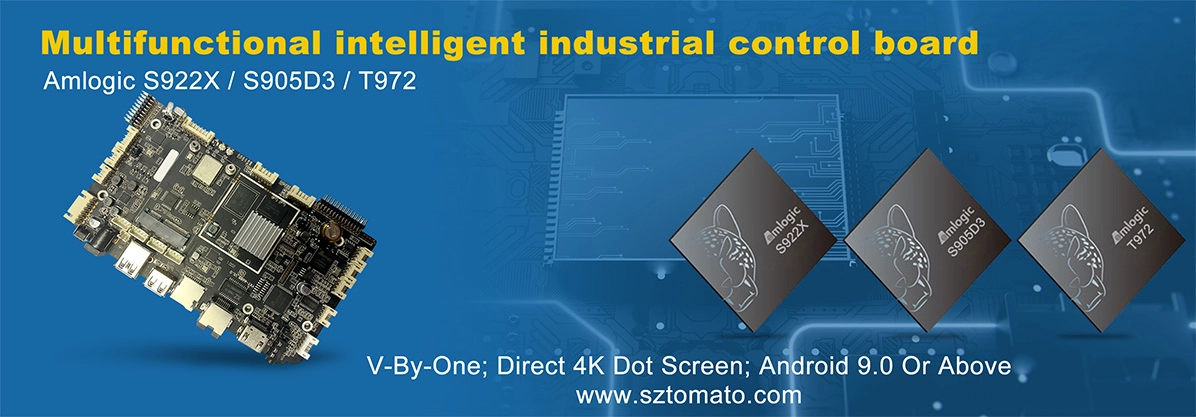
SZTomato's engineering scope can address PCBA hardware modifications, RAM and storage configuration, customized Android firmware, UI/UX development, application integration, and thermal design adjustments. Depending on the SoC and platform, projects may also require Linux/Android kernel or driver optimization and integration with the customer's device-management infrastructure.
The procurement team should confirm which functions are standard, which require engineering development, and which depend on third-party CMS or PMS providers. This distinction improves project costing and reduces the risk of discovering integration dependencies after mass production begins.
Conclusion: Build a Digital Signage Platform That Fits Hotel Operations
Commercial digital signage display solutions for hotels work best when display hardware, Android media players, CMS software, operational APIs, network security, and remote device management are designed as one system.
The priority is not to maximize specifications on every device. It is to select a suitable hardware platform for each display zone, keep operational information accurate, maintain playback through routine network disruptions, and make system updates manageable across the deployment lifecycle.
For hotel groups, hospitality technology providers, digital signage distributors, and system integrators, SZTomato offers an OEM/ODM engineering approach focused on configurable Android signage players, PCBA hardware modification, custom UI/UX firmware, SDK/API integration, OTA update support, and thermal optimization according to project requirements.
When preparing a commercial hospitality deployment, share the intended display zones, required resolution and content formats, selected CMS or PMS platform, network conditions, peripheral interfaces, expected operating hours, and estimated order volume. These details provide the engineering basis for selecting an appropriate player architecture, defining customization scope, and preparing a deployment-ready solution.
