Do I need a Smart TV Box for each TV?
Do I Need a Smart TV Box for Each TV?
The move toward AV1 decoding, newer Android platforms, and higher-resolution streaming is changing how system integrators evaluate Smart TV hardware. The key question is no longer simply whether a television is “smart.” It is whether the TV can independently run the required applications, codecs, DRM stack, network services, and content-management workflow.
For a basic consumer setup, the answer is straightforward: if two TVs need to independently run Smart TV applications, two Smart TV Boxes are normally required.
But commercial deployments are different. Hotels, IPTV operators, schools, healthcare facilities, retail stores, and digital signage networks may use centralized content delivery, HDMI distribution, native Smart TV platforms, or dedicated media players. In these environments, installing one Smart TV Box per display is a design decision rather than a universal rule.
When Do You Need One Smart TV Box per TV?
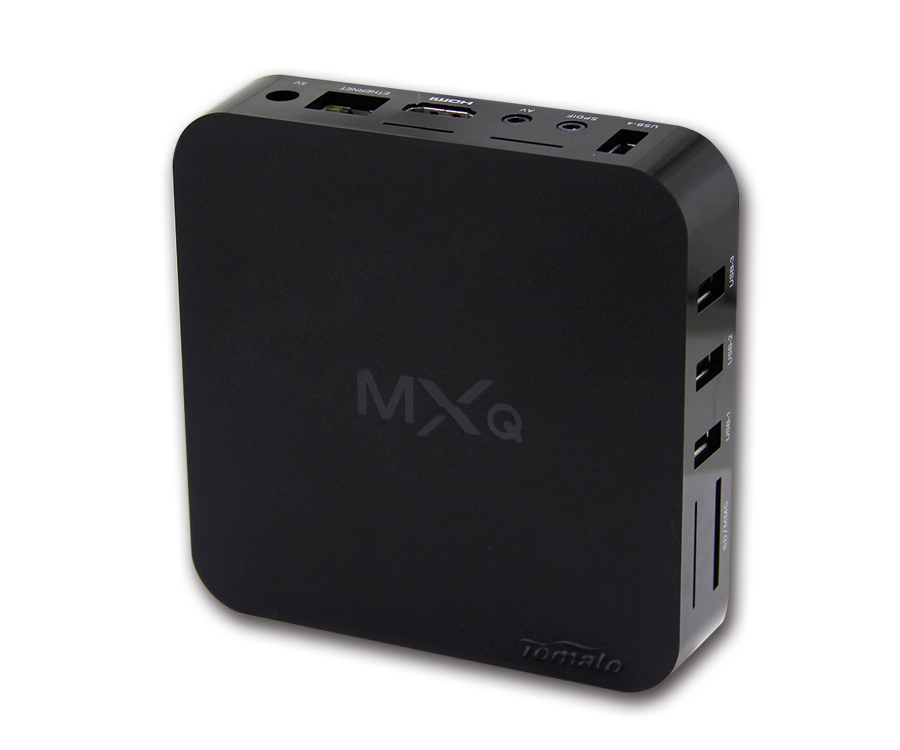
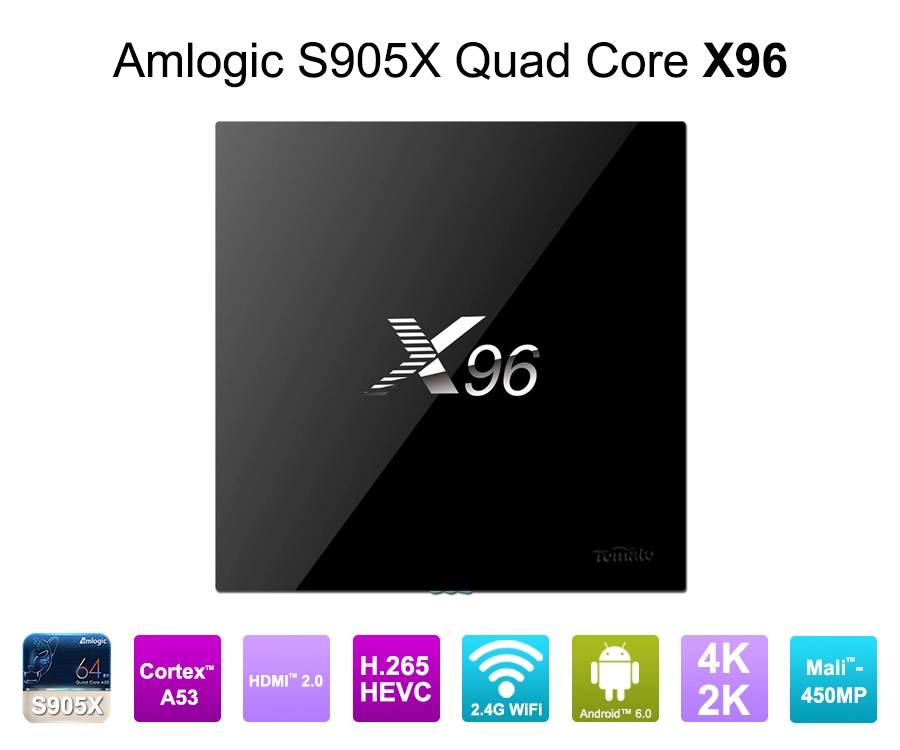
A Smart TV Box normally connects to a television through HDMI and provides the operating environment for applications, streaming services, local media playback, and network communication.
The simplest architecture looks like this:
Smart TV Box → HDMI → TV
One box generates one independent HDMI output. Therefore, if two televisions need to display different content at the same time, a single-output Smart TV Box cannot normally replace two independent playback devices.
For example:
| Deployment requirement | Typical architecture |
|---|---|
| One TV, independent streaming | 1 Smart TV Box |
| Two TVs showing different content | 2 Smart TV Boxes |
| Several TVs showing identical content | 1 source + HDMI distribution may work |
| Hotel rooms with independent content | Usually 1 device per TV |
| Digital signage with independent playlists | Usually 1 player per screen |
| Centralized video wall | Depends on controller architecture |
| IPTV with independent channels | Usually 1 endpoint per TV |
The important distinction is independent playback versus duplicated playback.
If five displays must show the same HDMI signal, an HDMI splitter or distribution system can potentially distribute one source to multiple screens. That does not mean one Smart TV Box has become five independent players. All displays remain dependent on the same source.
If each screen needs its own application, playlist, language, channel, user interface, or schedule, each endpoint generally needs its own processing environment.
Can One Smart TV Box Power Multiple TVs?
Yes, but only under specific architectures.
1. HDMI Splitter or Distribution System
If several televisions need identical content, a single Smart TV Box can feed an HDMI distribution system.
The architecture can be:
Smart TV Box → HDMI Distributor → Multiple TVs
This is practical for applications such as:
-
Retail promotional displays
-
Restaurant menu screens
-
Waiting-room information
-
Conference-room displays
-
Corporate announcements
-
Basic hotel information channels
The limitation is content independence.
If TV 1 needs YouTube while TV 2 needs an IPTV channel and TV 3 needs a customized signage playlist, a simple HDMI splitter cannot provide that functionality.
2. Centralized Content Management
Commercial projects can also separate content management from content playback.
A centralized CMS can control multiple Smart TV Boxes through a network:
CMS → Network → Smart TV Boxes → Individual TVs
Each Smart TV Box can receive its own playlist, schedule, firmware configuration, application package, or content instructions.
This architecture is particularly useful for hotels, retail chains, schools, transportation facilities, and enterprise signage networks.
The advantage is not reducing the number of playback devices. It is reducing operational complexity.
A properly designed OTA update system, device management layer, and remote monitoring architecture can allow hundreds or thousands of Smart TV Boxes to be managed centrally.
Why Commercial Projects Usually Use One Player per Screen
For B2B deployments, the strongest argument for one Smart TV Box per screen is endpoint independence.
A dedicated endpoint allows the system integrator to control:
-
Display resolution
-
Application environment
-
Network configuration
-
Playback schedule
-
User interface
-
Remote updates
-
Device identification
-
Content permissions
-
Reboot behavior
-
Hardware peripherals
-
Monitoring and diagnostics
This becomes important when a project has 100, 500, or 5,000 screens.
A low-cost consumer Smart TV Box may work for a few displays, but large deployments expose limitations in firmware control, thermal management, OTA infrastructure, hardware interfaces, and long-term software maintenance.
That is where an OEM/ODM architecture becomes more relevant.
What Should B2B Buyers Check Before Selecting a Smart TV Box?
The number of televisions is only the first variable. System architecture should be evaluated before selecting the hardware platform.
SoC and Video Codec Capability
The SoC determines much of the device's actual capability.
A current Smart TV Box may require support for:
-
H.264
-
H.265/HEVC
-
VP9
-
AV1
-
4K decoding
-
HDR formats
-
Hardware-accelerated graphics
For a commercial deployment expected to remain in service for several years, codec support should be evaluated against the project's expected content pipeline rather than today's video requirements alone.
Android or Linux Software Architecture
A project may require standard Android, Android TV, AOSP, or Linux.
The distinction matters because application compatibility, Google services, launcher behavior, device management, permissions, and system-level customization differ significantly between platforms.
For specialized products, Linux/Android kernel optimization can also be required to support custom peripherals, networking hardware, display interfaces, or industrial applications.
HDCP and DRM Requirements
Streaming platforms can impose requirements that are invisible during basic hardware testing.
HDCP, DRM frameworks, secure video paths, certificates, and application compatibility can affect whether a particular streaming service works correctly.
Therefore, a buyer should not evaluate a Smart TV Box only by its CPU, RAM, storage, or advertised 4K resolution.
A box that can technically decode 4K video is not automatically equivalent to a commercially certified streaming platform.
Thermal Design
Continuous commercial operation is fundamentally different from watching television for several hours at home.
A signage or IPTV endpoint may operate 12, 16, or 24 hours per day.
Thermal design therefore needs to consider:
-
SoC power consumption
-
PCB layout
-
Heat-spreader design
-
Enclosure airflow
-
Passive versus active cooling
-
Ambient temperature
-
Continuous-load performance
-
Component lifetime
For industrial deployments, customized cooling solutions can be integrated into the enclosure and PCBA design instead of relying on a standard consumer reference design.
When Does OEM/ODM Smart TV Box Customization Make Sense?
A standard Smart TV Box is often sufficient when the project only needs mainstream applications and standard HDMI output.
Customization becomes more valuable when the project requires hardware or software functions that are not available in an off-the-shelf box.
For example, a project may require:
PCBA modification
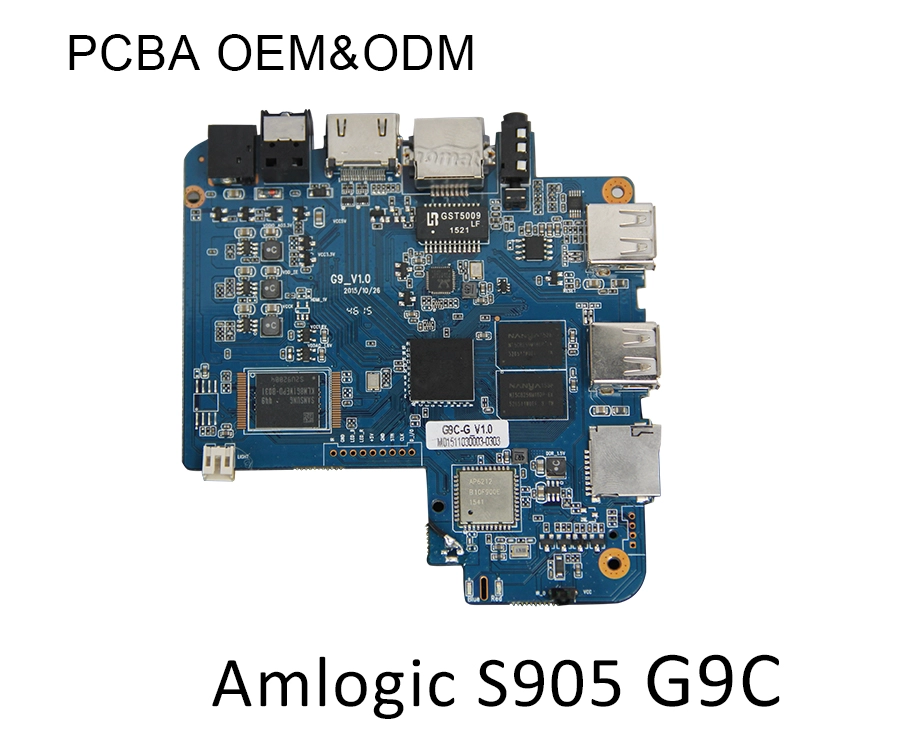
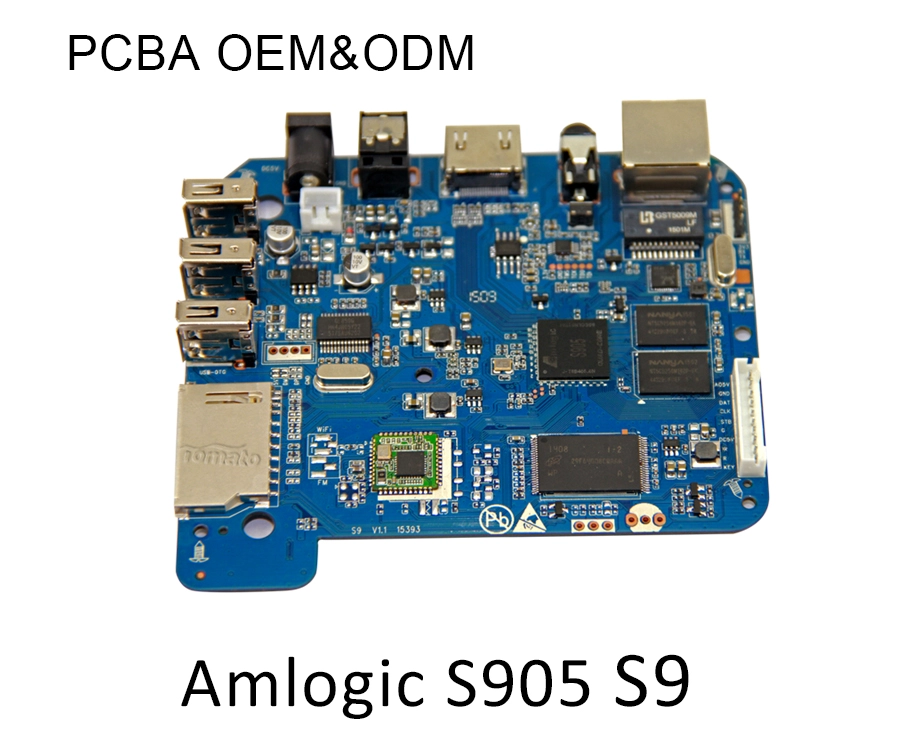
The manufacturer can modify interfaces, memory configuration, storage, wireless modules, GPIO, serial interfaces, USB configuration, or other hardware elements according to the project requirements.
SDK/API integration
A Smart TV Box may need to communicate with an existing CMS, IPTV middleware, hotel management system, advertising platform, or enterprise software.
SDK and API integration can eliminate the need for operators to manually configure every device.
Custom UI/UX firmware
The standard Android launcher may not be appropriate for a branded IPTV operator, hotel, telecom company, or commercial signage platform.
A customized launcher and firmware can provide controlled navigation, branded interfaces, restricted settings, automatic application startup, and project-specific workflows.
OTA update infrastructure
For hundreds or thousands of deployed devices, firmware updates cannot depend on technicians physically accessing each TV.
An OTA system can provide controlled firmware distribution, version management, staged deployment, and remote recovery mechanisms.
These capabilities change the procurement question from:
“Which Smart TV Box has the lowest unit price?”
to:
“Which hardware and software platform can support the project's complete lifecycle?”
Smart TV Box vs Built-In Smart TV: Which Architecture Is More Practical?
A television with an integrated Smart TV platform does not necessarily eliminate the need for an external Smart TV Box.
Built-in platforms can be convenient for consumer applications, but commercial operators may require more control over software, deployment, lifecycle management, and hardware configuration.
An external Smart TV Box provides a replaceable computing layer.
If the television remains physically usable but its operating system becomes outdated, the media endpoint can potentially be upgraded without replacing the entire display.
This separation is particularly useful for commercial projects with long asset lifecycles.
For system integrators, it also creates a standardized computing platform that can be deployed across different display brands and sizes.
The Practical Rule: One TV Does Not Always Mean One Box
The correct architecture depends on what each television needs to do.
If every TV requires independent applications or independent content, plan for one Smart TV Box or equivalent playback endpoint per TV.
If every TV displays exactly the same HDMI content, one source may feed multiple displays through an appropriate distribution system.
If the project uses centralized CMS management, each screen can still have an independent Smart TV Box while being controlled from one central platform.
For commercial deployments, this last architecture is often the most scalable because the playback endpoint remains independent while administration is centralized.
The hardware should therefore be selected together with the firmware, CMS, network, thermal, security, and OTA architecture—not as an isolated box purchase.
Building a Smart TV Box for a Commercial Project
For distributors, IPTV operators, system integrators, telecom operators, and project buyers, the right Smart TV Box is often not the one with the highest consumer specification. It is the one that fits the complete deployment architecture.
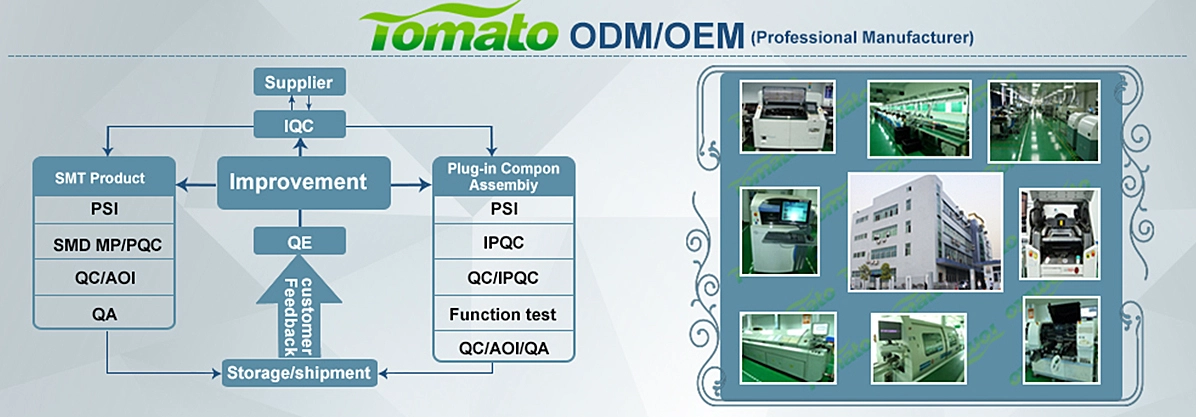
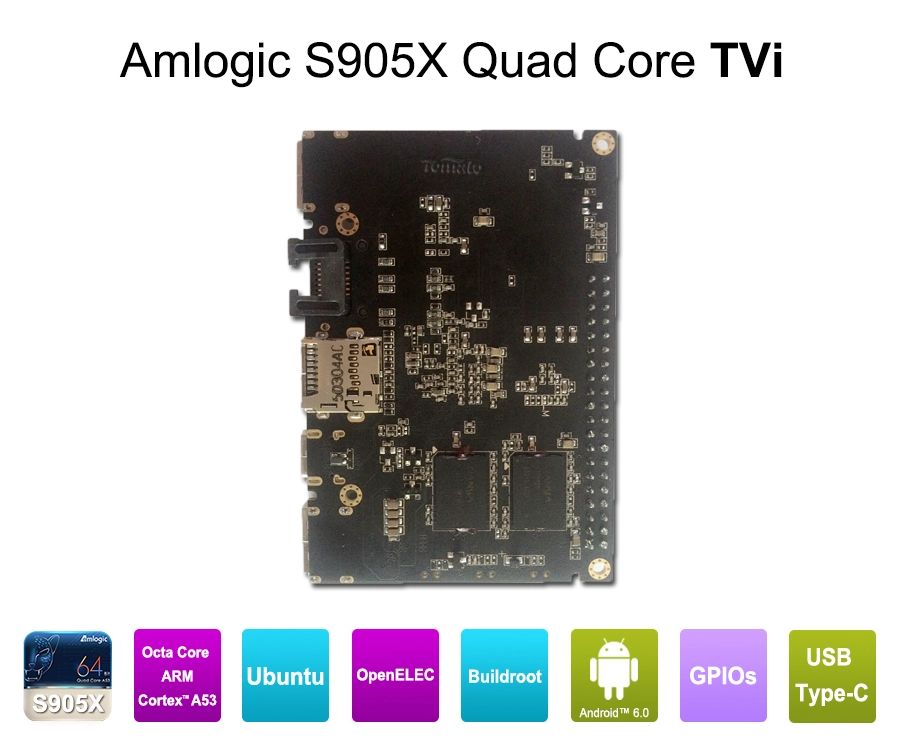
SZTomato supports Smart TV Box OEM/ODM development from PCBA hardware modification through SDK/API integration, custom UI/UX firmware, Android/Linux optimization, OTA systems, and specialized cooling solutions for continuous commercial operation.
For a project requiring customized interfaces, proprietary firmware, specific SoC performance, multi-device management, or industrial-grade deployment, the engineering requirements should be defined before the final hardware platform is selected.
If you are planning a multi-screen IPTV, hotel TV, digital signage, education, telecom, or commercial media project, SZTomato can work with your engineering and procurement team to define the Smart TV Box hardware, firmware, interfaces, and deployment architecture around the actual project requirements.