Multi-OS Streaming Media Player OEM Solutions
Multi-OS Streaming Media Player OEM Solutions: Build the Right Platform for Every Project
AV1, 4K HDR, DRM, OTA management and AI workloads are changing what buyers expect from a Streaming Media Player. The difficult part is no longer decoding a video file. The engineering challenge is keeping the entire media pipeline stable when the product must handle protected streaming content, HDMI/HDCP, Wi-Fi or Ethernet, remote management, customized applications and continuous firmware updates inside a compact enclosure.
For B2B projects, choosing a Streaming Media Player should therefore start with the operating system and application architecture—not the enclosure.
A consumer-oriented Android board may be sufficient for basic playback, but an IPTV operator, digital signage provider, telecom operator or system integrator may need a completely different platform. Some projects require Android and a rich application ecosystem. Others need Linux for stability, controlled software deployment and industrial integration. AI-enabled applications may require an NPU-equipped SoC and a customized software stack.
This is where a multi-OS OEM/ODM strategy becomes valuable.
Why Multi-OS Architecture Matters in Streaming Media Player Projects
A Streaming Media Player is no longer just a hardware decoder connected to HDMI. It is a complete edge device consisting of the SoC, memory, storage, connectivity, video/audio pipeline, operating system, middleware, applications, security layer and remote management system.
The correct OS depends on the commercial application.
Android for application-rich streaming platforms
Android is suitable when a project needs a mature application environment, touchscreen or remote-control interfaces, third-party applications, multimedia frameworks and rapid UI customization.
For Android-based Streaming Media Players, engineering work can extend well beyond APK installation. A serious OEM project may require:
-
Android BSP customization
-
Linux/Android kernel optimization
-
Device Tree configuration
-
GPU and VPU driver integration
-
MediaCodec optimization
-
Media3/ExoPlayer integration
-
Custom launcher and UI/UX
-
Remote-control mapping
-
OTA update systems
-
System-level security configuration
-
Custom SDK/API interfaces
Android TV applications also have a different interaction model from mobile applications. Google recommends layouts that can be understood from a distance and navigation based around directional controls and selection. Media3 provides ExoPlayer and MediaSession components for media playback and system integration.
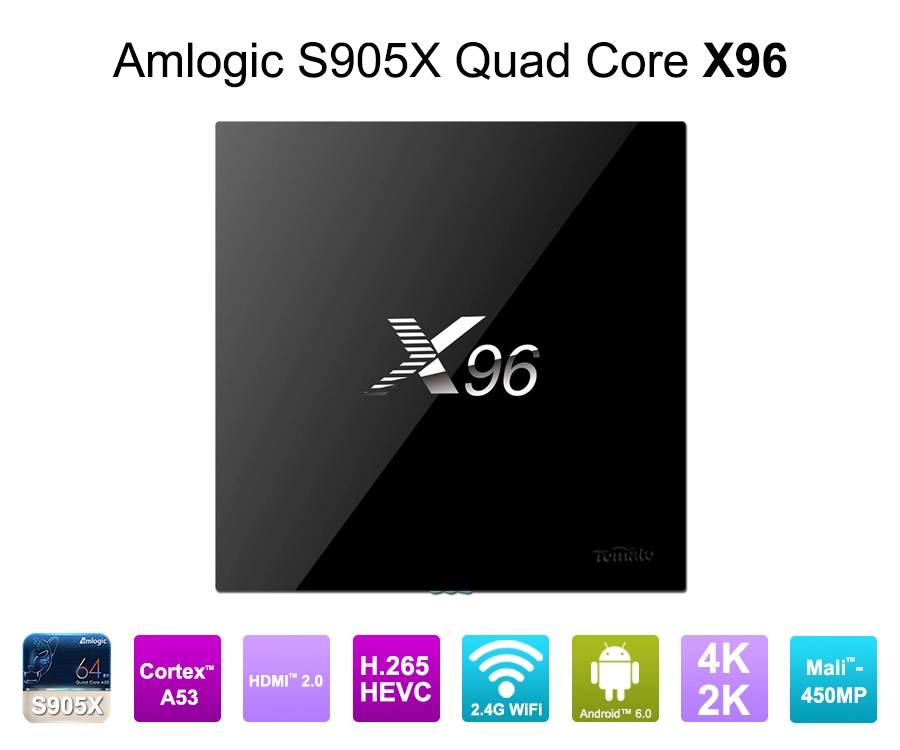
This matters when an OEM customer wants a branded Streaming Media Player rather than a generic Android box.
Linux for controlled and specialized deployments
Linux becomes attractive when the project prioritizes software control, long-term deployment stability, customized services or integration with industrial systems.
Typical applications include:
-
IPTV infrastructure
-
Digital Signage
-
Commercial display controllers
-
Industrial media terminals
-
Edge gateways
-
Embedded multimedia systems
-
Enterprise information displays
-
Customized streaming appliances
A Linux Streaming Media Player can be built around Ubuntu, Debian, Buildroot, Yocto or another customer-defined distribution, depending on the project requirements.
The advantage is not simply that Linux is “lighter.” The real advantage is control over the software stack.
A system integrator may need direct access to networking services, device management, GPIO, serial interfaces, USB peripherals, storage, watchdog functions or proprietary applications. In these situations, a customized Linux image can be more appropriate than forcing the project into a consumer Android framework.
Android + Linux for different product lines
A B2B manufacturer does not need to force every project onto the same OS.
A practical product strategy can use:
| Project requirement | Typical OS direction | Engineering priority |
|---|---|---|
| OTT consumer streaming | Android | App ecosystem, DRM, UI |
| IPTV deployment | Android or Linux | Middleware, networking, OTA |
| Digital Signage | Android or Linux | CMS integration, scheduling |
| Industrial media terminal | Linux | Stability, interfaces, peripherals |
| AI media device | Android/Linux | NPU, SDK/API, edge inference |
| Customized telecom platform | Android/Linux | Operator software and remote management |
| Enterprise embedded player | Linux | Lifecycle and system integration |
The key is to maintain a common hardware platform where possible while adapting the software stack to the application.
Selecting the SoC: Start With the Workload, Not the Specification Sheet
The most common mistake in Streaming Media Player procurement is selecting a processor based on CPU cores alone.
For multimedia products, the media engine, GPU, NPU, memory architecture, display interfaces, codec support and software ecosystem can be more important than the headline CPU frequency.
A mainstream 4K Streaming Media Player may require:
-
4K video decode
-
H.264/H.265 support
-
AV1 support
-
HDR processing
-
HDMI output
-
hardware-accelerated graphics
-
Wi-Fi 5/6
-
Gigabit Ethernet
-
secure boot
-
DRM integration
-
long-term OTA support
A more advanced AI Streaming Media Player may additionally require:
-
NPU acceleration
-
camera input
-
multiple displays
-
MIPI interfaces
-
PCIe expansion
-
high-speed USB
-
local AI inference
-
industrial I/O
-
higher memory bandwidth
For example, Rockchip RK3588 is positioned for applications that extend beyond conventional media playback. Its architecture combines eight CPU cores with a Mali-G610 GPU and an NPU, making the platform suitable for high-performance multimedia and edge-computing designs.
That changes the OEM engineering discussion.
Instead of asking:
“Which TV box has the fastest CPU?”
the procurement team should ask:
“Which SoC provides enough media, I/O, AI and software headroom for the entire product lifecycle?”
That distinction can prevent expensive redesigns after the first production batch.
Mainstream versus high-performance Streaming Media Player platforms
A mainstream platform is normally preferable when the project requires stable 4K playback, low BOM cost and straightforward OTT/IPTV functions.
A higher-performance platform becomes more appropriate when the same device must combine streaming with:
-
AI inference
-
computer vision
-
digital signage analytics
-
multi-screen output
-
industrial interfaces
-
local data processing
-
advanced graphics
-
edge computing
SZTomato can configure the hardware architecture according to these workload differences rather than simply changing the enclosure around a reference board.
PCBA Customization Is Where OEM Value Becomes Visible
A printed circuit board should not be treated as a fixed component supplied by the chipset vendor.
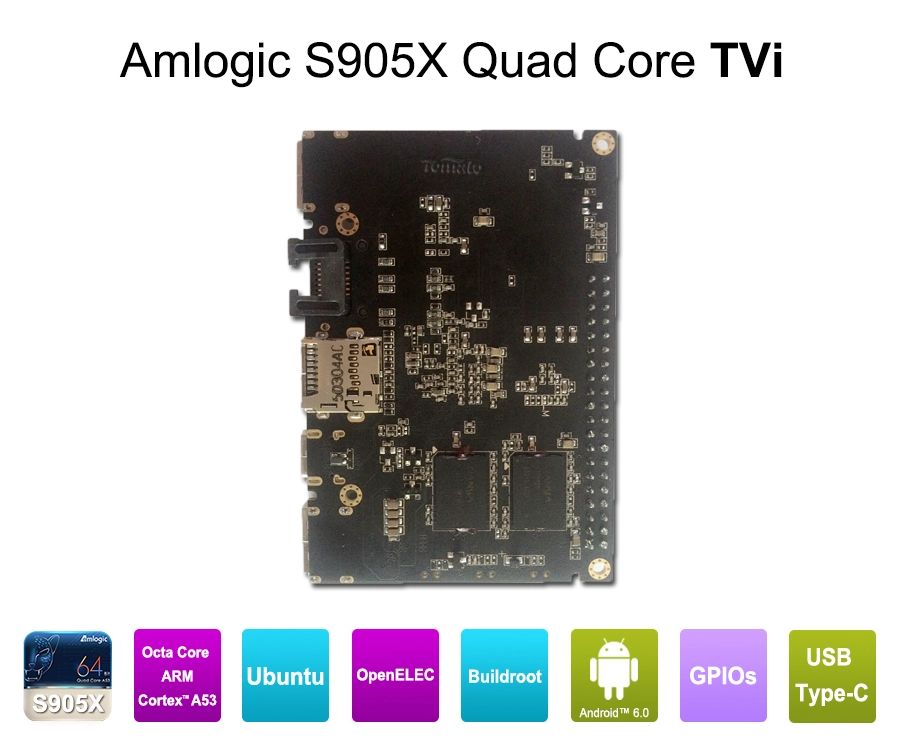
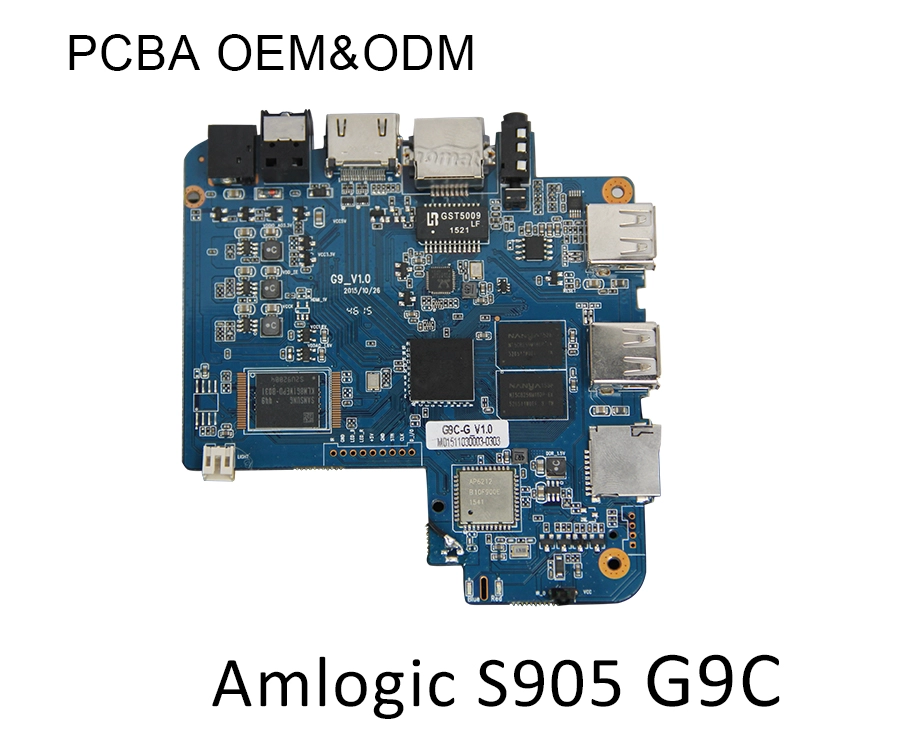
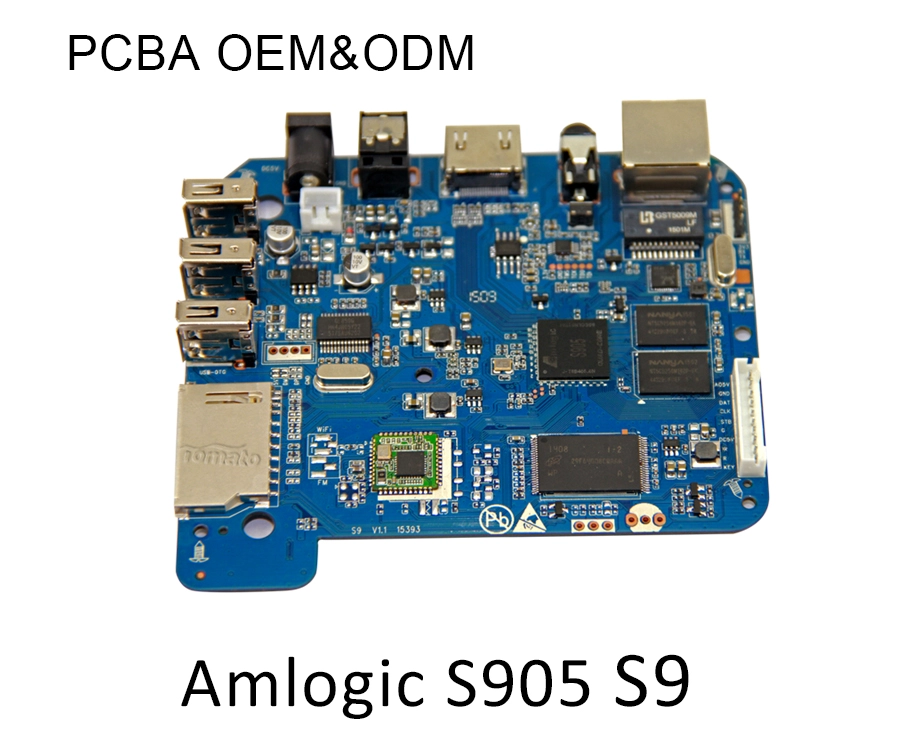
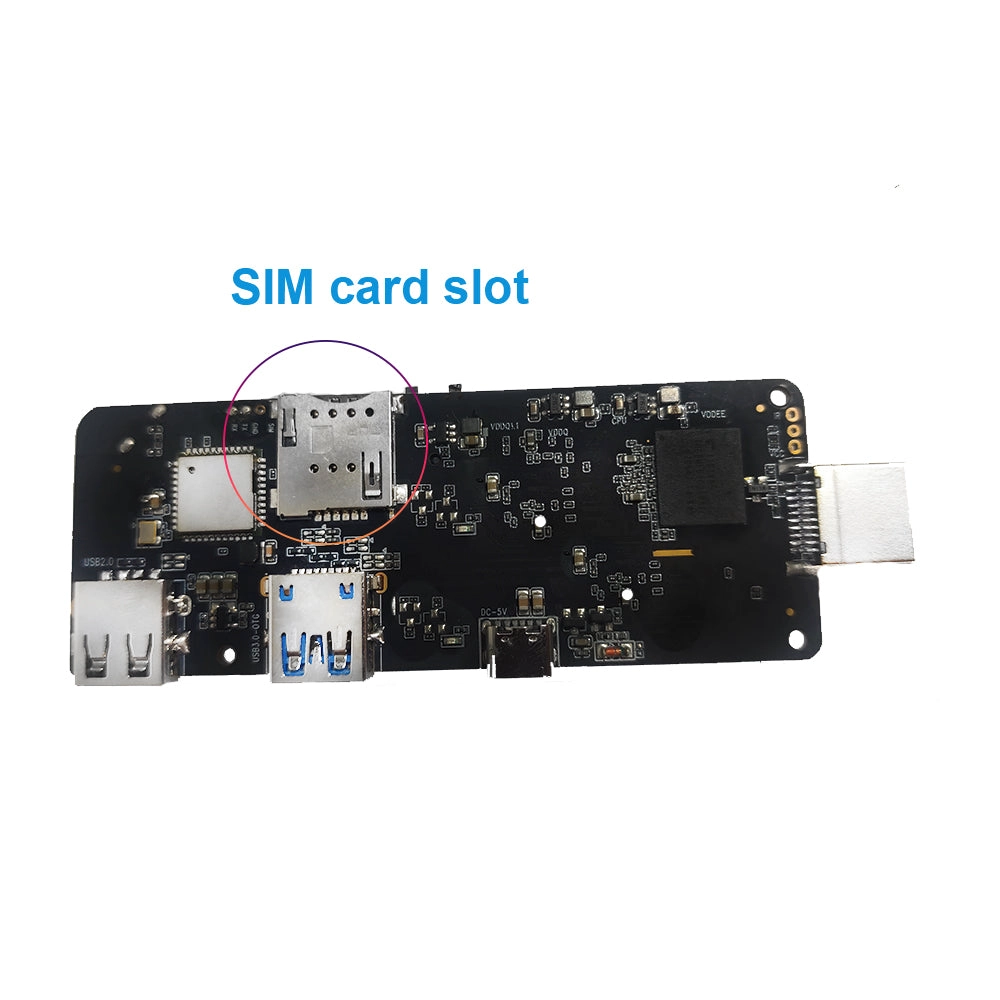
For a real OEM/ODM Streaming Media Player, PCBA engineering can affect product reliability, RF performance, thermal behavior, port configuration and manufacturing cost.
Typical customization areas include:
Memory and storage
RAM and eMMC capacity should match the software architecture.
A simple IPTV terminal may not need the same storage configuration as an AI-enabled multimedia terminal with local models, application packages and cached content.
Storage selection should also consider:
-
eMMC endurance
-
boot partition structure
-
OTA A/B partition requirements
-
application storage
-
logging requirements
-
recovery partition
-
future firmware size
Interface configuration
The same SoC can support very different commercial products depending on the PCBA design.
Possible interfaces include:
-
HDMI
-
USB
-
Gigabit Ethernet
-
Wi-Fi
-
Bluetooth
-
MIPI DSI
-
MIPI CSI
-
PCIe
-
UART
-
GPIO
-
RS-232/RS-485
-
audio interfaces
-
TF/microSD
For Digital Signage or industrial applications, these interfaces can be more commercially important than additional CPU performance.
SZTomato supports PCBA hardware modification so that the board can be adapted to the actual project instead of forcing the customer to accept a generic reference design.
Thermal engineering
Thermal design becomes critical when a Streaming Media Player operates continuously.
An enclosure that performs adequately during a short consumer playback session may behave differently under:
-
24/7 operation
-
high ambient temperature
-
continuous 4K decoding
-
AI inference
-
Wi-Fi + Ethernet simultaneous operation
-
high CPU utilization
-
enclosed installation cabinets
Thermal engineering may require heat spreaders, thermal pads, aluminum housings, customized heatsinks, airflow optimization or other specialized cooling solutions.
For industrial deployments, thermal design should be validated under the actual operating temperature and workload rather than relying on idle-temperature measurements.
Firmware Is the Core of a Custom Streaming Media Player
The physical board gets the product started. Firmware determines whether the product can actually become a differentiated commercial platform.
A professional OEM/ODM firmware stack may include:
Bootloader → Linux/Android Kernel → BSP → Drivers → Media Framework → System Services → SDK/API → UI/UX → Customer Application
Each layer creates potential integration problems.
A customer may require a proprietary launcher, a custom streaming protocol, a device-management platform, a specific API, an enterprise authentication system or an application that communicates directly with hardware peripherals.
That cannot always be solved by installing another APK.
DRM and HDCP must be considered at architecture level
Protected streaming introduces another layer of engineering complexity.
On Android, ExoPlayer uses the MediaDrm framework for DRM-protected playback, including Widevine and supported PlayReady configurations.
Therefore, a Streaming Media Player intended for commercial streaming should evaluate:
-
DRM requirements
-
secure video path
-
HDCP version
-
key provisioning
-
secure boot
-
trusted execution environment
-
certificate requirements
-
content-provider requirements
-
application-level DRM integration
DRM compatibility should be confirmed during platform selection rather than discovered after the hardware has entered mass production.
OTA is part of the product architecture
For a B2B deployment involving thousands of devices, firmware updates cannot depend on manual USB flashing.
A professional OTA architecture should consider:
-
A/B system partitions
-
incremental updates
-
rollback
-
version control
-
device grouping
-
remote diagnostics
-
update scheduling
-
failed-update recovery
-
security verification
For telecom operators, IPTV providers and Digital Signage networks, OTA capability can directly affect operational costs.
A cheaper device with poor remote management can become more expensive over its lifecycle.
Android 16 Raises the Importance of Hardware-Software Integration
The Android platform continues to move more media-related functionality into standardized APIs.
Android 16 introduces the Media Quality framework for Android TV, providing standardized APIs for picture and audio profiles and a hardware abstraction layer that connects the Android framework with SoC implementations.
This is important for OEM manufacturers because the implementation is no longer purely an application-layer issue.
The platform involves:
Application → MediaQuality API → Media Quality Service → Media Quality HAL → SoC/Display Pipeline
That means SoC vendor support, BSP implementation and hardware validation matter.
Android also provides APIs for frame-rate matching so applications can communicate their intended playback frame rate to the platform, helping compatible displays avoid unnecessary judder caused by refresh-rate mismatch.
For a customized Streaming Media Player, these developments reinforce a basic principle:
A modern media product must be engineered as a complete hardware-software system.
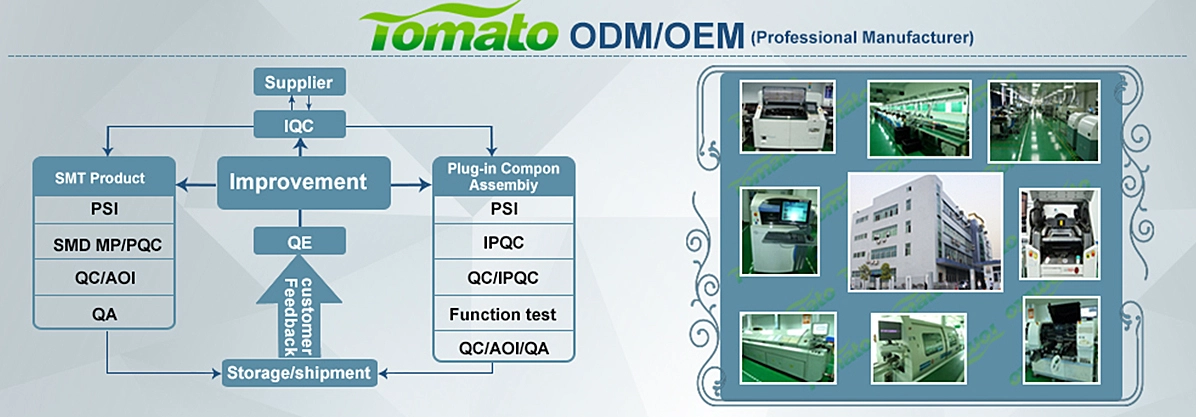
How SZTomato Approaches Multi-OS Streaming Media Player OEM/ODM
A practical OEM project normally begins with the application requirements rather than the available box models.
SZTomato can support customization across several engineering layers.
1. Hardware customization
The project can start with the required:
-
SoC
-
RAM
-
eMMC
-
Wi-Fi/Bluetooth
-
Ethernet
-
HDMI
-
USB
-
MIPI
-
serial interfaces
-
power architecture
-
enclosure dimensions
PCBA modifications can then be evaluated around the selected platform.
2. OS and BSP selection
Depending on the project, the platform can be developed around Android or Linux.
The objective is not to promote one OS universally, but to match the OS with the commercial application.
3. SDK/API integration
For operators and system integrators, API access can be more important than the visual appearance of the device.
Typical integration targets include:
-
CMS platforms
-
IPTV middleware
-
cloud management systems
-
device provisioning
-
remote diagnostics
-
enterprise authentication
-
custom applications
-
advertising platforms
-
AI services
-
peripheral devices
4. Custom UI/UX firmware
A branded Streaming Media Player should not necessarily look like a generic development board.
SZTomato can integrate customized:
-
boot animations
-
launcher interfaces
-
menus
-
remote-control functions
-
application layouts
-
system settings
-
device-management interfaces
-
branding elements
For B2B customers, this provides a way to create a product identity without developing the entire hardware platform from zero.
5. Industrial thermal design
For continuous commercial operation, SZTomato can evaluate specialized cooling solutions based on the enclosure, workload and installation environment.
This is particularly relevant to Digital Signage, hospitality, transportation, industrial displays and other 24/7 applications.
A Practical OEM Selection Checklist
Before selecting a Streaming Media Player OEM supplier, procurement teams and system integrators should verify the following:
Hardware
-
Does the supplier modify PCBA layouts?
-
Can RAM and eMMC configurations be customized?
-
Can interfaces be added or removed?
-
Can the enclosure be redesigned?
-
Is thermal testing available?
Software
-
Android or Linux?
-
BSP customization?
-
Kernel optimization?
-
Device Tree modification?
-
SDK/API integration?
-
Custom UI/UX?
-
OTA update architecture?
-
Remote device management?
Media
-
4K/8K codec requirements?
-
AV1?
-
HDR?
-
Frame-rate matching?
-
HDMI specification?
-
HDCP requirements?
-
DRM requirements?
Production
-
Engineering sample process?
-
EVT/DVT/PVT validation?
-
MOQ?
-
Component lifecycle?
-
Firmware maintenance period?
-
Production traceability?
-
Quality-control procedures?
Commercial
-
Can the supplier support private labeling?
-
Can the same platform be adapted for multiple markets?
-
Is long-term firmware support available?
-
Can the supplier work directly with the customer's engineering team?
The answers to these questions provide much more useful information than a catalog specification such as “4GB RAM + 64GB ROM.”
Multi-OS OEM Is a Platform Strategy, Not an OS Choice
The strongest Streaming Media Player OEM projects separate three decisions:
Hardware platform: What workloads must the device handle?
Operating system: What level of software control and application compatibility does the project require?
Firmware architecture: What needs to be customized for the customer's commercial deployment?
Once these three layers are separated, the product can be optimized for its actual purpose.
A mainstream Android Streaming Media Player may prioritize OTT compatibility, DRM and UI customization.
A Linux-based industrial player may prioritize stability, peripheral control and system integration.
An AI-enabled platform may require a more powerful SoC, NPU acceleration, additional interfaces and a customized software stack.
The correct solution is therefore not necessarily the device with the highest specification. It is the platform that provides sufficient performance, software control, thermal margin and lifecycle support for the intended deployment.
For B2B procurement managers, IPTV operators, telecom companies, Digital Signage providers and system integrators, this is the central question to ask an OEM supplier:
Can the manufacturer modify the platform when the project requirements change?
SZTomato supports Streaming Media Player OEM/ODM projects with PCBA hardware modification, Android/Linux firmware engineering, SDK/API integration, custom UI/UX development and specialized cooling solutions. For projects that require more than a standard retail box, the engineering discussion can start from your application, interfaces and deployment environment—and work backward to the appropriate SoC, OS and hardware architecture.