Google TV Box Buying Guide
Google TV Box Buying Guide: How to Choose the Right Platform for B2B Projects in 2026
The biggest mistake in a Google TV Box project is treating “Google TV” as a hardware specification.
It is not.
A box can use a recent Amlogic SoC, Android 14 or Android 16, 4GB RAM and 32GB eMMC and still fail to deliver the Google TV experience a customer expects. Google TV is an experience running on Android TV OS, and commercial deployment depends on platform compatibility, Google certification, application behavior, content protection, firmware quality and hardware validation. Google states that Android TV OS powers TVs, streaming devices and PayTV set-top boxes, while Google TV is an experience available on supported devices.
For B2B procurement managers and system integrators, the correct buying process is therefore not “Which Google TV Box has the highest specification?” It is:
Which hardware and software platform can support the required Google ecosystem, video workload, security architecture, firmware lifecycle and customization requirements at production scale?
What Is a Google TV Box?
A Google TV Box is a streaming device designed around the Android TV OS ecosystem and the Google TV user experience.
This distinction matters when sourcing from OEM manufacturers.
A generic Android TV Box may run Android and provide access to applications, but that does not automatically make it a certified Google TV device. Google Play Protect certification involves testing to verify security, Android compatibility and the correct operation of Google applications. Google specifically recommends certified devices because uncertified devices may not provide the expected security or application compatibility.
For B2B buyers, the first question should therefore be:
Is this a genuine Google-certified platform, or simply an Android TV Box marketed as “Google TV”?
That question should be answered before discussing enclosure design, logo printing or MOQ.
Google TV vs Android TV vs Generic Android
These terms are often mixed together in supplier quotations.
| Platform | Core Meaning | B2B Consideration |
|---|---|---|
| Generic Android Box | Android-based device with manufacturer-controlled software | Broad customization, but Google ecosystem support varies |
| Android TV OS device | TV-oriented Android platform | Designed for 10-foot TV interaction and TV applications |
| Google TV device | Android TV OS device providing the Google TV experience | Requires appropriate Google ecosystem and device support |
| Google-certified device | Device that has passed applicable Google certification requirements | Important for Google apps, Play Store and commercial deployment |
Google's developer documentation makes the relationship explicit: applications built for Android TV work on devices running Google TV, while Google TV adds its own user experience and engagement model.
This is one reason a low-cost generic Android box should not be compared directly with a certified Google TV Box simply by RAM, storage or CPU specifications.
How to Choose the SoC for a Google TV Box
The SoC is the foundation of the product, but CPU performance is only one part of the selection.
For a Google TV Box, evaluate at least seven hardware layers:
-
CPU architecture
-
GPU performance
-
Video decoder and encoder
-
Display engine
-
Memory and storage
-
Connectivity
-
Power and thermal design
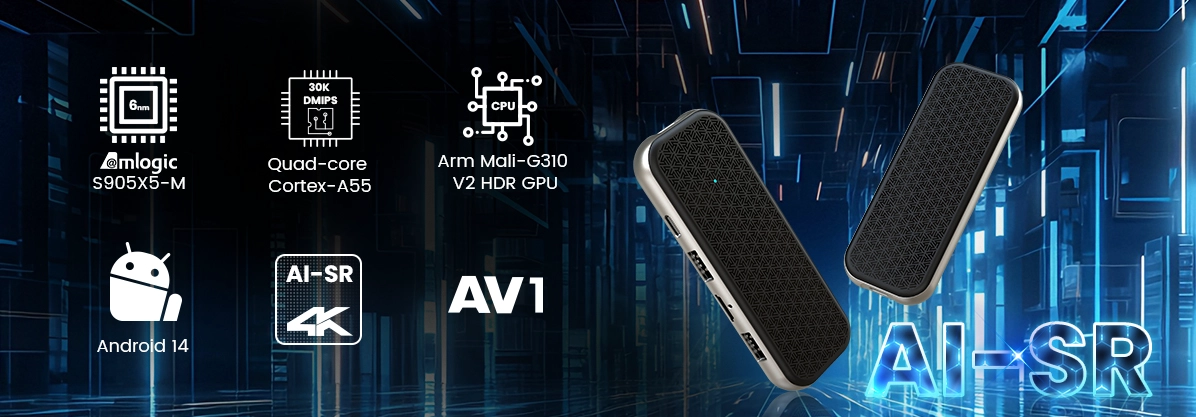
Amlogic S905X5: A Strong Platform for New 4K Projects
Amlogic currently lists S905X5 as a 6nm flagship SoC for next-generation 4K UHD set-top boxes. Amlogic also lists S905X4 and S905X5M among its current product portfolio.
For a new Google TV Box project, S905X5 is worth evaluating where the product requires:
-
4K UHD streaming
-
modern video codec support
-
lower power consumption
-
current-generation SoC architecture
-
AI-enhanced multimedia functions
-
long-term product positioning
The 6nm process is particularly relevant to compact streaming devices because thermal headroom directly affects sustained performance, enclosure size and power design.
However, the newest SoC should not automatically be selected.
If the customer's application, certification requirements and software stack are better supported by a mature platform, an older SoC can still produce a lower-risk product.
S905X4: Mature 4K OTT/IPTV Platform
S905X4 remains relevant for commercial Internet streaming and IPTV applications.
Amlogic positions its S905X family for OTT/IPTV set-top boxes and related smart-home applications, while S905X4 is part of the company's established 4K SoC portfolio.
For projects where the primary requirements are:
-
4K video playback
-
IPTV
-
OTT applications
-
Google ecosystem integration
-
standard networking
-
moderate thermal requirements
-
competitive BOM cost
S905X4 can remain technically appropriate.
The important point is to validate the complete device configuration, rather than selecting the processor in isolation.
High-End SoCs: When More Processing Power Is Actually Useful
A Google TV Box does not normally need an industrial AI processor simply to play 4K streaming content.
But the situation changes when the product also needs:
-
AI video analysis
-
intelligent advertising
-
digital signage
-
computer vision
-
multi-display output
-
local AI inference
-
industrial interfaces
-
high-performance local applications
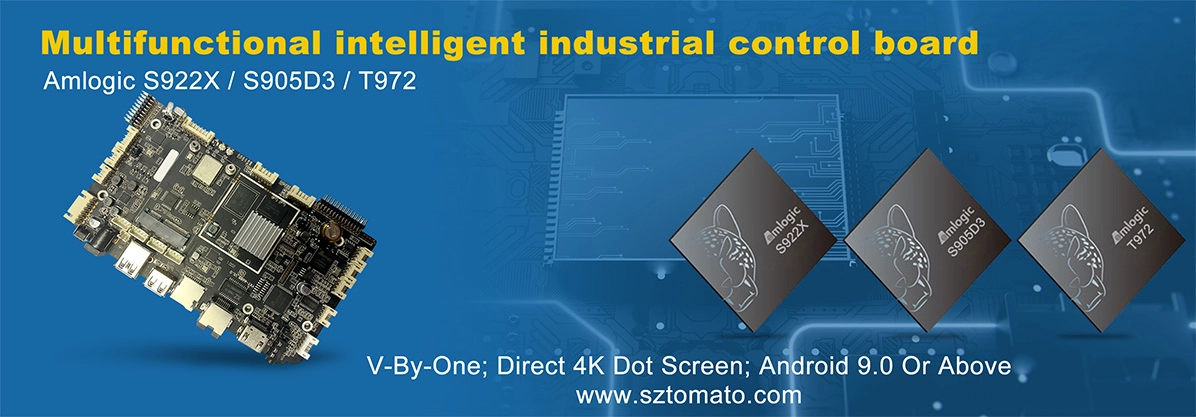
In these projects, platforms such as Rockchip RK3588 or Amlogic's higher-performance processors can make sense.
The product then becomes a hybrid:
Google TV / Android TV + multimedia terminal + edge-computing platform
That architecture is particularly relevant to commercial projects where the same device needs to deliver entertainment content while performing local processing.
Google TV Box Hardware Specifications: What Actually Matters
RAM and eMMC
Do not use RAM capacity as the primary indicator of product quality.
For most Google TV Box projects, 2GB, 4GB or 8GB configurations should be selected according to application requirements.
A practical B2B configuration may use:
-
2GB RAM for cost-sensitive streaming terminals
-
4GB RAM for mainstream commercial products
-
4GB–8GB for heavier applications and multitasking
Storage should be selected according to the application package, OTA partition requirements and future firmware growth.
A 16GB eMMC configuration can become restrictive when the firmware image, Google components, applications, recovery partition and OTA update strategy all consume storage.
For a long-lifecycle product, 32GB or more can provide additional engineering margin.
Wi-Fi and Ethernet
Wireless performance is another specification that is often oversimplified.
A Google TV Box should be evaluated against the customer's actual deployment environment.
For example:
-
Wi-Fi 5 may be sufficient for standard streaming.
-
Wi-Fi 6 provides additional network capacity for dense environments.
-
Gigabit Ethernet can be important for hotels, commercial IPTV deployments and fixed installations.
-
Dual-band Wi-Fi should be validated under actual throughput and interference conditions.
The module itself is not enough.
A poor antenna layout can undermine a high-specification Wi-Fi chipset.
This is where PCBA layout, antenna placement, RF clearance and enclosure material become part of the product specification.
HDMI, HDCP and Display Compatibility
HDMI compatibility deserves specific attention in commercial projects.
A supplier may state “4K HDMI output,” but that does not answer all the questions.
The engineering team should verify:
-
4K resolution and frame rate
-
HDR formats
-
HDMI-CEC behavior
-
EDID compatibility
-
HDCP version
-
AV receiver compatibility
-
TV wake/sleep behavior
-
hot-plug detection
-
resolution switching
-
long-duration playback
For protected commercial content, HDCP encryption and DRM architecture can become deployment-critical.
A box that plays a local 4K video file successfully does not necessarily prove that it will work correctly with every commercial streaming service or operator content workflow.
Google Certification and DRM: The Part Suppliers Often Under-Explain
For B2B buyers, certification should be separated from marketing terminology.
Ask the supplier to specify:
What certification does this exact hardware/software configuration have?
Not:
Does your company have Google TV products?
The distinction is critical.
Google states that Play Protect-certified devices undergo hundreds of tests, including security and compatibility checks, and that certification verifies the authenticity and expected behavior of pre-installed Google applications.
A supplier may have:
-
an Android TV product,
-
a Google-certified product,
-
a Google TV product,
-
a generic Android product,
but those are not interchangeable descriptions.
DRM and Content Protection
Commercial streaming projects may require a combination of:
-
DRM framework
-
secure boot
-
trusted execution environment
-
key management
-
HDCP
-
secure video path
-
device attestation
-
content-specific certification
These requirements can affect SoC selection, firmware architecture and production provisioning.
Therefore, DRM should be evaluated during the hardware selection stage, not added after the PCB has already been frozen.
Google TV Box Firmware: Where OEM Capability Becomes Critical
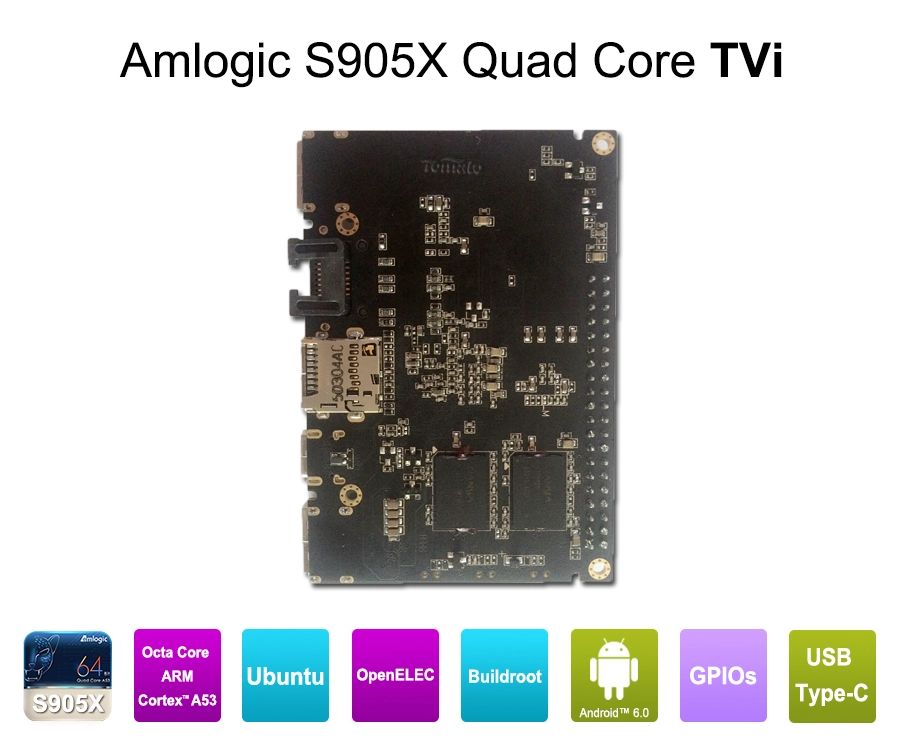
A reference board proves that the SoC can boot.
It does not prove that the final product is production-ready.
A commercial Google TV Box requires a controlled software stack covering:
-
Android framework
-
kernel
-
device tree
-
GPU/VPU drivers
-
Wi-Fi/Bluetooth drivers
-
HDMI/CEC
-
audio HAL
-
storage management
-
OTA update system
-
recovery mechanism
-
security configuration
-
factory provisioning
-
application integration
Google's Android TV documentation also imposes TV-specific application requirements. TV applications must support remote-control navigation and declare the appropriate TV-related capabilities; touchscreen dependency, for example, must not prevent an application from being recognized as a TV application.
This has an important implication for OEM projects:
A phone-oriented Android UI cannot simply be scaled onto a TV screen and called a Google TV experience.
The user interface must work from a distance with a remote control, predictable focus movement and TV-specific navigation.
OTA Is a Product Feature
For B2B deployments, OTA architecture should be specified before mass production.
The engineering specification should address:
-
A/B or equivalent update architecture
-
signed firmware packages
-
rollback protection
-
recovery after interrupted updates
-
remote deployment
-
version management
-
staged rollout
-
factory reset behavior
-
regional firmware variants
A hotel, IPTV operator or commercial distributor may have thousands of deployed devices.
A firmware update problem that affects 20 retail devices is inconvenient.
The same problem affecting 20,000 deployed devices becomes an operational event.
Customization: What an OEM Should Be Able to Change
For projects requiring differentiation, ask the factory whether customization stops at the enclosure.
A genuine OEM/ODM capability should be able to address multiple engineering layers.
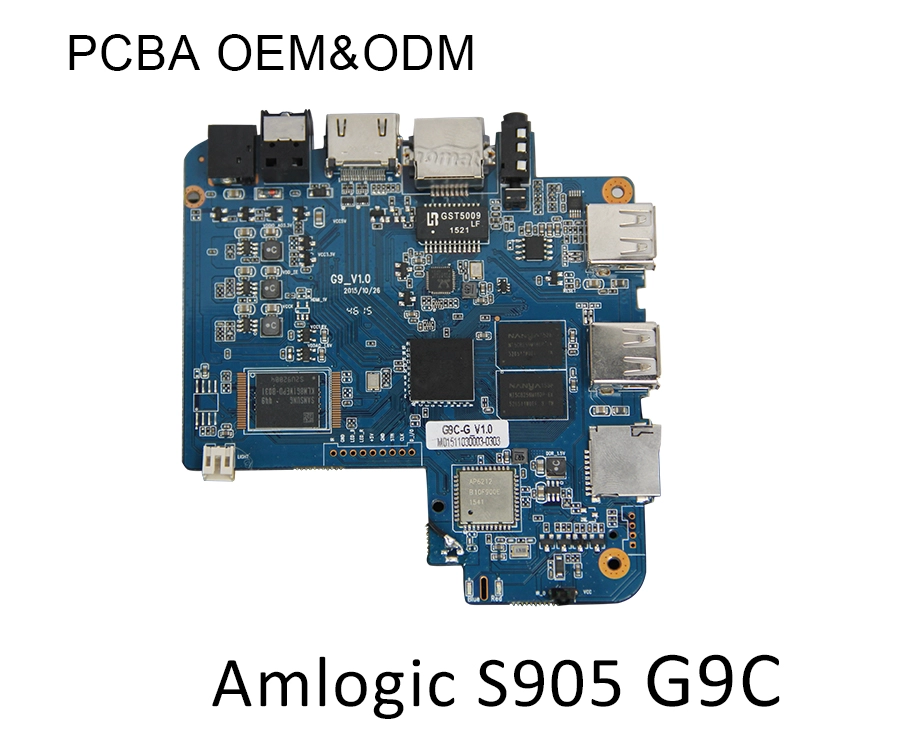
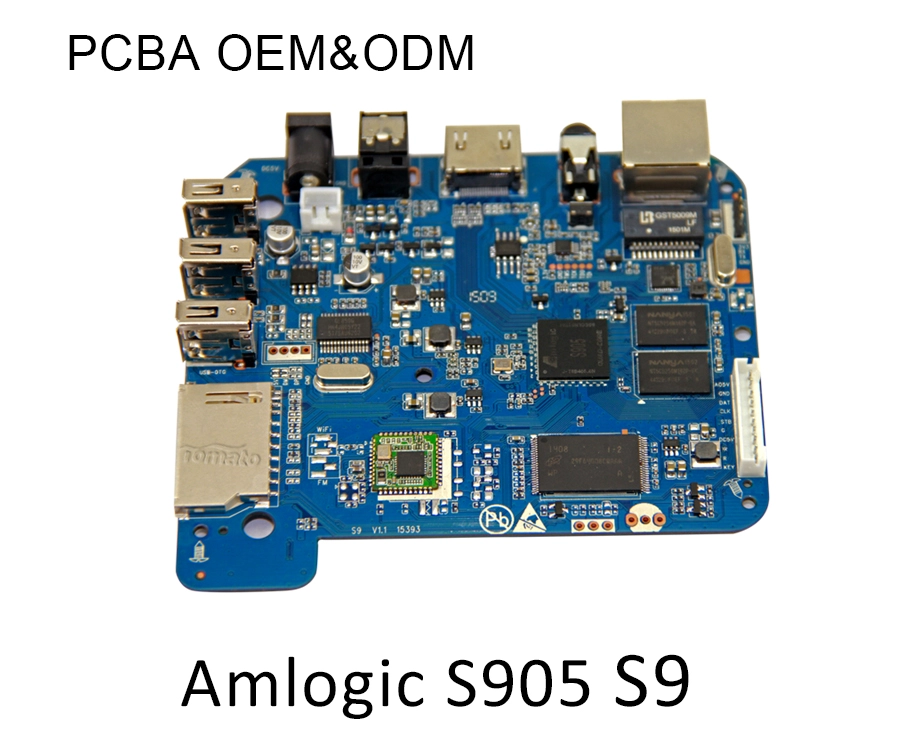
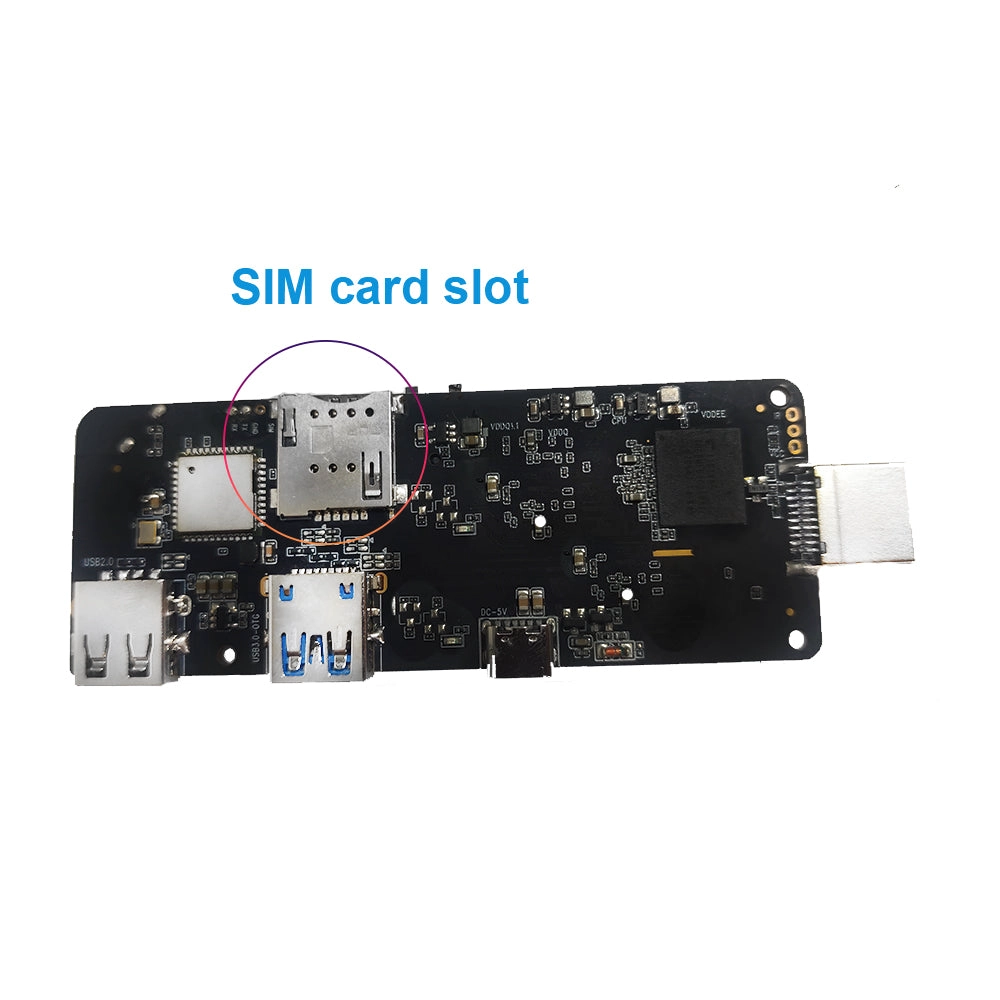
PCBA Hardware Modification
Depending on the project, customization can include:
-
DDR and eMMC configuration
-
Wi-Fi/BT module
-
Ethernet
-
USB
-
HDMI
-
audio interfaces
-
GPIO
-
IR receiver
-
power-management circuits
-
expansion interfaces
-
antenna design
Changing the PCB requires corresponding firmware work.
A modified GPIO map, changed Wi-Fi module or new peripheral can require device-tree changes, kernel drivers, HAL integration and application-level API support.
SDK/API Integration
For system integrators, the API layer can be more important than the launcher.
Examples include:
-
remote device management
-
application control
-
content scheduling
-
device status reporting
-
network configuration
-
serial or GPIO control
-
cloud platform integration
-
custom provisioning
This is where a standard retail Google TV Box often reaches its limits.
Custom UI/UX Firmware
A B2B customer may need:
-
branded boot animation
-
customized launcher
-
predefined application arrangement
-
operator portal
-
restricted settings
-
remote-control mapping
-
custom system menus
-
localized language packages
These requirements should be implemented at the appropriate Android framework or firmware level rather than relying on fragile third-party applications.
Thermal Engineering Is Part of the Google TV Box Specification
Compact streaming hardware often operates in a restricted enclosure with limited airflow.
That makes thermal design important even for mainstream 4K products.
For higher-performance SoCs, sustained-load testing should evaluate:
-
CPU temperature
-
GPU temperature
-
SoC temperature
-
thermal throttling
-
Wi-Fi temperature
-
eMMC temperature
-
enclosure surface temperature
-
performance after extended playback
A benchmark taken during the first five minutes tells very little about a device that must operate eight or twelve hours per day.
SZTomato's engineering approach can include specialized cooling solutions for industrial applications, alongside PCBA modification and firmware development.
For high-performance projects, this can involve heat spreaders, thermal pads, heatsinks, enclosure optimization and airflow design.
Google TV Box Buying Checklist for B2B Procurement
Before approving a supplier, request documentation covering these areas:
| Evaluation Area | Questions to Ask |
|---|---|
| SoC | Which exact SoC and revision are used? |
| Android | Which Android/Android TV OS version is supported? |
| Is the exact configuration Google-certified? | |
| DRM | Which DRM and content-protection requirements are supported? |
| HDCP | Which HDCP version is implemented and validated? |
| Video | Which 4K/HDR/codecs have been tested? |
| Memory | What RAM/eMMC configurations are available? |
| Wi-Fi | Which chipset, antenna configuration and Wi-Fi generation are used? |
| Ethernet | 100M, Gigabit or higher? |
| Firmware | Can the kernel, framework and launcher be customized? |
| OTA | What update and rollback architecture is provided? |
| PCBA | Can schematic and PCB changes be made? |
| API | Can the device integrate with a customer's management platform? |
| Thermal | Has sustained-load testing been completed? |
| Production | What validation is performed before mass production? |
| Lifecycle | Who maintains BSP and firmware after production? |
This checklist prevents a common B2B sourcing error: comparing suppliers using only RAM, storage and unit price.
Google TV Box Buying Guide: The Procurement Decision
For a standard 4K streaming project, the correct architecture may be a mature Amlogic platform with sufficient memory, storage, networking and validated Google ecosystem support.
For a new-generation product, Amlogic S905X5 deserves evaluation because Amlogic positions it specifically as a 6nm platform for next-generation 4K UHD set-top boxes.
For AI-heavy or industrial applications, a higher-performance SoC may be justified.
The more important decision is whether the supplier can take responsibility for the complete product stack.
That means:
SoC → PCBA → thermal design → BSP → kernel → Android framework → Google ecosystem → DRM/HDCP → UI/UX → OTA → production validation
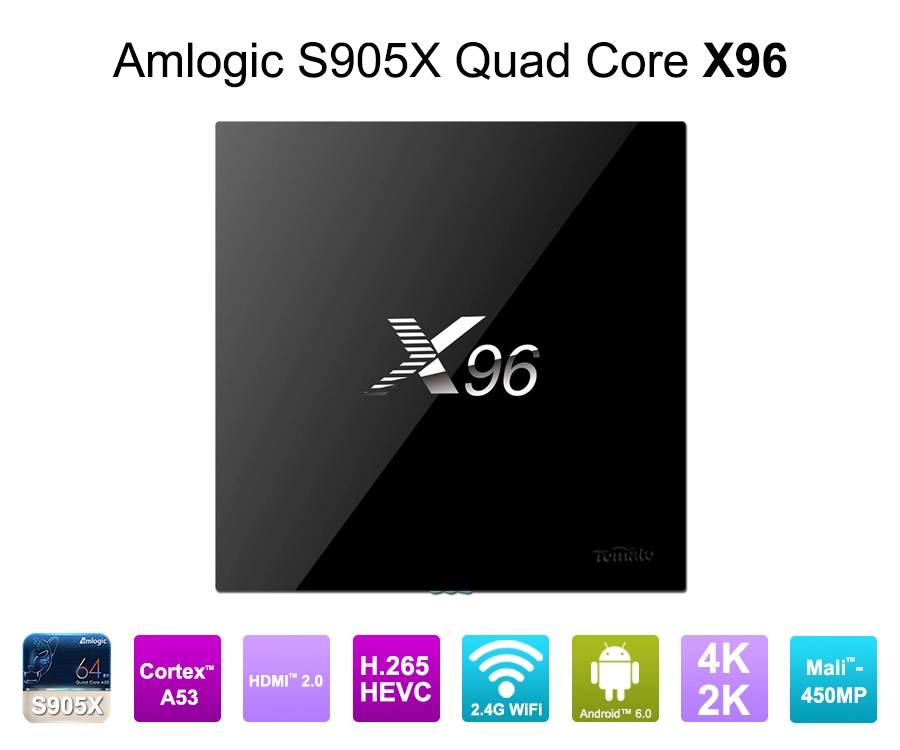
A Google TV Box should be evaluated as an integrated hardware/software platform, not as a plastic enclosure containing an Android board.
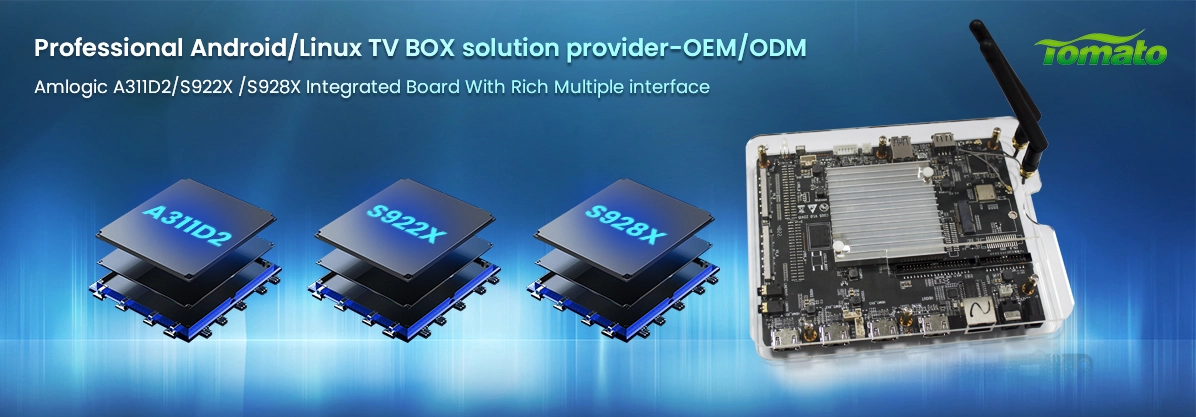
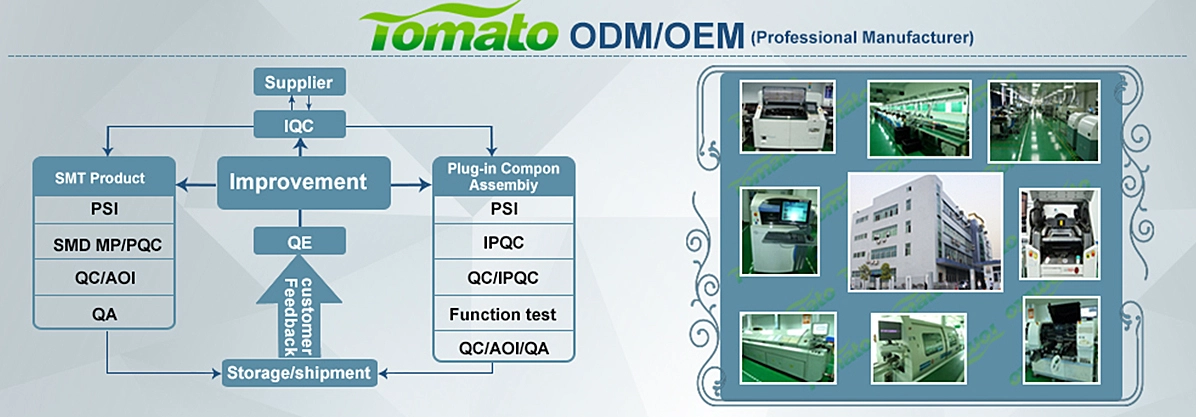
For B2B procurement managers, IPTV operators, distributors and system integrators, SZTomato provides OEM/ODM engineering covering PCBA hardware modification, SDK/API integration, custom UI/UX firmware, Android/Linux kernel optimization and specialized cooling solutions.
If your requirement includes a customized Google TV Box rather than a standard retail configuration, define the required SoC, certification status, DRM, interfaces, firmware functions and deployment environment before requesting the final quotation. That specification-first approach gives the factory a clear engineering target and gives the buyer a much more meaningful basis for comparing suppliers.