Do I need a TV Box with a Smart TV?
Do I Need a TV Box with a Smart TV? A Practical Guide for 2026
A Smart TV can already run streaming apps, connect to Wi-Fi, decode 4K video and provide access to major content platforms. So why would anyone add a TV Box?
The answer depends on what the television can actually do, how long the built-in platform will remain supported, and whether the application requires capabilities outside the TV manufacturer's software environment.
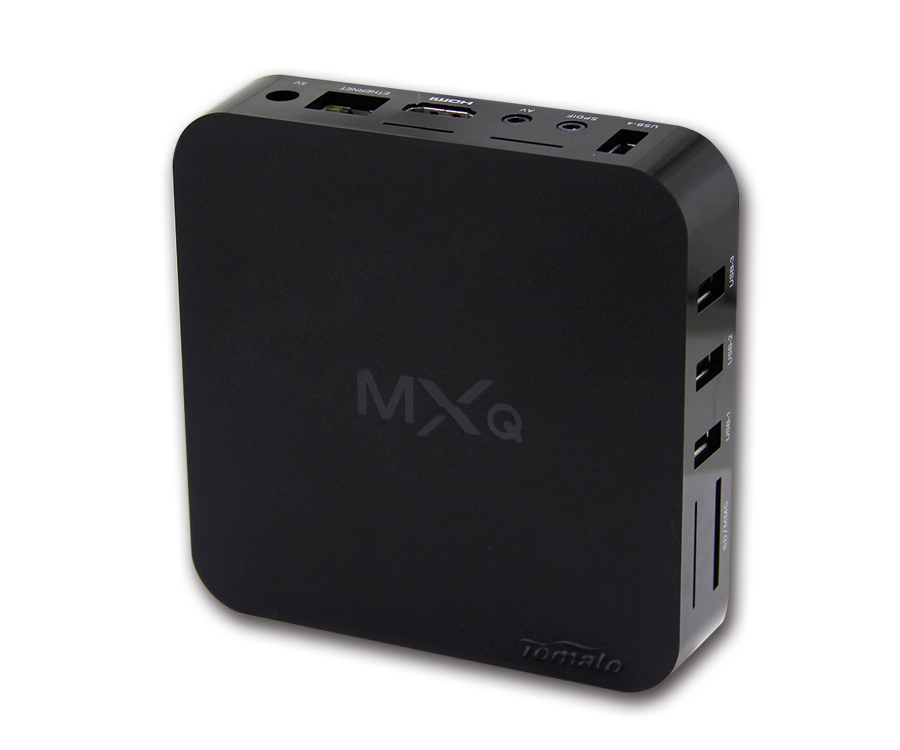
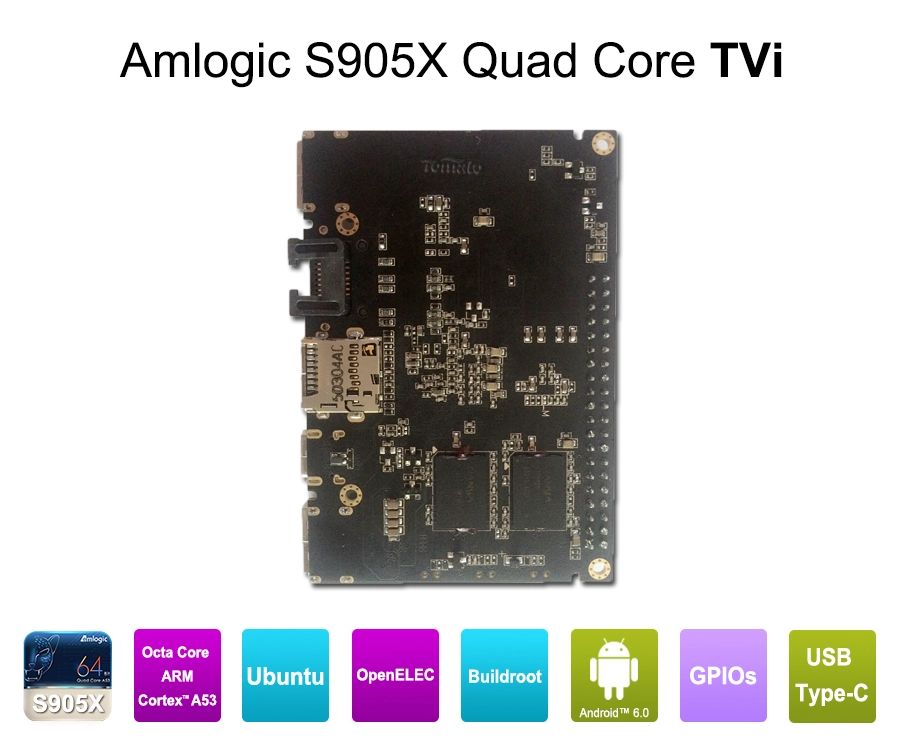
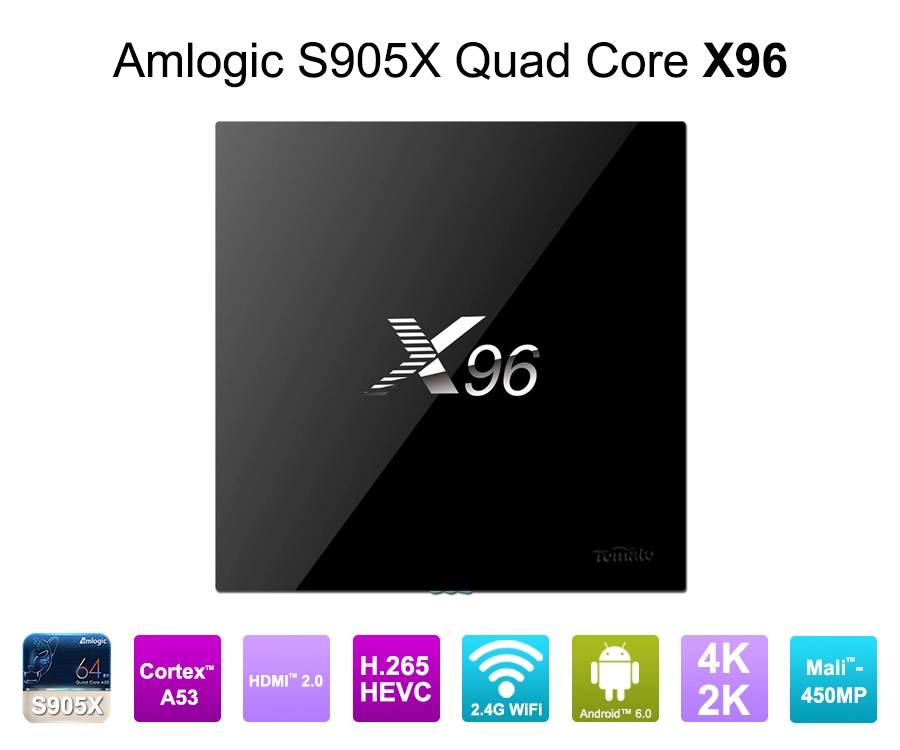
For a consumer watching Netflix occasionally, a separate TV Box may provide little benefit. For IPTV operators, hotels, digital signage companies, telecom operators and TV brands, the calculation is different. A dedicated TV Box provides an independent computing platform with its own SoC, memory, storage, networking, firmware and application environment.
That separation can be valuable when the TV itself is no longer the product platform.
When a Smart TV Is Enough
A modern Smart TV already combines the display panel, operating system, processor, GPU, networking and application framework into one device.
If the television provides all the functions required by the user, there is no technical requirement to add a TV Box.
A Smart TV may be sufficient when the requirements are limited to:
-
Streaming mainstream video services
-
4K video playback
-
Basic IPTV applications
-
YouTube and similar applications
-
Wi-Fi connectivity
-
Bluetooth peripherals
-
Basic screen casting
-
Standard HDMI input and output
The integrated platform also has one obvious advantage: fewer devices.
There is no additional power supply, HDMI cable, remote control or external enclosure.
However, the fact that a Smart TV can run an application does not mean it is the best platform for every application.
The key distinction is control and lifecycle.
With an integrated Smart TV platform, the manufacturer controls the operating system, firmware update schedule, hardware configuration and application environment. An external TV Box gives the system owner a separate computing layer.
That difference becomes important in commercial deployments.
Why Add a TV Box to a Smart TV?
The strongest reason to use a TV Box with a Smart TV is not simply higher performance. It is platform independence.
A TV Box can replace or supplement the Smart TV's built-in operating environment.
1. The TV Box Can Provide a Different Operating System
Smart TVs use different operating systems depending on the manufacturer and product series.
A dedicated Android TV Box can provide an Android-based application environment independent of the television.
For a hotel, IPTV operator or telecom provider, this can simplify application deployment across different television brands.
Instead of developing and maintaining an application for multiple proprietary TV platforms, the operator can standardize the external TV Box hardware and software environment.
This creates a much more predictable deployment architecture.
2. Hardware Can Be Upgraded Independently
Television replacement cycles are long.
A commercial display may remain physically useful for many years even though its processor, memory or operating system becomes outdated.
A TV Box separates the computing platform from the display.
For example:
Older TV + new TV Box = new computing platform
The display panel does not need to be replaced simply because the Smart TV processor can no longer handle a new application.
This is one of the most practical advantages of an external TV Box for commercial installations.
3. A Dedicated TV Box Can Offer More Processing Resources
Smart TV hardware is constrained by the cost, thermal envelope and product design of the television.
A dedicated TV Box can use a more capable SoC, larger memory configuration and higher-performance storage.
Typical configurations may include:
| Application | Typical TV Box Architecture |
|---|---|
| Basic streaming | Quad-core ARM + 2GB RAM |
| IPTV | Quad-core ARM + 2–4GB RAM |
| 4K OTT | Modern SoC + 4GB RAM |
| Digital signage | 4GB+ RAM + expanded I/O |
| Multi-application platform | Octa-core SoC + 4–8GB RAM |
| Edge AI | AI-capable SoC + NPU + 8GB+ RAM |
| Industrial application | High-performance SoC + customized cooling |
The important point is that CPU frequency alone does not determine the quality of a TV Box.
Procurement teams should examine the complete SoC architecture, including CPU cores, GPU, NPU, memory bandwidth, video decoder, video encoder and display engine.
TV Box vs Smart TV: Which Is Better for Your Application?
There is no universal winner.
The correct choice depends on whether the television itself is the computing platform or simply the display.
| Requirement | Smart TV | TV Box + Smart TV |
|---|---|---|
| Basic streaming | Excellent | Usually unnecessary |
| Simple home entertainment | Excellent | Optional |
| IPTV customization | Limited by TV platform | Strong |
| Cross-brand deployment | More complex | Easier to standardize |
| Hardware upgrade | Replace TV | Replace TV Box |
| Custom firmware | Platform-dependent | High flexibility |
| Custom launcher | Limited/OS-dependent | Strong |
| Kiosk mode | Platform-dependent | Strong |
| Enterprise device management | Varies | Highly customizable |
| Custom I/O | Limited | Possible through PCBA design |
| AI processing | Depends on TV SoC | Selectable SoC/NPU |
| Long-term platform control | Limited | Higher |
| OEM/ODM customization | Limited | Extensive |
For a consumer, the Smart TV may be the better answer.
For a system integrator, the TV Box is often the more controllable architecture.
What About 4K, HDR, AV1 and HDCP?
The phrase “4K Smart TV” does not automatically mean that an external TV Box is unnecessary.
The display resolution and computing platform are separate considerations.
A commercial TV Box may need to support:
-
4K@60Hz output
-
H.264 decoding
-
H.265/HEVC decoding
-
VP9 decoding
-
AV1 hardware decoding
-
HDR
-
HDMI 2.0 or HDMI 2.1
-
HDCP encryption
-
CEC
-
EDID management
-
Hardware video encoding
AV1 is particularly relevant for newer streaming platforms. If the TV's SoC lacks hardware AV1 decoding, a dedicated TV Box with an appropriate video engine can provide a more suitable platform.
HDCP is another consideration for protected content.
A device may advertise 4K output but still fail to provide the expected commercial playback experience if the complete DRM, HDCP and application stack is not correctly implemented.
For professional deployments, procurement specifications should therefore describe the entire playback chain instead of simply stating “4K supported.”
Why Firmware Matters More Than the Box
The physical TV Box is only one part of the platform.
For a commercial project, firmware determines how the device behaves after installation.
A customized TV Box may require:
-
Custom boot animation
-
Custom launcher
-
Kiosk mode
-
Application auto-start
-
Restricted system access
-
Remote device management
-
OTA firmware updates
-
Watchdog recovery
-
Network diagnostics
-
Custom API interfaces
-
SDK integration
-
DRM configuration
-
HDMI/CEC control
-
Peripheral control
Linux/Android kernel optimization can also become necessary when the hardware includes non-standard peripherals or project-specific interfaces.
This is where a generic TV Box supplier and an actual OEM/ODM engineering partner become very different.
Changing a logo, enclosure and packaging is not meaningful customization.
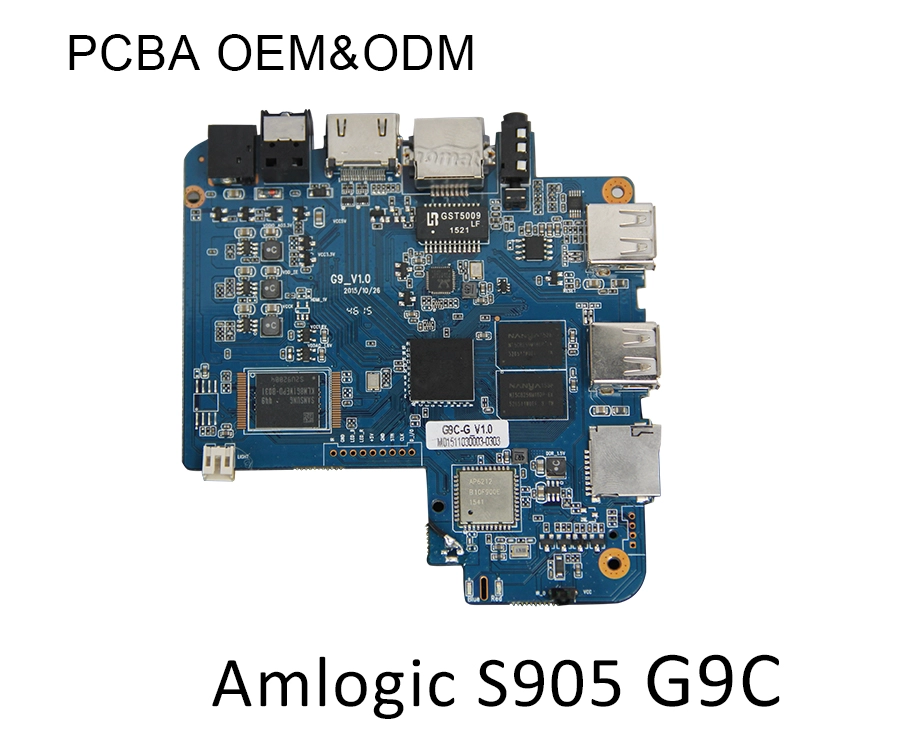
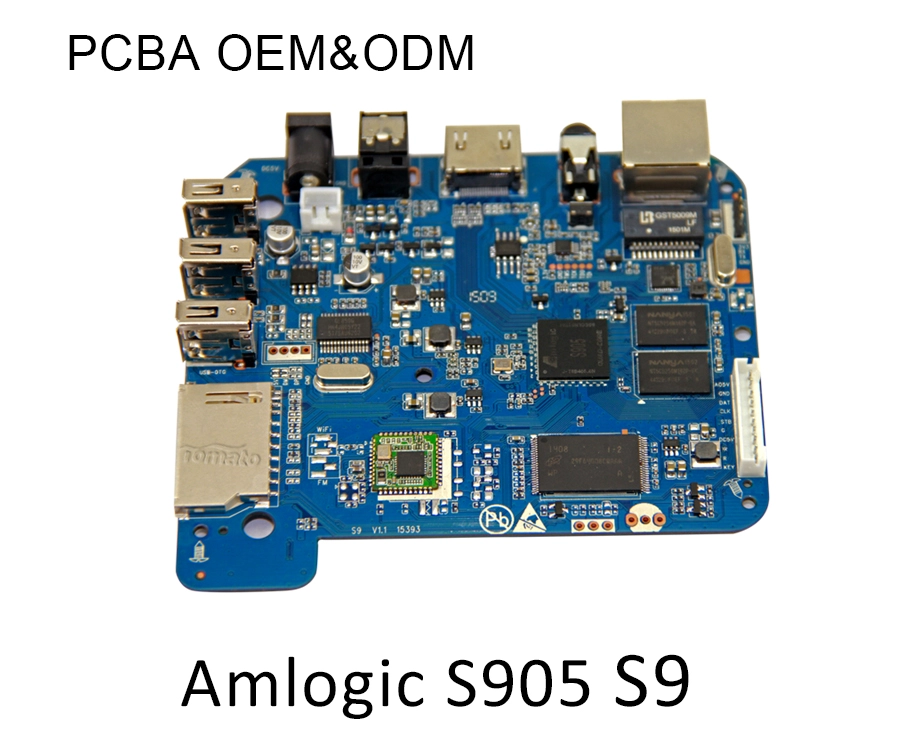
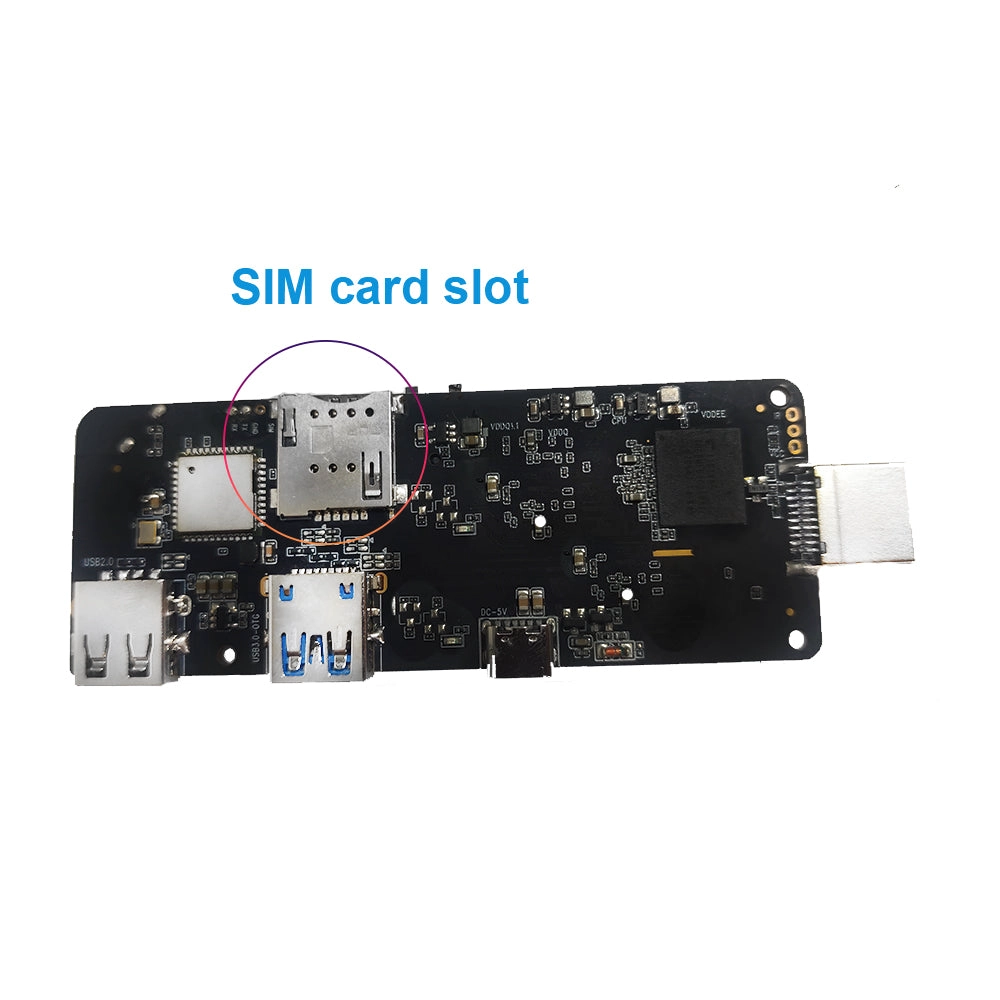
Real customization may require modifying the PCBA layout, changing memory or storage, adding communication interfaces, adapting power management, integrating peripherals and rebuilding parts of the Android BSP.
When Does a TV Box Make Sense for Commercial Projects?
The business case becomes much stronger when the deployment has one or more of the following characteristics.
Hotels and Hospitality
A hotel may need a consistent TV interface across Samsung, LG, TCL and other display brands.
Instead of depending on each TV's operating system, an external TV Box can provide:
-
Hotel IPTV
-
Guest portal
-
Room information
-
Video-on-demand
-
Casting
-
Digital signage
-
Promotional content
-
Centralized management
The television becomes the display while the TV Box becomes the application platform.
IPTV and OTT Operators
Operators need control over the software environment, application installation, OTA updates and device lifecycle.
A dedicated TV Box allows the operator to define:
Hardware → Firmware → Application → OTA → Device Management
rather than relying entirely on the Smart TV manufacturer's platform.
This can also simplify product standardization across multiple markets.
Digital Signage
For digital signage, a Smart TV is often only the screen.
The actual requirements may include:
-
Scheduled playback
-
Remote content management
-
Multi-zone layouts
-
HTML5 applications
-
Local media caching
-
Remote monitoring
-
Automatic recovery
-
24/7 operation
A dedicated TV Box can provide the computing layer required for these functions.
AI and Edge Computing
A Smart TV is rarely designed as a general-purpose edge AI device.
A purpose-built TV Box can use an SoC with an NPU and provide local inference for applications such as:
-
Computer vision
-
People counting
-
Object detection
-
Retail analytics
-
Smart advertising
-
Interactive displays
-
Local AI assistants
In these applications, the TV Box is no longer simply a streaming accessory. It becomes an edge-computing node.
How to Decide If You Actually Need a TV Box
Use four questions before making the decision.
Question 1: Does the Smart TV already run everything you need?
If yes, an external TV Box may add unnecessary complexity.
Question 2: Do you need to standardize across different TV brands?
If yes, an external TV Box becomes much more attractive.
Question 3: Do you need control over firmware and applications?
If you require custom launchers, kiosk mode, OTA, SDK/API integration or remote management, a dedicated TV Box provides greater control.
Question 4: Will the computing requirements change during the product lifecycle?
If the answer is yes, separating the display from the computing platform can reduce future hardware replacement costs.
This is particularly important for commercial projects expected to operate for five years or longer.
Why OEM/ODM TV Box Engineering Matters
The best TV Box for a project is rarely the one with the highest specification on a supplier's catalog.
It is the one whose architecture matches the application.
SZTomato approaches TV Box development from this perspective.
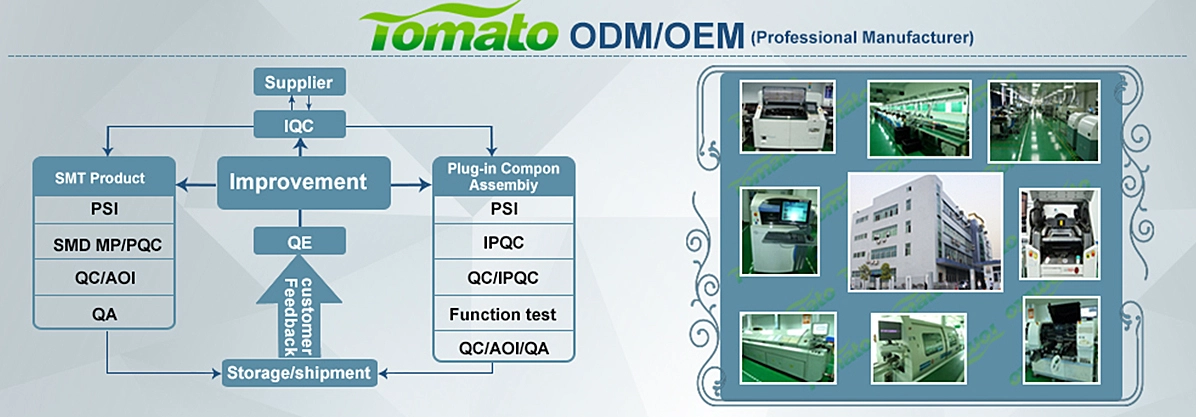
For OEM/ODM projects, the engineering scope can include SoC selection, PCBA hardware modification, memory and storage configuration, custom I/O, power architecture, thermal design, Android/Linux kernel optimization, customized UI/UX firmware, SDK/API integration and OTA update systems.
Specialized cooling solutions can also be developed for installations requiring continuous operation or higher sustained CPU/GPU loads.
This approach is particularly relevant when a standard consumer TV Box cannot provide the required interfaces or software behavior.
For example, a system integrator may need an Android TV Box with a custom launcher, RS-232 communication, Gigabit Ethernet, a specific HDMI configuration, automatic application startup and remote OTA management.
That requirement cannot be solved properly by changing the enclosure.
It requires engineering at the PCBA and firmware level.
The Bottom Line
Do you need a TV Box with a Smart TV?
For normal home streaming, usually not.
If the Smart TV already provides the required applications, codecs, connectivity and user experience, adding another device offers limited value.
For commercial and customized applications, the answer can be very different.
A TV Box provides an independent computing platform that can be upgraded separately from the display. It can standardize software across multiple TV brands, support customized firmware, provide additional processing resources and integrate specialized hardware interfaces.
The decision should therefore be based on platform control, application requirements and product lifecycle, not simply on whether the TV has the word “Smart” on its specification sheet.
For B2B procurement managers and system integrators, the more important question is not “Do I need a TV Box?”
It is:
“Do I need an independent, customizable computing platform behind my display?”
If the answer is yes, an OEM/ODM TV Box architecture can provide considerably more control than the Smart TV's built-in platform. SZTomato can support that process from SoC and PCBA design through firmware, SDK/API integration, thermal optimization and mass production.