How to Choose the Right OEM Partner for Your OTT TV Box Brand?
How to Choose the Right OEM Partner for Your OTT TV Box Brand?
AV1 hardware decoding, Android platform updates, higher-resolution streaming and stricter DRM requirements are raising the engineering bar for OTT TV Box products. A factory that can assemble a reference board and print a brand logo is no longer enough for an OTT product that must survive multiple firmware cycles and regional deployments.
For an OTT TV Box brand, the OEM partner effectively becomes part of the product engineering team.
The wrong partner can create problems that do not appear during the first sample: unstable OTA updates, insufficient thermal headroom, limited API access, poor Wi-Fi performance, DRM integration failures, slow firmware fixes and hardware designs that cannot be modified when the product roadmap changes.
The right partner should therefore be evaluated on more than unit price and production capacity. The critical questions are whether the manufacturer controls the hardware architecture, understands the Android/Linux software stack and can support the product after mass production.
1. Start With the SoC and Platform, Not the Enclosure
An OTT TV Box begins with its System-on-Chip.
The SoC determines the CPU architecture, GPU performance, video decoding and encoding engines, memory interface, display capabilities, connectivity options and, on newer platforms, AI acceleration.
For an OTT product, procurement teams should evaluate at least:
-
CPU architecture and core configuration
-
GPU architecture
-
Hardware H.264/H.265 decoding
-
VP9 support
-
AV1 hardware decoding
-
4K@60Hz capability
-
HDR support
-
HDMI specification
-
HDCP support
-
DDR type and memory bandwidth
-
eMMC performance
-
Wi-Fi and Bluetooth integration
-
NPU capability when AI features are required
-
Linux/Android BSP availability
A supplier should be able to explain why a particular SoC is suitable for the intended workload rather than simply quoting its maximum CPU frequency.
Reference Design vs. Product Platform
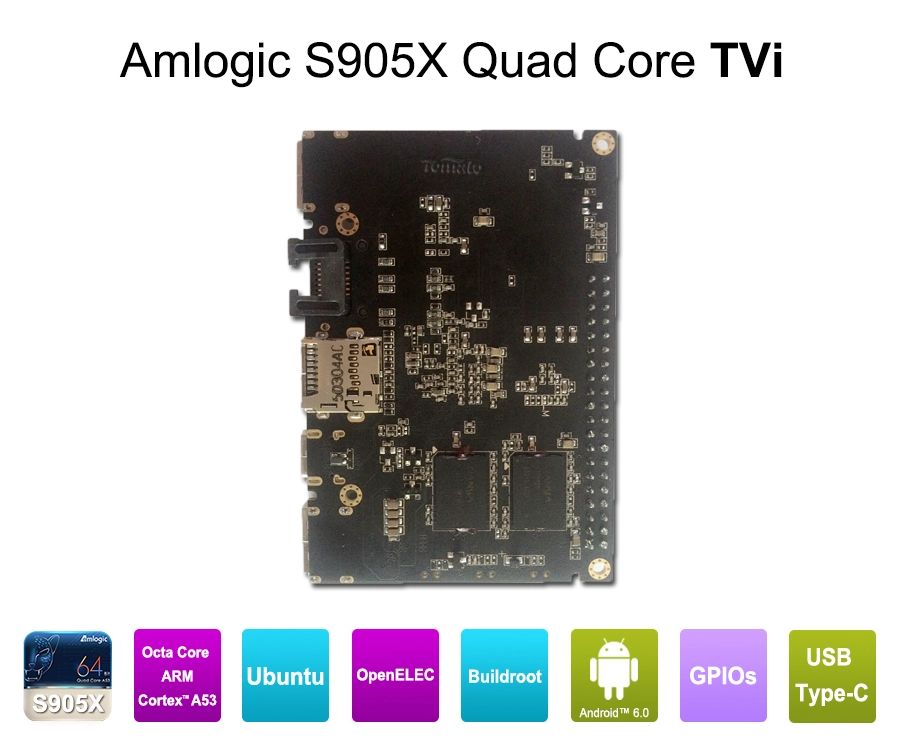
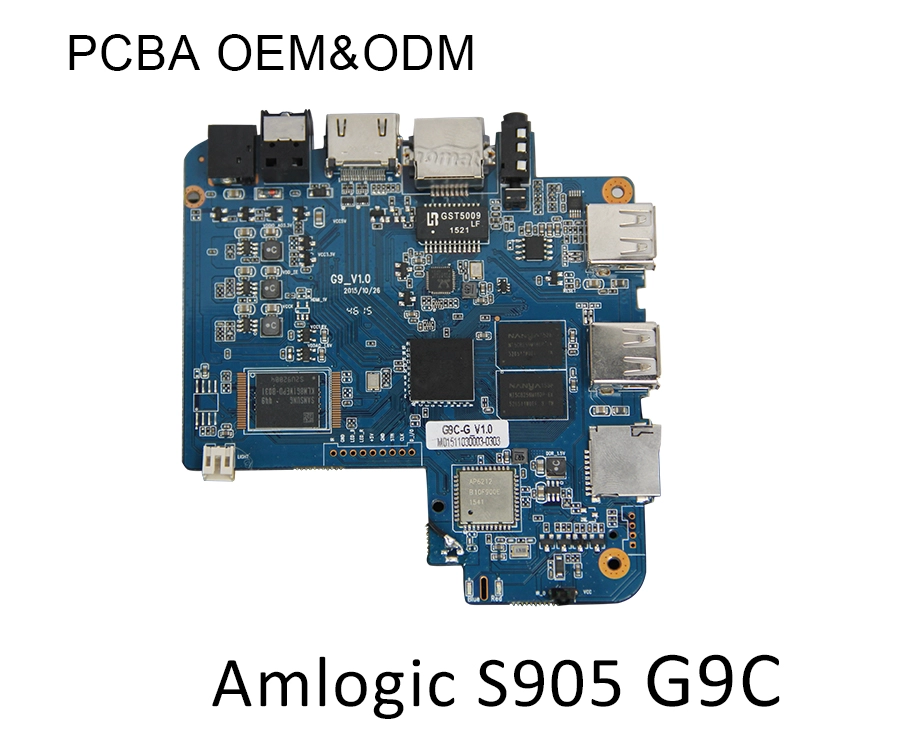
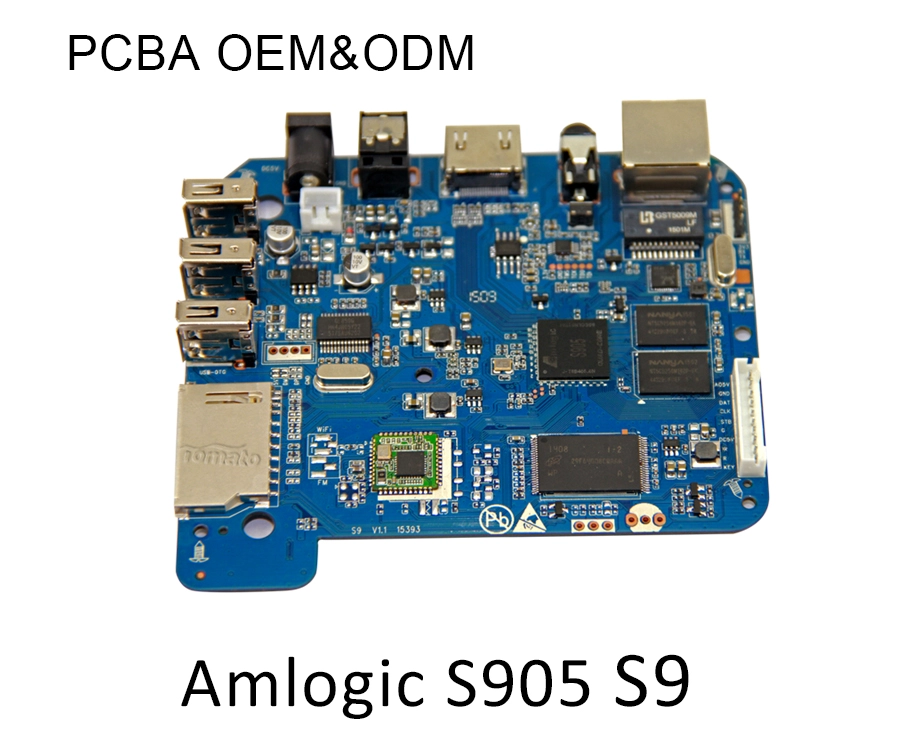
Many factories can offer an OTT TV Box based on a chipset reference design.
That is useful for rapid prototyping, but it should not be confused with genuine platform engineering.
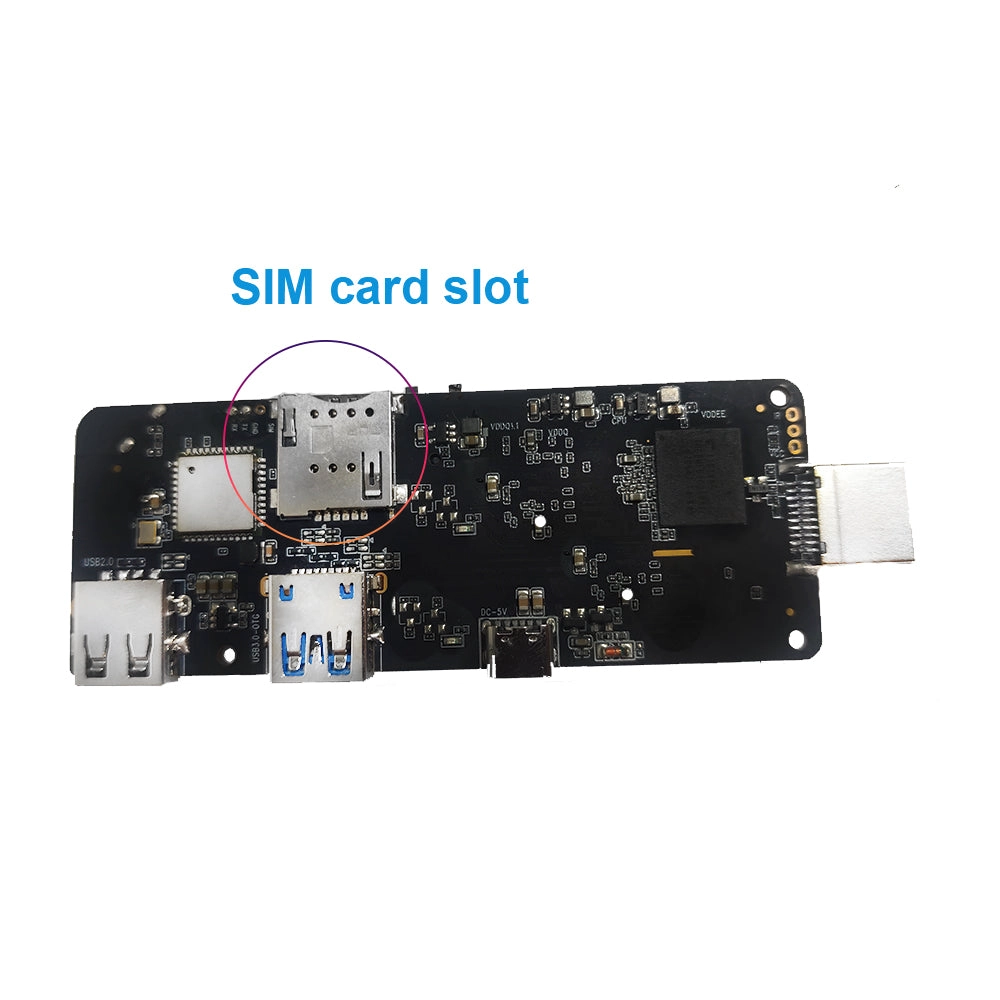
A reference design normally provides a starting point. A commercial product may require changes to:
-
PCBA layout
-
DDR routing
-
Power delivery
-
RF layout
-
USB configuration
-
Ethernet implementation
-
HDMI circuitry
-
Storage configuration
-
GPIO allocation
-
Thermal structure
-
Enclosure dimensions
If the OEM cannot modify these elements, the brand owner is effectively buying a fixed product rather than developing its own platform.
A capable OEM should be able to explain which parts of the reference design can be changed and which components must remain unchanged because of SoC, certification or signal-integrity requirements.
2. Check the Android and Firmware Engineering Capability
For an OTT TV Box, hardware is only half of the product.
The software stack determines how the device behaves after it leaves the factory.
A serious OEM evaluation should cover:
Bootloader → BSP → Linux/Android Kernel → HAL → System Framework → DRM → Applications → OTA
The manufacturer should have engineers capable of working below the application layer.
Android/Linux Kernel Optimization
Kernel-level access matters when a project requires customized hardware or non-standard behavior.
Examples include:
-
Custom USB peripherals
-
RS-232 communication
-
GPIO control
-
Ethernet configuration
-
Wi-Fi driver optimization
-
Power-management changes
-
Hardware watchdog
-
Boot-time optimization
-
Custom display behavior
-
Thermal management
-
Peripheral drivers
If a factory can only install APKs and change the launcher, it may not be suitable for an OTT brand with a long-term product roadmap.
Custom UI/UX Firmware
A branded OTT TV Box should not necessarily look like a generic Android device with a different boot logo.
The OEM should be capable of implementing:
-
Custom launcher
-
Branded home screen
-
Content categories
-
Application management
-
Kiosk mode
-
Remote-control mapping
-
Boot animation
-
System-level restrictions
-
Auto-start applications
-
Regional configurations
This creates a product that belongs to the brand rather than a generic box that happens to carry the brand's name.
3. Treat DRM, HDCP and OTA as Product-Critical Engineering
Streaming products face a different software requirement from ordinary Android hardware.
A box may have an excellent CPU and support 4K output, yet fail to deliver the expected commercial streaming experience because the DRM and content-protection chain is incomplete.
DRM and HDCP
For OTT applications, the OEM should be able to clearly explain its support for the required content-protection architecture.
Depending on the target market and service ecosystem, this can involve:
-
DRM integration
-
Secure media pipeline
-
HDCP
-
Secure boot
-
Key provisioning
-
Protected video playback
-
Hardware-backed security
The exact certification and licensing requirements depend on the services and markets involved. A supplier should not simply promise “Netflix 4K” or “all OTT apps supported” without defining what has actually been tested and certified.
This distinction is important during supplier evaluation.
OTA Is a Lifecycle Requirement
The first firmware release is not the finished product.
An OTT TV Box may require firmware updates for:
-
Security patches
-
Application compatibility
-
Codec improvements
-
Wi-Fi stability
-
Bug fixes
-
UI changes
-
New APIs
-
Operator requirements
-
Regional configurations
A reliable OTA architecture should address package verification, version control, rollback or recovery mechanisms, update interruption handling and fleet deployment.
For an operator managing thousands of devices, an OTA failure is not a minor software bug. It can become a field-service problem.
Ask the OEM to demonstrate the complete OTA workflow before signing a long-term production agreement.
4. Evaluate Hardware Reliability Under Sustained Load
OTT TV Box specifications often look attractive on paper.
The real question is whether the device can sustain the workload inside the target enclosure and ambient temperature.
A high-performance SoC generates more heat. If the thermal design is inadequate, the system may throttle CPU/GPU frequencies, reduce performance or become unstable after extended operation.
A professional OEM should evaluate:
-
SoC thermal characteristics
-
Heatsink design
-
Thermal interface material
-
PCB heat distribution
-
Enclosure ventilation
-
Ambient operating temperature
-
Sustained CPU/GPU load
-
Wi-Fi thermal performance
-
Power-supply stability
-
Long-duration playback
For commercial applications such as hotel IPTV, digital signage and operator-managed OTT systems, continuous operation is more relevant than a short benchmark score.
SZTomato can customize PCBA configurations and thermal structures according to the application. Where required, specialized cooling solutions can be developed for higher-performance or industrial deployments.
The objective is to maintain predictable performance rather than simply achieve a high peak benchmark.
5. Determine Whether the OEM Can Modify the Product
This is one of the fastest ways to separate a genuine OEM/ODM partner from a trading company or assembly-only supplier.
Ask specific engineering questions.
Can the manufacturer:
-
Change the RAM configuration?
-
Change eMMC capacity?
-
Modify the PCBA?
-
Add or remove USB ports?
-
Add Ethernet?
-
Integrate a 4G/5G module?
-
Modify GPIO?
-
Change the power architecture?
-
Integrate a customer-specific peripheral?
-
Develop a custom enclosure?
-
Modify the Android BSP?
-
Modify kernel drivers?
-
Build a custom launcher?
-
Implement SDK/API integration?
-
Develop a customized OTA mechanism?
If every answer is “we can ask the factory,” the company may not actually control the engineering process.
A strong OEM partner should be able to explain the technical boundary of each customization.
PCBA Modification Is a Major Differentiator
For a standard retail TV Box, the reference PCBA may be perfectly adequate.
For an enterprise product, however, the board may need to change around the application.
A system integrator could require:
SoC + 8GB RAM + 128GB eMMC + Gigabit Ethernet + USB 3.0 + RS-232 + customized power input + specific HDMI configuration
That requirement involves electrical engineering, PCB layout, power management, thermal design and firmware support.
It cannot be solved through packaging customization.
6. Assess the OEM's Ability to Support Your Product After Mass Production
The supplier relationship should not end when the first container ships.
An OTT TV Box brand needs a partner capable of handling:
-
Engineering change orders
-
Firmware maintenance
-
Component replacement
-
Security updates
-
OTA releases
-
Production testing
-
Failure analysis
-
RMA support
-
Long-term component planning
-
Hardware revision management
Component availability is another important consideration.
A product based on a chip that becomes difficult to source six months later can create serious business problems. The OEM should therefore provide a realistic component lifecycle strategy and explain how alternative components would affect the PCBA, firmware and certification.
This is especially important for brands building products for multiple years rather than short-term promotional sales.
7. Use a Technical OEM Evaluation Checklist
A practical supplier evaluation can be structured around seven categories:
| Category | What to Verify |
|---|---|
| SoC | CPU, GPU, NPU, codecs, display engine |
| Memory | DDR type, capacity, bandwidth |
| Storage | eMMC capacity, speed, expansion |
| Connectivity | Ethernet, Wi-Fi, Bluetooth, optional cellular |
| Video | 4K, HDR, AV1, HDMI, HDCP |
| Firmware | BSP, kernel, UI/UX, OTA, device management |
| Engineering | PCBA, SDK/API, thermal and hardware customization |
Do not let the quotation price dominate the evaluation.
A $2 lower unit price becomes irrelevant if a firmware problem delays a product launch by three months or forces field replacement of thousands of units.
For B2B products, total product lifecycle cost is a better metric than initial purchase price.
8. Why SZTomato Is Positioned Differently From a Standard TV Box Factory
An OTT TV Box brand needs more than assembly capacity.
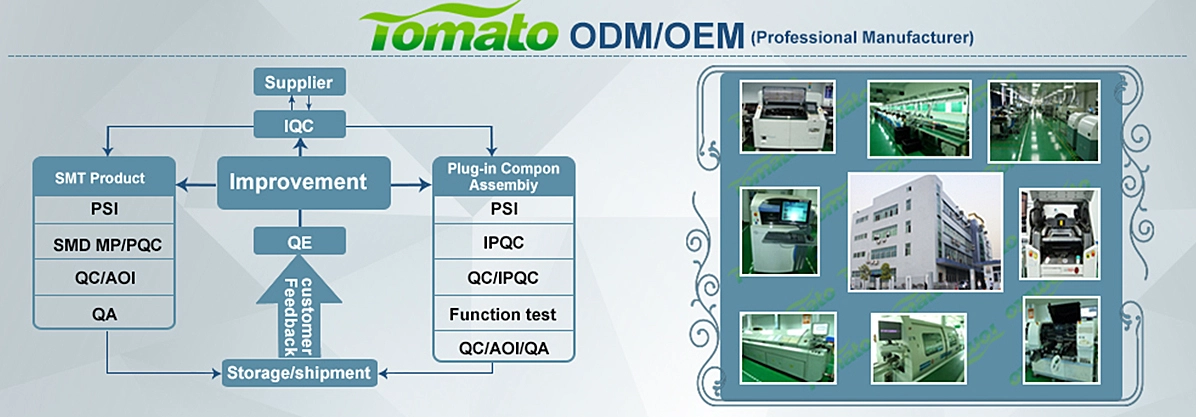
SZTomato's OEM/ODM approach covers the engineering layers that determine how the finished platform behaves.
Depending on project requirements, the development scope can include:
SoC selection → PCBA hardware modification → memory/storage configuration → I/O customization → thermal design → Android/Linux kernel optimization → custom UI/UX firmware → SDK/API integration → OTA update system → mass production
This approach allows the hardware and software to be developed around the customer's product requirements.
For example, an IPTV operator may need a locked-down launcher and centralized OTA management. A telecom operator may require custom APIs and device-management integration. A system integrator may need additional interfaces or a modified PCBA. An industrial customer may require stronger cooling and continuous-load stability.
These are fundamentally different from changing a logo or enclosure.
The Bottom Line: Choose an Engineering Partner, Not Just a Factory
The right OEM partner for an OTT TV Box brand should be evaluated on four levels:
Hardware capability.
Firmware capability.
Customization capability.
Long-term product support.
A supplier that only assembles a standard reference design may be able to deliver an inexpensive first batch. That does not necessarily make it the right partner for a branded OTT platform.
For B2B procurement managers, product managers and system integrators, the better question is whether the OEM can support the complete product lifecycle—from SoC selection and PCBA design to Android/Linux firmware, DRM/HDCP, OTA updates, thermal optimization and production engineering.
If your OTT TV Box roadmap requires more than a standard catalog device, evaluate the OEM before evaluating the quotation.
SZTomato supports OEM/ODM OTT TV Box development with PCBA hardware modification, SDK/API integration, custom UI/UX firmware, Android/Linux optimization and application-specific cooling solutions. For brands building a differentiated OTT platform, that engineering depth can be the difference between purchasing a generic box and developing a product that can be maintained, upgraded and scaled.