What to look for when buying an Android Mini PC?
What to Look for When Buying an Android Mini PC?
The Android Mini PC market is moving beyond simple 4K media playback. New-generation SoCs are combining higher CPU performance, hardware AV1 decoding, AI acceleration, faster connectivity, and broader display support in compact ARM platforms. Amlogic, for example, now lists the 6nm S905X5 and S905X5M among its current SoC portfolio, while Rockchip’s RK3588 combines eight ARM CPU cores, a 6-TOPS NPU, 8K video capabilities, PCIe, USB 3.x, and multiple display interfaces.
For B2B buyers, however, choosing an Android Mini PC is not simply a matter of selecting the processor with the highest benchmark score. The real question is whether the hardware, operating system, interfaces, thermal design, and firmware can support the intended application over its deployment lifecycle.
That distinction matters when the device will be installed in digital signage, commercial displays, edge terminals, interactive kiosks, hospitality systems, education equipment, industrial control systems, or other projects requiring continuous operation.
1. Start With the SoC, Not the Product Shell
The processor determines far more than CPU speed. It defines the available GPU architecture, NPU capability, video codecs, memory architecture, display interfaces, peripheral support, and often the software ecosystem available to the OEM.
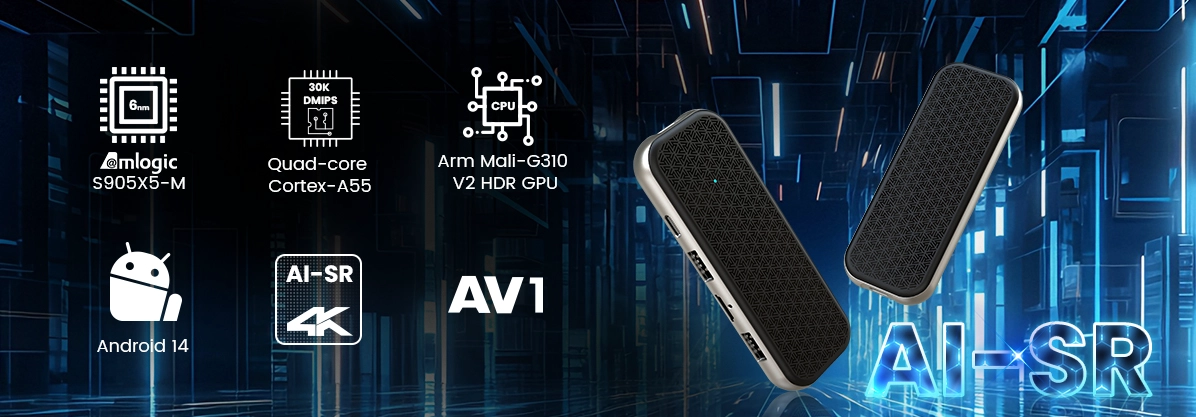
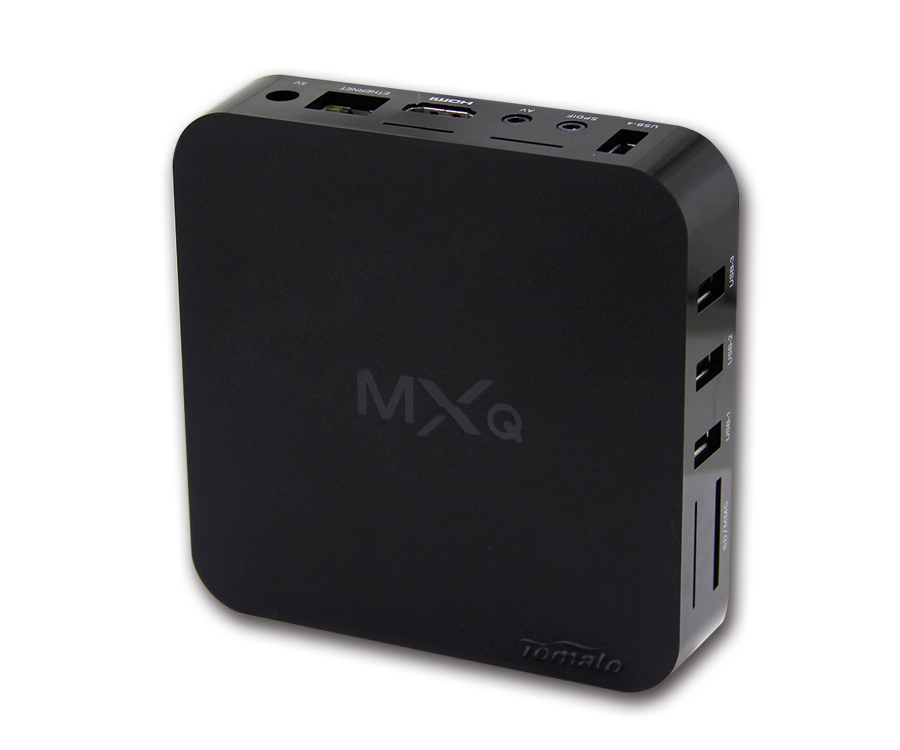
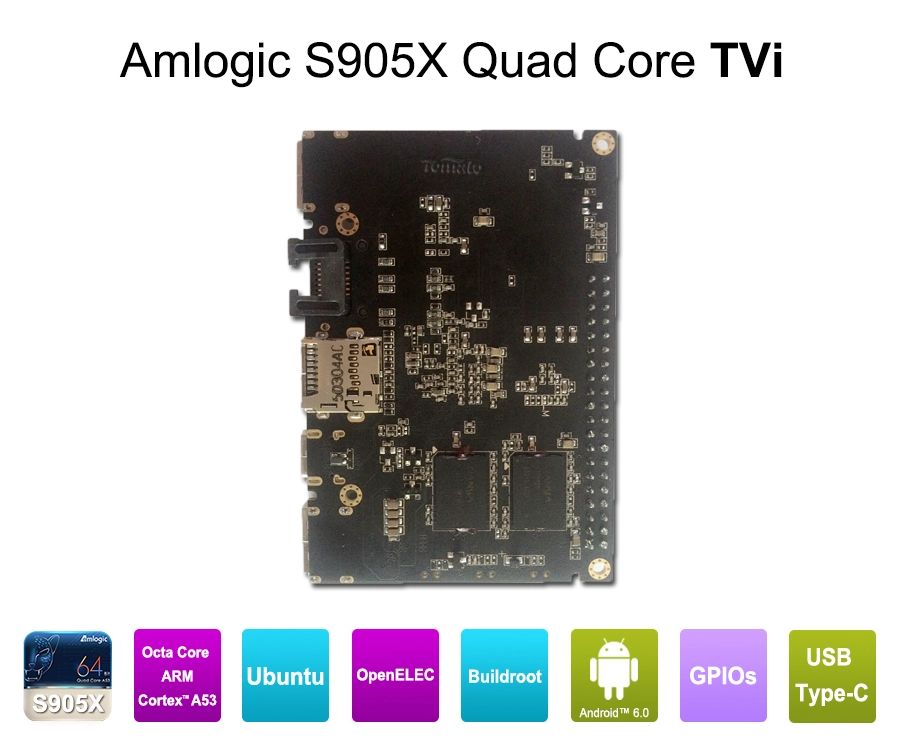
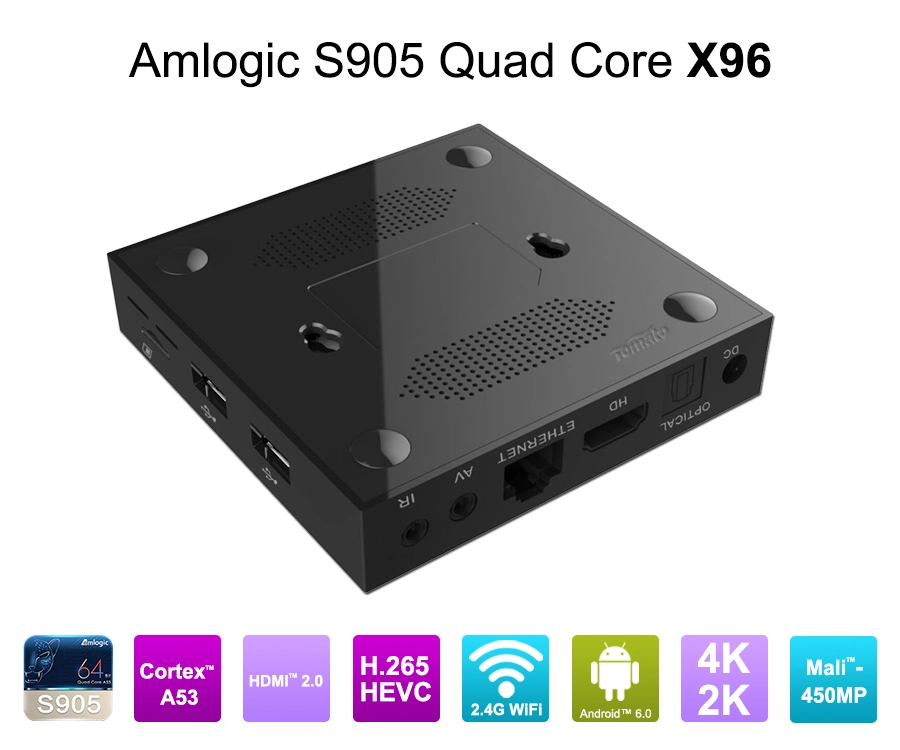
For a basic Android Mini PC used for 4K playback, a quad-core Cortex-A55 platform may be sufficient. SZTomato, for example, offers an Amlogic S905Y5-based Android Mini PC with a quad-core Cortex-A55 CPU, ARM G31 MP2 GPU, Android 14, optional 2GB/4GB/8GB RAM, and AV1/VP9/H.265 decoding up to 4K@60fps.
That hardware class makes sense when the workload is primarily:
-
4K video playback
-
Digital signage content
-
OTT applications
-
Web-based applications
-
Lightweight Android applications
-
Commercial display control
The requirements change substantially when the Android Mini PC needs local AI processing, multiple displays, computer vision, high-speed storage, or industrial I/O.
Rockchip RK3588 is a good example of this higher-performance category. Its architecture combines four Cortex-A76 cores and four Cortex-A55 cores with a Mali-G610 GPU and a 6-TOPS NPU. The platform also supports PCIe, SATA, USB 3.1, Gigabit Ethernet, multiple display interfaces, and hardware AV1 decoding.
The practical selection rule is simple:
Match the SoC to the workload, not to the marketing specification.
A high-end processor in a poorly designed enclosure can perform worse than a lower-power platform with appropriate thermal engineering. Conversely, selecting an entry-level SoC for an application requiring AI inference or multi-display rendering can create an expensive redesign later.
CPU, GPU and NPU need to be evaluated separately
CPU performance matters for application logic, multitasking and system processes.
GPU capability becomes important for:
-
UI rendering
-
3D graphics
-
Multi-display applications
-
Video processing
-
GPU-accelerated applications
The NPU is relevant when the device performs local AI workloads such as:
-
Object detection
-
Face recognition
-
People counting
-
Re-identification
-
Image classification
-
Local vision analytics
For project buyers, the NPU specification should therefore be treated as an application resource rather than a headline number. A stated TOPS figure does not automatically mean that a customer's AI model will run efficiently. Model format, operator support, SDK maturity, memory bandwidth and framework compatibility all matter.
2. Check Video, Display and Connectivity Requirements Before Ordering
An Android Mini PC can have a powerful CPU and still fail a project because the required interfaces are missing.
For commercial applications, evaluate the complete multimedia path:
Input → decoding → processing → rendering → output → content protection
Video codec support
AV1 is increasingly relevant for bandwidth-efficient streaming and content distribution. Hardware decoding should be confirmed rather than assumed from the Android version.
For example, RK3588 supports H.265, H.264, VP9, AVS2 and AV1 decoding, with the platform supporting video decoding up to 8K@60fps and AV1 decoding up to 4K@60fps according to Rockchip documentation.
However, codec support is only one part of the specification. Buyers should also check:
-
Maximum decode resolution
-
Maximum frame rate
-
8-bit/10-bit support
-
HDR formats
-
Hardware encoding capability
-
Simultaneous decode/encode workloads
-
HDMI input requirements
-
HDMI output requirements
-
Multi-display capability
-
HDCP requirements
Display interfaces
For a single commercial screen, HDMI output may be enough.
For a video wall, interactive kiosk or multi-screen system, the requirements can be very different.
RK3588, for instance, provides HDMI 2.1/eDP, DP and MIPI display interfaces and supports multi-display configurations.
This is where an OEM engineering partner becomes more important than a catalog supplier.
A system integrator may require:
-
HDMI + MIPI output
-
Dual HDMI
-
USB-C DisplayPort
-
MIPI-DSI
-
HDMI input
-
Multiple camera interfaces
-
GPIO
-
RS-232/RS-485
-
CAN
-
PCIe
-
SATA
-
Additional Ethernet ports
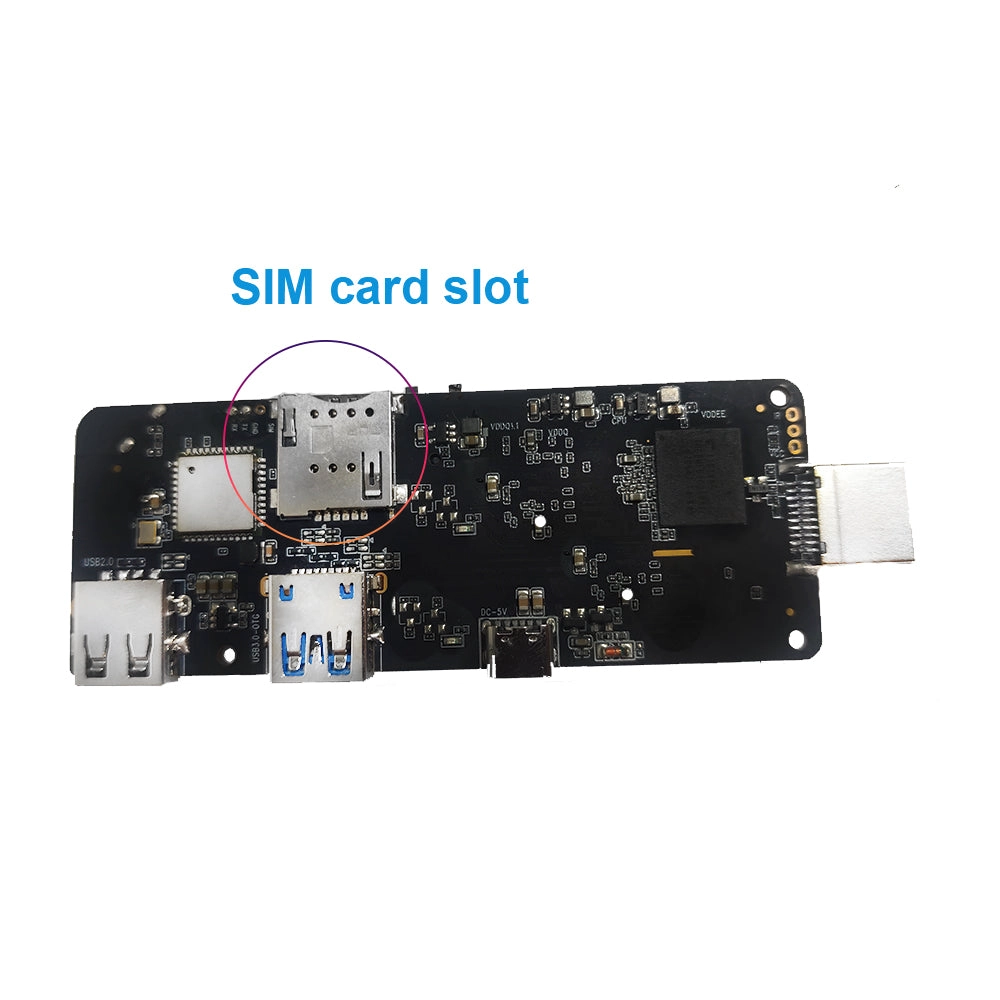
These requirements often require PCBA modification rather than simply selecting a different retail box.
3. Android Version Is Only the Beginning: Evaluate Firmware and Software Control
A specification such as “Android 14” tells a buyer very little about long-term project suitability.
For B2B deployment, ask the supplier how deeply it controls the software stack.
The relevant layers include:
Bootloader → Linux/Android kernel → BSP → HAL → system services → framework → application → OTA
If the project requires proprietary peripherals, hardware acceleration, custom security policies or application-level control, kernel and BSP access can become critical.
Ask about SDK and API access
A supplier should be able to explain:
-
Which SDK is used
-
Whether source-level customization is available
-
Which APIs control hardware functions
-
Whether GPIO/UART/RS-485/CAN interfaces can be accessed
-
Whether watchdog functions are exposed
-
How the device handles automatic reboot and recovery
-
Whether system applications can be pre-installed
-
Whether system permissions can be customized
-
Whether the boot animation and launcher can be replaced
-
Whether OTA updates can be controlled by the customer
This is particularly important for large deployments.
An OTA system should not be treated as a convenience feature. It is part of the product architecture. A commercial deployment may require staged firmware releases, signed update packages, rollback protection, device grouping and remote failure recovery.
Security features also deserve attention. RK3588 documentation, for example, specifies TrustZone, secure boot, key ladder functionality and HDCP 2.x support.
For content-protection applications, buyers should verify the exact DRM, HDCP and certification requirements with the content provider rather than assuming that an Android Mini PC automatically supports every protected service.
4. Thermal Design Determines Whether the Mini PC Survives the Real Workload
Thermal management is one of the most underestimated purchasing criteria.
A compact enclosure has limited surface area. When CPU, GPU, NPU, memory, storage and wireless modules operate simultaneously, heat can accumulate rapidly.
The result may be:
-
CPU frequency reduction
-
GPU throttling
-
NPU performance degradation
-
Application instability
-
Storage errors
-
Unexpected rebooting
-
Reduced component lifespan
This is especially relevant to digital signage and industrial deployments where the device may operate continuously rather than for several hours per day.
Do not evaluate cooling solely from the presence of a fan.
Review the entire thermal path:
SoC → thermal interface material → heatsink → enclosure → ambient environment
For high-load applications, an OEM manufacturer should be able to optimize the PCBA layout and thermal structure together. Components generating significant heat should not be placed without considering airflow, heat spreading and enclosure constraints.
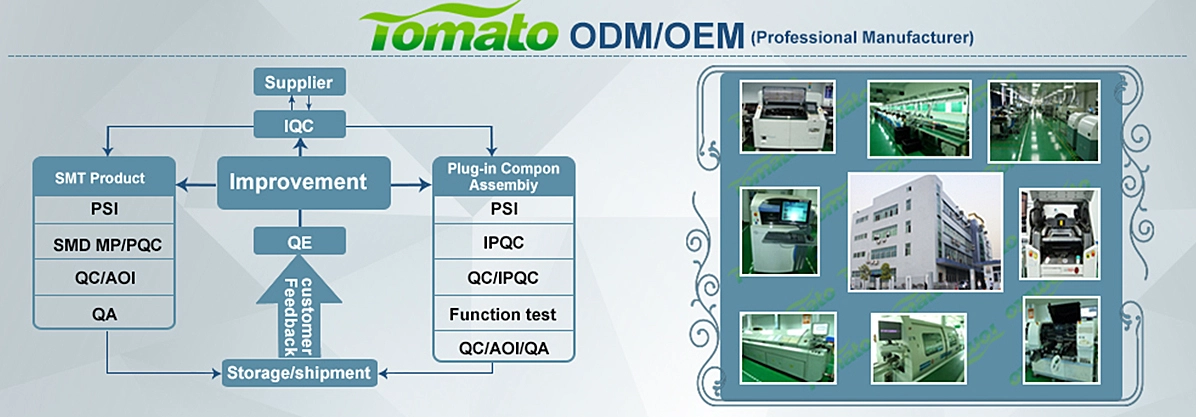
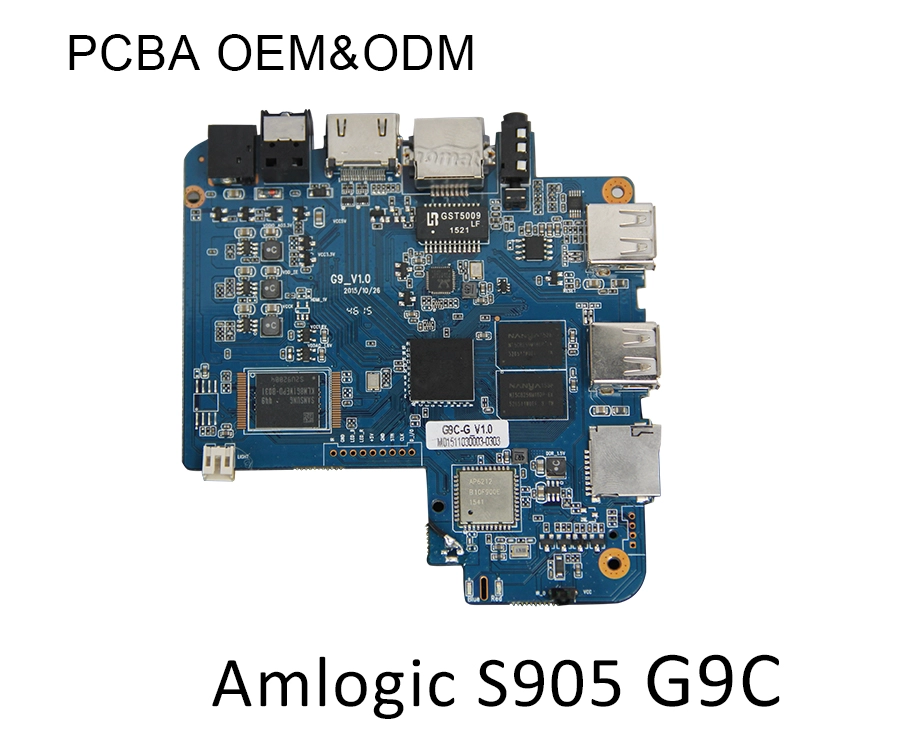
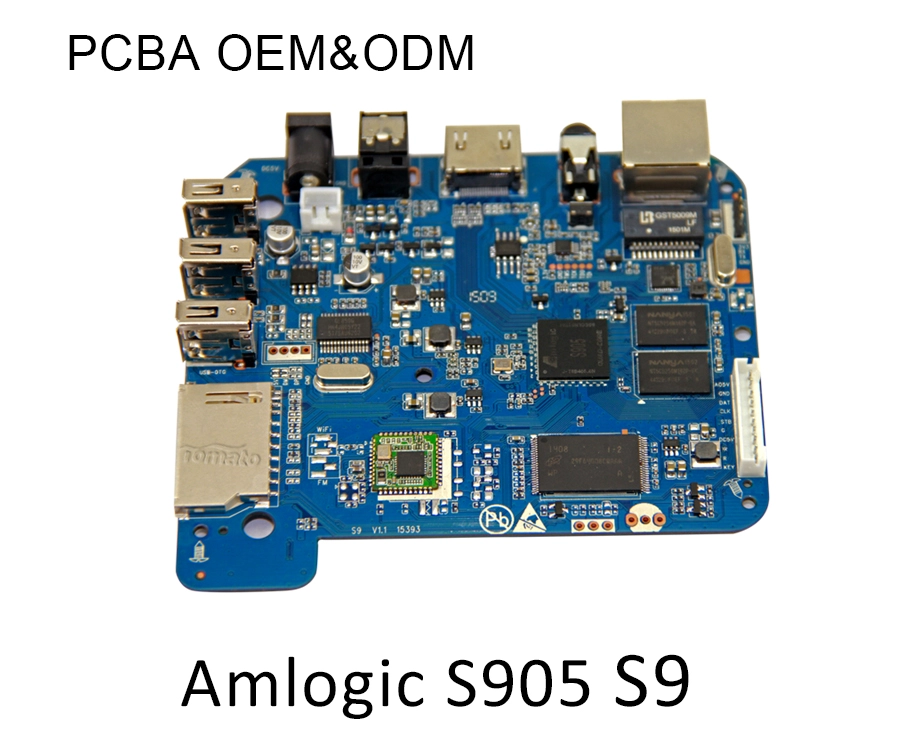
SZTomato's OEM/ODM approach is designed around this type of engineering requirement. Instead of limiting customization to the exterior enclosure, the development process can include PCBA hardware modification, interface changes, firmware customization and specialized cooling solutions for industrial workloads.
That distinction becomes particularly important when an Android Mini PC must operate in:
-
Digital signage cabinets
-
Retail kiosks
-
Industrial terminals
-
Hotel systems
-
Transportation environments
-
Edge computing installations
-
Embedded commercial equipment
The correct question is not “Does the box have a heatsink?”
It is:
Can the complete system maintain its required performance at the project's actual ambient temperature and workload for the expected service life?
5. Memory and Storage Should Be Selected According to the Software Stack
RAM and storage specifications are often treated as simple capacity numbers. For Android Mini PC projects, memory architecture can have a greater impact on system behavior.
A lightweight signage player may work adequately with 2GB RAM. A multi-application commercial terminal may require 4GB or more. An edge AI system with multiple services, databases and local inference workloads can require substantially more memory.
Storage should also be evaluated by:
-
eMMC generation
-
Sequential read/write performance
-
Endurance
-
Capacity
-
Expandability
-
NVMe or SATA support
-
Data retention requirements
A device used for digital signage may continuously write logs, cached media and application data. A device performing local video recording has a very different storage workload from a simple streaming client.
For this reason, “8GB RAM + 128GB storage” should not automatically be interpreted as a better configuration. The correct specification depends on what the Android Mini PC actually has to execute.
6. Wireless and Network Interfaces Matter More in Commercial Deployments
Wi-Fi specifications should be evaluated alongside the physical installation environment.
Check:
-
Wi-Fi generation
-
Antenna configuration
-
Antenna placement
-
Bluetooth version
-
Gigabit Ethernet
-
2.5GbE requirements
-
SIM/4G/5G requirements
-
Dual-network requirements
-
Industrial Ethernet requirements
In a hotel, retail store or large digital-signage network, network stability can be more important than peak wireless throughput.
For remote deployments, the Android Mini PC should also support practical fleet-management requirements such as:
-
Remote reboot
-
Device identification
-
Remote configuration
-
OTA firmware updates
-
Application deployment
-
Health monitoring
-
Log collection
-
Network recovery
These features frequently require firmware-level integration rather than a standard APK installation.
7. For B2B Projects, Evaluate the OEM Engineering Capability
This is where buying an Android Mini PC differs fundamentally from buying a consumer device.
A retail buyer can select an existing model and accept its limitations.
A system integrator or brand owner may need:
-
Custom PCBA
-
Different RAM or storage
-
Additional I/O
-
Custom connectors
-
Modified power input
-
Custom enclosure dimensions
-
Passive or active cooling
-
Custom Android launcher
-
Customized UI/UX
-
Proprietary application pre-installation
-
SDK/API integration
-
Kernel-level driver changes
-
OTA infrastructure
-
Secure boot configuration
-
Logo and boot animation
-
Long-term firmware maintenance
A supplier that only changes the enclosure cannot provide all of these capabilities.
SZTomato approaches Android Mini PC development as an OEM/ODM engineering project. Depending on project requirements, the work can extend from PCBA layout and component selection to SDK/API integration, Android/Linux kernel optimization, custom UI/UX firmware and thermal design.
This matters because the cheapest unit price is rarely the same as the lowest total project cost.
A hardware platform that requires three rounds of redesign, firmware modification and field troubleshooting can quickly become more expensive than a correctly engineered platform from the beginning.
8. A Practical Android Mini PC Purchasing Checklist
Before approving an Android Mini PC for production, procurement teams should verify the following:
| Category | What to Verify |
|---|---|
| SoC | CPU, GPU, NPU, process node and supported workload |
| Video | AV1, H.265, H.264, VP9, resolution and frame rate |
| Display | HDMI, DP, MIPI, multi-display and HDCP requirements |
| RAM | Capacity, type and bandwidth |
| Storage | eMMC/NVMe/SATA, capacity and endurance |
| Network | Ethernet, Wi-Fi, Bluetooth and optional cellular |
| I/O | USB, UART, RS-232/485, GPIO, CAN, PCIe and other project interfaces |
| OS | Android version, Linux support and BSP availability |
| Firmware | Kernel, drivers, launcher, system permissions and OTA |
| Security | Secure boot, TrustZone, DRM and HDCP |
| Thermal | Heatsink, airflow, enclosure and sustained-load performance |
| Customization | PCBA, enclosure, firmware and software modification |
| Lifecycle | Firmware maintenance, spare parts and long-term availability |
| Manufacturing | MOQ, sample validation, production consistency and QC |
The last four categories are often more important for B2B projects than another 10% of benchmark performance.
Conclusion: Buy the Platform, Not Just the Box
Choosing an Android Mini PC for commercial deployment requires a different evaluation process from buying a consumer streaming device.
The correct platform should satisfy the complete system requirement: SoC performance, codec support, display architecture, interfaces, memory, storage, networking, thermal design, Android/Linux software, security and long-term firmware maintenance.
For straightforward 4K playback and signage, an efficient quad-core platform can be sufficient. For AI edge computing, multi-display applications, computer vision or demanding embedded workloads, a higher-performance platform such as RK3588 may be more appropriate, provided its thermal and software architecture match the application.
For procurement managers and system integrators, the most important supplier question is therefore not simply “What is your best Android Mini PC?”
Ask instead:
“Can you engineer the Android Mini PC around our application, interfaces, firmware and deployment environment?”
That question separates a catalog product from a scalable OEM platform.
SZTomato supports Android Mini PC OEM/ODM development, including PCBA hardware modification, SDK/API integration, custom UI/UX firmware, Android/Linux optimization and application-specific thermal solutions. For projects requiring customized hardware and software rather than a standard retail configuration, these engineering capabilities should be evaluated before the purchasing decision is finalized.