

Do You Need WiFi for a Google TV Box?
Do You Need WiFi for a Google TV Box? Connectivity Architectures for Enterprise Reliability
The transition to the AV1 codec and the integration of 4K 10-bit HDR streams at high bitrates have exposed the limitations of standard 802.11ac wireless protocols. In a clean-room environment, WiFi is sufficient; however, in industrial deployments, high-density retail spaces, or corporate campuses, RF interference often renders a wireless-only Google TV Box a liability. System integrators must decide between the convenience of WiFi 6E and the mission-critical stability of a hardwired Gigabit Ethernet (RJ45) connection.
For B2B applications, the question isn't merely "does it work," but "will it maintain 99.9% uptime under load?"
Hardware Reality: PCBA Modification for Stable Networking
Most consumer-grade Google TV devices utilize integrated, low-cost WiFi antennas with poor gain and high susceptibility to EMI (Electromagnetic Interference). When building hardware for industrial use, we move beyond generic designs.
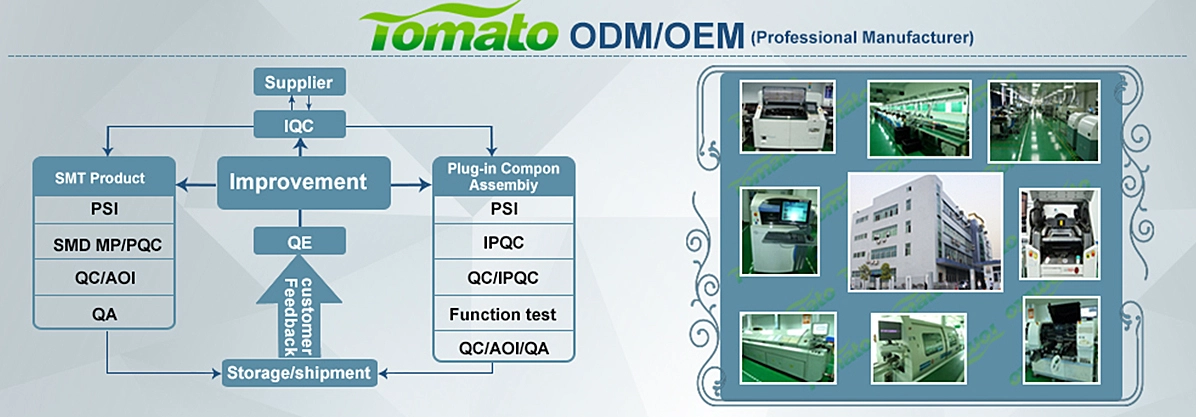
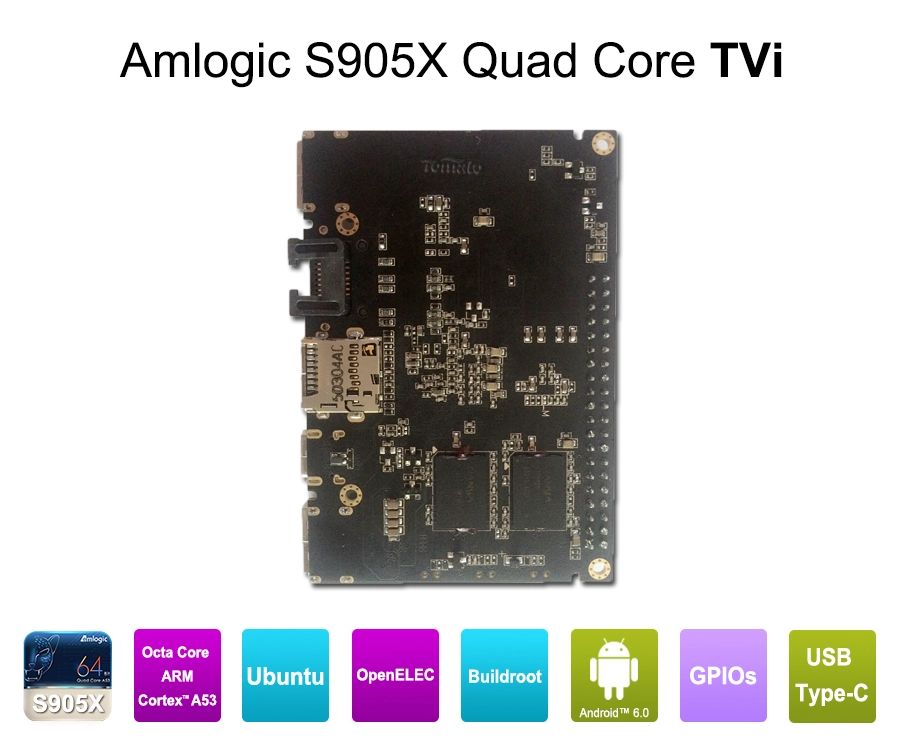
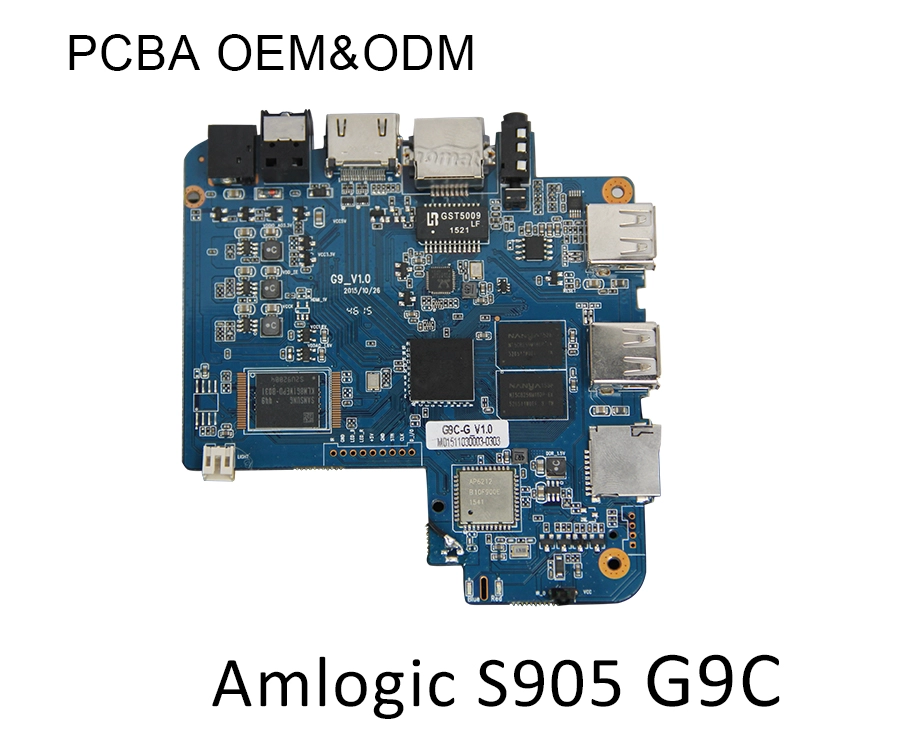
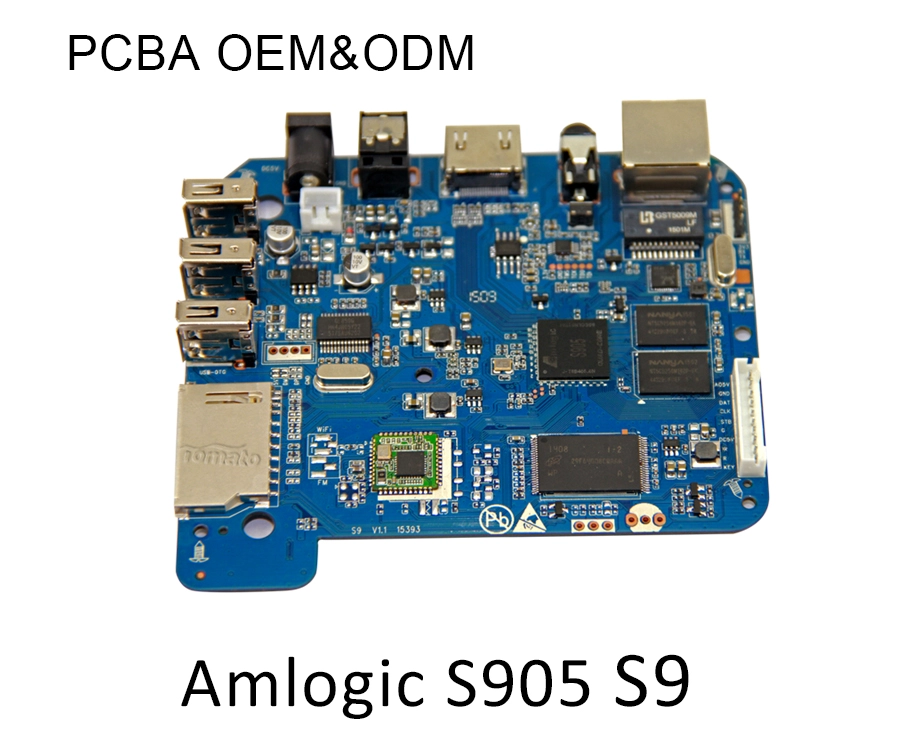
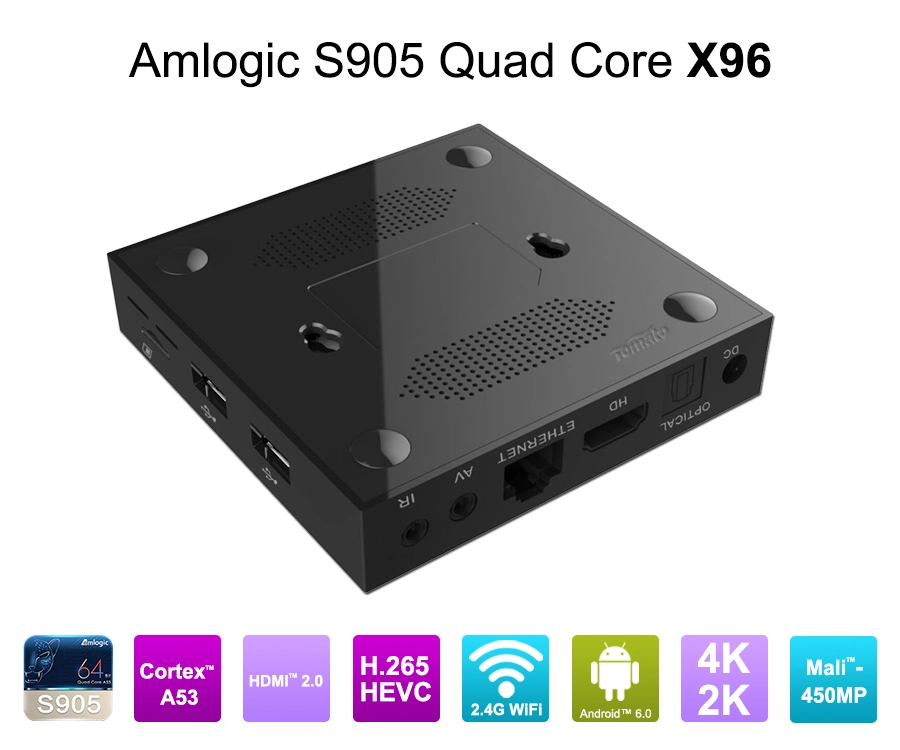
At SZTomato, our engineering team prioritizes PCBA layout modification to solve connectivity bottlenecks. For clients requiring hardwired stability, we optimize the trace routing between the SoC (such as the Amlogic S905X4) and the Ethernet PHY to ensure full 1000Mbps throughput without packet loss. In scenarios where WiFi is mandatory, we implement dual-band external antenna arrays and shielded RF cages on the PCB. This physical isolation prevents the internal clock oscillations of the NPU or RAM from degrading wireless signal-to-noise ratios—a common cause of intermittent buffering in unoptimized hardware.
Technical How-To: Kernel Optimization and Network Prioritization
Connectivity is not just a hardware layer issue; it is a firmware management challenge. A standard Google TV OS is designed to hunt for the "strongest" known signal, which can lead to frequent, disruptive handoffs between access points or unexpected shifts from Ethernet to WiFi.
Through Linux/Android kernel optimization, we provide system integrators with "Ethernet First" priority logic. We modify the networking stack to:
-
Disable DHCP Latency: Static IP configuration at the kernel level for instant network mounting upon boot.
-
SDK/API Integration: Allowing your proprietary CMS (Content Management System) to monitor signal strength (RSSI) and packet error rates (PER) in real-time.
-
VLAN Tagging: Enabling the Google TV Box to reside on secure, segregated corporate networks, maintaining HDCP encryption integrity across distributed signage nodes.
By stripping the OS of consumer-facing "network discovery" bloat, we reduce background "chatter," dedicating more CPU cycles to video decoding and edge data processing.
Market Trends: The Shift to Hybrid Connectivity and Private OTA
As we move through 2026, the trend for a Google TV Box in a B2B context is moving toward "failover architecture." If the primary Ethernet connection drops, the device must autonomously switch to a 5G or WiFi 6E backup without interrupting the video buffer.
Sustaining these complex network configurations across thousands of devices requires a secure, private OTA (Over-the-Air) update system. Unlike consumer devices that update at random, our B2B framework allows procurement managers to push network security patches and firmware-level WiFi driver updates during scheduled maintenance windows. This ensures that a fleet of Google TV Boxes remains synchronized, regardless of the localized connectivity medium.
Professional Summary for System Integrators
While a Google TV Box can function over WiFi, enterprise-grade deployments should never rely on it as a single point of failure. The choice of hardware must be dictated by the environmental RF profile and the bitrate of the content.
SZTomato provides the engineering depth to customize your hardware at the board level. Whether you require specialized cooling for 24/7 high-bitrate streaming, custom UI/UX firmware that locks out unauthorized network changes, or a modified PCBA with industrial-grade RJ45 ports, we deliver the infrastructure that consumer retail cannot match.
Contact our engineering department to discuss your custom PCBA specifications and secure your deployment's connectivity roadmap.
