
What is the use of an AI Box?
What Is the Use of an AI Box? Engineering Edge Inference for Enterprise Deployments
The integration of localized Neural Processing Units (NPUs) delivering 6 TOPS directly into silicon like the Rockchip RK3588 has deprecated cloud-reliant analytics for latency-sensitive applications. Bandwidth overhead and round-trip delays render centralized processing obsolete for real-time machine vision, automated quality control, and intelligent digital signage. The primary utility of an edge AI Box is executing complex inferencing tasks natively at the data source.
However, sourcing hardware capable of sustaining these workloads requires distinguishing between generic consumer media players and enterprise-grade infrastructure. Translating raw SoC capabilities into a functional, 24/7 deployment relies entirely on bare-metal engineering and vendor-level customization.
Market Trends: Localizing Machine Vision and AV1 Workloads
The functional use cases for an AI Box segment according to the specific demands of the physical deployment. Sourcing managers must align the computational hardware with the software payload:
-
Automated Retail and Smart Infrastructure: Deployments requiring real-time object detection, foot-traffic analytics, or facial recognition utilize localized NPU clusters to process video feeds without transmitting raw data to external servers, ensuring strict privacy compliance and zero-latency execution.
-
Next-Generation Digital Signage: Environments demanding concurrent multi-screen rendering prioritize bandwidth efficiency. Processors utilizing hardware-accelerated AV1 decoding allow system integrators to push highly compressed, pristine 4K and 8K visual data while dedicating parallel NPU resources to audience metric analysis.
Problem-Solution: Thermal Degradation and PCBA Hardware Modification
Consumer-grade hardware forced into industrial environments suffers from severe thermal throttling and premature component failure. Continuous 6 TOPS neural workloads generate localized heat spikes that standard plastic enclosures cannot dissipate.
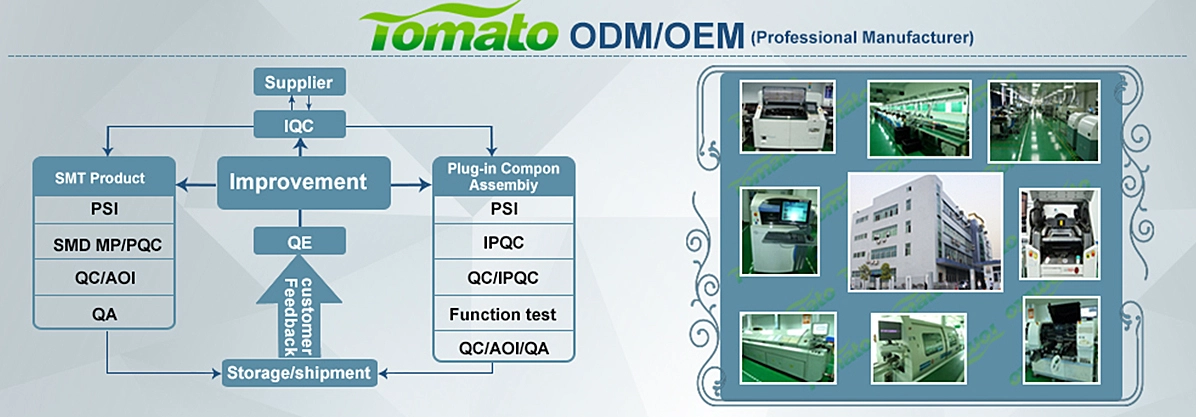
At SZTomato, our OEM/ODM manufacturing process engineers reliability directly into the physical architecture. We implement specialized cooling solutions—integrating custom CNC-machined aluminum heatsinks, engineered thermal interface materials, and optimized chassis airflow—to maintain continuous SoC clock speeds without degradation.
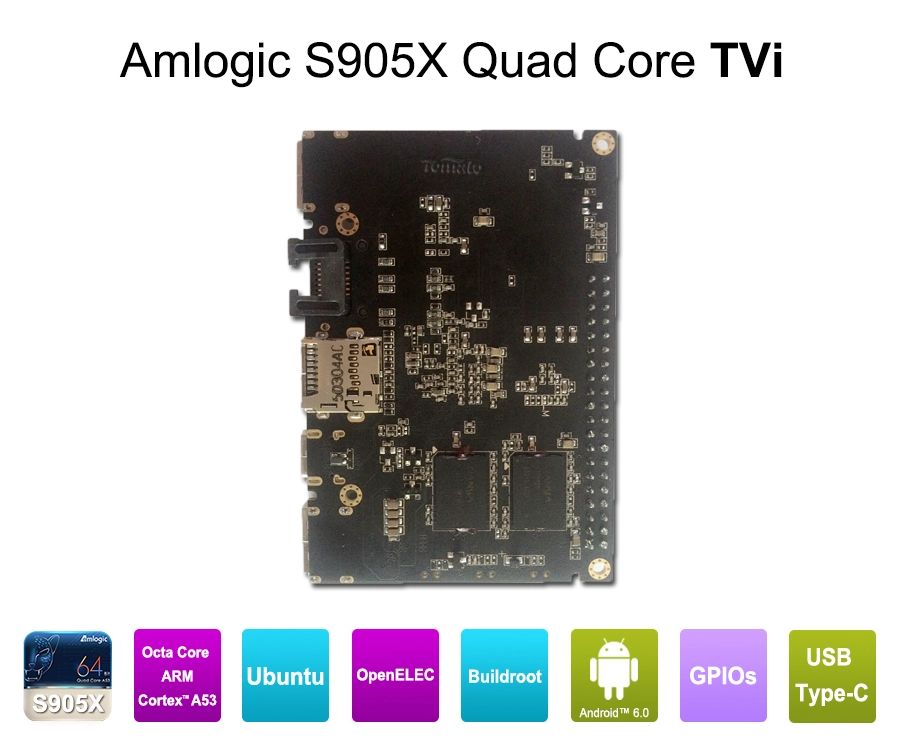
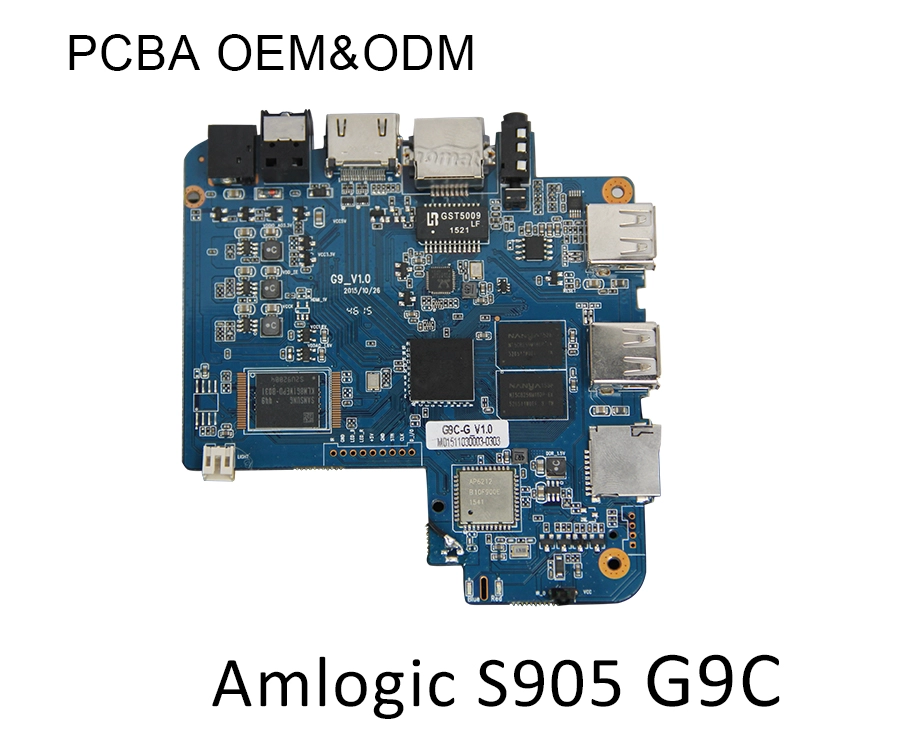
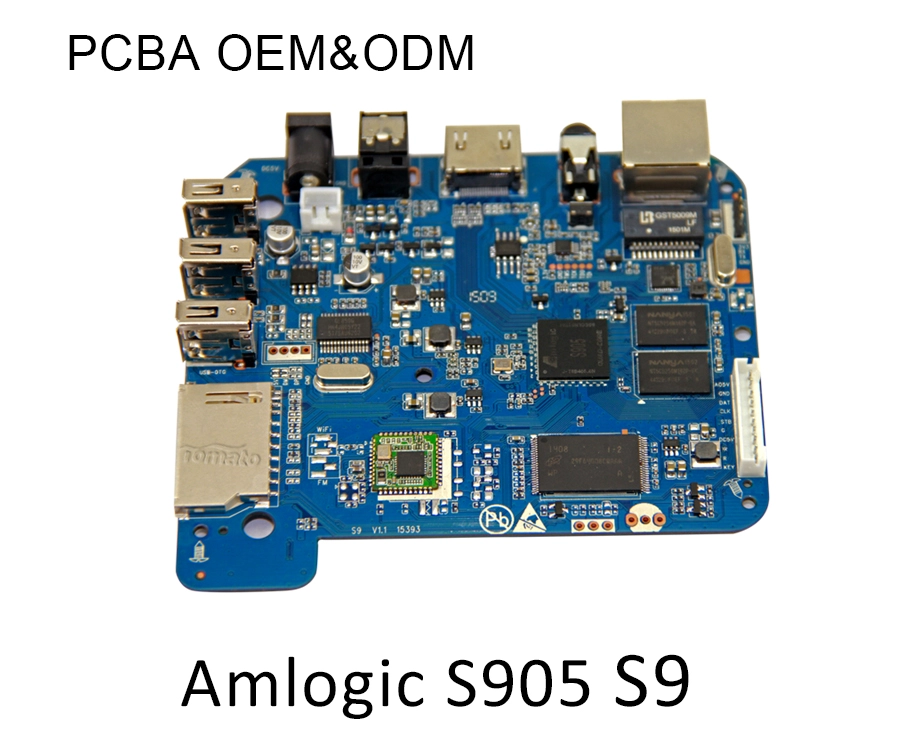
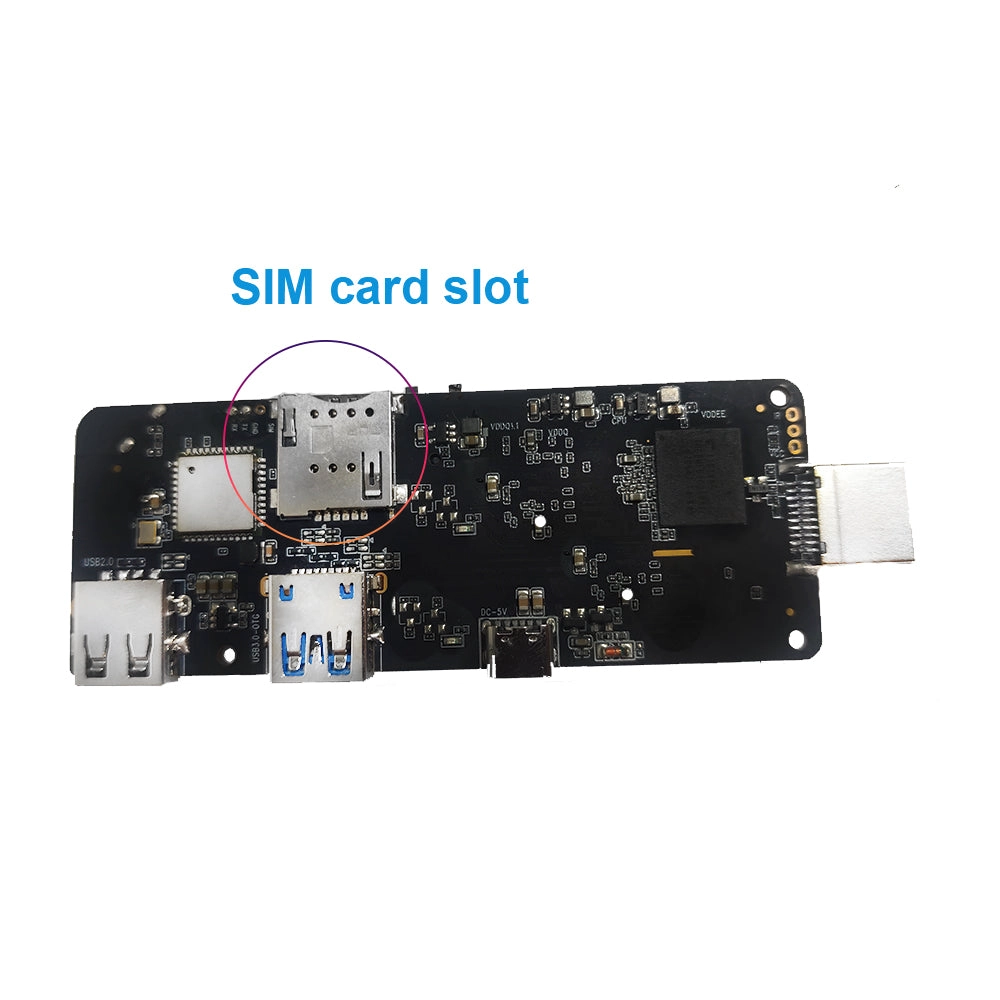
Furthermore, industrial parameters require exact I/O tolerances and signal integrity. We execute precise PCBA hardware modifications, re-engineering multi-layer board layouts to isolate high-frequency NPU logic from WiFi 6E and 5G LTE modules. This physical separation prevents electromagnetic interference (EMI) in dense RF environments. Our custom PCBA builds also provide dedicated RS232, GPIO, and specialized peripheral interfaces exactly where system integrators require them.
How-To: Securing Fleet Deployments Through Firmware-Level Engineering
Hardware specifications represent only half of an AI Box's utility; operational stability requires deep system-level control. Retail operating systems allocate critical memory to unneeded background processes, suffocating proprietary analytics applications.
Deploying an enterprise AI Box requires precise Linux/Android kernel optimization. By stripping consumer-grade background services, SZTomato's engineering teams reallocate LPDDR4/LPDDR5 memory directly to your inference engines. We guarantee seamless SDK/API integration, allowing proprietary software to interface directly with the hardware abstraction layer.
Managing thousands of remote endpoints demands rigorous security protocols. We engineer custom UI/UX firmware tailored to deployment specifications, enforcing kiosk-mode lockdown to prevent user error or payload tampering. For media-heavy environments, we implement hardware-level HDCP encryption to secure proprietary video streams. Finally, sustaining these edge devices over a multi-year lifecycle relies on secure, private OTA update systems. We establish closed-loop OTA server management, ensuring fleets update reliably without forced commercial patches breaking proprietary system integrations.
For B2B Procurement and System Integrators: Executing a successful edge computing deployment requires hardware engineered for specific operational tolerances. Off-the-shelf solutions introduce unacceptable latency and lifecycle risks. Contact the engineering team at SZTomato to discuss your specific PCBA modifications, establish private OTA update pipelines, and secure your customized edge AI Box prototypes.
