Do You Need WiFi for an Android Mini PC?
Do You Need WiFi for an Android Mini PC? Choosing the Right Connectivity Architecture
The transition from traditional embedded players to intelligent Android computing terminals is increasing demand for flexible connectivity solutions. New-generation ARM SoCs, including platforms supporting AI acceleration, AV1 decoding, and high-speed peripheral interfaces, allow Android Mini PCs to handle applications far beyond basic media playback.
However, WiFi is not always the optimal networking solution.
For consumer applications, wireless connectivity is often considered a standard feature. For enterprise deployments, the decision requires deeper analysis: network stability, installation environment, security requirements, remote management needs, and long-term maintenance costs.
An Android Mini PC can operate without WiFi by using Ethernet, cellular networks, or customized communication interfaces. The correct configuration depends on the project scenario.
For OEM buyers and system integrators, connectivity design should be evaluated at the hardware architecture stage rather than added as an afterthought.
1. When Does an Android Mini PC Need WiFi?
Wireless Connectivity for Flexible Deployment
WiFi remains one of the most common connectivity options for Android Mini PCs because it simplifies installation.
Typical applications include:
-
Digital signage displays
-
Retail advertising terminals
-
Hotel information systems
-
Smart home control panels
-
Education devices
-
Meeting room systems
-
Wireless media players
In these environments, installing Ethernet cables may increase infrastructure costs. A WiFi-enabled Android Mini PC allows faster deployment and easier device relocation.
Modern commercial devices typically support:
-
WiFi 5 (802.11ac)
-
WiFi 6 (802.11ax)
-
Dual-band 2.4GHz/5GHz operation
-
Bluetooth connectivity for peripherals
For digital signage networks, WiFi allows centralized content updates through cloud management platforms.
WiFi Performance Depends on Hardware Design
A common misunderstanding is that WiFi quality depends only on the wireless module.
Professional Android Mini PC design requires optimization across multiple hardware layers:
-
Antenna placement
-
RF circuit layout
-
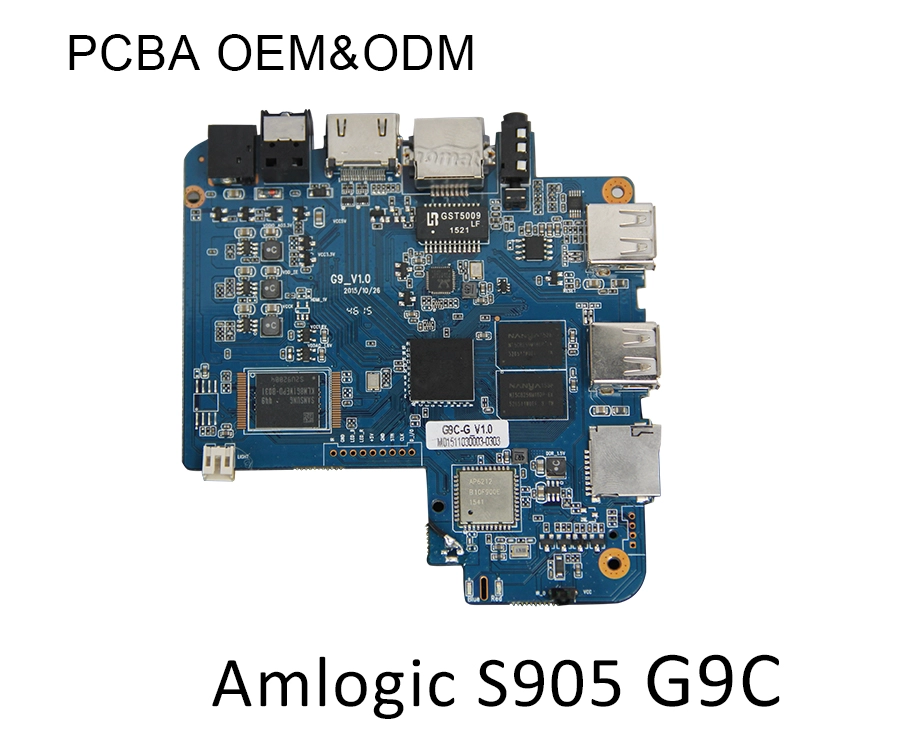
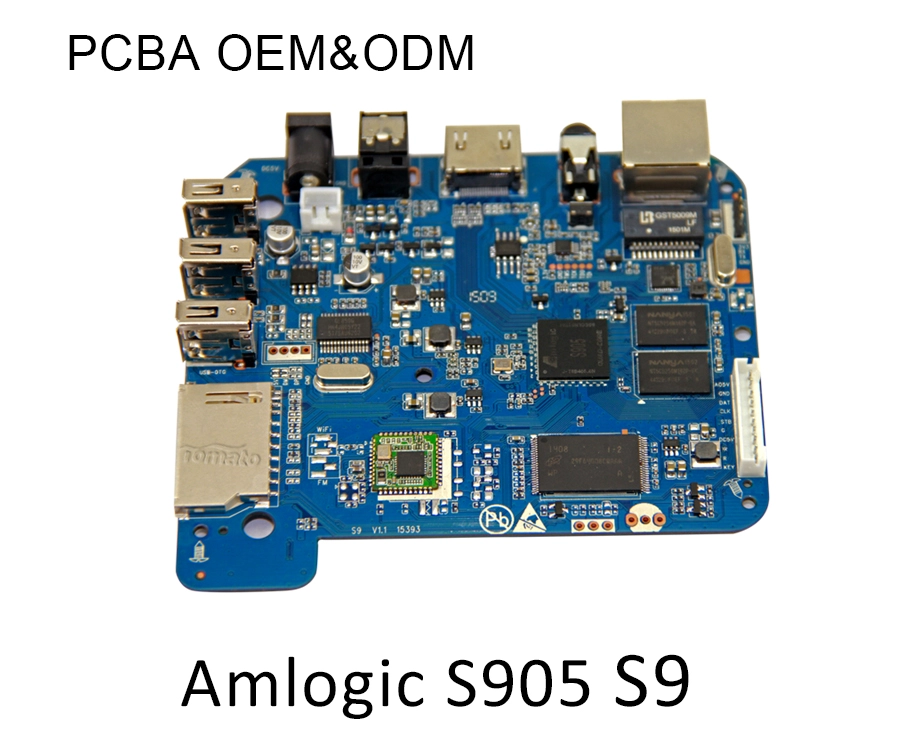
PCBA design
-
Power management
-
Thermal control
-
Firmware driver optimization
Poor antenna positioning inside a compact enclosure can reduce signal strength significantly.
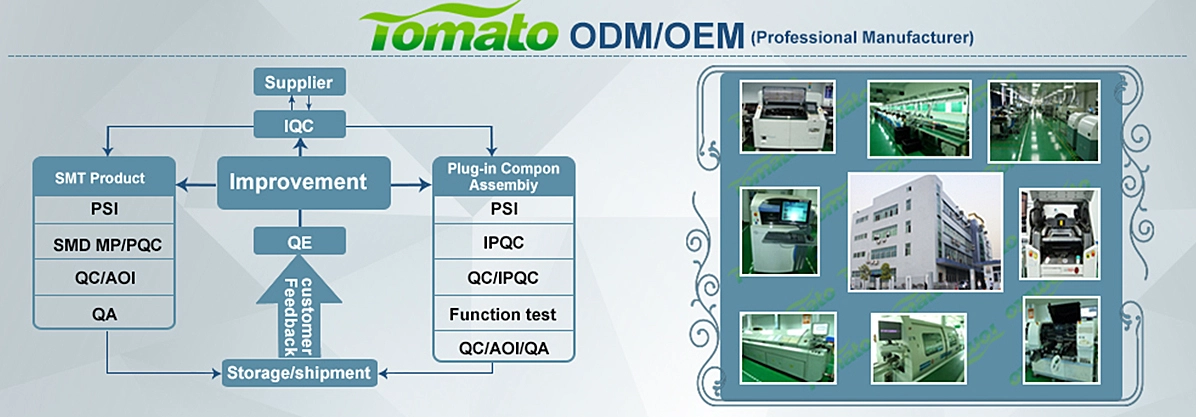
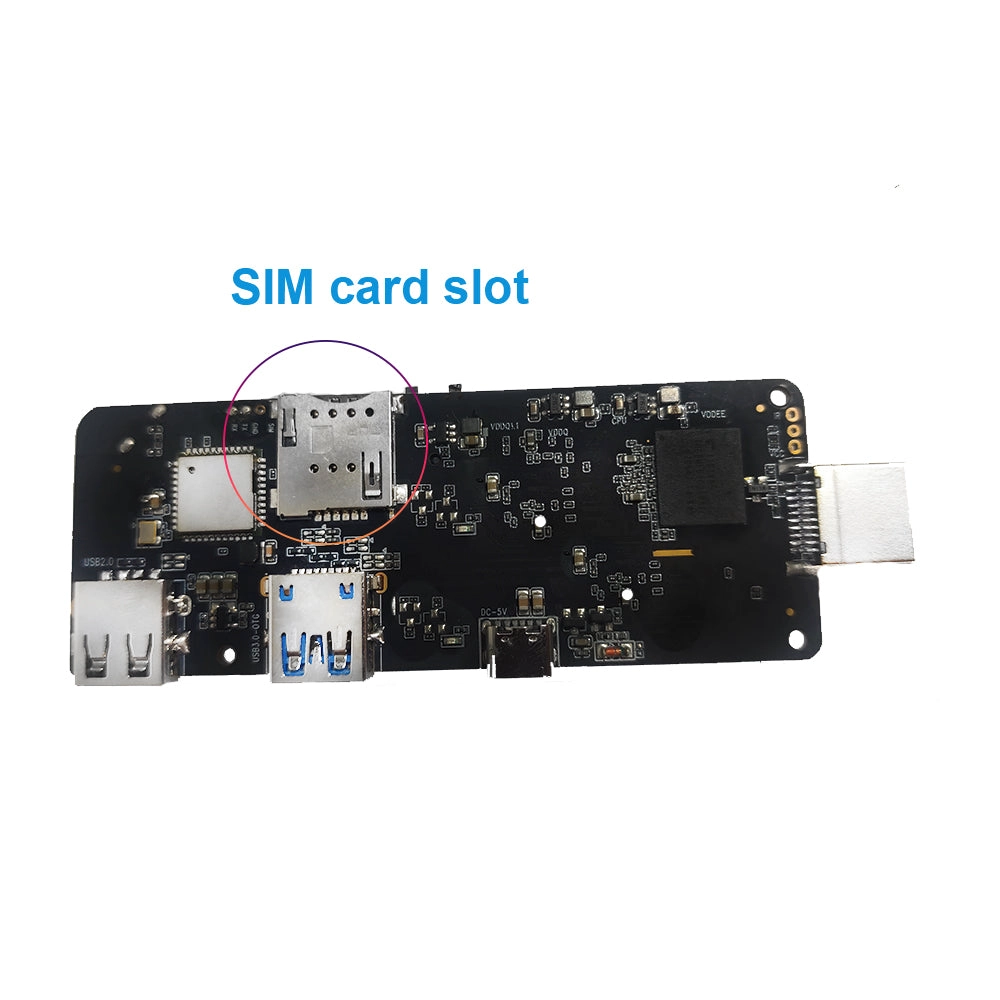
SZTomato supports customized PCBA hardware modification, including wireless module selection, antenna optimization, and enclosure adjustments to achieve stable communication performance for different deployment environments.
2. When Ethernet Is Better Than WiFi for Android Mini PCs
Industrial and Commercial Environments Require Stability
Many enterprise applications prioritize network reliability over installation convenience.
Ethernet is often preferred for:
-
IPTV systems
-
Digital signage networks
-
Factory automation
-
Security monitoring
-
Medical information displays
-
Transportation terminals
-
Telecom operator projects
Advantages include:
-
Lower latency
-
Stable bandwidth
-
Reduced interference
-
Better network security control
-
Continuous operation capability
For example, a digital signage system deployed across hundreds of retail stores may require guaranteed content synchronization. Wired Ethernet reduces unexpected connection failures and simplifies remote troubleshooting.
Network Architecture Influences Device Selection
Enterprise customers should evaluate:
-
Required bandwidth
-
Number of deployed devices
-
Remote management requirements
-
Network security policies
-
Installation limitations
A professional Android Mini PC platform may support:
-
Gigabit Ethernet
-
PoE integration
-
WiFi 6
-
Bluetooth 5.x
-
4G/5G modules
This allows system integrators to select the correct communication method for each project.
3. Android Mini PC Connectivity Requires Software Optimization
Hardware Alone Cannot Guarantee Reliable Operation
Connectivity performance depends heavily on firmware engineering.
Commercial Android Mini PCs require optimized software components, including:
-
Android/Linux kernel optimization
-
Network driver tuning
-
OTA update systems
-
Remote device management
-
Application-level network control
For enterprise deployments, firmware customization can include:
-
Automatic network recovery
-
Customized network configuration tools
-
Device monitoring APIs
-
Security policy management
-
Remote firmware upgrades
SZTomato provides SDK/API integration and custom UI/UX firmware development, enabling partners to build branded solutions instead of relying on standard factory images.
Supporting Different Operating Systems
Different markets require different software platforms.
An Android Mini PC may operate with:
-
Android OS
-
Android AOSP
-
Linux
-
Debian
-
Ubuntu
For example:
-
Android is suitable for media applications, digital signage, and interactive displays.
-
Linux systems are preferred for industrial control and development environments.
-
Ubuntu/Debian platforms support edge computing and AI applications.
A flexible hardware platform allows customers to adapt products for multiple markets.
4. The Future Trend: Android Mini PCs Are Becoming Edge Computing Platforms
The role of Android Mini PCs is expanding from media playback devices into intelligent edge terminals.
New SoCs integrate:
-
Multi-core ARM CPUs
-
Advanced GPUs
-
AI NPUs
-
Hardware video engines
-
High-speed interfaces
These capabilities support applications such as:
-
AI-powered retail analytics
-
Smart advertising
-
Computer vision
-
Industrial monitoring
-
Local data processing
Compared with cloud-only solutions, edge Android Mini PCs can process data locally, reducing latency and improving privacy.
For these applications, connectivity selection becomes part of system architecture.
A retail AI terminal may require WiFi 6 for flexible installation, while an industrial vision system may require Ethernet for guaranteed communication.
How to Select the Right Android Mini PC Configuration for Your Project
B2B buyers should not evaluate an Android Mini PC only by CPU performance or memory capacity.
A reliable commercial solution requires:
-
Appropriate network interfaces
-
Stable firmware architecture
-
Long-term OTA update support
-
Secure system integration
-
Thermal reliability
-
Hardware customization capability
SZTomato provides OEM/ODM Android Mini PC solutions for distributors, brand owners, telecom operators, and system integrators. The company supports complete customization from PCBA hardware modification and enclosure engineering to Android/Linux firmware development, SDK/API integration, and industrial cooling optimization.
For procurement managers building scalable commercial deployments, the right Android Mini PC is not simply a compact computer with WiFi—it is a configurable embedded platform designed around specific operational requirements.