
Is there a monthly fee for a Google TV Box?
Is There a Monthly Fee for a Google TV Box? A Technical Guide for Buyers and Integrators
The short answer is no: a Google TV Box does not normally require a recurring monthly fee simply to use the Google TV interface or the device itself. The recurring cost, when it exists, usually comes from third-party streaming subscriptions, paid rentals or purchases, IPTV services, or an enterprise management platform—not from the basic act of operating the box.
That distinction matters in procurement. A buyer comparing Google TV Box solutions should separate the hardware cost, operating-system stack, content cost, certification/licensing considerations, and long-term software maintenance. Treating all five as one “monthly fee” produces inaccurate TCO calculations.
For B2B distributors, IPTV operators, hotel groups, and system integrators, the more important question is therefore not simply “Does Google TV cost monthly?” but “Which parts of my deployed Google TV Box solution create recurring operational costs?”
1. What You Actually Pay For When Buying a Google TV Box
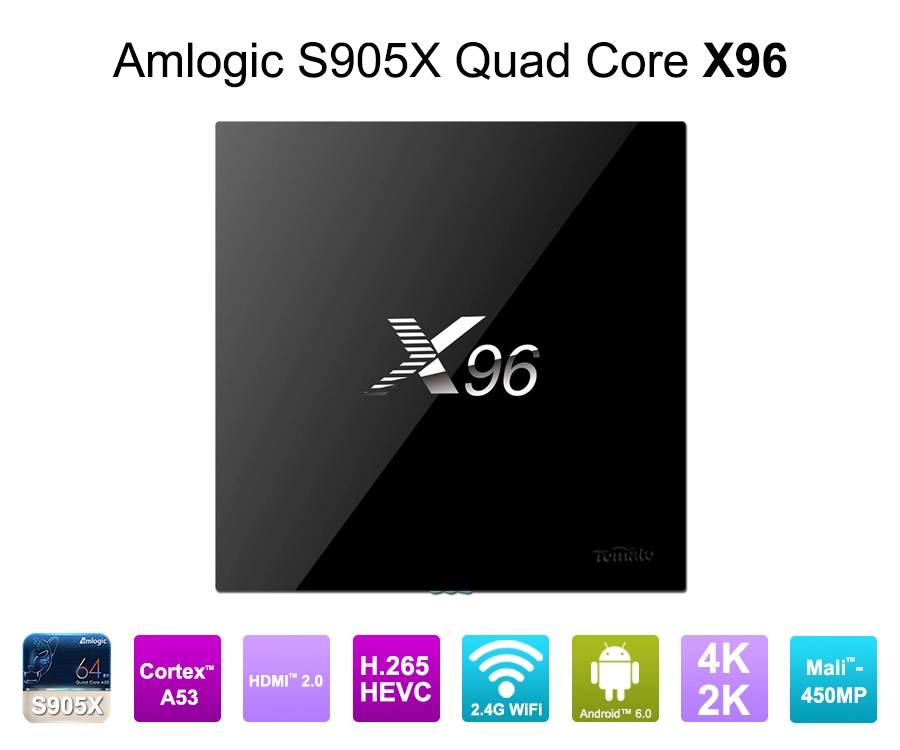
A Google TV Box is fundamentally a hardware platform combined with a software and content ecosystem. The first cost is straightforward: the one-time hardware purchase.
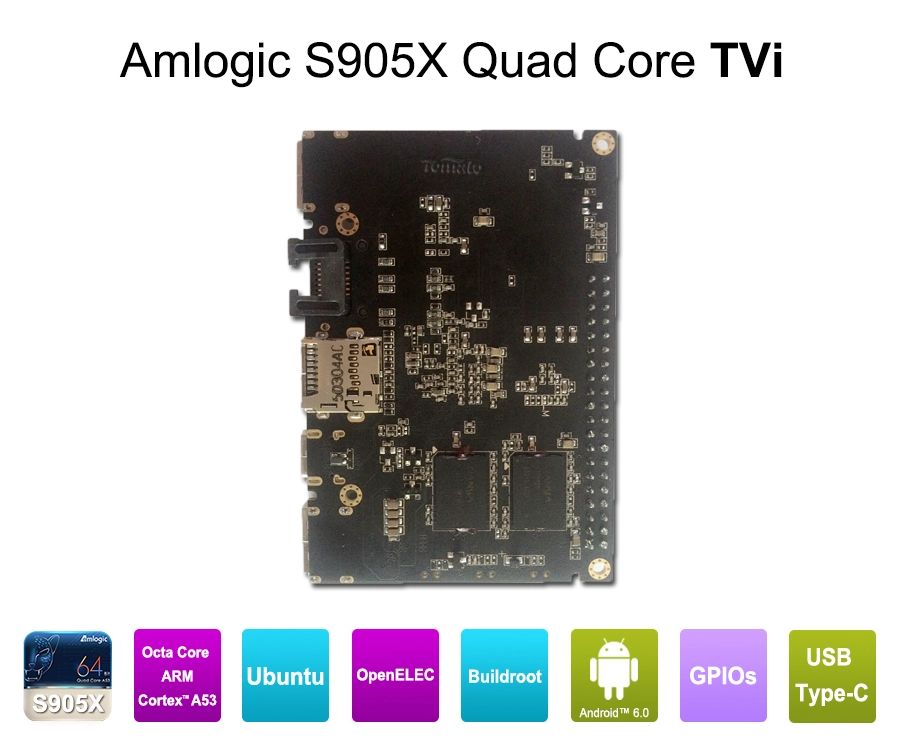
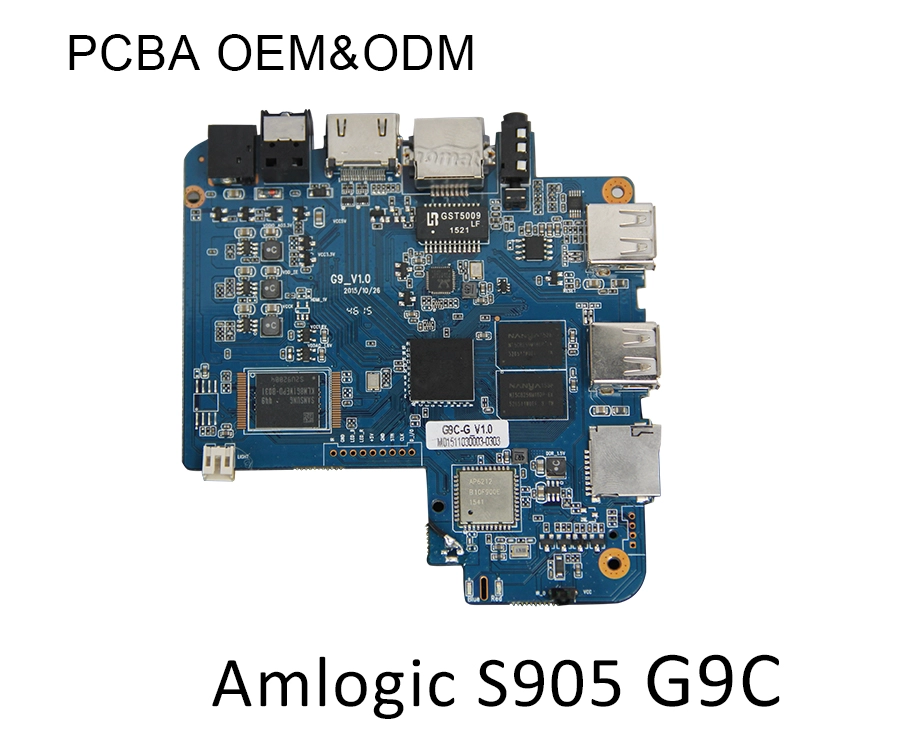
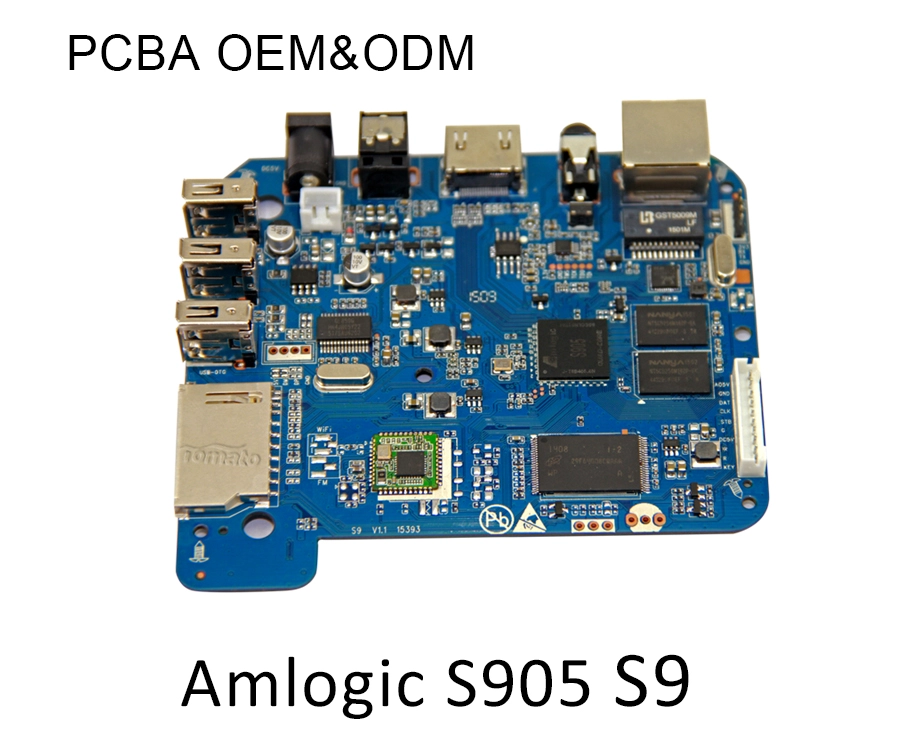
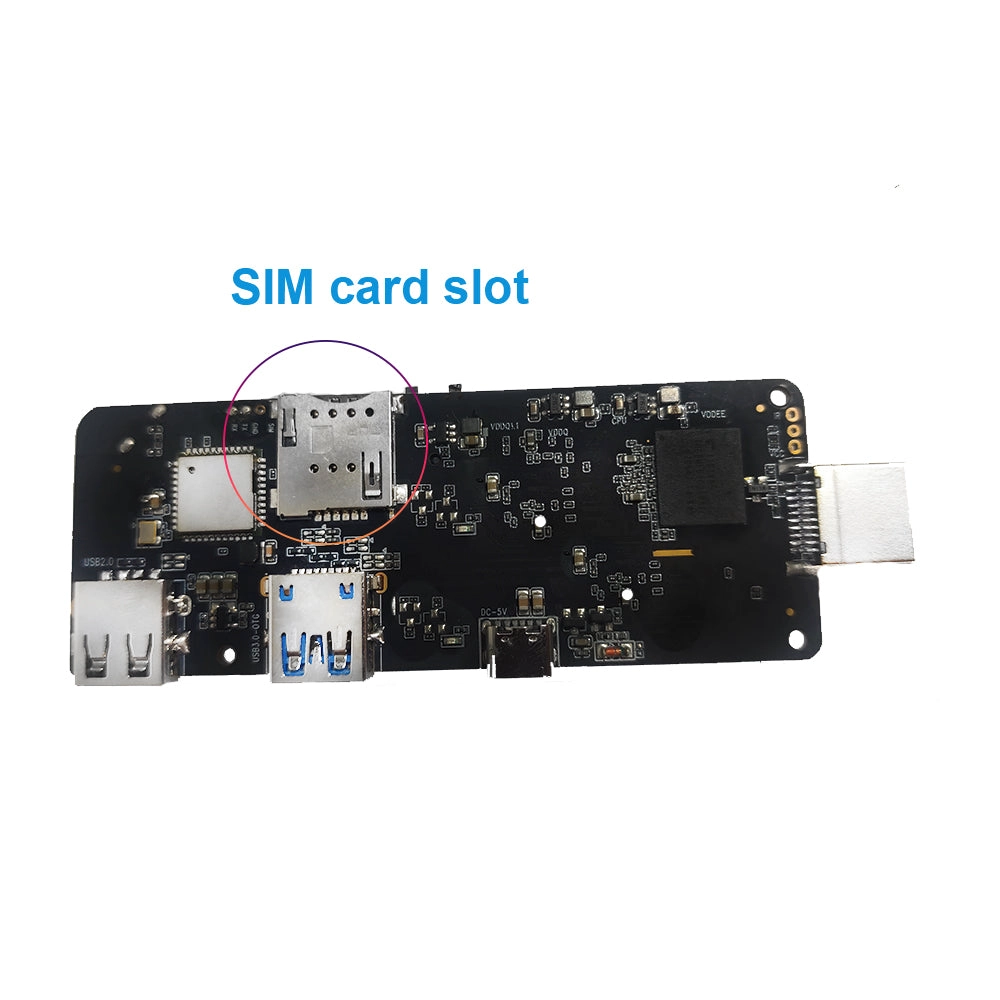
That includes the SoC, memory, storage, Wi-Fi/Bluetooth module, HDMI interface, power supply, enclosure, remote control and, depending on the project, additional interfaces such as Ethernet, USB, AV, TF card, GPIO or serial connectivity.
The second layer is the software platform.
Google TV is an experience running on Android TV OS rather than a completely separate operating system. Google’s developer documentation states that Android TV OS powers TVs, streaming devices and pay-TV set-top boxes, while Google TV is a branded experience available on compatible devices.
This distinction is critical for OEM procurement.
An AOSP TV Box may be highly customizable and can use the Android source code, but that does not automatically make it a Google TV device. Google explains that an Android-compatible device must satisfy the relevant Compatibility Definition Document and pass the Compatibility Test Suite; devices that participate in the Android ecosystem may then pursue licensing for Google Mobile Services.
In practical terms:
Hardware purchase ≠ Google TV subscription.
Google TV platform ≠ Netflix, Disney+, Prime Video, IPTV or other paid content services.
Android/AOSP source code ≠ an automatically certified Google TV commercial product.
That separation should be reflected in any B2B quotation or product specification.
2. Where the Monthly Cost Actually Comes From
Streaming subscriptions are the most common recurring expense
Google TV integrates content from streaming applications. Google’s support documentation explicitly explains that users can add streaming services to a Google TV device or app and that subscription-based content requires the corresponding service subscription. Removing a service from Google TV also does not cancel that external subscription.
This means the recurring fee belongs to the content provider, not to the Google TV Box as a hardware device.
For example, a deployment might contain:
| Cost Layer | Typical Payment Model |
|---|---|
| Google TV Box hardware | One-time purchase |
| Google TV / Android TV software platform | Platform/certification-dependent |
| Netflix or other premium streaming service | Monthly/annual subscription |
| IPTV service | Monthly/annual contract |
| Movie rental | Pay per transaction |
| Enterprise device management | SaaS or project-based fee |
| OTA infrastructure | Internal or third-party operational cost |
| Custom firmware development | Project/NRE or engineering fee |
The exact commercial model depends on the service provider and project architecture.
Google also documents free live-TV options in supported markets. For example, its Android TV help documentation states that certain integrated live channels can be available without an app installation, sign-up, or subscription, although availability depends on location and service configuration.
Therefore, the statement “A Google TV Box always requires a monthly subscription” is technically incorrect.
The more accurate statement is:
The box itself does not normally require a monthly usage fee; the content and services running on it may.
3. The B2B Procurement Question Is TCO, Not the Monthly Fee
For consumer buyers, the question may end with “Do I need Netflix?”
For a system integrator deploying 5,000, 20,000 or 100,000 devices, it does not.
The procurement team needs to calculate total cost of ownership over the entire deployment lifecycle.
Hardware BOM is only the first variable
Two Google TV Box models may both advertise 4K output while having very different engineering profiles.
Consider a commercial project based on a modern Amlogic or Rockchip SoC. The procurement team should evaluate:
-
CPU architecture and sustained performance
-
GPU capability
-
AV1/H.265/VP9 decoding
-
4K@60Hz output capability
-
RAM and eMMC/UFS configuration
-
Wi-Fi 5/6 performance
-
Bluetooth version
-
Ethernet bandwidth
-
HDMI version
-
DRM capability
-
HDCP support
-
thermal design
-
flash endurance
-
OTA update architecture
A low-cost PCB can become an expensive deployment when thermal throttling, Wi-Fi instability or flash failures generate field-service calls.
Thermal engineering can create recurring costs
For a living-room consumer device, passive cooling may be sufficient.
For hotel deployments, commercial display applications, industrial gateways or 24/7 IPTV operation, the thermal envelope becomes more important.
A poorly designed PCBA layout can create hotspots around the SoC, PMIC, memory and voltage regulation sections. Repeated high-temperature operation can reduce system stability and accelerate component aging.
A properly engineered Google TV Box for commercial use may therefore require:
-
optimized PCBA component placement
-
thermal pads and heat spreaders
-
customized aluminum heatsinks
-
airflow optimization
-
enclosure modifications
-
power-stage optimization
-
thermal throttling policies
-
long-duration stress testing
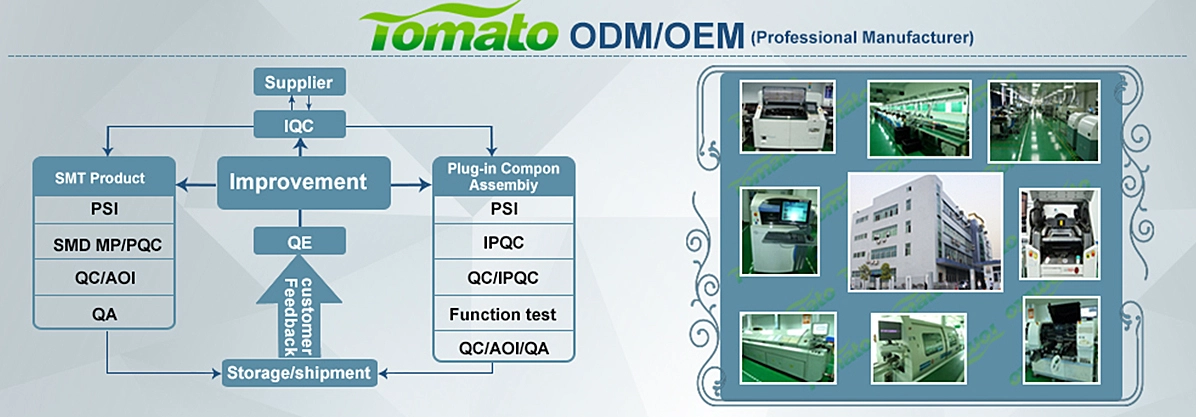
This is where a source manufacturer such as SZTomato should be evaluated as an engineering partner rather than simply as a box supplier.
4. Firmware Engineering Matters More Than the Monthly Subscription
For B2B projects, firmware usually has a greater impact on long-term operating cost than the streaming subscription itself.
A commercial Google TV Box can require customized:
PCBA hardware modification
The base reference design may need changes to support a specific Ethernet controller, USB configuration, Wi-Fi module, GPIO function, memory package or display interface.
A PCBA modification can also be necessary when a customer requires a different enclosure, connector location or thermal solution.
SDK and API integration
Commercial deployments often require integration with:
-
IPTV middleware
-
hotel PMS systems
-
digital signage platforms
-
device-management platforms
-
proprietary launchers
-
enterprise authentication
-
content recommendation engines
-
remote diagnostics systems
-
customer-specific APIs
This moves the project far beyond a retail Android TV Box.
Custom UI/UX firmware
A hotel operator may want its own logo, welcome screen, room-service interface and application launcher.
A telecom operator may require a branded home screen with controlled application access.
A digital signage integrator may need kiosk mode, automatic startup and application watchdog functions.
These functions require system-level Android engineering rather than simple APK installation.
OTA update systems
A 20-device pilot and a 20,000-device rollout should not have the same firmware architecture.
Large deployments require controlled OTA mechanisms with:
-
version management
-
signed packages
-
staged rollout
-
rollback capability
-
device-group targeting
-
update failure handling
-
logging
-
remote diagnostics
The long-term maintenance cost of an unmanaged firmware architecture can exceed the original hardware price difference.
5. Google TV, DRM and HDCP: The Costs That Buyers Often Miss
Streaming performance is not determined only by the SoC.
A commercial streaming device may also need a secure media path, DRM support and HDCP compliance appropriate to the content ecosystem.
This is especially important when the product is intended for premium streaming services.
A manufacturer can have an 8-core CPU, a powerful GPU and excellent 4K decoding while still failing to deliver the commercial content experience expected by a buyer.
That is why procurement should request evidence of the complete platform stack rather than accepting a specification sheet containing only:
CPU + RAM + ROM + Wi-Fi + 4K.
A proper technical evaluation should examine:
SoC → BSP → Android framework → media stack → DRM → HDCP → Google ecosystem compatibility → OTA → application layer.
This is also where Linux/Android kernel optimization becomes relevant.
Kernel configuration, drivers, memory management, power management and vendor BSP stability all influence boot time, peripheral reliability, idle power consumption and sustained performance.
For industrial deployments, these variables matter far more than a superficial benchmark score.
6. Is There a Difference Between an AOSP Box and a Google TV Box?
Yes—and B2B buyers should be very careful with product terminology.
AOSP provides the open-source Android foundation. Google’s documentation confirms that developers can use and customize AOSP, while participation in the broader Android ecosystem involves compatibility requirements and potential licensing of Google Play and GMS.
A vendor selling an AOSP Android Box is therefore not automatically selling a certified Google TV device.
The distinction can affect:
-
Google Play availability
-
Google services
-
voice functions
-
application compatibility
-
content ecosystem integration
-
device certification
-
DRM availability
-
commercial deployment risk
For distributors, this is a major product-definition issue.
A device described casually as a “Google TV Box” may actually be an Android AOSP box with a Google-like launcher.
That may be acceptable for a controlled enterprise application.
It is a very different proposition from a properly positioned Google TV ecosystem device.
Google itself notes that Play-enabled devices are subject to compatibility validation before Google Play client software is licensed.
7. How SZTomato Approaches Google TV Box Projects
For an OEM/ODM manufacturer, the question should not be:
“Can you put Google TV on this box?”
The better question is:
“Can you engineer the entire hardware and firmware platform around our deployment requirements?”
That is the model SZTomato applies to B2B Android TV Box development.
Depending on the project, the engineering scope can include:
PCBA hardware modification for interfaces, memory, connectivity and thermal performance.
SDK/API integration for IPTV middleware, enterprise systems, applications and third-party platforms.
Custom UI/UX firmware for operators, hotels, brands, digital signage providers and other vertical deployments.
Specialized cooling solutions for high-load or industrial environments where passive consumer-level thermal design is insufficient.
Android/Linux kernel optimization for peripheral stability, performance, power management and long-duration operation.
OTA update systems for controlled firmware deployment across distributed device fleets.
For projects where the standard Google TV experience is not the correct architecture, an AOSP, Android TV, Linux or hybrid platform may be a better fit.
That choice should be driven by the application requirements—not by the label printed on the product listing.
8. How to Calculate the Real Cost of a Google TV Box Project
A more useful procurement formula is:
Total Cost of Ownership = Hardware + Software/Certification + Content + Integration + OTA + Support + Field Failure Cost
The monthly streaming subscription is only one component.
For example, assume an operator deploys 10,000 devices.
A difference of only US$2 in hardware cost produces a US$20,000 initial delta.
But a firmware problem that causes 2% of devices to require field intervention means 200 affected units. If each intervention costs US$50 in logistics, labor and administration, the resulting cost is already US$10,000.
That is why professional procurement should optimize for deployment reliability, not just unit price.
The most important questions to ask a Google TV Box supplier are therefore:
-
What exact SoC and BSP version are used?
-
Is the platform AOSP, Android TV or Google TV?
-
What Google certification and ecosystem support applies to the device?
-
What DRM and HDCP capabilities are supported?
-
How are OTA updates delivered and rolled back?
-
Can the PCBA be modified for project requirements?
-
Can the launcher and system UI be customized?
-
Can third-party SDKs and APIs be integrated?
-
What thermal solution is available for 24/7 operation?
-
Who owns the firmware maintenance responsibility after mass production?
These questions reveal the difference between a box assembler and an actual Android TV engineering partner.
Conclusion: There Is Usually No “Google TV Monthly Fee”—But There Is a Platform Cost
The answer to “Is there a monthly fee for a Google TV Box?” is straightforward:
You do not normally pay a recurring monthly fee simply for owning or operating the Google TV Box.
The recurring costs usually come from external streaming subscriptions, IPTV services, paid content or optional enterprise platforms. Google’s own documentation separates Google TV from the third-party services linked to it and confirms that subscription-based content is controlled by those service providers.
For B2B buyers, however, stopping at that answer is a mistake.
The real procurement challenge is selecting a Google TV Box platform with the right SoC, PCBA architecture, thermal design, DRM/HDCP capability, Android software stack, OTA system, certification path and customization depth.
That is particularly important when the project involves IPTV operators, hotel chains, digital signage networks, telecom deployments or branded consumer electronics.
For procurement managers and system integrators evaluating a Google TV Box OEM/ODM partner, SZTomato can approach the project at the engineering level—from PCBA modification and thermal design to SDK/API integration, custom UI/UX firmware, Android/Linux kernel optimization and OTA deployment architecture—rather than treating the requirement as a standard retail TV Box order.
The right question is not simply “Does a Google TV Box have a monthly fee?”
It is:
“What platform architecture gives my deployment the lowest total cost and the highest operational control over its entire lifecycle?”
