
Which Android Mini PC the best?
Which Android Mini PC Is the Best? A Technical Buyer's Guide for OEM, Commercial, and Industrial Deployments
Why the Definition of "Best Android Mini PC" Has Changed
The Android Mini PC market has undergone a significant transition over the last three years.
Previously, procurement teams primarily evaluated:
-
CPU frequency
-
RAM capacity
-
Storage size
-
HDMI output
Today, those specifications represent only the baseline.
Modern commercial deployments require:
-
AV1 hardware decoding
-
4K and 8K multimedia processing
-
AI inference acceleration
-
OTA device management
-
Remote monitoring
-
Multi-screen synchronization
-
HDCP encryption support
-
Long-term Android firmware support
-
Enterprise API integration
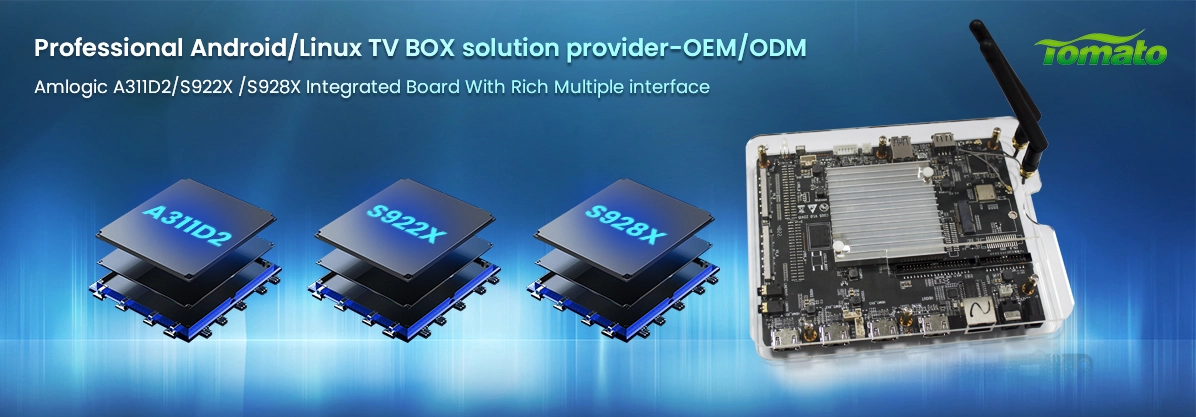
The emergence of advanced SoCs such as the Amlogic A311D2, A311Y3, S905X5, and Rockchip RK3588 has fundamentally expanded the role of Android Mini PCs from media players into edge computing terminals.
The question is no longer:
"Which Android Mini PC has the highest specifications?"
The better question is:
"Which Android Mini PC architecture best supports my business application over a five-year deployment cycle?"
How to Identify the Best Android Mini PC for Your Application
Start with the SoC, Not the Marketing Brochure
The system-on-chip (SoC) remains the foundation of every Android Mini PC.
Different chipsets are optimized for different workloads.
Entry-Level Commercial Applications
Typical use cases:
-
IPTV terminals
-
Smart retail displays
-
Hospitality TV systems
-
Educational devices
Recommended platforms:
-
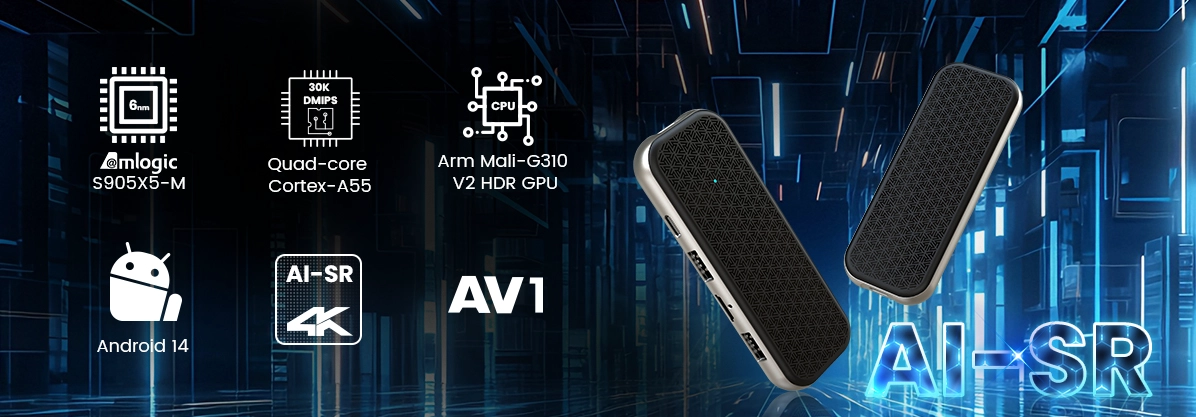
Amlogic S905X5
-
Rockchip RK3528
-
Rockchip RK3566
Key capabilities:
-
AV1 decoding
-
4K output
-
Low power consumption
-
Cost-efficient deployment
High-Performance Digital Signage
Typical use cases:
-
Interactive kiosks
-
Multi-screen advertising systems
-
Commercial display networks
Recommended platforms:
-
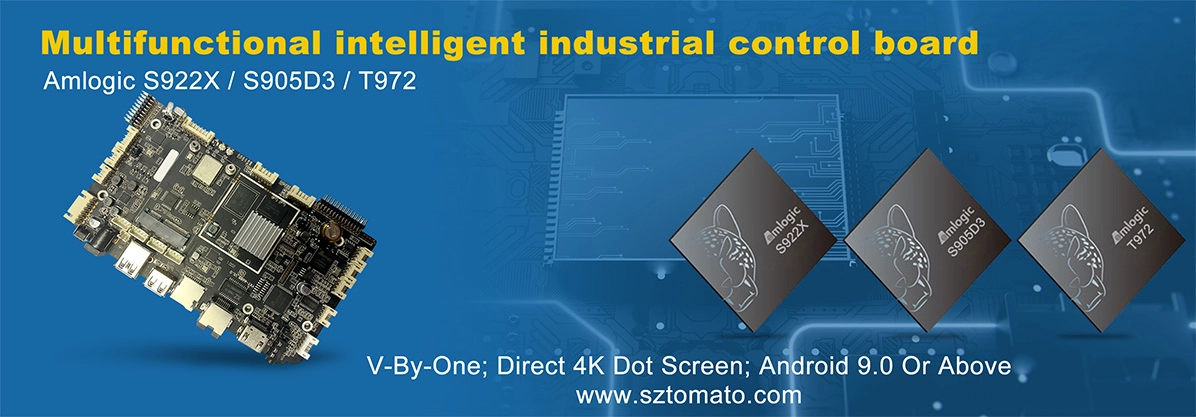
Rockchip RK3588
-
Amlogic A311D2
Key capabilities:
-
Multi-display output
-
Advanced GPU acceleration
-
AI processing support
-
High-bandwidth memory architecture
AI Edge Computing
Typical use cases:
-
Computer vision
-
Face recognition
-
Smart transportation
-
Industrial automation
Recommended platforms:
-
Rockchip RK3588 (6 TOPS NPU)
-
Amlogic A311Y3 (8 TOPS NPU)
Key capabilities:
-
TensorFlow deployment
-
PyTorch inference
-
Edge AI processing
-
Multi-camera video analytics
For enterprise deployments, selecting the wrong SoC often results in a larger total cost than paying slightly more for the correct platform initially.
The Hidden Factor: Firmware Determines Long-Term Value
Many Android Mini PCs share identical chipsets but deliver significantly different user experiences.
The difference lies in firmware engineering.
Evaluate Firmware Architecture Before Hardware Specifications
A professionally engineered Android Mini PC should include:
OTA Update System
Enterprise deployments require:
-
Remote firmware upgrades
-
Rollback protection
-
Incremental OTA packages
-
Batch deployment management
Without OTA infrastructure, maintaining thousands of deployed devices becomes expensive and operationally risky.
Linux and Android Kernel Optimization
Kernel optimization directly impacts:
-
Boot speed
-
Power efficiency
-
Peripheral compatibility
-
Thermal stability
-
USB reliability
-
Network performance
Poorly optimized kernels often cause field failures that cannot be identified from specification sheets.
Security Framework
Commercial Android Mini PCs should support:
-
HDCP encryption
-
Secure Boot
-
DRM frameworks
-
Application signing
-
Root access management
For OTT and IPTV projects, security compliance is often mandatory.
Why OEM Customization Often Matters More Than Hardware Performance
The Best Android Mini PC Is Usually a Customized One
A common mistake among procurement teams is selecting an off-the-shelf Android Mini PC and attempting to adapt their business model around it.
Successful deployments work in the opposite direction.
The hardware should be adapted to the project requirements.
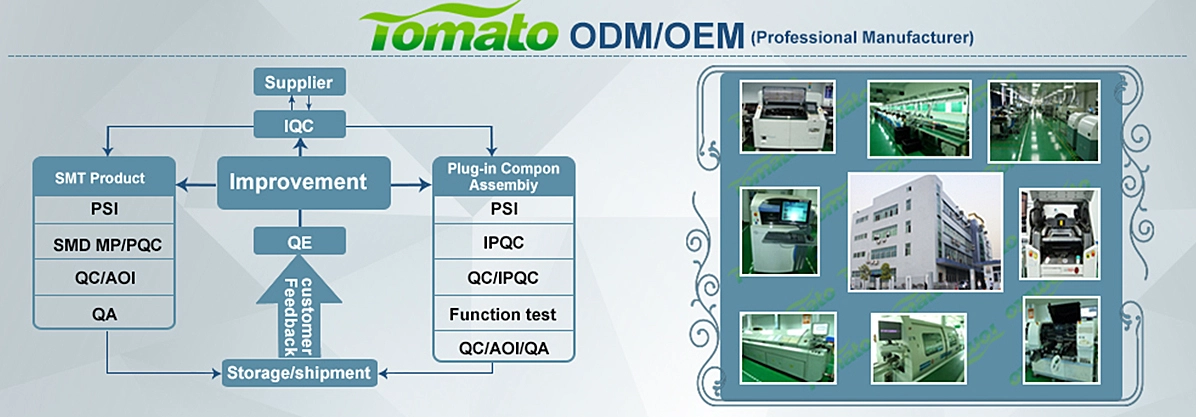
This is where SZTomato's OEM/ODM engineering model provides significant advantages.
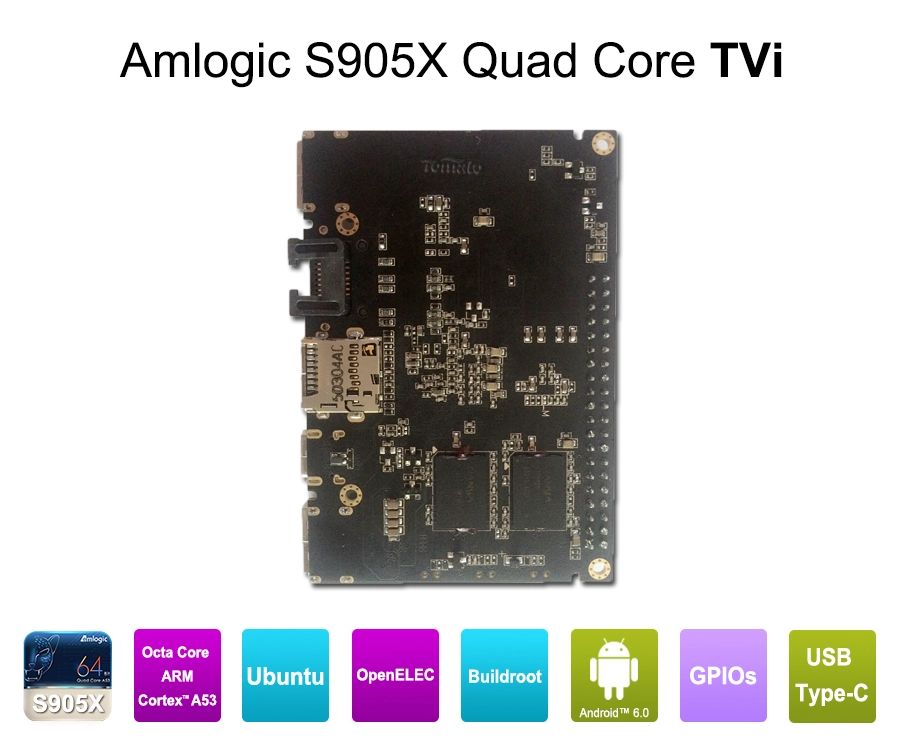
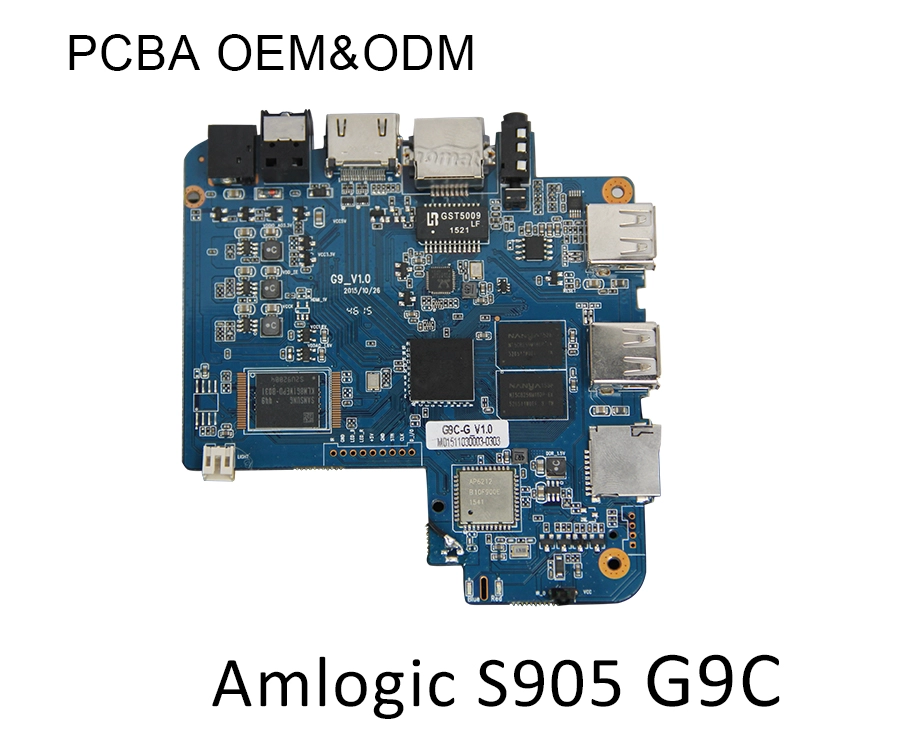
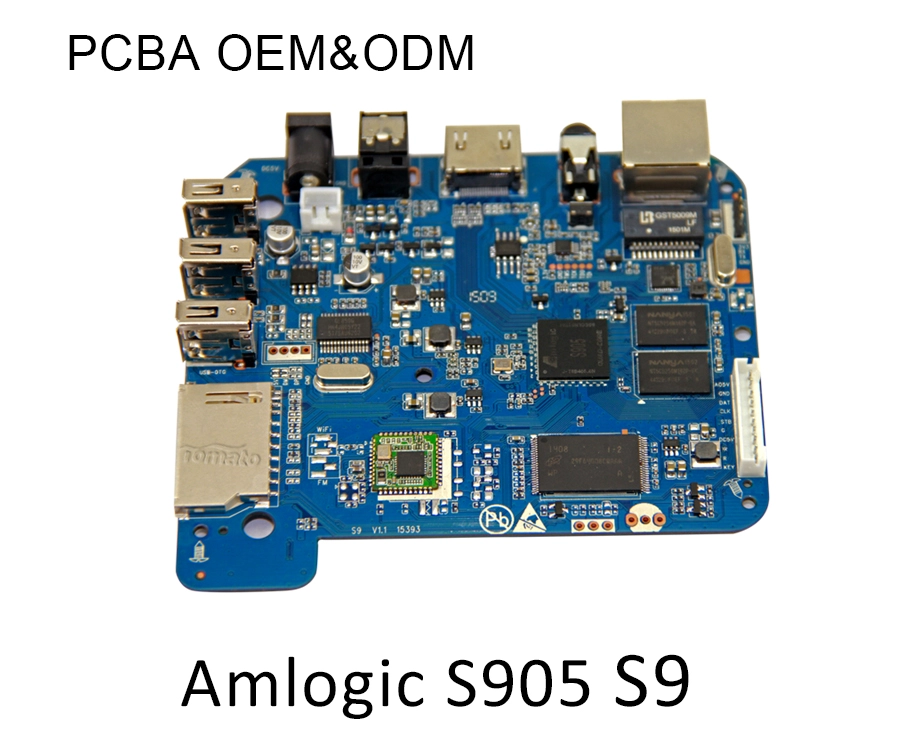
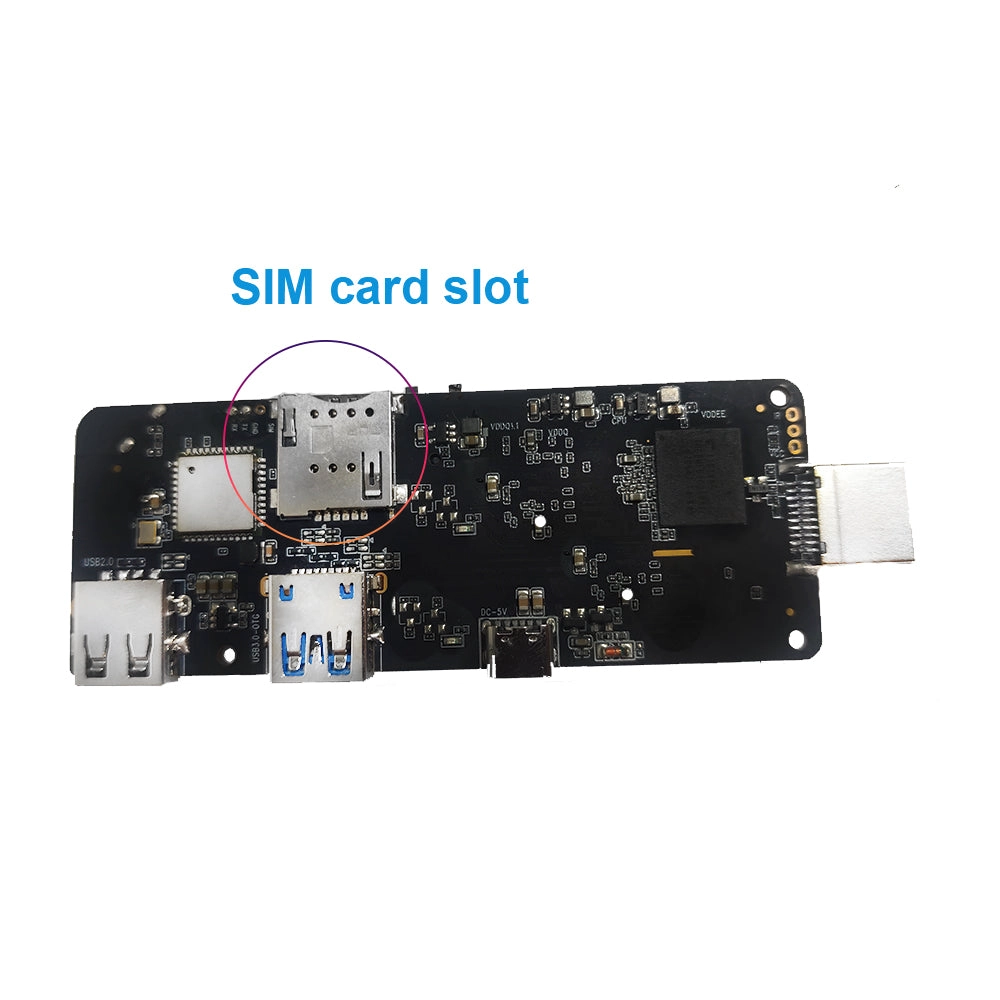
PCBA Hardware Modification
Commercial projects frequently require:
-
Additional USB interfaces
-
Dual Gigabit Ethernet
-
RS232 communication
-
GPIO expansion
-
Customized WiFi modules
-
LTE/5G integration
These modifications require PCBA redesign rather than simple software adjustments.
SDK and API Integration
Many enterprise projects require integration with:
-
IPTV middleware
-
ERP systems
-
Hotel PMS platforms
-
Digital signage CMS software
-
Smart city infrastructure
-
Industrial control platforms
SDK and API integration should be considered during the hardware design stage to ensure compatibility and long-term scalability.
Custom UI/UX Firmware
Different industries require different user experiences.
Examples include:
-
Hospitality launchers
-
IPTV operator interfaces
-
Corporate branding systems
-
Kiosk applications
-
Retail interactive displays
Custom firmware enables enterprises to create differentiated products without investing in an internal Android development team.
Thermal Engineering: The Overlooked Performance Bottleneck
Why Cooling Design Determines Real-World Reliability
Many Android Mini PCs perform well during short benchmark tests but struggle under continuous operation.
Commercial deployments often run:
-
24/7 digital signage
-
AI video analytics
-
Streaming services
-
Multi-display advertising networks
These workloads expose thermal weaknesses.
Professional Android Mini PCs require:
Optimized PCBA Layout
Key design considerations include:
-
Power circuit positioning
-
Memory placement
-
RF shielding
-
Signal integrity optimization
Industrial Cooling Solutions
SZTomato frequently develops customized thermal systems that include:
-
Aluminum heat spreaders
-
High-efficiency heat sinks
-
Thermal pads
-
Ventilated enclosures
-
Industrial-grade cooling structures
Proper thermal management extends component lifespan and reduces field maintenance costs.
For large-scale deployments, thermal engineering directly influences ROI.
Market Trends Shaping the Next Generation of Android Mini PCs
Several technology trends are reshaping buyer requirements.
AV1 Adoption
Streaming platforms increasingly prioritize AV1 due to bandwidth efficiency.
Modern Android Mini PCs should provide native AV1 hardware decoding to ensure long-term compatibility.
AI at the Edge
The demand for local AI processing continues to increase.
Edge AI reduces:
-
Cloud costs
-
Network latency
-
Privacy concerns
This trend is accelerating adoption of NPU-equipped platforms.
Multi-OS Deployment
Many enterprises now require support for:
-
Android
-
Debian Linux
-
Ubuntu
-
Armbian
The ability to deploy multiple operating systems on a common hardware platform improves development flexibility and lowers support costs.
Remote Device Management
Future deployments will depend heavily on:
-
OTA management
-
Fleet monitoring
-
Remote diagnostics
-
Automated recovery mechanisms
Android Mini PCs without enterprise management capabilities will become increasingly difficult to support at scale.
Which Android Mini PC Is the Best?
The answer depends on the deployment objective.
For IPTV and streaming applications, an AV1-enabled Amlogic platform often provides the best balance of cost and performance.
For digital signage and multi-display systems, RK3588-based Android Mini PCs offer exceptional graphics and multimedia capabilities.
For AI edge computing, A311Y3 and RK3588 platforms currently represent the strongest combination of NPU performance and deployment flexibility.
For OEM brands, distributors, telecom operators, and commercial integrators, the best Android Mini PC is rarely a retail product. It is a customized platform engineered around specific business requirements, firmware workflows, and long-term operational goals.
Conclusion
Selecting the best Android Mini PC requires more than comparing CPU specifications.
Decision-makers should evaluate:
-
SoC architecture
-
Firmware capabilities
-
OTA infrastructure
-
HDCP and DRM support
-
Thermal engineering
-
SDK integration
-
Custom UI development
-
PCBA modification options
-
Long-term software maintenance
The most successful deployments are built on platforms that combine hardware reliability with firmware-level customization.
For procurement managers, system integrators, IPTV operators, and digital signage providers, partnering with an OEM/ODM manufacturer such as SZTomato provides access to customized Android Mini PC solutions that include PCBA hardware modification, SDK/API integration, Linux and Android kernel optimization, custom UI/UX development, OTA management systems, and industrial-grade cooling architectures designed for long-term commercial operation.
The best Android Mini PC is not the one with the highest benchmark score. It is the platform that delivers stable performance, scalable deployment, and the lowest total cost of ownership throughout its lifecycle.
