



Do You Need WiFi for an OTT TV Box?
Do You Need WiFi for an OTT TV Box? Technical Connectivity Strategies for Operators
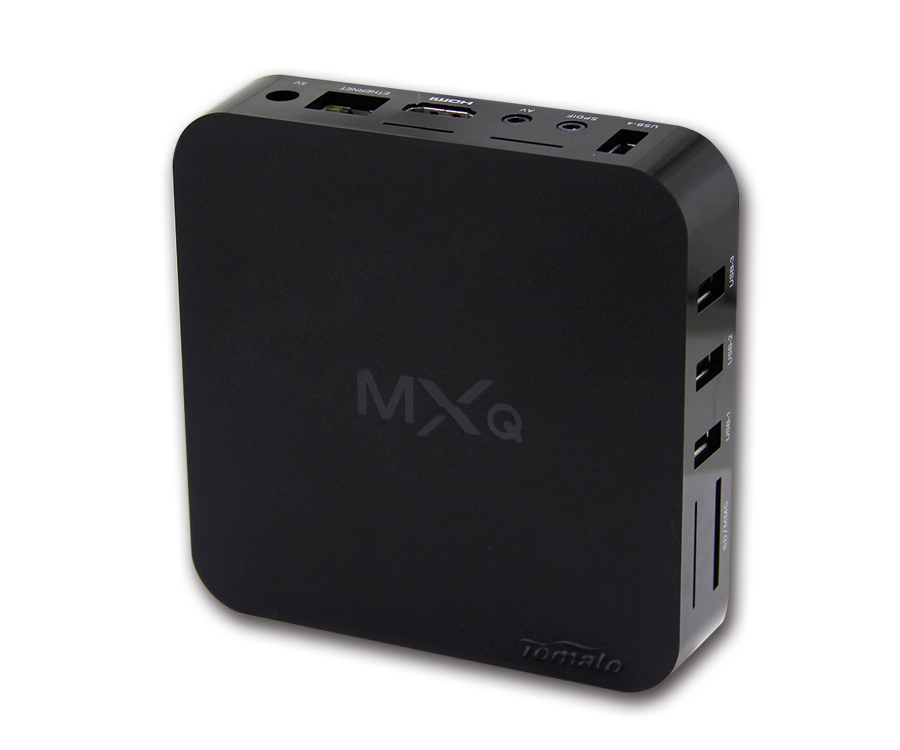
The transition from H.264 to HEVC and AV1 codecs has significantly reduced bitrates, yet the demand for high-fidelity 4K HDR10+ content has pushed the throughput requirements of an OTT TV Box to a sustained 25–50 Mbps per stream. In enterprise environments—such as multi-dwelling units (MDUs) or hotel IPTV networks—the primary challenge is not the availability of bandwidth, but the integrity of the delivery medium.
While wireless connectivity is often perceived as a mandatory consumer feature, B2B integrators must weigh the convenience of WiFi against the physical reliability of copper. Determining whether your deployment requires WiFi depends entirely on the environment's RF (Radio Frequency) density and the hardware’s internal antenna architecture.
Wireless Constraints: WiFi 6 vs. Legacy Spectrum Congestion
For a modern OTT TV Box, the question is no longer "WiFi or not," but "which WiFi standard." Deploying hardware limited to 2.4GHz in high-density environments is a recipe for high RMA rates. The 2.4GHz band is chronically congested, suffering from co-channel interference that triggers aggressive packet retransmissions and video buffering.
-
WiFi 5 (802.11ac) vs. WiFi 6 (802.11ax): For commercial-grade streaming, WiFi 6 is the baseline. It introduces OFDMA (Orthogonal Frequency Division Multiple Access), which allows the router and the TV Box to communicate more efficiently in high-interference zones.
-
The 6GHz Advantage (WiFi 6E): In 2026, premium OTT hardware is shifting toward WiFi 6E. By utilizing the 6GHz spectrum, the TV Box avoids the interference of legacy household devices, providing a "clean" lane for high-bitrate 8K or 4K/120Hz streams.
-
MIMO Technology: To ensure stable wireless performance, the PCBA must support at least 2x2 MIMO (Multiple Input Multiple Output). Single-antenna configurations lack the spatial diversity needed to maintain a connection when physical obstructions (walls, cabinetry) are present.
The Case for Ethernet: Eliminating Jitter in Professional IPTV
Despite the advancements in WiFi, the RJ45 Ethernet port remains the gold standard for institutional reliability. For digital signage and hospitality OTT services, Ethernet is not just a backup; it is the primary insurance against network jitter.
-
Latency and Jitter: Wireless signals are inherently half-duplex, meaning they cannot send and receive data simultaneously. This introduces micro-jitters. While unnoticeable in web browsing, jitter causes frame drops in live IPTV broadcasts. A wired Ethernet connection provides a full-duplex, dedicated path.
-
Power over Ethernet (PoE): In professional installations, using an OTT TV Box with PoE support (via a splitter or native PCBA design) simplifies cable management. By delivering both data and power over a single Cat6 cable, integrators reduce installation costs and eliminate the need for localized AC outlets behind displays.
-
10/100 vs. Gigabit: While 100Mbps is theoretically enough for 4K, Gigabit Ethernet (1000Mbps) provides the necessary overhead for system updates, background data caching, and future-proofing against higher bitrate standards.
Hardware-Level Engineering for Connectivity Stability
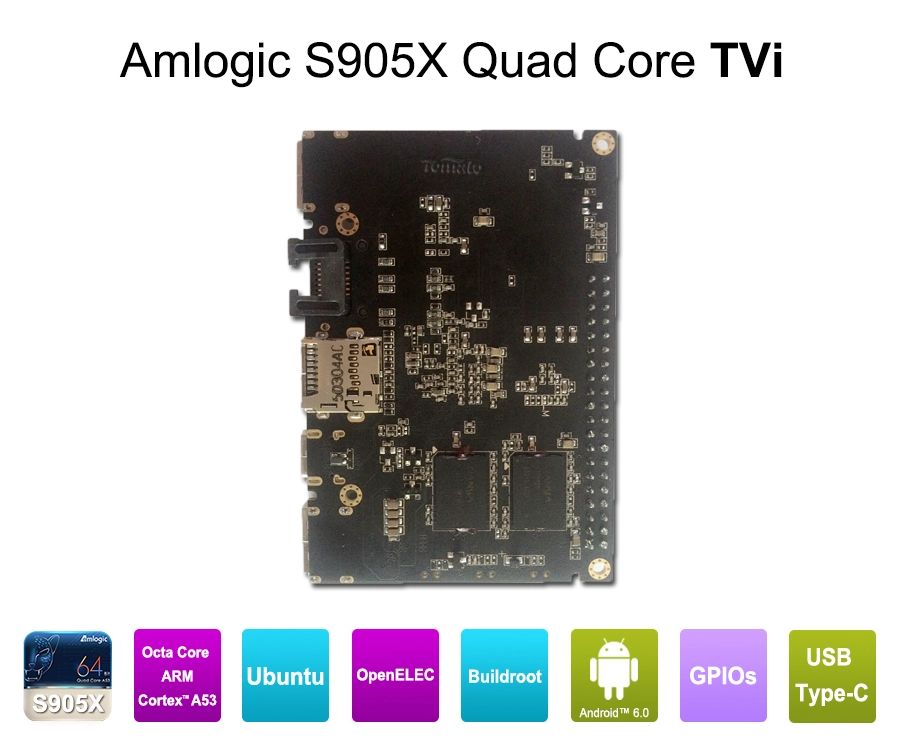
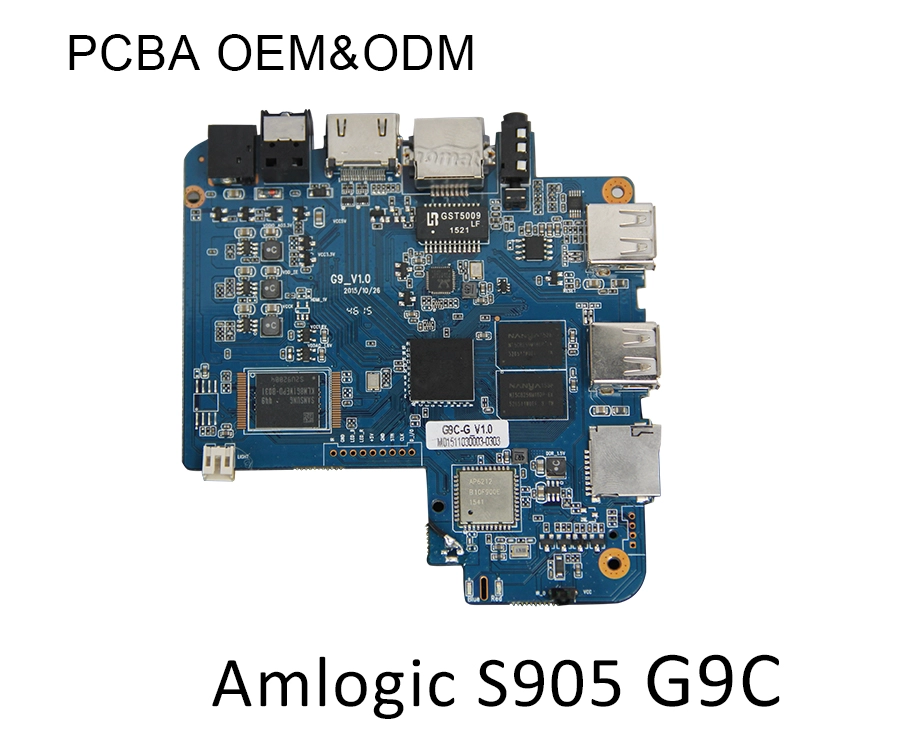
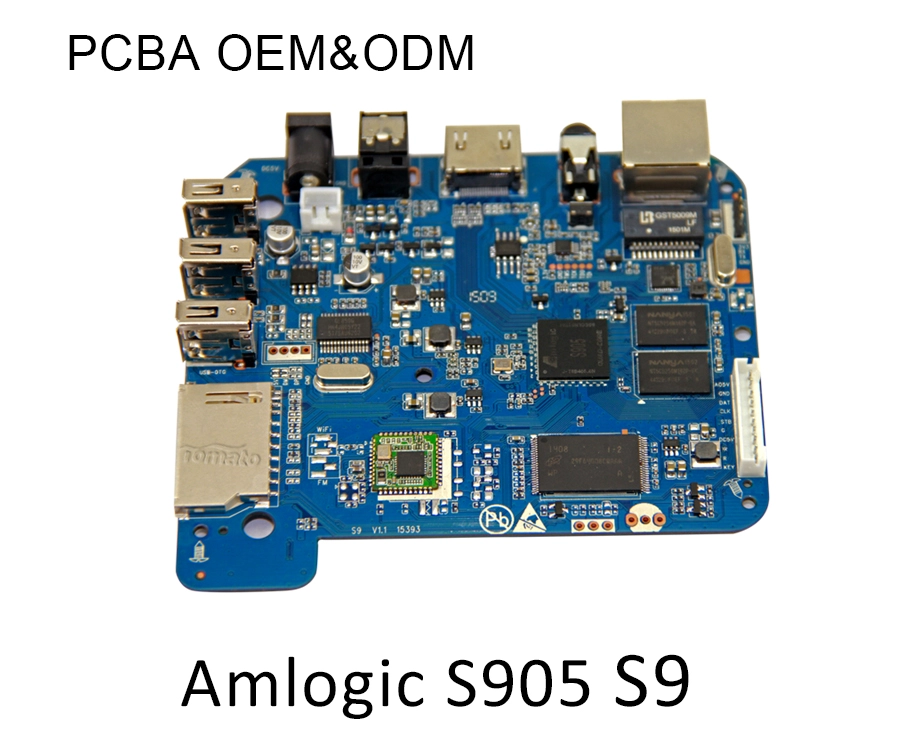
At the OEM/ODM level, the quality of a TV Box’s connection is determined during the PCBA layout phase, long before the software is installed. Poorly shielded components can lead to Electromagnetic Interference (EMI) that cripples wireless sensitivity.
-
EMI Shielding: High-speed processors and PMICs generate noise. Professional-grade OTT boxes utilize metal shields over the WiFi module and SoC to prevent internal interference from degrading signal-to-noise ratios (SNR).
-
Antenna Placement: Internal trace antennas are often insufficient for commercial use. We recommend high-gain internal FPC antennas or external SMA antennas for units housed in metal enclosures or recessed wall mounts.
-
Firmware Network Prioritization: The underlying Android or Linux firmware should be configured with specific Quality of Service (QoS) rules. This ensures that video buffer packets are prioritized over background system telemetry or app updates, maintaining playback continuity even during network fluctuations.
Conclusion: Matching Connectivity to Infrastructure
So, do you need WiFi for an OTT TV Box? For consumer retail, yes. For professional B2B deployments, WiFi should be viewed as a secondary failover or a solution for locations where structural cabling is impossible.
For operators looking to minimize support tickets and maximize uptime, a dual-pronged strategy is best: specify hardware with WiFi 6/6E for flexibility, but mandate Gigabit Ethernet for the primary link.
At SZTomato, we specialize in customizing the connectivity stack of your hardware. Whether you need custom PCBA shielding for high-interference environments or specialized firmware for PoE-driven IPTV networks, our engineering team can architect an OTT TV Box tailored to your specific infrastructure. Contact us today to discuss your connectivity requirements.
