
Does the Set-Top Box (STB) have free channels?
For B2C consumers, the question "Does the Set-Top Box (STB) have free channels?" is usually a query about saving money. For B2B operators, ISPs, and Brand Owners, however, this question represents a complex engineering and business strategy challenge.
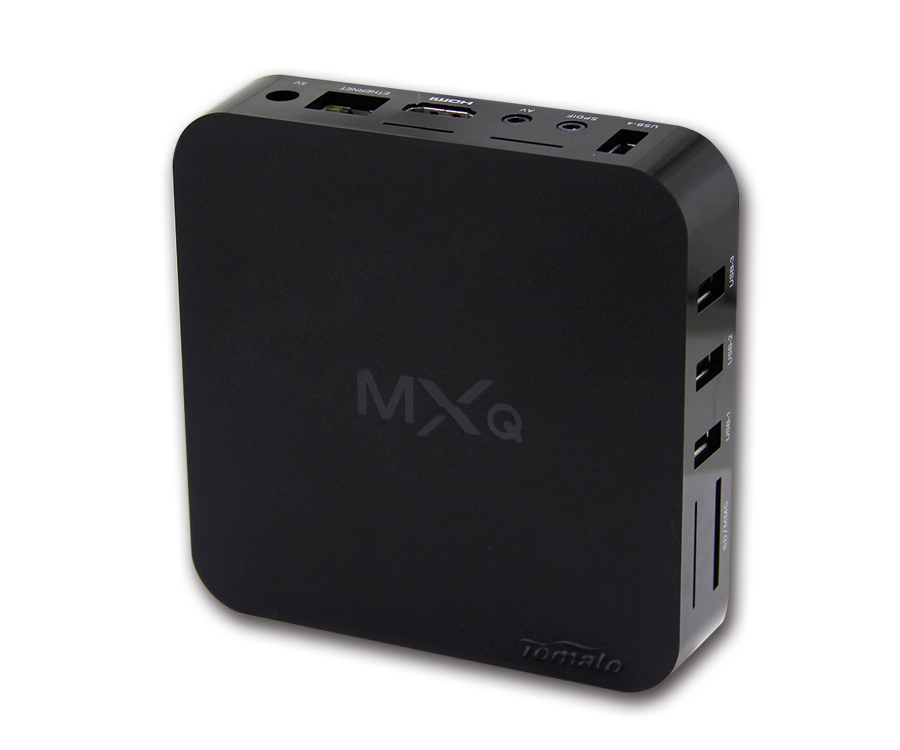
In 2026, a hardware device is effectively a "tabula rasa" (blank slate). An STB does not inherently "have" channels; it possesses the capability to decode and deliver them. Whether those channels are "free" depends entirely on the hardware tuner configuration and the firmware ecosystem we engineer into the device.
Here is the professional breakdown of how Set-Top Box (STB) architecture enables free content delivery and how SZTomato customizes these solutions for global markets.
1. The Hardware Route: Hybrid Tuner Integration (DVB-T2/S2/C)
The most reliable source of "free" content remains Over-the-Air (OTA) terrestrial or satellite broadcasting. To access this, the Set-Top Box (STB) requires more than just a standard Android board; it needs a dedicated demodulator.
-
Regional Specificity: A box deployed in Germany requires DVB-T2 (H.265) support, while a deployment in Brazil needs ISDB-T.
-
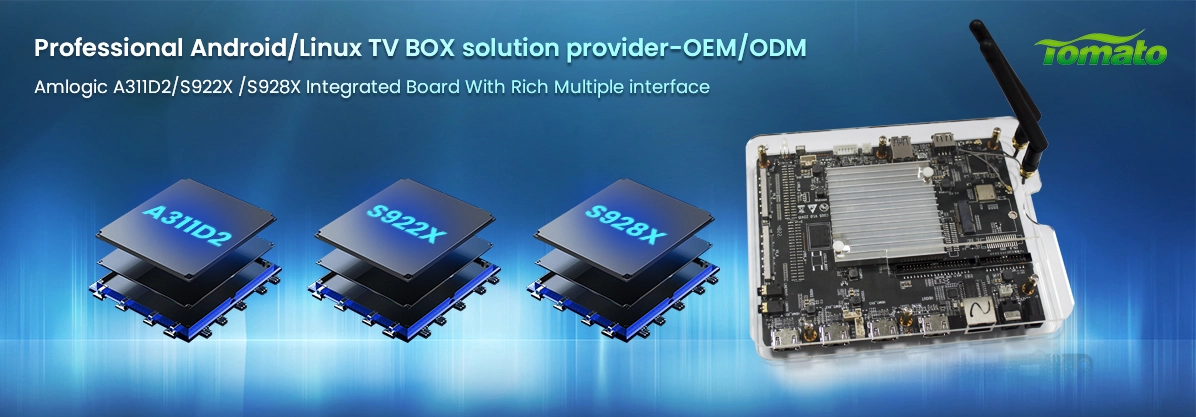
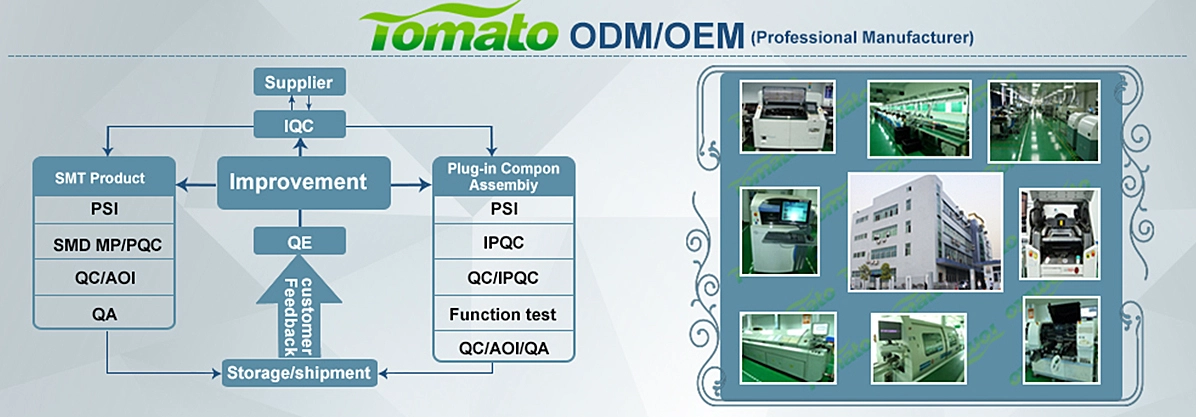
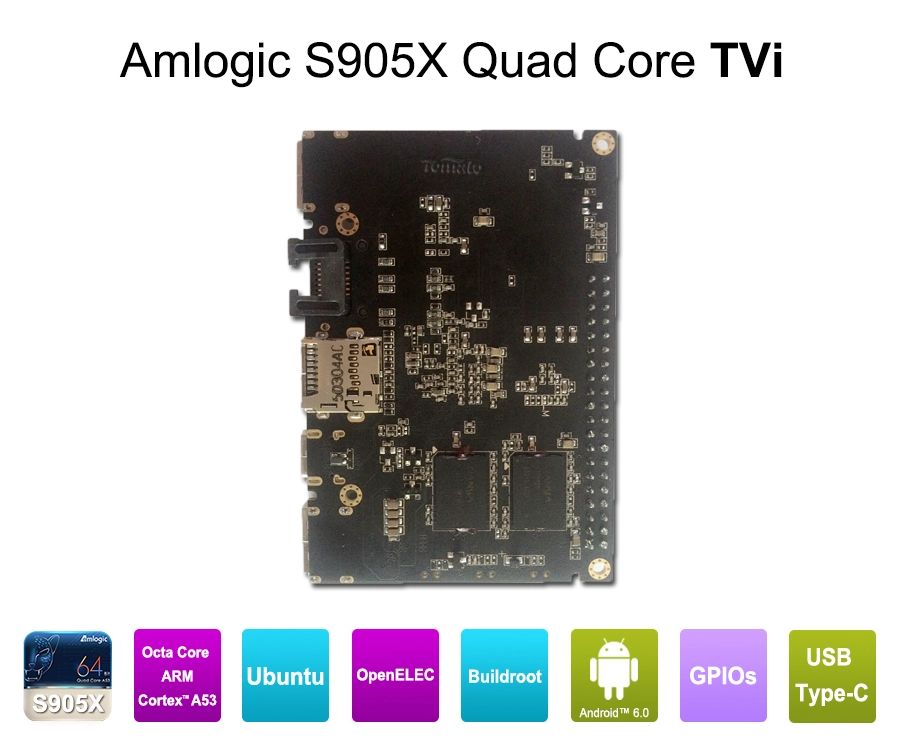
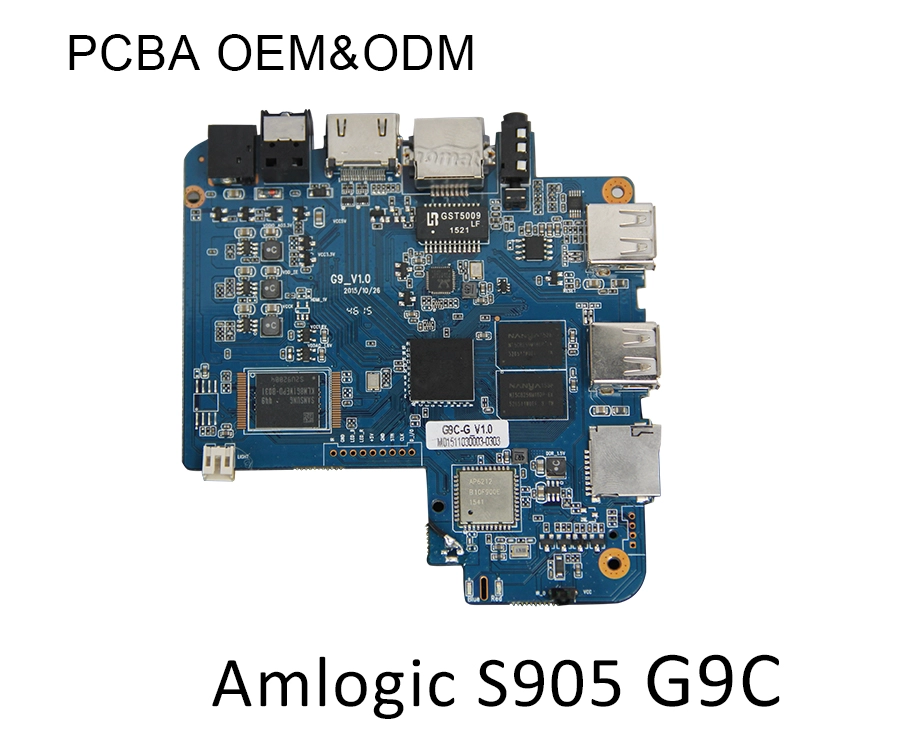
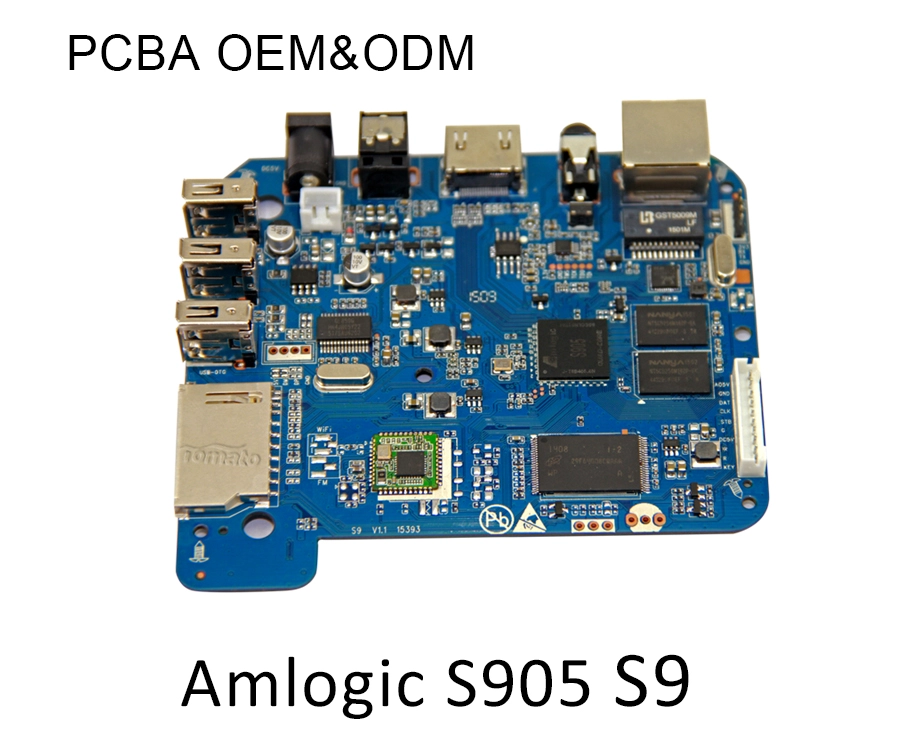
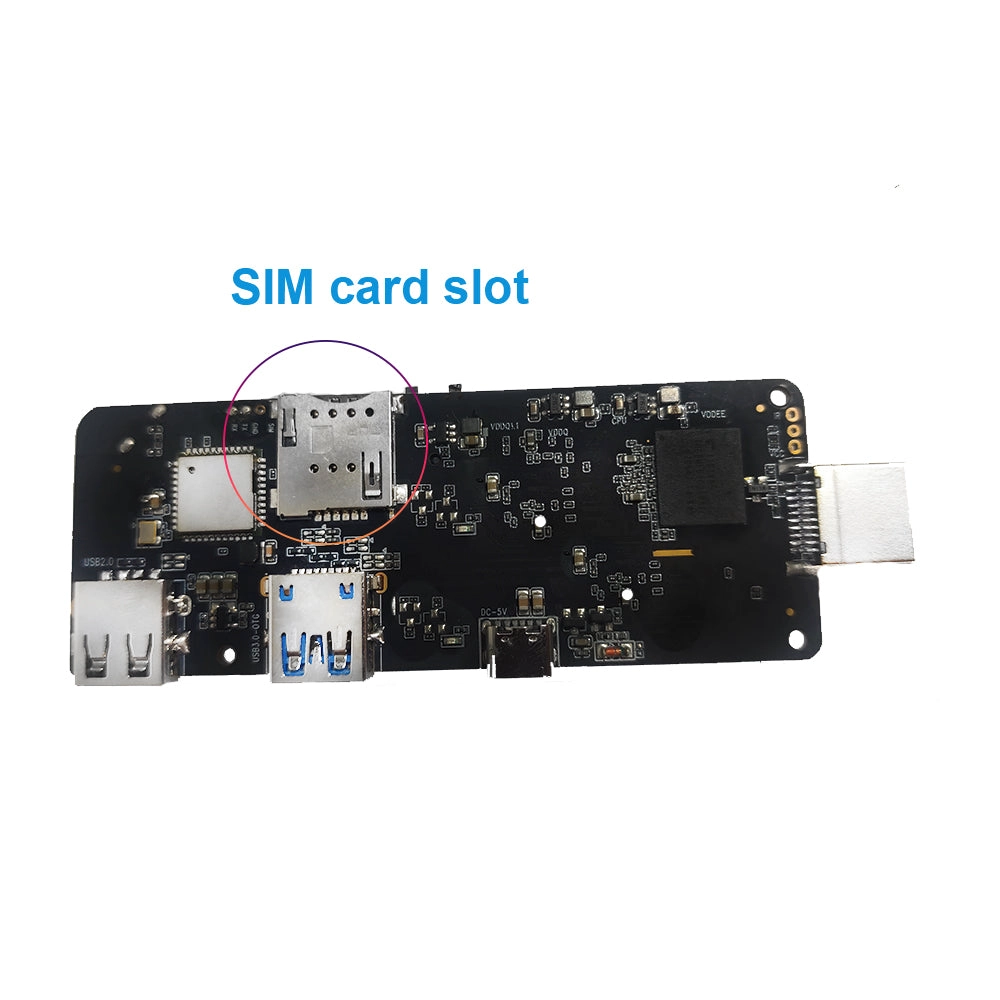
The SZTomato Solution: We don't force a "one-size-fits-all" board on our clients. Through our PCBA Customization Service, we integrate specific tuner modules (DVB-S2 for Satellite, DVB-T2 for Terrestrial, or ATSC for North America) directly onto the mainboard. This allows your device to pick up local, unencrypted "free-to-air" channels without requiring an internet connection, providing a critical redundancy layer for ISPs in regions with unstable connectivity.
2. The Software Route: FAST Integration & Middleware
The definition of "free" has shifted. In 2026, the industry is dominated by FAST (Free Ad-Supported Streaming TV). For an STB to handle this effectively, the firmware must be optimized for dynamic ad insertion and high-concurrency streaming.
-
The Aggregation Challenge: A standard "stock" Android box leaves the user to hunt for apps. This causes friction and high churn rates.
-
Firmware Governance: At SZTomato, we use Deep Firmware Customization to pre-install and aggregate FAST platforms (like Pluto TV, Tubi, or local equivalents) directly into the launcher. We can program the "Live TV" button on the remote to bypass the standard Android interface and launch a custom IPTV middleware that lists these free channels in a traditional EPG (Electronic Program Guide) layout. This bridges the gap between traditional TV viewing and modern OTT streaming.
3. The Compliance Boundary: Avoiding the "Jailbroken" Trap
It is vital to distinguish between legitimate free channels and illegal "fully loaded" boxes.
-
The Risk: Years ago, many sellers marketed boxes pre-loaded with pirate add-ons. In 2026, this is a liability that leads to domain seizures and payment gateway bans.
-
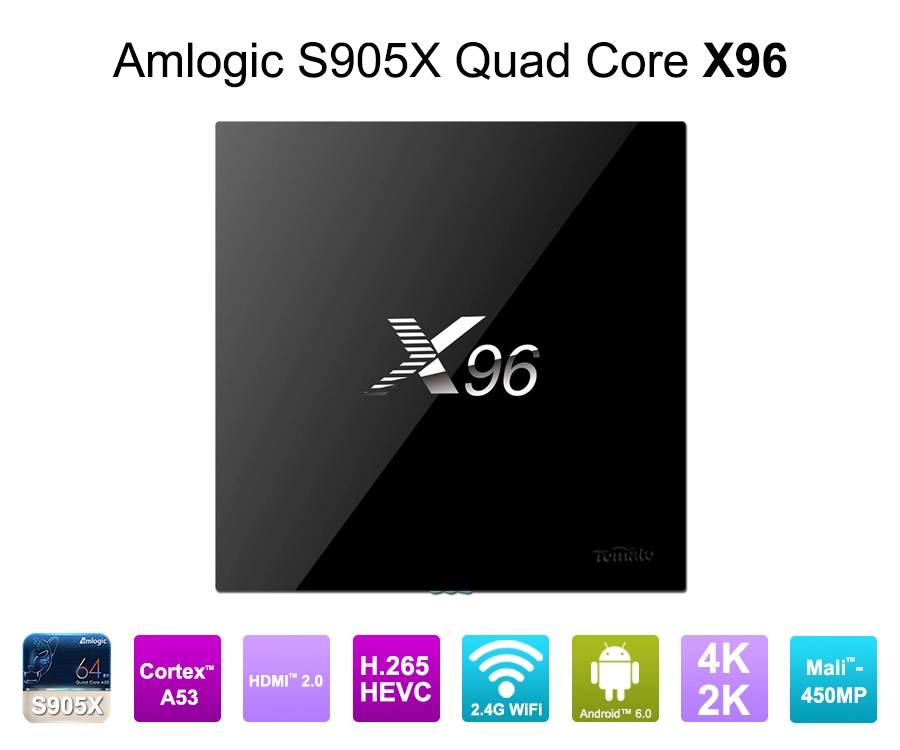
The Professional Path: A legitimate Set-Top Box (STB) uses Widevine L1 DRM and HDCP 2.3 certification. This allows the box to legally access free, high-definition content from premium broadcasters who require copyright protection. SZTomato ensures all our OEM devices meet these security standards, protecting your brand from legal exposure while ensuring users get 1080p/4K streams rather than low-quality pirated feeds.
Conclusion: You Define the Content
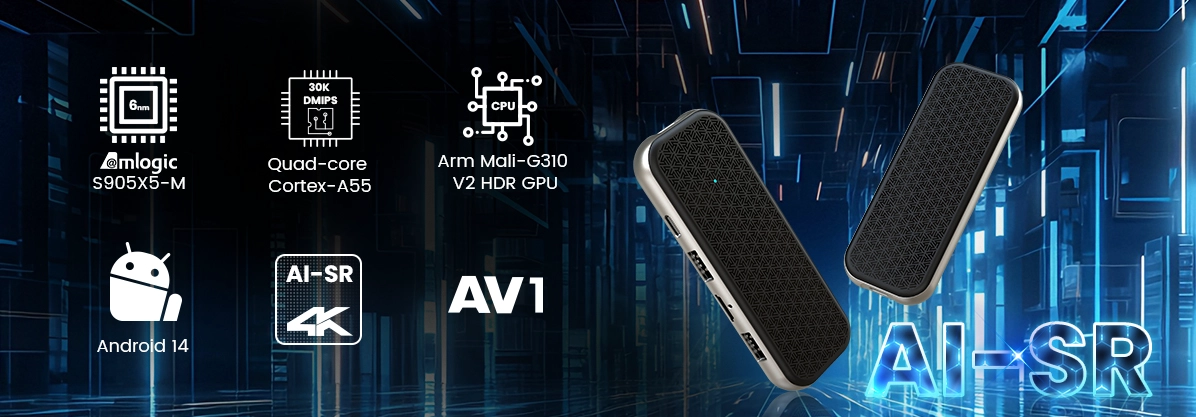
Does the Set-Top Box (STB) have free channels? The answer lies in your specification sheet. Whether you need a Hybrid DVB receiver to catch local news or a pure OTT player optimized for AV1-encoded FAST channels, the capability is engineered, not accidental.
At SZTomato (Shenzhen Tomato Technology Co., Ltd.), we turn plastic and silicon into a tailored content delivery vehicle.
