
What features make a Set-Top Box (STB) reliable?
In the B2B hardware sector, "reliability" is a financial metric. If you are an ISP deploying 10,000 units or a system integrator outfitting a hospital network, a 2% failure rate isn't just an annoyance—it destroys your profit margin through field technician call-outs and RMA logistics.
Consumer reviews often focus on interface speed or gaming performance. However, for industrial and commercial deployment, a reliable Set-Top Box is defined by three unglamorous but critical pillars: Thermal Architecture, Component Provenance, and Firmware Governance.
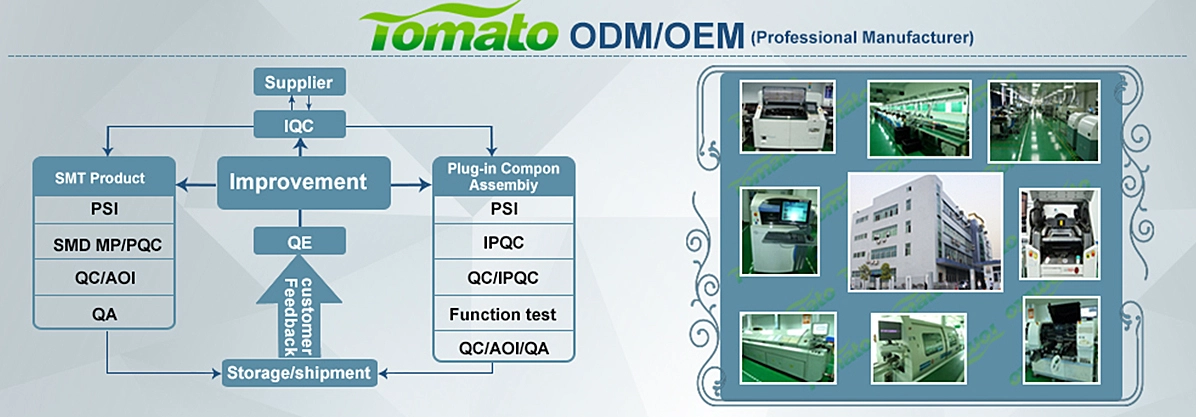
Here is the technical reality of what separates a "toy" from a professional deployment vehicle, based on our 15 years of manufacturing experience at SZTomato.
1. Thermal Management: The Difference Between 24/7 and "Reboot Required"
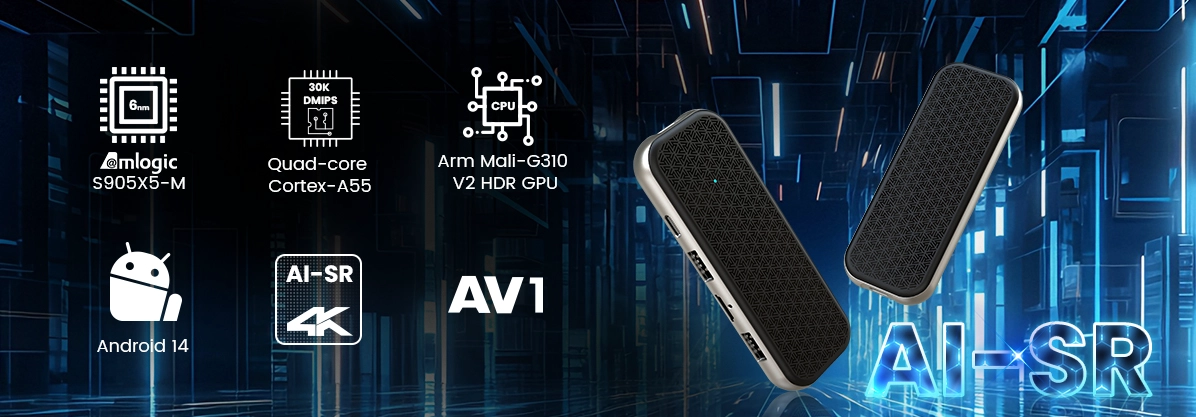
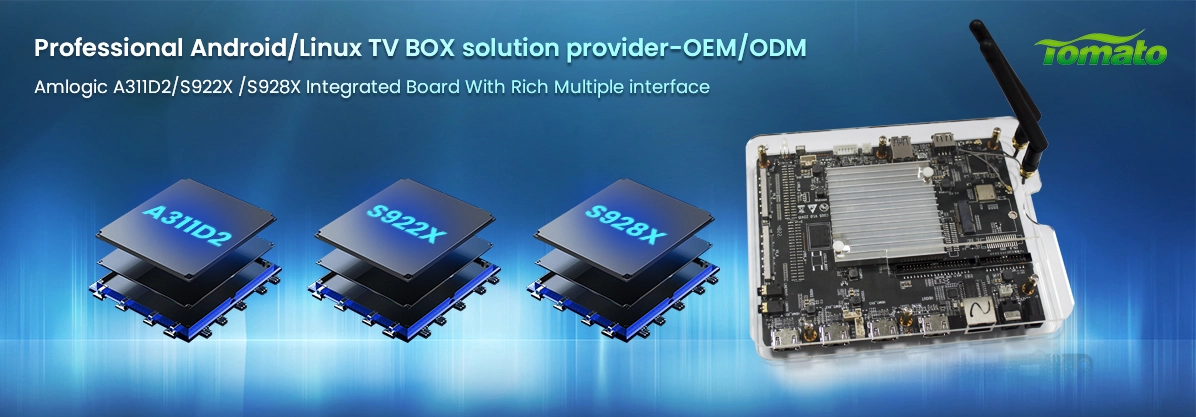
The most common cause of Set-Top Box failure in the field is not the chip dying, but thermal throttling leading to system instability. Modern SoCs like the Amlogic S928X (powering 8K decoding) or the S905X4 generate significant heat when processing AV1 streams continuously.
-
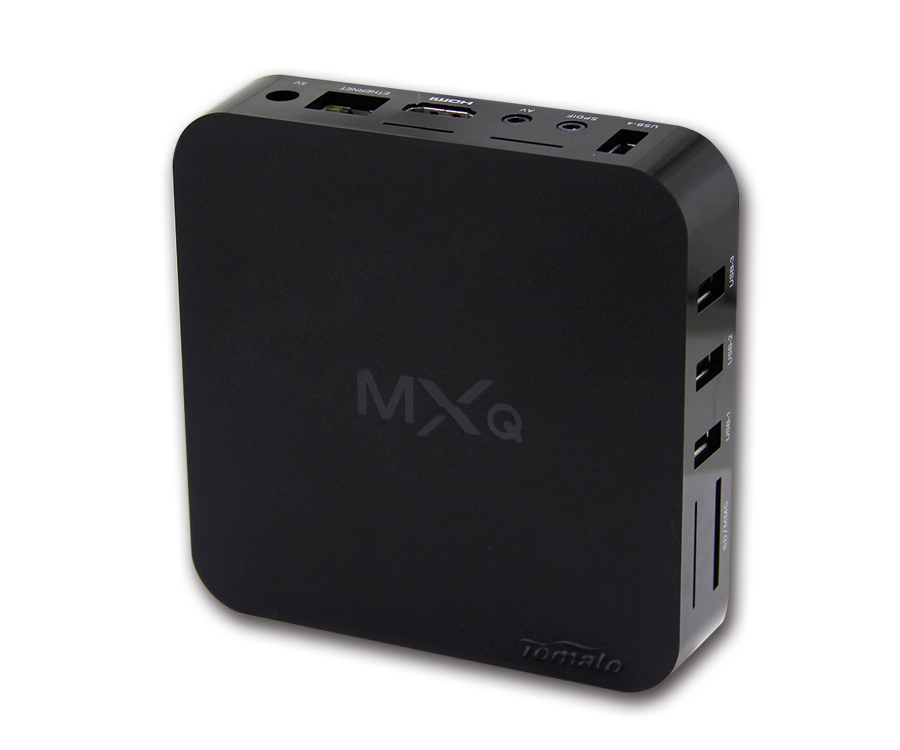
The Consumer Flaw: Most off-the-shelf boxes rely on a thin metal plate glued to the top of the plastic casing. This acts as a heat trap, not a heat sink.
-
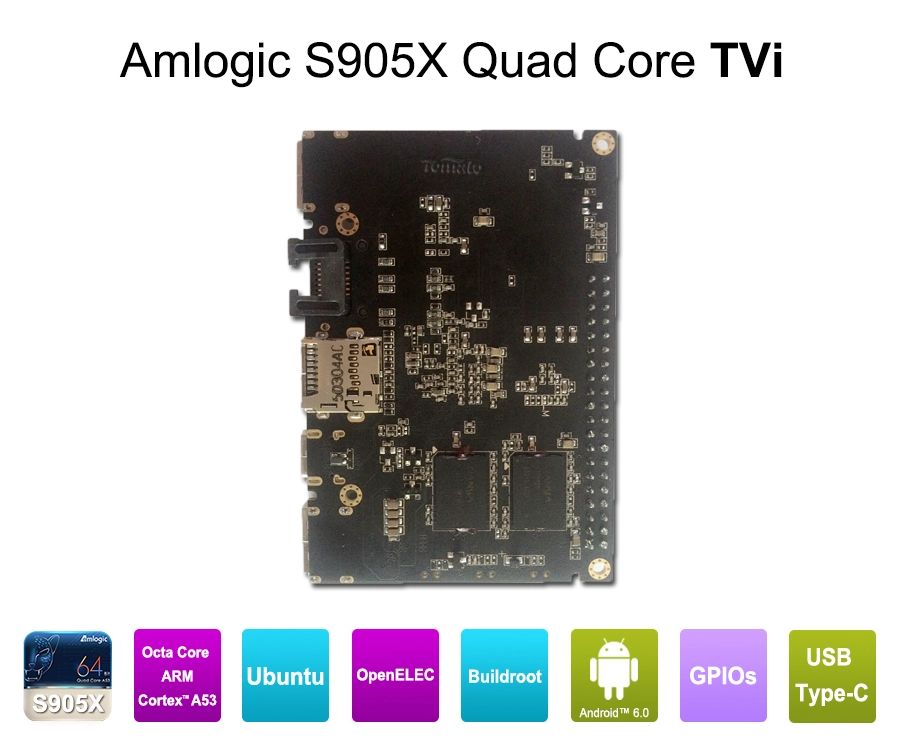
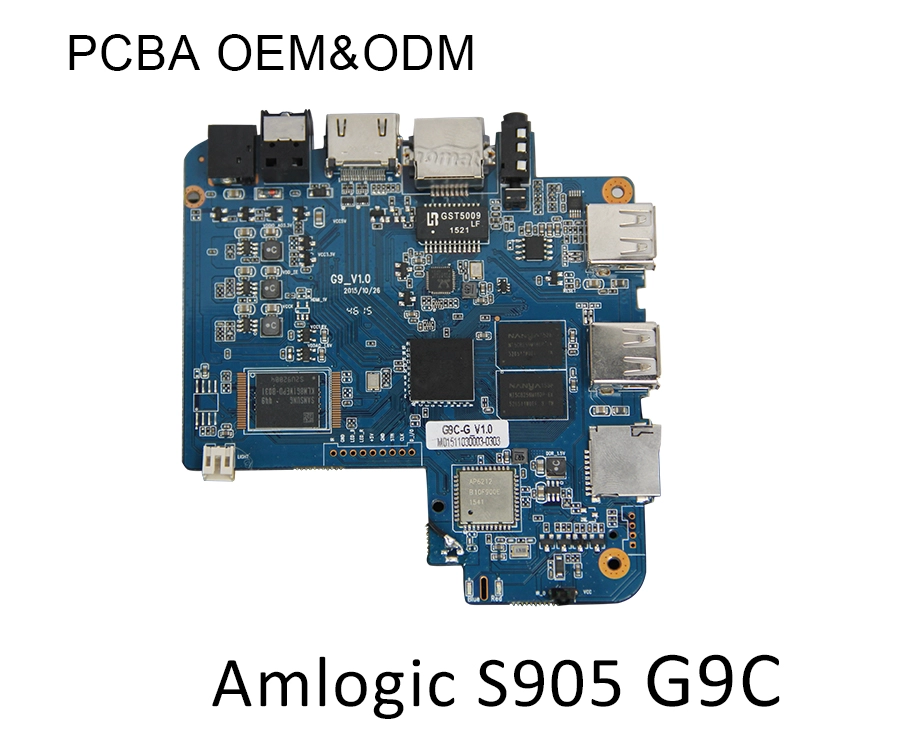
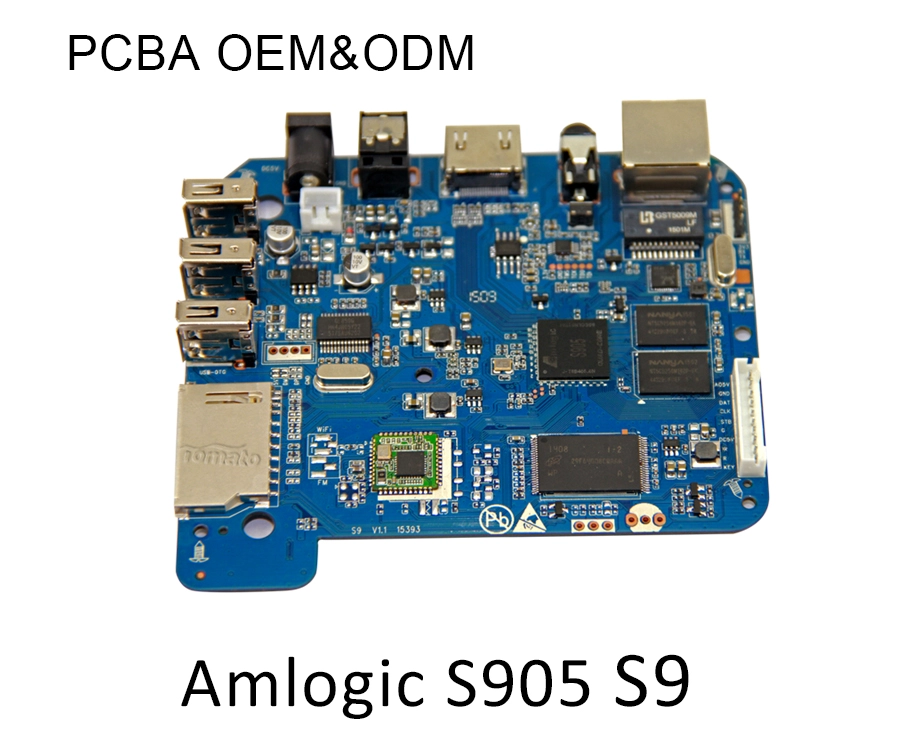
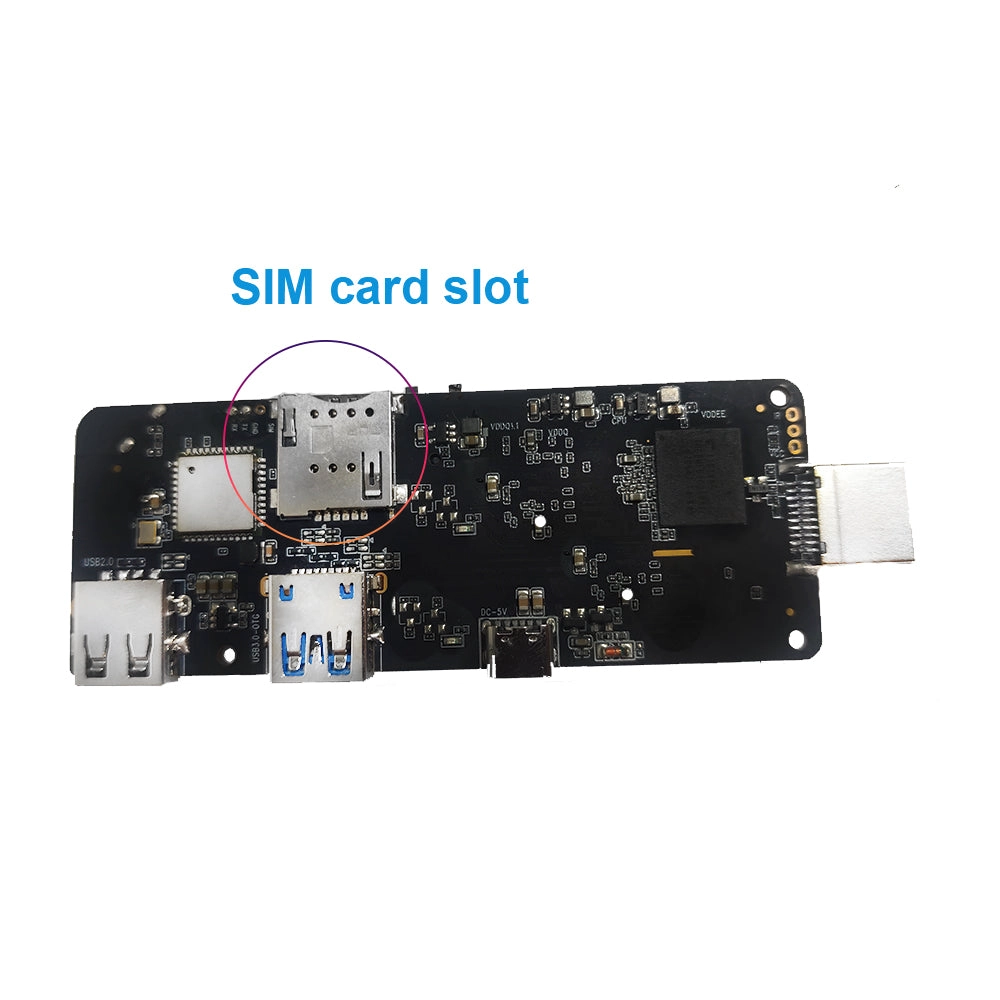
The OEM Solution: A reliable Set-Top Box requires an engineered thermal path. At SZTomato, we customize the PCBA (Printed Circuit Board Assembly) to align the CPU directly with a large aluminum heatsink that dissipates heat through vented industrial housings. For extreme environments (like digital signage kitchens), we design metal-bottom enclosures that act as a passive radiator, ensuring the device operates within the optimal 45°C-60°C range even after weeks of uptime.
2. Silicon Provenance: Flash Storage and Power Stability
Why does a cheap Set-Top Box become sluggish after six months? The culprit is usually low-grade eMMC storage.
-
Write Cycle Endurance: In 2026, applications cache massive amounts of data. Generic, "reject-bin" flash memory degrades quickly, causing read/write errors that look like software crashes. SZTomato exclusively sources Tier-1 storage (Samsung/Micron) with high TBW (Terabytes Written) ratings for our OEM clients.
-
Power Regulation: A box is only as reliable as its power supply. We have moved beyond standard 5V/2A adapters. We supply industrial-grade 12V adapters with higher amperage headroom and surge protection to prevent the "random reboot loop" caused by voltage dips in older buildings or unstable electrical grids.
3. Firmware Governance: Locking Out Human Error
Hardware can run forever, but software is fragile if left open. A reliable Set-Top Box in a commercial setting must be "unbreakable" by the end-user.
-
The "Watchdog" Protocol: We implement a software watchdog timer in the kernel. If your primary IPTV application hangs or crashes, the system detects the freeze and automatically restarts the app or reboots the device within seconds, removing the need for a user to physically unplug the unit.
-
Kiosk Mode & Root Locking: Reliability means consistency. Through our ODM Firmware Customization, we remove the standard Android settings menu and Play Store. The Set-Top Box boots directly into your verified application. Users cannot sideload malware, change network settings, or factory reset the device. The environment is frozen in a known-good state.
Conclusion: Reliability is Engineered, Not Accident
A truly reliable Set-Top Box is boring. It doesn't crash, it doesn't overheat, and it doesn't let users break the settings. It simply delivers content, day after day. Whether you need a ruggedized metal enclosure for industrial use or a custom PCBA with reinforced ports for hotel rooms, SZTomato builds hardware that protects your operational budget.
