
Does the Streaming Media Player have free channels?
Engineering a Streaming Media Player for Enterprise Free Channel Delivery
Enterprise networks—particularly in hospitality, hospital systems, and tier-2 ISP deployments—are pivoting aggressively toward Free Ad-supported Streaming TV (FAST) to offset rising SVOD fatigue. However, integrating these free channels into a unified Electronic Program Guide (EPG) exposes the rigid limitations of consumer-grade hardware. System integrators asking if a Streaming Media Player natively supports "free channels" quickly discover that retail devices lock operators into proprietary ad-revenue sharing models and closed API ecosystems.
To deliver a frictionless, zero-subscription channel lineup to commercial endpoints, hardware architecture must bypass retail software restrictions. This requires a pivot from off-the-shelf procurement to deep-level OEM hardware engineering.
Escaping Walled Gardens: AOSP and FAST Aggregation
Consumer devices operate within strictly monitored software ecosystems. Operating systems like Roku OS or proprietary Android TV builds actively prevent system integrators from hardcoding third-party FAST services (such as Pluto TV, Xumo, or local IPTV middleware) directly into the primary boot sequence.
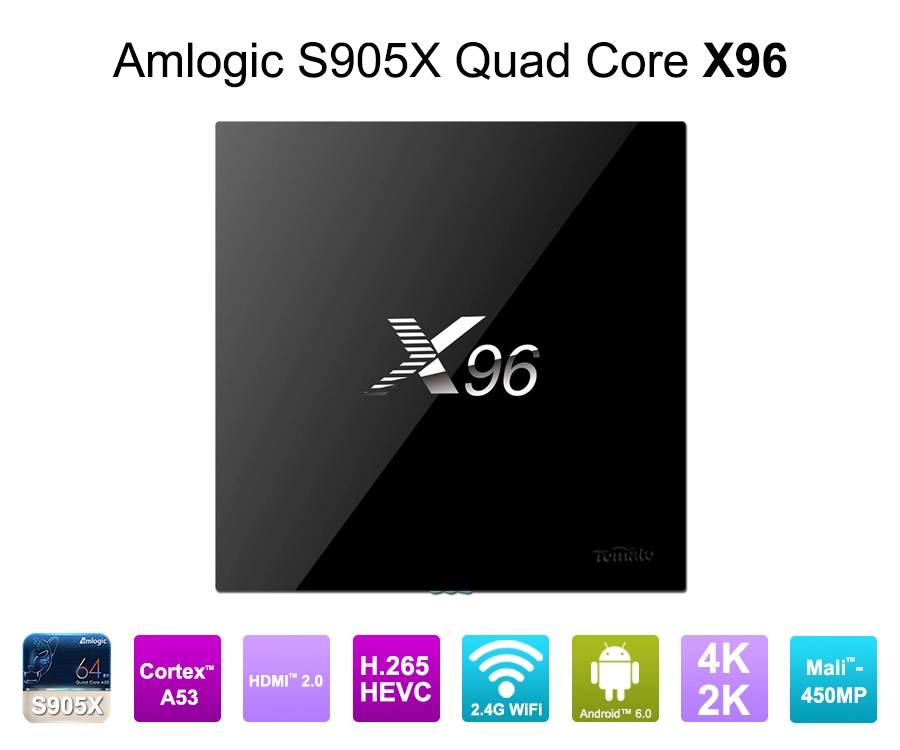
Architecting a commercial Streaming Media Player requires the Android Open Source Project (AOSP) framework. Utilizing AOSP grants factory engineers root-level access to compile custom firmware. This baseline modification allows distributors to:
-
Bypass standard setup wizard UI to immediately boot proprietary commercial IPTV applications.
-
Aggregate disparate M3U playlists and IP video streams into a single, white-labeled EPG.
-
Strip out consumer bloatware to allocate maximum eMMC storage and RAM to background caching and UI rendering.
Silicon Selection and Widevine L1 Integration
"Free" does not mean unencrypted. Premium FAST networks and high-definition local syndicators often wrap their IP streams in rigorous digital rights management (DRM) protocols to protect ad-insertion metrics. A generic media player lacking a hardware-level Trusted Execution Environment (TEE) will fail to decode these streams, resulting in black screens or automatic downgrades to 480p resolution.
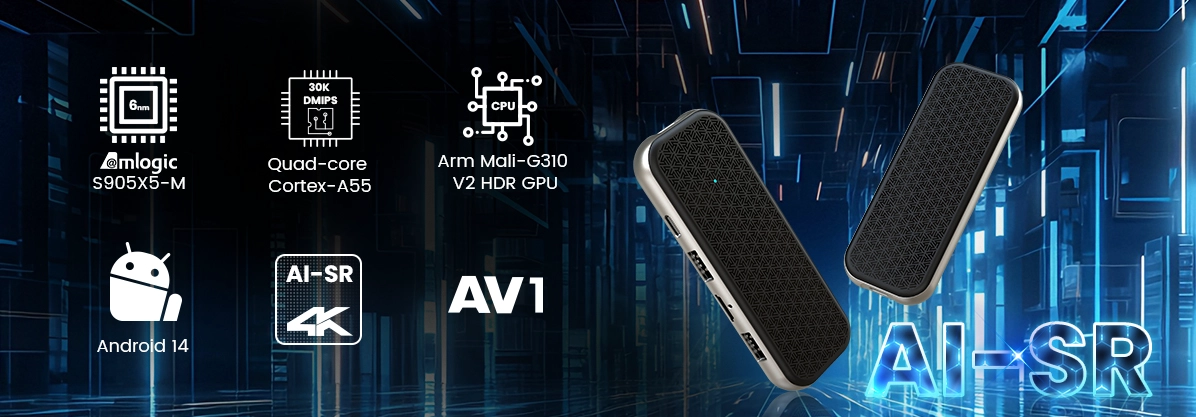
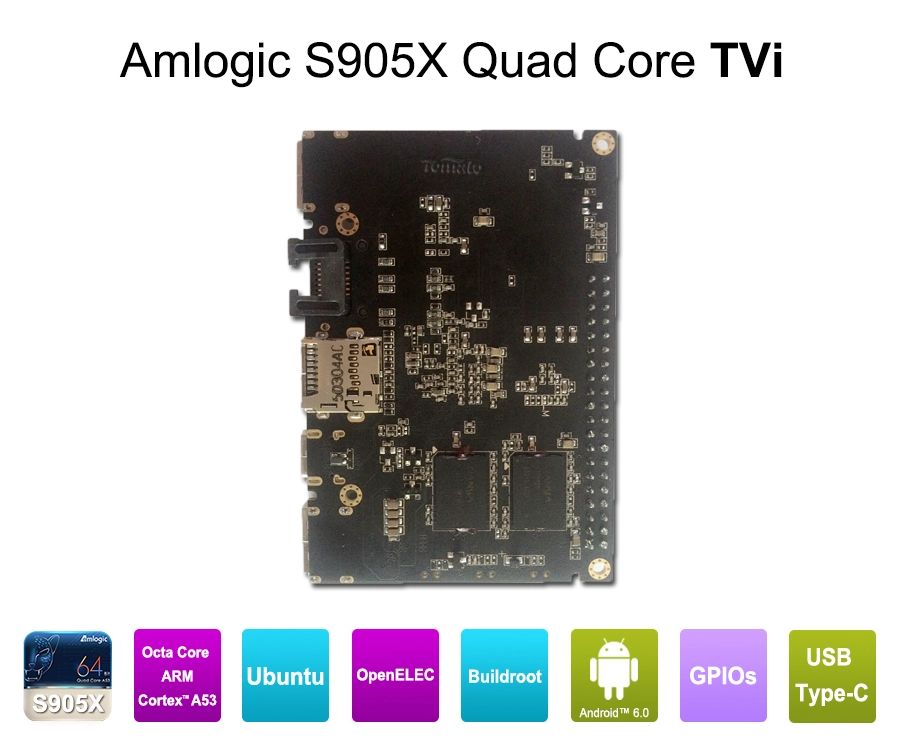
Commercial hardware requires precise System on Chip (SoC) selection during the design phase. Specifying silicon like the Amlogic S905X4 delivers native AV1 decoding, drastically reducing the bandwidth overhead required for distributing HD linear feeds across a congested hotel network. Crucially, partnering with an established OEM allows integrators to flash Google Widevine L1 and Microsoft PlayReady DRM keys directly onto the PCBA at the factory, ensuring seamless decryption of syndicated ad-supported channels.
The Hybrid PCBA Approach: Merging RF with IP
Relying entirely on local area networks for channel delivery creates unnecessary bottlenecks. In regions with robust local broadcast infrastructure, the most efficient method for acquiring free channels involves intercepting uncompressed Radio Frequency (RF) signals.
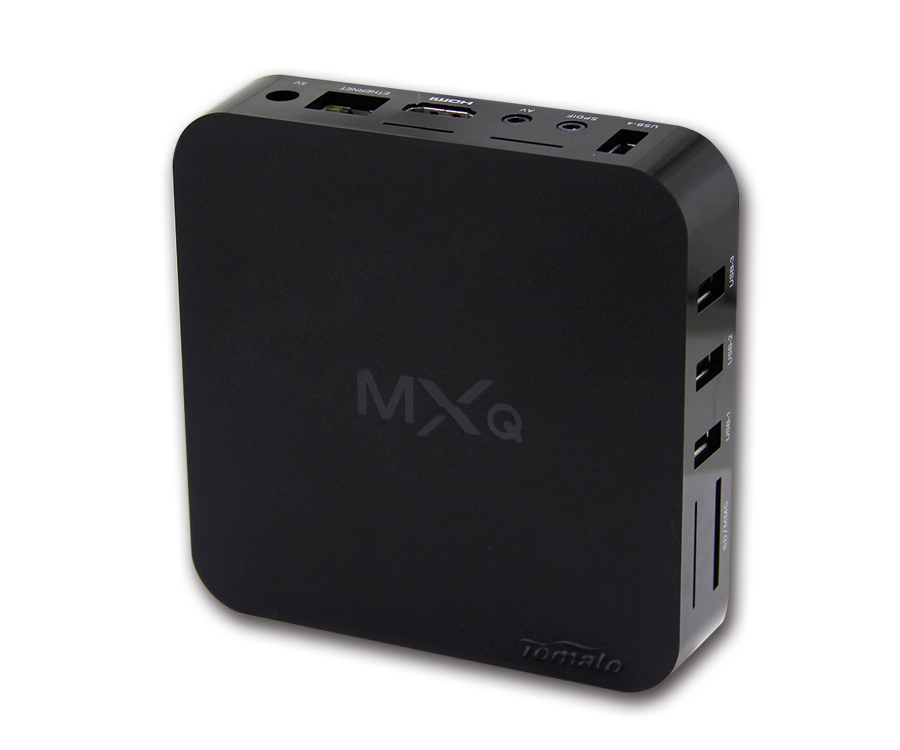
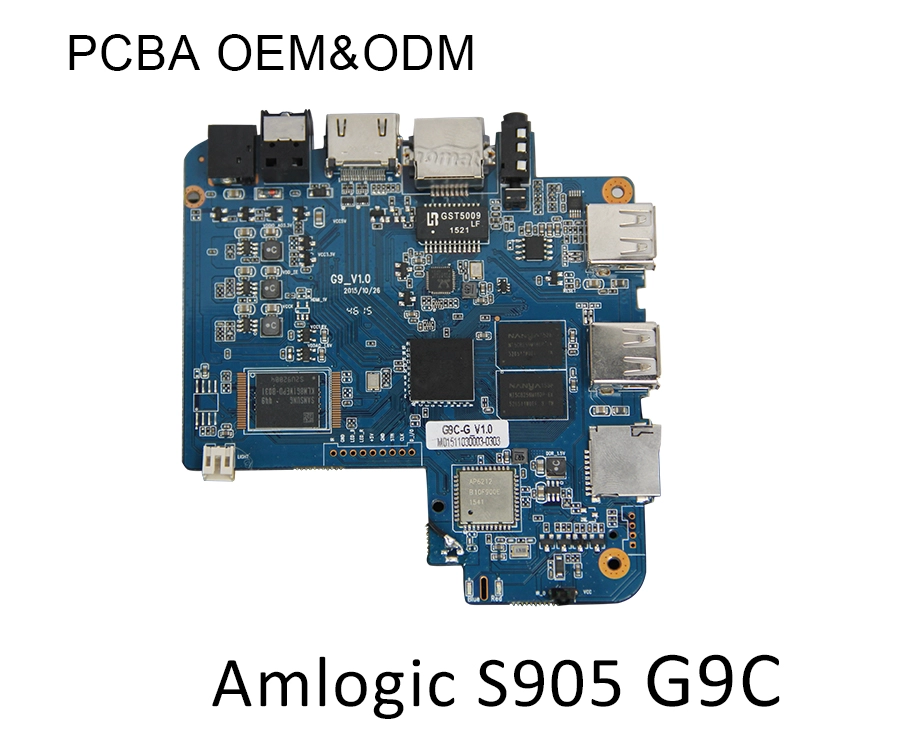
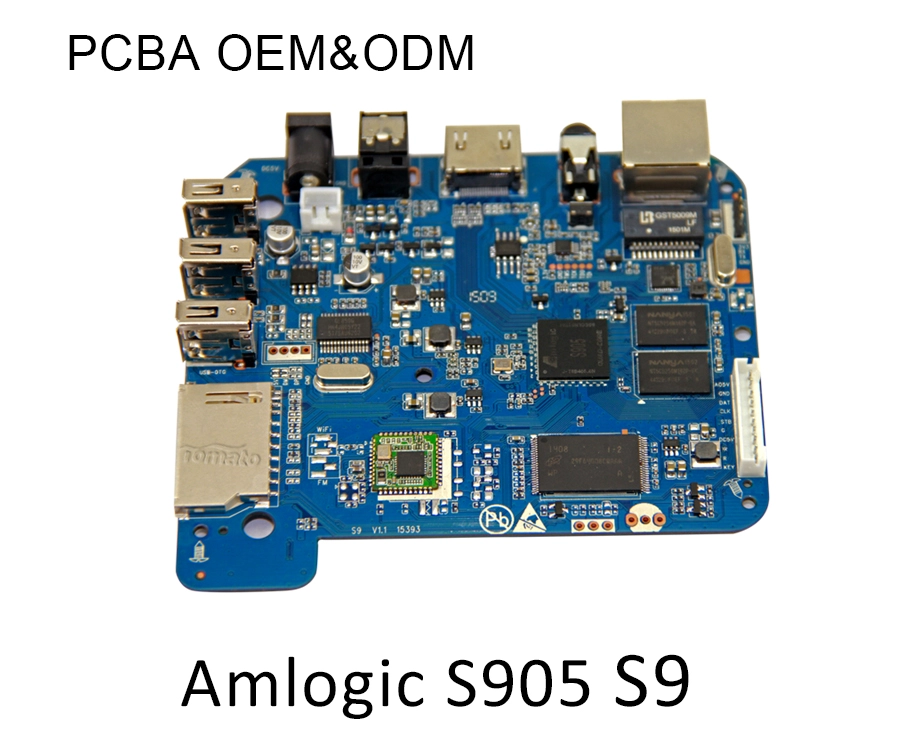
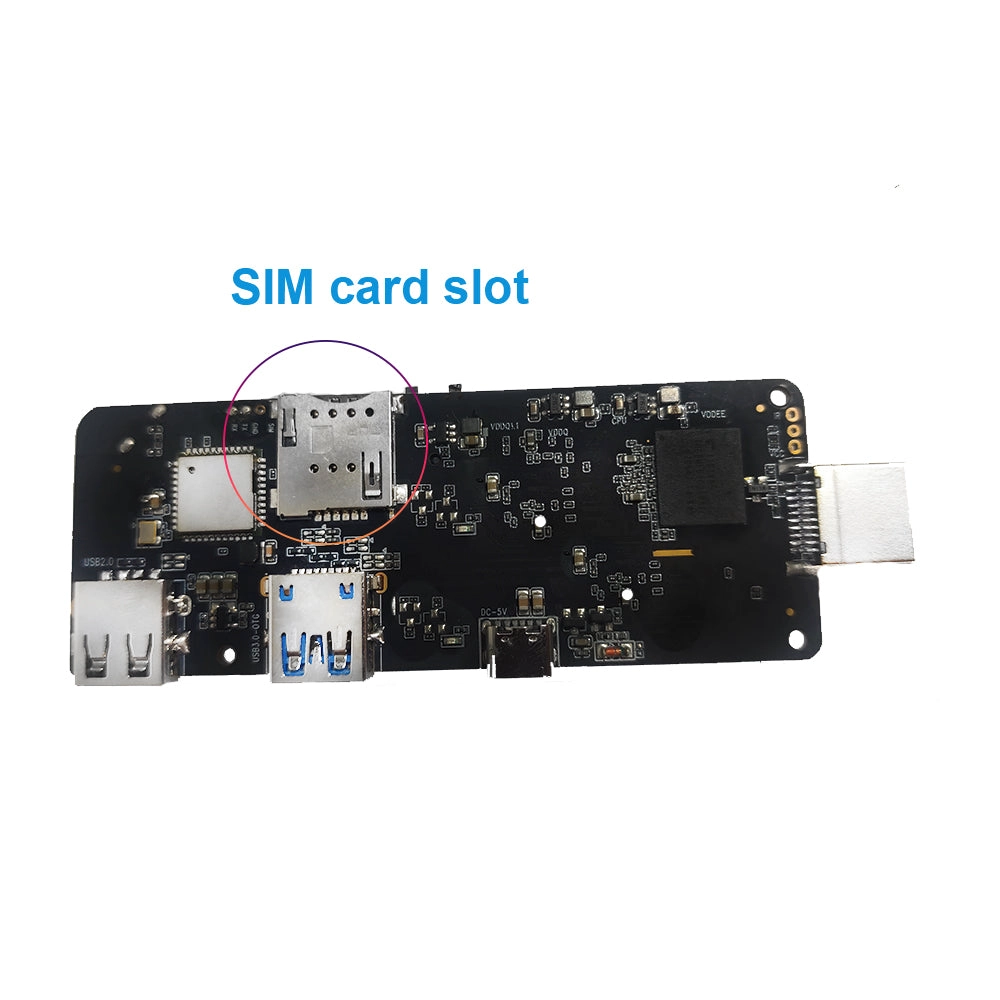
A custom-engineered Streaming Media Player solves this by utilizing a hybrid PCBA layout. Hardware engineers can modify the motherboard design to include discrete DVB-T2, DVB-S2, or ATSC 3.0 tuners alongside standard Ethernet and Wi-Fi modules. This physical integration allows operators to pull local, free-to-air broadcasts out of the air via coaxial input, completely bypassing the local IP network. The custom firmware then multiplexes these zero-bandwidth RF channels directly into the same EPG housing the cloud-based FAST streams, creating a unified user experience.
Architect Your Delivery Hardware
Scaling a commercial video network requires hardware engineered to your exact topology, free from consumer-market compromises. Do not let retail walled gardens dictate your content delivery strategy.
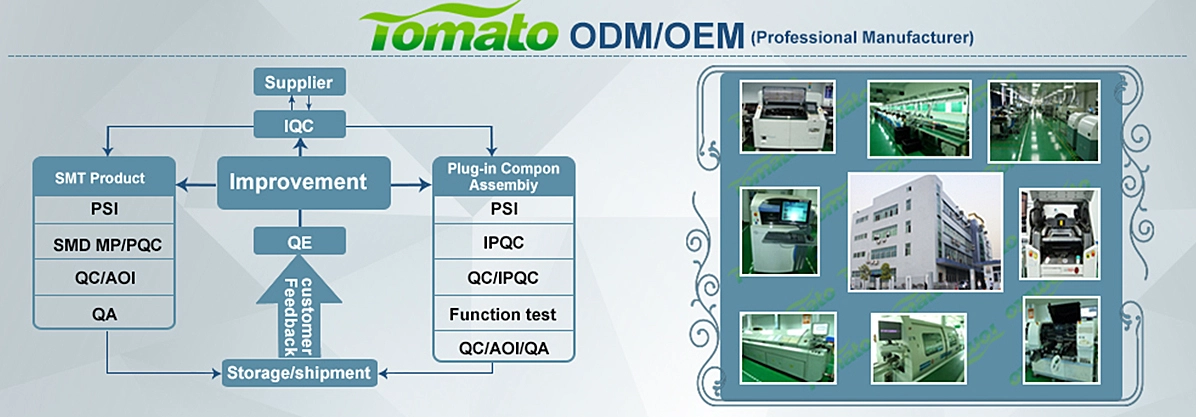
For 16 years, SZTomato has provided system integrators with root-level AOSP firmware, bespoke PCBA layouts, and hybrid tuner integrations. [Contact the engineering team at SZTomato] to prototype a custom Streaming Media Player optimized for your precise channel aggregation requirements.
