


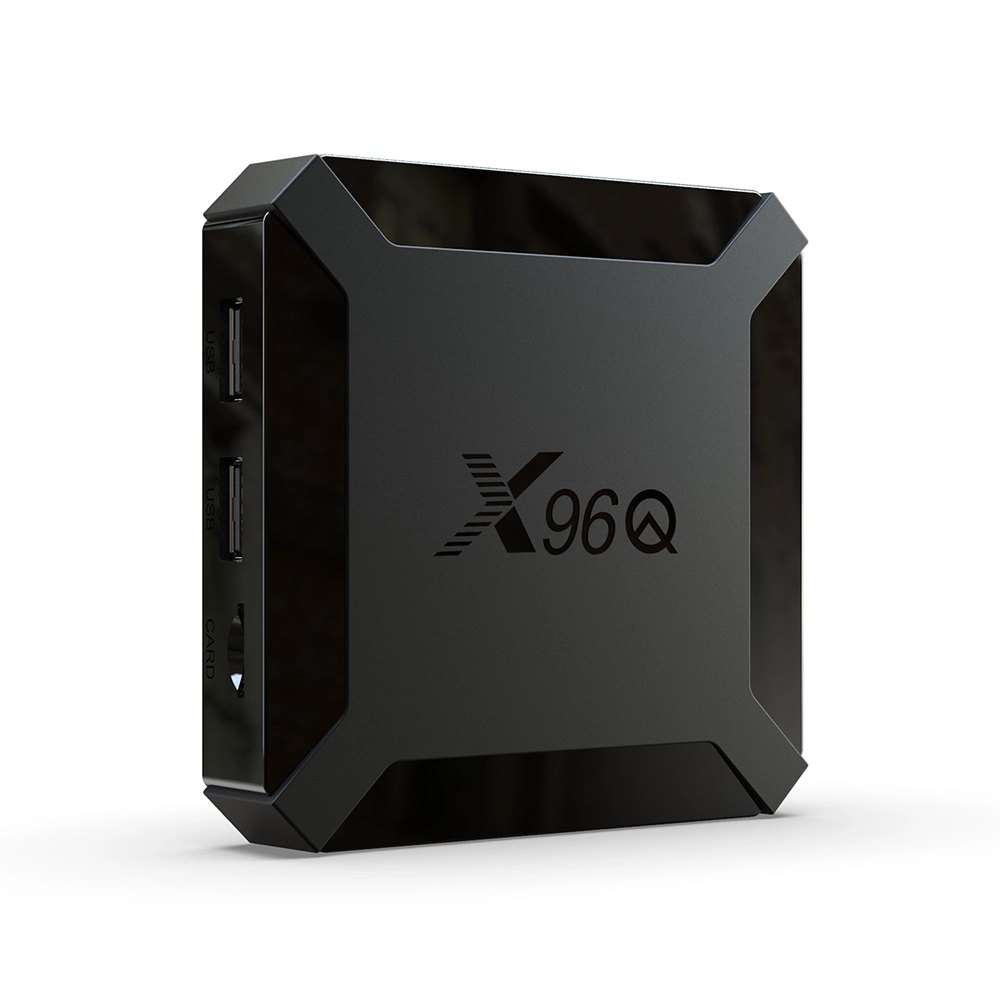
What is the Android TV box that gets all the channels?
Engineering the "All-Channel" Android TV Box: A B2B Blueprint for IPTV Integrators
Deploying a unified channel architecture across commercial networks—whether for hospitality IPTV or tier-2 ISP syndication—exposes a critical flaw in retail consumer hardware. Integrators attempting to aggregate diverse OTT, multicast, and VOD streams onto a single device frequently encounter DRM restrictions and middleware incompatibilities. The consumer query regarding "which box gets all the channels" translates in the B2B sector to a complex engineering matrix: integrating silicon, conditional access systems, and custom firmware to create a frictionless, unified endpoint capable of processing disparate media protocols.
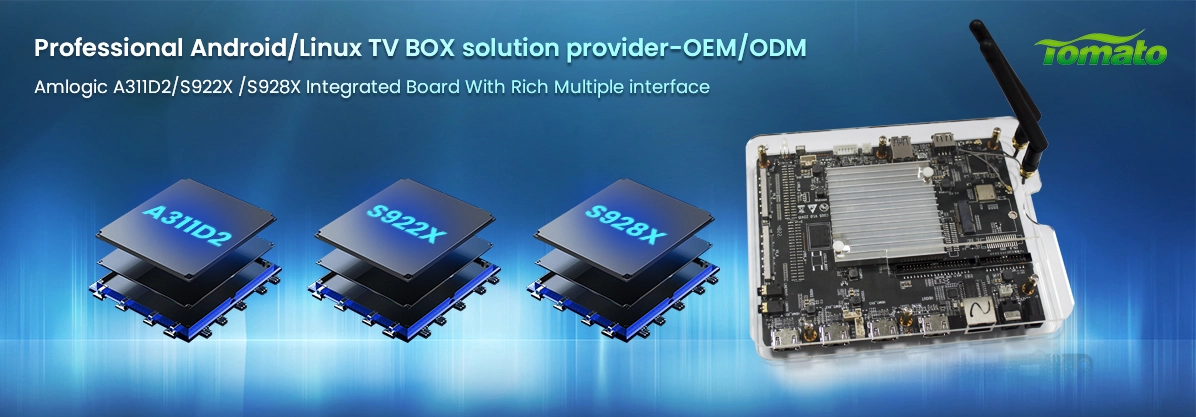
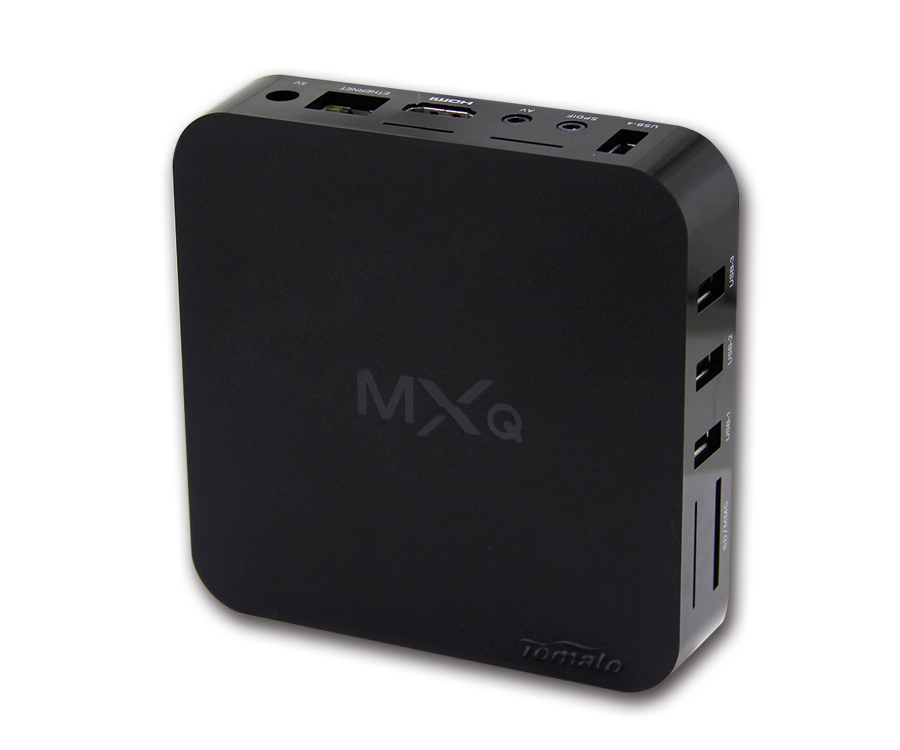
To architect an Android TV Box capable of comprehensive channel delivery, system operators must move beyond retail specifications and focus on OEM hardware customization and firmware-level engineering.
Decoupling Middleware from Hardware Constraints
To process streams from multiple headends (e.g., Stalker portals, proprietary M3U frameworks, and native Android APKs), the operating system cannot exist within a walled garden. Retail boxes force operators to adapt their middleware to rigid hardware UI constraints, often resulting in fragmented channel guides and high latency during stream switching.
Deploying an OEM Android TV Box utilizing the Android Open Source Project (AOSP) resolves this friction. By utilizing an open framework, factory engineers can compile custom firmware that grants root access. This allows integrators to:
-
Pre-install specific IPTV player applications at the system level.
-
Configure the device to launch proprietary commercial middleware natively on boot (Kiosk Mode).
-
Bypass standard launcher limitations to unify diverse stream sources into a single, seamless Electronic Program Guide (EPG).
Silicon Selection and Hardware-Based DRM Compliance
Securing premium HD and 4K linear channels from tier-1 syndicators mandates strict DRM compliance. A generic set-top box fundamentally lacks the Trusted Execution Environment (TEE) necessary for advanced cryptography. Without it, high-value channel feeds are automatically downgraded to standard definition or blocked entirely.
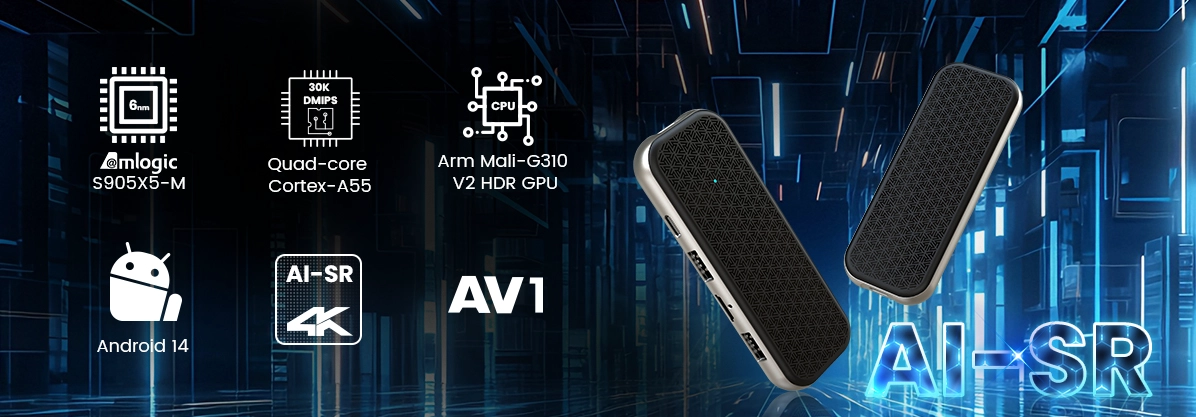
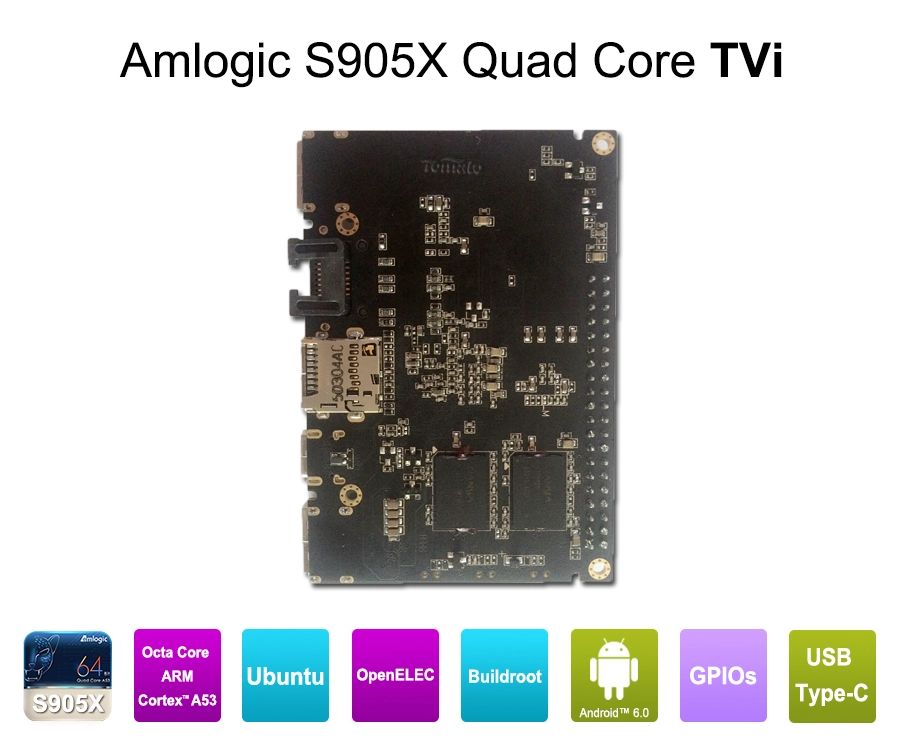
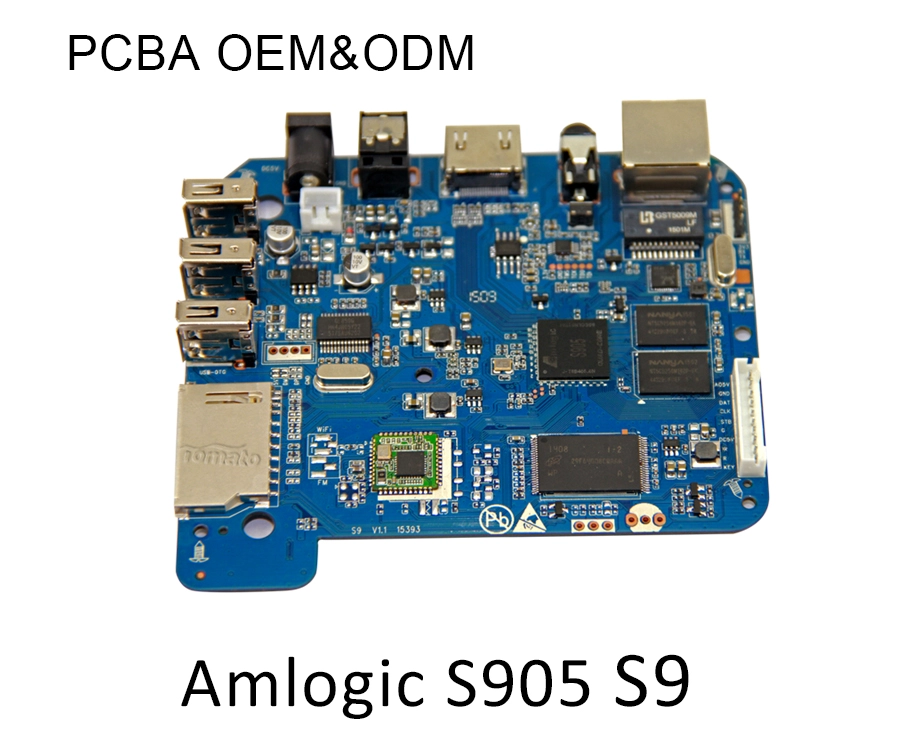
Building an "all-channel" solution requires selecting the correct System on Chip (SoC) during the PCBA design phase. Specifying silicon like the Amlogic S905X4 provides hardware-level AV1 decoding, which reduces bandwidth overhead for high-density 4K streams by up to 30% compared to HEVC/H.265. More importantly, partnering with an established OEM allows for the injection of Google Widevine L1 and Microsoft PlayReady keys directly onto the motherboard at the factory level, ensuring seamless playback of encrypted multicast feeds.
Hybrid PCBA Architecture: Merging DVB with IP
In regions where terrestrial or satellite infrastructure remains dominant, relying purely on an IP protocol is highly inefficient. The definitive "all-channel" hardware solution requires a hybrid PCBA architecture.
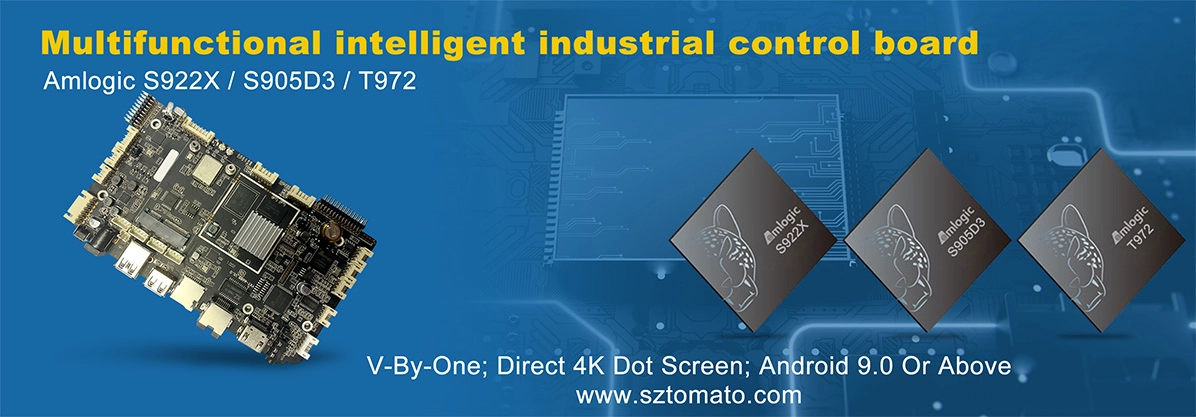
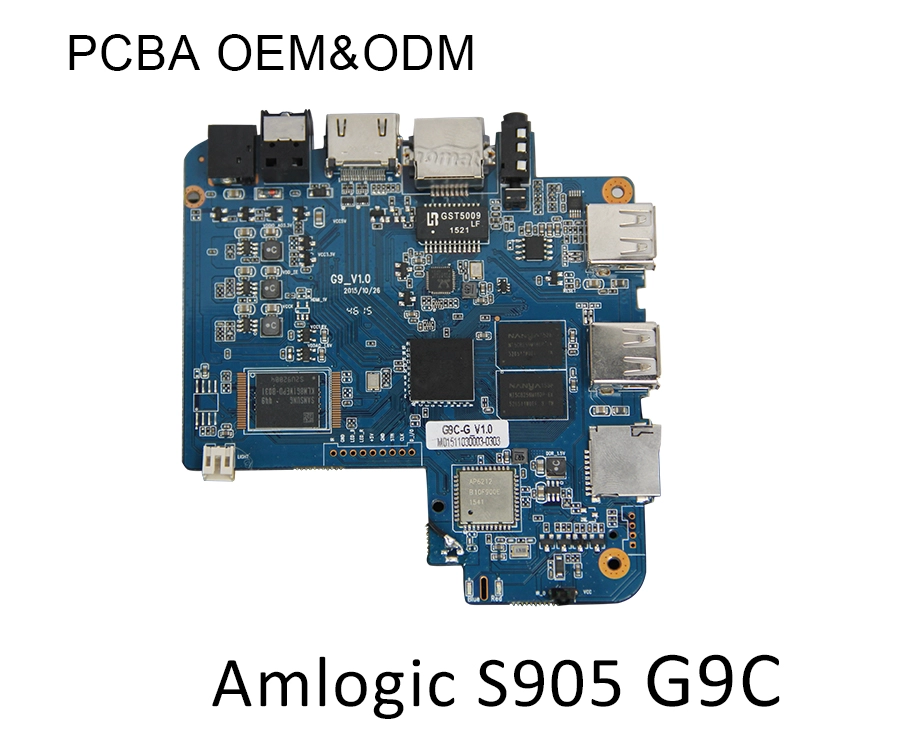
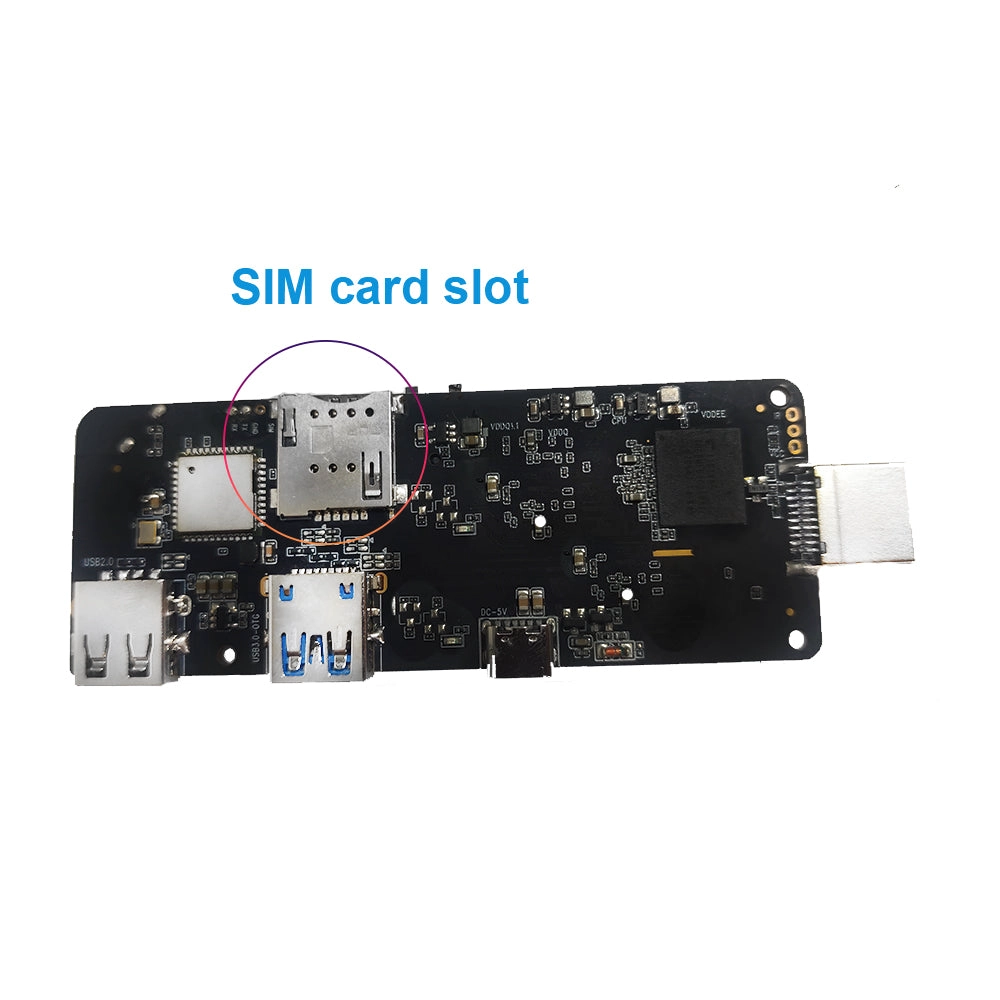
By engineering a custom motherboard, manufacturers can integrate standard Ethernet and Wi-Fi modules alongside discrete DVB-T2, DVB-S2, or ISDB-T tuners. This hardware-level multiplexing allows operators to blend local free-to-air RF broadcasts with encrypted IP streams. This dual-protocol approach mitigates IP bandwidth consumption on local ISP networks while delivering a comprehensive, uninterrupted channel lineup to the end-user.
Architect Your Deployment Strategy
Scaling an IPTV deployment demands hardware built to specific network topologies, not retail compromises. Relying on consumer-grade streaming sticks introduces unacceptable variables in network stability and content delivery.
For bespoke PCBA design, hybrid tuner integration, and Widevine L1 certified Android TV Box manufacturing, hardware architecture must be engineered from the ground up. Contact our OEM/ODM engineering team today to prototype a custom set-top box solution designed specifically for your commercial distribution network.
