Google TV Box OEM Customization Guide
Google TV Box OEM Customization: Navigating Certification and Hardware Specification
The shift from standard Android Open Source Project (AOSP) builds to certified Google TV (GTVS) environments has created a significant technical barrier for B2B integrators. While AOSP offers unrestricted firmware-level control, it lacks the Widevine L1 DRM and HDCP 2.2/2.3 certifications required for high-definition premium content delivery. For operators launching IPTV or OTT services in 2026, the objective is to secure a Google TV Box that supports official Google Play Services while retaining enough OEM flexibility to preserve brand equity through custom operator tiers.
Achieving this balance requires a deep understanding of the silicon-to-software pipeline and the specific certification mandates imposed by Google.
Hardware Foundations: Chipset Selection and DRM Integration
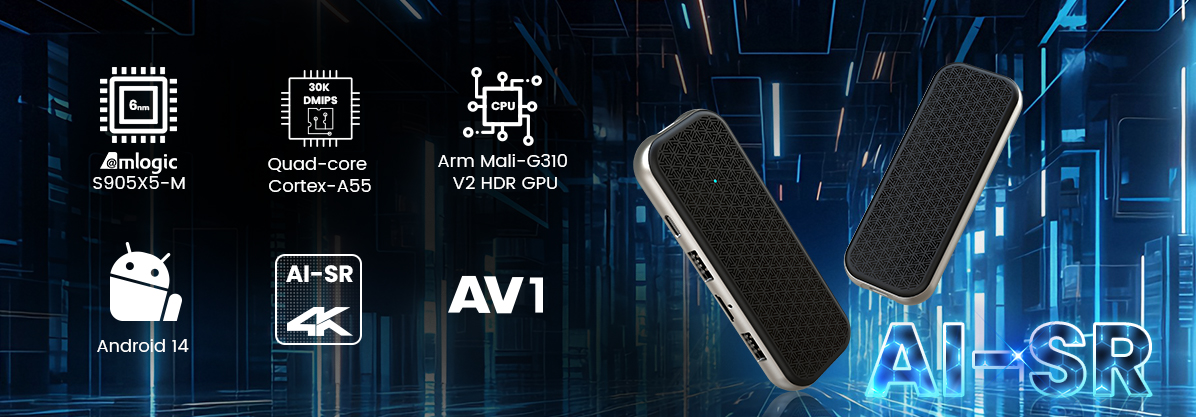
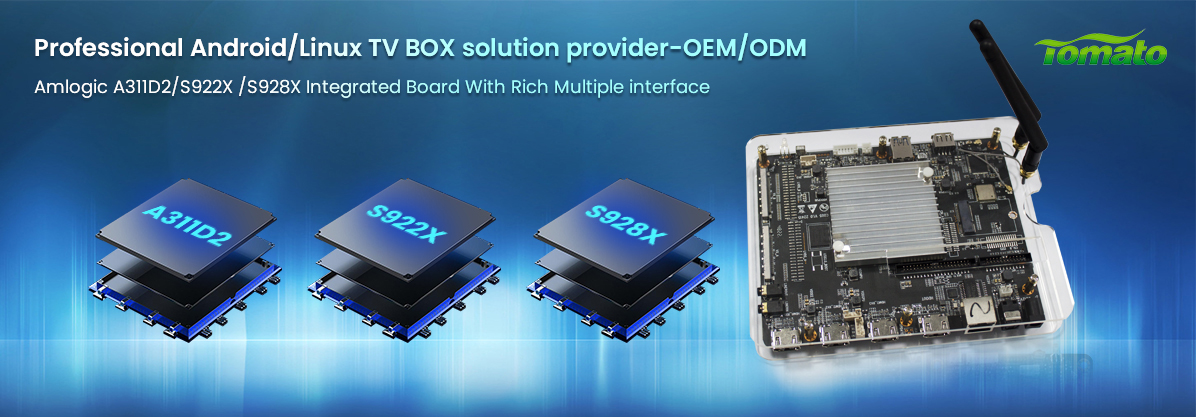
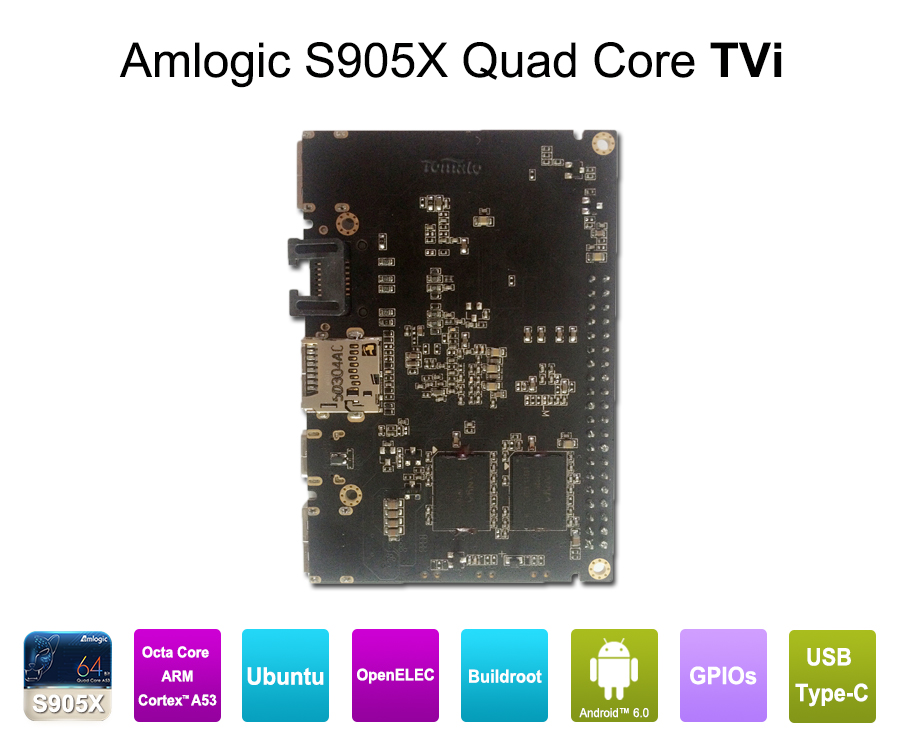
The hardware architecture of a certified Google TV Box is not negotiable. Google mandates specific silicon performance tiers to ensure a fluid UI/UX. Currently, the industry standard for mid-to-high-end deployments centers on the Amlogic S905X4 or S928X-J chipsets. These SoCs provide the necessary hardware-based TEE (Trusted Execution Environment) required to house Widevine L1 keys.
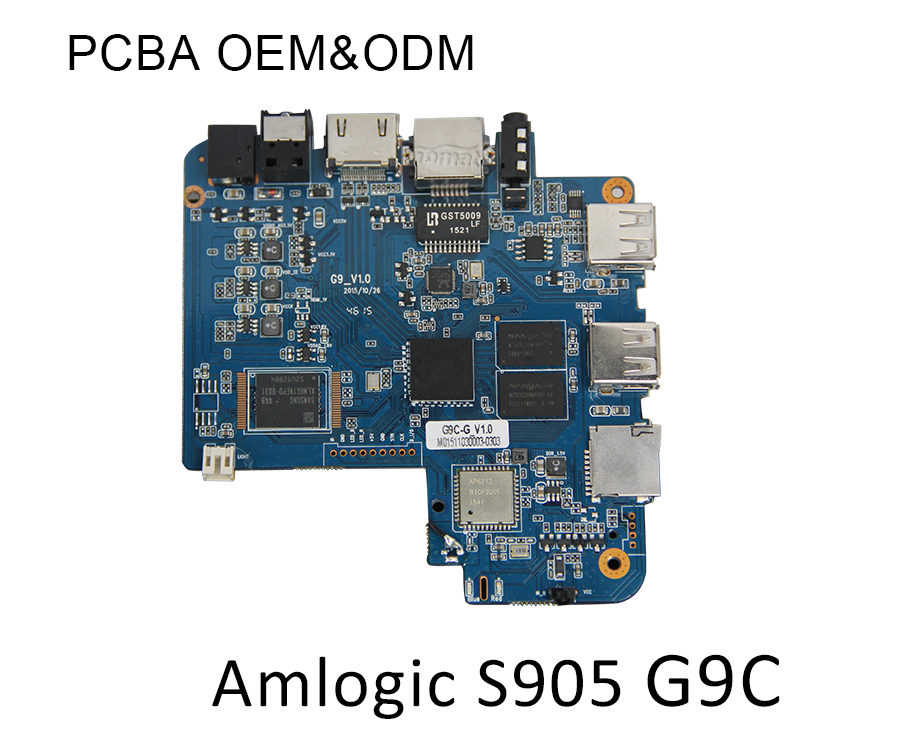
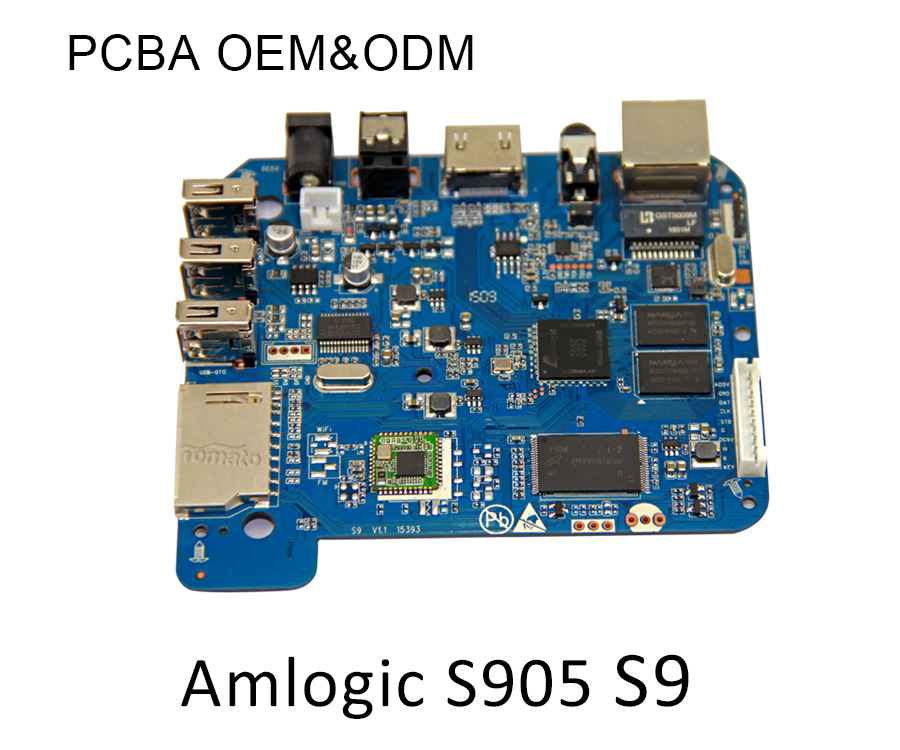
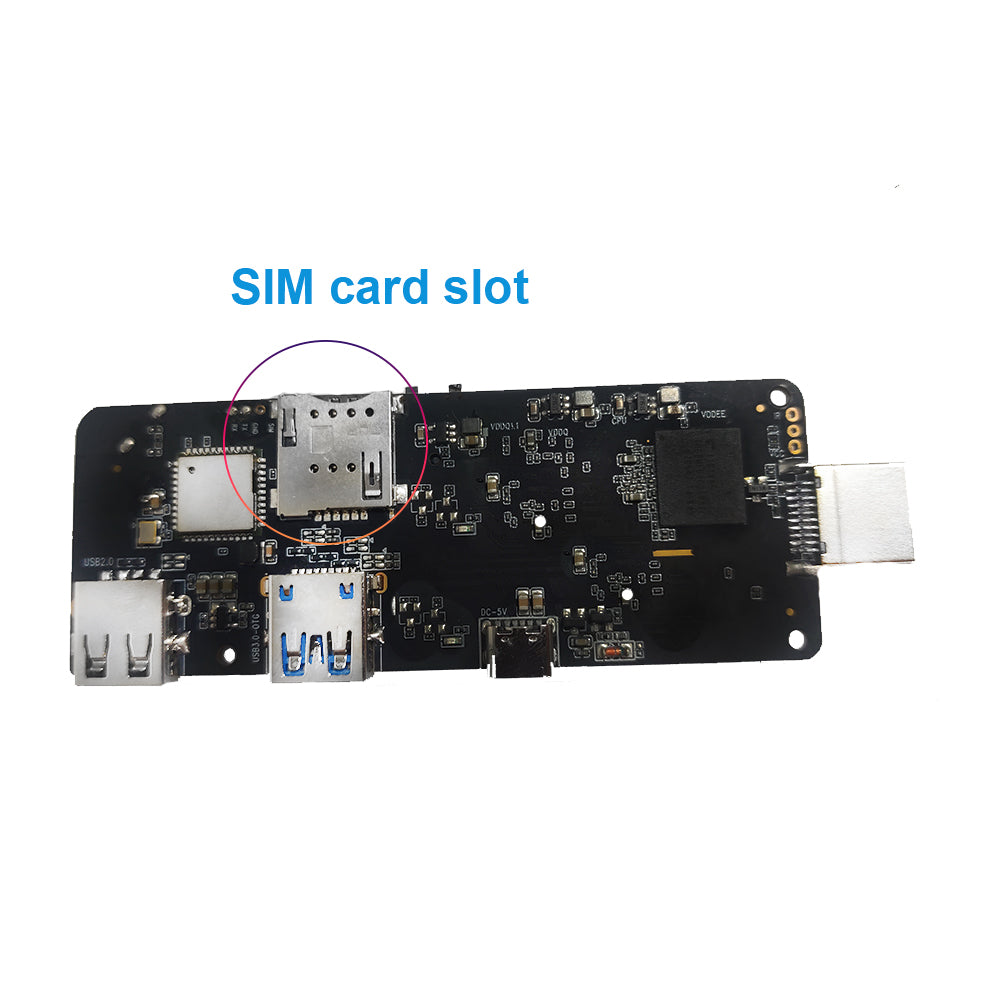
During the PCBA design phase, OEM customization must account for:
-
Dedicated NPU/GPU Allocation: Ensuring sufficient headroom for AV1 hardware decoding, which reduces bandwidth overhead by 30% compared to H.265.
-
Storage Specifications: Implementing high-cycle eMMC 5.1 or UFS storage to handle the frequent read/write operations of the Google TV metadata-heavy interface.
-
Remote Control Mapping: Customizing Bluetooth Low Energy (BLE) remotes to include dedicated branding or hotkeys for proprietary operator apps, while maintaining compliance with Google’s mandatory Voice Assistant and Home button placement.
Firmware Customization via the Operator Tier Launcher
One of the primary reasons a B2B client seeks an OEM Google TV Box is to replace the standard consumer-centric "For You" home screen with a custom Operator Tier Launcher. This is a privileged application that sits atop the Android TV OS, allowing the operator to prioritize their own VOD (Video on Demand) content and live TV channels.
Technical execution of an Operator Tier involves:
-
Privileged Extension Integration: Embedding the launcher into the system image during the ROM build to prevent user-initiated uninstallation.
-
Custom Boot Animation: Modifying the bootloader to display corporate branding before the Android kernel initializes.
-
Deep Linking: Engineering the UI to support deep links into the Google Play Store or third-party streaming apps, ensuring a unified search experience across the operator's library and global streaming services.
The Certification Workflow: Netflix ESN and Google Play Protection
The most complex phase of Google TV Box ODM production is the certification tail. A "Google TV Box" is only commercially viable if it passes the CTS (Compatibility Test Suite), VTS (Vendor Test Suite), and GTS (Google Test Suite).
For high-volume deployments, the OEM must also facilitate Netflix ESN (Electronic Serial Number) white-listing. This involves a rigorous hardware-level security audit by Netflix to ensure that the HDCP and Widevine implementations are tamper-proof. Without this, the device will be restricted to standard-definition playback, regardless of the 4K-capable hardware.
By engaging in a professional OEM/ODM partnership, B2B clients bypass the individual certification hurdles, as the manufacturer manages the heavy lifting of key injection and laboratory testing required for official Google and Netflix "Hailstorm" or similar scaling programs.
Strategic Procurement: PCBA Stability and BOM Control
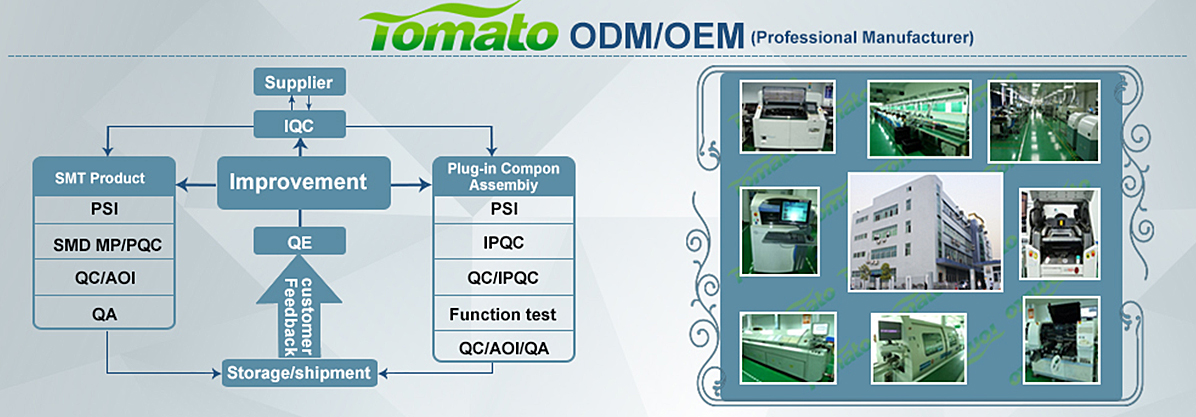
In the B2B sector, hardware longevity is as critical as software certification. Unlike retail devices that see frequent internal component swaps, an OEM-engineered Google TV Box utilizes a locked Bill of Materials (BOM). This ensures that every unit in a 10,000-unit rollout utilizes the same Wi-Fi 6E module, the same NAND flash, and the same power management IC (PMIC).
This hardware consistency is vital for maintaining firmware stability and reducing long-term maintenance costs. When a firmware patch is pushed via the OTA (Over-The-Air) server, the operator can be certain it will not trigger hardware conflicts across the fleet.
Professional Closing
The transition to a certified Google TV ecosystem requires more than just a purchase order; it requires an engineering roadmap. For operators looking to deploy branded, certified hardware that balances premium content access with proprietary UI control, the OEM/ODM pathway is the only viable strategy for 2026.
Consult with SZTomato’s Technical Architecture Team to blueprint your custom Google TV Box. From Amlogic S905X4 PCBA design to Operator Tier Launcher integration, we provide the engineering depth required to navigate the Google certification landscape successfully.