
TV Box OEM/ODM Guide
TV Box OEM/ODM Guide: Engineering Enterprise-Grade Hardware Configurations
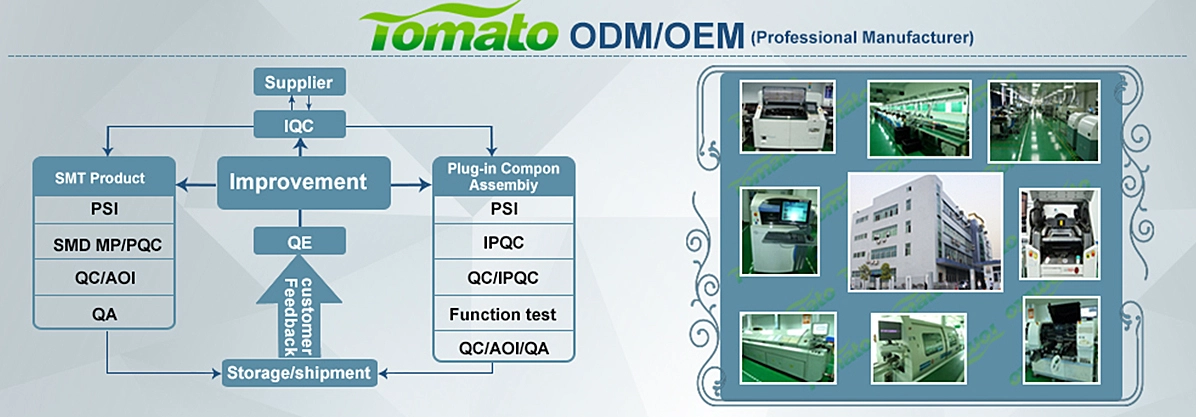
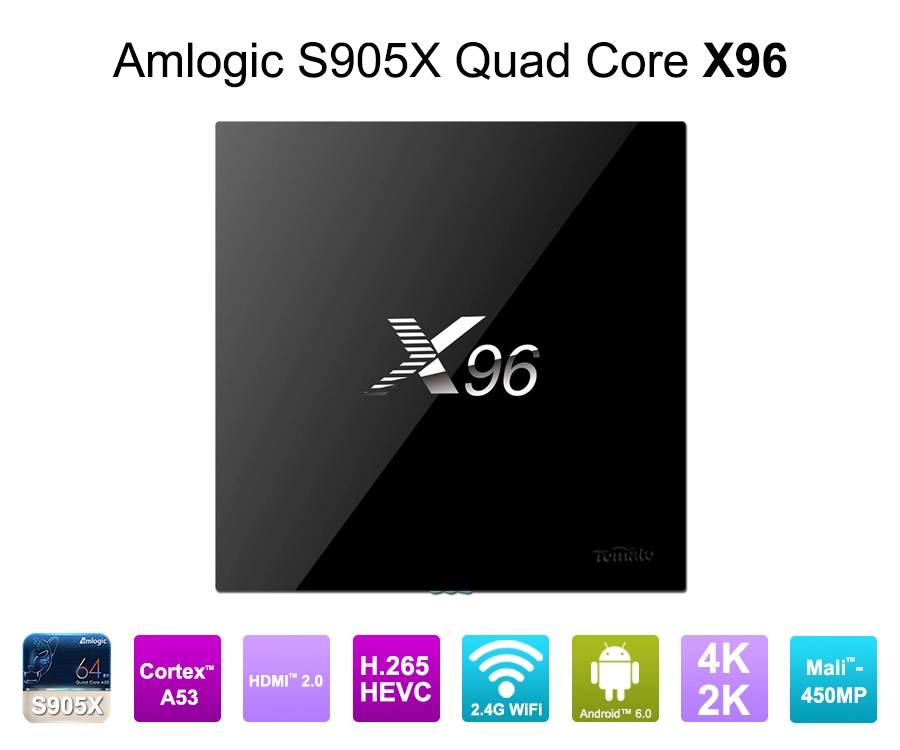
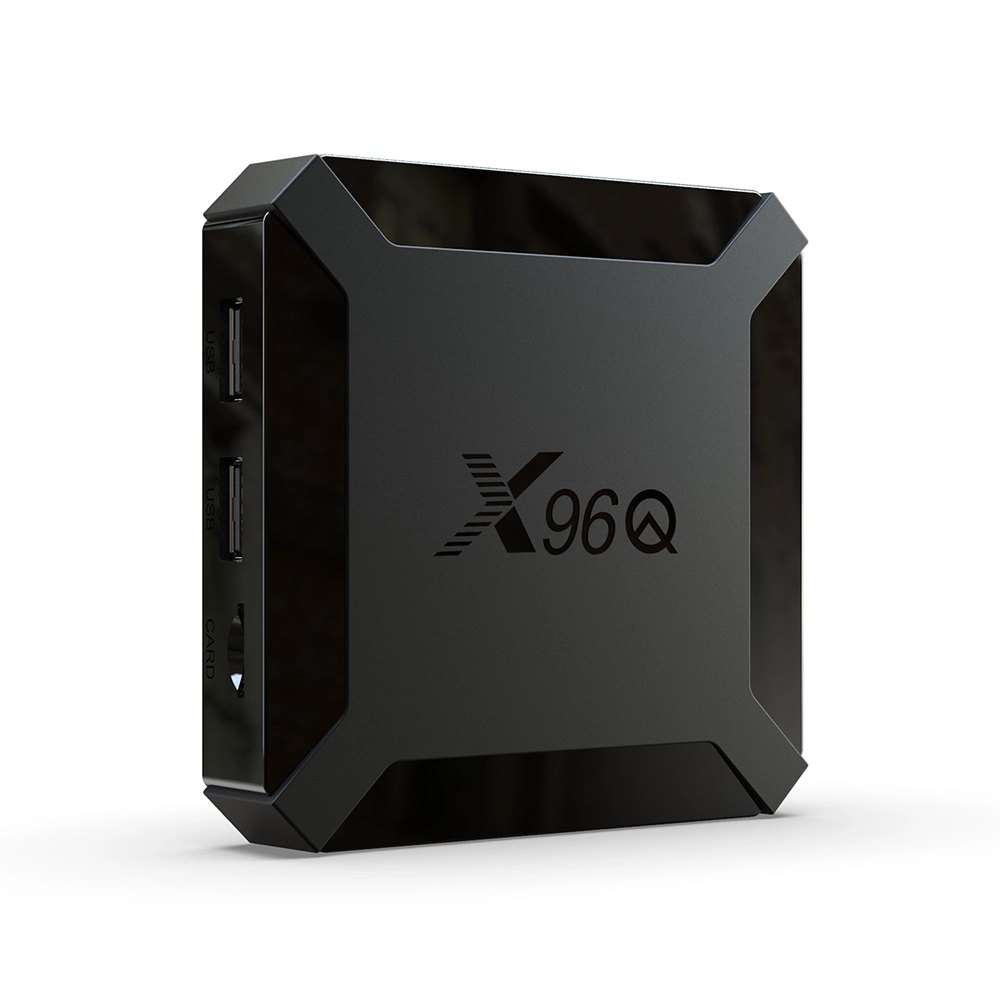
Deploying off-the-shelf consumer streaming devices in commercial environments guarantees a high failure rate. When subjected to the 24/7 continuous duty cycles required by industrial IPTV, digital signage, or smart retail networks, retail units overheat, drop network connections, and suffer from unauthorized user interference. The root cause is structural: retail hardware is engineered for intermittent home use and utilizes rigid, consumer-facing operating systems. Transitioning from generic retail sourcing to direct OEM/ODM manufacturing is a mandatory engineering step for hardware stability.
An effective enterprise TV Box requires deep customization across both the physical hardware and the firmware layers to meet strict B2B operational parameters.
PCBA Modification and Application-Specific I/O
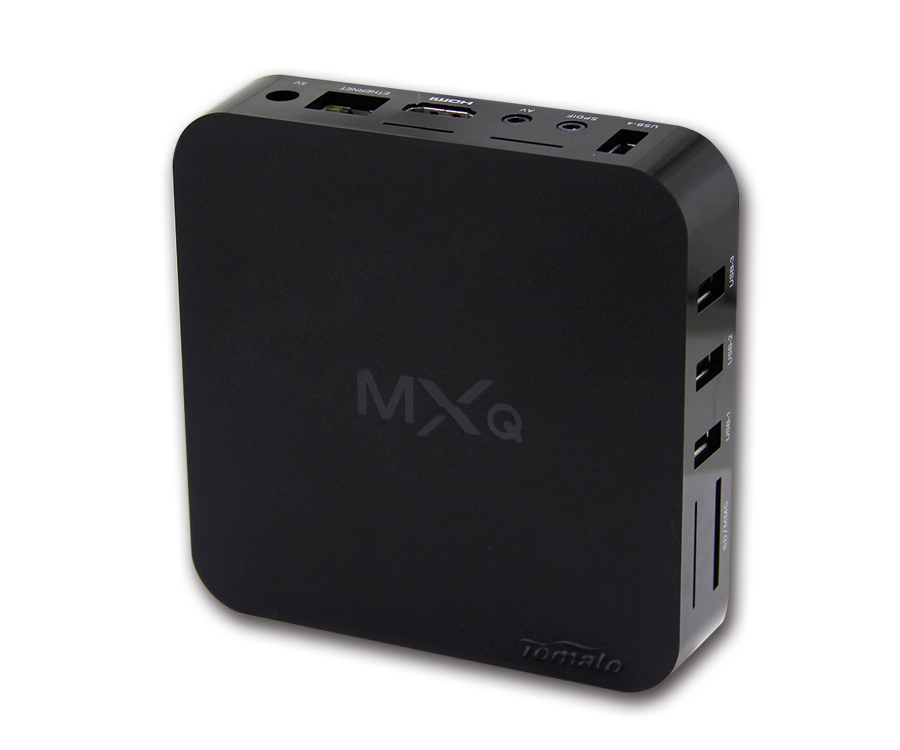
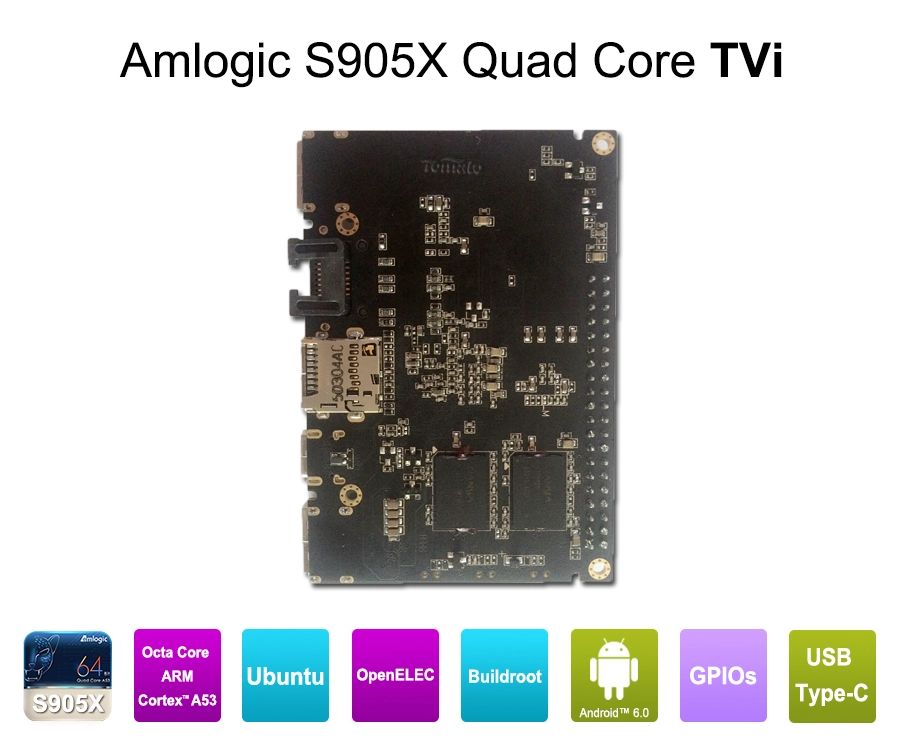
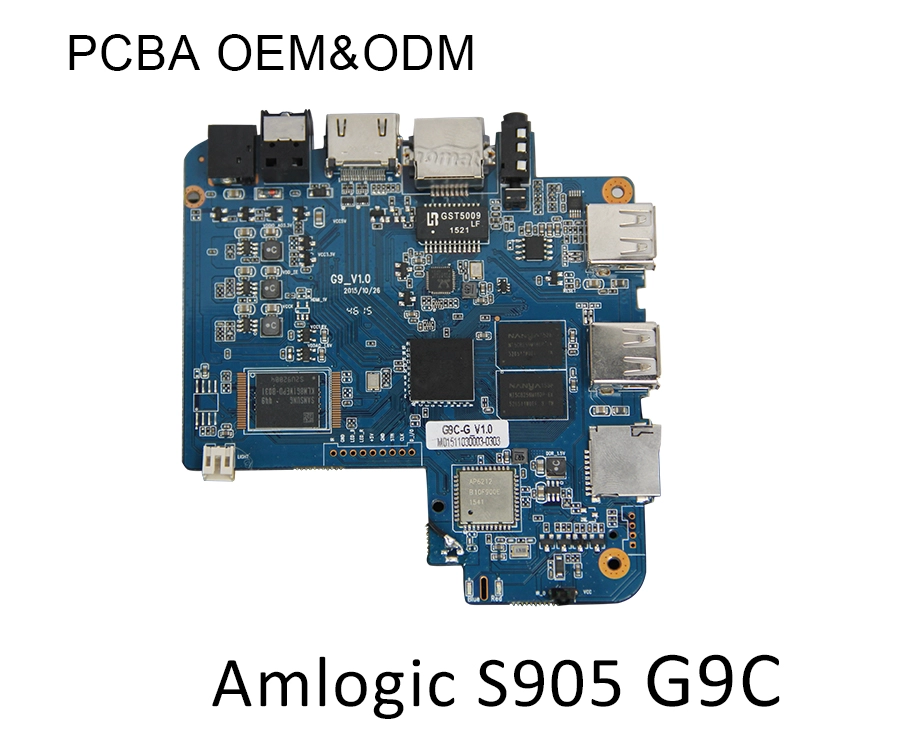
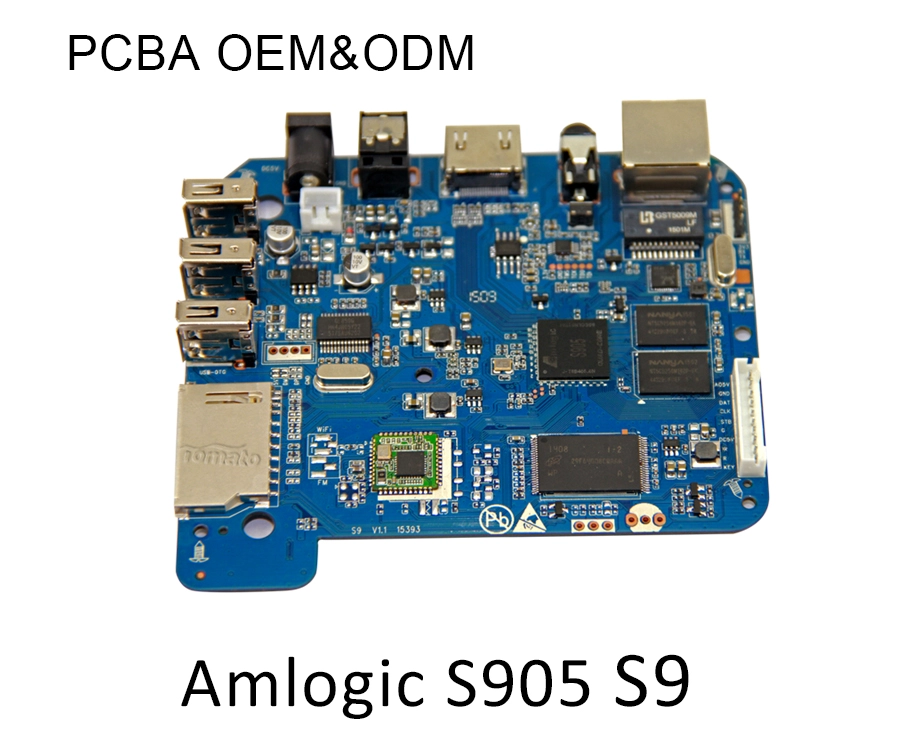
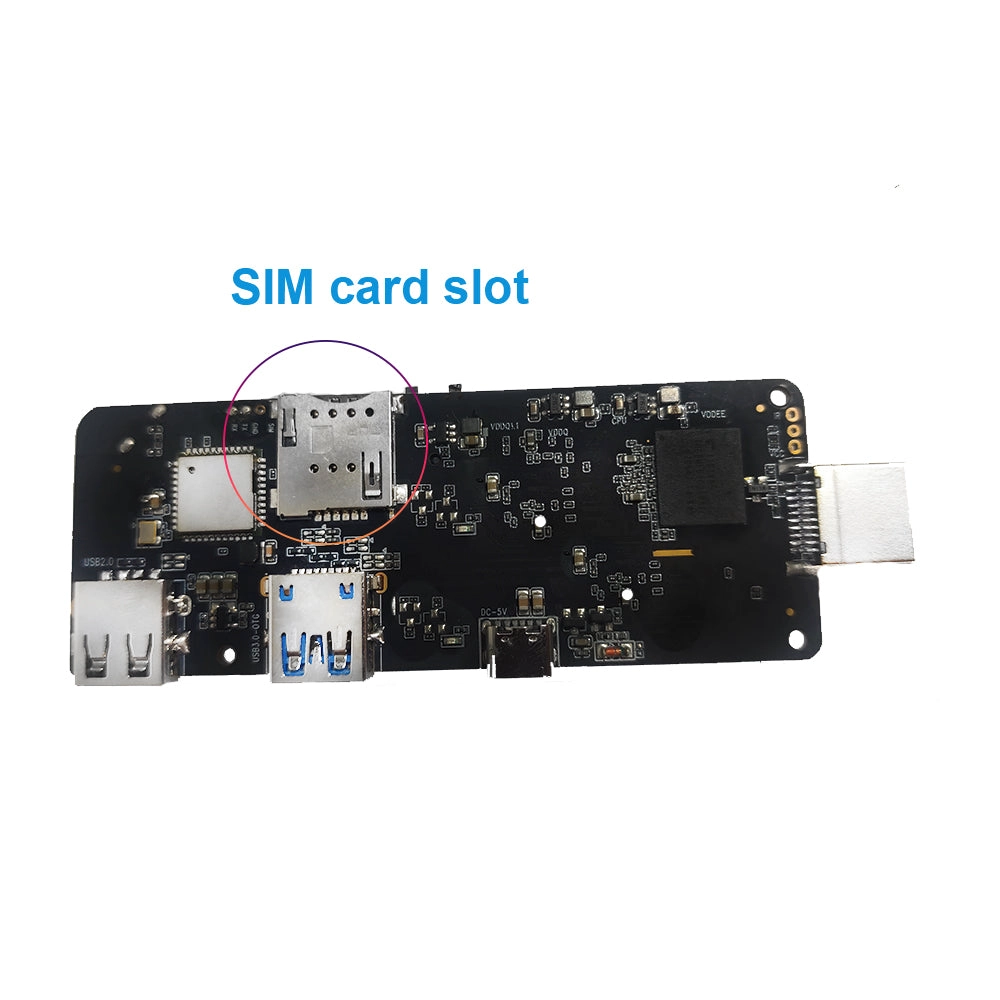
The foundation of an industrial TV Box is the Printed Circuit Board Assembly (PCBA). Consumer boards are stripped down to minimize production costs, offering only basic HDMI and standard USB ports. Commercial integrators require a completely different physical architecture.
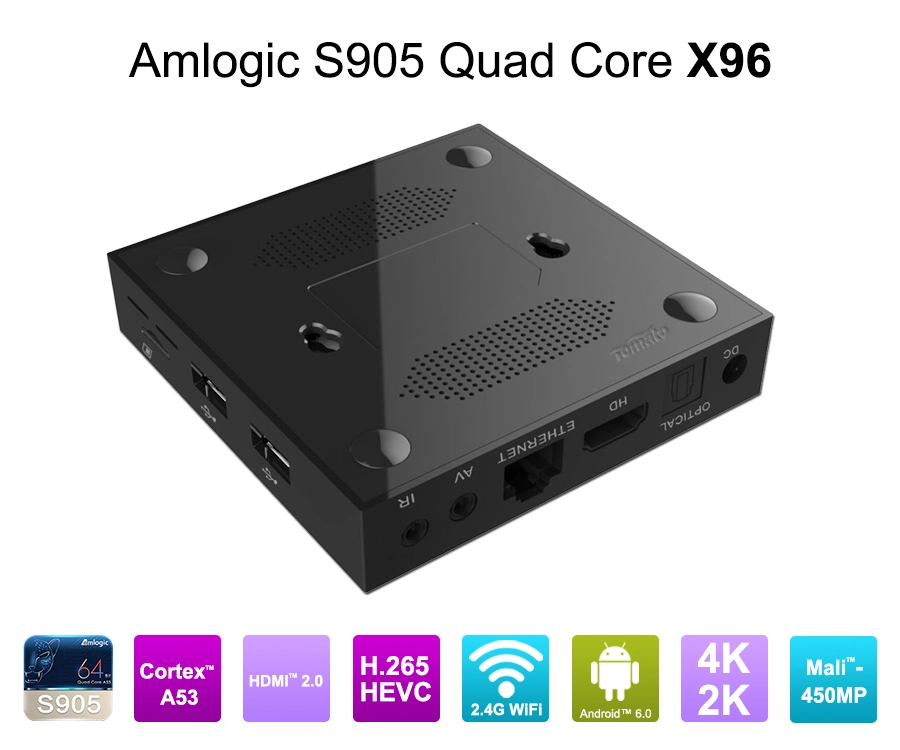
Direct ODM engagement allows integrators to specify precise I/O layouts. Depending on the deployment—such as a complex kiosk or an automated industrial display—the PCBA can be engineered to include dual Gigabit LAN for network redundancy, Power over Ethernet (PoE) to eliminate separate power supplies, and legacy industrial interfaces like RS232, RS485, or GPIO pins. By selecting the exact System on a Chip (SoC)—ranging from Amlogic configurations for standard decoding to Rockchip RK3588 processors for high-load edge computing—the hardware is matched perfectly to the localized compute requirement.
Thermal Architecture for Sustained Compute Workloads
Heat is the primary failure vector in continuous-use electronics. Consumer plastic enclosures trap heat, forcing the CPU and GPU to thermally throttle, which results in video stuttering, frame drops, and eventual hardware death.
Enterprise-grade TV Box manufacturing prioritizes thermal management. ODM engineers calculate the thermal output of the selected SoC under maximum load and design custom enclosures accordingly. This typically involves replacing plastic with extruded aluminum alloy chassis that function as massive passive heat sinks. Internally, strategic placement of thermal pads and localized heat spreaders ensures the device can maintain peak processing frequencies across a 24/7 duty cycle without degrading the silicon.
AOSP Firmware Engineering and Device Lockdown
Hardware stability is irrelevant if the User Experience (UX) is volatile. Stock Android TV OS is heavily reliant on Google Mobile Services (GMS) and is loaded with consumer bloatware that consumes vital RAM. More critically, an open OS allows end-users to change settings or exit the primary commercial application.
Firmware-level engineering is the primary advantage of the OEM route. Engineers compile custom Android Open Source Project (AOSP) ROMs tailored to the specific use case. This process includes:
-
Kiosk Mode Integration: Locking the boot sequence so the device powers directly into a proprietary application, disabling standard navigation bars and remote control "home" button escapes.
-
Bloatware Eradication: Stripping out unnecessary background services to maximize memory allocation for the primary payload.
-
OTA Update Control: Establishing private Over-The-Air (OTA) update servers, allowing network administrators to push silent firmware patches at scheduled times, bypassing the manual user prompts found in retail hardware.
Securing the Bill of Materials (BOM) Lifecycle
Consumer electronics operate on a six-month product lifecycle. When a B2B integrator certifies a hardware configuration for a major rollout, they require that exact hardware specification to remain available for three to five years. Retail manufacturers frequently change internal components (like Wi-Fi modules or NAND flash) without altering the exterior casing, which breaks custom firmware compatibility.
Partnering with an established OEM/ODM manufacturer guarantees BOM locking. Once the prototype is approved, the exact component list is secured for the duration of the deployment lifecycle, ensuring that unit 1,000 behaves exactly identically to unit 1.
Blueprint Your Hardware Infrastructure
Standardization at the consumer level fundamentally compromises enterprise stability. For integrators requiring complete authority over their hardware deployments, customized PCBA layout and deep AOSP engineering are critical paths. Consult with SZTomato’s specialized OEM/ODM engineering team to architect a TV Box solution explicitly designed for the rigorous demands of your commercial infrastructure.
