How do I convert my TV to Digital Signage?
How Do I Convert My TV to Digital Signage?
A standard TV can become a functional Digital Signage display with an external media player, but the hardware connection is the easy part. The difficult part is building a stable playback and management system that can run scheduled content, connect to a CMS, recover from network interruptions, and operate reliably for long periods.
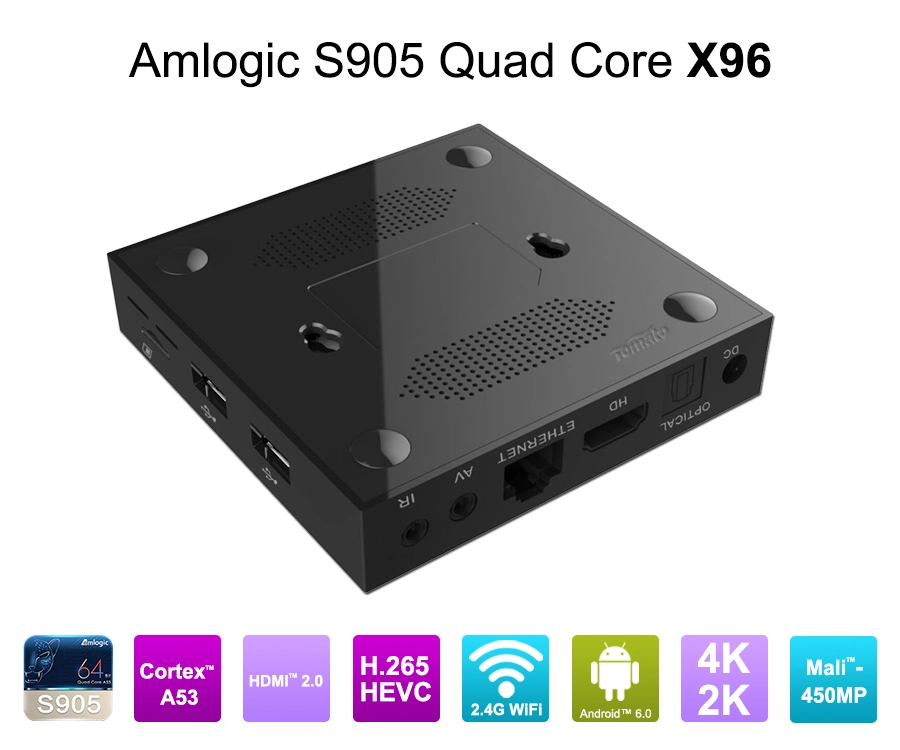
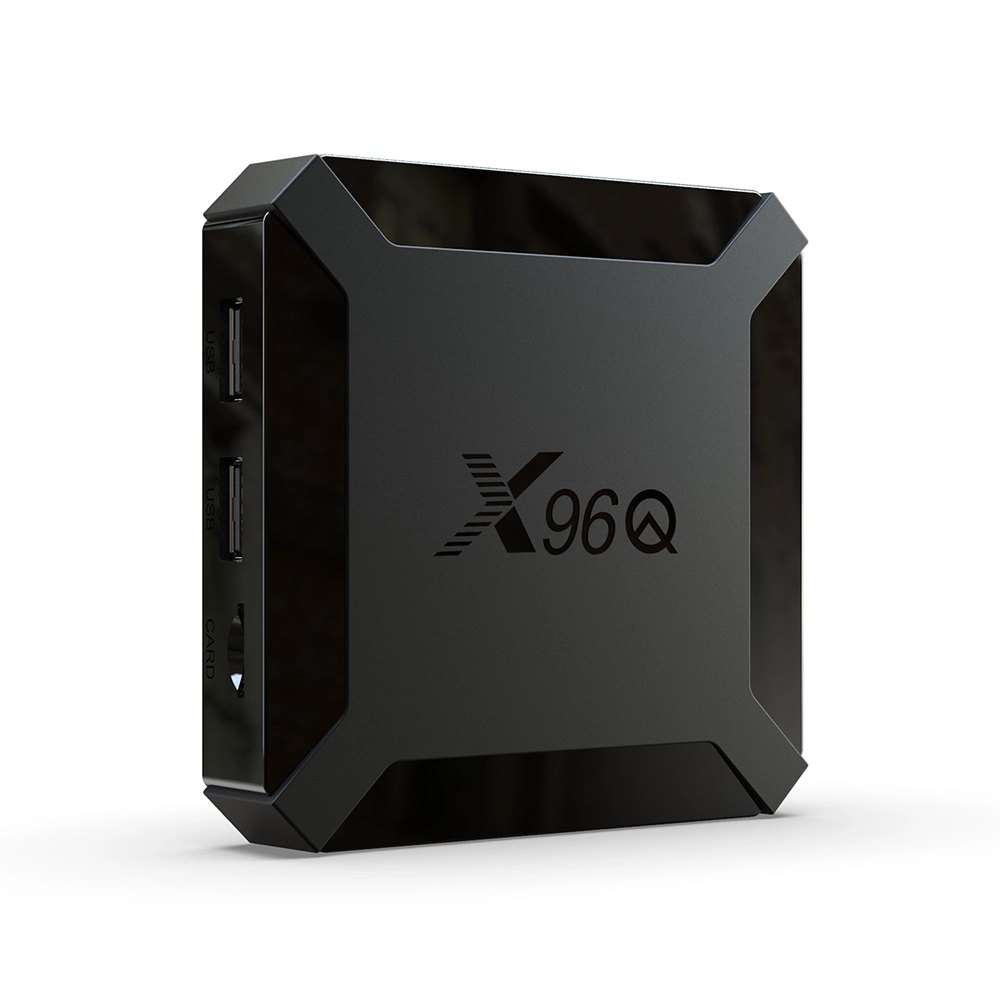
For a small installation, an Android TV Box connected through HDMI may be sufficient. For a commercial deployment, however, the media player needs to be treated as an embedded endpoint rather than a consumer streaming device. SoC performance, storage reliability, firmware control, thermal design, remote management, OTA updates, network connectivity, and display compatibility all become part of the system architecture.
What Do You Need to Turn a TV Into Digital Signage?
The basic architecture is straightforward:
TV or commercial display + Digital Signage player + Internet/network + CMS software + signage application
The TV provides the display panel. The Digital Signage player handles content playback and application logic. The CMS controls what is displayed, when it is displayed, and on which screen.
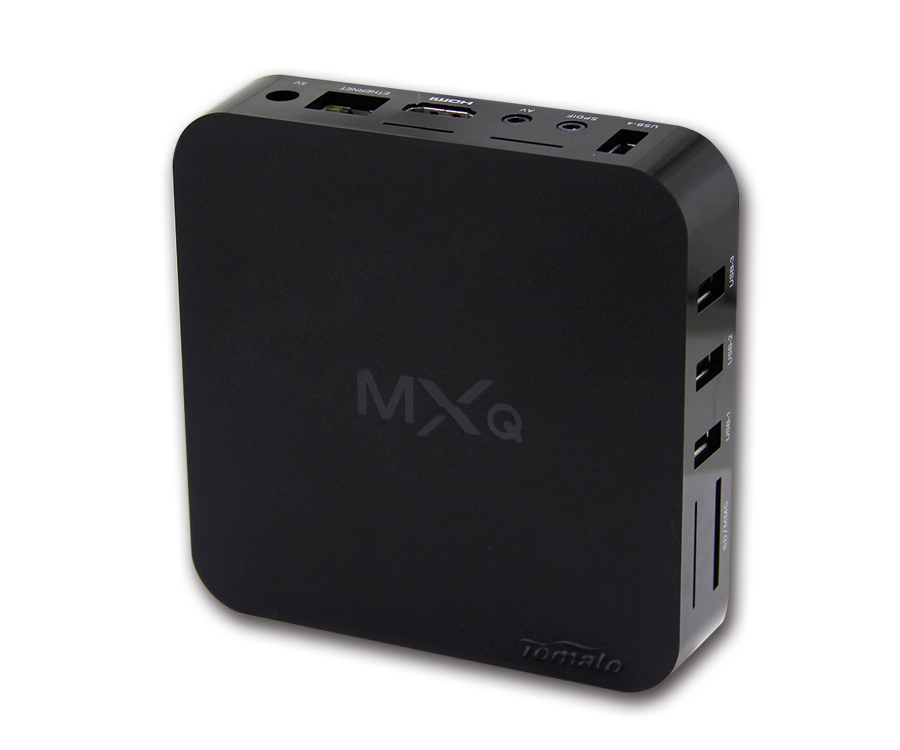
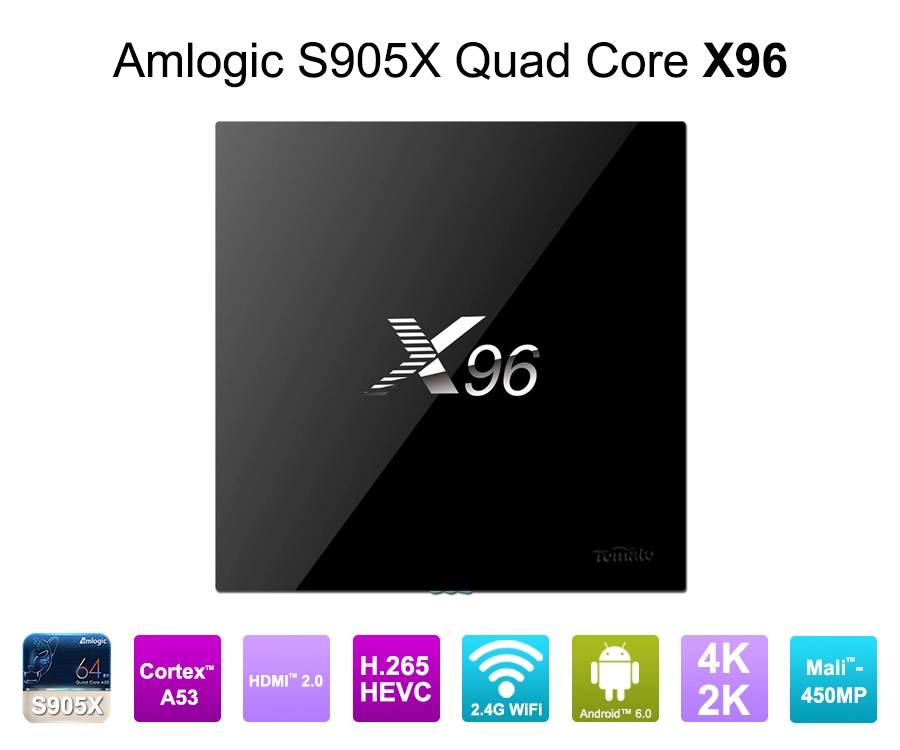
For most existing TVs, the simplest implementation is an Android Digital Signage Player connected to an available HDMI input.
The player should typically provide:
-
HDMI output, preferably supporting the native resolution of the display
-
Ethernet and/or Wi-Fi connectivity
-
Sufficient RAM and eMMC storage for the signage application and local media cache
-
Hardware video decoding
-
Android or Linux operating system
-
Automatic application launch after boot
-
Remote device management
-
OTA firmware and application update capability
-
Watchdog and automatic recovery functions
-
Support for portrait or landscape deployments when required
-
USB, RS232, GPIO or other interfaces for specialized installations
Android is particularly useful when the signage application already exists as an Android application or when the deployment requires browser-based HTML5 content, video playback, interactive interfaces, or integration with third-party applications.
Android's current TV development stack also provides Media3/ExoPlayer for media playback, while Android TV supports display-specific functions such as frame-rate matching on compatible hardware.
The important distinction is that connecting an Android TV Box to a television does not automatically create a professional Digital Signage system. The software and device-management layer determines whether the installation can scale.
How to Convert an Existing TV Step by Step
1. Check the TV's Display and HDMI Capabilities
Start by checking the TV specifications.
For most Digital Signage applications, the critical parameters are:
-
Resolution: 1080p or 4K
-
HDMI input version
-
HDCP compatibility where protected content is involved
-
Refresh rate
-
Landscape or portrait installation requirements
-
Brightness and viewing environment
-
Operating schedule
A consumer TV may work well for indoor reception areas, offices, restaurants, classrooms or small retail environments.
However, the display itself may become the limiting factor in demanding installations. Commercial displays designed for signage can provide features such as 24/7 operation, higher brightness, portrait/landscape orientation, remote management and automatic signal failover. Current commercial displays, for example, are increasingly combining Android platforms, 4K output and centralized management functions.
This means the first engineering decision is not simply “Can this TV display video?”
The better question is:
Can this display meet the project's brightness, duty-cycle, resolution and installation requirements?
2. Select the Digital Signage Player
The next step is choosing the external player.
For basic menus, images, short videos and web content, a relatively efficient Android SoC can be enough. For multi-zone layouts, high-resolution video, interactive applications, multiple displays or AI-enabled functions, a higher-performance Rockchip platform may be more appropriate.
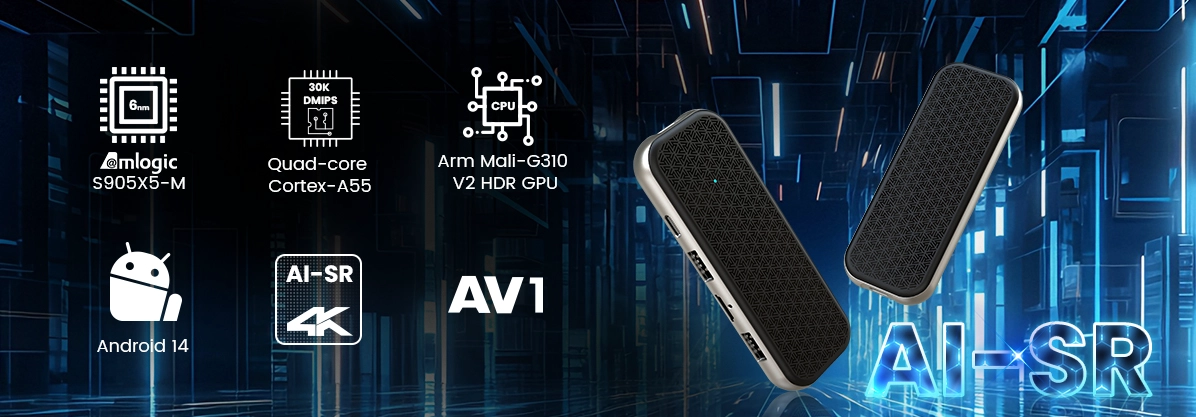
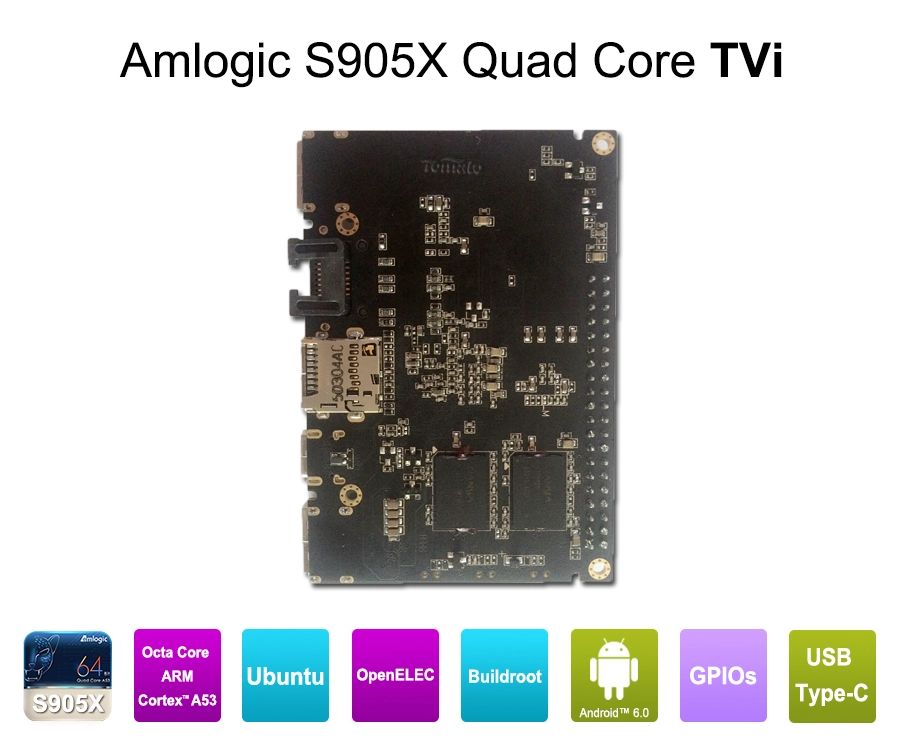
For example, an Amlogic-based platform can be attractive for efficient 4K multimedia playback. SZTomato's Amlogic S905X5M platform supports Android 14, Wi-Fi 6-class connectivity and hardware AV1 decoding up to 4K60, making this type of architecture suitable for applications where efficient 4K media playback is the priority.
For more demanding Digital Signage applications, the architecture can move toward higher-performance Rockchip platforms with greater I/O and computing resources.
The correct SoC should therefore be selected from the application requirements rather than from CPU frequency alone.
Consider:
Video workload → resolution → number of display outputs → application workload → I/O requirements → thermal load → required operating life
A procurement specification that only says “Android TV Box, 4GB RAM, 32GB ROM” is not enough for a commercial signage project.
3. Connect the Player to the TV
The physical installation is simple:
Digital Signage Player HDMI OUT → TV HDMI IN
Then connect:
Player → Ethernet/Wi-Fi → CMS/cloud server
After powering the system, configure the player to automatically launch the signage application.
A properly customized firmware image can eliminate the normal Android home screen and boot directly into the customer's signage interface. This is particularly useful for unattended installations where the end user should never see Android settings.
For public-facing deployments, kiosk restrictions can also prevent users from exiting the signage application, changing network settings, installing unauthorized applications or performing factory resets.
This is where a consumer Android TV Box and an OEM Digital Signage Player begin to differ significantly.
The Software Architecture Matters More Than the HDMI Cable
Once the TV and player are connected, the real Digital Signage system begins at the software layer.
A typical commercial architecture contains five layers:
Display → Android/Linux OS → Signage Player Application → CMS → Cloud/Local Management
The signage application downloads or receives content from the CMS and stores selected files locally.
If the network temporarily fails, the player should continue displaying cached content instead of showing a blank screen.
This offline-first architecture is important for retail stores, hotels, restaurants, transportation facilities and multi-site corporate deployments.
The system should also support:
-
Scheduled playlists
-
Image and video playback
-
HTML5/web content
-
Multiple content zones
-
Automatic content caching
-
Remote configuration
-
Device health monitoring
-
Application auto-start
-
Automatic reboot
-
Watchdog recovery
-
OTA firmware updates
-
Centralized device grouping
-
Remote troubleshooting
Commercial signage platforms already demonstrate the direction of the market: centralized browser-based management, remote device control, scheduled media playback and automatic failover are becoming standard requirements rather than optional extras.
Android, AOSP or Linux?
There is no universal answer.
Android is suitable when the project needs a mature application ecosystem, multimedia frameworks, web applications or Android-based CMS clients.
AOSP is preferable when the project requires a more controlled Android environment without unnecessary consumer services.
Linux can be attractive for dedicated signage players where the software stack is tightly controlled and the application does not require Android compatibility.
The choice should be made at the beginning of the project because it affects kernel development, drivers, application architecture, OTA infrastructure and long-term maintenance.
When Does a Consumer TV Box Become the Wrong Choice?
The biggest mistake in Digital Signage procurement is evaluating the player as if it were a home entertainment product.
A consumer TV Box is designed around short-term priorities such as low cost, streaming applications and a general-purpose user interface.
A commercial signage player has different priorities:
continuous operation, remote control, predictable hardware, controlled firmware and serviceability.
For example, a deployment with hundreds of screens may require a centralized OTA mechanism. If every firmware update requires a technician to visit every site, the hardware cost is only a small part of the total operating cost.
The same applies to component substitutions.
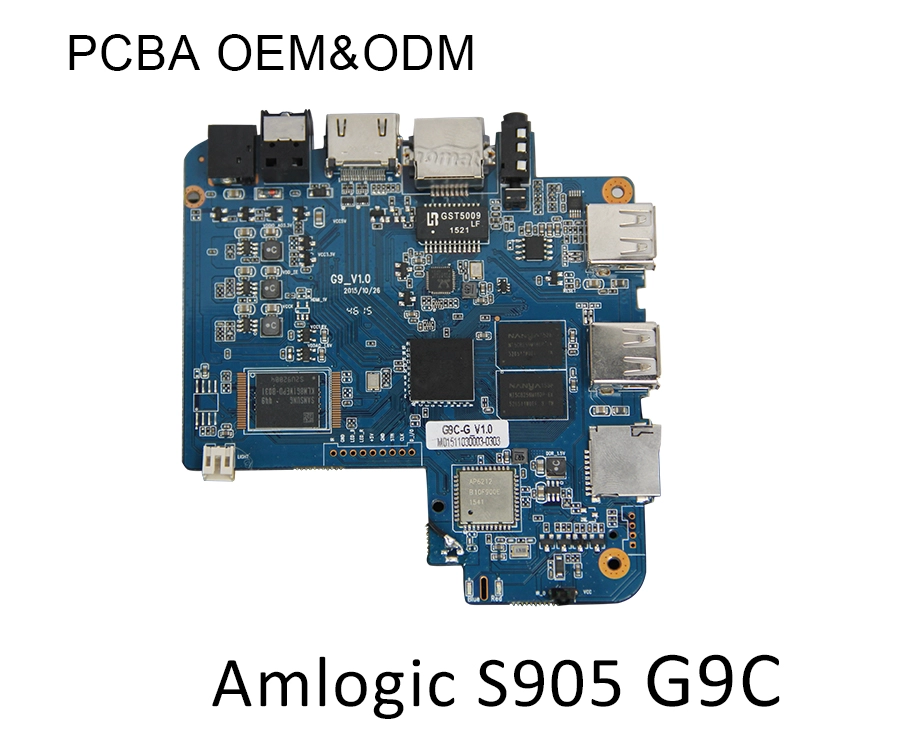
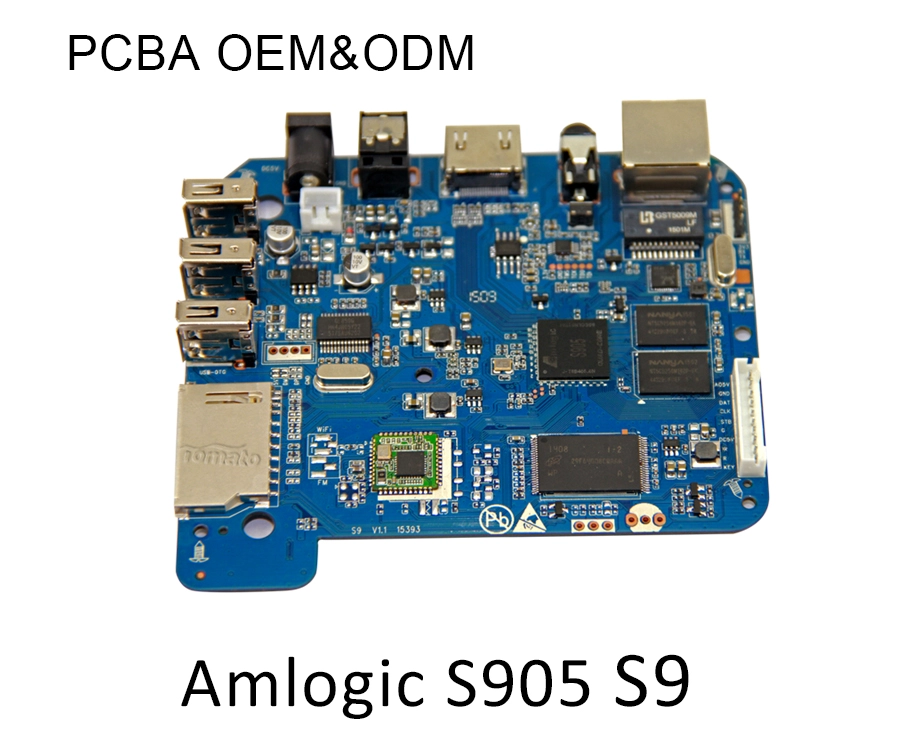
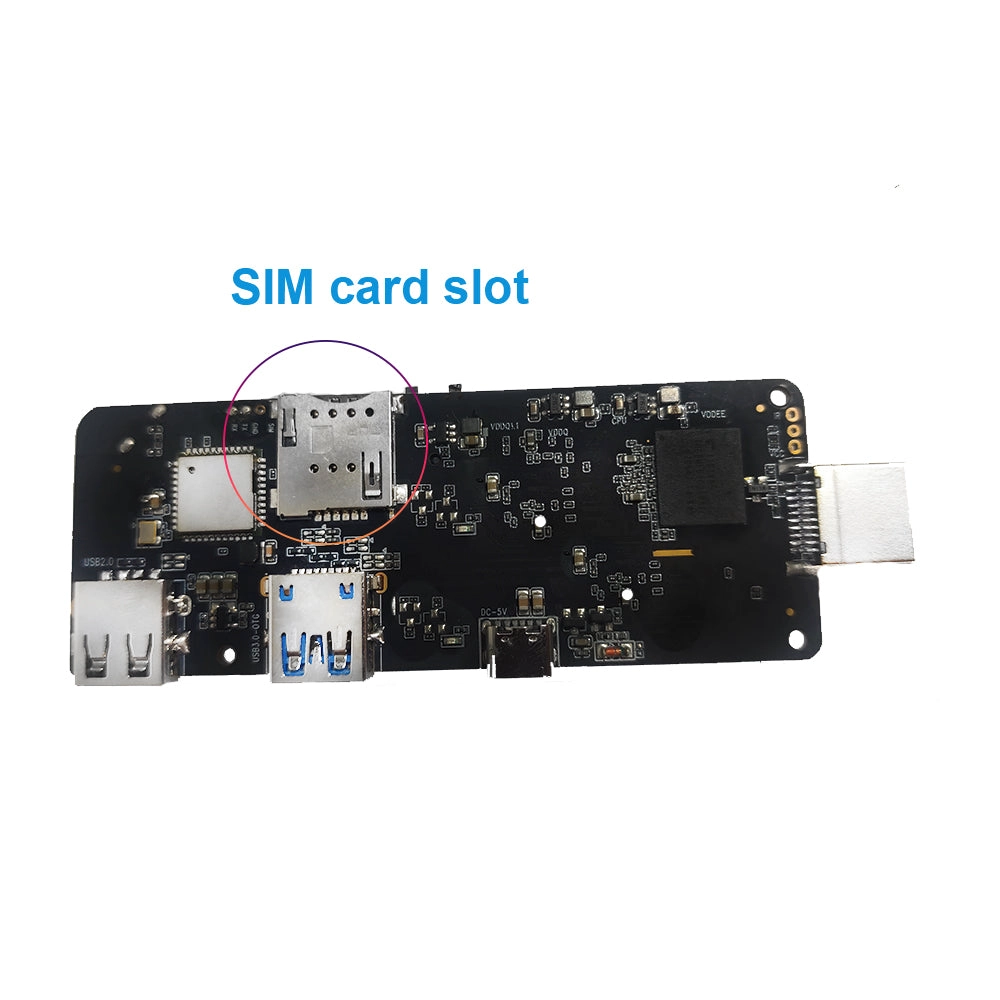
A change in Wi-Fi module, RAM, eMMC or power circuitry can alter driver compatibility and system behavior. For a serious OEM project, the BOM and PCBA configuration should therefore be controlled through an engineering-change process.
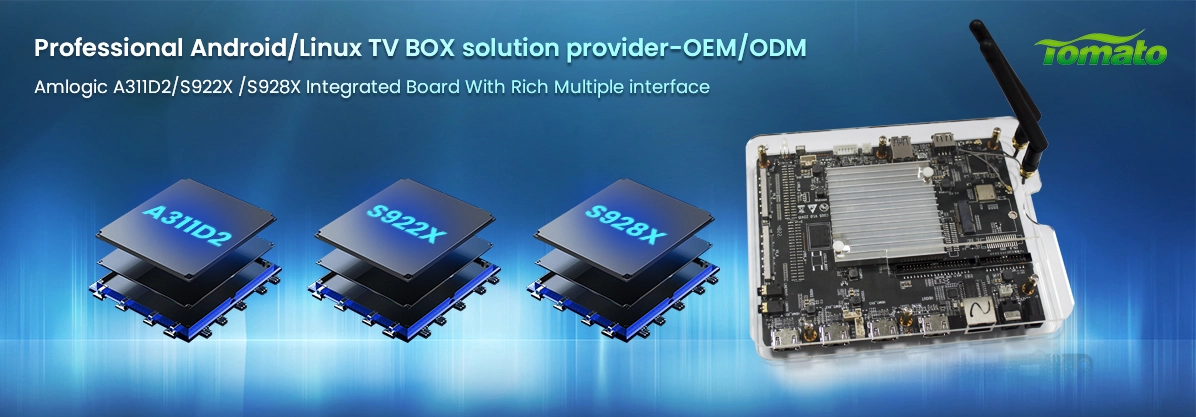
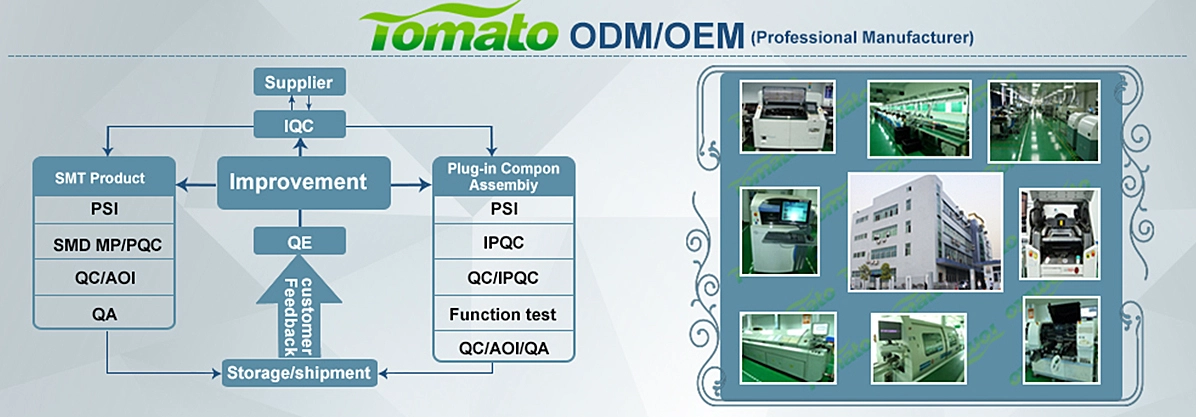
SZTomato's OEM/ODM approach covers this deeper engineering layer, including PCBA modification, custom ports, firmware customization, kiosk-oriented system control and OTA infrastructure.
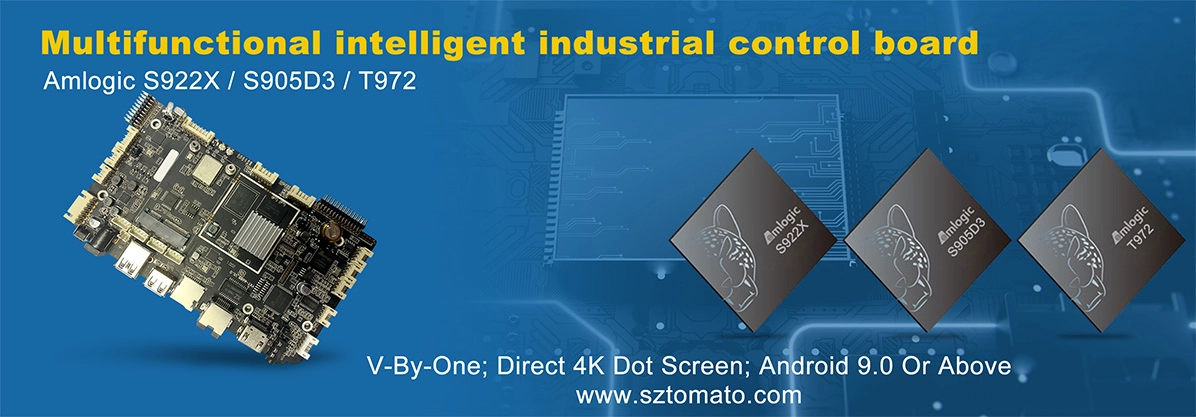
For projects requiring RS232, GPIO, specialized sensors, external controllers or other industrial interfaces, the PCBA itself may need to be redesigned instead of simply adding USB adapters.
How to Build a More Reliable Digital Signage Player
A professional Digital Signage player should be designed around the deployment environment.
Thermal Design
A player running video decoding, browser content, networking and background services continuously can generate significantly more heat than a device used occasionally at home.
Thermal design should consider:
-
SoC heat dissipation
-
Heatsink size
-
Enclosure airflow
-
Ambient temperature
-
Storage temperature
-
Power-supply efficiency
-
CPU/GPU thermal throttling
-
Long-duration aging tests
For installations inside display cabinets or kiosks, passive cooling and customized heat paths may be more appropriate than a standard consumer enclosure.
SZTomato can customize the hardware architecture and enclosure around the actual installation conditions rather than simply placing a standard TV Box behind the screen.
Firmware and Kernel Optimization
Firmware is another major reliability factor.
A commercial firmware build may need:
-
Custom launcher
-
Auto-start signage application
-
System UI lockdown
-
Controlled root access
-
Watchdog
-
Network recovery
-
Automatic reboot
-
Peripheral driver customization
-
Power-management optimization
-
Kernel-level configuration
-
OTA update support
This is particularly important when the signage application communicates with external hardware.
A project may require RS232 commands to control another device, GPIO inputs for sensors, USB peripherals, or network APIs connecting the signage system to a POS, queue-management system or building-management platform.
That requires SDK/API integration rather than simply installing an APK.
SZTomato provides firmware-level customization and PCBA modification for these types of OEM/ODM projects, including customized UI/UX, application auto-launch, specialized interfaces and OTA management.
What About AV1, 4K and Future Content?
Video codec support should be considered during product planning because the signage player may remain deployed for several years.
A player purchased today may need to decode content generated by future CMS workflows.
AV1 support is therefore increasingly relevant for 4K media applications. For example, the S905X5M platform used in SZTomato's customizable Android TV Box supports AV1 decoding up to 4K60.
But codec support alone does not determine the actual system performance.
The complete playback chain matters:
Codec → hardware decoder → memory bandwidth → GPU composition → Android/Linux framework → application → HDMI output → display
For multi-zone Digital Signage, the player may simultaneously decode video, render HTML5 content, display images and communicate with the CMS. The SoC should therefore be evaluated under the complete workload rather than through a single codec specification.
Can You Turn Any TV Into Digital Signage?
Technically, many TVs can be converted into basic Digital Signage displays.
The practical answer depends on the project.
For a small shop, restaurant menu or office announcement screen, an Android Digital Signage Player connected through HDMI can be enough.
For a multi-site commercial network, the requirements are much higher. You should specify:
-
Display operating hours
-
Resolution and refresh rate
-
HDMI/HDCP requirements
-
SoC and hardware decoding
-
RAM and eMMC
-
Ethernet/Wi-Fi
-
CMS compatibility
-
Local content caching
-
Remote monitoring
-
OTA update architecture
-
Kiosk lockdown
-
Watchdog recovery
-
Thermal design
-
PCBA customization
-
Required industrial interfaces
-
Long-term BOM control
That is the point where an OEM/ODM Digital Signage Player becomes more appropriate than a retail TV Box.
Digital Signage Is Becoming an Embedded Edge Device
The direction of Digital Signage hardware is moving beyond simple video playback.
Modern deployments increasingly combine display, computing, networking, sensors, AI processing and centralized device management in one endpoint.
Commercial display manufacturers are already integrating Android platforms, remote management, 4K playback, automatic failover and multi-orientation support into professional displays.
For system integrators, this creates a different procurement model.
Instead of asking:
“Which Android TV Box is cheapest?”
the more useful engineering question is:
“Which hardware and firmware architecture can support this signage application for the entire deployment lifecycle?”
That shift affects the SoC, PCBA, firmware, cooling system, CMS integration and OTA strategy from the beginning.
For B2B projects, SZTomato supports this type of customized Digital Signage architecture, from Android TV Box and signage player hardware through PCBA modification, SDK/API integration, custom UI/UX firmware, industrial interfaces and OTA deployment.
Final Considerations for B2B Buyers
If the goal is to convert one existing TV into a basic signage screen, the process is simple: connect an appropriate Digital Signage Player through HDMI, install the signage application, connect it to a CMS and configure automatic playback.
If the objective is to deploy hundreds or thousands of screens, the project should be engineered as a complete hardware-and-software platform.
The right Digital Signage player should be selected according to the required video workload, operating environment, connectivity, CMS architecture, thermal conditions and long-term maintenance strategy.
For procurement managers and system integrators, the key specification is not simply the TV Box model. It is the complete endpoint architecture.
If your project requires a customized Android Digital Signage Player, PCBA modification, dedicated I/O, custom firmware, SDK/API integration, industrial thermal design or centralized OTA management, Shenzhen Tomato Technology Co., Ltd. can work from the application requirements and engineering specification toward a production-ready OEM/ODM solution.