Is a Streaming Media Player Better Than Fire Stick?
Is a Streaming Media Player Better Than Fire Stick?
Amazon is changing the architecture behind Fire TV devices. The Fire TV Stick 4K Select introduced Vega OS, and Amazon states that future Fire TV Sticks will run on Vega OS rather than the previous Fire OS platform. At the same time, newer Fire TV hardware continues to support features such as 4K video, AV1, HDR, Wi-Fi 6E and hardware-backed DRM.
For consumers, this platform evolution may be largely invisible.
For a streaming operator, IPTV provider, hotel group, Digital Signage integrator or electronics brand, it changes the procurement question.
The real question is not simply whether a Streaming Media Player is faster than a Fire Stick.
It is whether the device gives you the hardware control, software control, connectivity, content protection and lifecycle management required by your business model.
For B2B applications, those requirements often make a customizable Streaming Media Player fundamentally different from a retail Fire Stick.
Streaming Media Player vs Fire Stick: What Is the Difference?
A Fire Stick is a highly integrated consumer streaming device designed around Amazon's ecosystem. Current Fire TV products support streaming applications, voice interaction, wireless connectivity and protected premium content. Amazon's current specifications show that different Fire TV Stick generations vary significantly in SoC, RAM, storage, operating system and connectivity.
A Streaming Media Player is a broader hardware category.
It can be built around Android, AOSP, Linux or another embedded platform and configured for a specific application.
That difference matters.
| Requirement | Fire Stick | Custom Streaming Media Player |
|---|---|---|
| Consumer streaming | Strong | Strong |
| Amazon ecosystem | Native | Depends on integration |
| Custom launcher/UI | Limited by platform | Highly customizable |
| Custom firmware | Limited | Available with OEM/ODM |
| PCBA modification | Not a normal procurement option | Available |
| RS232/GPIO/industrial I/O | Limited | Can be engineered |
| Ethernet | Model-dependent/accessory-dependent | Can be specified directly |
| CMS integration | Application-dependent | Designed around the CMS |
| OTA infrastructure | Platform controlled | Can be privately managed |
| Kiosk deployment | Application/platform dependent | Can be firmware-level |
| Branding | Limited | Full OEM/ODM |
| Long-term hardware control | Platform dependent | Defined by OEM |
| Industrial thermal design | Limited | Can be customized |
This does not mean that a Fire Stick is unsuitable for every application.
It means the two products are optimized for different procurement models.
When Is a Fire Stick the Practical Choice?
For a consumer who wants to add streaming services to a television, the Fire TV platform provides a mature software ecosystem and a simple installation process.
Amazon supports Android applications, HTML5 applications and React Native applications for Fire TV development, although the current platform direction also includes Vega OS.
The Fire TV Stick 4K Max, for example, provides 2GB RAM, 16GB storage, Wi-Fi 6E and support for modern HDR formats, while Amazon's current device documentation lists HDCP 2.2 and Widevine/PlayReady DRM capabilities across relevant Fire TV hardware.
This makes a Fire Stick attractive when the primary requirement is:
-
Consumer video streaming
-
Access to mainstream applications
-
Alexa voice interaction
-
Simple TV upgrades
-
Low installation complexity
-
Standard HDMI connectivity
-
A device already aligned with the Amazon ecosystem
For these applications, purchasing a retail streaming stick can be more straightforward than developing a customized hardware platform.
The situation changes when the device itself becomes part of a company's product or infrastructure.
Why B2B Buyers Often Need a Custom Streaming Media Player
A hotel IPTV system, OTT service, Digital Signage network or branded streaming product has requirements that are rarely solved by a retail stick alone.
1. Firmware Control
A commercial device may need to boot directly into a proprietary application.
The user may never need to see the Android desktop.
A customized firmware image can provide:
-
Custom boot animation
-
Custom launcher
-
Branded UI/UX
-
Kiosk mode
-
Disabled system settings
-
Application auto-start
-
Background service control
-
Watchdog recovery
-
Network recovery
-
Remote diagnostics
-
OTA firmware updates
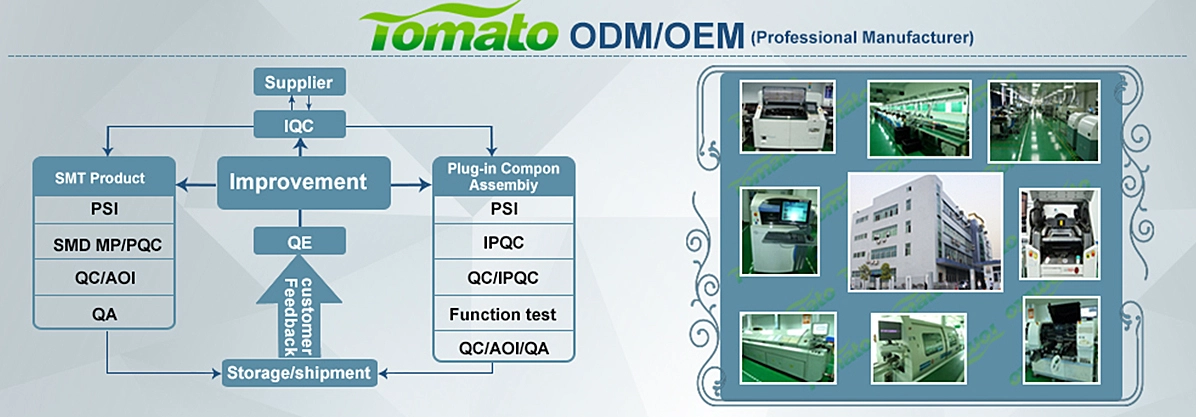
SZTomato's current OEM/ODM architecture specifically supports firmware-level branding, custom UI/UX, kiosk mode and private OTA management for fleets of devices.
This is a major difference between buying a streaming product and developing a streaming platform.
2. PCBA Modification
A retail streaming stick is normally designed around a fixed hardware configuration.
A commercial project may require something different.
For example:
-
Gigabit Ethernet
-
RS232
-
GPIO
-
Additional USB
-
HDMI input
-
Multiple display outputs
-
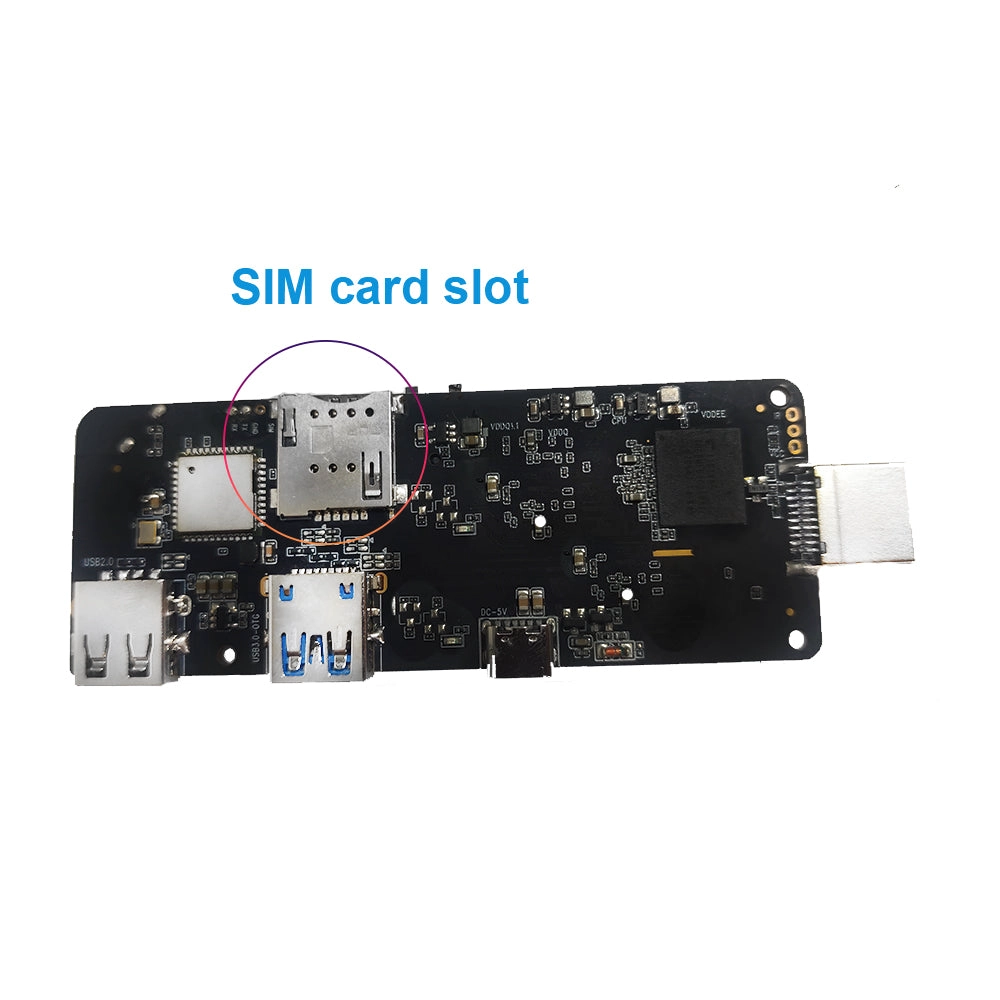
SIM/4G/5G
-
Industrial connectors
-
Larger eMMC
-
Custom power input
-
Dedicated audio interfaces
These requirements can force changes to the PCBA layout.
For a system integrator, this is often more important than the CPU specification.
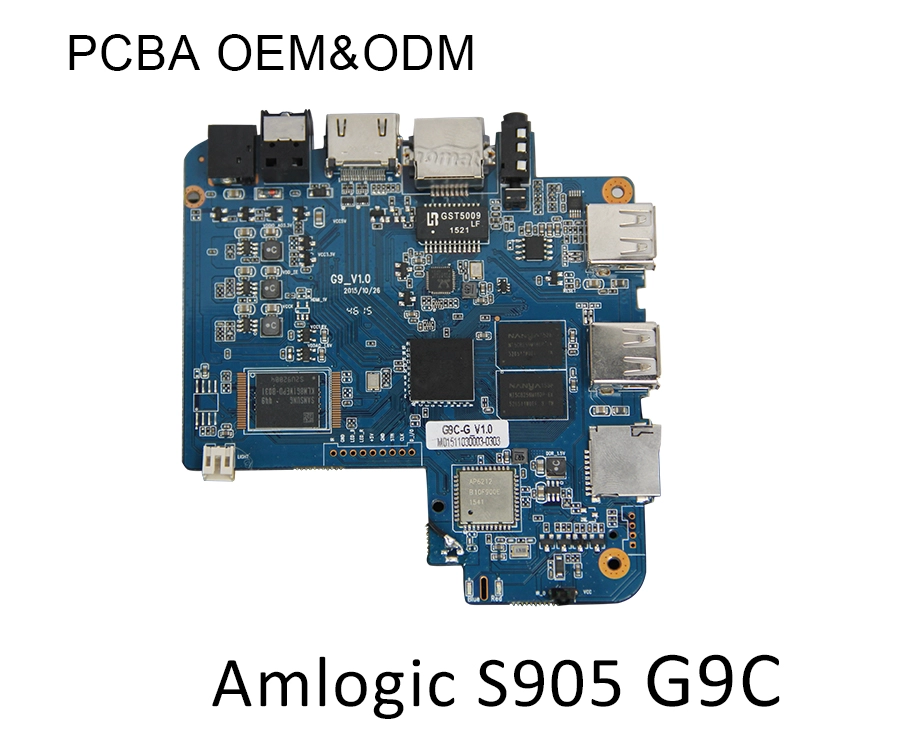
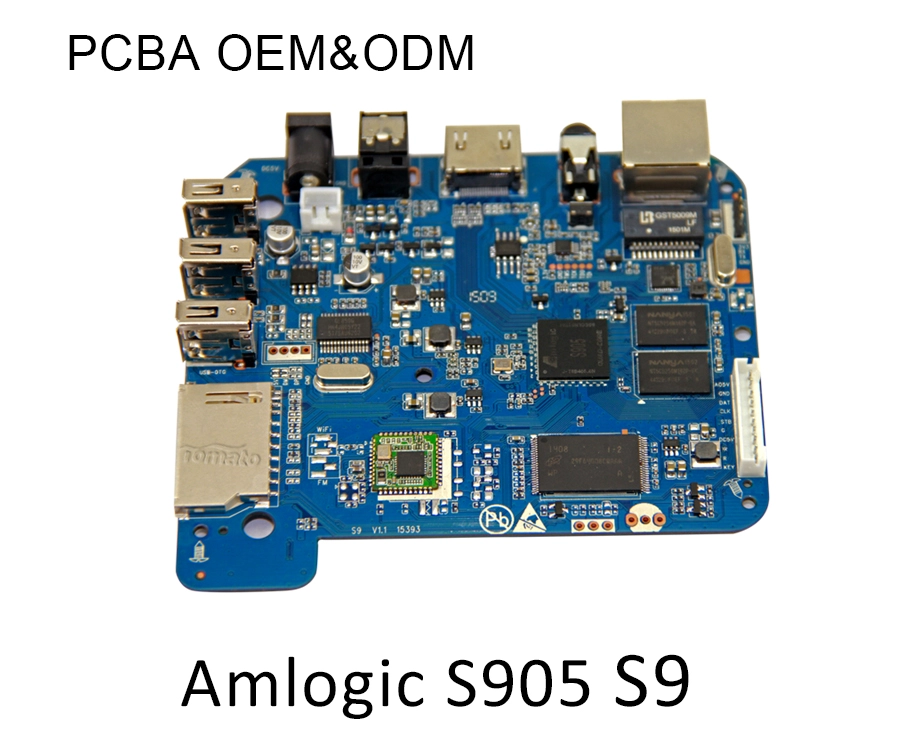
SZTomato provides PCBA modification as part of its OEM/ODM approach, including specialized interfaces for industrial applications.
The engineering sequence should therefore be:
Application requirements → I/O architecture → SoC selection → PCBA design → firmware → application → thermal validation
rather than:
Find cheap TV Stick → install APK → deploy
Streaming Media Player Performance Depends on the SoC
The term "Streaming Media Player" does not describe one fixed hardware specification.
A low-cost player may use a basic quad-core SoC designed primarily for 1080p streaming.
A higher-end platform can provide 4K120-class decoding, AV1 support, AI Super Resolution, faster storage and more memory.
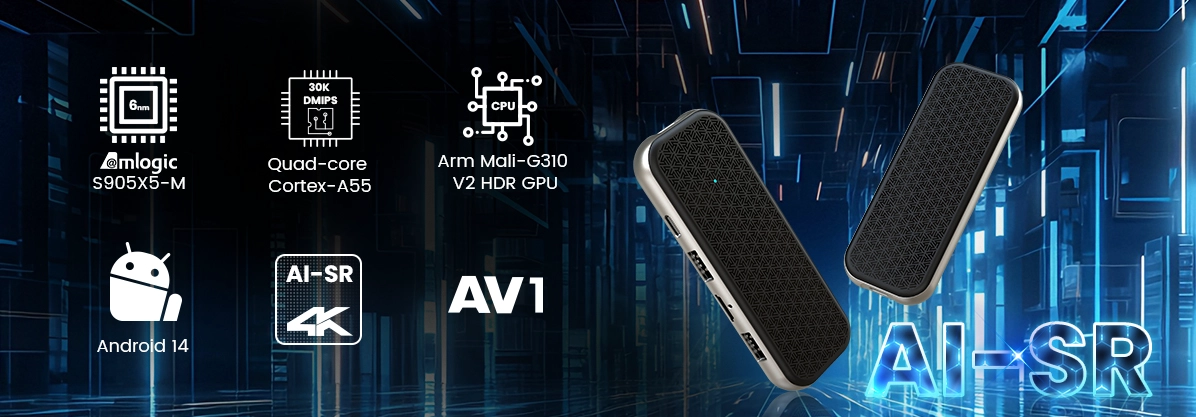
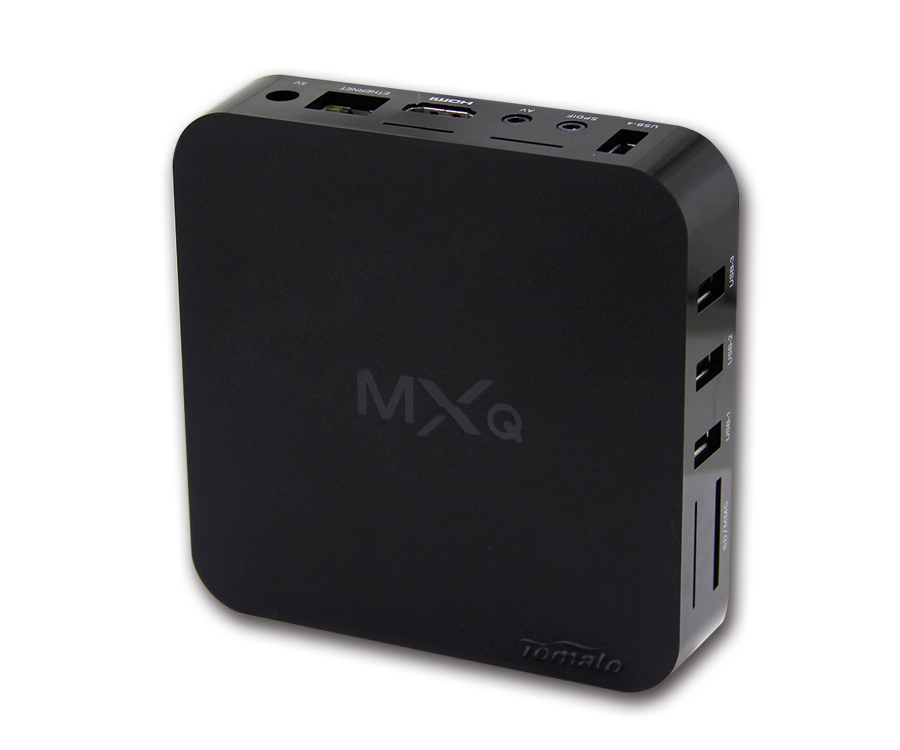
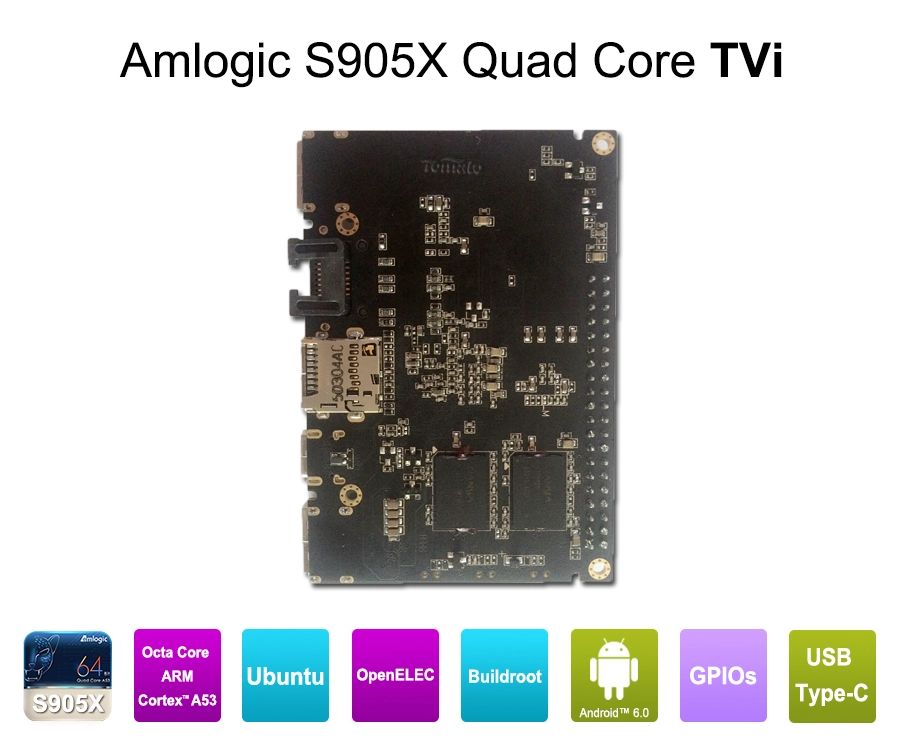
For example, SZTomato's Amlogic S905X5 Streaming Media Player uses a quad-core ARM Cortex-A510 platform with ARM G310 V5 graphics, 4GB RAM as standard on the listed configuration, expandable storage options and Android 14. Its published multimedia specification includes AV1, VP9, H.265 and H.266 support with high-resolution decoding capabilities.
The S905X5M platform is another example. SZTomato lists 4K60 AV1 decoding, HDR10/HDR10+ processing, AI Super Resolution and Android 14 on its S905X5M Streaming Media Player.
For a buyer, the important point is that CPU core count alone is not a meaningful Streaming Media Player specification.
Evaluate the complete multimedia pipeline:
SoC → VPU → GPU → RAM bandwidth → storage → operating system → application framework → HDMI output → display
A device that plays one 4K video smoothly may behave very differently when simultaneously handling:
-
4K video
-
HTML5 content
-
Animated UI
-
Background synchronization
-
DRM
-
Network communication
-
Local caching
-
Multiple application services
This is why B2B projects should test the complete application workload rather than rely on a retail benchmark.
What About DRM, HDCP and Premium Streaming?
Content protection is another area where retail and customized platforms need to be evaluated differently.
Fire TV hardware supports established DRM technologies. Amazon's published specifications list Widevine L1/L3, PlayReady and HDCP capabilities on relevant devices, with exact support varying by model.
For an OTT or IPTV operator, however, DRM cannot be treated as a checkbox.
The complete chain includes:
Content encryption → DRM license → secure media path → hardware decoder → HDMI/HDCP → display
A change in SoC, firmware, Android version or display interface can affect the implementation.
A B2B Streaming Media Player may therefore need platform-level integration for:
-
Widevine
-
PlayReady
-
Secure video path
-
HDCP
-
CAS
-
IPTV middleware
-
OTT application
-
Secure boot
-
Key provisioning
The exact licensing and certification requirements depend on the content provider and distribution model.
This is one reason why selecting a hardware supplier with firmware engineering capability matters more than selecting a generic box with a similar CPU specification.
Fire Stick vs Streaming Media Player for Digital Signage
The difference becomes even clearer in Digital Signage.
A retail streaming stick is fundamentally designed around a consumer interaction model.
A Digital Signage player has a different job.
It should normally:
-
Boot automatically.
-
Connect to the network.
-
Start the signage application.
-
Retrieve scheduled content.
-
Cache content locally.
-
Continue playback during temporary network failures.
-
Report device status.
-
Receive remote configuration.
-
Install OTA updates.
-
Recover automatically after an application or system failure.
A custom Streaming Media Player can be designed around this workflow from the beginning.
For example, the device can boot directly into a branded signage application instead of exposing the standard Android interface. PCBA changes can add RS232 or GPIO interfaces for external equipment. Firmware can implement watchdog recovery and private OTA infrastructure.
SZTomato currently positions its customized Android platforms for Digital Signage, IPTV, OTT and other commercial applications, including hardware and firmware customization.
For a fleet of hundreds or thousands of screens, this architecture can be more important than the difference between two consumer streaming devices.
Thermal Design Becomes Important in Commercial Deployments
A Streaming Media Player used for several hours per day has a different thermal profile from a device expected to operate continuously inside a kiosk, display enclosure or hotel cabinet.
The engineering team should evaluate:
-
SoC junction temperature
-
Heatsink thermal resistance
-
Enclosure airflow
-
Ambient temperature
-
CPU/GPU throttling
-
eMMC temperature
-
Power-supply efficiency
-
Continuous 4K decoding
-
Long-duration stress testing
A compact fanless enclosure may be adequate for a light streaming workload.
A higher-performance platform running continuous 4K playback, AI processing or multiple services may require a larger passive heatsink, improved thermal path or active cooling.
This is an area where an OEM partner can modify both the PCBA and mechanical structure instead of forcing the application into a fixed consumer enclosure.
SZTomato's B2B engineering approach includes active/passive cooling platform development for customized streaming and media applications.
Android, AOSP, Linux or Vega OS?
This is one of the most important decisions for a new Streaming Media Player project.
Fire TV's software architecture is controlled by Amazon. Amazon's current developer documentation identifies Vega OS as the platform for the Fire TV Stick 4K Select and says future Fire TV Sticks will run Vega OS. Existing Fire TV generations use different Fire OS configurations, so the exact model must be checked before development begins.
A custom Android/AOSP device gives the OEM more control over the product architecture.
Linux provides another route when the application requires a dedicated embedded environment.
The decision should be based on:
-
Application framework
-
DRM requirements
-
CMS compatibility
-
OTA architecture
-
Peripheral drivers
-
Security requirements
-
Product lifecycle
-
Certification requirements
-
Developer resources
-
Required customization
For a B2B product, the operating system should be selected before the hardware is frozen.
Changing the OS after PCBA production can create driver, BSP, kernel, application and certification problems.
Which Is Better for Your Business?
The answer depends on the deployment model.
For a consumer purchasing a simple streaming device for a personal TV, Fire Stick provides a tightly integrated consumer ecosystem.
For a company developing a branded OTT product, IPTV service, hotel entertainment platform, Digital Signage network or specialized multimedia terminal, a customizable Streaming Media Player provides a different set of capabilities.
The decision should therefore be based on the following questions:
Do you need your own UI?
Do you need your own firmware?
Do you need private OTA updates?
Do you need Ethernet, RS232, GPIO or other specialized interfaces?
Do you need your own CMS or middleware integration?
Do you need control over the PCBA?
Do you need a defined hardware lifecycle?
Do you need custom thermal engineering?
Do you need your own brand instead of a consumer platform brand?
If the answer to several of these questions is yes, the project should be evaluated as an OEM/ODM Streaming Media Player program rather than a retail streaming-stick purchase.
What Should B2B Buyers Specify Before Requesting a Quote?
A professional RFQ should contain more than "4K Android Streaming Media Player."
At minimum, specify:
SoC: Amlogic, Rockchip or other target platform
CPU/GPU/NPU: Required application performance
Video: AV1/H.265/H.264, resolution, frame rate and HDR
Memory: RAM type and capacity
Storage: eMMC capacity and lifecycle requirements
Connectivity: Wi-Fi, Ethernet, Bluetooth, 4G/5G
I/O: HDMI, USB, RS232, GPIO, SD or custom interfaces
OS: Android, AOSP, Linux or other embedded platform
Firmware: Launcher, kiosk mode, UI/UX and system restrictions
Management: CMS, MDM, OTA and remote diagnostics
Security: Secure boot, DRM, HDCP and key provisioning where required
Mechanical: Enclosure, mounting, thermal solution and installation environment
Certification: Target-market regulatory and platform requirements
Lifecycle: BOM control, component substitution policy and firmware maintenance
This specification prevents a common procurement mistake: comparing two devices based on RAM, ROM and CPU while ignoring the engineering requirements that determine the total deployment cost.
Final Decision: Streaming Media Player or Fire Stick?
A Fire Stick and a customizable Streaming Media Player solve different problems.
Fire TV is optimized around Amazon's consumer streaming ecosystem, with current hardware spanning Fire OS and the newer Vega OS direction. Its specifications vary by generation, so model-level verification is essential.
A customizable Streaming Media Player is better understood as an embedded multimedia platform.
It can be engineered around a company's application, CMS, DRM requirements, connectivity, enclosure, thermal profile and lifecycle strategy.
For B2B procurement, that distinction matters.
The device is no longer just a way to stream Netflix or another consumer service. It may become the endpoint for an OTT platform, IPTV service, hotel entertainment system, Digital Signage network, education platform or industrial multimedia application.
That requires control at several layers:
PCBA → SoC → BSP/kernel → Android/Linux → firmware → application → CMS → OTA
SZTomato develops customizable Streaming Media Player platforms around Amlogic and Rockchip architectures, with OEM/ODM support extending from hardware selection and PCBA modification to firmware, UI/UX, SDK/API integration, thermal design and OTA deployment.
For procurement managers and system integrators, the next step should not be choosing a retail stick from a specification sheet.
Define the application workload, required interfaces, software stack, content-protection requirements and deployment scale first. Then select the SoC and hardware platform around those requirements.
That approach produces a Streaming Media Player that can be maintained as a commercial product rather than simply purchased as a consumer accessory.