How to Choose the Right OEM Partner for Your Streaming Media Player Brand?
How to Choose the Right OEM Partner for Your Streaming Media Player Brand
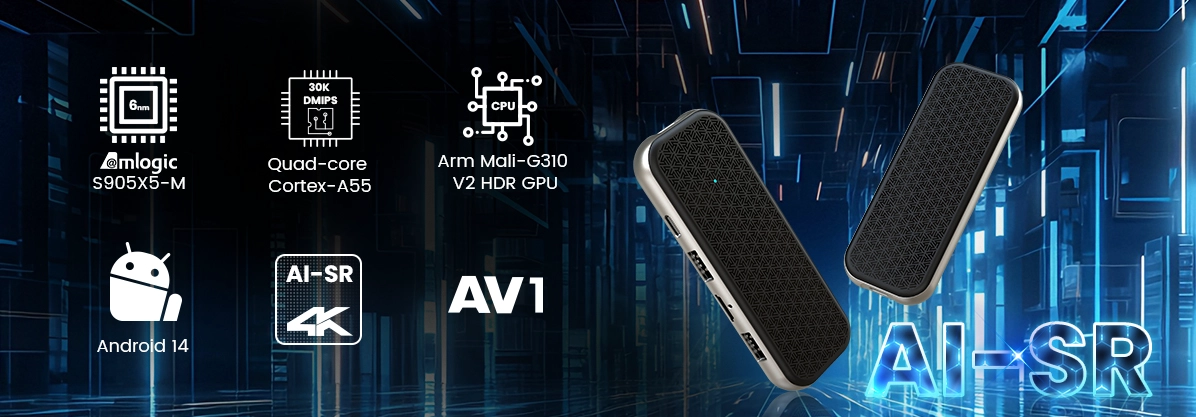
The commercial integration landscape is experiencing a definitive shift at the silicon level. The introduction of modern System-on-Chip (SoC) architectures—such as the 6nm ARMv9 Amlogic S905X5 or the high-compute Rockchip RK3588—has transitioned the Streaming Media Player from a simple content delivery box into an intelligent edge-computing node. Operators scaling global IPTV platforms or complex digital signage networks are realizing that generic retail hardware cannot handle high-bitrate AV1 or VVC decoding streams under continuous load.
When establishing or scaling a media device brand, the primary hazard is partnering with a factory that merely reboxes consumer reference designs. A true B2B procurement partnership requires deep competency in original equipment and design manufacturing (OEM/ODM), focusing on hardware-level PCBA re-engineering, cryptographic compliance, and structural firmware isolation.
1. Hardware-Level Verification: Evaluating PCBA and Component Longevity
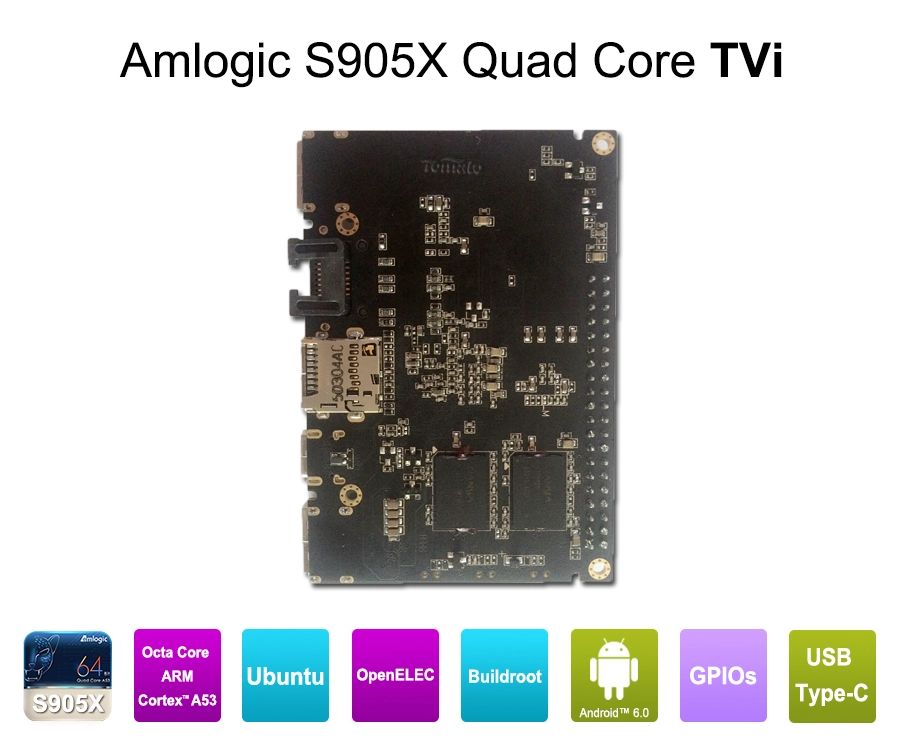
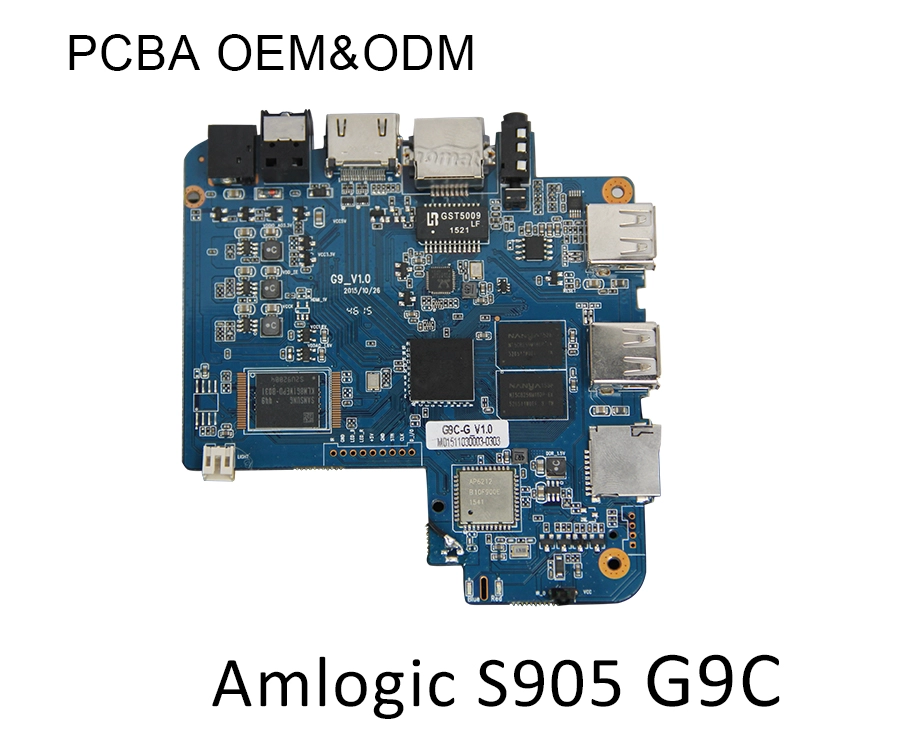
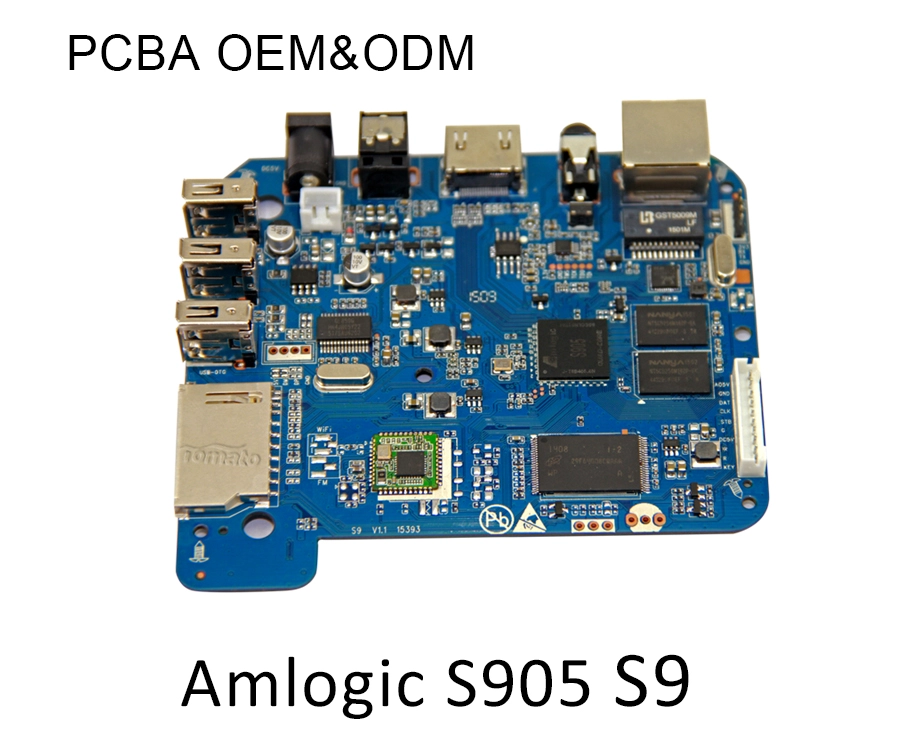
A tier-1 OEM partner must treat the Printed Circuit Board Assembly (PCBA) as an adaptive layout rather than a rigid, unalterable asset. The demands of enterprise field deployments mean that standard consumer-facing peripheral configurations become structural points of failure.
Peripheral Stripping and Interface Hardening
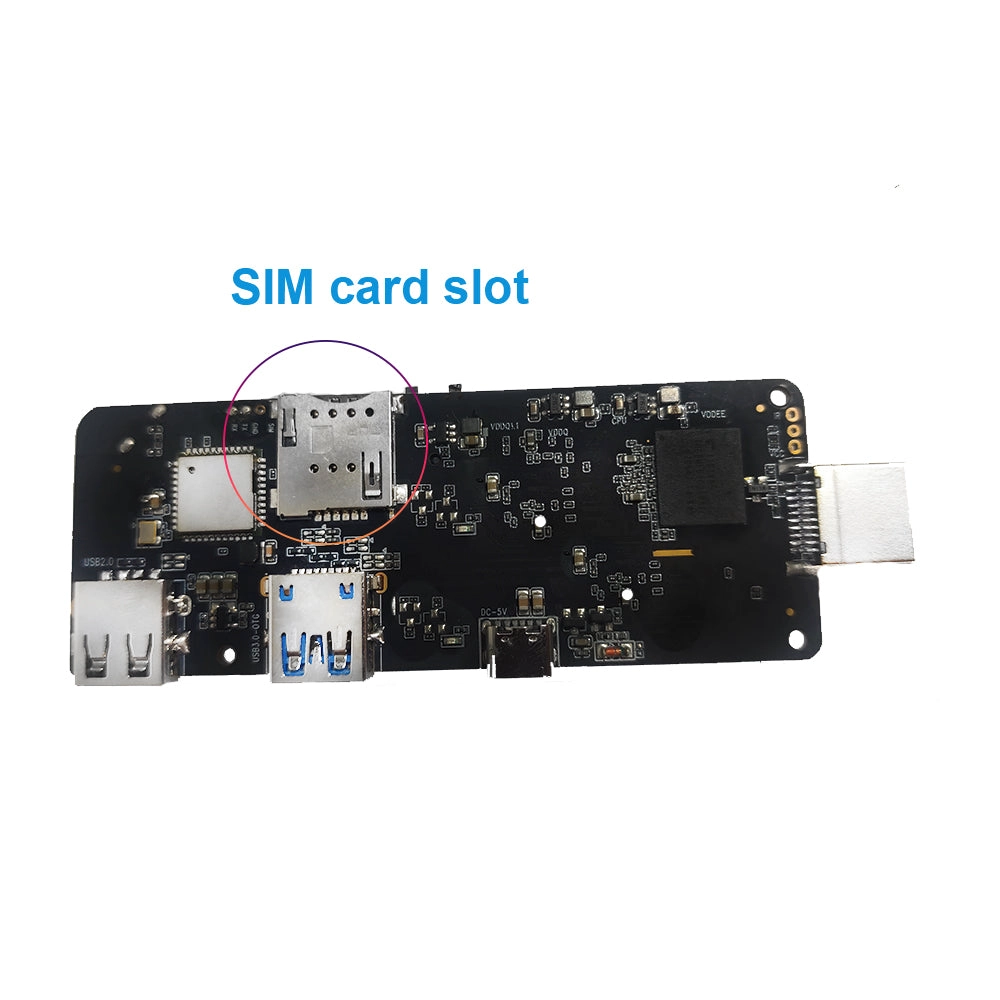
Consumer media players include micro-SD slots and multiple unmanaged USB ports. In public commercial spaces or hospitality networks, these ports introduce security vulnerabilities and boot-loop risks from local tampering.
Your OEM partner must possess the capability to execute clean peripheral stripping—removing unneeded components from the circuit layout to reduce physical vectors while saving on raw bill-of-materials (BOM) costs. Conversely, they must understand how to integrate industrial communication buses, such as native PCIe lines to route high-speed 2.5G Ethernet or programmable GPIO headers for machine automation.
Power Subsystem Re-engineering
Consumer boxes use soft-power circuits managed by a standard remote control. For automated, unmanaged networks, this is inefficient.
At SZTomato, we completely re-engineer the Power Management Integrated Circuit (PMIC) architecture at the board level. We implement a dedicated hardware auto-power-on circuit that forces the hardware to boot immediately when electrical current reaches the DC terminal, eliminating downtime after power grid disruptions.
2. Low-Level Firmware Optimization and Cryptographic Control
Hardware is only as viable as the code running close to the silicon. Vetting an ODM's engineering capability requires looking past the user interface and auditing their ability to modify the underlying Linux and Android kernels.
Eliminating Handshake Dropouts via Persistent EDID
A frequent point of failure in distributed display installations is the loss of the Extended Display Identification Data (EDID) handshake. When a commercial display cycles power, the communication link over the HDMI bus resets. If the device firmware cannot process this timing gap, the OS falls back to a low resolution or stops rendering entirely.
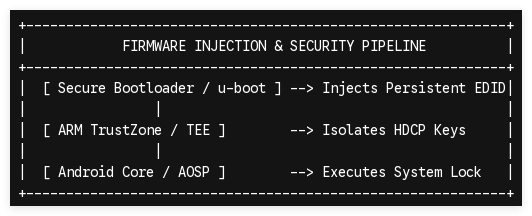
To solve this, our software engineers modify the bootloader (u-boot) to inject an emulated, persistent EDID table directly into the display driver kernel, ensuring the media player outputs a stable 4K or 8K stream regardless of external monitor status.
Deep SDK/API Integration and HDCP Isolation
A capable OEM partner must provide full SDK and API integration to decouple your application from generic, unverified consumer services. Furthermore, delivering premium DRM-protected content requires managing cryptographic keys correctly:
-
Secure Execution: HDCP 1.4, 2.2, and 2.3 security keys must be compiled directly within the secure world of the ARM TrustZone (TEE).
-
System Integrity: This hardware-level security prevents random screen blanking or encryption handshake failures when streaming protected media files.
-
Custom Environments: The OS must support deep customization, including custom boot animations, hidden navigation bars, and complete system lockdown to run exclusively in dedicated kiosk or app modes.
3. Structural Thermal Dissipation for Continuous Duty Cycles
When an ARM processor sustains high-throughput video processing, heat becomes the leading driver of component failure and performance degradation. Standard plastic enclosures trap heat, causing the SoC to throttle its clock speeds to protect its internal junctions.
| Engineering Parameter | Stamping Assembler (Consumer) | SZTomato Engineering (B2B Industrial) |
|---|---|---|
| Cooling Topology | High-RPM thin plastic fan or thin pad | Passive heavy-gauge alloy thermal block |
| Mechanical Mounting | Adhesive tape or weak friction snaps | Spring-loaded screw-fastened mechanical brackets |
| Enclosure Materials | Polycarbonate or ABS plastic shells | Die-cast, finned aluminum heat spreaders |
| Operating Thermal Window | 0∘C to +40∘C | −20∘C to +70∘C |
An experienced ODM partner replaces adhesive-reliant cooling with spring-loaded, mechanically fastened die-cast heatsinks. This maintains uniform contact pressure over the SoC and RAM chips. By mating this cooling block directly to an aluminum chassis, the entire exterior housing functions as a functional heat spreader, enabling fanless, dust-resistant operation that survives long field deployment lifecycles.
4. Lifecycle Automation: Watchdogs and Secure FOTA Engines
Long-term management of thousands of deployed devices requires automated maintenance systems built directly into the hardware and software architecture.
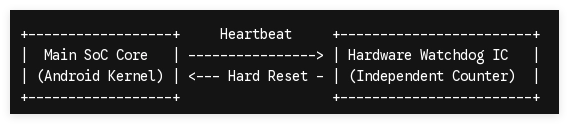
Discrete Hardware Watchdog Integration
Software-based self-healing solutions are insufficient if the operating system experiences a complete kernel panic. An enterprise-grade Streaming Media Player partner integrates an independent hardware watchdog IC on the PCBA layout. This chip runs outside the primary application processor, monitoring a recurring status pulse from the OS. If a software crash interrupts this signal, the watchdog cuts power at the rail level to force an automatic hardware reboot, restoring the device without physical maintenance.
Private FOTA Lifecycle Management
A competitive brand requires total control over its software update infrastructure. The OEM must deliver a secure, white-labeled Firmware Over-The-Air (FOTA) update system. This platform allows administrators to push background system modifications and security updates directly to target device segments without presenting user-facing popups or requiring onsite interaction.
Aligning with an Expert Enterprise ODM Partner
Establishing a market-leading Streaming Media Player brand requires choosing an engineering partner capable of translating technical requirements into field stability. Transitioning away from low-tier reference hardware minimizes ongoing maintenance costs, preserves client relationships, and protects brand equity.
Shenzhen Tomato Technology (SZTomato) leverages over 15 years of deep ODM engineering experience in high-performance smart hardware. From initial multi-layer PCBA schematics and custom passive cooling layouts to low-level kernel optimizations and secure FOTA cloud integration, our manufacturing facilities deliver components optimized for long-term commercial performance.
Contact our business development team today to outline your project requirements, request validation evaluation boards, or schedule a technical call with our chief hardware architects.
Email: sales@sztomato.com
Web: www.sztomato.com