What is the lifespan of an Internet TV Box?
What is the Lifespan of an Internet TV Box? An Engineering Analysis of Hardware Longevity
The obsolescence curve of commercial media networks is rarely driven by sudden component failure. Instead, it is dictated by a predictable intersection of thermal exhaustion, flash memory wear, and codec incompatibility. For system integrators deploying hardware across thousands of unattended hospitality, retail, or digital signage locations, the true operational lifespan of an Internet TV Box determines project profitability.
Cheap retail hardware frequently succumbs to hardware degradation within two years. This is driven by aggressive read-write cycles on standard eMMC flash memory and unoptimized SoC thermal tracking. Extending this operational lifecycle to 5 or 7 years requires moving away from off-the-shelf consumer architectures. It demands hardware-level PCBA customization paired with targeted Android kernel optimization.
1. Silicon and Storage Bottlenecks: Maximizing eMMC and SoC Survival
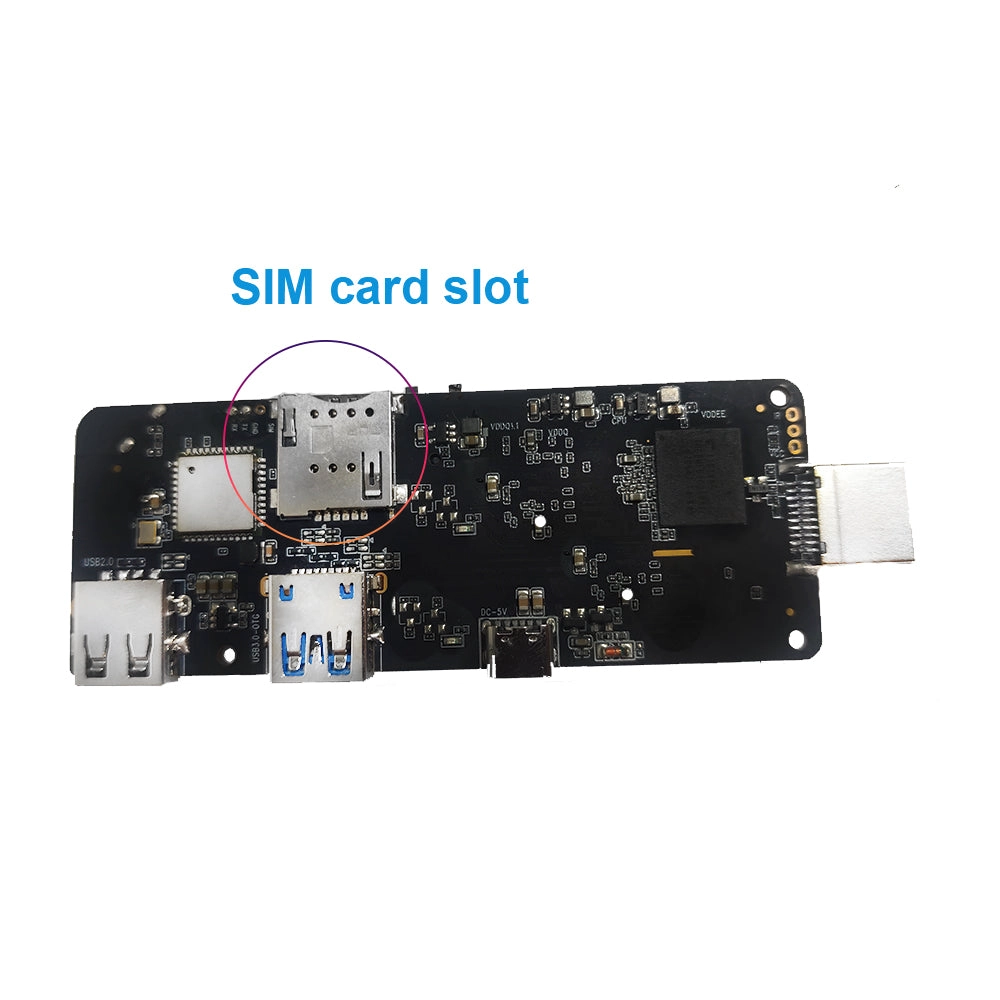
The primary failure point of an Internet TV Box in continuous commercial service is the degradation of the storage subsystem, followed closely by electro-thermal migration within the host System-on-Chip (SoC).
Mitigating eMMC Write Exhaustion
Standard Android operating systems constantly write cached telemetry logs, application data, and media buffers to the onboard flash storage. Standard consumer eMMC modules possess limited Program-Erase (P/E) cycles, causing memory block corruption and unrecoverable boot loops within 24 months of continuous playback.
-
Engineering Solution: At SZTomato, our hardware modifications replace consumer-grade storage with industrial-tier eMMC modules featuring advanced static and dynamic wear leveling algorithms.
-
Kernel-Level Storage Optimization: Our firmware architecture alters the Linux kernel file system mounting configurations. We isolate temporary app caches and system logs into volatile RAM-disk storage (tmpfs). This reduces physical write operations to the non-volatile storage layer by over 70%, preserving structural block integrity for long-term field use.
Choosing Long-Lifecycle SoC Roadmaps
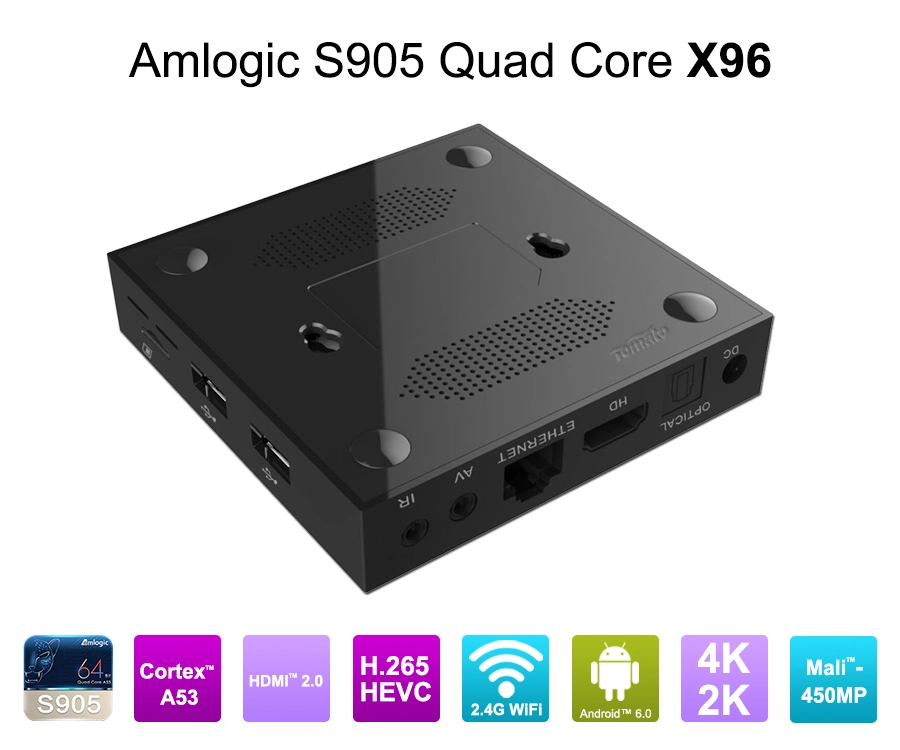
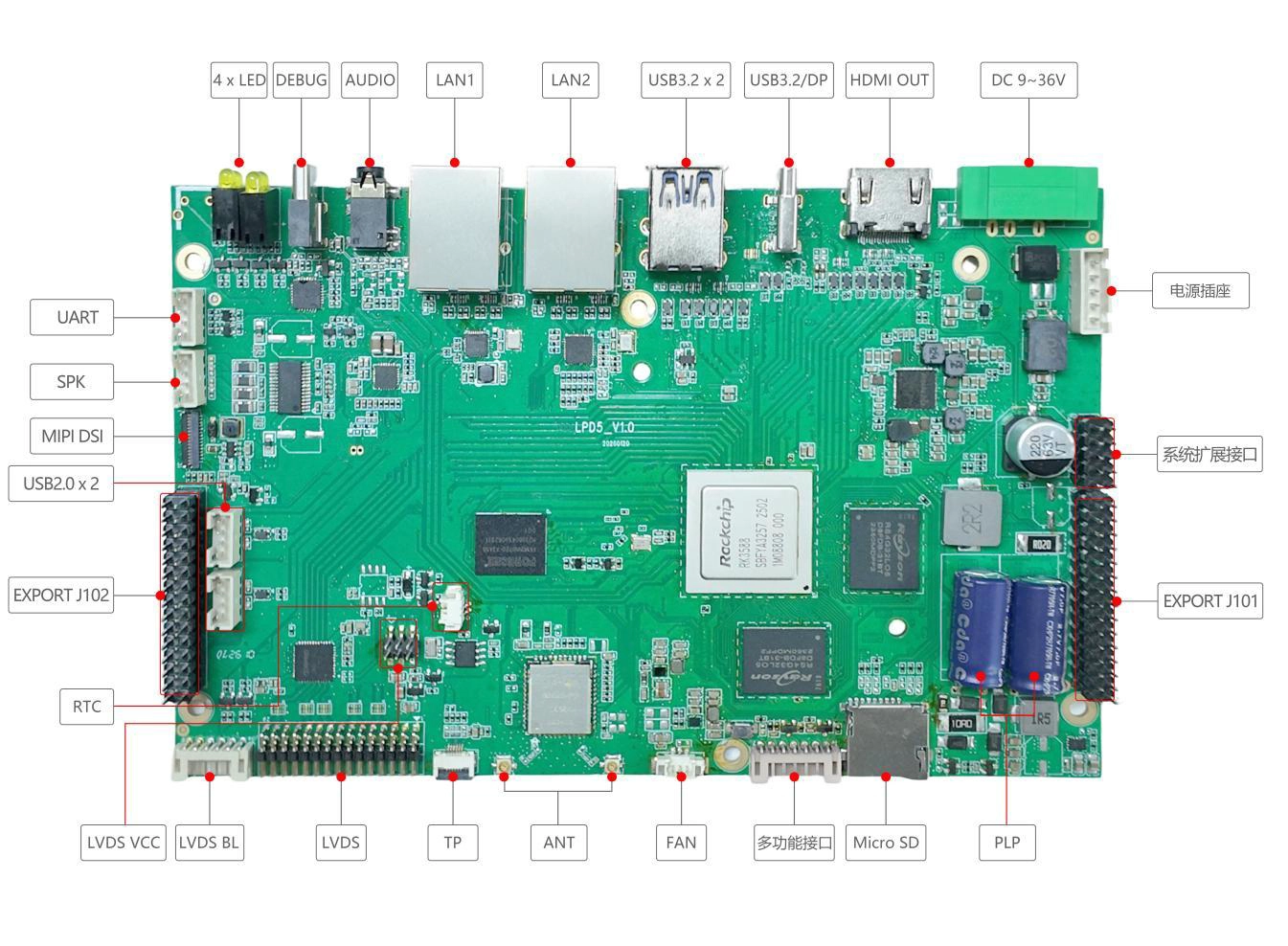
Consumer platforms cycle through processors rapidly, leaving procurement managers stranded without replacement components when expanding an existing network. For sustained deployment infrastructure, choosing processors from dedicated embedded product roadmaps—such as the Amlogic S905X4 or Rockchip RK3588 series—ensures silicon availability from the foundry for a minimum 7-to-10-year window.
2. Thermal Management Protocols Under 24/7 Duty Cycles
When an Internet TV Box processes demanding modern video streams like AV1 or HEVC at 4K/60Hz, internal silicon temperatures can quickly spike. Without adequate dissipation, the SoC triggers internal thermal throttling protection, cutting clock frequencies, dropping frames, and accelerating chip degradation.
| Thermal Management Variable | Consumer Set-Top Box | SZTomato B2B Custom Build |
|---|---|---|
| Heatsink Composition | Stamped thin aluminum or composite | CNC-machined thick aluminum fins |
| Chassis Interaction | Trapped internal air pockets | Direct chassis thermal coupling |
| Operating Envelope | 0∘C to +40∘C | −20∘C to +70∘C |
| Mean Time Between Failures (MTBF) | Less than 15,000 Hours | Greater than 60,000 Hours |
To survive harsh industrial enclosures, we eliminate breakdown-prone active cooling fans in favor of high-mass passive configurations. By matching custom PCBA layouts with heavy aluminum finned heat spreaders coupled directly to the metal structural housing, the system maintains safe junction temperatures even during uninterrupted multi-year runtime cycles.
3. Firmware Customization vs. App-Driven Obsolescence
The operational lifespan of an Internet TV Box is not exclusively limited by hardware wear. Software obsolescence frequently cripples functional equipment when updated third-party media applications outpace the underlying, unpatched Android OS version.
Overcoming API Deprecation Through Tailored SDKs
Standard retail boxes run locked, consumer-facing OS implementations that are rarely updated by the vendor. When core application frameworks deprecate older API levels, the media player ceases to function.
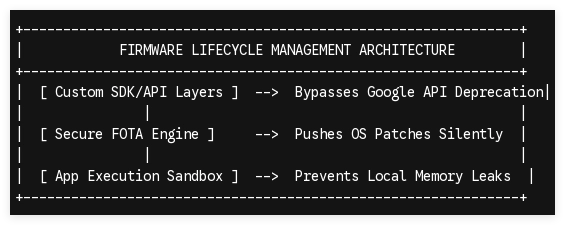
We circumvent this vulnerability by providing custom system-level SDK and API integration during the prototyping phase. Our software engineers decouple critical system rendering engines from generic Google Play Service dependencies, allowing proprietary enterprise applications to run reliably across long product cycles without requiring wholesale OS upgrades.
Automated System Recovery and FOTA Infrastructure
Unattended remote systems must possess self-healing software capabilities to prevent field technician calls:
-
Hardware Watchdog IC Integration: A dedicated onboard chip maintains a separate hardware countdown timer. If the main Android kernel fails to issue a "heartbeat" command due to a software crash or HDCP encryption handshake error, the watchdog executes a clean hardware reset.
-
Targeted FOTA Update Systems: Rather than broad, disruptive consumer updates, our secure Over-The-Air infrastructure delivers light, targeted delta patches directly to your equipment networks. These updates execute completely in the background without user prompts, maintaining long-term security compliance without disrupting the end-user experience.
Designing Long-Term Value into Commercial Hardware Networks
A prolonged Internet TV Box lifespan requires choosing an engineering partner capable of designing for long-term field stability. Investing in optimized hardware components and customized firmware architectures eliminates the expensive operational overhead of premature equipment replacement cycles.
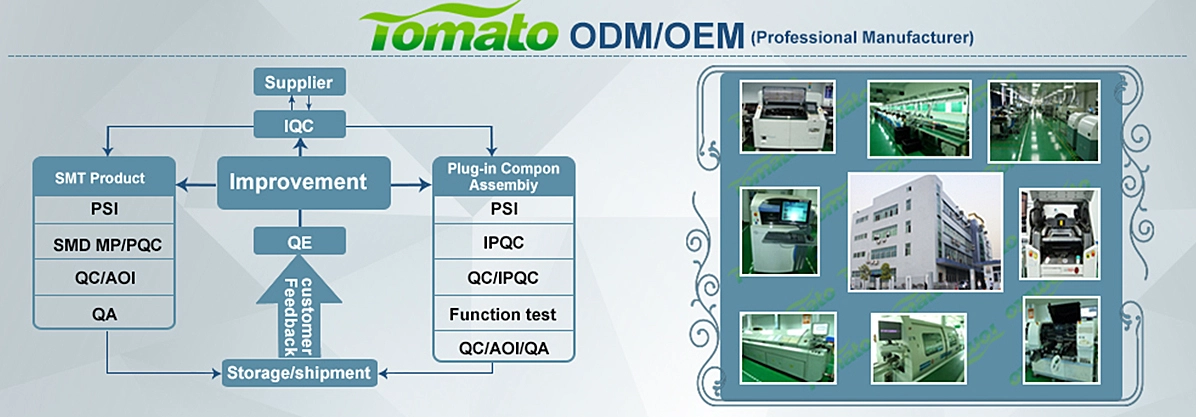
Shenzhen Tomato Technology (SZTomato) specializes in high-reliability OEM/ODM hardware design. From foundational PCBA engineering and advanced cooling solutions to specialized kernel-level customizations and secure FOTA update integration, our team delivers industrial streaming platforms engineered to last.
Contact our B2B project engineering division today to discuss your technical specifications, request design reference boards, or arrange a direct architecture review with our team.
Email: sales@sztomato.com
Web: www.sztomato.com