
How to Get it Google TV Box?
How to Source a Google TV Box: An Enterprise Architectural Approach
The shift toward the AV1 codec as a mandatory requirement for YouTube and Netflix 4K playback has bifurcated the "Google TV Box" market. For enterprise entities, the challenge is not merely locating a vendor but securing a hardware platform that balances Google’s stringent certification requirements with the flexibility needed for commercial application. Procurement managers must navigate the complexities of Widevine L1 encryption, SoC-level hardware security, and the persistent thermal limitations of standard consumer-grade enclosures.
Identifying Hardware Foundations: Silicon and Certification
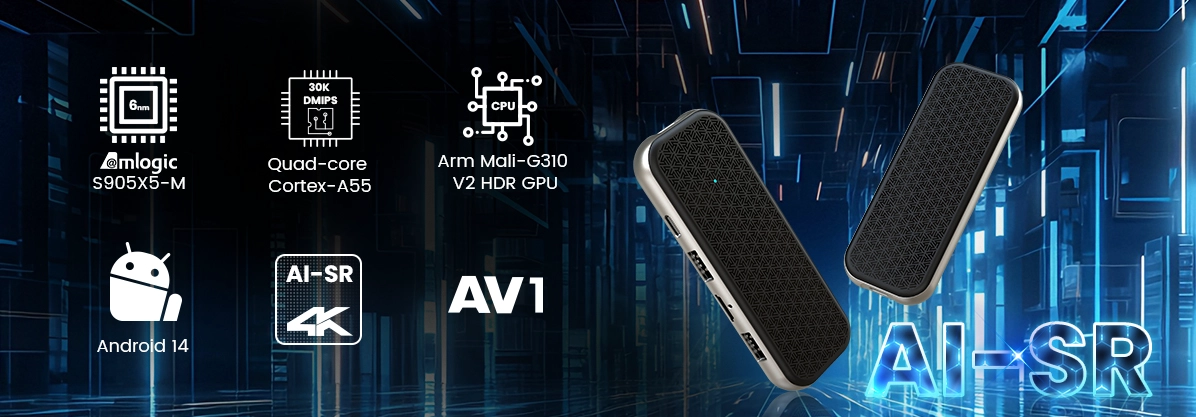
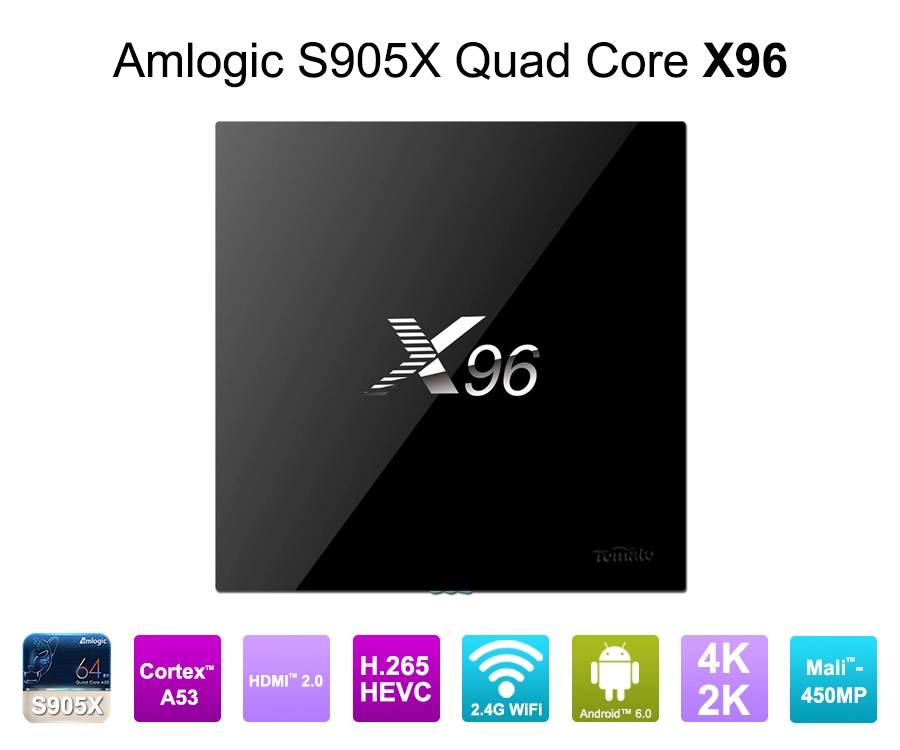
Successfully deploying a Google TV Box within a professional network—whether for hospitality IPTV or secure corporate communications—starts with the silicon. The current industry benchmark centers on the Amlogic S905X4 and the newer S905X5 series. These chips provide the dedicated hardware-accelerated AV1 decoding necessary to maintain low CPU overhead during high-bitrate streaming.
However, "getting" the hardware is irrelevant if it lacks the necessary security certifications. For B2B applications, Widevine L1 and HDCP 2.3 are non-negotiable. Without these, the device is restricted to standard-definition output by content providers. SZTomato’s approach bypasses the limitations of generic white-label boxes by integrating these certifications at the bootloader level, ensuring that your proprietary apps or licensed content maintain 4K integrity across the entire fleet.
Beyond the Shell: PCBA Modification and Thermal Engineering
Standard retail Google TV Boxes are engineered for a two-hour movie window; they are not built for 24/7 commercial duty cycles. Continuous operation in enclosed environments, such as behind a digital signage display or inside a kiosk, leads to rapid thermal saturation and subsequent clock-speed throttling of the SoC.
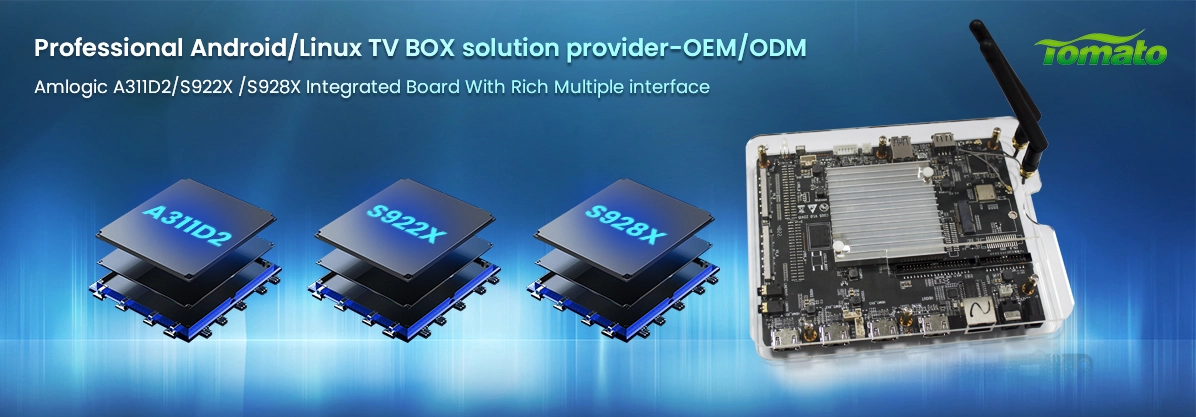
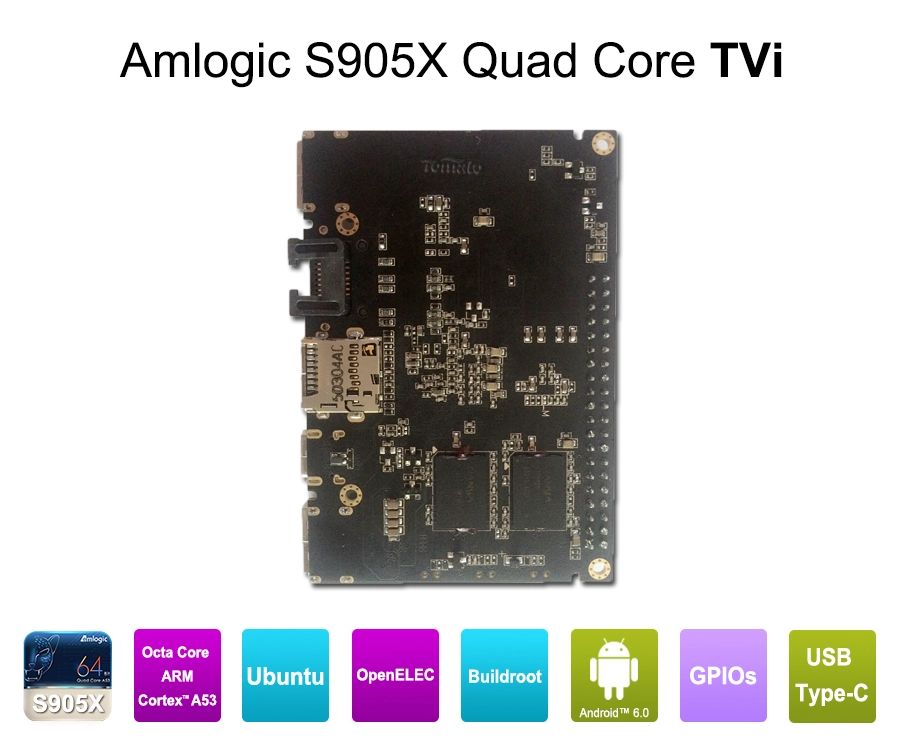
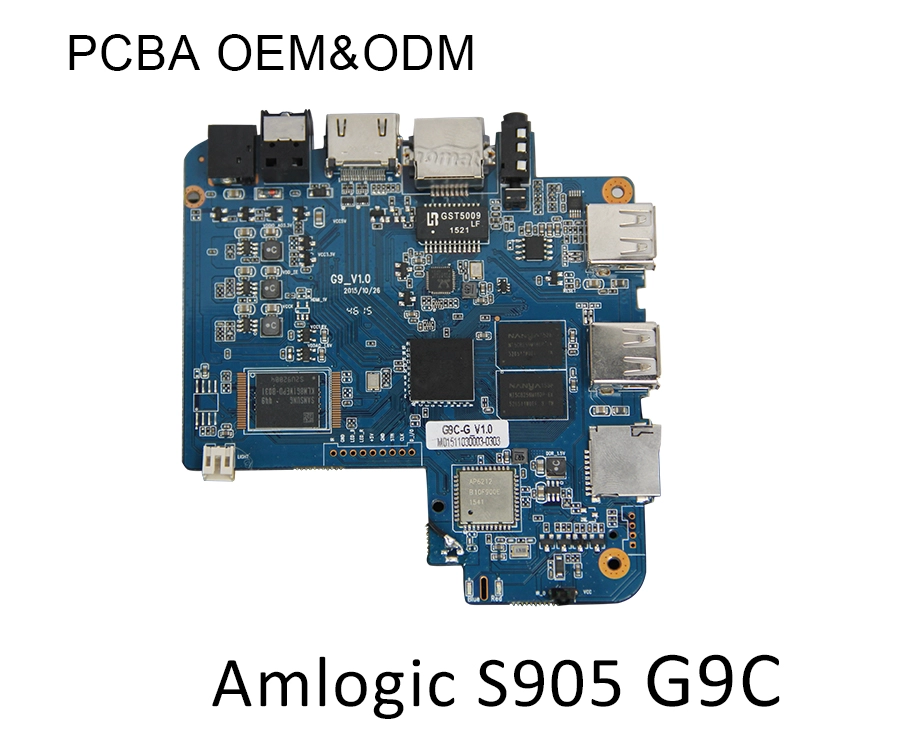
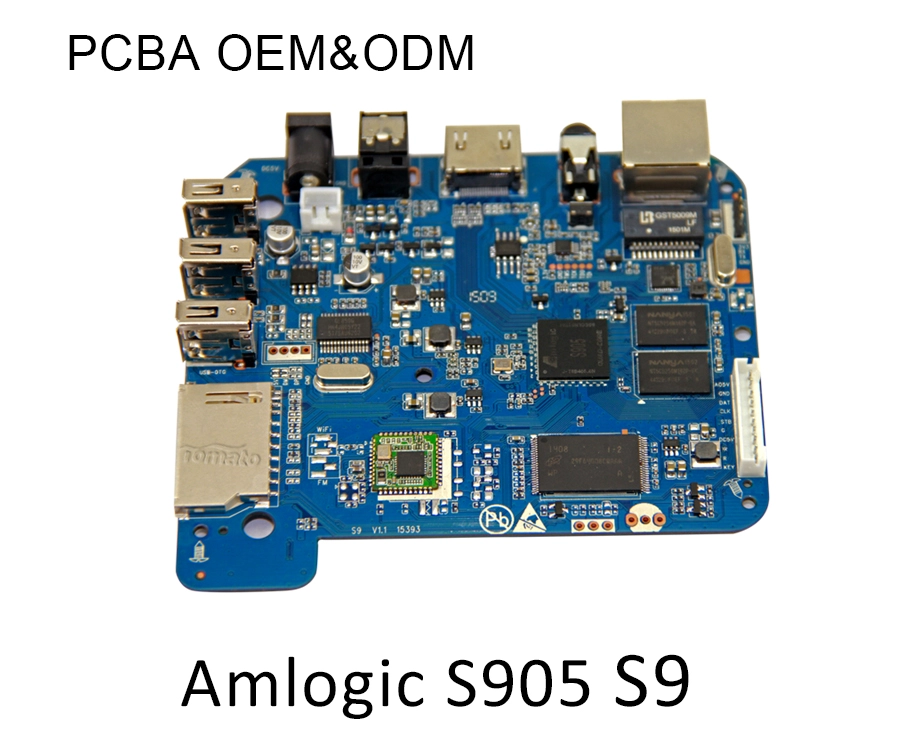
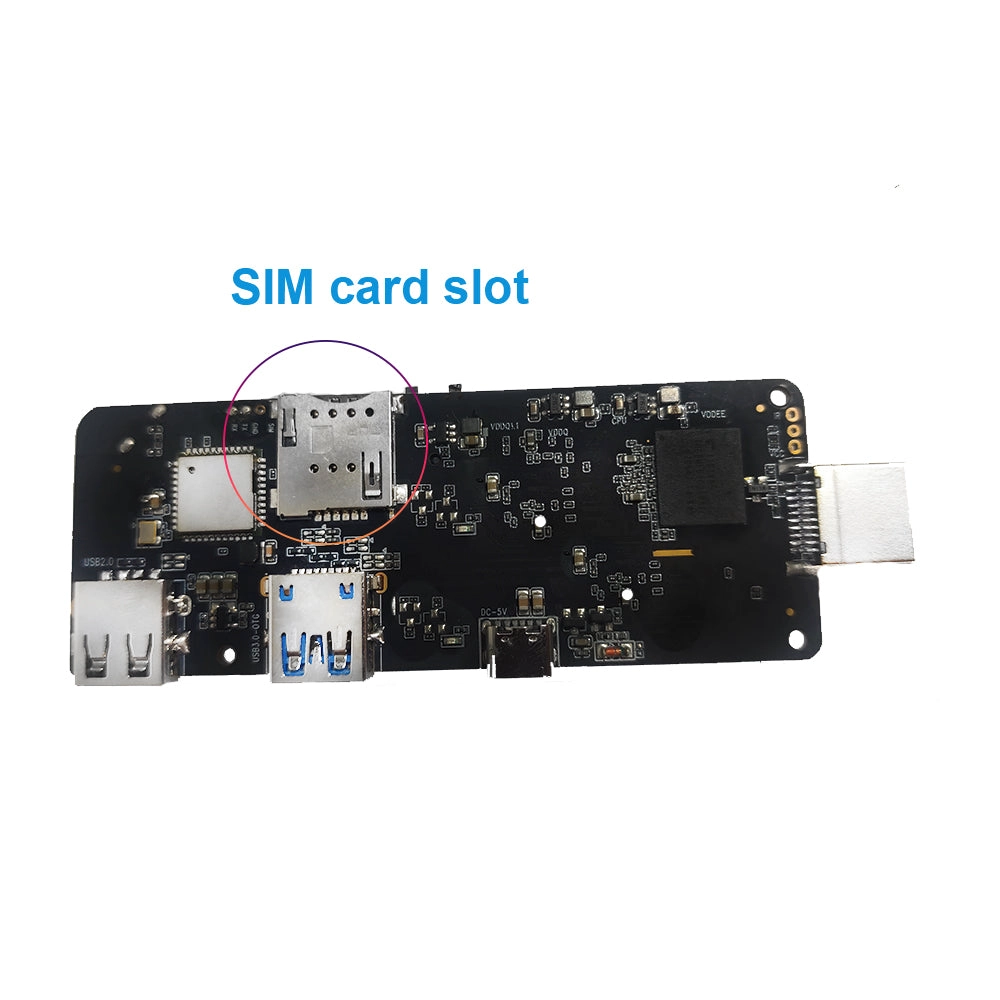
To achieve industrial reliability, the PCBA (Printed Circuit Board Assembly) layout must be modified. Our engineering process involves:
-
Optimized Component Placement: Separating the PMU (Power Management Unit) from the main SoC to prevent heat stacking.
-
Custom Cooling Solutions: Replacing standard thin-foil heat sinks with high-mass extruded aluminum or active cooling modules where environmental conditions demand.
-
Interface Expansion: Modifying the PCBA to include specialized I/O such as RS232 for serial control, GPIO for sensor integration, or external Wi-Fi antenna ports to ensure signal penetration in metal enclosures.
Software Integration: SDKs and Custom Firmware Strategy
The primary failure point in commercial Google TV Box deployments is the "locked" nature of the retail OS. To make the hardware work for a specific business use case, you require deep access to the Android kernel. This allows for the implementation of a "Kiosk Mode" or a custom UI/UX that prevents end-users from exiting the primary application or altering system settings.
SZTomato provides comprehensive SDK and API integration, allowing system integrators to build direct hooks into the hardware. This level of customization enables:
-
Silent OTA Updates: Utilizing a private OTA (Over-The-Air) system to push firmware patches without user intervention or the need for a Google Play Store account on every device.
-
Kernel Optimization: Stripping away non-essential background services to free up RAM for mission-critical applications.
-
Custom Branding: From the boot animation to the launcher interface, the firmware is tailored to reflect the corporate identity, providing a unified brand experience.
Procurement Logic: The OEM/ODM Advantage
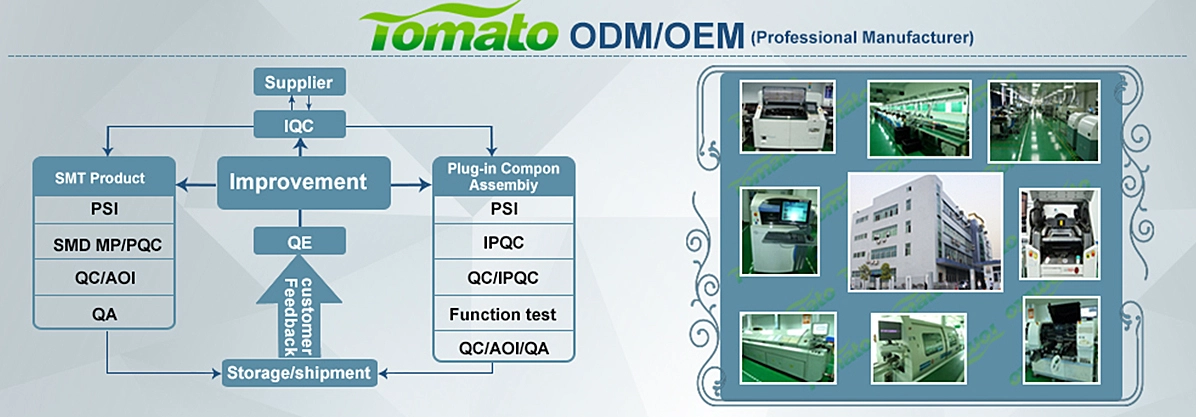
For B2B procurement managers, the path to obtaining a high-performance Google TV Box involves moving away from consumer marketplaces and toward an ODM (Original Design Manufacturer) partnership. This shift ensures that the hardware is not a "black box" but a transparent, manageable component of your infrastructure.
By specifying the PCBA layout, the thermal parameters, and the firmware capabilities at the point of manufacture, you mitigate the long-term costs of hardware failure and technical debt.
Contact SZTomato today to discuss your project’s technical specifications. Our engineering team is ready to assist with PCBA modifications and firmware tailoring for your next large-scale Google TV Box deployment.
