
Which Smart TV Box the best?
Determining the Best Smart TV Box for Enterprise Deployments: An Architectural Analysis
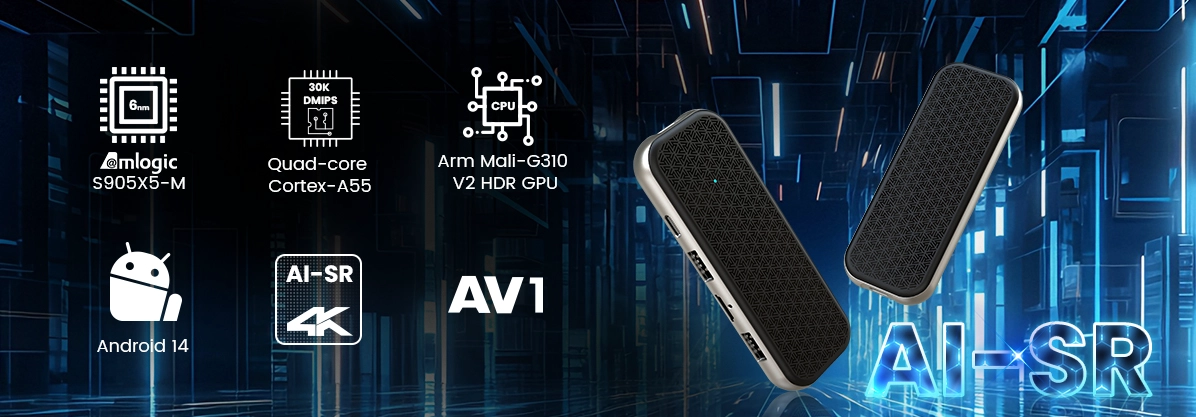
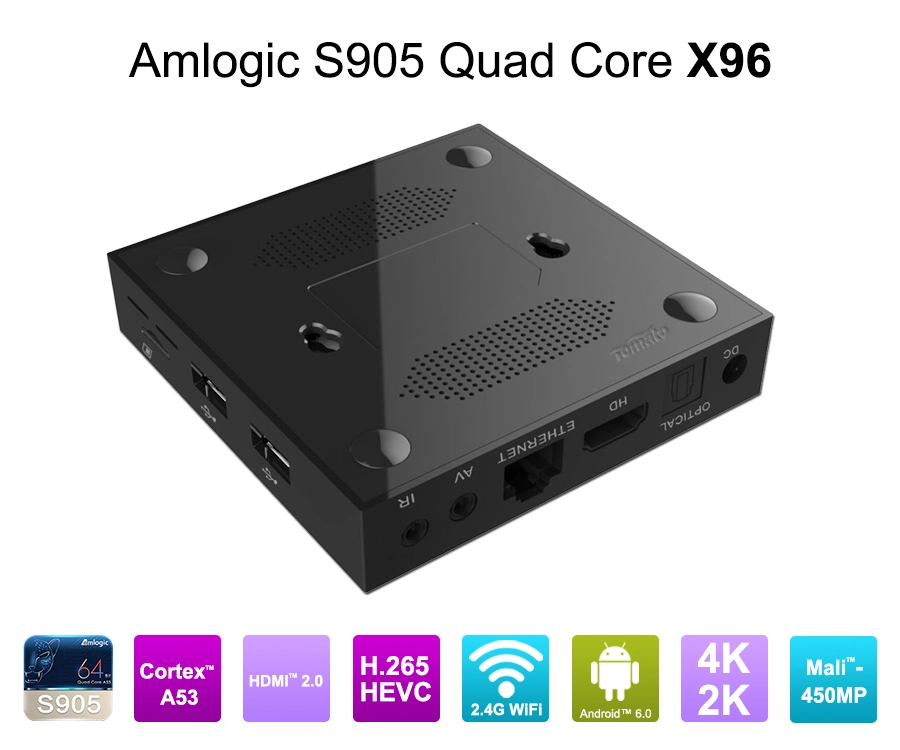
The mandatory adoption of the AV1 video codec across major streaming protocols and the integration of AI-Super Resolution (AI-SR) capabilities in newer silicon like the Amlogic S905X5M have fundamentally altered hardware procurement. For B2B system integrators and digital signage operators, the criteria for selecting hardware have moved away from basic playback capability. When evaluating which Smart TV Box is the best for a commercial network, the deciding factors are now absolute thermal stability, component-level hardware control, and unrestricted firmware autonomy.
Procurement teams attempting to deploy consumer-grade retail units into 24/7 enterprise environments face immediate, predictable failures. Determining the correct hardware requires an architectural analysis of OEM/ODM capabilities, separating commercial-grade appliances from disposable consumer electronics.
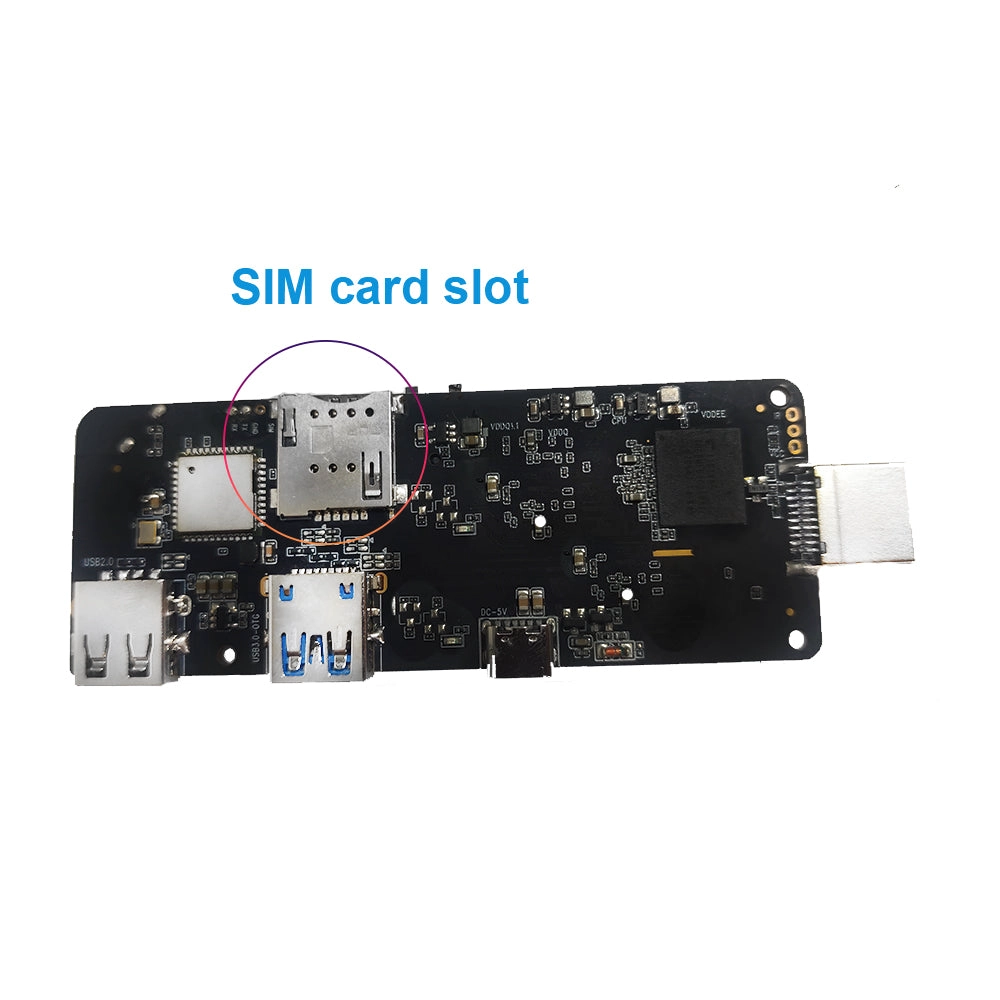
Commercial Viability: PCBA Hardware Modification and Thermal Management
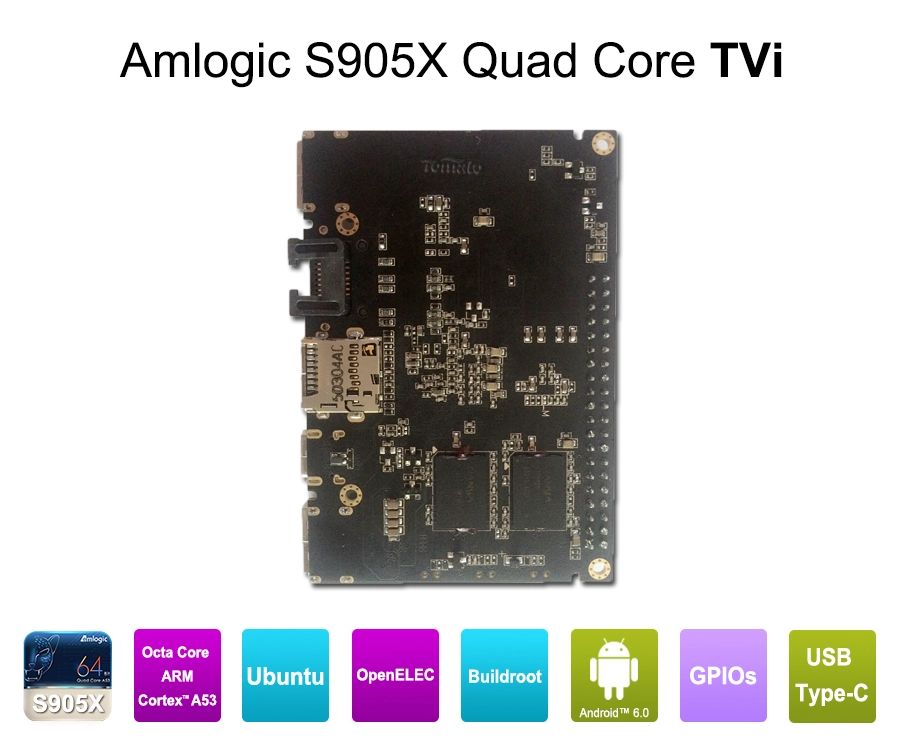
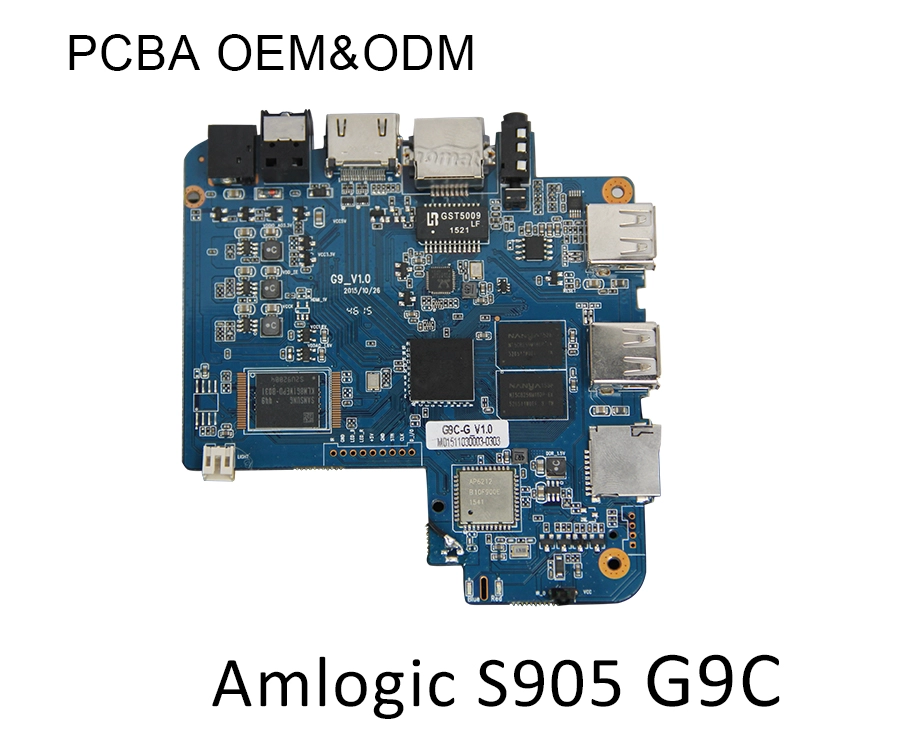
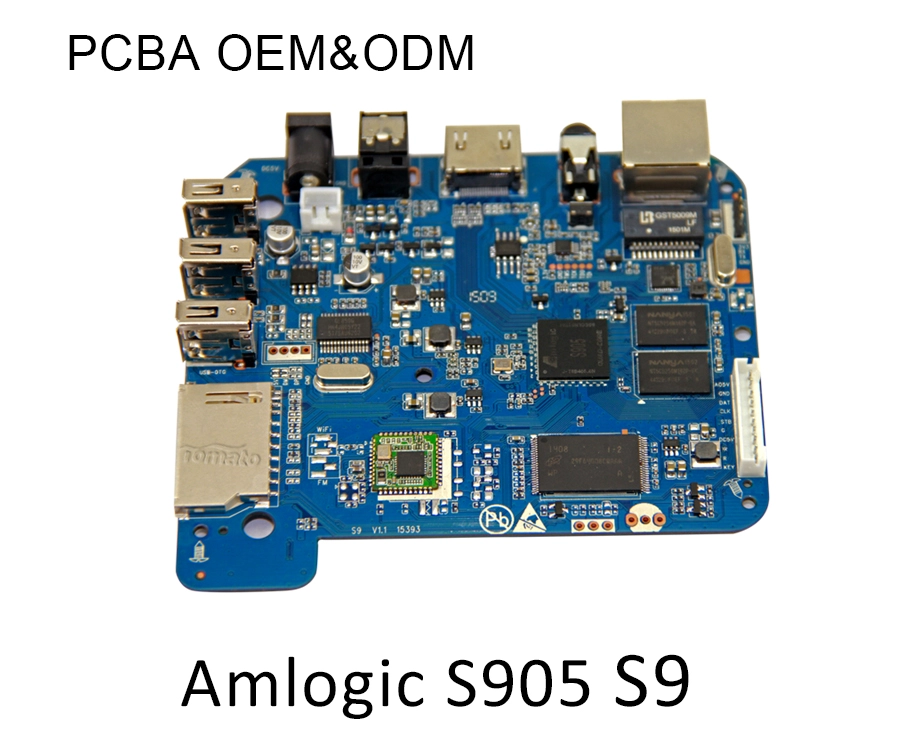
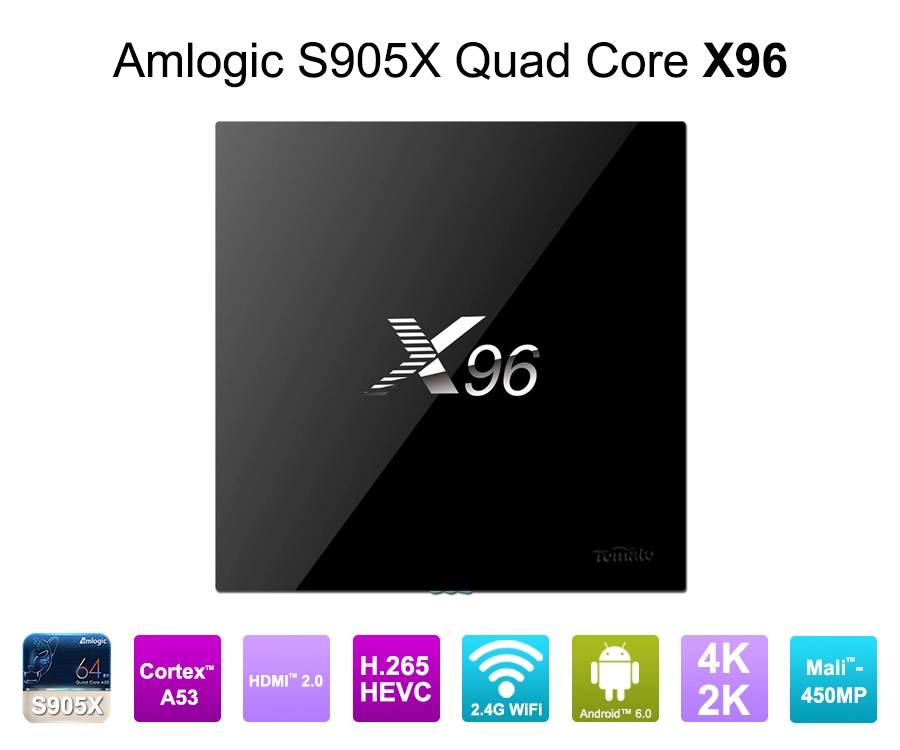
Retail-grade Smart TV Boxes utilize highly condensed Printed Circuit Board Assemblies (PCBAs) and passive, low-mass heat sinks designed specifically for intermittent home usage. When subjected to the continuous, 100% CPU/GPU loads demanded by looped 4K digital signage or secure industrial IoT applications, these retail boards experience severe thermal throttling. This manifests as frame stutter, unprompted reboots, and accelerated degradation of the logic board.
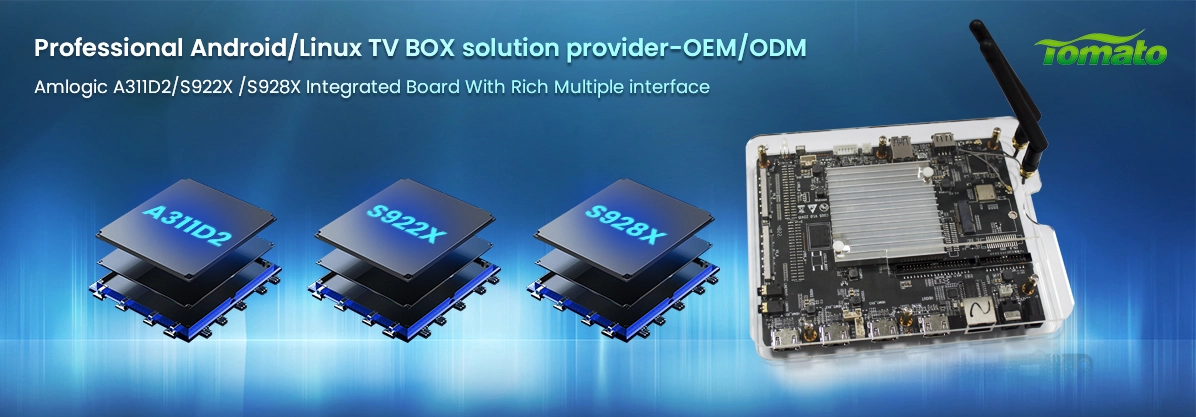
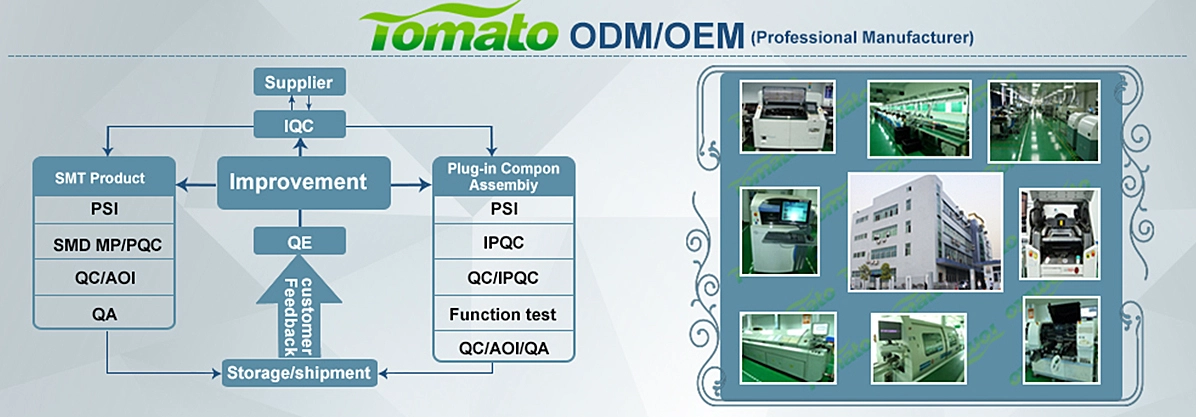
Enterprise reliability requires structural intervention at the manufacturing level. SZTomato circumvents retail thermal limits through direct PCBA hardware modification. By redesigning the board layout to isolate high-heat power delivery modules from the core SoC, and implementing specialized cooling solutions—such as extruded aluminum chassis integration and industrial-grade thermal pad compounds—heat dissipation is maximized. This hardware-level engineering ensures the silicon operates well within its safe thermal envelope, virtually eliminating heat-induced field failures and extending the hardware lifecycle to meet commercial ROI requirements.
Firmware Autonomy: Escaping the Retail OS Sandbox
Sourcing an off-the-shelf Smart TV Box forces system integrators into a restricted operating system sandbox. Consumer devices carry locked bootloaders, bloated background services, and retail-centric user interfaces that consume vital RAM and CPU cycles. Commercial deployments require a stripped-down, highly efficient OS built specifically for the intended payload.
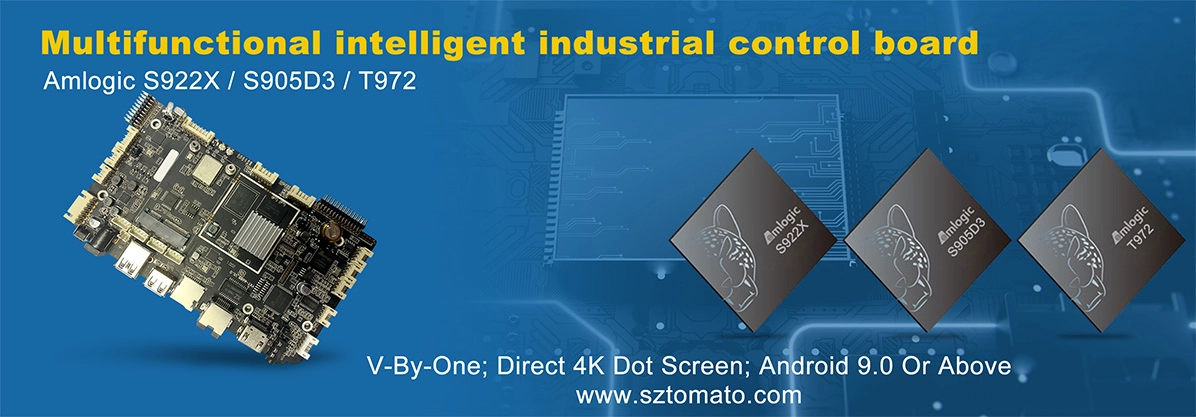
The solution is comprehensive Linux or Android kernel optimization. Partnering with an established ODM allows procurement managers to dictate the exact software environment. SZTomato provides root-access firmware engineering, enabling the complete removal of consumer bloatware. This autonomy allows for the development of custom UI/UX firmware that locks the end-user into a proprietary interface, preventing unauthorized tampering in hospitality or institutional settings.
SDK/API Integration and Network Security
Firmware autonomy is heavily linked to how the device interacts with external networks and Content Management Systems (CMS). An enterprise-grade Smart TV Box must serve as a seamless endpoint for remote management.
-
SDK/API Integration: Deep firmware access permits system integrators to bind their proprietary CMS directly to the hardware via custom APIs, enabling granular control over playback, telemetry, and remote diagnostics.
-
Secure OTA Architecture: Generic updates can break custom software stacks. Customized Over-The-Air (OTA) update systems allow network administrators to push encrypted, staged firmware updates across a global fleet without relying on third-party public servers.
-
Compliance and Encryption: For deployments handling sensitive or licensed media, integration of proper DRM frameworks (e.g., Widevine L1) and strict HDCP encryption protocols at the firmware level is mandatory to maintain compliance with content providers.
Evaluating Silicon: Matching SoC to the Workload
Identifying the best Smart TV Box also requires matching the System on Chip (SoC) to the specific demands of the deployment.
For high-density, localized AI processing—such as computer vision triggers for targeted retail advertising—integrators must look beyond standard media processors. Utilizing edge-compute silicon like the Rockchip RK3588, which features a dedicated 6TOPS NPU, provides the localized compute overhead necessary to run machine learning models without the latency of cloud-based processing. Conversely, for large-scale, cost-effective IPTV deployments, customized boards utilizing Amlogic's latest AV1-compliant processors offer the ideal balance of decoding efficiency and low power consumption.
The ODM Procurement Directive
The question of which Smart TV Box is the best cannot be answered by a generic specification sheet; it is answered by the level of engineering control the manufacturer offers. Relying on inflexible retail hardware for B2B applications is a critical operational risk. Security, stability, and longevity require a foundation of purpose-built hardware and optimized software.
We advise B2B procurement managers, network operators, and system integrators to secure their supply chains by partnering with a dedicated OEM/ODM manufacturer. Contact SZTomato's engineering team to discuss your specific PCBA requirements, custom SDK integrations, and firmware architectures for your upcoming deployment.
