
Is it worth buying an OTT TV Box?
Is It Worth Buying an OTT TV Box? An Enterprise Architecture Analysis
The mandated shift toward hardware-level AV1 decoding across major streaming protocols, coupled with the integration of neural processing units (NPUs) in SoCs like the Amlogic S928X and Rockchip RK3588, exposes the structural limits of generic retail hardware. System integrators and commercial deployment managers face unacceptably high failure rates when attempting to force consumer-grade set-top boxes into 24/7 digital signage, hospitality, or industrial IoT environments. The calculation for B2B procurement teams is no longer about raw playback capability; it rests entirely on specific architectural tolerances, including custom firmware stability, thermal dissipation parameters, and localized API control.
Thermal Management and PCBA Hardware Modification
Retail-grade boxes utilize cost-optimized printed circuit board assemblies (PCBAs) and passive heat sinks engineered for intermittent home use. Under continuous operation—especially when processing 4K/8K video streams or executing heavy digital signage payloads—these units experience thermal throttling. This results in frame drops, CPU clock degradation, and eventual logic board failure.
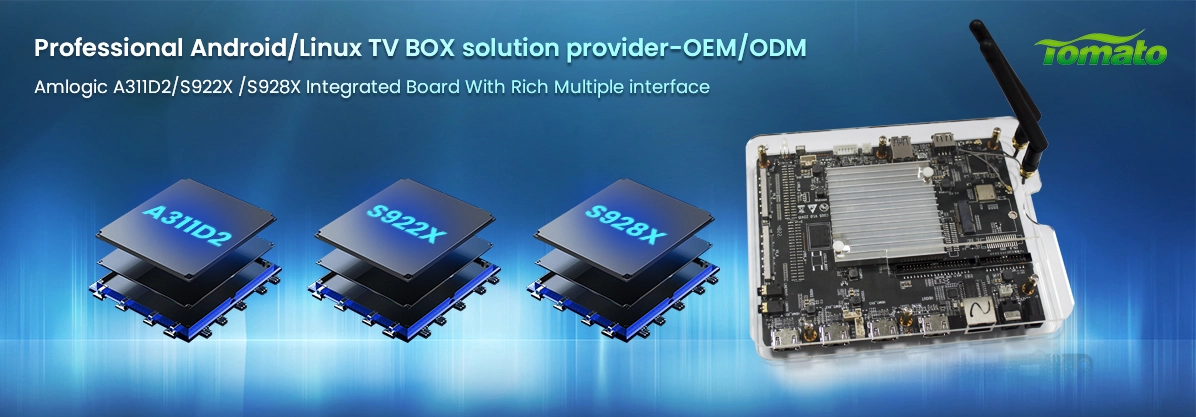
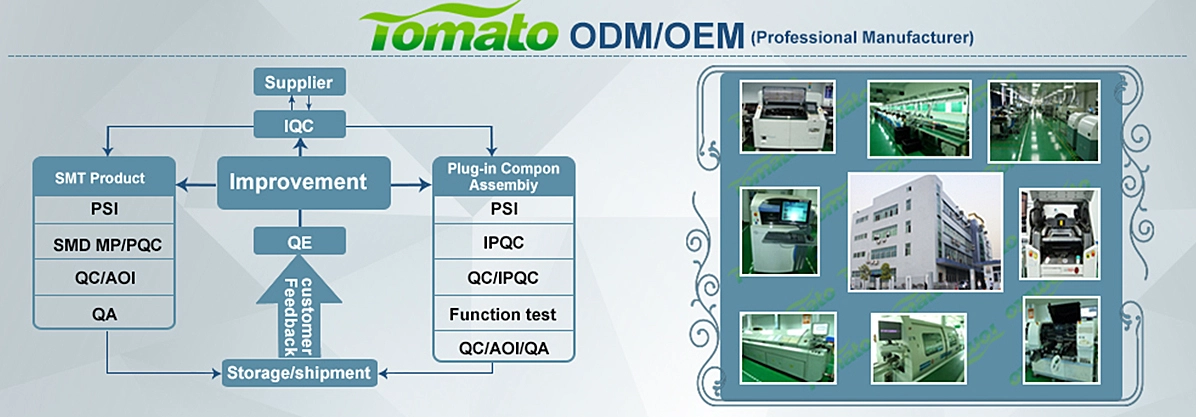
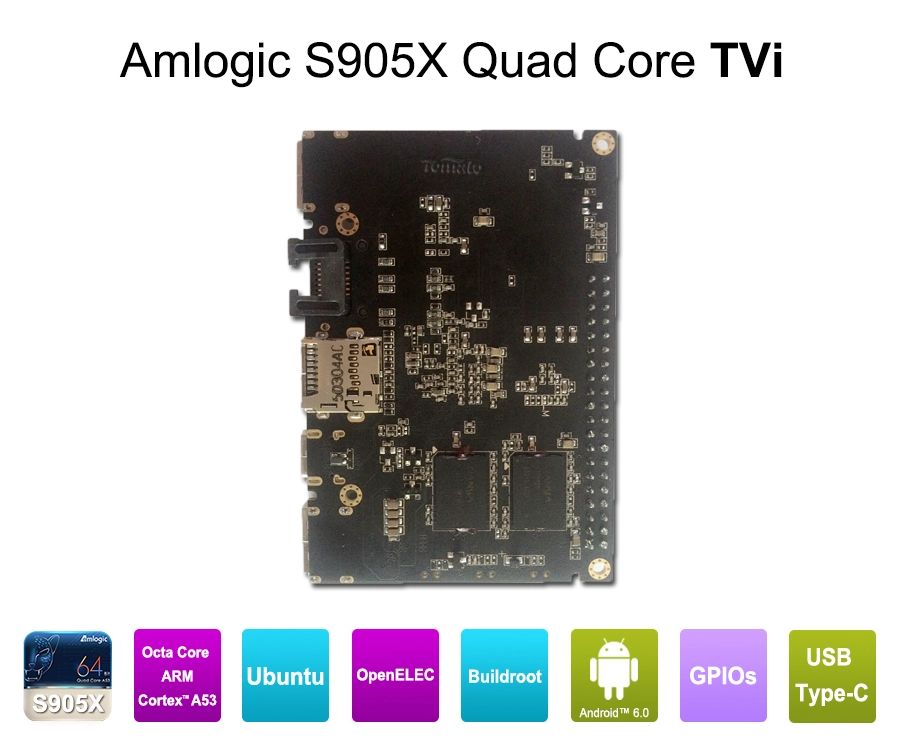
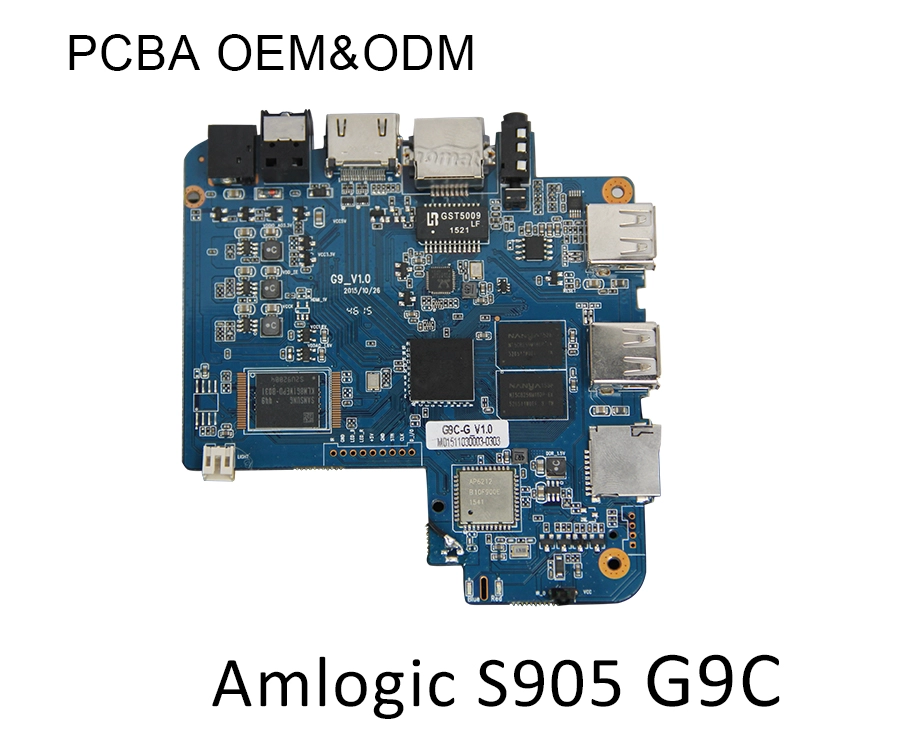
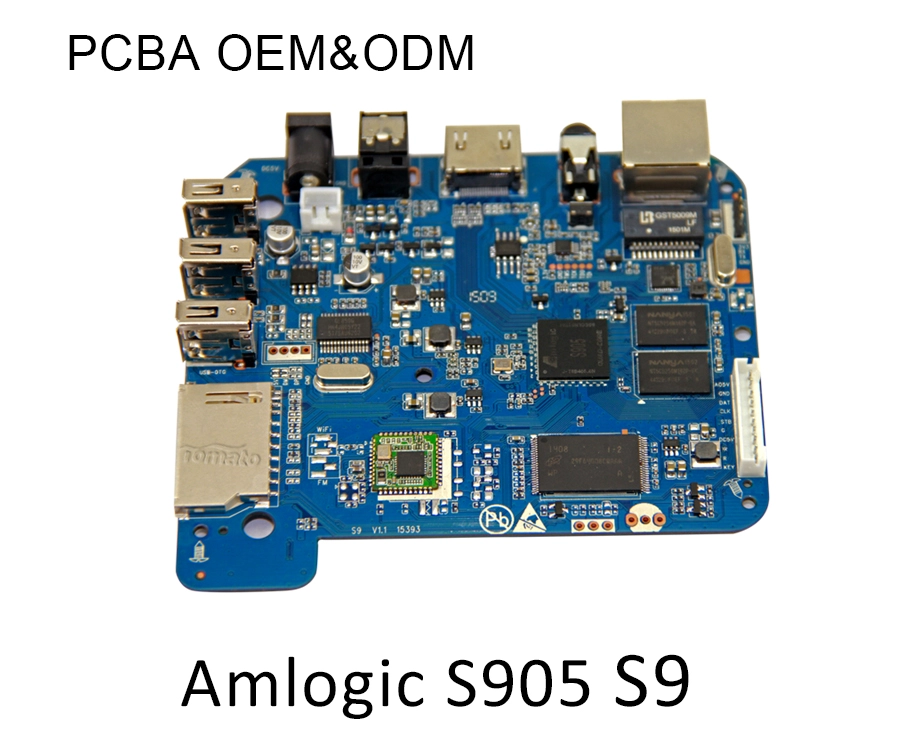
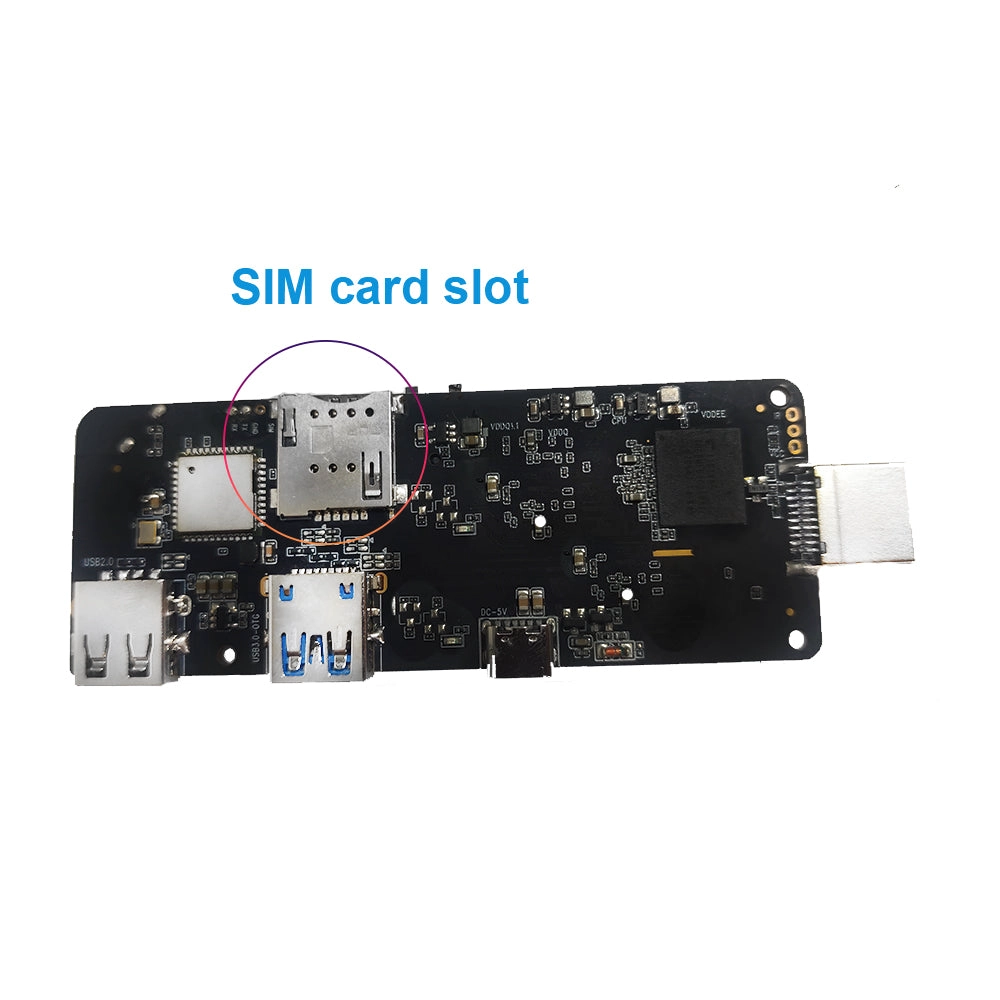
For commercial deployments, hardware modification at the PCBA level prevents thermal degradation. SZTomato engineers bypass retail constraints through specialized cooling solutions, redesigning the component layout to separate high-heat ICs from sensitive power delivery modules. By employing industrial-grade thermal pads, extruded aluminum chassis options, and optimized copper trace routing, these modified OTT TV Boxes maintain baseline operating temperatures even under continuous 100% CPU/GPU loads. This physical engineering ensures the hardware lifespan necessary to justify B2B capital expenditure and minimize field maintenance costs.
Firmware Autonomy: Kernel Optimization and SDK Integration
Procuring an OTT TV Box yields negative ROI if the operating system restricts operational control. Off-the-shelf devices ship with locked bootloaders, consumer-centric user interfaces, and unremovable background services that consume critical RAM. Enterprise applications require firmware-level engineering to strip unnecessary processes and allocate resources directly to the primary payload.
SZTomato provides direct Linux and Android kernel optimization, delivering root-access firmware tailored to exact client specifications. This structural capability allows system integrators to leverage custom SDK and API integration, enabling deep communication between the device hardware and proprietary central management software. Whether implementing custom UI/UX frameworks for specific hospitality deployments or configuring secure OTA (Over-The-Air) update systems for remote fleet management, firmware autonomy eliminates the instability associated with generic operating systems. Furthermore, integrating proper DRM frameworks (such as Widevine L1) and HDCP encryption ensures strict compliance for institutional content distribution.
Edge Processing and Protocol Demands
The current hardware procurement cycle must account for the immediate transition to edge-level AI processing. Modern digital signage and smart retail ecosystems require devices capable of executing local machine learning tasks, such as real-time audience analytics or computer vision triggers, without relying on high-latency cloud compute.
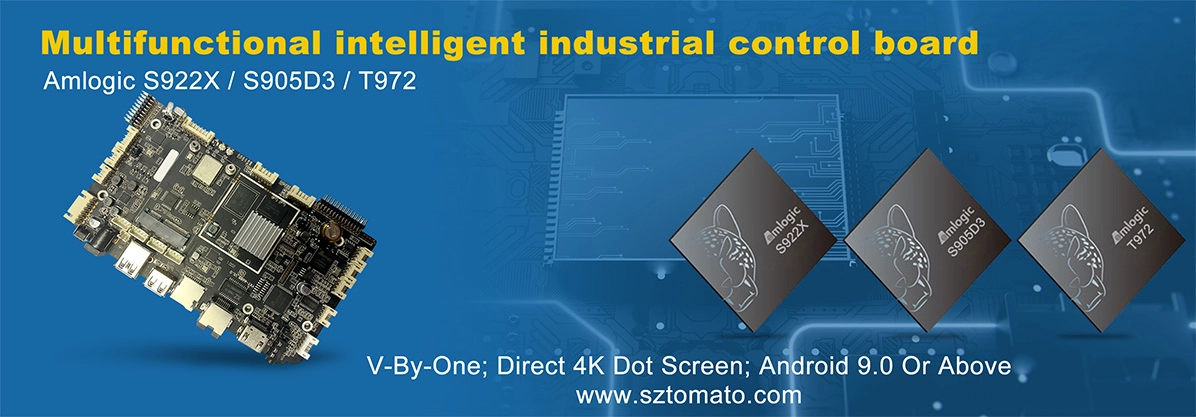
Selecting an OTT TV Box equipped with enterprise-grade silicon, such as the Rockchip RK3588 with its 6TOPS NPU, provides the compute overhead required for these localized applications. These specialized units function as edge nodes rather than simple media players. Procurement teams utilizing SZTomato’s OEM/ODM manufacturing infrastructure gain access to these advanced SOCs combined with customized I/O configurations—including RS232, GPIO interfaces, and dual HDMI outputs—that remain strictly unavailable in the retail channel.
Procurement Verdict: The ROI of OEM/ODM Customization
Evaluating whether an OTT TV Box merits investment depends entirely on the origin and architecture of the hardware. Sourcing generic retail units for enterprise deployment introduces critical security vulnerabilities and hardware failure points. Conversely, engaging an ODM partner capable of low-level hardware design and firmware engineering transforms the device into a stable, purpose-built commercial appliance.
For B2B procurement managers, network operators, and system integrators requiring uncompromising network reliability, investing in a customized, commercial-grade OTT TV Box is a mandatory operational requirement. We invite technical directors and procurement teams to contact SZTomato to discuss specific PCBA layouts, kernel-level firmware optimization, and OEM/ODM manufacturing solutions tailored to your next network deployment.
