
Ways to control Internet TV Box
Ways to Control Internet TV Box: Strategic HMI for Enterprise Deployments
The transition to the Amlogic S928X and RK3588 silicon has enabled the processing of complex 8K payloads, but the technical bottleneck for system integrators remains the control interface layer. In a commercial environment—whether a 500-room hotel IPTV system or a nationwide digital signage network—the standard consumer Infrared (IR) remote is functionally obsolete due to line-of-sight requirements and signal crosstalk.
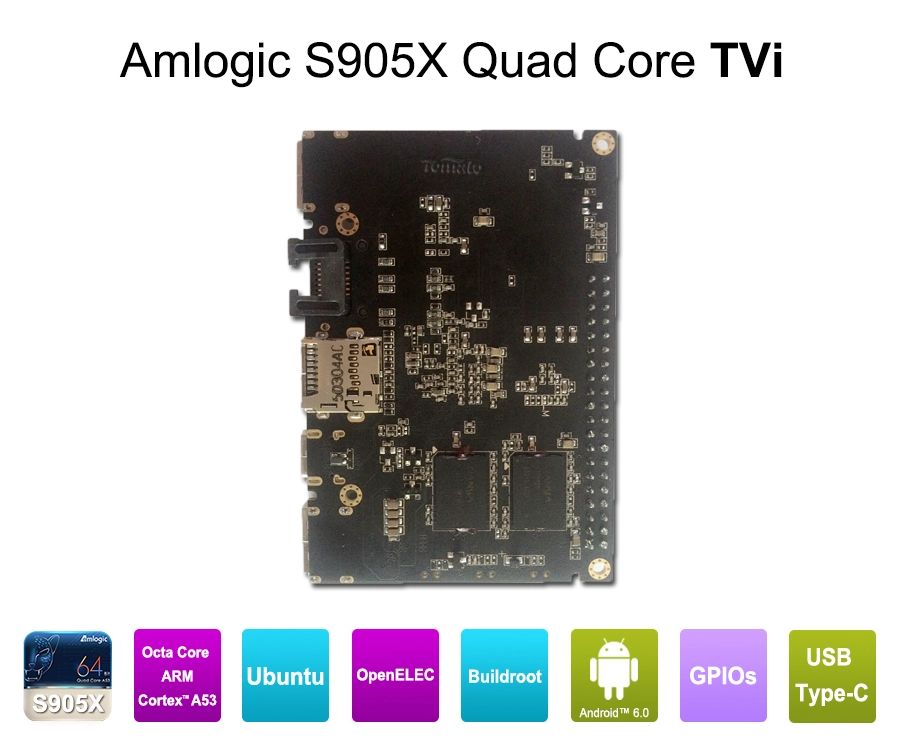
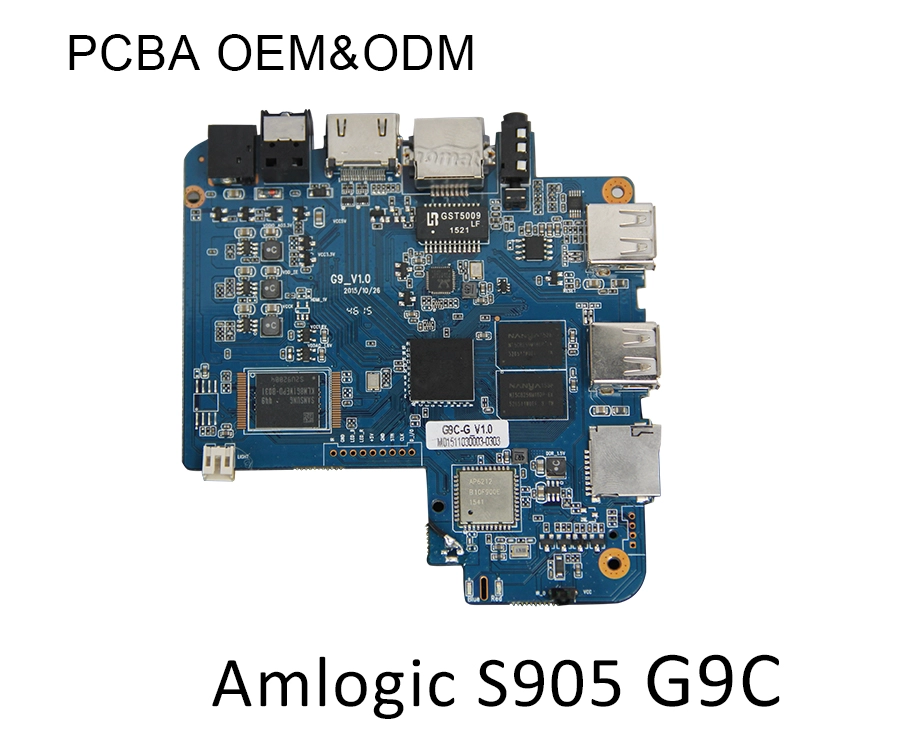
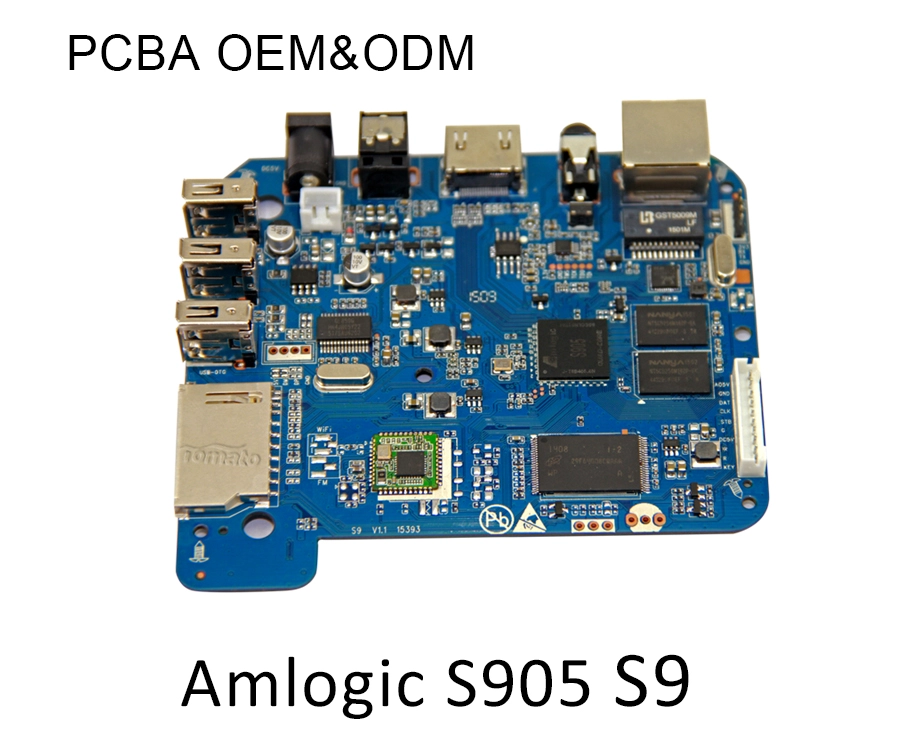
For B2B stakeholders, selecting an Internet TV Box requires a move toward non-line-of-sight (NLOS) and programmatic control architectures. This transition necessitates deep firmware-level integration and, frequently, specific PCBA hardware modifications to support industrial input standards.
Hardware-Level Integration: HDMI-CEC and RS232 Serial Routing
In professional AV environments, the ability to synchronize the power state and input switching of the display and the media player is non-negotiable. Using the HDMI Consumer Electronics Control (CEC) protocol allows for bidirectional communication over the HDMI bus, enabling the display’s remote to control the Internet TV Box or vice versa.
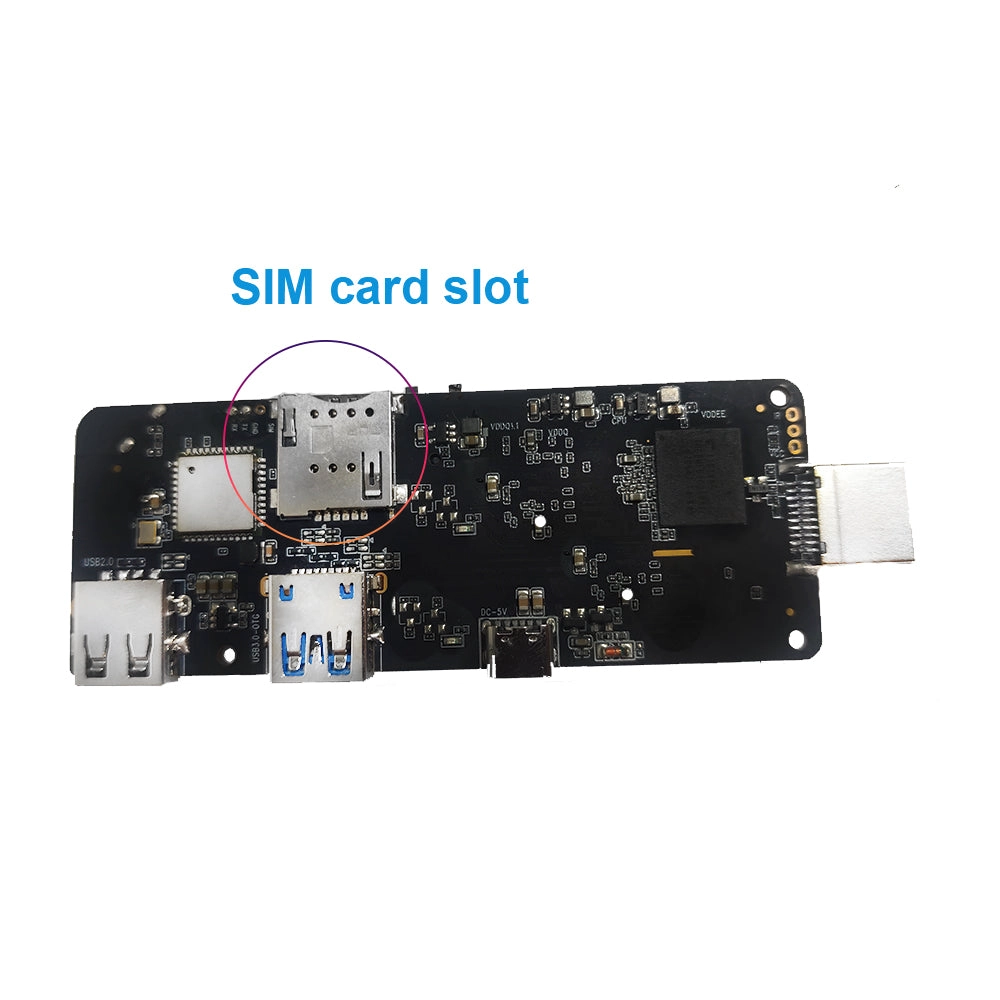
However, consumer-grade firmware often implements CEC inconsistently, leading to "handshake" failures. SZTomato addresses this through custom Android kernel optimization, ensuring the CEC stack remains active and responsive even in low-power states. For legacy industrial systems requiring even higher reliability, we offer PCBA modifications to include dedicated RS232 or UART headers. These physical serial interfaces allow for 100% reliable, wired command injection from third-party control processors (such as Crestron or Extron), bypassing the vulnerabilities of wireless interference entirely.
Advanced Wireless Interfaces: BLE 5.2 and HID over GATT
Where wireless control is mandatory, Bluetooth Low Energy (BLE) 5.2 has replaced legacy Bluetooth due to its superior power profile and multi-device bonding capabilities. Utilizing the Human Interface Device (HID) over GATT profile, a modern Internet TV Box can support voice-command remotes, air-mice, and specialized industrial keyboards.
To ensure stability in RF-congested zones like trade shows or hospital wards, SZTomato integrates specialized cooling solutions and RF shielding around the wireless module. This prevents thermal-induced frequency drifting that can cause controller disconnects. Furthermore, our SDK/API integration allows developers to remap hardware buttons at the system level, disabling the "Home" or "Settings" buttons to prevent end-users from exiting proprietary signage or IPTV applications.
Programmatic Control: RESTful APIs and MDM Command Injection
The most sophisticated method for controlling an Internet TV Box fleet is through programmatic command injection via a Local Area Network (LAN) or Wide Area Network (WAN). This bypasses physical controllers entirely in favor of a centralized management dashboard.
By leveraging a custom-built OTA update system and integrated MDM (Mobile Device Management) agents, SZTomato enables administrators to:
-
Remote Reboot/Power Cycle: Execute hard resets via network commands.
-
Source Switching: Programmatically switch between local storage playback and live IP streams.
-
Kernel-Level Monitoring: Pull real-time telemetry on SoC temperature, CPU load, and network throughput to preemptively diagnose hardware fatigue.
This API-driven approach is essential for digital signage, where "control" means the ability to update content, adjust volume, and modify display parameters across thousands of endpoints from a single command center.
Conclusion
Effective control of an Internet TV Box in a B2B context is not about the remote in the box; it is about the engineering of the communication protocol. Whether your deployment demands the tactile reliability of RS232, the seamlessness of HDMI-CEC, or the scalability of a RESTful API, the underlying hardware and firmware must be built to support it.
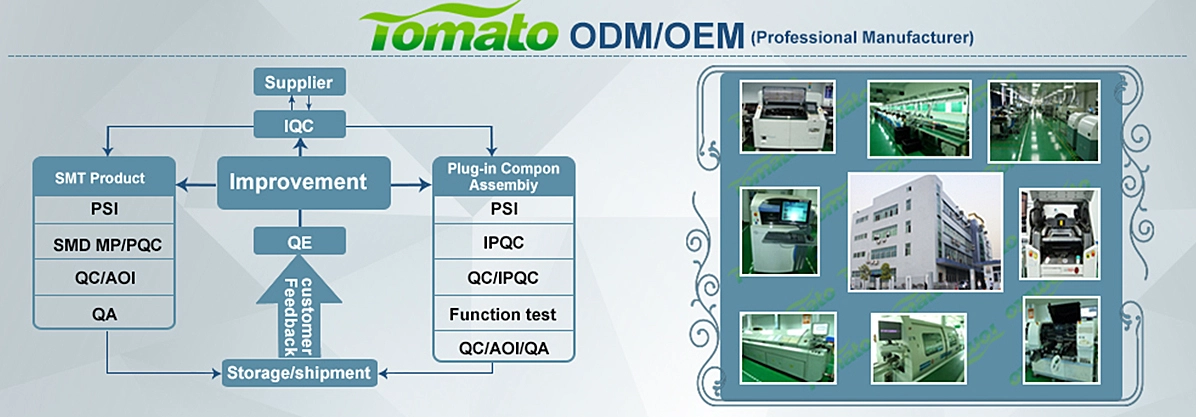
For system integrators and procurement managers, off-the-shelf retail units represent a significant risk to operational uptime. SZTomato specializes in OEM/ODM solutions that provide the granular hardware and software control necessary for industrial-grade performance. Contact our engineering team today to discuss PCBA layouts and SDK integrations tailored to your specific control requirements.
