
How do I set up my Google TV Box?
How Do I Set Up My Google TV Box Fleet? Enterprise Provisioning and Firmware Engineering
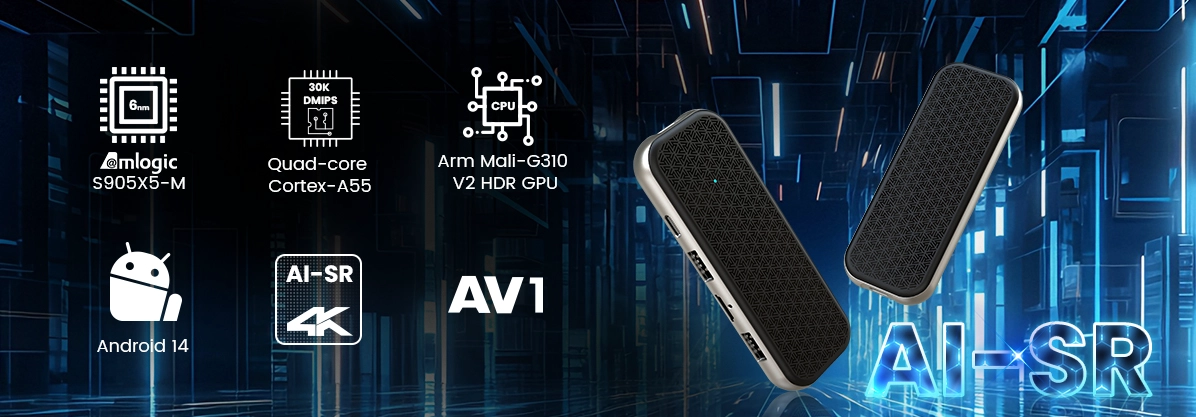
The integration of AV1 hardware decoding across recent Amlogic SoCs (such as the S905X4 and S905X5M) fundamentally shifts the processing load for commercial IPTV and digital signage. However, leveraging this silicon efficiency at scale exposes a critical operational bottleneck: the initial device configuration. For system integrators, the question is not how a single end-user plugs in a device, but rather how to provision and secure thousands of Google TV Box units across a distributed network without manual intervention.
Relying on standard consumer retail firmware for enterprise deployment results in severe labor inefficiencies. Commercial installations require zero-touch provisioning, stripped-down operating systems, and hardware customized for continuous uptime.
Bypassing the Consumer OOBE Bottleneck
The standard Out-of-Box Experience (OOBE) for a retail Google TV Box demands manual Wi-Fi handshakes, Google account authentication, and mandatory consumer application updates. In a 5,000-room hospitality deployment or a multi-site digital signage rollout, this manual setup sequence is logistically inviable.
Achieving a streamlined, plug-and-play enterprise setup requires deep Linux/Android kernel optimization. SZTomato engineers bypass the consumer OOBE by developing custom UI/UX firmware tailored to the deployment environment. We modify the bootloader and kernel to execute localized provisioning scripts immediately upon powering up. This allows the device to bypass consumer prompts, automatically lock onto a hidden SSID or specific VLAN via Ethernet, and boot directly into a designated kiosk mode or proprietary CMS application.
SDK/API Integration and Secure Fleet Management
Once physical connections are made, a commercial Google TV Box must seamlessly integrate into the integrator's Mobile Device Management (MDM) infrastructure. Setup is not complete until the endpoint is visible, manageable, and secure on the network.
SZTomato facilitates this through comprehensive SDK/API integration, exposing low-level system controls directly to the deployment’s centralized management server. This integration enables:
-
Automated Provisioning: Devices automatically pull configuration payloads, network certificates, and specific application APKs upon first boot.
-
Encrypted Payloads: Ensuring that HDCP 2.3 encryption and Widevine L1 decryption keys remain uncompromised within the SoC’s Trusted Execution Environment (TEE) during mass deployment.
-
Lifecycle Control: Implementing fail-safe OTA update systems that allow IT administrators to push silent, background firmware patches and security updates without disrupting the user interface or requiring a localized manual reset.
Hardware Validation: PCBA Layout and Thermal Reliability
Software provisioning assumes hardware stability. Enterprise setup protocols will fail if the physical device cannot handle the thermal constraints of commercial environments.
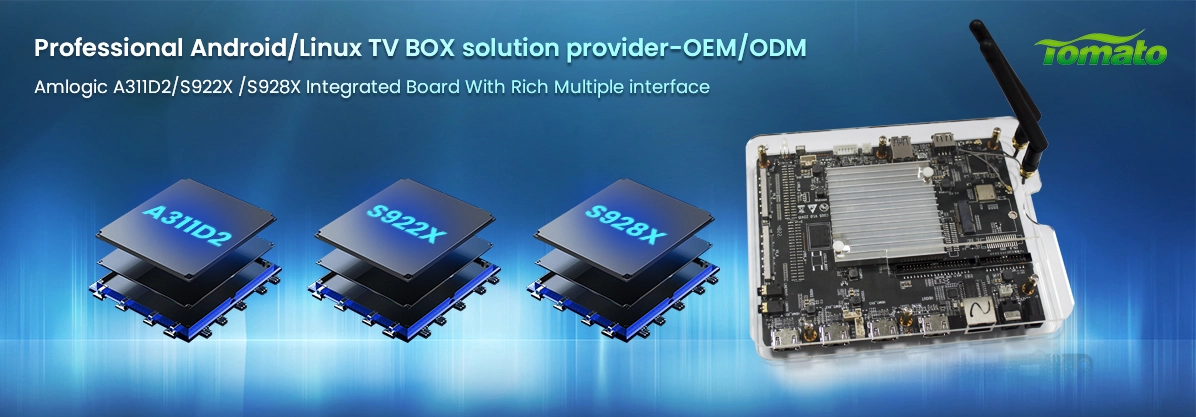
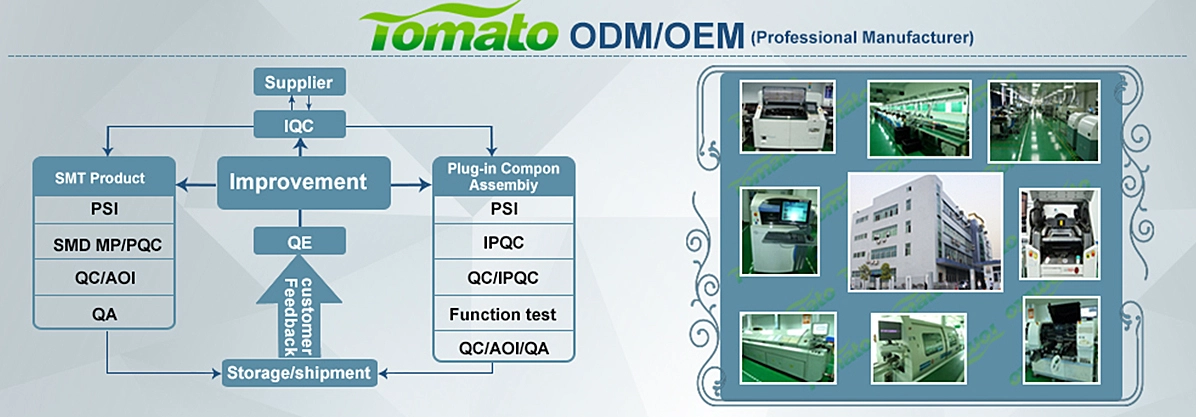
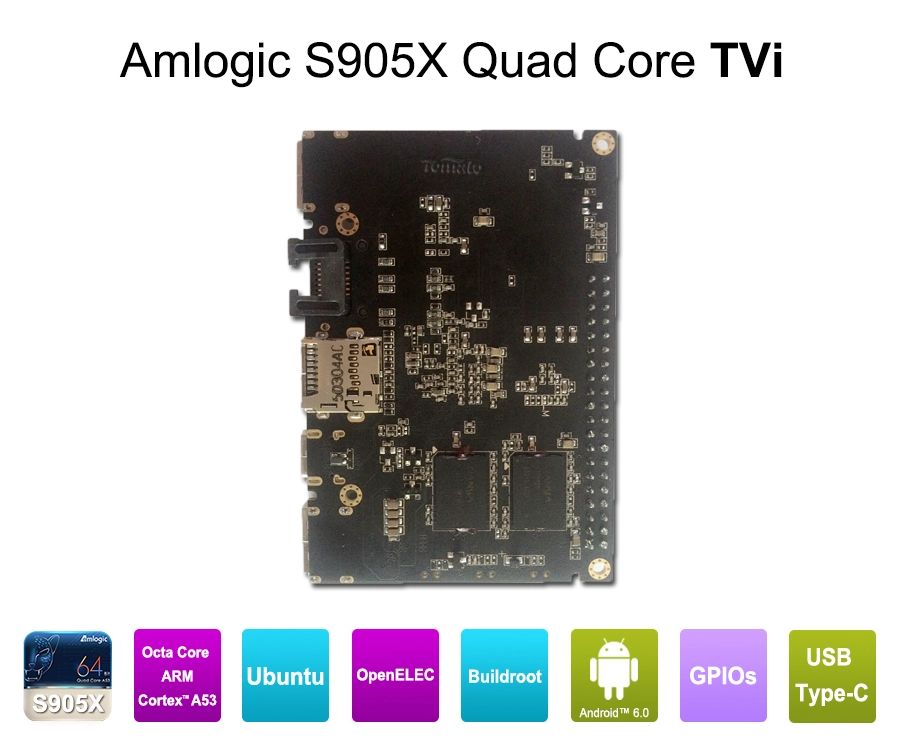
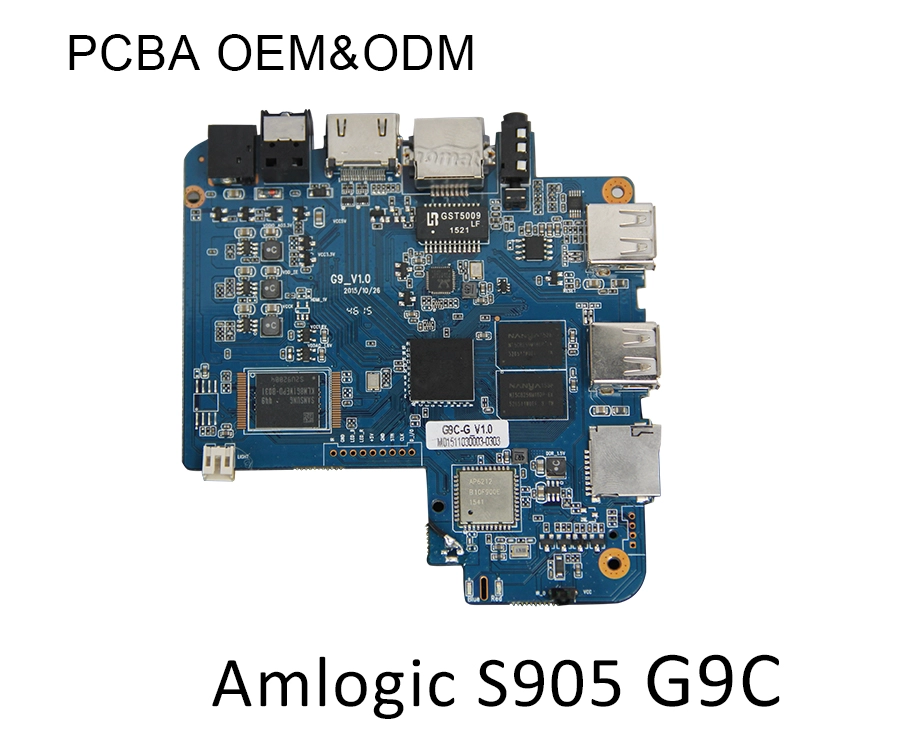
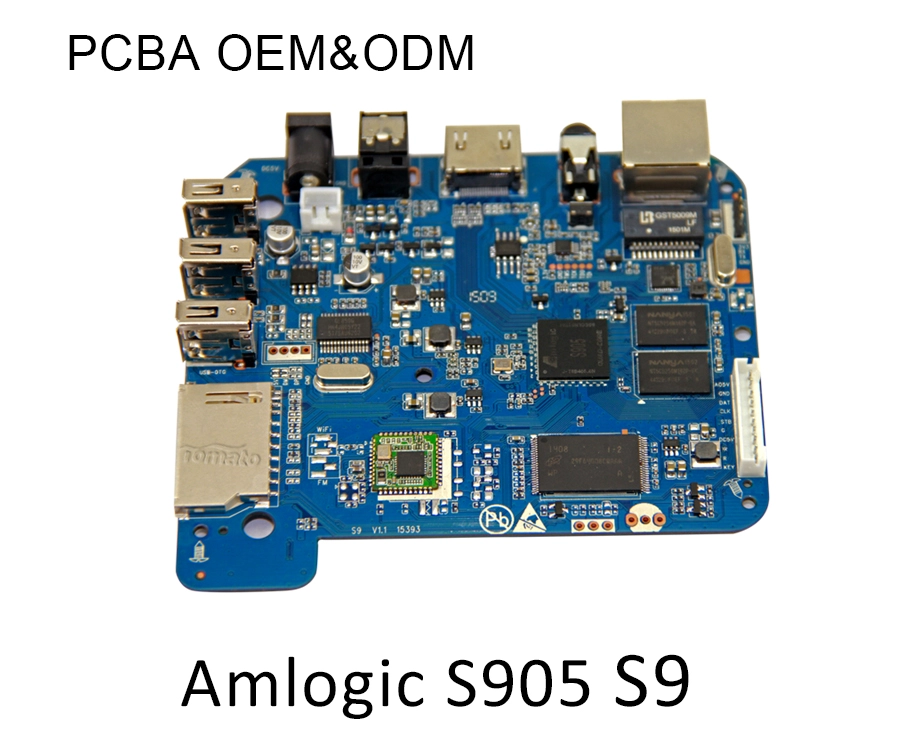
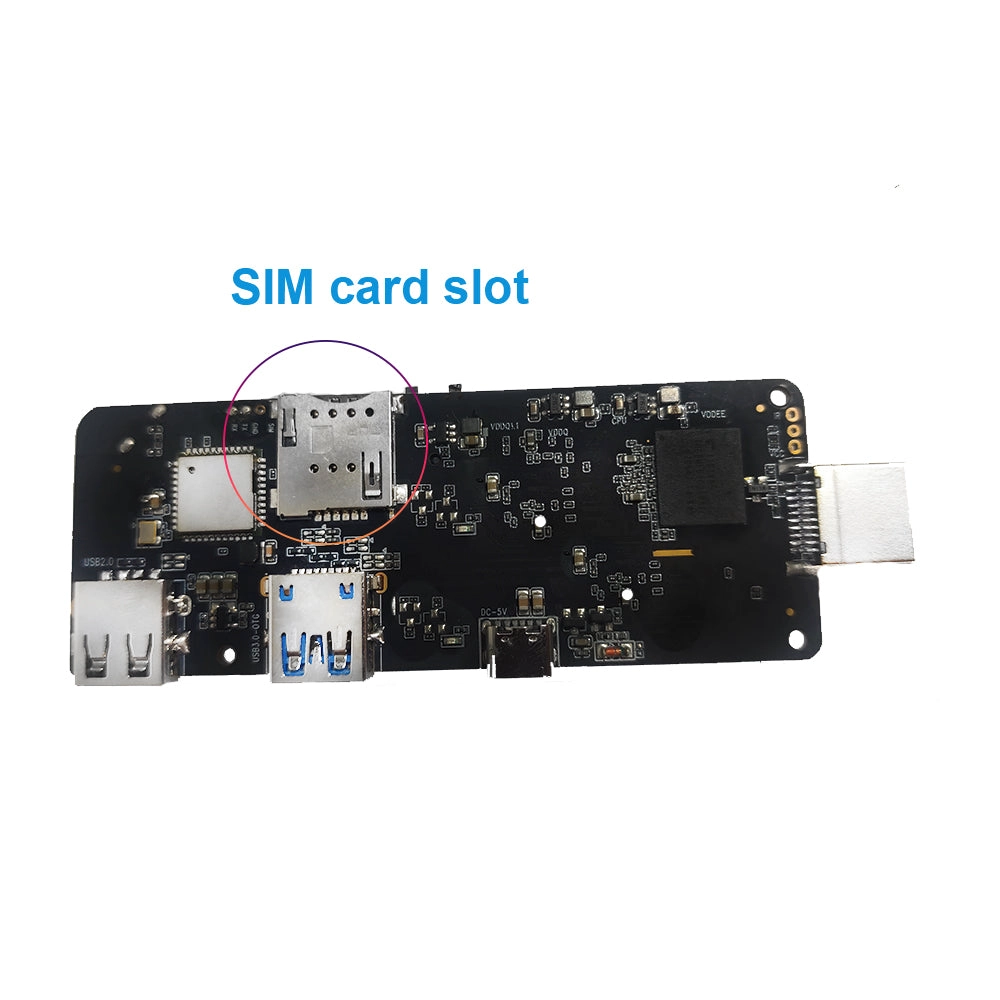
Standard reference boards are not engineered for 24/7 video decoding in enclosed digital signage cabinets or recessed hotel TV mounts. SZTomato addresses this at the manufacturing level through specific PCBA hardware modifications. By redesigning the PCBA layout, we isolate the power delivery networks from the primary SoC and integrate specialized cooling solutions—including custom-tooled aluminum heat sinks and high-conductivity thermal pads. This hardware-level preparation ensures that once the Google TV Box is provisioned on the network, it operates without thermal throttling, maintaining the necessary clock speeds to process high-bitrate AV1 or HEVC payloads indefinitely.
Conclusion
Setting up a Google TV Box for a commercial network is an exercise in supply chain control and firmware engineering. Utilizing off-the-shelf consumer hardware introduces unacceptable variables into the deployment phase, inflating labor costs and compromising network security.
For B2B procurement managers and system integrators mapping out bulk deployments, predictable provisioning starts with the manufacturer. Partnering with a dedicated OEM/ODM facility guarantees that your endpoints arrive pre-configured for your exact network architecture. Contact SZTomato engineering to discuss SDK/API integration, custom firmware development, and PCBA hardware modifications for your upcoming hardware cycle.
