

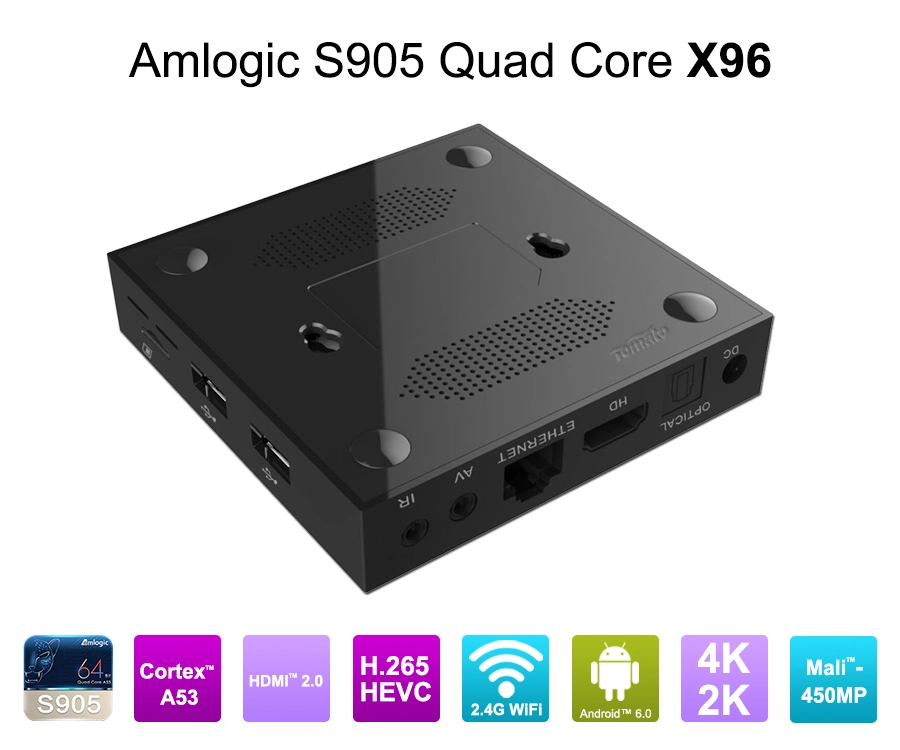
Do You Need WiFi for a Streaming Media Player?
Do You Need WiFi for a Streaming Media Player? Evaluating Enterprise Network Architecture
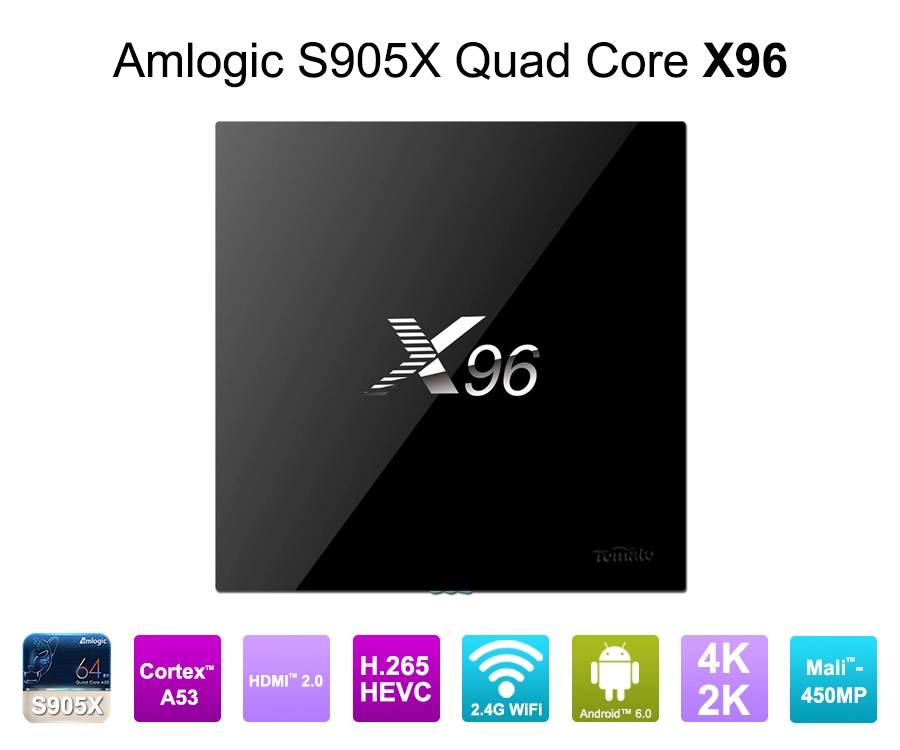
The migration toward AV1 hardware decoding on architectures like the Amlogic S928X and Rockchip RK3588 fundamentally alters payload delivery math. Moving 8K streams at 60fps demands sustained bitrates exceeding 80 Mbps, exposing the fragility of standard 802.11ac environments. For system integrators deploying a streaming media player in hospitality IPTV or commercial digital signage networks, specifying the network interface requires evaluating RF congestion, localized thermal loads, and kernel-level network routing rather than relying on consumer-grade default configurations.
The Physical Layer: RF Interference vs. Gigabit Ethernet PHY
Commercial environments—hospitals, transit hubs, and corporate campuses—operate highly saturated 2.4GHz and 5GHz spectrums. Relying on wireless connectivity for high-bitrate video delivery in these zones introduces packet loss, latency spikes, and buffering events that enterprise SLAs do not tolerate.
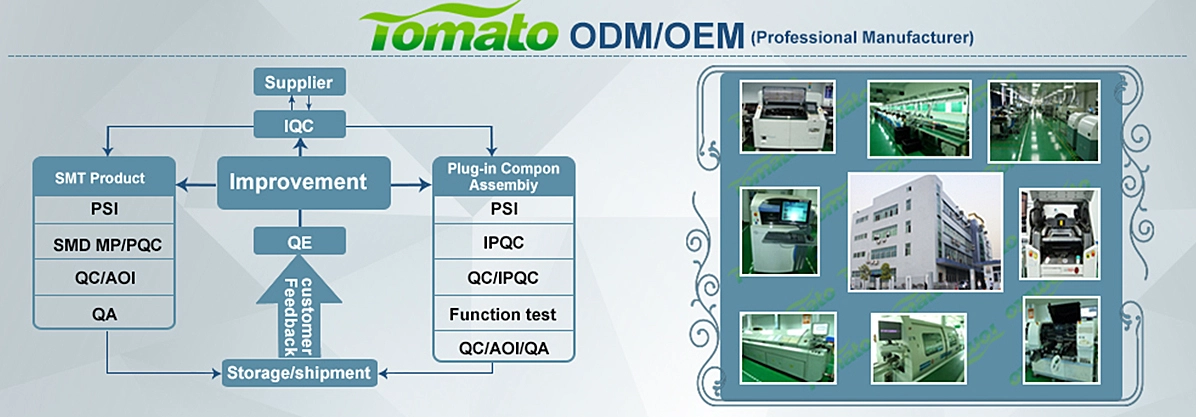
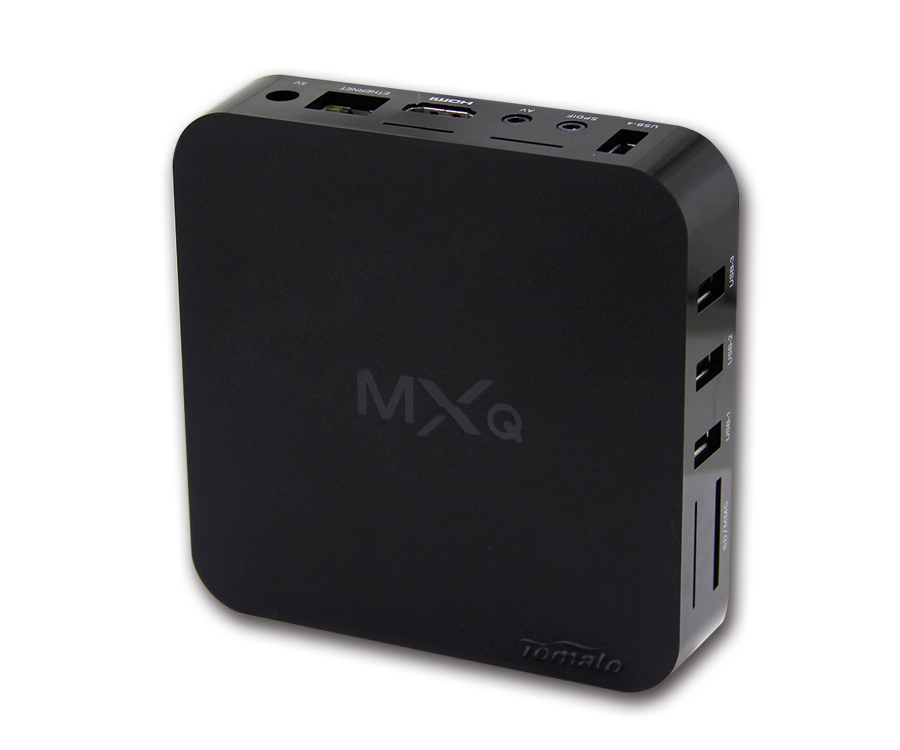
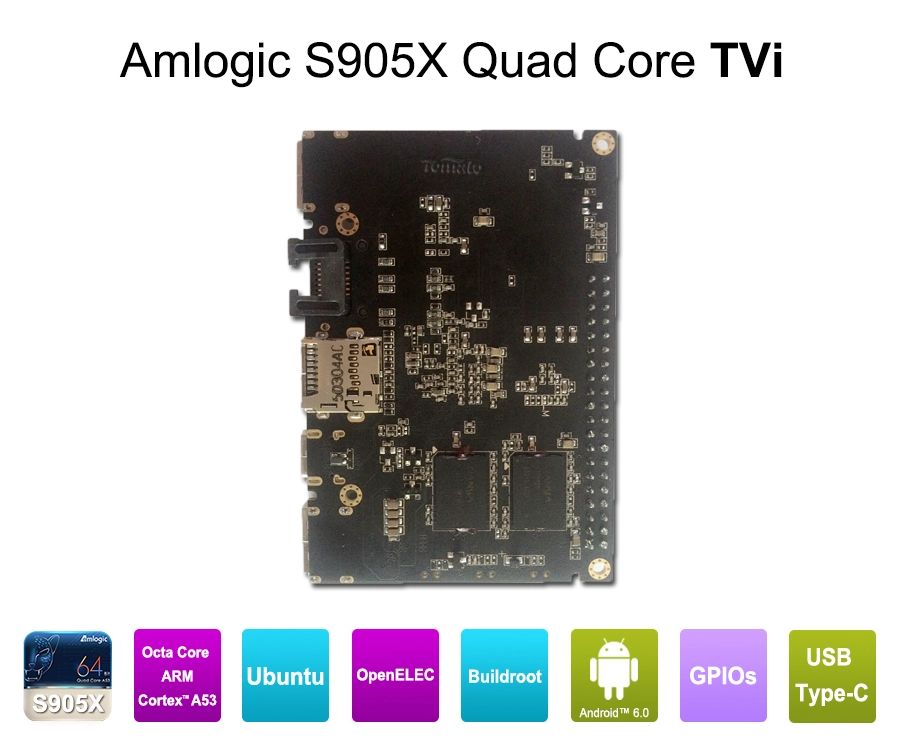
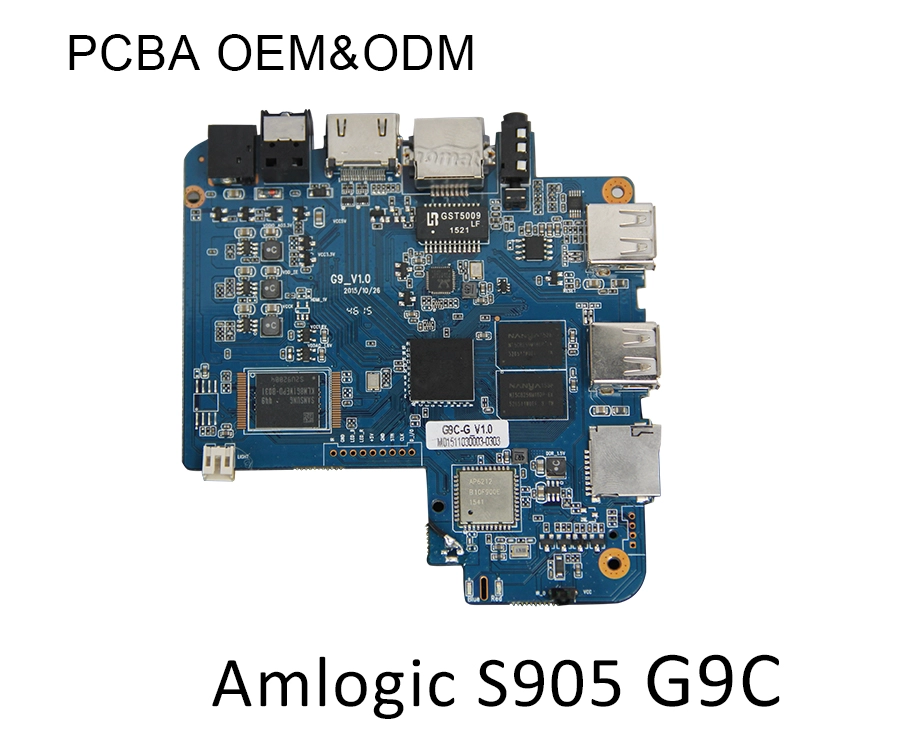
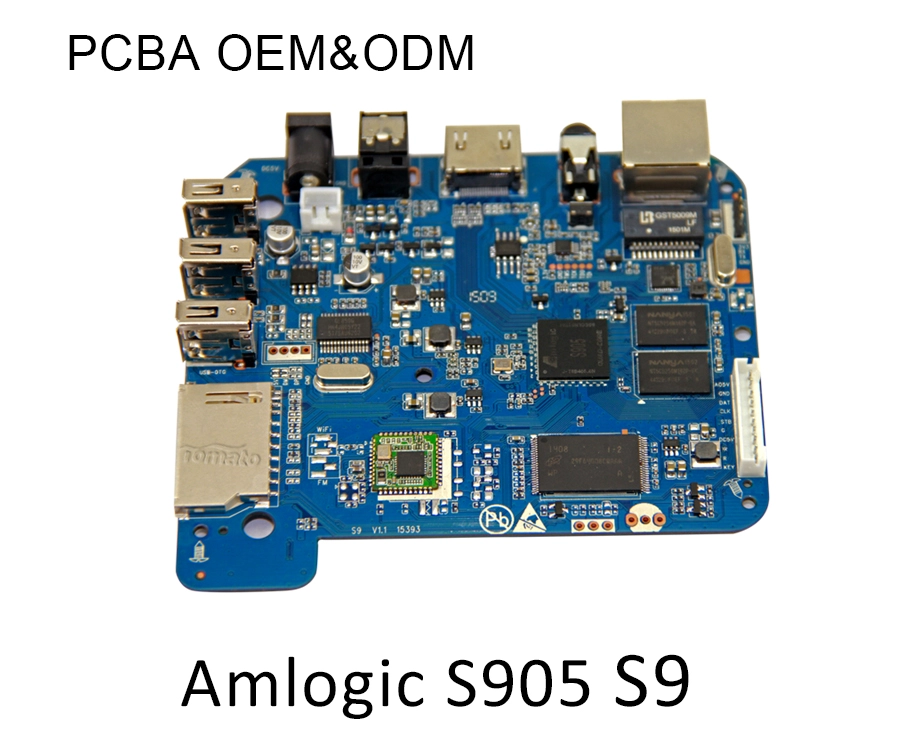
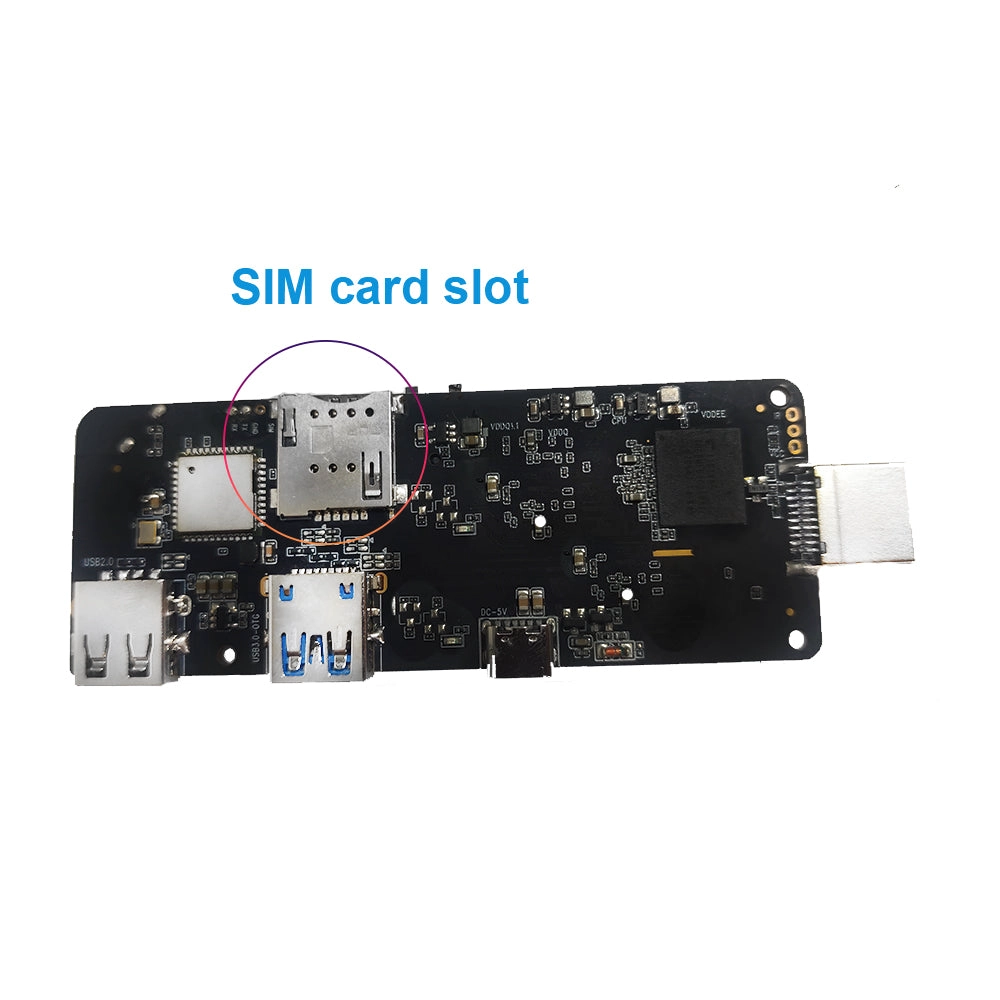
When hardware consistency is mandatory, physical layer engineering dictates performance. SZTomato mitigates wireless unreliability through dedicated PCBA hardware modification. Rather than utilizing off-the-shelf reference boards with generic Wi-Fi combo chips, we engineer customized PCBA layouts that isolate the Gigabit Ethernet PHY. For deployments where hardwiring is impossible and Wi-Fi 6/6E is strictly required, we integrate specialized cooling solutions. Sustained high-throughput wireless transmission generates severe localized thermal loads on the SoC and Wi-Fi module. Our custom heat sinks and thermal pad applications prevent thermal throttling during 24/7 continuous operation, ensuring the hardware maintains peak clock speeds while managing complex AV1 or HEVC decoding tasks.
Firmware Interventions: SDK/API Integration and Kernel Optimization
Hardware dictates potential; firmware dictates execution. Standard consumer operating systems prioritize battery life and aggressive background Wi-Fi scanning. These default behaviors interrupt continuous video playback in commercial settings.
For an enterprise streaming media player, generic software is insufficient. SZTomato executes deep Linux/Android kernel optimizations, disabling unnecessary wireless polling and locking the network interface to specific BSSIDs. Through comprehensive SDK/API integration, we expose low-level network controls directly to the system integrator’s CMS. Furthermore, we develop custom UI/UX firmware that removes consumer-facing network toggle menus, replacing them with hidden diagnostic overlays. This allows remote IT administrators to debug packet drop rates and signal attenuation without disrupting the end-user display.
Security and Provisioning: HDCP Encryption and OTA Management
Deploying hundreds of endpoints requires secure, centralized management. Transmitting high-value 4K/8K commercial content over any network demands strict DRM compliance. Wireless networks introduce vulnerabilities regarding packet sniffing and man-in-the-middle interventions.
Whether an integrator chooses shielded Ethernet or authenticated Wi-Fi 6 protocols (WPA3-Enterprise), the hardware must support secure tunneling. SZTomato ensures that HDCP 2.3 encryption and Widevine L1 decryption keys are securely provisioned within the Trusted Execution Environment (TEE) of the Amlogic or Rockchip SoC. Maintaining this security posture across a device's lifecycle relies on robust OTA update systems. We engineer fail-safe OTA architectures that verify firmware signatures before initialization, ensuring that network drivers and security patches are updated seamlessly over the air, minimizing field maintenance truck rolls.
Conclusion
Integrating a streaming media player into a commercial network requires deliberate engineering, not retail guesswork. While Wi-Fi 6E provides necessary bandwidth for specific wireless-only deployments, hardwired Gigabit Ethernet remains the standard for zero-latency, high-availability networks.
For B2B procurement managers and system integrators mapping out their next hardware cycle, off-the-shelf solutions introduce unacceptable variables. Partnering with a dedicated OEM/ODM manufacturer guarantees control over both the silicon and the software stack. Contact SZTomato engineering to discuss PCBA hardware modifications, custom firmware development, and tailored network architectures for your specific deployment parameters.
