
What features make a Streaming Media Player reliable?
Engineering Uptime: What Features Make a Streaming Media Player Reliable?
The transition to 6nm process nodes in the latest Amlogic SoCs has significantly improved computational density, yet it has simultaneously narrowed the margin for thermal error in professional deployments. For system integrators managing thousands of endpoints, a "reliable" streaming media player is defined by its ability to execute continuous 4K 60fps streams under varying ambient temperatures without triggering CPU frequency scaling. Relying on retail-grade hardware for these environments is a recipe for catastrophic fleet failure. True reliability is engineered at the PCBA and kernel levels, long before the device reaches a mounting bracket.
Thermal Resilience Through Custom PCBA Architecture
Consumer-grade streaming sticks are engineered for intermittent use, often lacking sufficient heat dissipation for 24/7 operation. In a professional setting—whether it’s a hospitality IPTV system or a high-brightness digital signage kiosk—thermal buildup is the primary cause of hardware degradation.
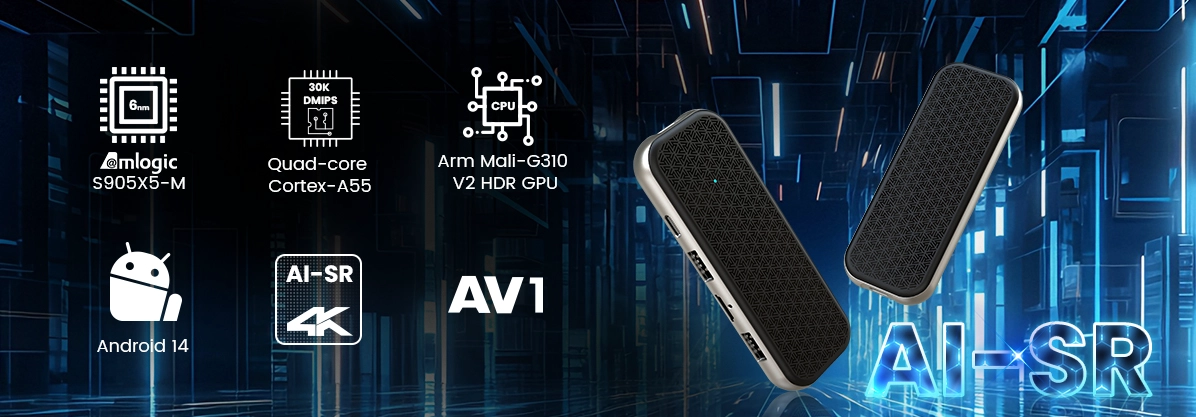
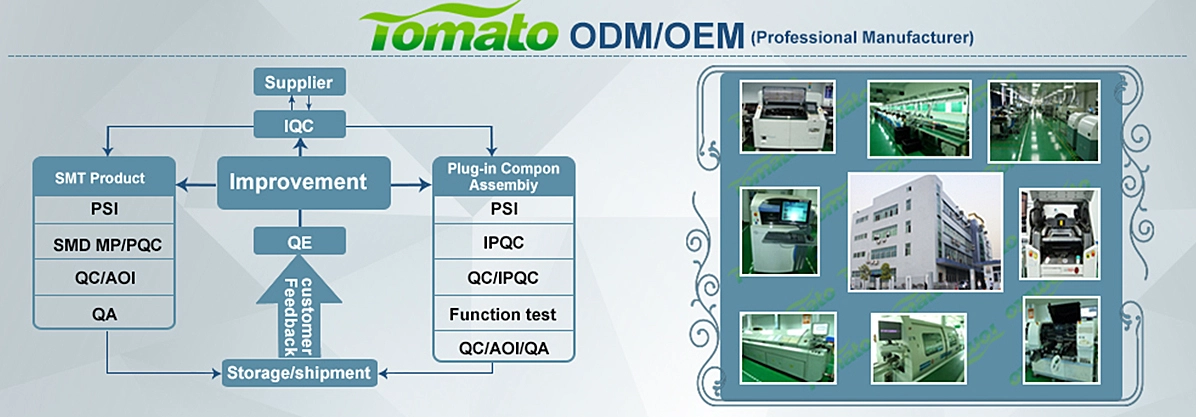
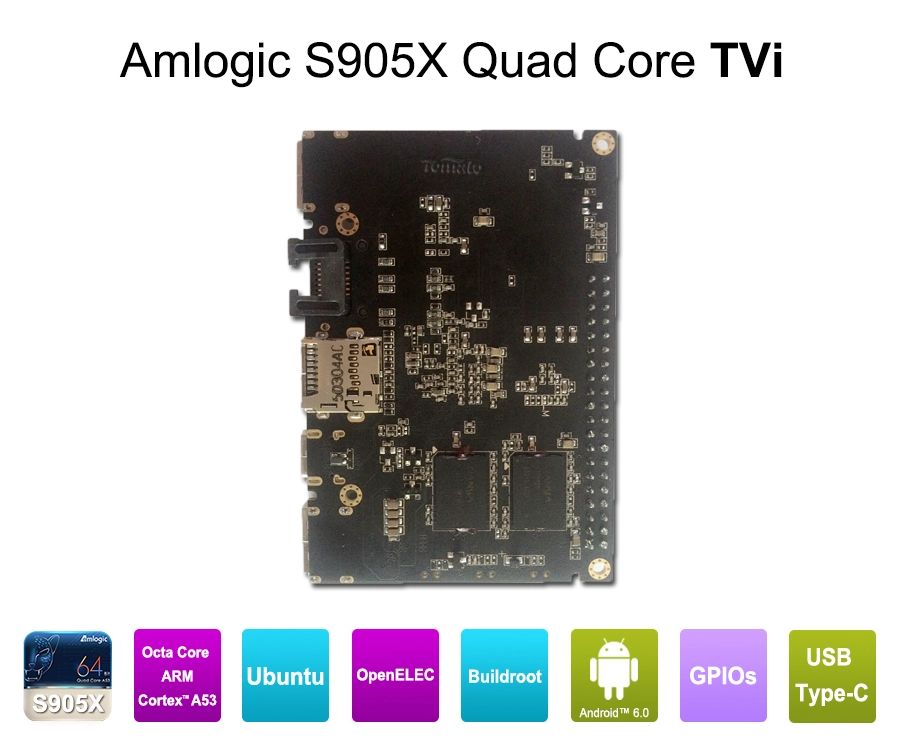
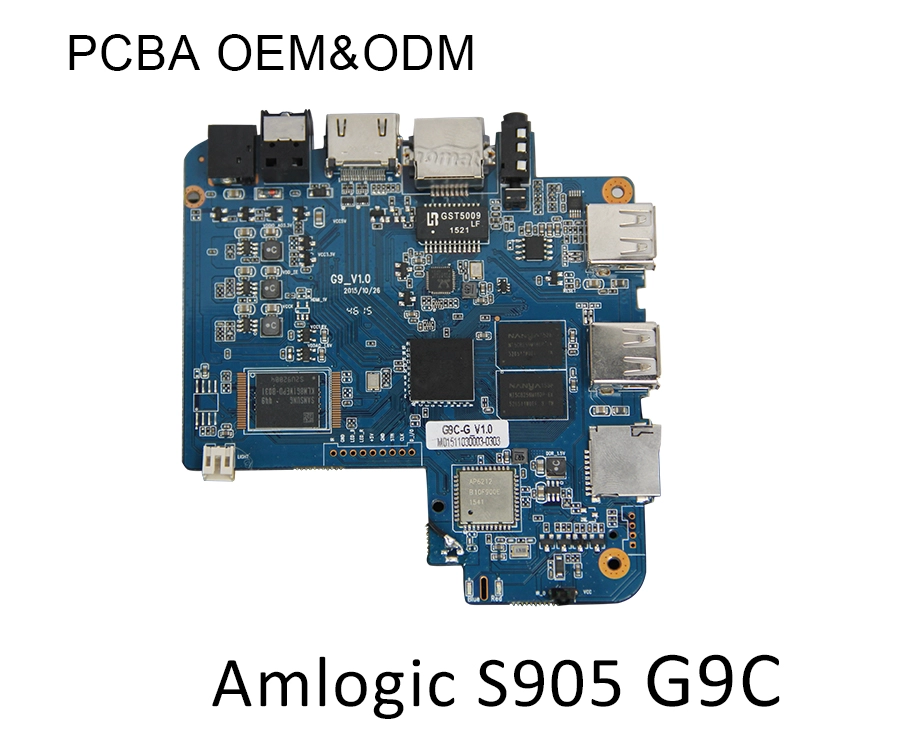
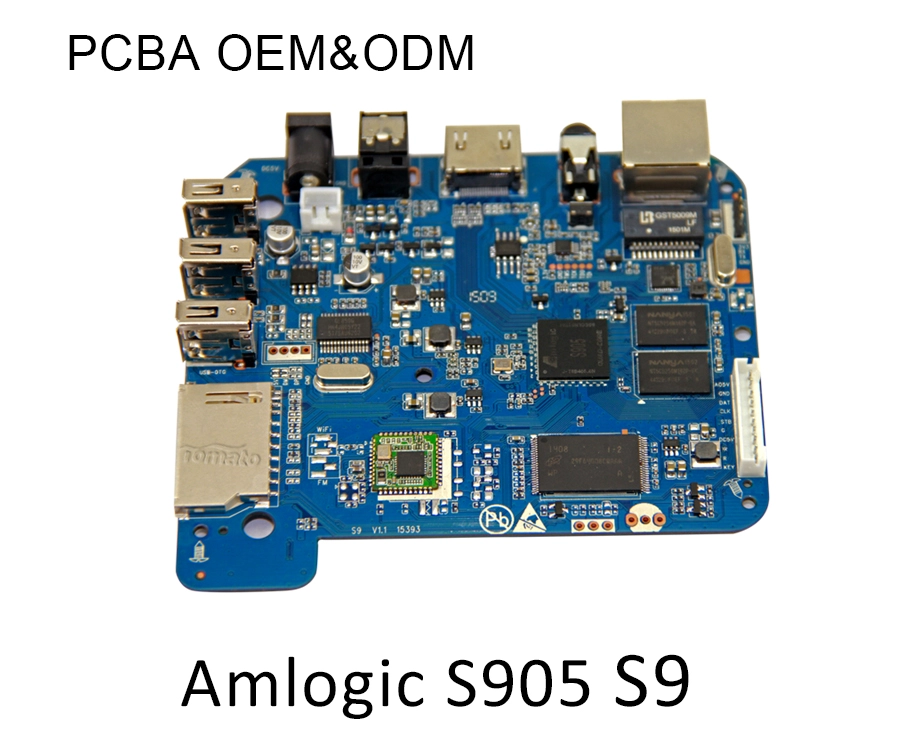
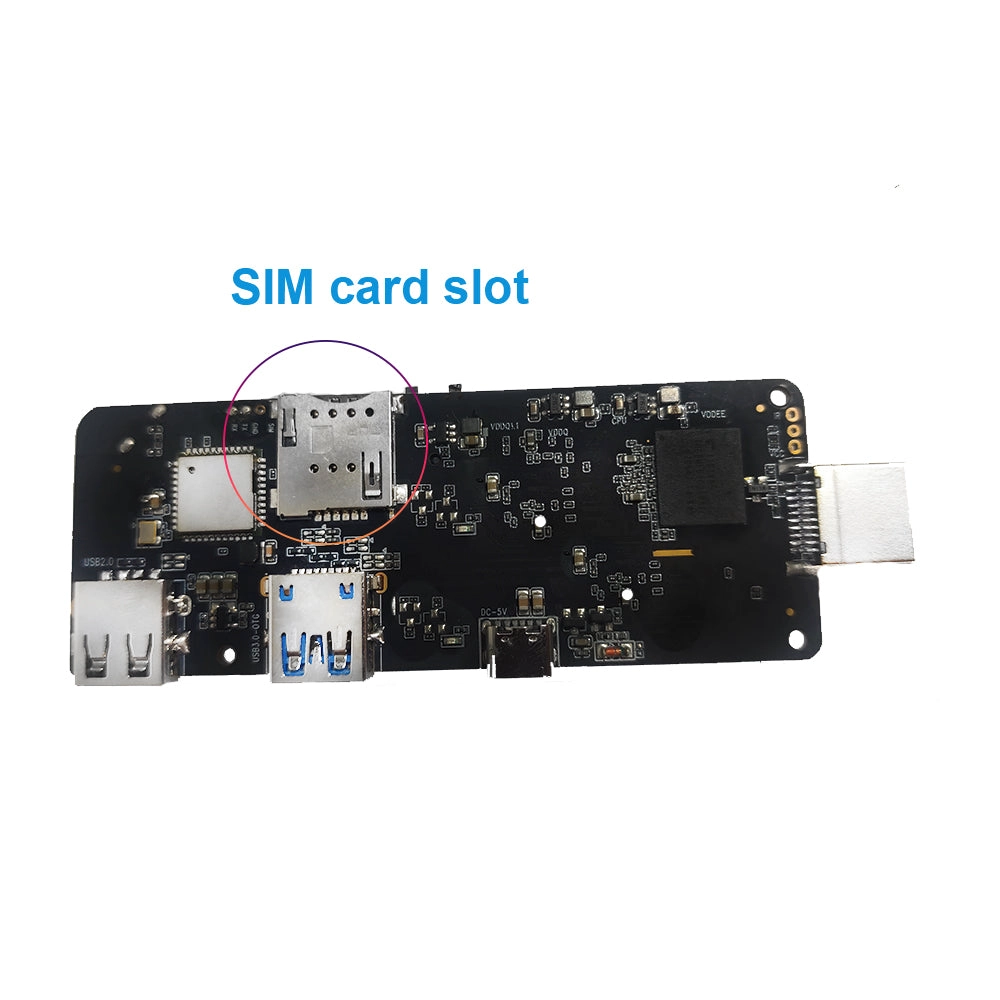
Reliability begins with PCBA hardware modification. At SZTomato, we move beyond generic designs by recalculating the thermal mass required for specific chipsets like the S905X4 or S905X5. This involves utilizing specialized cooling solutions, including custom-sized aluminum heatsinks and high-conductivity thermal interface materials (TIM). By optimizing the PCBA layout to separate heat-generating components (like the SoC and PMU), we ensure that the device maintains peak clock speeds without entering a thermal throttling loop that results in dropped frames or system freezes.
Firmware Stability: Kernel Optimization and SDK Integration
A streaming media player's hardware is only as stable as the software that manages its resources. Standard Android TV builds are cluttered with consumer-facing telemetry and recommendation engines that consume valuable RAM and CPU cycles.
For a player to be truly reliable, it requires Android kernel optimization. This involves stripping the OS down to its essential components, ensuring that your primary application has high-priority access to the hardware decoders. Furthermore, deep SDK/API integration allows for specialized behaviors, such as automatic power-on-play, hardware watchdog timers that reboot the system upon application failure, and granular control over HDCP encryption handshakes to ensure compatibility with diverse commercial display hardware.
Scalability via Private OTA Update Systems
In the B2B sector, reliability is also a function of maintainability. A device that cannot be updated securely and silently is a long-term security risk. Many "off-the-shelf" solutions rely on public update servers which can push unverified firmware that breaks proprietary software.
Professional reliability demands a private OTA (Over-The-Air) update system. This infrastructure allows procurement managers to stage firmware releases, testing them on a subset of devices before a global rollout. Whether it’s a security patch for a new vulnerability or a firmware-level tweak to improve AV1 codec efficiency, the ability to push silent, background updates without user intervention is a hallmark of a mature, reliable deployment strategy.
Industrial-Grade Connectivity and I/O Customization
Generic players often lack the physical robustness required for commercial integration. Reliability often hinges on the quality of the physical connection.
Customization allows for the integration of dual-band Wi-Fi 6 modules with external IPEX antenna connectors, ensuring stable connectivity in high-interference environments where internal antennas fail. For wired deployments, we can modify the hardware to include Gigabit Ethernet or Power over Ethernet (PoE), reducing cable clutter and simplifying the power architecture of the installation.
Expert-to-Expert Partnership
For B2B procurement managers and system integrators, the question isn't just "which player is best," but "which partner can engineer for our specific failure points?" Reliability is the result of intentional engineering choices across the PCBA, the kernel, and the cloud.
At SZTomato, we specialize in the OEM/ODM development of streaming media players that prioritize these technical fundamentals over retail aesthetics. If your project requires hardware that survives beyond the warranty period, contact our engineering team to discuss your requirements for custom firmware, specialized I/O, and industrial-grade thermal design.
