
Are Google TV Box worth it?
Hardware Acceleration and ROI: Are Google TV Box Worth It?
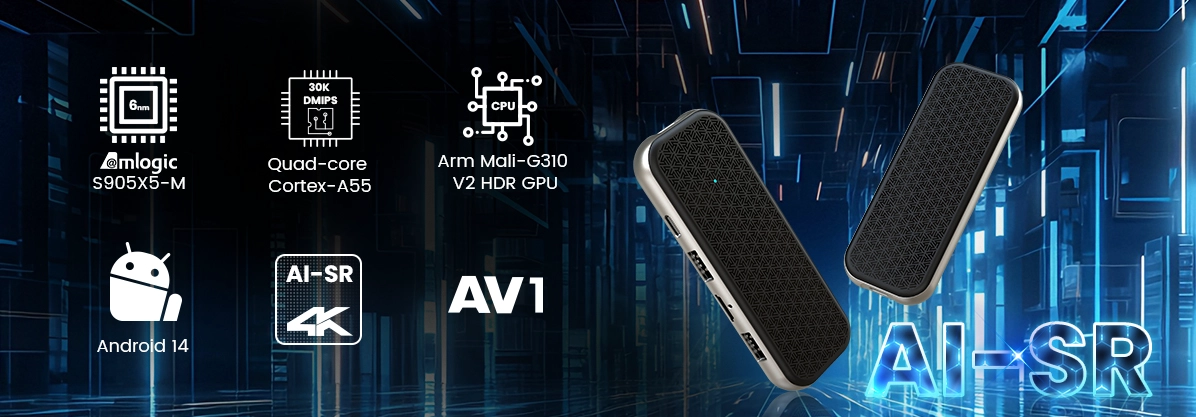
The rollout of 6nm Amlogic S905X5 chipsets and the mandatory adoption of AV1 and H.266 decoding have exposed critical vulnerabilities in standard consumer streaming hardware. When system integrators evaluate the viability of connected hardware and ask, "Are Google TV Box worth it?", the analysis must strip away retail branding and focus on silicon-level capabilities and firmware autonomy. For B2B digital signage, hospitality networks, and smart ecosystems, relying on retail hardware is a severe liability. True commercial viability requires deep hardware modification and custom firmware engineering.
Problem-Solution: Solving Thermal Degradation with Custom PCBA Layouts
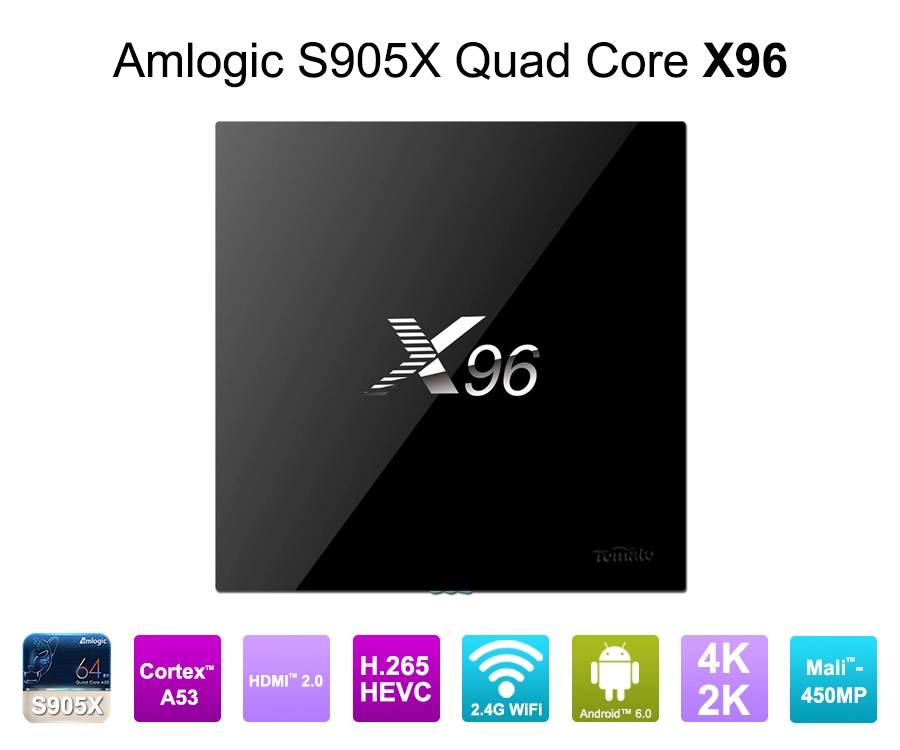
Retail devices package high-performance SoCs into restrictive plastic enclosures engineered for brief usage bursts. Under continuous 4K 60fps or 120fps loads, these devices suffer extreme thermal throttling, resulting in frame drops and premature SoC failure.
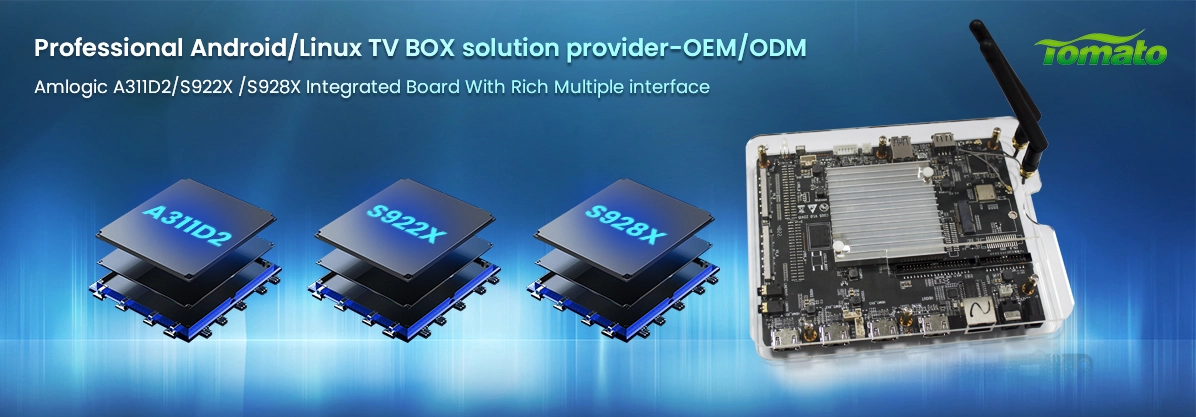
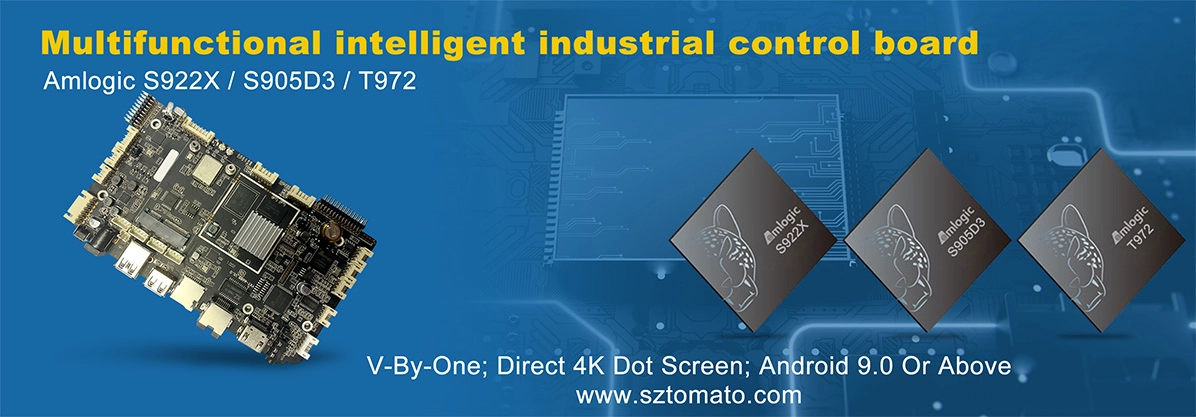
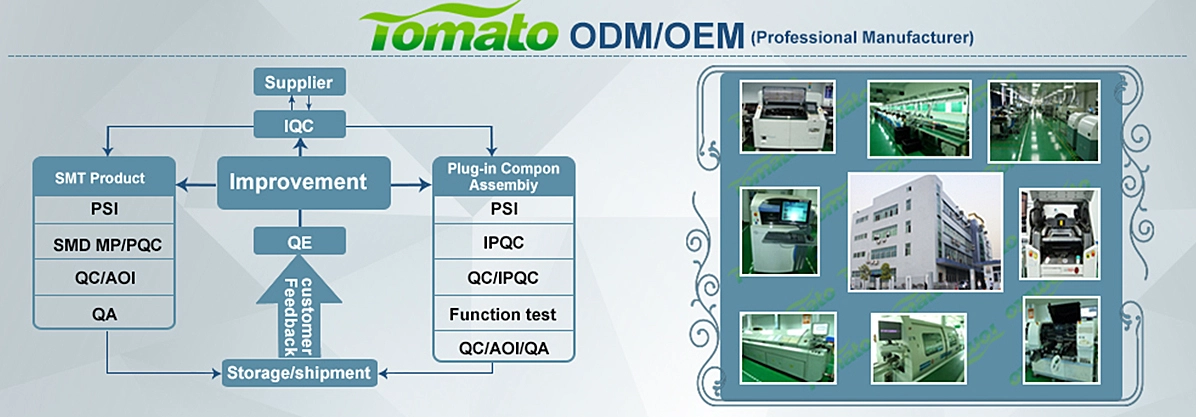
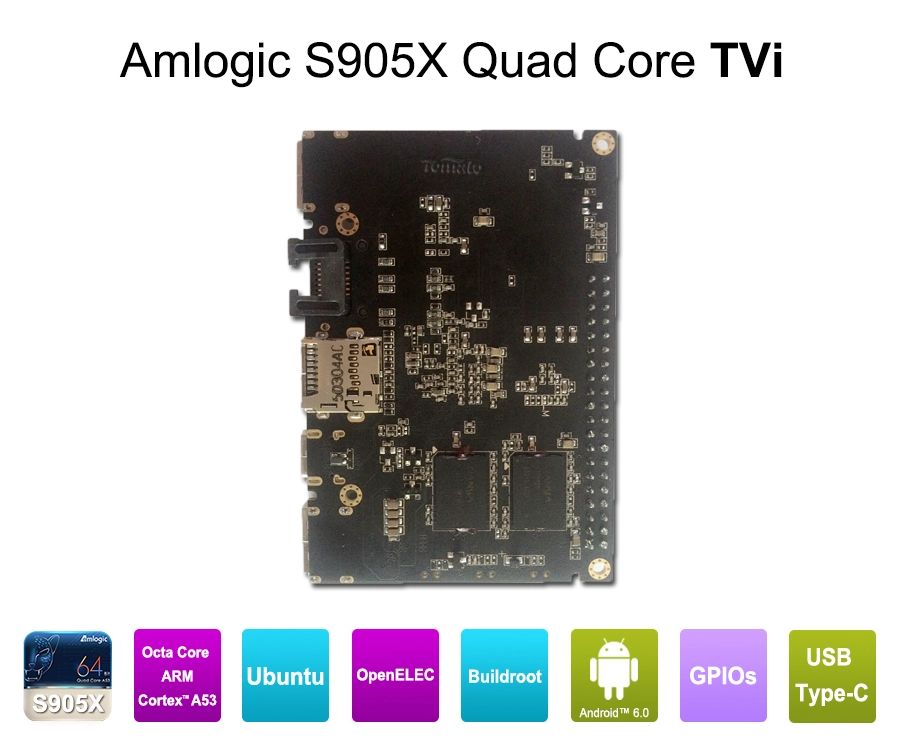
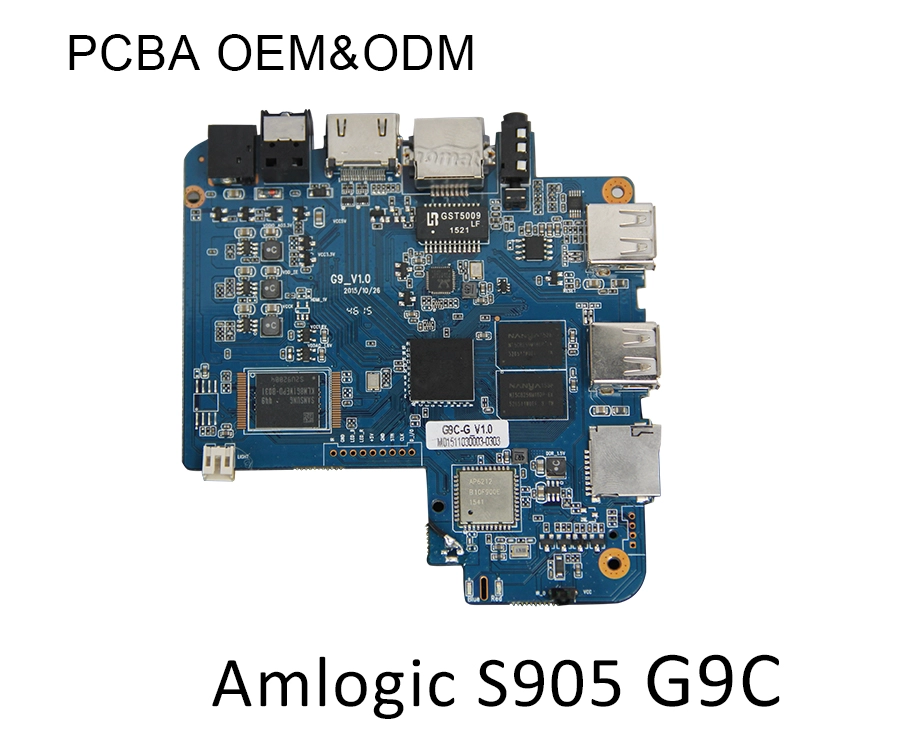
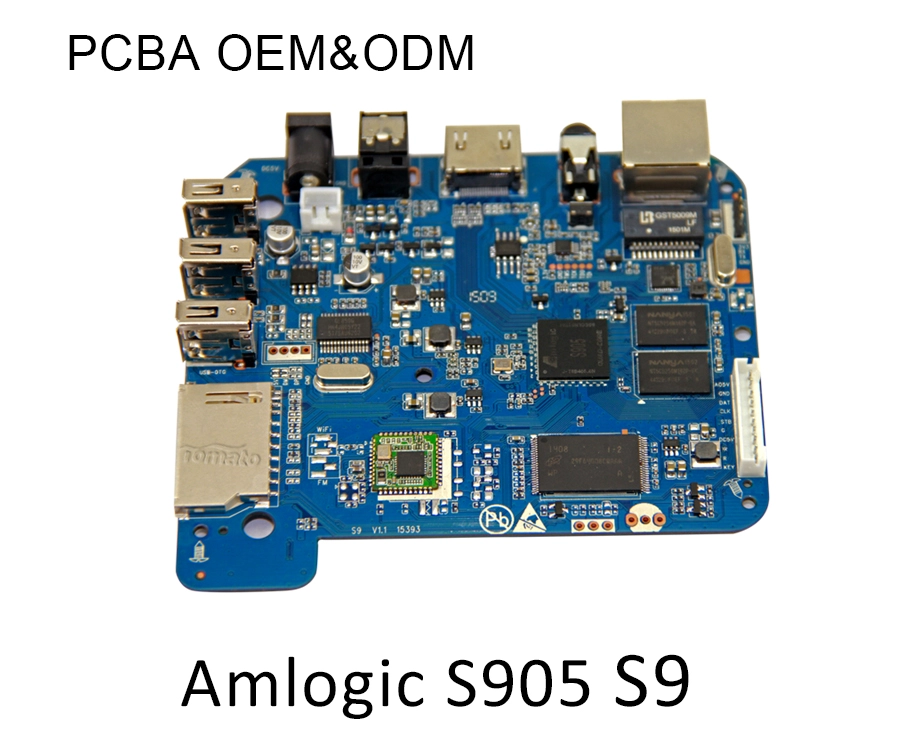
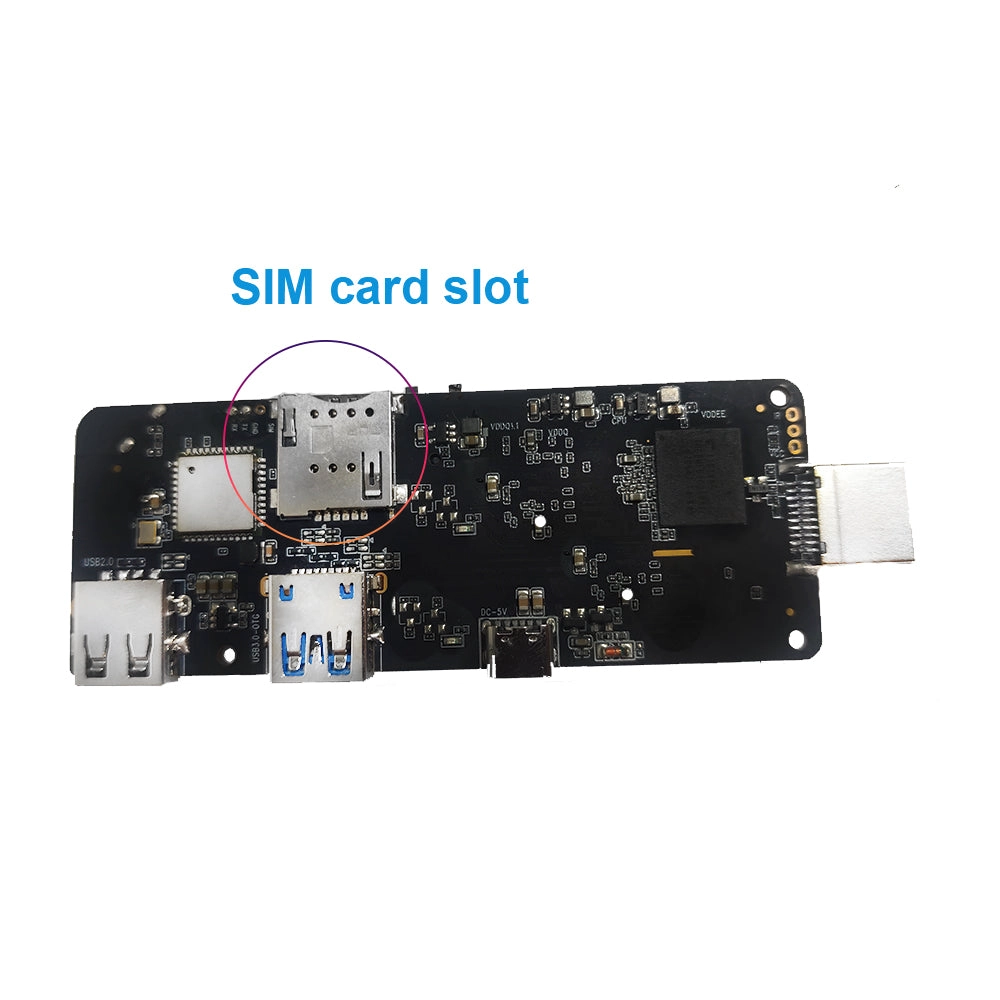
The core value of an OEM/ODM partner like SZTomato lies in PCBA hardware modification. Our engineers design custom PCBA layouts that optimize the bill of materials (BOM) while prioritizing thermal management. By integrating specialized cooling solutions for industrial use—such as exact-mass aluminum heatsinks calculated against the thermal design power (TDP) of the selected Amlogic architecture—the hardware sustains maximum clock speeds indefinitely. Furthermore, board-level customization allows integrators to add crucial industrial I/O, such as RS232 interfaces, POE, or dual-band Wi-Fi 6 modules with external IPEX antenna connectors for high-density RF environments.
Market Trends: Firmware Architecture and Android Kernel Optimization
A standard Google TV Box ships with an operating system heavily layered with consumer recommendation algorithms and restricted bootloaders. This environment blocks the low-level SDK/API integration necessary for proprietary enterprise applications.
A custom-engineered box unlocks the operating system. SZTomato provides deep Linux/Android kernel optimization, stripping out bloatware and allocating system resources directly to the client's application. This level of access is mandatory for developers executing secure DRM content delivery, managing HDCP encryption handshakes, or implementing continuous background video rendering without OS intervention. By compiling custom UI/UX firmware, integrators can lock devices into exact kiosk modes, preventing user tampering and ensuring absolute uptime for commercial displays.
How-To: Securing Lifecycle Management via OTA Update Systems
Deploying thousands of remote digital signage endpoints requires an airtight maintenance protocol. Consumer devices depend on public Google servers, which can push unscheduled UI updates that conflict with proprietary applications, causing localized network outages.
An enterprise-ready Google TV Box solves this through the provisioning of private OTA update systems. System administrators gain total autonomy over the firmware lifecycle. Security patches, custom UI adjustments, and application updates are staged, tested, and pushed silently to targeted device fleets. This infrastructure ensures zero end-user disruption and extends the hardware lifecycle far beyond the standard consumer replacement cycle.
Strategic Procurement for B-Suite Integrators
Evaluating whether a Google TV Box is worth it comes down to control. Off-the-shelf units force your software to adapt to hardware limitations; OEM/ODM custom units are engineered to amplify your software's potential. For procurement managers and system integrators finalizing their hardware architecture, the focus must remain on full-stack engineering capabilities. Partner with SZTomato to leverage specialized PCBA modifications, advanced kernel optimization, and secure OTA infrastructure, ensuring your next B2B deployment is built for resilience.
