
Why would I need an OTT TV Box?
Beyond Consumer Hardware: Why Enterprise Deployments Require a Custom OTT TV Box
The mandate from major streaming consortiums to adopt hardware-accelerated AV1 decoding has created a strict technical divide in the media player ecosystem. System integrators deploying digital signage, hospitality networks, and localized telecom hardware are consistently finding that consumer-grade processors fail under continuous, 24/7 commercial load. When evaluating why a project requires an OTT TV Box, procurement managers must look beyond standard video playback. True enterprise scalability demands absolute control over both the hardware architecture and the underlying firmware environment.
Relying on generic retail solutions introduces immediate liabilities: forced UI updates, thermal degradation, and restrictive data silos. Transitioning to an OEM/ODM model mitigates these risks through granular customization.
Silicon-Level Control and Thermal Management
Modern Amlogic and Rockchip SoCs offer substantial computing power, but housing them in unoptimized, off-the-shelf enclosures guarantees thermal throttling during extended 4K video rendering. In industrial settings or enclosed digital signage kiosks, ambient temperatures severely impact SoC longevity.
A primary advantage of sourcing a custom OTT TV Box is the integration of specialized cooling solutions engineered for industrial use. Rather than relying on generic thermal pads, custom manufacturing allows for precise heatsink mass calculations and enclosure ventilation designs tailored to the exact thermal design power (TDP) of the selected chipset. This maintains clock speeds and prevents frame drops during continuous AV1 or HEVC decoding.
Firmware Engineering: Kernel Optimization and UI/UX
Off-the-shelf devices ship with bloated OS layers designed for the consumer living room, making them actively hostile to commercial deployment. Enterprise integrators require a lean, hardened operating system.
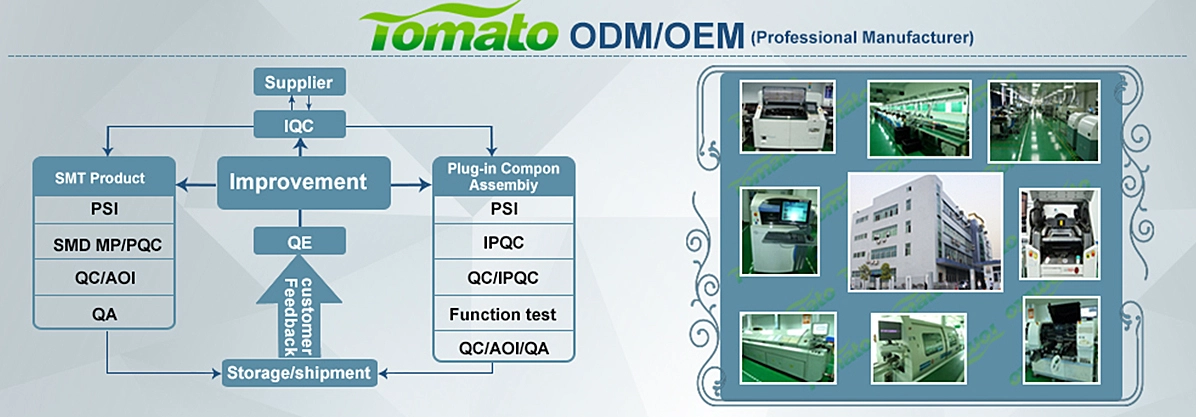
Working with an established ODM like SZTomato allows for Android kernel optimization or the deployment of lightweight Linux distributions. This firmware-level engineering ensures that system resources are dedicated solely to the client's application. Furthermore, custom UI/UX firmware can be compiled to lock the device into a single application (kiosk mode), completely bypassing standard Android launchers.
For developers, deep SDK/API integration is critical. A custom build allows native applications to interface directly with the hardware for specialized functions—such as managing HDCP encryption handshakes for secure DRM content delivery, or tapping into the hardware decoder without middleware latency.
Hardware Modification: The Value of Custom PCBA Layouts
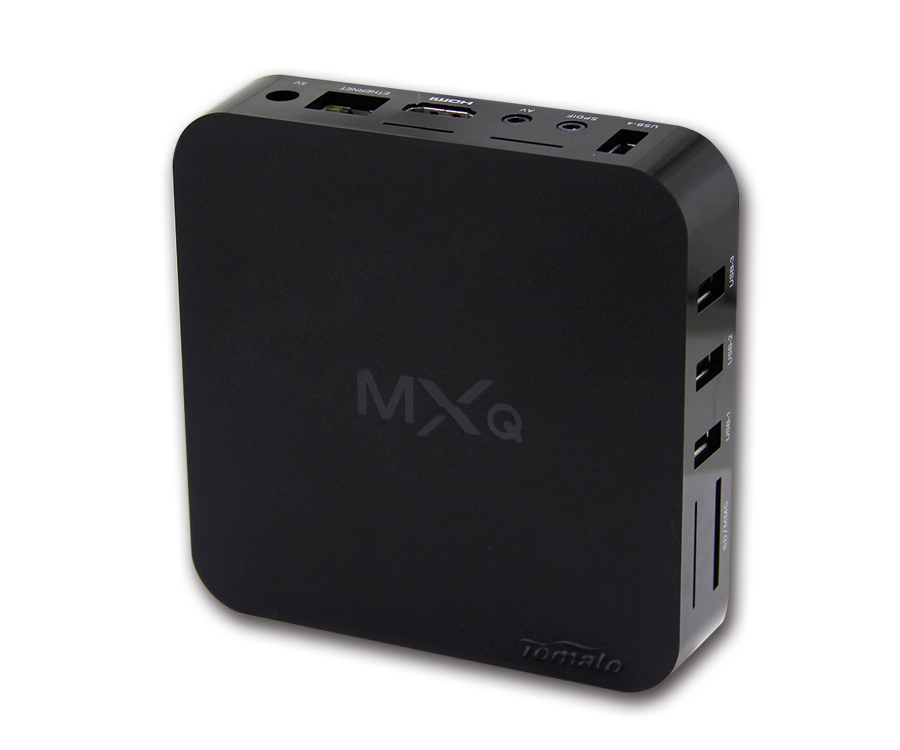
Retail boxes feature fixed I/O configurations that rarely align with specialized integration requirements. Paying for unused optical audio ports or secondary USB 2.0 inputs inflates unit costs at scale, while lacking necessary industrial interfaces creates deployment friction.
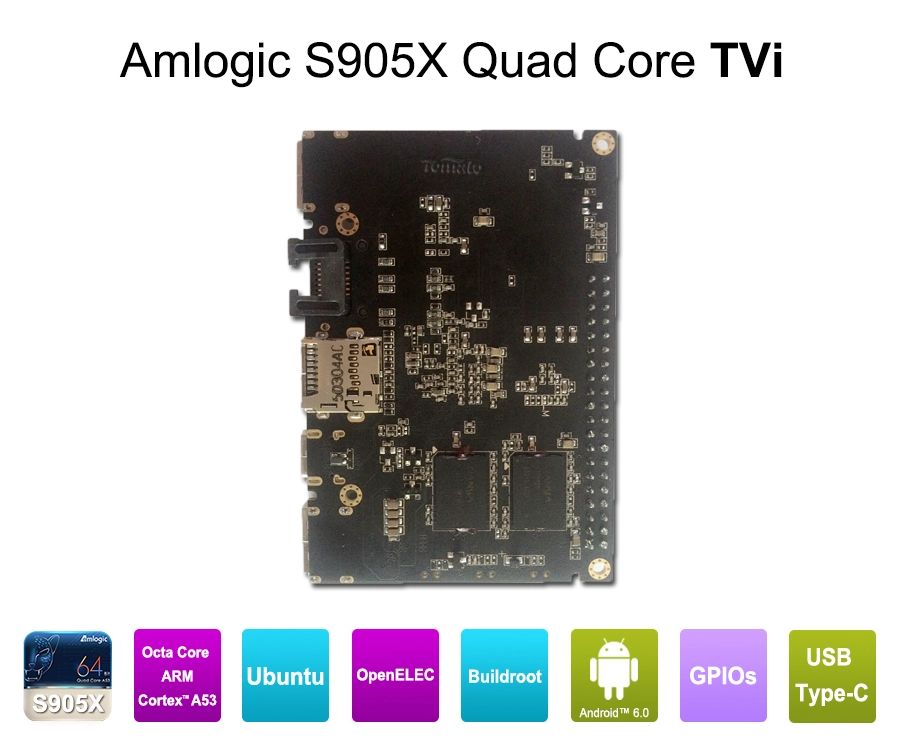
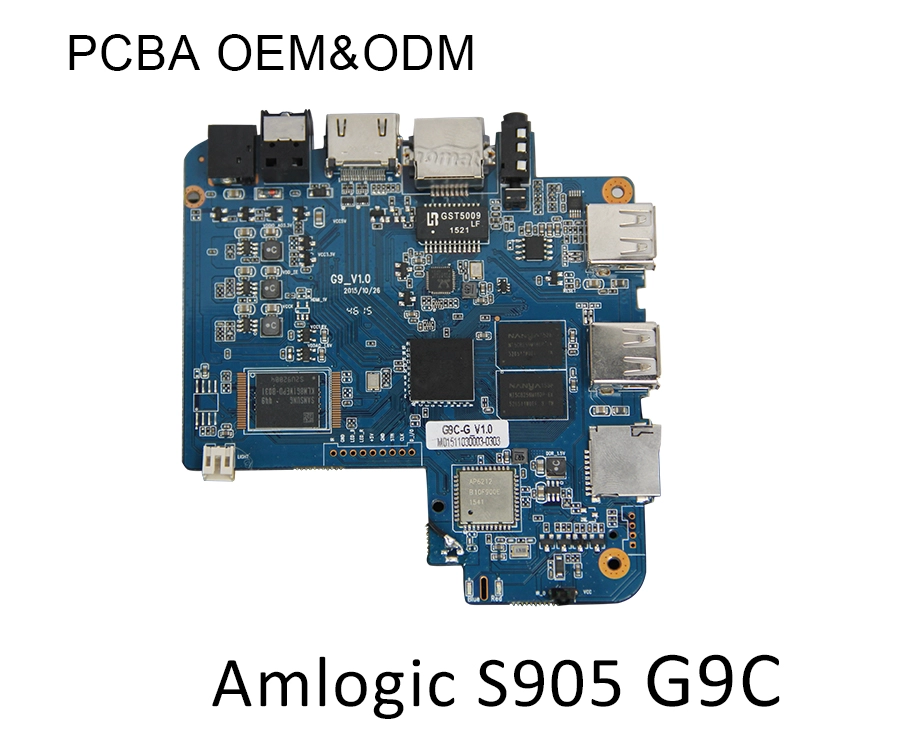
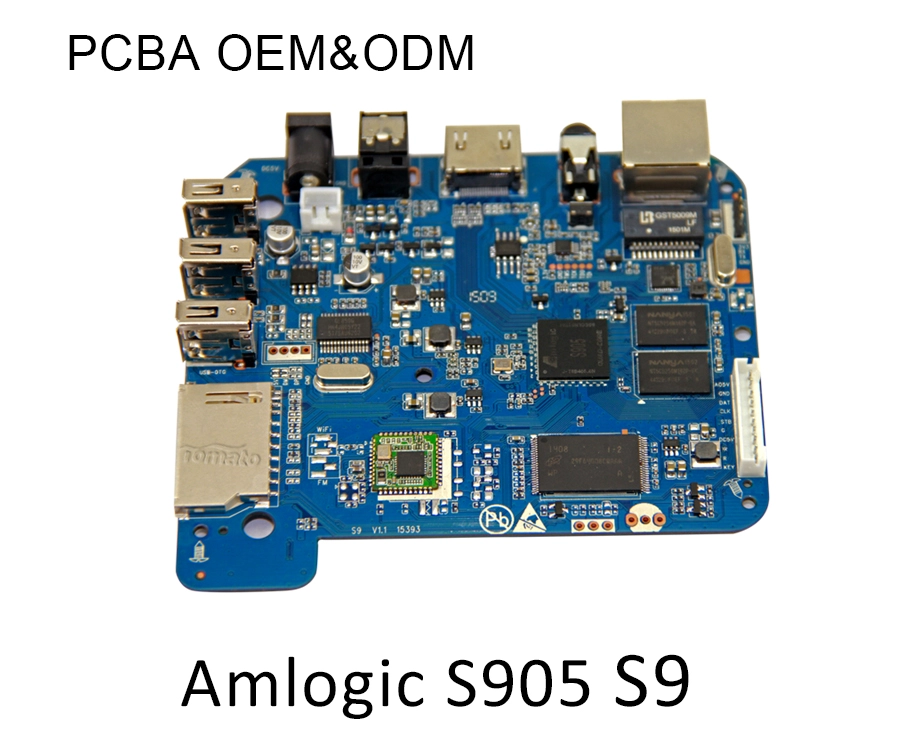
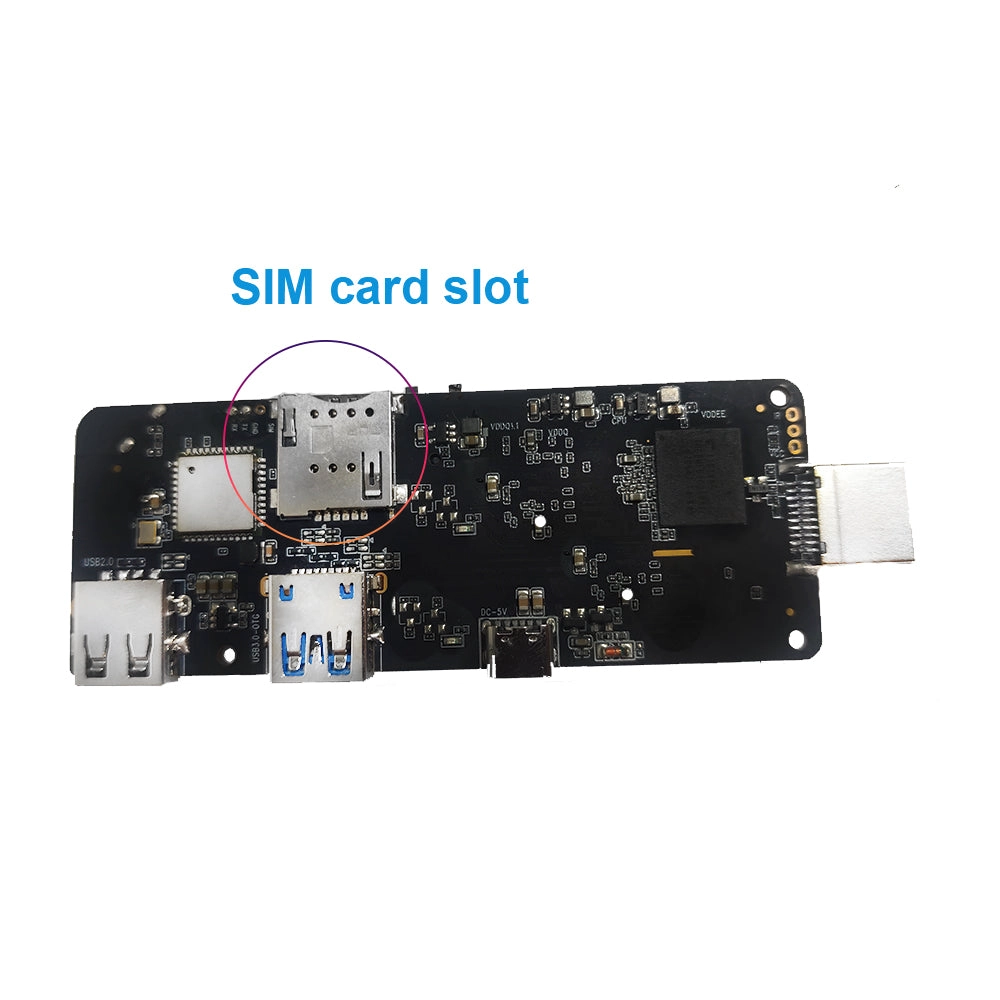
A custom OTT TV Box fundamentally solves this through PCBA hardware modification. Board layouts can be redesigned to strip away unnecessary components, optimizing the bill of materials (BOM). Conversely, engineers can integrate specific modules directly onto the PCBA—such as RS232 serial ports for legacy display control, Power over Ethernet (PoE) for streamlined kiosk wiring, or specialized dual-band Wi-Fi 6 modules with external IPEX antenna connectors for high-density RF environments.
Lifecycle Management via Secure OTA Update Systems
Deploying thousands of endpoints necessitates a frictionless maintenance infrastructure. Consumer devices rely on public update servers, which can push unverified OS changes that break proprietary applications overnight.
An enterprise-grade OTT TV Box deployment includes the provisioning of private, secure Over-The-Air (OTA) update systems. This grants system administrators total autonomy over the firmware lifecycle. Updates, security patches, and application iterations can be staged, tested, and pushed to specific device fleets silently in the background, ensuring zero downtime for end-users.
Strategic Procurement for Integrators
Selecting an OTT TV Box for commercial application is an infrastructure decision, not a peripheral purchase. Off-the-shelf hardware forces software to compromise; custom hardware is built to amplify your software's capabilities.
For B2B procurement managers and system integrators mapping out their next deployment cycle, the focus must shift toward partners capable of full-stack engineering. By leveraging custom PCBA layouts, deep kernel optimization, and proprietary OTA infrastructure, organizations can secure their deployments against hardware obsolescence and maintain total control over their digital ecosystems. Contact our engineering team at SZTomato to discuss your specific SoC, I/O, and firmware requirements.
