How to Get it Set-Top Box (STB)?
How to Secure the Right Set-Top Box (STB) for Enterprise Deployment
The traditional Set-Top Box (STB) market is currently undergoing a structural pivot as legacy MPEG-2/MPEG-4 signals give way to bandwidth-efficient HEVC and AV1 bitstreams. For service providers and cross-border distributors, the challenge is no longer finding a generic box, but securing a hardware platform that balances chipset performance with firmware elasticity. Procurement failures typically stem from a lack of technical due diligence regarding SoC-level security and heat dissipation, leading to high RMA (Return Merchandise Authorization) rates and ecosystem fragmentation.
Defining the Technical Specification: SoC and Memory Architecture
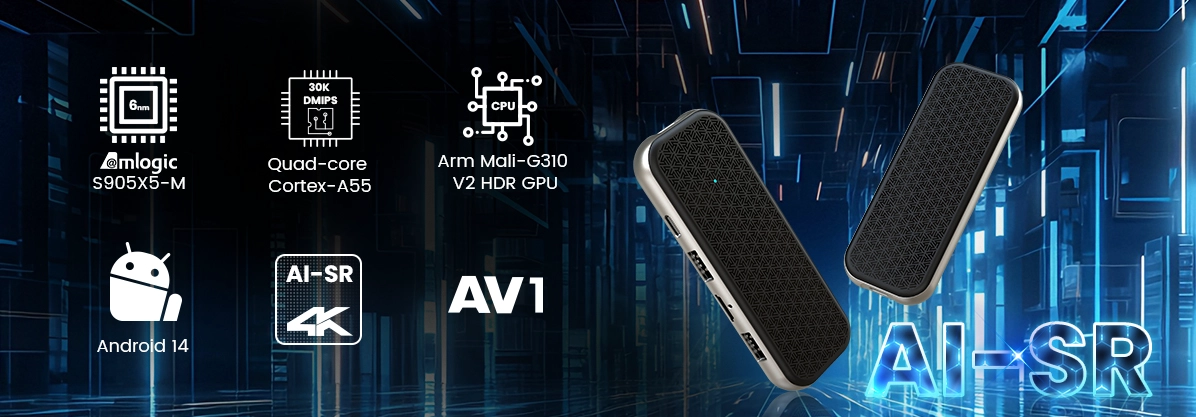
The procurement process begins at the silicon level. The choice of System-on-Chip (SoC) dictates the device’s lifecycle and codec support. For 2026, industry standards demand chipsets like the Amlogic S905X4 or higher, which offer native AV1 hardware decoding—a requirement for YouTube and major OTT platforms to reduce bandwidth costs.
When drafting your Request for Quotation (RFQ), prioritize these hardware benchmarks:
-
DDR4 vs. LPDDR4X: Specify LPDDR4X for lower power consumption and higher memory bandwidth, which is critical for smooth 4K UI transitions.
-
eMMC Endurance: Request high-grade eMMC 5.1 storage to handle the frequent read/write cycles of IPTV caching and background middleware updates.
-
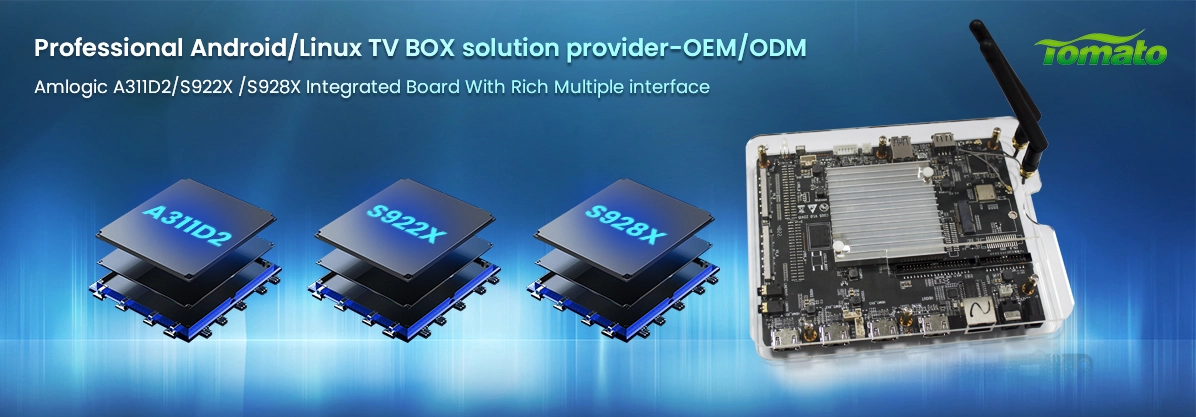
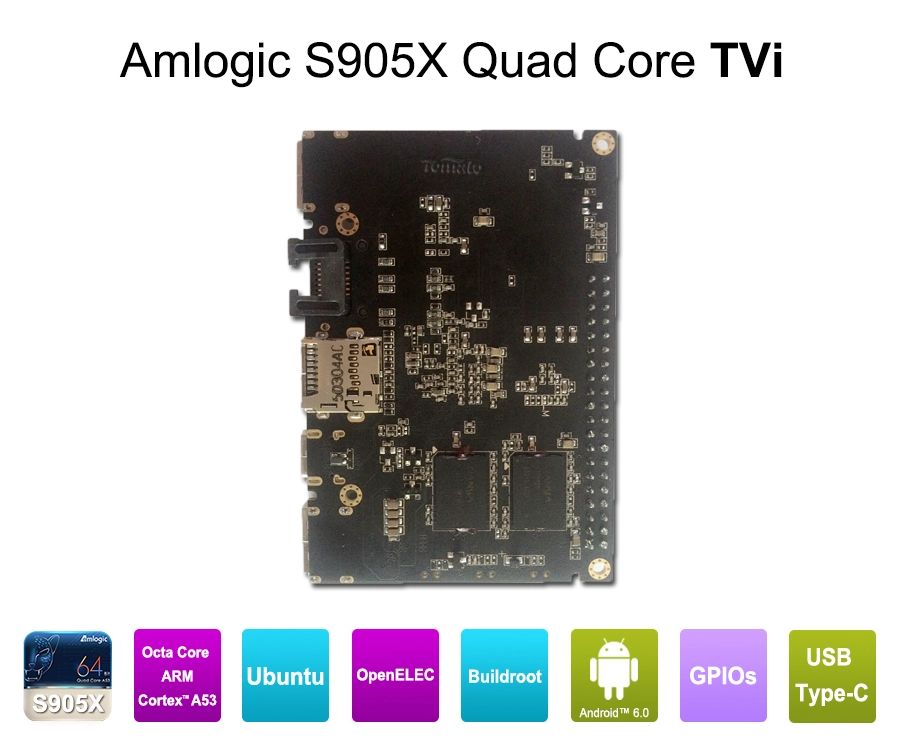
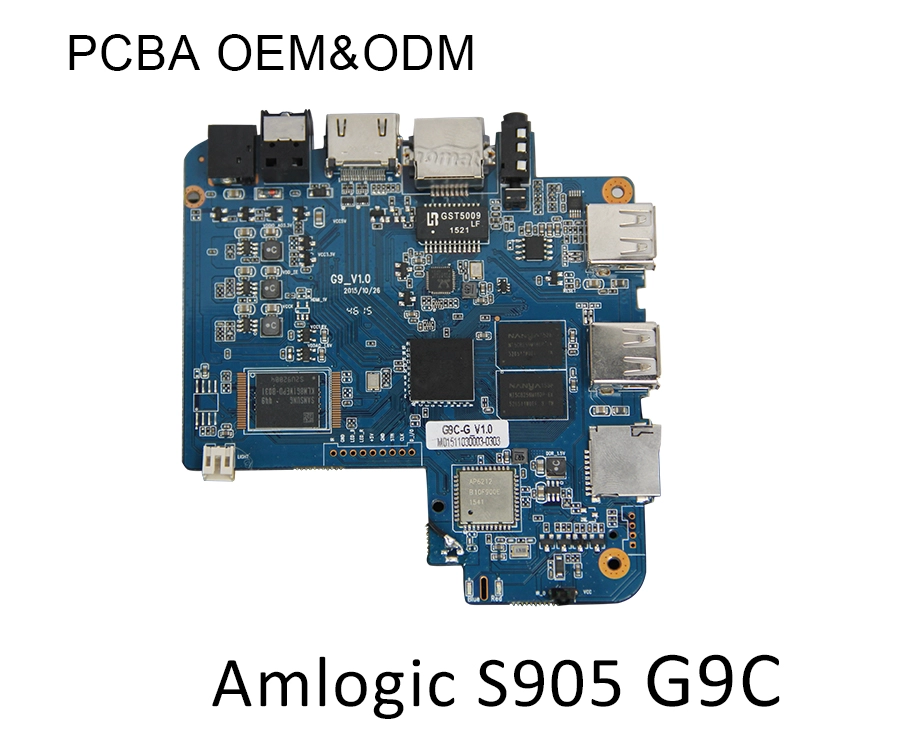
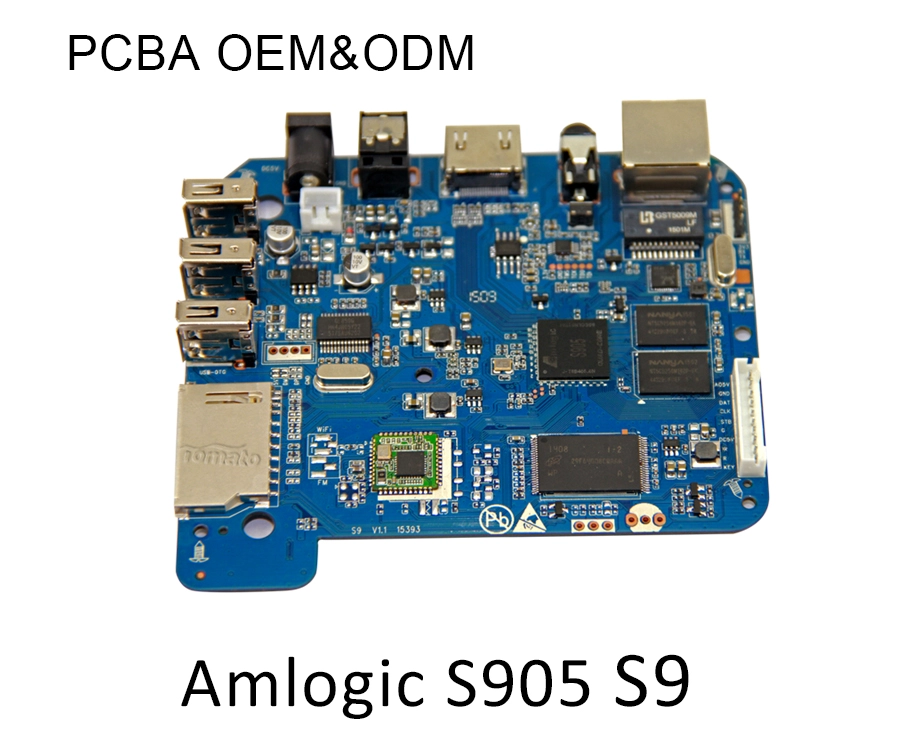
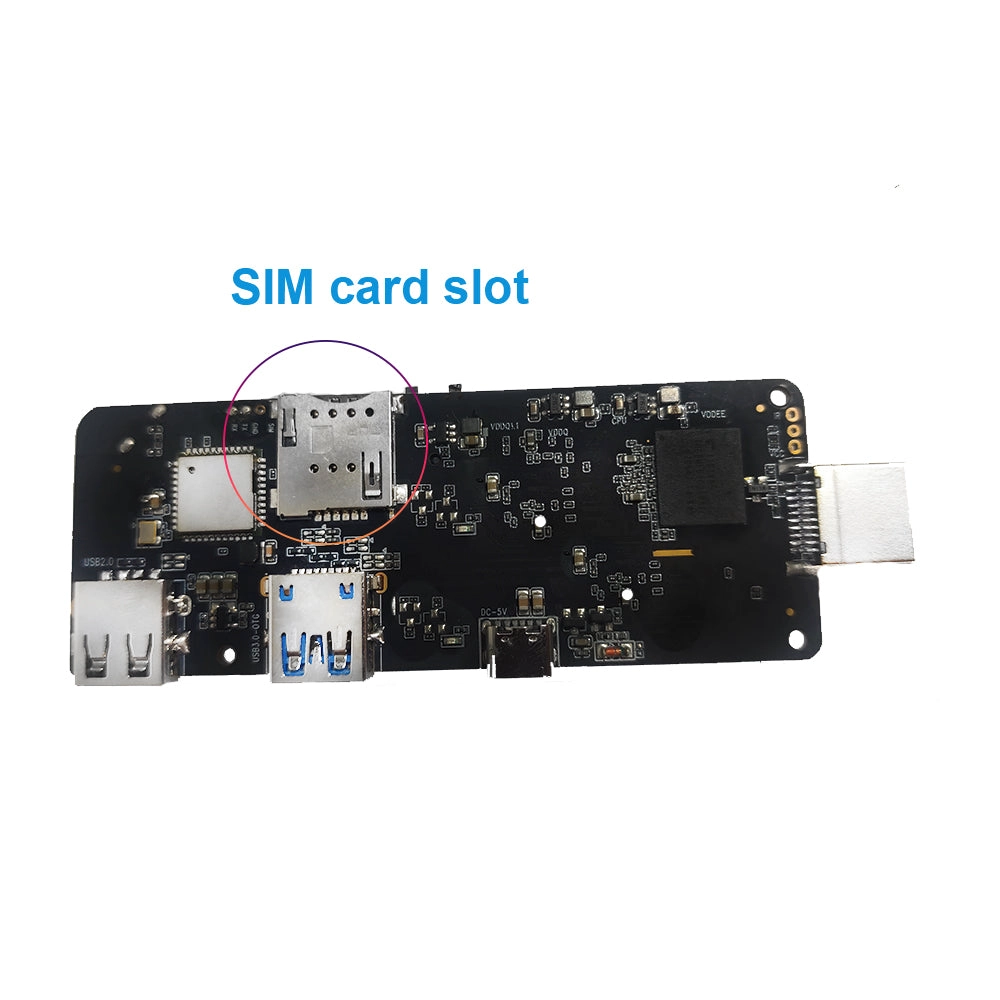
PCBA Thermal Management: Demand a detailed view of the heat sink surface area. Standard retail designs often skimp on aluminum mass, leading to thermal throttling under 24/7 industrial use.
The Customization Workflow: OEM vs. ODM
"Getting" an STB for a professional network requires choosing between two primary procurement paths:
1. The OEM Path (Branding and Packaging): This is suitable for distributors who require a proven hardware design but need proprietary branding. This includes silk-screened logos on the housing, customized gift boxes, and a "boot logo" flash in the firmware.
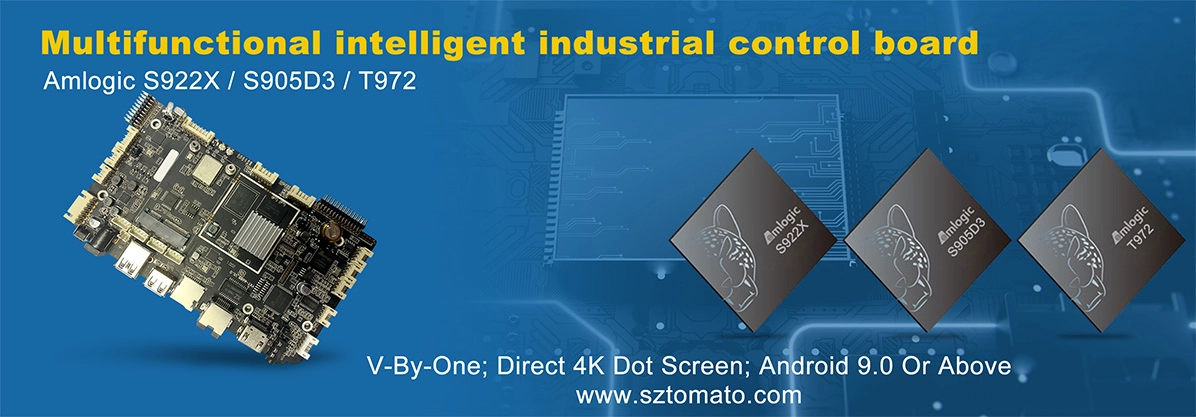
2. The ODM Path (Deep Engineering): For operators with unique environmental or software requirements, ODM services allow for PCBA-level modifications. This may include:
-
I/O Modification: Adding or removing physical ports like Optical SPDIF, RS232 for control systems, or specialized Tuners (DVB-T2/S2/C).
-
Kernel-Level Tweaks: Modifying the Android kernel to support specific external hardware or restricted network protocols.
-
Form Factor Design: Developing a custom injection mold for specific aesthetic or space-saving requirements.
Firmware Integrity and DRM Integration
A Set-Top Box is only as capable as its security certifications. To deliver high-definition content from premium providers, the hardware must be provisioned with the correct Digital Rights Management (DRM) keys at the factory.
Successful procurement must verify the manufacturer’s ability to handle:
-
Widevine L1 Provisioning: Essential for 4K playback on legal streaming services.
-
HDCP 2.2 Compatibility: Ensuring secure handshake protocols between the STB and the display unit.
-
System Partitioning: Implementing a secure bootloader that prevents unauthorized firmware tampering while allowing for authenticated OTA (Over-the-Air) updates.
Logistics and Quality Control in Cross-Border Trade
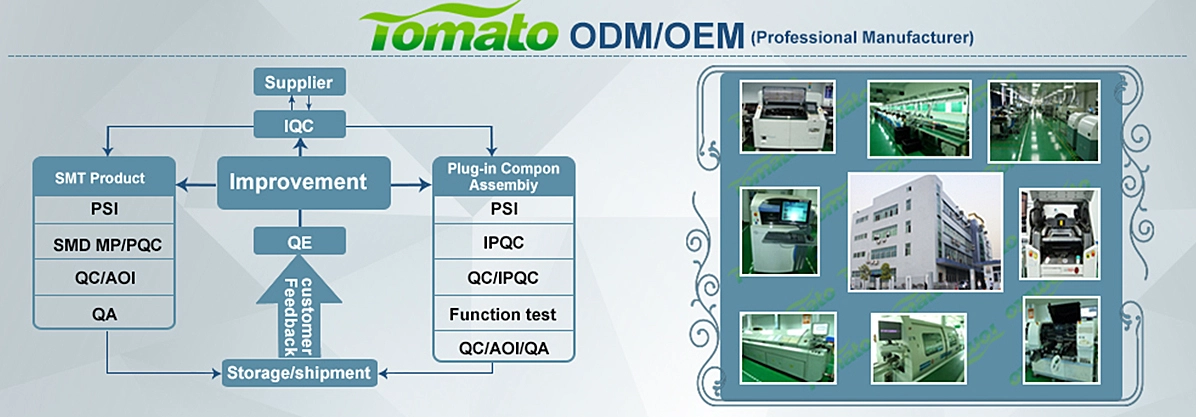
Finalizing the acquisition of an STB fleet requires a rigorous Quality Management System (QMS). When dealing with high-volume B2B orders from manufacturing hubs like Shenzhen, the following steps are non-negotiable:
-
Pilot Run (PVT): A small batch production run to verify that the custom firmware and hardware modifications perform under real-world conditions.
-
Aging Tests: 24-48 hours of continuous 4K video playback at high ambient temperatures to identify early-life component failures.
-
Pre-Shipment Inspection (PSI): Third-party verification of the AQL (Acceptance Quality Limit) to ensure every unit meets the agreed-upon technical specifications.
Consult with an Engineering Partner Procuring a professional Set-Top Box (STB) is a technical undertaking that defines the success of your content delivery network. Avoid the pitfalls of generic hardware. Contact SZTomato to consult with our Senior SEO Architects and Engineering team on developing a customized, high-E-E-A-T hardware solution tailored to your specific market demands.