How to Install Linux on an RK3528 TV Box?
How to Install Linux on an RK3528 TV Box: Commercial Engineering Guide
The ARM architecture market is experiencing a significant shift as commercial operators move away from restrictive, consumer-facing Android systems toward open-source Linux environments. While the Rockchip RK3528 SoC (System on Chip) is highly regarded in the high-volume Android TV Box market for its cost-efficient quad-core Cortex-A53 layout and native H.265/AV1 8K decoding capabilities, deploying it in enterprise environments—such as edge computing, digital signage, and IoT gateways—requires a distinct software strategy.
Stripping the Android runtime environment reduces memory overhead by up to 45%, frees up hardware cycles, and eliminates non-deterministic background processes. However, executing a Linux migration on an RK3528 TV box platform introduces rigid engineering constraints, particularly regarding the proprietary Rockchip bootloader pipeline and peripheral hardware initialization.
1. The RK3528 Boot Sequence and U-Boot Modification
Standard RK3528 TV box stock firmware relies on a multi-stage closed bootloader sequence that initializes the system-on-chip components before passing execution to the Android Boot Image. To boot a mainline Linux distribution (such as Debian or Ubuntu Server ARM64), this pipeline must be intercepted or modified to accept an uncompressed Linux kernel (Image) and an independent Initramfs.
The primary engineering challenge lies in the initial stage bootloader (Miniloader) stored in the eMMC or SPI flash. Rockchip utilizes a signature verification mechanism that limits unauthorized payloads. To successfully route the system into a Linux environment, engineers must leverage masked ROM mode (MASKROM) to flash a customized U-Boot secondary program loader (SPL).
The MASKROM Hardware Interface
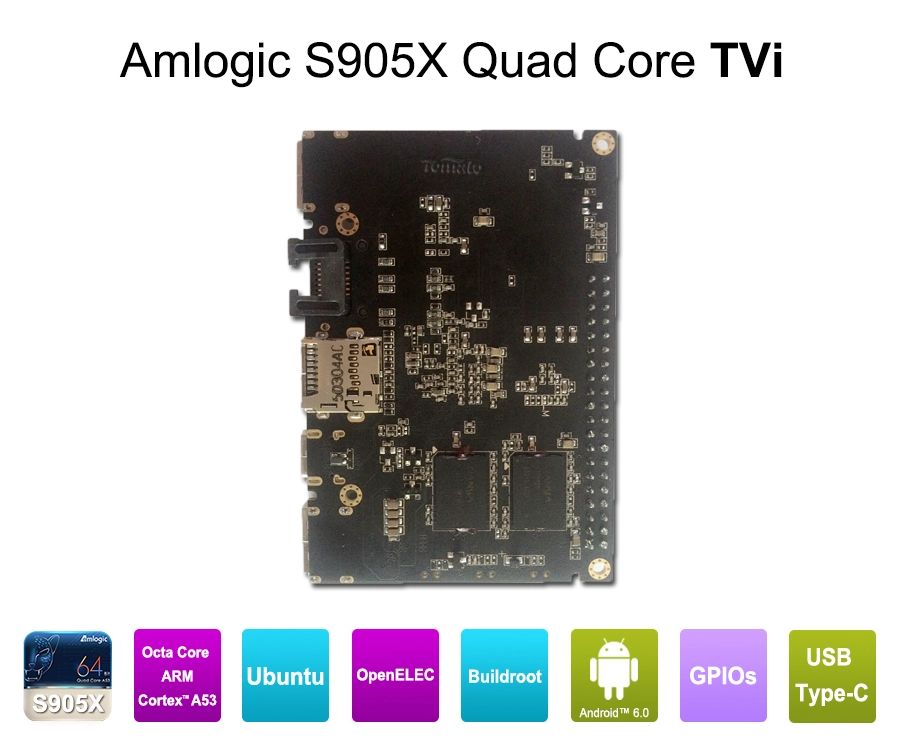
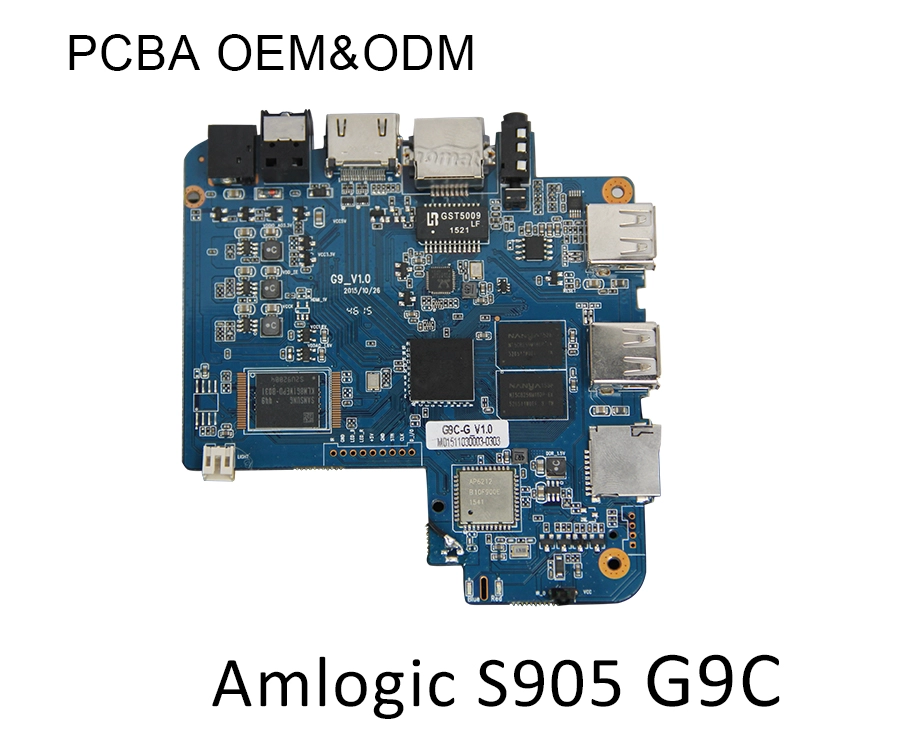
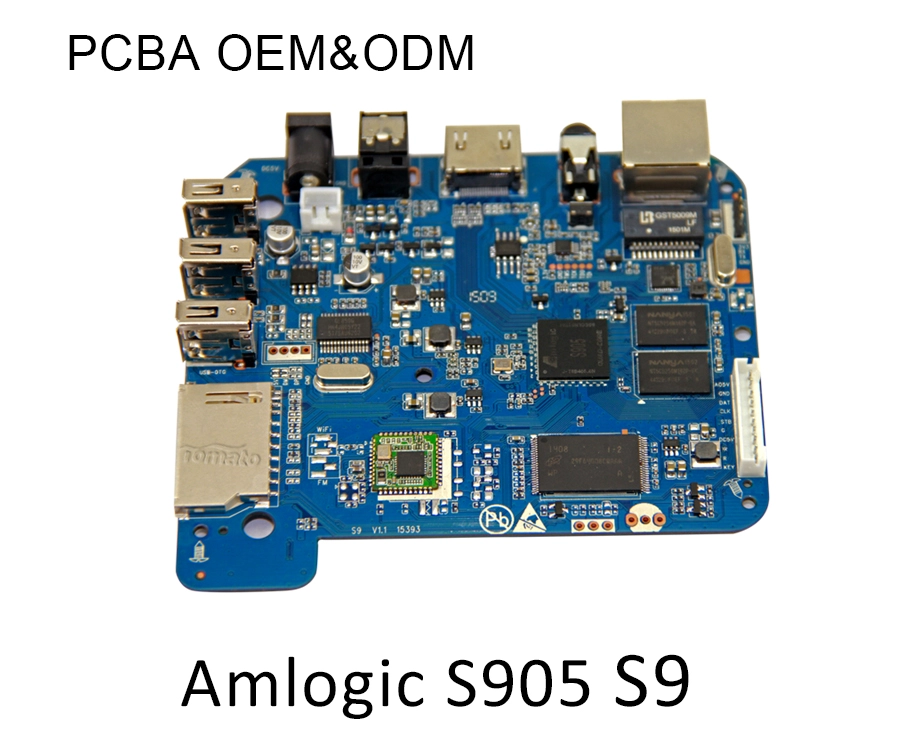
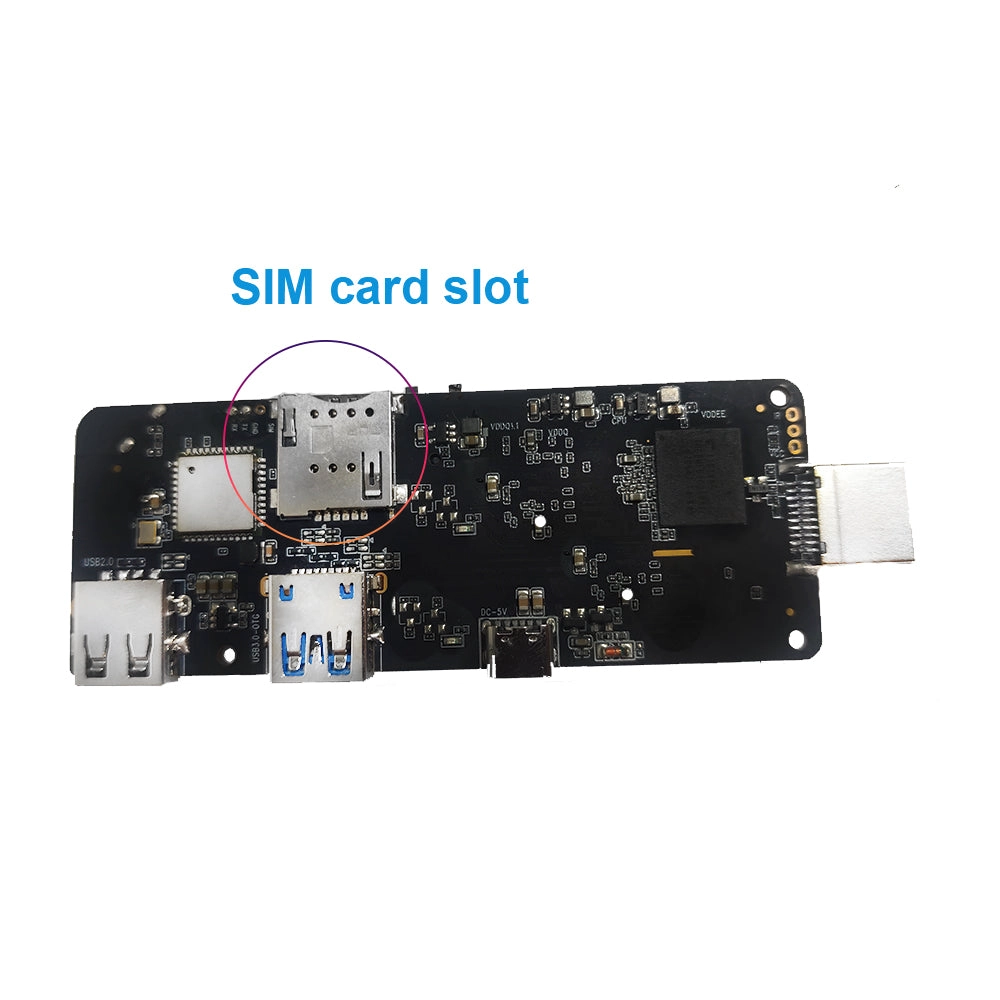
To force the RK3528 SoC into MASKROM mode, the physical PCBA (Printed Circuit Board Assembly) layout must be accessed.
-
Locate the eMMC Flash Storage Memory: Identify the eMMC chip on the PCBA.
-
Identify the Clock (CLK) or Data 0 (D0) Test Points: Locate the explicit test points situated between the SoC and the eMMC module.
-
Short-Circuit to Ground: Using a low-resistance grounding probe or hardware tweezers, short the CLK or D0 point to a digital ground plane on the board while establishing a 5V DC or USB OTG connection to the host engineering workstation.
-
Verification: The Rockchip RKDevelopTool utility on the host workstation will report Found MASKROM Device.
Once MASKROM access is achieved, the partition table must be restructured. The standard Android parameter file is replaced with a standard GUID Partition Table (GPT) layout, allocating distinct boundaries for U-Boot, the Device Tree, and the root file system (rootfs).
2. Device Tree Optimization and Device Driver Compilation
Booting the Linux kernel on an un-templated RK3528 board results in immediate kernel panics if the Device Tree Blob (DTB) does not precisely map the physical hardware addresses of the PCBA. The RK3528 shares architecture with older Rockchip designs but features specific offsets for its IO rings, power management IC (PMIC) interfaces, and networking PHYs.
DTB Structural Configuration
The Device Tree Source (DTS) file must explicitly define the memory-mapped I/O (MMIO) registers for core sub-systems. A critical focal point during custom compilation is the decoupling of hardware components that are bound to Android-specific HALs (Hardware Abstraction Layers).
DTS
// Architectural Snip: RK3528 Ethernet PHY Device Tree Configuration
&gmac0 {
phy-mode = "rmii";
pinctrl-names = "default";
pinctrl-0 = <&rmii_pins &mac_clk_pins>;
snps,reset-gpio = <&gpio3 RK_PC0 GPIO_ACTIVE_LOW>;
snps,reset-active-low;
snps,reset-delays-us = <0 10000 100000>;
status = "okay";
};
For high-reliability deployments, hardware modifications frequently replace the internal, thermally sensitive Fast Ethernet PHY with an external Gigabit Ethernet controller via the PCIe or RGMII bus interface on the PCBA. When modifying the board layout, the DTB must be altered to reflect correct clock phases (tx_delay and rx_delay) to mitigate data packet corruption under high operating temperatures.
Furthermore, standard consumer TV box housings lack adequate thermal dissipation components. When running continuous Linux workloads, the RK3528 can experience severe thermal throttling at 85°C. System integrators must implement structural modifications: replacing stock linear low-profile aluminum heat plates with active-cooling or high-mass copper heatsinks bonded with industrial thermal compound (≥5 W/mK conductivity).
3. Compiling the Root File System and Mainline Kernel Integration
To minimize the hardware footprint, enterprise deployments require a clean rootfs built via debootstrap or Yocto Project workflows rather than heavy desktop distros.
Execution Workflow
-
Cross-Compilation Setup: Configure an x86_64 Linux host with the aarch64-linux-gnu-gcc compiler toolchain.
-
Kernel Source Configuration: Fetch the stable Rockchip Linux kernel source branch (typically LTS kernel versions 5.10 or 6.1). Execute make rk3528_defconfig.
-
Kernel Strip and Hardening: Disable unnecessary multimedia sub-systems, Android Binder IPC, ashmem, and consumer infrared drivers within the configuration menu (make menuconfig) to reduce binary image size and surface area for vulnerabilities.
-
Rootfs Generation: Target an ext4 target filesystem layout. Ensure proper serialization of terminal consoles by binding agetty directly to the ttyFIQ0 serial debug port (UART) running at 1500000 baud.
Once compiled, the resulting kernel image (arch/arm64/boot/Image) and compiled DTB are written directly to their respective partitions via RKDevelopTool or loaded dynamically via an extlinux configuration script parsed by U-Boot from an integrated SD card slot.
4. Mitigating Enterprise Deployment Challenges
Transitioning a consumer-grade RK3528 design into an industrial deployment introduces operational vulnerabilities that must be addressed at the firmware level.
Storage Degradation and Power Interruption
Standard consumer TV boxes utilize low-tier eMMC storage nodes that suffer rapid degradation under continuous Linux logging cycles. To prevent file system corruption from ungraceful power disconnections, enterprise firmware configurations must mount the primary rootfs as Read-Only (ro), executing write operations within a volatile RAM disk via overlayfs.
Cryptographic Security Constraints
Unlike enterprise-grade SoCs, low-tier RK3528 boxes frequently lack securely provisioned hardware cryptographic keys or have disabled HDCP and trustzone verification layers in commercial Linux distributions. If your deployment requires end-to-end data encryption or secure boot execution, hardware-level modifications must be made to integrate an external I2C/SPI secure element (e.g., ATECC608A) onto the PCBA layout.
Enterprise OEM/ODM Customization Solutions
While manual Linux migration serves for proof-of-concept testing, scaling to deployments of thousands of units requires a dedicated hardware manufacturing partner. Broad hardware adaptation cannot rely on grounding individual test points or manually flashing boards via USB interfaces.
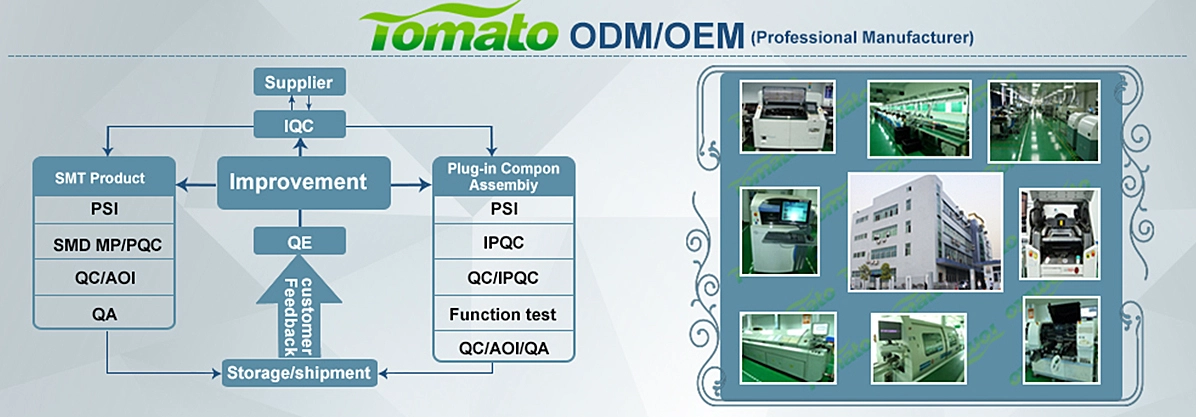
SZTomato provides professional-grade, full-stack OEM/ODM TV Box customization services for enterprise clients looking to deploy Linux-native architecture at scale.
-
PCBA Structural Re-engineering: We modify stock circuit layouts to include dedicated hardware watchdogs, native PoE (Power over Ethernet) power delivery modules, real-time clocks (RTC) with battery backups, and ruggedized, high-mass industrial cooling solutions.
-
Firmware-Level Provisioning: Direct engineering of bootloaders down to the secure mask-ROM level. We deliver hardware pre-flashed with optimized Linux distributions, custom API hooks, secure production-line keys, and hardened OTA update infrastructures.
-
Peripheral Integration: Seamless integration of specialized display outputs, tailored touch-panel drivers, and custom serial interfaces (RS-232/RS-485) into the mainline OS kernel.
For system integrators, digital signage network operators, and industrial solution procurement managers requiring tailored, high-stability hardware configurations, contact SZTomato’s engineering group today to review your project specifications and obtain custom PCBA reference designs.