
How to get free channels on Streaming Media Player?
How to Get Free Channels on a Streaming Media Player?
The shift from traditional broadcast TV to IP-based delivery has changed what “free channels” means on a Streaming Media Player. A modern Android or Linux device does not automatically provide television channels simply because it has Wi-Fi, 4K decoding, or an app store. Free content comes from legitimate sources such as free ad-supported streaming TV (FAST) services, public broadcaster streams, free IPTV services, manufacturer applications, and publicly accessible OTT platforms.
For consumers, the setup can be straightforward. For distributors, IPTV operators, hotel integrators, and device manufacturers, the technical challenge is more complex: channel availability, geographic restrictions, DRM, codec support, application compatibility, network performance, and firmware stability all affect the actual viewing experience.
What Are “Free Channels” on a Streaming Media Player?
A Streaming Media Player is primarily a hardware and software platform for receiving, decoding, and displaying digital media. It does not create television content itself.
Free channels generally fall into several categories:
-
FAST channels: Free ad-supported streaming television services that provide linear channels without a traditional pay-TV subscription.
-
Free OTT channels: Internet-delivered television and video services that do not require a paid subscription.
-
Public broadcaster channels: Some broadcasters provide live streams or free applications for their television networks.
-
Free IPTV services: Legitimate IPTV providers may distribute publicly available channels through applications or network streams.
-
Free streaming applications: Certain applications aggregate legally available live channels and on-demand content.
-
Local network sources: In specialized deployments, a Streaming Media Player can receive streams from an organization's own IPTV or media server.
This distinction matters for both users and B2B buyers. “Free” should mean legally available without a subscription, not unauthorized redistribution of premium television content.
A Streaming Media Player can support many content sources, but the content provider ultimately determines whether a channel can be accessed.
How to Get Free Channels on a Streaming Media Player
1. Connect the Player to a Stable Network
Start with the network because streaming quality is limited by the weakest part of the connection.
For 1080p streaming, a stable broadband connection is normally sufficient. 4K services require greater sustained bandwidth, and wireless interference can become a problem in hotels, apartments, offices, and commercial environments.
For a production-grade Streaming Media Player, connectivity should be evaluated beyond nominal Wi-Fi speed:
-
Wi-Fi 5 or Wi-Fi 6 capability
-
Ethernet availability
-
2.4 GHz / 5 GHz radio performance
-
Antenna design
-
Network latency
-
Packet loss
-
Router compatibility
-
DHCP and DNS behavior
-
Simultaneous device load
For commercial deployments, Ethernet is often preferable where cabling is available because it provides more predictable throughput and reduces dependence on the RF environment.
2. Install Legitimate Free Streaming Applications
On Android-based Streaming Media Players, users can install supported applications through the appropriate app distribution channel or through a controlled enterprise deployment.
The exact applications available depend on:
-
Operating system version
-
Google certification status
-
Region
-
App compatibility
-
DRM requirements
-
Content-provider policies
-
Device hardware capabilities
This is where many low-cost TV boxes encounter problems. A device may technically run Android but still fail to provide a reliable experience with major streaming applications because the required DRM, certification, HDCP implementation, or hardware video pipeline is missing.
For a B2B manufacturer, application compatibility should therefore be treated as a platform engineering requirement rather than a marketing checkbox.
3. Explore FAST Channels
FAST has become one of the most practical ways to access free linear television through a Streaming Media Player.
Unlike conventional IPTV subscriptions, FAST platforms generally use advertising to fund content distribution. Users can browse channels covering news, movies, sports-related programming, documentaries, lifestyle content, classic television, and other categories without paying a traditional monthly television subscription.
Availability varies significantly by country.
A channel available in the United States may not be available in Europe, Asia, Latin America, or another market. Content rights are usually determined by territory, so changing a device's firmware does not legitimately remove geographic restrictions.
For distributors selling internationally, regional content availability should be considered during product planning.
4. Use Free IPTV Sources Carefully
IPTV is a delivery technology, not a specific business model.
A legitimate IPTV stream can be delivered through an M3U playlist, an application, an API, a middleware platform, or another streaming protocol. The key issue is whether the provider has the legal rights to distribute the content.
For system integrators, this distinction is critical.
A commercial Streaming Media Player can be integrated with:
-
IPTV middleware
-
M3U-based channel systems
-
HLS streams
-
MPEG-DASH services
-
Private OTT platforms
-
Corporate video servers
-
Hotel IPTV systems
-
Digital signage content servers
However, premium channels should only be distributed when the operator has the appropriate licensing and authorization.
5. Check DRM and HDCP Compatibility
Users sometimes install a streaming application only to discover that video quality is limited or playback fails.
The underlying problem may be DRM.
Modern OTT platforms can use technologies such as Widevine and other digital rights management systems to protect premium content. HDMI output can also involve HDCP requirements.
Therefore, a Streaming Media Player designed for commercial OTT applications needs more than a fast processor.
The complete media pipeline may include:
Application → DRM → OS framework → MediaCodec → hardware decoder → compositor → HDMI → HDCP → display
A weakness anywhere in this chain can affect playback.
This is one reason why SoC selection, Android framework configuration, kernel optimization, firmware engineering, and certification planning should be considered together.
Why Some Streaming Media Players Cannot Play Certain Free Channels
“Free” does not mean “universally compatible.”
Several technical limitations can prevent playback.
Codec Support
Modern OTT platforms increasingly use efficient codecs such as H.265/HEVC and AV1 to reduce bandwidth requirements.
A Streaming Media Player must have an appropriate hardware decoding pipeline. Software decoding may work for lower resolutions but can become inefficient for 4K content, especially on thermally constrained hardware.
A properly selected SoC can provide dedicated video decoding hardware rather than relying on CPU resources.
Android or Linux Compatibility
Two devices may both advertise “Android TV Box” or “Streaming Media Player,” yet have completely different software architectures.
A production platform may require:
-
Android framework customization
-
Linux kernel optimization
-
Hardware abstraction layer integration
-
MediaCodec configuration
-
GPU driver optimization
-
Ethernet/Wi-Fi driver support
-
OTA update infrastructure
-
Application whitelisting
-
Device Owner configuration
-
Kiosk-mode control
For enterprise deployments, firmware stability is often more important than benchmark performance.
Geographic Restrictions
Some free channels are only licensed for particular territories.
A Streaming Media Player cannot legitimately bypass the content owner's geographic distribution rights simply by changing firmware settings.
For B2B deployments, regional channel requirements should therefore be defined before hardware production rather than handled after shipment.
Thermal Throttling
A compact Streaming Media Player may decode 4K video continuously for hours. If the enclosure, heatsink, PCB layout, or thermal interface is poorly designed, the SoC can reduce clock frequency under sustained load.
The result may appear as:
-
Frame drops
-
Video stuttering
-
Application crashes
-
Wi-Fi instability
-
Reduced decoding performance
-
Unexpected reboots
For commercial projects running 12–24 hours per day, specialized cooling can be more valuable than a marginal increase in processor specifications.
What B2B Buyers Should Look for in a Streaming Media Player
For procurement managers and system integrators, the right question is not simply:
“How many free channels does this box provide?”
A better question is:
“Can this platform reliably run the content ecosystem required by my target market?”
The evaluation should cover five layers.
Hardware
Check:
-
SoC architecture
-
CPU configuration
-
GPU
-
Hardware video decoder
-
RAM and eMMC capacity
-
Wi-Fi generation
-
Ethernet speed
-
HDMI specification
-
USB interfaces
-
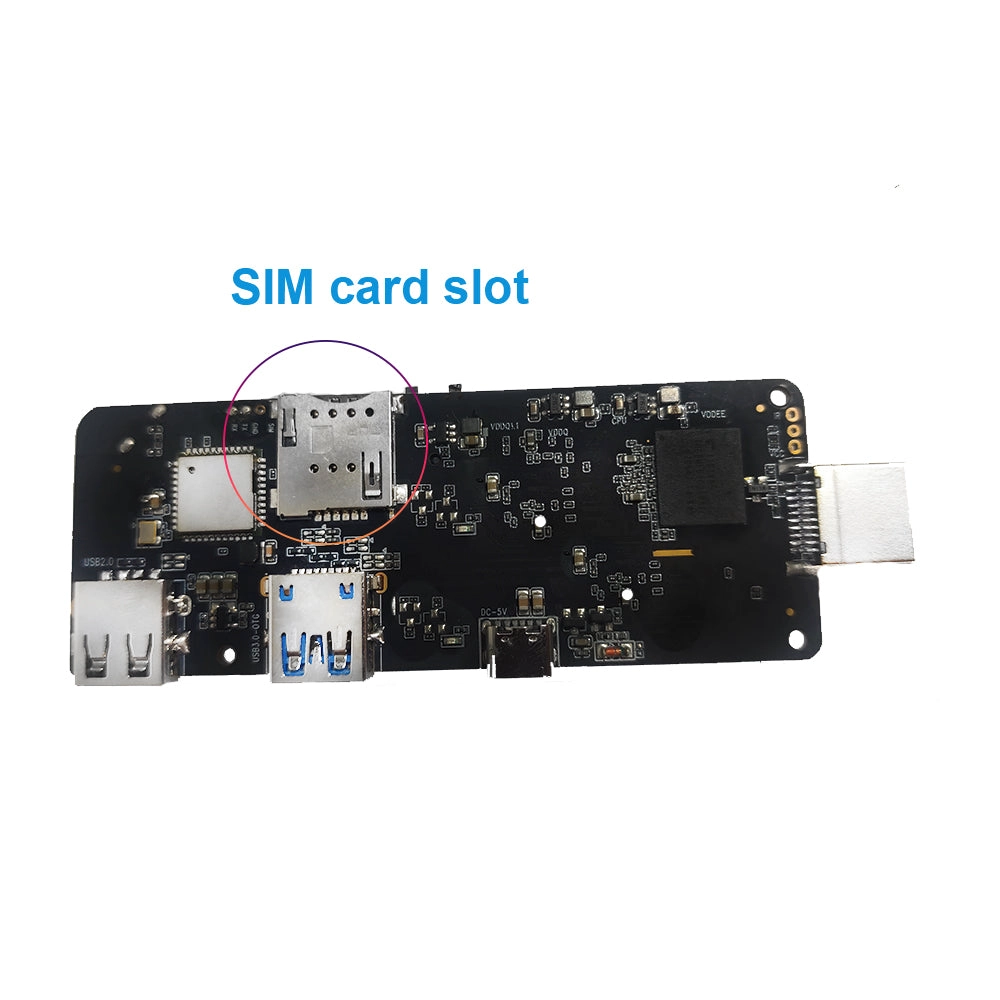
Optional cellular connectivity
-
Thermal design
Software
Evaluate:
-
Android version or Linux distribution
-
AOSP availability
-
OTA update system
-
Launcher customization
-
Application compatibility
-
Device management
-
Security patch strategy
-
API/SDK support
Media Pipeline
Confirm support for the required:
-
H.264
-
H.265/HEVC
-
VP9
-
AV1
-
HDR formats
-
Audio codecs
-
HDMI output modes
-
DRM framework
-
HDCP requirements
Network and Remote Management
Commercial deployments often require centralized management rather than manually configuring every player.
Features such as remote firmware updates, device monitoring, configuration management, application deployment, and TR-069-based management can significantly reduce operating costs.
Customization
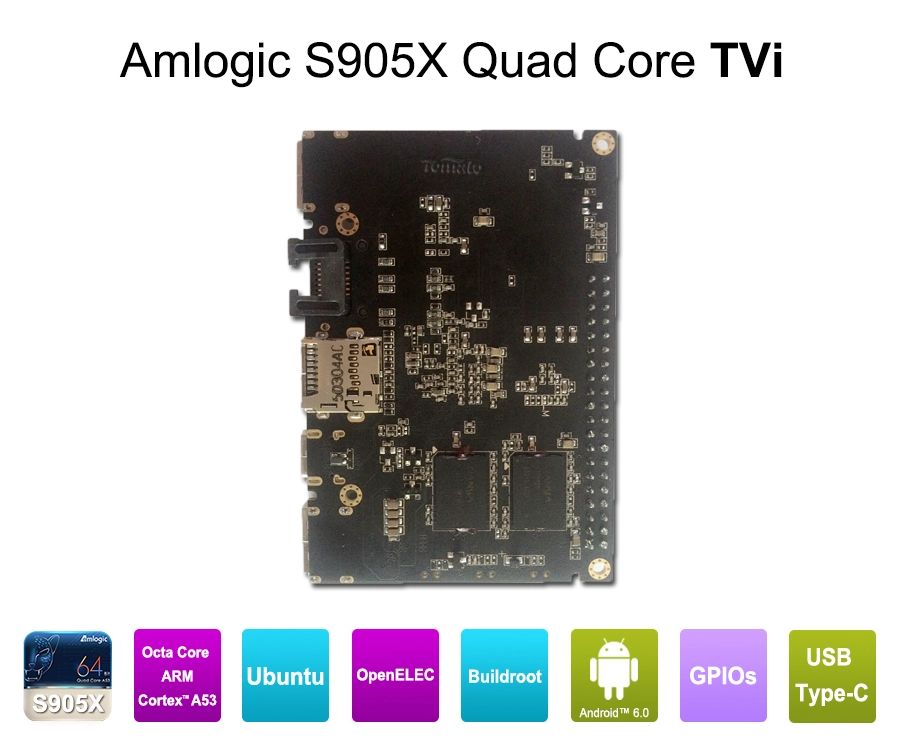
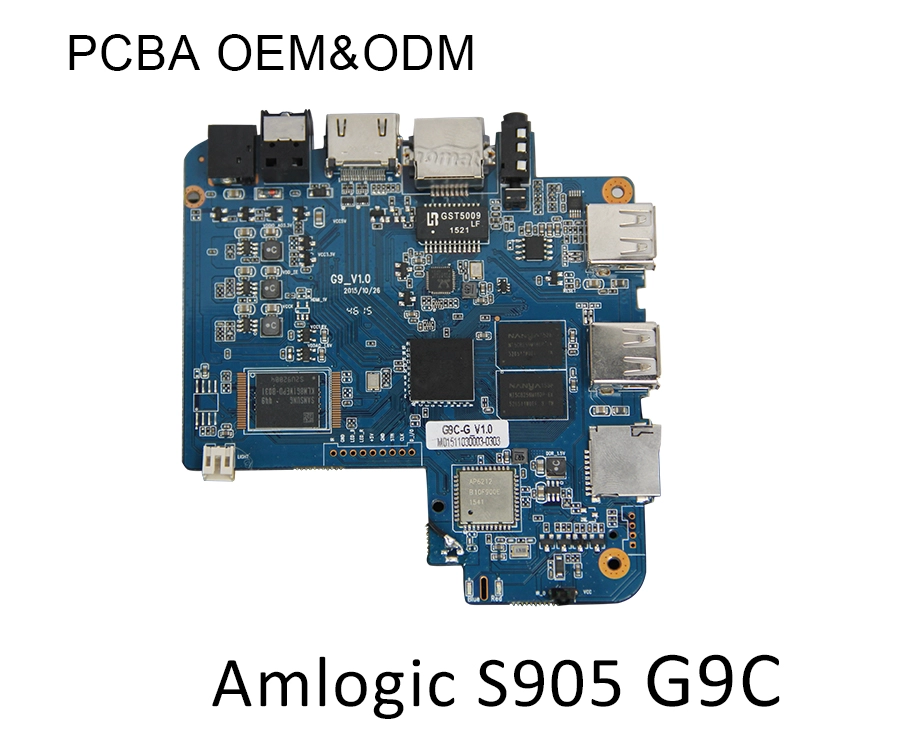
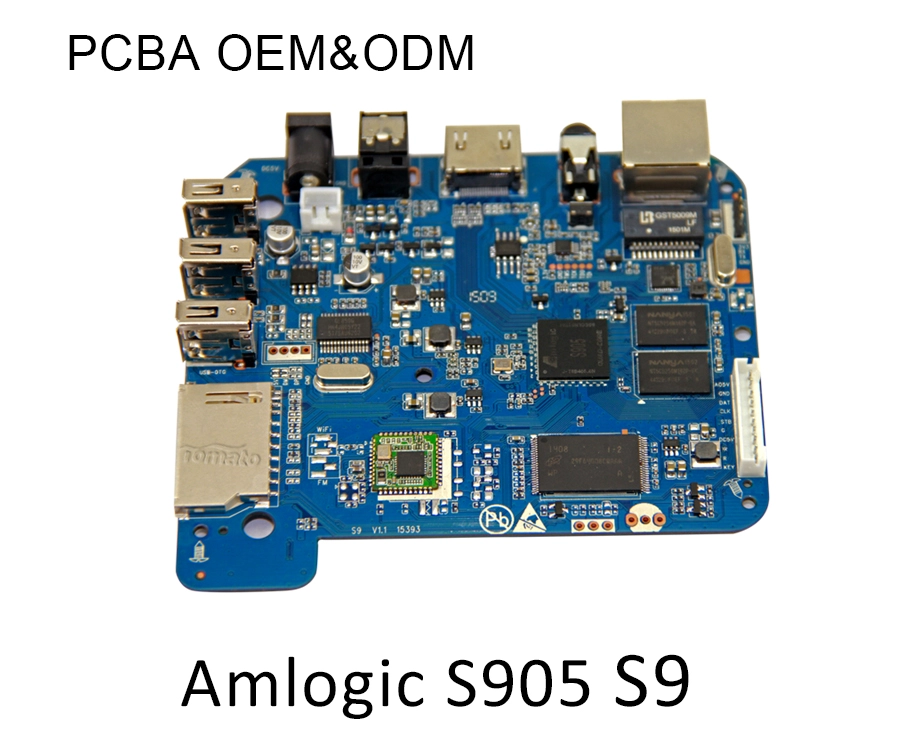
This is where an OEM/ODM Streaming Media Player platform becomes substantially different from a generic retail TV box.
A B2B project may require a customized PCBA rather than an off-the-shelf board.
Possible modifications include:
-
Memory and storage configuration
-
Wi-Fi module selection
-
Ethernet interface
-
GPIO expansion
-
RS-232
-
USB configuration
-
HDMI interface
-
Power supply design
-
Antenna layout
-
Industrial connectors
-
Heat dissipation system
Firmware can also be adapted around the customer's operating environment.
Custom UI/UX, branded launchers, boot animation, application preinstallation, kiosk mode, OTA infrastructure, API integration, and enterprise device management can all be incorporated into the production image.
How OEM/ODM Engineering Improves Free-Channel Streaming
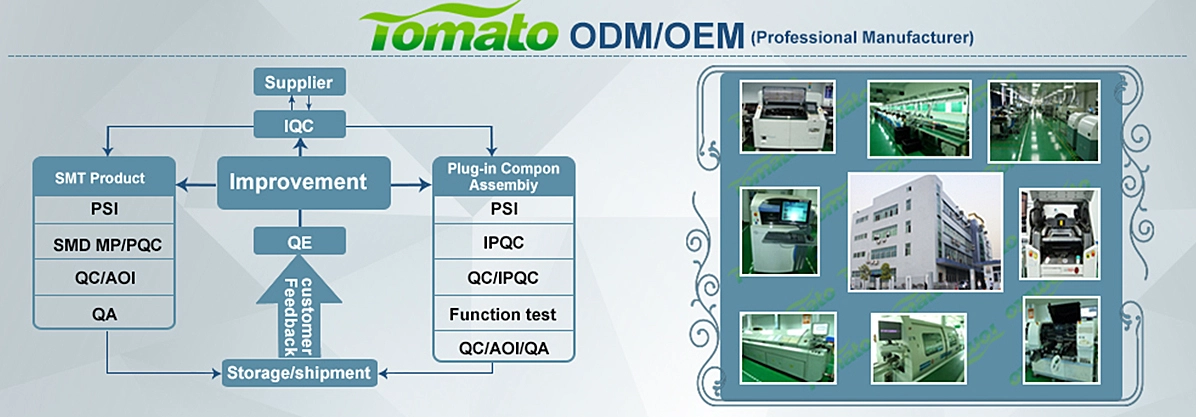
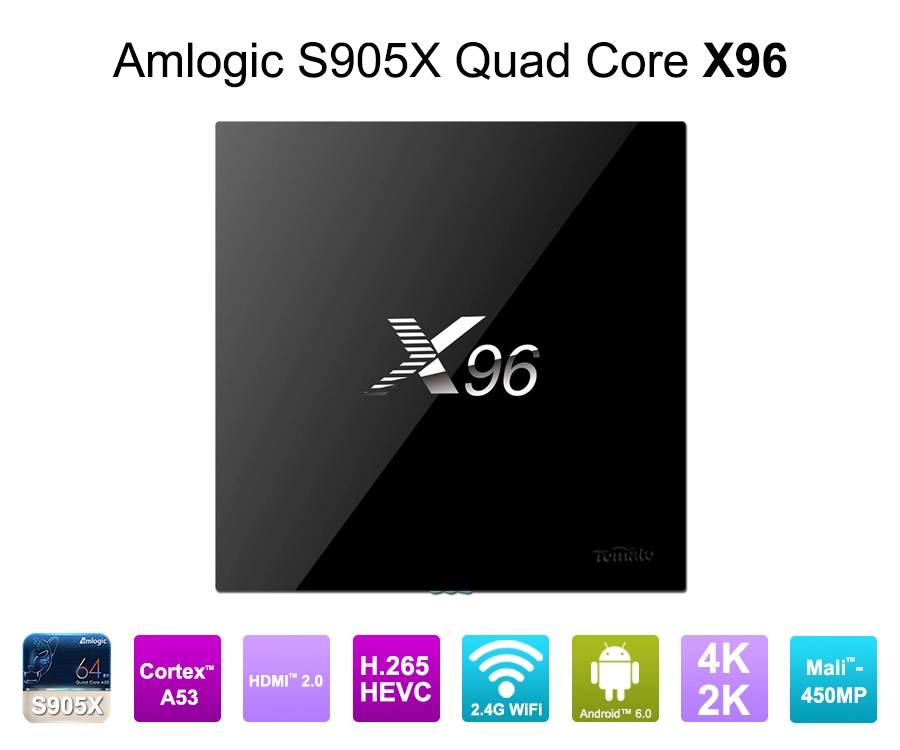
For a manufacturer such as SZTomato, the Streaming Media Player is not simply a plastic enclosure containing an Android board.
The engineering process can start at the PCBA layout level.
A customer targeting hotel IPTV may need a different I/O configuration from a consumer OTT distributor. A digital signage operator may prioritize 24/7 stability and remote management. An IPTV operator may require middleware integration and a customized launcher. An industrial deployment may require extended temperature operation and specialized cooling.
These requirements affect the hardware and firmware architecture.
SZTomato's OEM/ODM approach can cover:
-
PCBA hardware modification
-
SoC and memory configuration
-
Custom PCB layout
-
SDK integration
-
API integration
-
Android/AOSP firmware customization
-
Linux firmware development
-
Custom UI/UX
-
OTA update systems
-
Remote device management
-
Middleware integration
-
Application preinstallation
-
Kiosk and locked-down deployments
-
Specialized thermal solutions
The advantage is not simply a different logo on the enclosure. The objective is to create a Streaming Media Player that matches the customer's content, network, software, and operational requirements.
Free Channels Are Only One Part of the Business Case
For consumers, free channels are attractive because they reduce monthly television costs.
For B2B buyers, the commercial value is broader.
A Streaming Media Player can become the endpoint of an entire content ecosystem:
Content → OTT/IPTV platform → Network → Streaming Media Player → Display
The hardware must remain stable across every stage.
For a hotel, this could mean a customized IPTV interface with branded services and centralized device management.
For a telecom operator, it could mean integration with proprietary middleware and subscriber services.
For a digital signage company, the same hardware architecture could be optimized for scheduled media playback, remote monitoring, and multi-screen management.
For a brand owner, OEM production can turn a generic hardware platform into a differentiated commercial product with its own industrial design, firmware, UI, and application ecosystem.
That is why the best Streaming Media Player should be evaluated as a platform, not simply as a low-cost streaming box.
Final Takeaway
Getting free channels on a Streaming Media Player is usually straightforward: connect the device to the Internet, install legitimate free streaming or FAST applications, and use authorized IPTV or OTT sources available in the target region.
The difficult part begins when the requirement moves from one device to thousands of devices.
At that scale, SoC selection, AV1/H.265 hardware decoding, DRM, HDCP, PCBA design, thermal management, Android/Linux optimization, OTA updates, application compatibility, and remote device management become decisive factors.
For procurement managers, IPTV operators, distributors, hotel technology companies, and system integrators, the better strategy is to select a hardware and firmware platform that can be engineered around the required content ecosystem.
If you need a custom Streaming Media Player rather than a generic retail TV box, SZTomato can support the project from PCBA modification and SoC selection through SDK/API integration, customized UI/UX firmware, OTA infrastructure, and specialized cooling design for demanding commercial deployments.
