
Is it worth buying an Internet TV Box?
Is It Worth Buying an Internet TV Box? An ROI Analysis for B2B Edge Deployments
The deprecation of localized QAM-based video matrices in favor of cloud-hosted, IP-delivered content demands a restructuring of endpoint hardware. Systems integrators and digital signage operators are increasingly replacing bulky, high-maintenance x86 micro-PCs with ARM-based architectures. However, evaluating whether to pivot to a high-volume Internet TV Box deployment requires stripping away consumer-grade marketing metrics and directly auditing the underlying System-on-Chip (SoC) stability, thermal tolerances, and firmware control protocols.
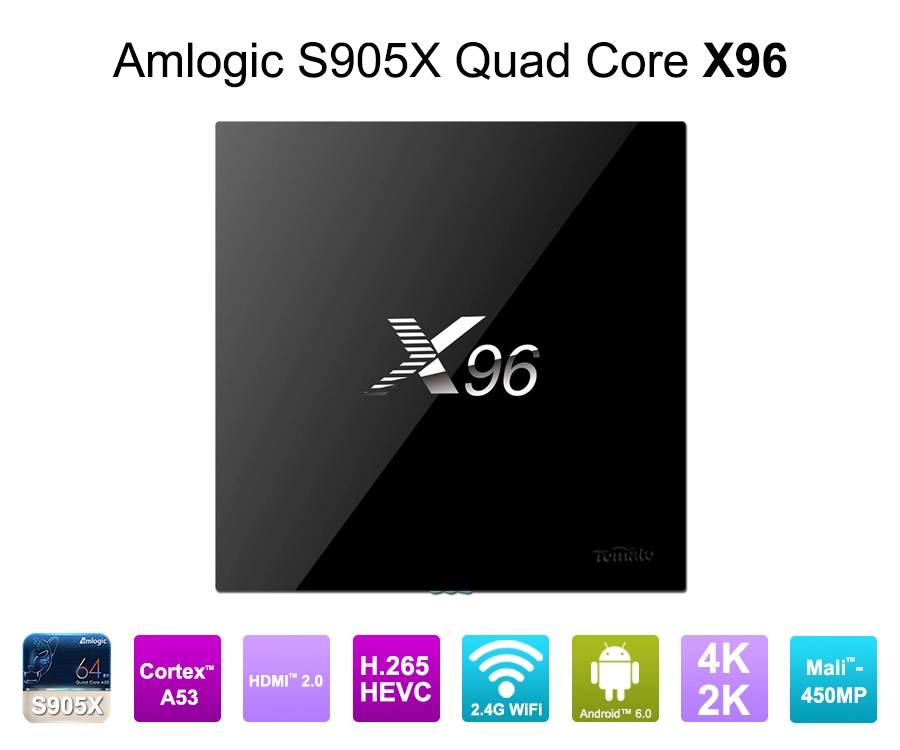
For B2B procurement, an Internet TV Box is not a media consumption device; it is a dedicated, single-purpose computing node. Determining its worth relies entirely on mitigating deployment friction and maximizing Mean Time Between Failures (MTBF).
The TCO Equation: ARM Architecture vs. Legacy x86 Hardware
Historically, commercial digital signage and hotel IPTV systems relied on Windows-based or Linux x86 hardware. While powerful, these units inherently possess a massive thermal envelope and high power consumption.
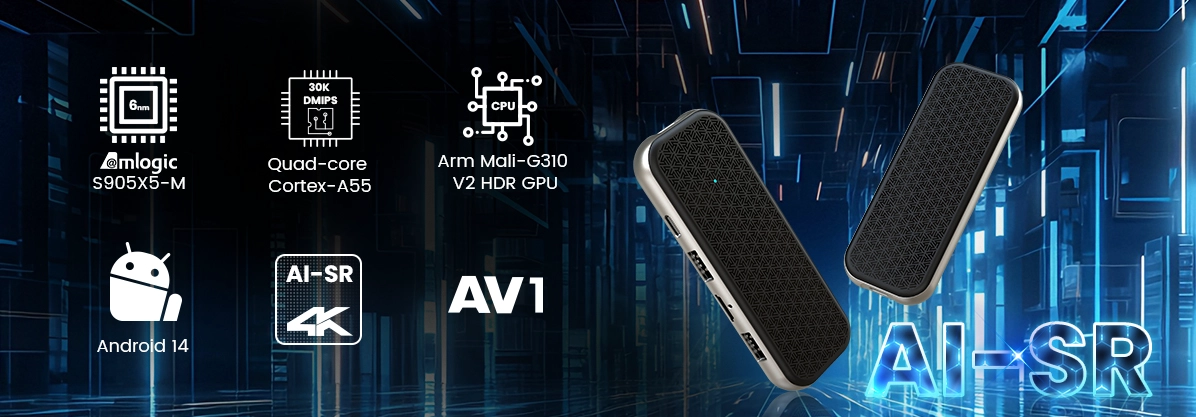
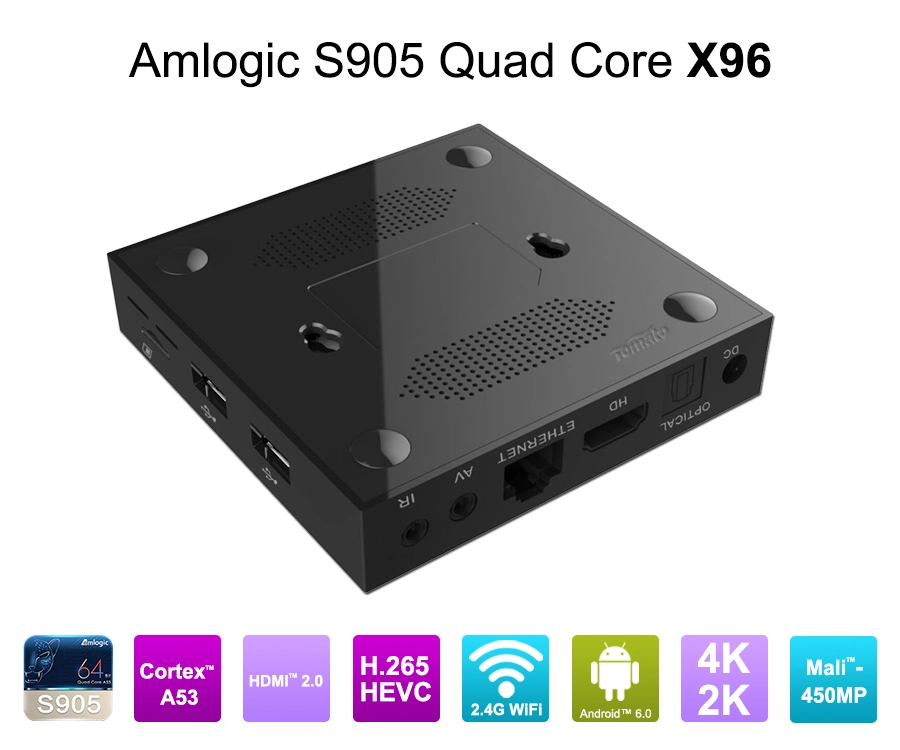
An enterprise-grade Internet TV Box built on a quad-core Cortex-A55 architecture—such as the Amlogic S905X4 or Rockchip RK3568—draws approximately 5W under load, compared to 35W+ for legacy x86 players. Over a 5,000-node deployment in a hospitality setting, this power differential, coupled with a 60-70% reduction in per-unit capital expenditure, creates a compelling Return on Investment (ROI). The hardware proves its worth when the energy and acquisition savings substantially outpace the initial software engineering costs of porting proprietary Content Management Systems (CMS) to an Android-based operating system.
Problem-Solution: Overcoming Firmware Fragmentation via MDM
The Problem: The most frequent point of failure in cross-border electronics procurement is sourcing consumer-targeted, generic TV boxes for commercial use. These devices operate on locked, bloated firmware. They force unprompted Over-The-Air (OTA) interface updates, display localized consumer advertisements, and lack the API hooks necessary for remote troubleshooting, resulting in catastrophic downtime for remote signage networks.
The Solution: The intrinsic value of an Internet TV Box is unlocked at the firmware level. Viable B2B deployments require sourcing hardware with rooted, custom-compiled AOSP (Android Open Source Project) firmware. Procurement specs must mandate comprehensive Mobile Device Management (MDM) interoperability. This enables system administrators to execute zero-touch provisioning, enforce API-level Kiosk Mode (locking the device to a single application), hide system navigation bars, and execute silent, background APK updates across thousands of global endpoints simultaneously.
How to Audit OEM Hardware for 24/7 Enterprise Operation
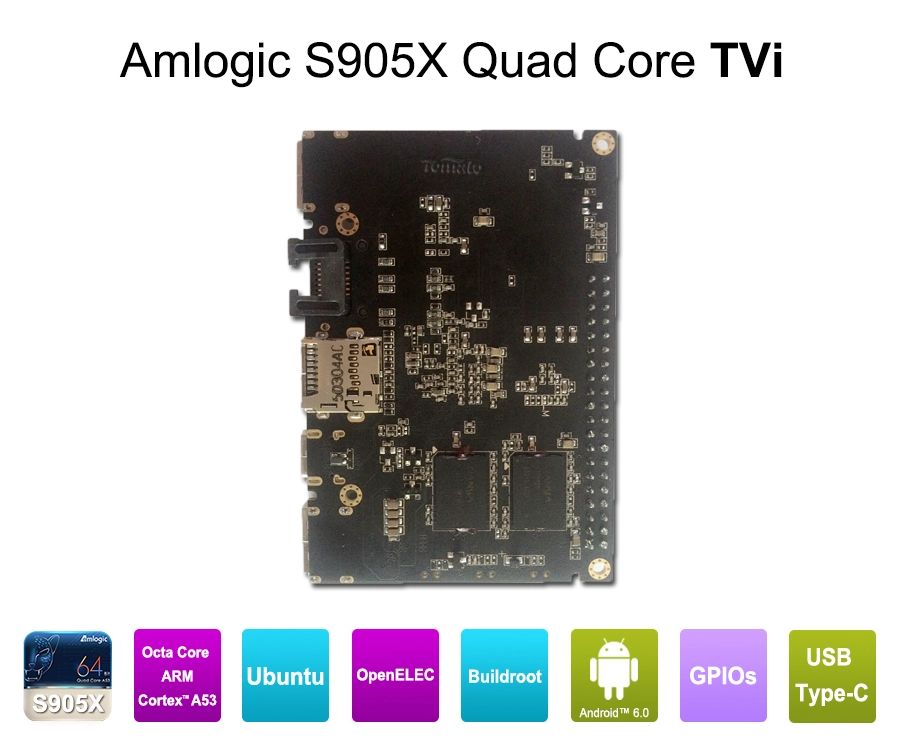
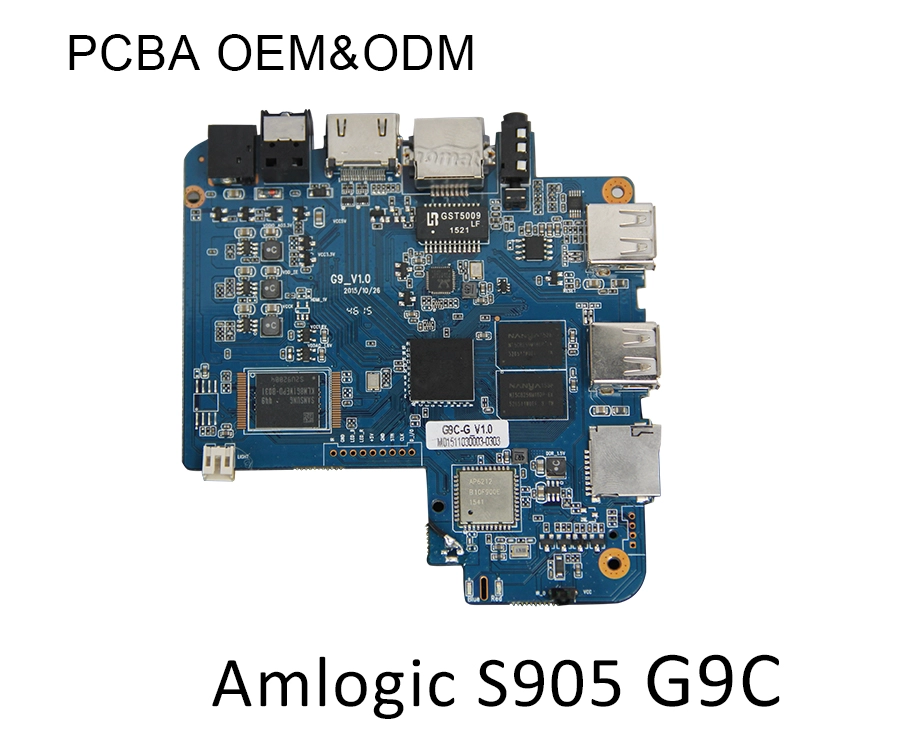
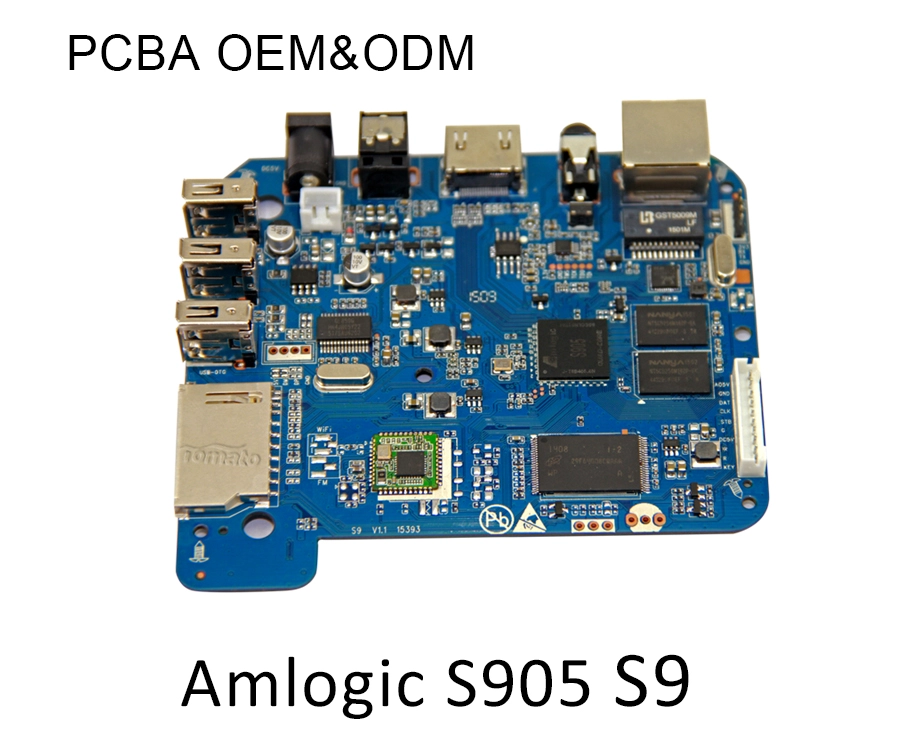
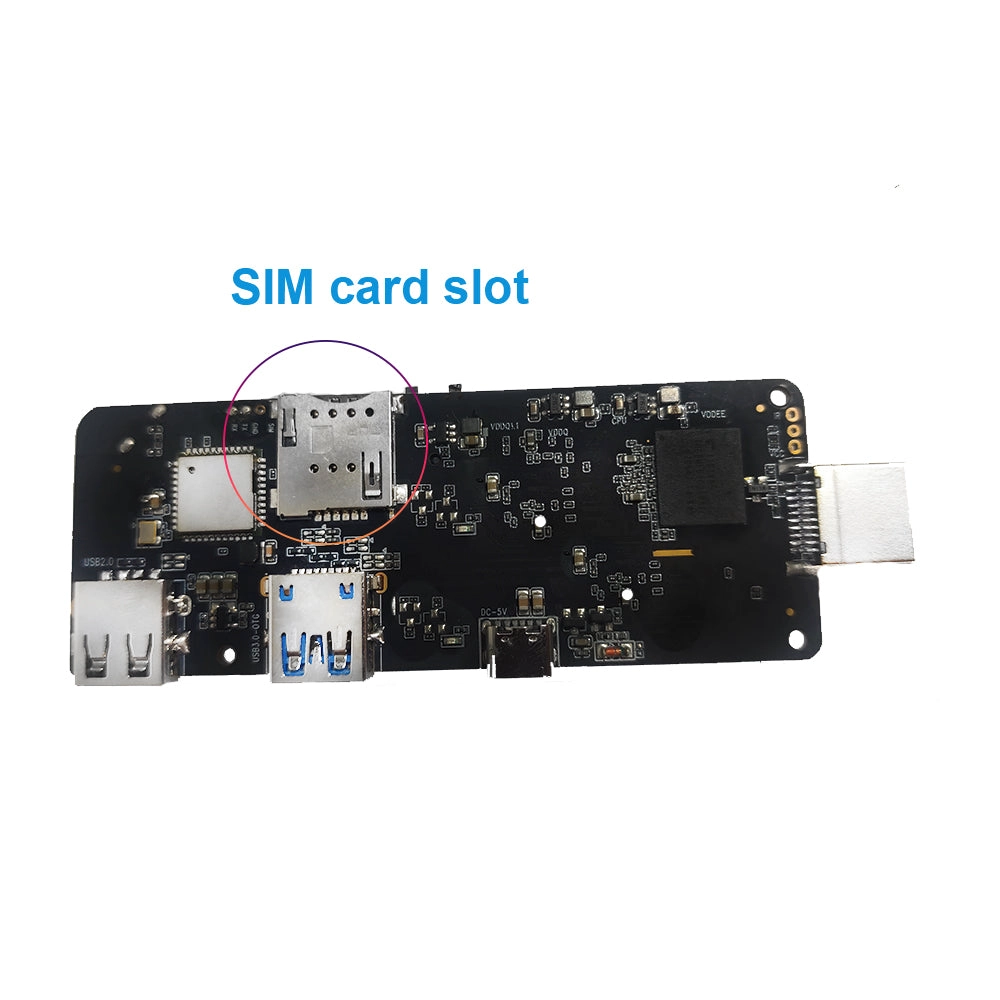
If you are evaluating whether an Internet TV Box is worth bulk acquisition, the decision must be validated through a direct audit of the Printed Circuit Board Assembly (PCBA). Consumer sticks and low-tier boxes degrade rapidly under sustained 4K video decoding and constant local caching loads due to thermal throttling and substandard memory modules.
When vetting cross-border OEM manufacturing partners, mandate the following specifications:
-
High-Endurance Storage: Reject standard NAND flash. Specify eMMC 5.1 storage modules to handle the aggressive, continuous read/write cycles generated by digital signage caching protocols without encountering block failure.
-
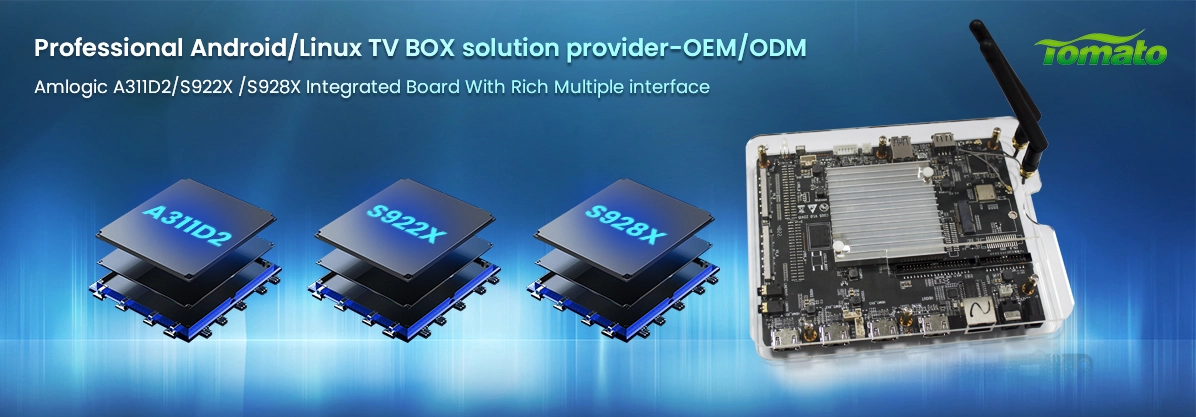
Thermal Dissipation: Inspect the PCBA for commercial-grade passive cooling. The design must utilize high-density aluminum heatsinks bonded to the SoC with industrial thermal compound, deliberately routing heat away from the Power Management IC (PMIC).
-
Network Stability: Wireless connections are highly volatile in commercial environments. Hardware must include a dedicated Gigabit Ethernet MAC/PHY (e.g., Realtek RTL8211F) for stable unicast UDP video streams and reliable remote management ping returns.
Sourcing Directive: Purchasing an Internet TV Box is a highly profitable strategy for scaling B2B IPTV and digital signage networks, provided the procurement focuses on architectural stability rather than raw consumer benchmarking. Prior to issuing your next PO, require your manufacturing partners to submit their PCBA thermal profiles and AOSP firmware modification capabilities for validation. Protect your downstream revenue by deploying hardware engineered explicitly for the enterprise edge.
