

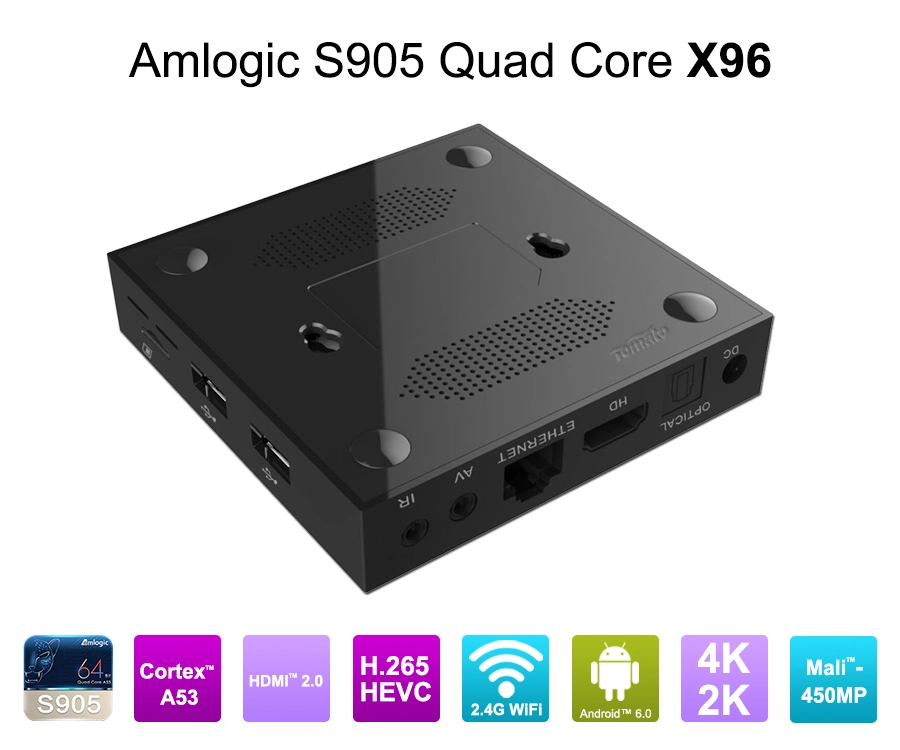
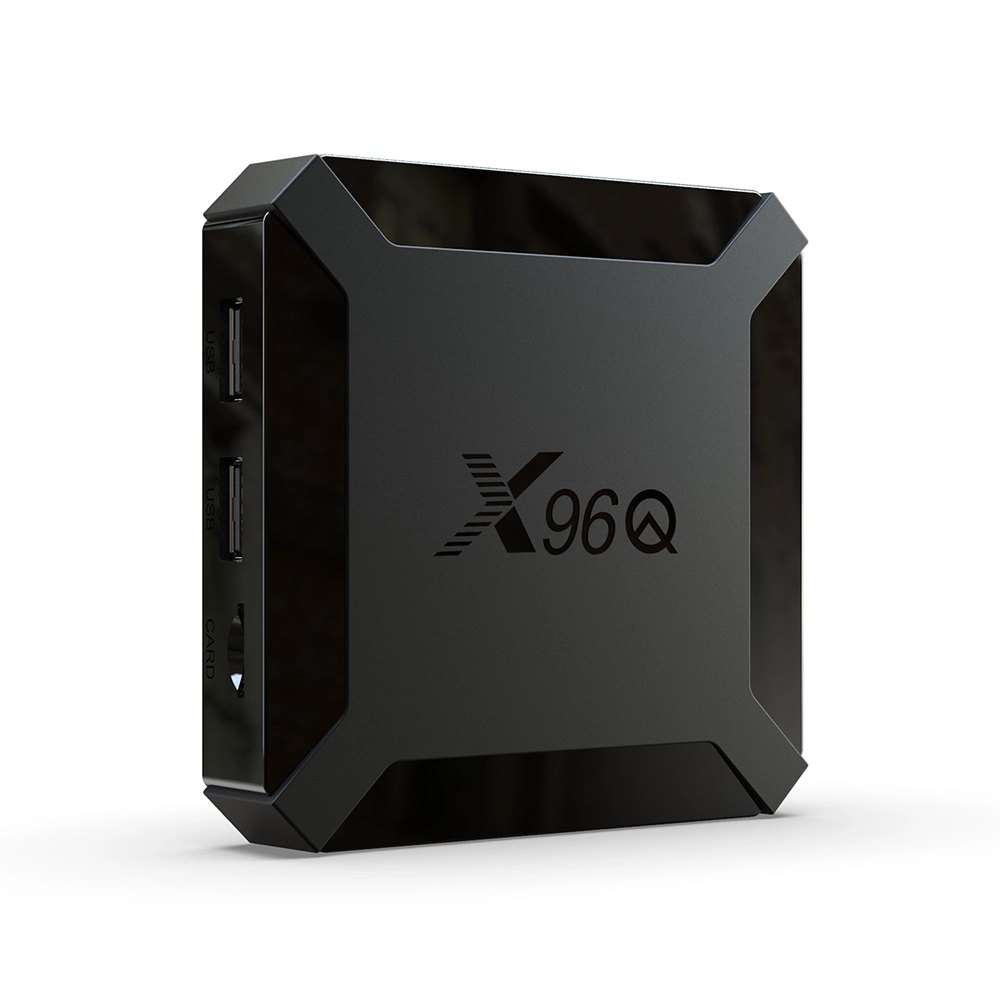
Long-Term Firmware Maintenance and OTA Update Support for Custom Android TV Boxes
A custom Android TV Box may pass factory inspection, deliver stable 4K playback, and ship successfully to thousands of customers, yet become difficult to maintain two years later. The underlying causes are often software-related: an SoC vendor stops maintaining a particular board support package (BSP), a security vulnerability requires a platform-level patch, an application update changes its API dependencies, or a firmware release introduces a boot failure on a specific hardware revision.
For telecom operators, IPTV service providers, hospitality brands, and distributors, these failures create costs across the entire product lifecycle. Field technicians may need to recover devices manually, applications may stop functioning correctly, and an otherwise usable hardware platform may become commercially obsolete before its physical components reach the end of their useful life.
Long-term firmware maintenance is therefore an engineering and procurement requirement, not simply a promise to provide occasional software updates.
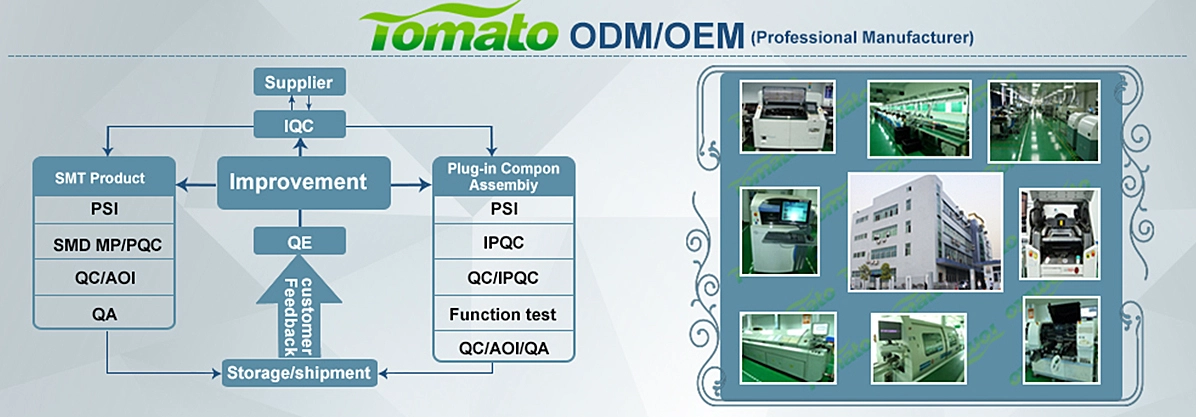
SZTomato supports OEM/ODM development for Android TV Boxes, including firmware customization, hardware modification, and software integration. For commercial buyers, the objective is to establish a maintainable product architecture with clearly defined update responsibilities, supported hardware configurations, recovery procedures, and a realistic lifecycle plan.
1. Build a Firmware Lifecycle Plan Before Mass Production
The most important firmware-maintenance decision is made before the first production order: choose a hardware and software platform with a credible maintenance path.
Android-based products depend on several layers, including the application framework, Android Open Source Project (AOSP) code, Linux kernel, hardware abstraction layers, proprietary device drivers, and SoC vendor components. A patch available in upstream Android does not automatically become a deployable update for every commercial Android TV Box.
The selected chipset, Android version, vendor BSP, proprietary libraries, bootloader, and board configuration determine which changes can be integrated safely.
Evaluate SoC and BSP maintenance dependencies
During platform selection, procurement and engineering teams should establish:
-
SoC vendor support: Confirm the availability of BSP releases, driver fixes, security-related updates, and technical documentation for the selected chipset.
-
Operating-system compatibility: Determine which Android versions are supported by the available BSP and whether an upgrade would require substantial driver or application changes.
-
Kernel maintenance: Identify the Linux kernel branch, relevant vendor modifications, and the process for integrating applicable upstream fixes.
-
Peripheral dependencies: Document support for Wi-Fi, Bluetooth, Ethernet, USB, audio, HDMI, remote controls, and any project-specific interfaces.
-
Application dependencies: Record the required SDK versions, system permissions, background services, and middleware interfaces.
-
Build reproducibility: Maintain source revisions, build configurations, toolchain versions, and dependency records for each released firmware image.
These requirements become especially important when a product has several memory configurations or PCBA revisions. A firmware image that works on a 4 GB RAM model with one Wi-Fi module may not be compatible with a variant using different storage, wireless hardware, or peripheral controllers.
The manufacturer should maintain a compatibility matrix identifying supported combinations of board revision, memory, operating-system build, bootloader, and application version.
Define the maintenance commitment in measurable terms
A generic promise of long-term support is insufficient for a B2B procurement contract.
The maintenance agreement should identify the expected support period, update scope, defect-reporting process, release cadence, response targets, and responsibilities for third-party software. It should also distinguish between security fixes, functional improvements, compatibility updates, and major operating-system upgrades.
For example, a hardware supplier may be able to maintain customized firmware on an existing Android version while a major OS upgrade remains dependent on SoC vendor BSP availability. These are different engineering commitments and should be budgeted separately.
Android publishes security fixes through its official Android Security Bulletins. Device manufacturers must still determine which fixes apply to their product and integrate the relevant upstream, Android platform, kernel, and chipset-specific changes into a tested release.
A credible lifecycle plan accounts for these dependencies rather than assuming that every new Android patch can be applied without engineering work.
2. Design a Secure OTA Update System for Commercial Device Fleets
Over-the-air (OTA) updates reduce the need for physical device servicing, but the update mechanism itself can become a failure point if security, delivery reliability, and recovery are not designed together.
A commercial Android TV Box should receive only authorized firmware packages intended for its specific hardware and software configuration.
Protect firmware delivery and installation
A controlled OTA architecture should incorporate several safeguards.
Firmware authenticity and integrity: Use an appropriately secured signing process and verify update packages before installation. Transport encryption, such as TLS, protects communications but does not replace cryptographic verification of the firmware itself.
Hardware and version targeting: Check model identifiers, board revisions, current software versions, and update prerequisites before applying a package. This prevents a firmware image intended for one device variant from being installed on another.
Controlled release management: Keep development, validation, pilot, and production releases separate. Each release should have a unique build identifier and documented approval status.
Update authentication and authorization: Restrict access to update infrastructure and release controls. Protect signing keys, define access permissions, and maintain an audit trail for production releases.
Failure reporting: Record update attempts, installation results, error categories, and recovery status so the maintenance team can investigate failures across the fleet.
These safeguards are particularly important for IPTV and hospitality applications in which devices may be distributed across regions, managed by different service teams, or connected through networks with inconsistent bandwidth and availability.
Use staged deployments and validated recovery mechanisms
A robust update process should not push every new image to the entire fleet immediately.
A controlled rollout begins with engineering devices, progresses to a representative pilot group, and expands only after the release passes predefined checks. Monitoring should cover update completion, boot success, application startup, network connectivity, and the core services required by the deployment.
Where supported by the platform, an A/B system-update architecture can install a new system image in an inactive slot while retaining the previous image for recovery. The implementation must correctly handle boot selection, post-update health checks, and fallback behavior.
Not every Android TV Box supports A/B updates. For platforms without this capability, the manufacturer must define an alternative recovery process using the available recovery partition, bootloader functions, or approved service tools.
Interrupted downloads, insufficient storage, power loss, invalid packages, and incompatible updates should be tested deliberately. A successful installation under normal conditions is not evidence that the device will recover from a failed one.
The update plan should also specify whether rollback covers only system firmware or includes application data and configuration. Restoring an operating-system image does not automatically reverse incompatible database or application-data changes.
3. Maintain Customized Firmware Without Breaking Hardware or Applications
OEM/ODM products often contain customer-specific modifications that create additional maintenance dependencies. These may include a custom launcher, proprietary middleware, specialized peripheral drivers, customized system permissions, and SDK/API integrations.
An upstream firmware update may fix a security issue while also changing behavior that the customer relies on. Long-term maintenance must preserve the intended application behavior without blocking necessary platform improvements.
Maintain the full Android/Linux software stack
Firmware maintenance should be organized by software layer rather than treated as a single image-replacement task.
At the platform level, engineers assess applicable Android framework changes, kernel fixes, vendor BSP modifications, and proprietary components. At the application level, they validate launcher behavior, IPTV middleware, authentication, device-management APIs, and customer-specific services.
Kernel and driver optimization may be necessary when a platform encounters boot instability, memory pressure, wireless disconnections, audio/video synchronization problems, or peripheral compatibility issues.
However, not every problem requires kernel modification. Some failures originate in the application, configuration files, framework services, power-management settings, or external systems. Identifying the correct layer reduces unnecessary changes and limits regression risk.
A maintainable firmware release process should include:
-
A controlled source-code repository and build environment.
-
A documented record of customer-specific modifications.
-
A repeatable firmware build and flashing procedure.
-
Automated regression tests where feasible.
-
A release checklist covering critical hardware and software functions.
-
A known-good production image and a documented recovery procedure.
For branded products, the customer and manufacturer should explicitly agree on source-code access, signing-key ownership, build artifacts, OTA server administration, and responsibility for maintaining proprietary integrations.
Integrate hardware changes into the maintenance process
Firmware cannot be maintained independently from the physical device.
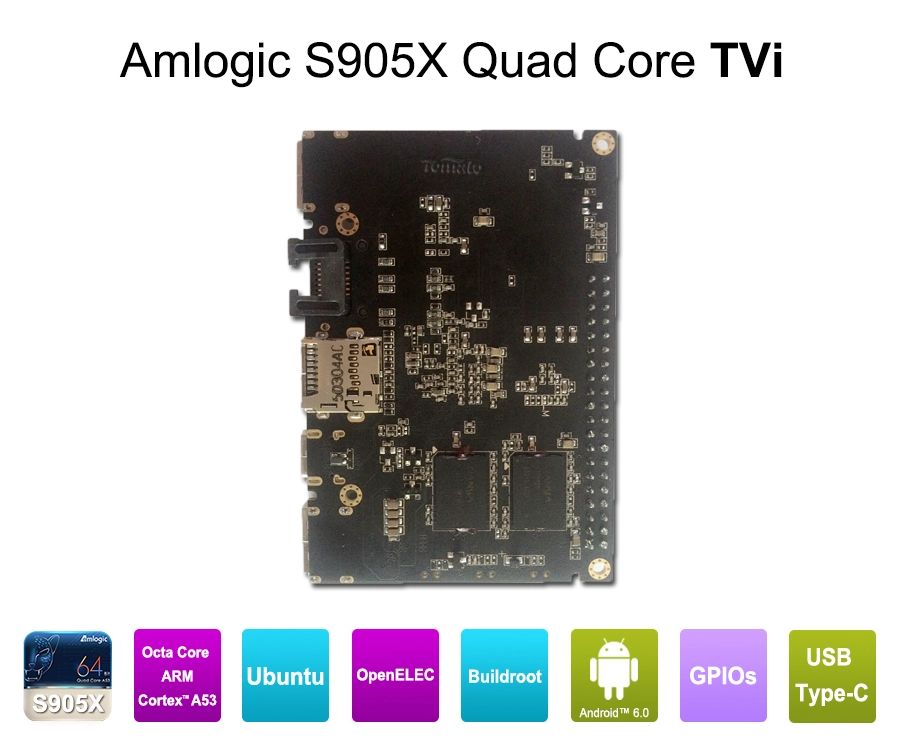
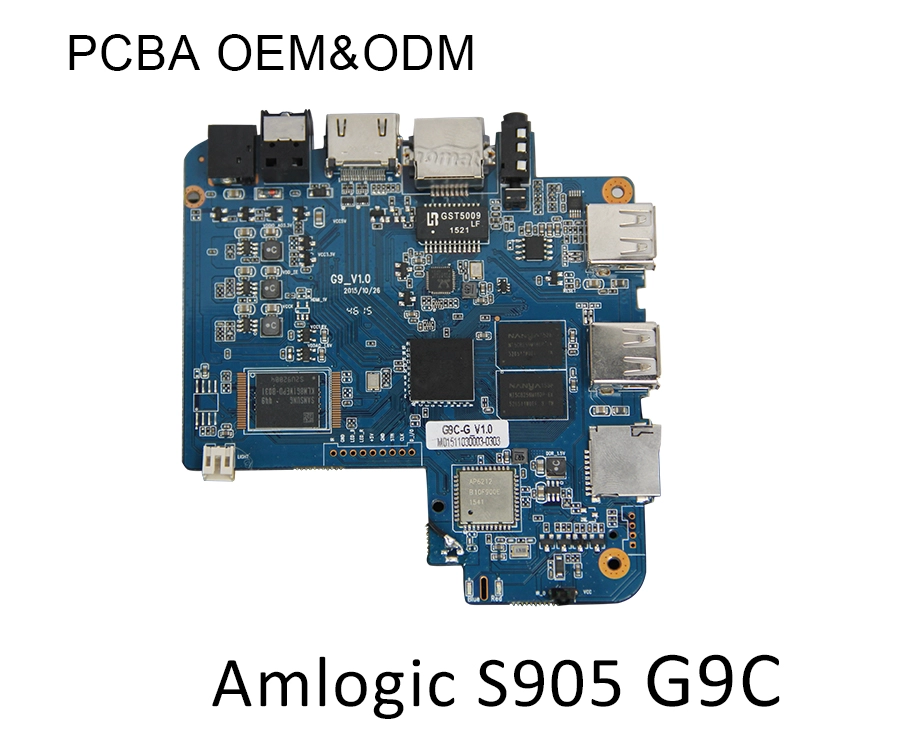
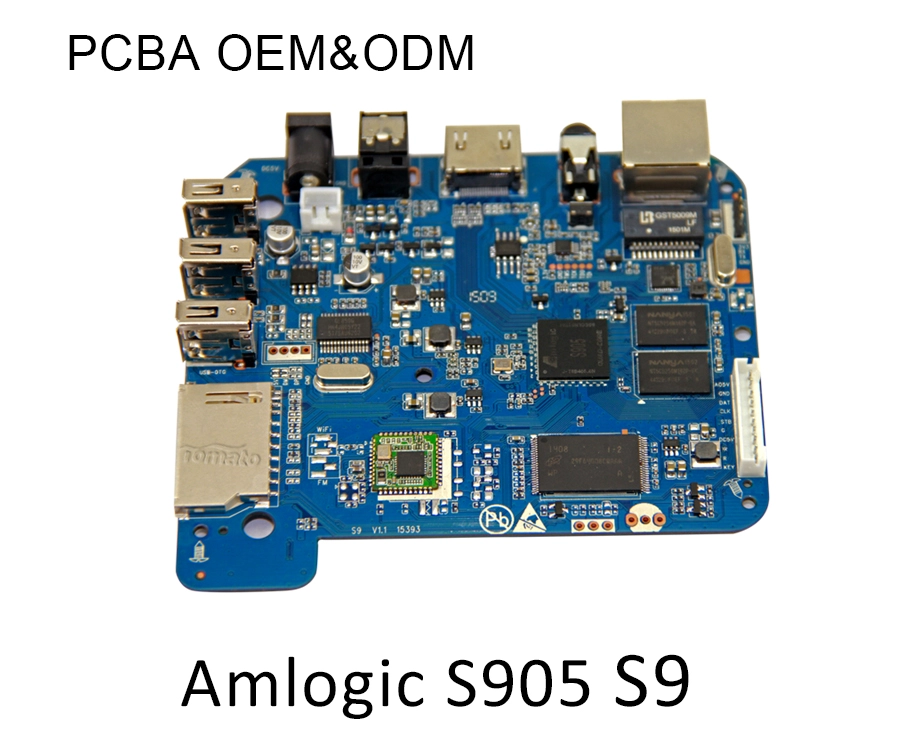
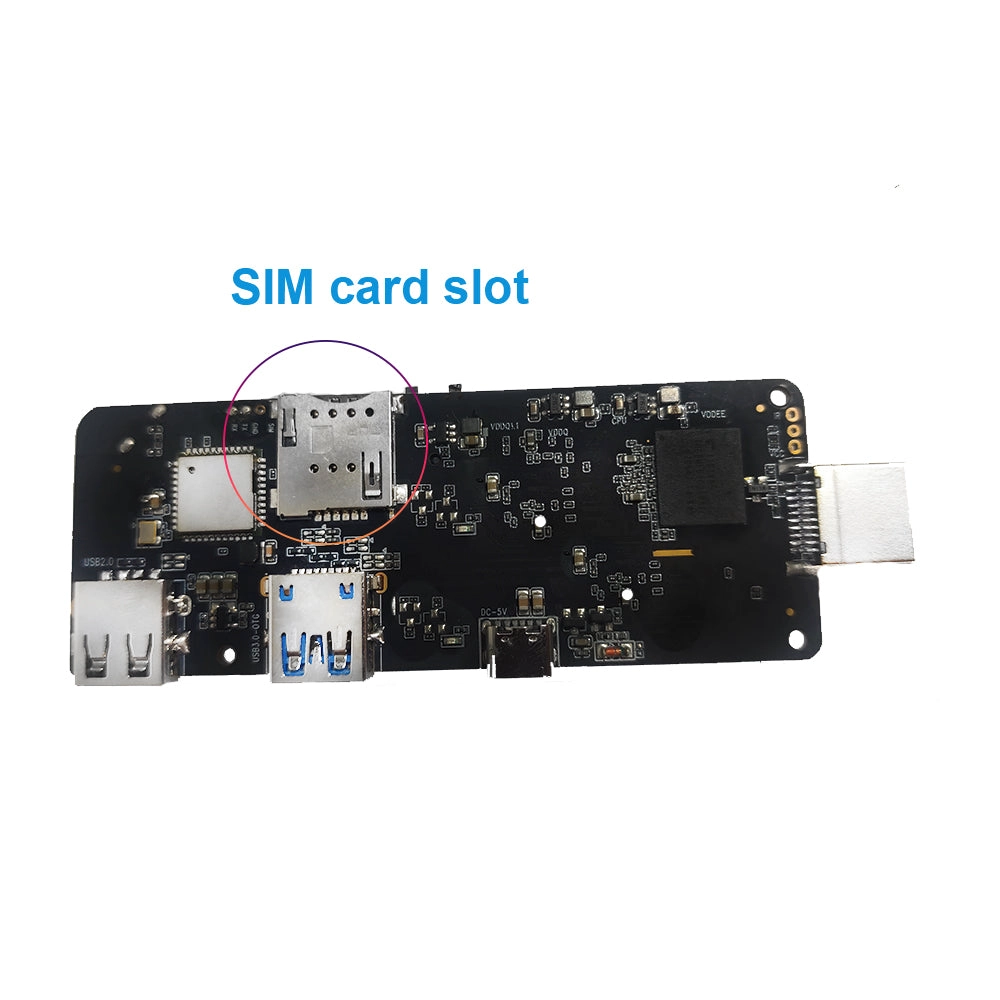
A change to the PCBA layout, memory configuration, Wi-Fi module, power circuitry, or interface controller may require driver changes, new device-tree settings, revised firmware configuration, or additional compatibility testing.
SZTomato's OEM/ODM engineering scope can include PCBA hardware modification, customized Android/Linux firmware, custom UI/UX, SDK/API integration, and hardware-software adaptation according to project requirements. Its Android TV Box OEM/ODM product platform provides a starting point for discussions about customization and configuration.
For industrial or continuous-use applications, specialized cooling solutions may also be required. Heat-sink changes, enclosure modifications, thermal interface materials, and airflow adjustments can affect operating temperature and processor behavior.
After any material hardware or firmware change, the team should repeat the relevant thermal, stability, interface, and playback tests. This helps identify regressions that may not appear during a basic software startup check.
Content-protection requirements require separate attention as well. Updates must preserve the validated DRM and HDCP configuration where applicable, but firmware maintenance alone does not guarantee authorization for a licensed streaming service or establish compliance with its certification requirements.
4. Establish a Lifecycle Support Model That Protects Total Cost of Ownership
Firmware maintenance has direct commercial implications. The cost of ownership includes more than the initial unit price: it also includes engineering changes, fleet monitoring, security remediation, support labor, recovery operations, and the expense of maintaining multiple product variants.
A well-defined support model makes these costs easier to anticipate.
Define support roles and service levels
For B2B projects, a practical support agreement should address four areas.
Maintenance ownership: Identify who maintains the operating-system build, SoC-specific components, customer applications, CMS or IPTV middleware, and OTA infrastructure.
Defect classification: Separate critical security issues, production-blocking failures, major functional defects, and lower-priority enhancement requests. Each category should have a defined response process.
Release governance: Agree on how firmware builds are tested, approved, deployed, documented, and retained. Production changes should not bypass the agreed acceptance process.
End-of-life planning: Define what happens when a chipset vendor stops supplying required updates, components become obsolete, or a major operating-system upgrade is no longer economically practical.
Support targets should be realistic. A commitment to acknowledge a defect within a defined period is not the same as a guarantee that a fix can be completed within that period, especially when the root cause depends on third-party BSP changes or licensed software.
Measure reliability with operational data
A mature maintenance process should use measurable indicators to evaluate software quality and update performance.
Useful metrics include OTA success rate, update-failure rate, boot success after an update, application crash frequency, device recovery rate, critical defect recurrence, and the percentage of devices running approved firmware.
These indicators should be segmented by hardware revision, firmware version, region, and deployment group. A single fleet-wide average can hide a problem isolated to a particular PCBA revision or wireless component.
For example, if update failures occur only on devices with limited free storage, the corrective action may involve package sizing, storage management, or pre-installation checks rather than a complete firmware redesign.
Operational data helps procurement teams evaluate the effectiveness of lifecycle support and gives engineering teams evidence for prioritizing maintenance work.
Build a Maintainable Android TV Box Platform With SZTomato
Long-term firmware support is a combined hardware, software, and operational responsibility. It requires a suitable SoC and BSP, controlled firmware builds, secure OTA delivery, tested recovery mechanisms, documented customer-specific modifications, and a maintenance agreement that reflects actual platform dependencies.
SZTomato works with B2B buyers on Android TV Box OEM/ODM projects involving hardware customization, firmware adaptation, custom UI/UX, SDK/API integration, and application-specific engineering. The appropriate support scope depends on the selected chipset, available vendor resources, customer software requirements, and intended product lifecycle.
For procurement managers, telecom operators, IPTV providers, and system integrators, the next step is to define the maintenance requirements alongside the product specification. Provide the target SoC, Android version, PCBA configuration, required applications, OTA expectations, deployment scale, and desired support period for a structured technical assessment.
Visit SZTomato to discuss your custom Android TV Box OEM/ODM project and firmware lifecycle requirements. A defined maintenance strategy before mass production can reduce avoidable compatibility problems, simplify fleet updates, and give your brand a stronger foundation for long-term product support.
