
High-Reliability Digital Signage: Building a Scalable Streaming Box Ecosystem
A digital signage network can display technically correct content and still fail operationally. A player may overheat during extended playback, lose its CMS connection, encounter an incompatible video format, or remain offline after a failed firmware update. When these failures occur across hundreds of retail stores, hotel rooms, transport terminals, or corporate facilities, the cost extends beyond hardware replacement to maintenance visits, lost advertising exposure, and service disruption.
The engineering challenge is to build a dependable ecosystem around the digital signage player. The system must coordinate the display, playback hardware, operating system, content management system (CMS), network infrastructure, and remote maintenance tools.
For B2B equipment manufacturers, distributors, and system integrators, this requires a different approach from simply selecting a consumer streaming box and installing a signage application.
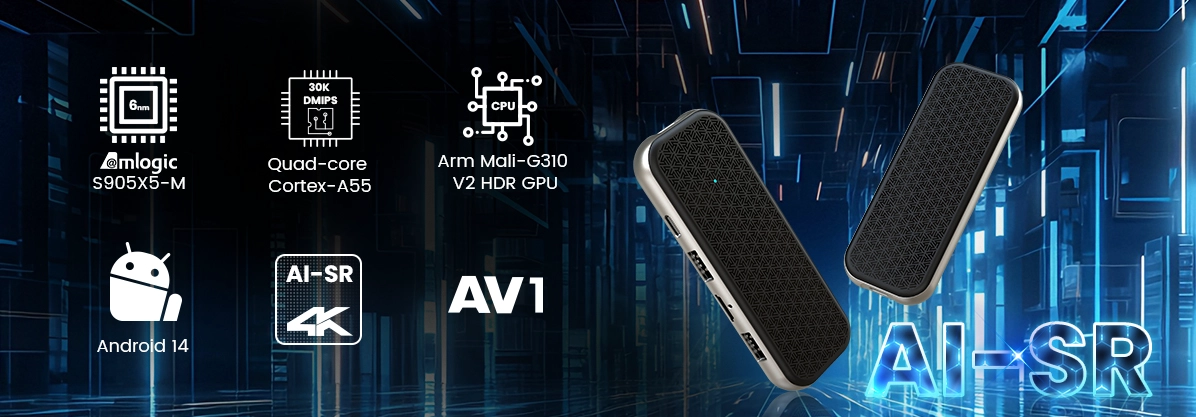
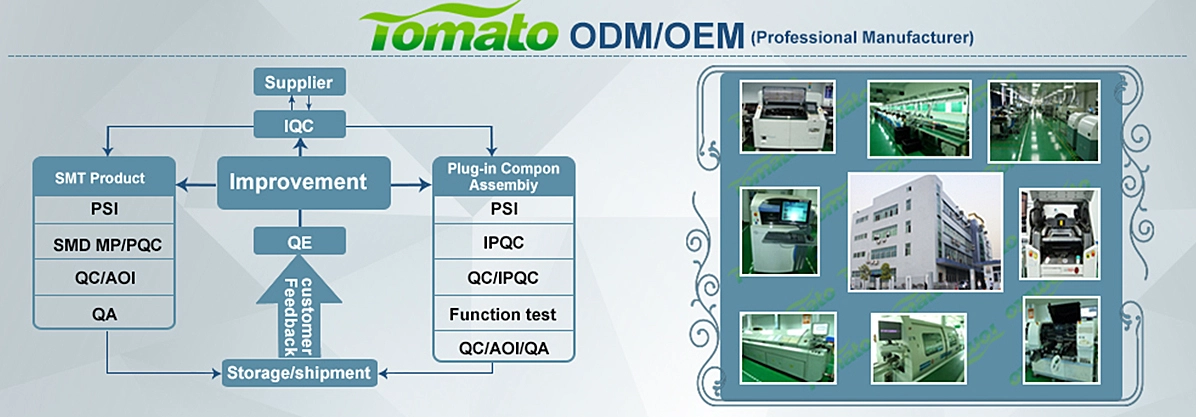
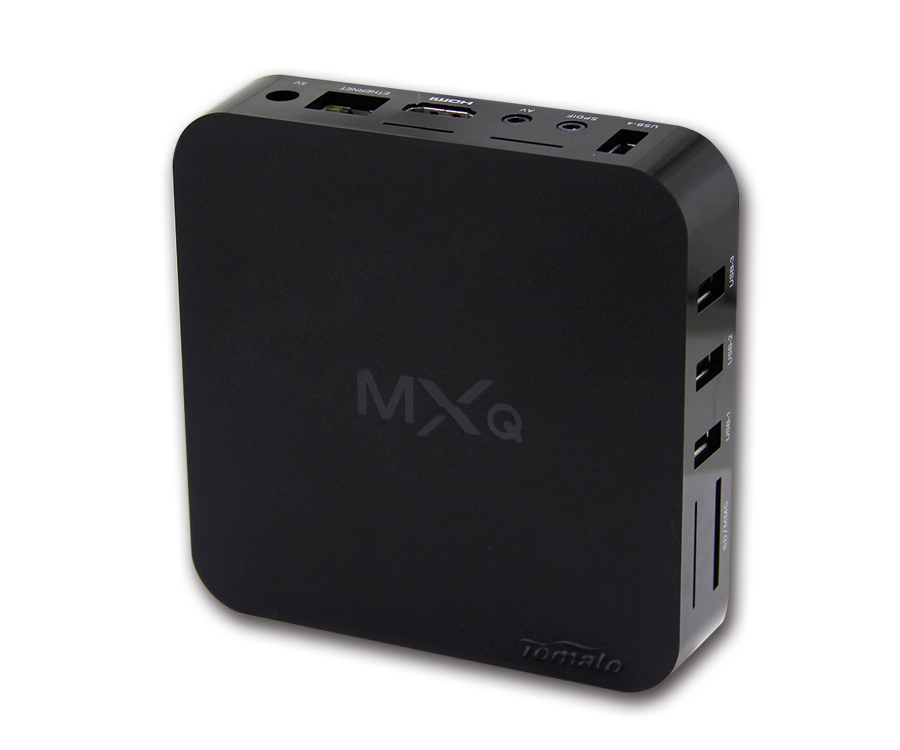
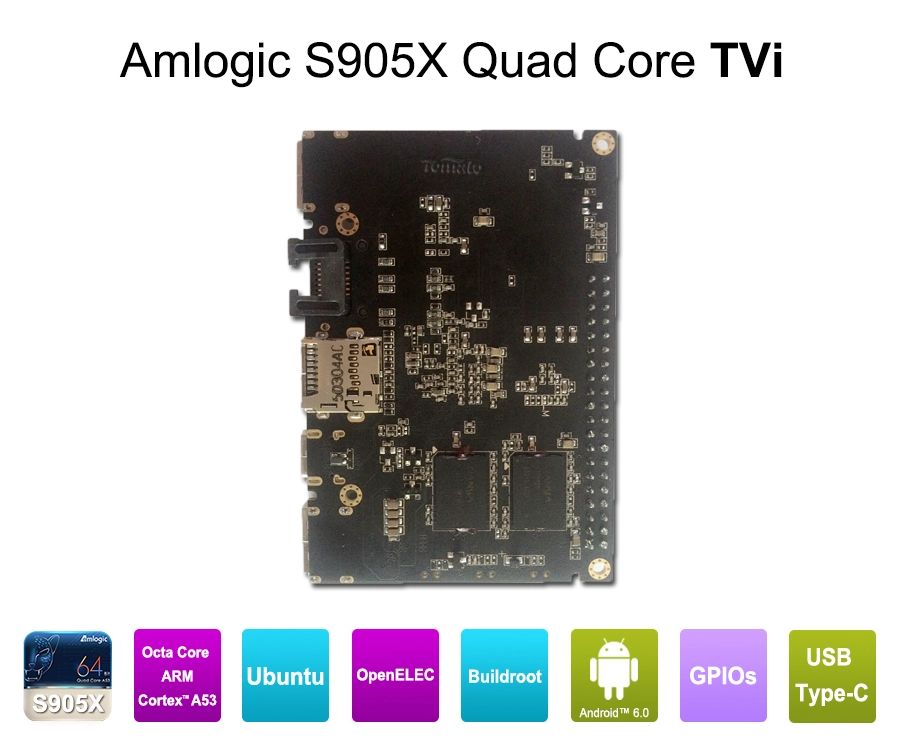
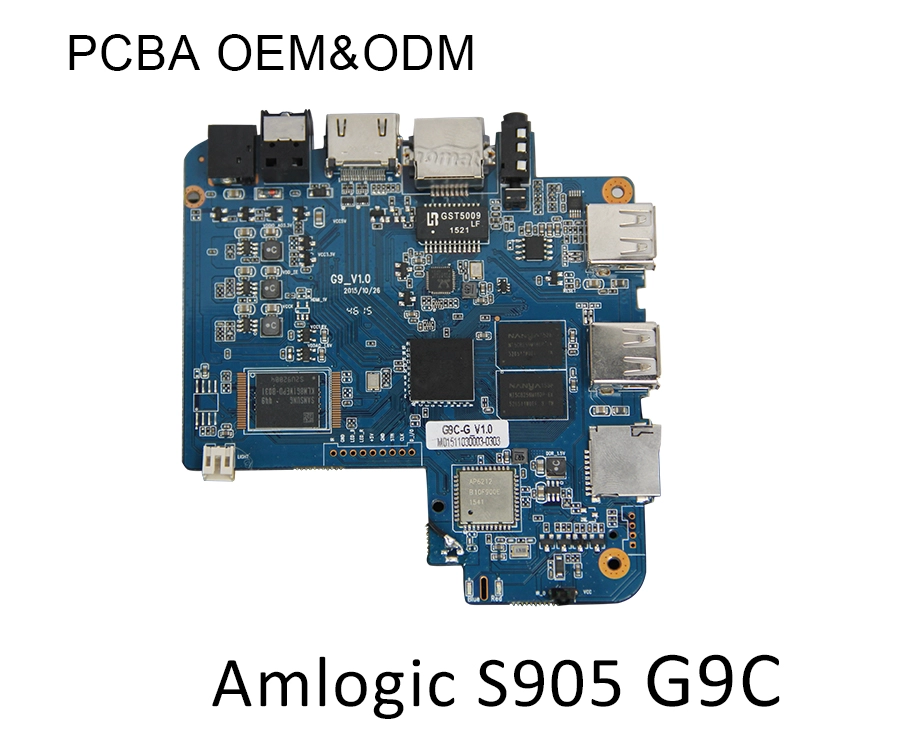
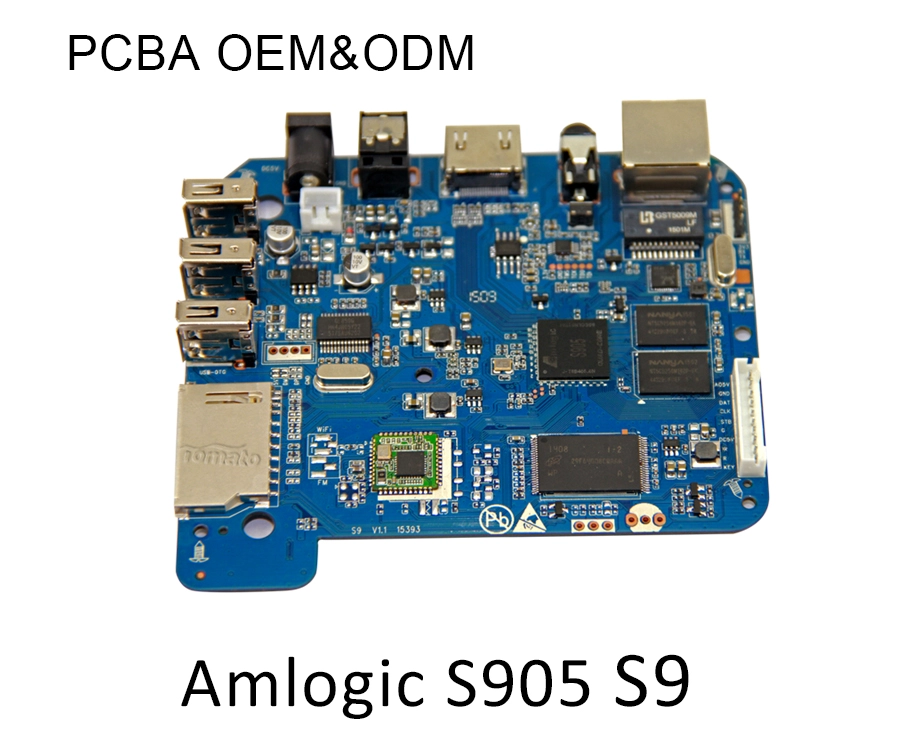
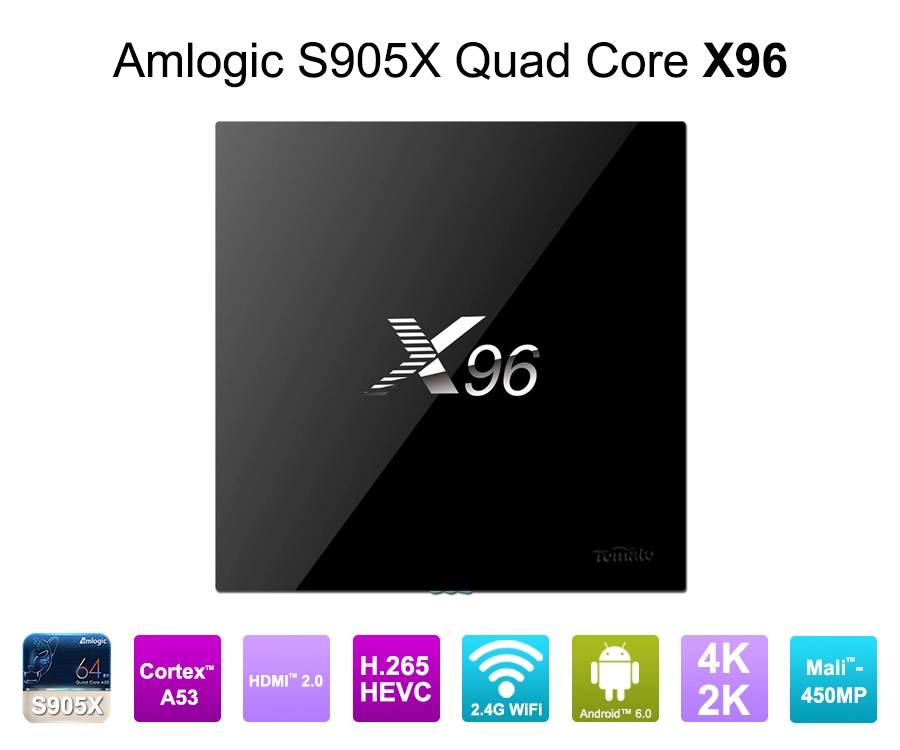
SZTomato focuses on OEM/ODM customization for Android TV boxes, streaming media players, and digital signage hardware. Its configurable digital signage platform, including an Amlogic S905X5M-based player, provides a starting point for projects requiring tailored memory configurations, software customization, and branded product integration. Final specifications should be matched to the intended workload and validated against the deployment requirements.
1. Select the Right SoC and Playback Architecture for Digital Signage
The processor should be selected according to the actual content workload, not just the advertised resolution or core count.
A basic retail display running scheduled images and 1080p video has different requirements from a 4K advertising network using HTML5 animations, live data feeds, multiple content zones, and interactive applications. The hardware configuration must accommodate the complete workload without consuming unnecessary cost or power.
Match decoding capability to the content pipeline
System integrators should evaluate the complete video-processing path, including the SoC, hardware decoder, graphics subsystem, operating system, playback application, and display interface.
Key specifications include:
-
Video decoding: Verify H.264, H.265/HEVC, VP9, or AV1 support according to the content library and required profiles.
-
Resolution and frame rate: Confirm the supported combination, such as 4K at 60 frames per second, rather than relying on a standalone 4K label.
-
HDR compatibility: Validate HDR format support, display capabilities, color output, and application behavior.
-
Memory and storage: Size RAM for the CMS client, browser engine, graphics resources, and background services. Select eMMC or other storage based on application size, caching, logging, and update requirements.
-
Connectivity: Evaluate Gigabit Ethernet, Wi-Fi, USB, Bluetooth, and other interfaces according to the installation design.
AV1 hardware decoding illustrates why detailed validation matters. It can reduce bandwidth requirements for supported content compared with less efficient encoding alternatives at comparable visual quality. However, the benefit depends on the encoder settings, actual bitrate, decoder implementation, and content workload. A chipset that advertises AV1 support must also be validated with the intended playback application and video profile.
For large networks, standardized content encoding and playback settings are equally important. A controlled media pipeline reduces compatibility differences between hardware revisions and simplifies troubleshooting across deployed devices.
Plan for workload growth
A signage box that handles video playback may not have enough processing headroom for simultaneous browser rendering, real-time data visualization, touch input, or edge analytics.
Before finalizing the SoC, define the maximum expected number of content zones, display outputs, interactive functions, and background applications. Then test under the most demanding realistic combination.
The objective is to select sufficient processing capacity while avoiding unnecessary hardware costs. This creates a more predictable foundation for large-volume OEM/ODM production.
2. Engineer PCBA Layout and Thermal Management for Continuous Operation
A commercial digital signage player must operate within its actual installation environment. A device mounted behind a display, enclosed in a kiosk, or installed in a poorly ventilated cabinet experiences different thermal conditions from one tested on an open laboratory bench.
For continuous-use deployments, PCBA design and thermal engineering should be treated as core product requirements rather than final-stage adjustments.
Optimize the hardware beyond the reference design
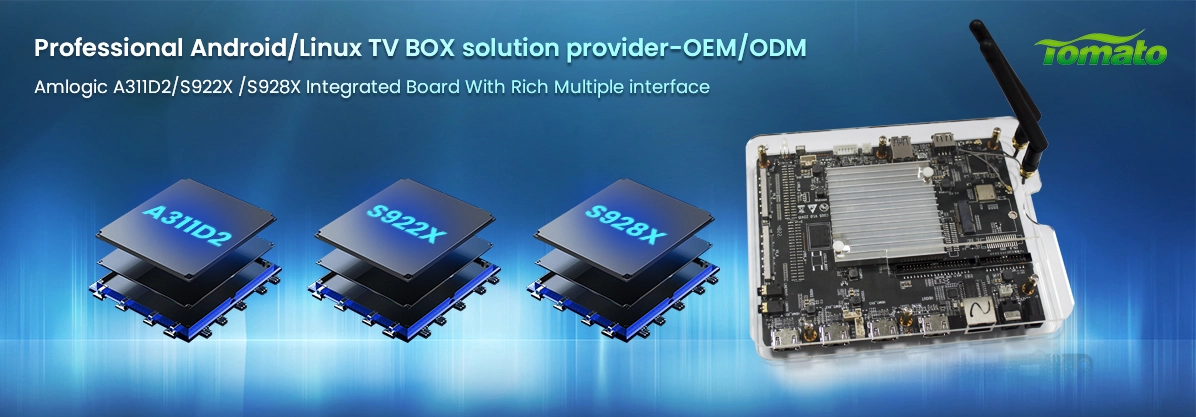
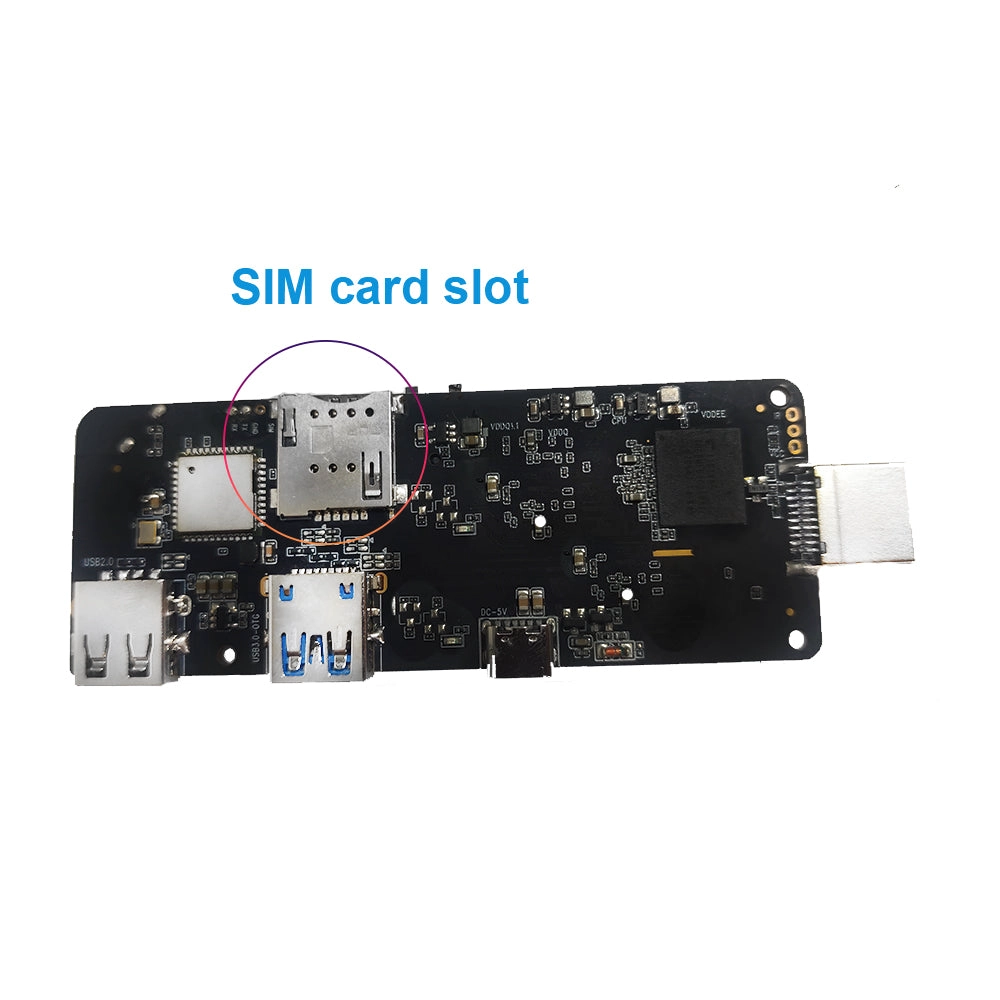
A reference PCBA can accelerate development, but project requirements may demand changes to the circuit board, peripheral interfaces, power architecture, antenna positioning, or enclosure.
Depending on technical feasibility and production volume, customization may include:
-
Adjusting PCB component placement and routing to meet mechanical and electrical requirements.
-
Refining power delivery and power-management behavior.
-
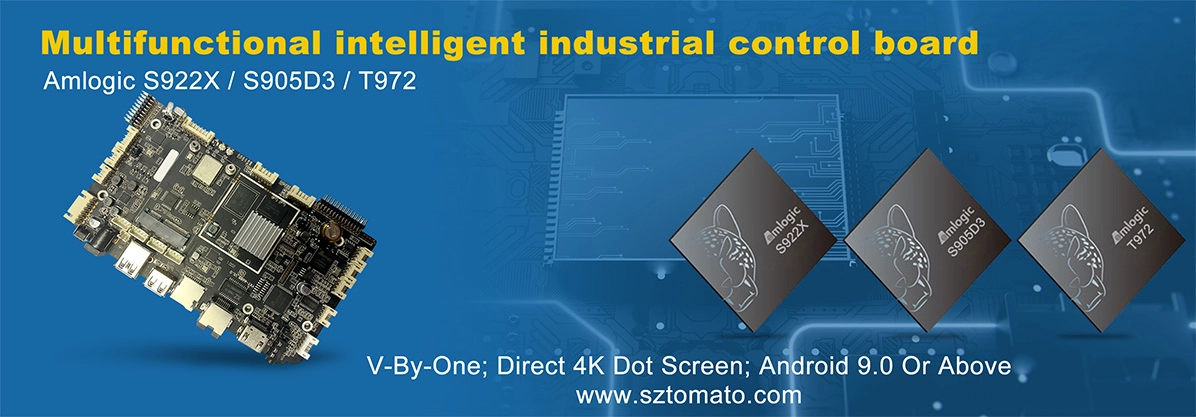
Adapting USB, serial, GPIO, or other interfaces for kiosks and industrial equipment.
-
Modifying antenna placement and enclosure geometry to support stable wireless connectivity.
-
Selecting memory and storage configurations that match the CMS and application stack.
Each modification should undergo appropriate electrical, thermal, and compatibility testing. Changes to board layout or enclosure dimensions can affect signal integrity, heat dissipation, manufacturing yield, and long-term component reliability.
Design cooling around the real operating environment
Thermal validation should use the final enclosure and a representative system workload. Relevant factors include processor utilization, video-decoding load, ambient temperature, power consumption, airflow, and the temperature of heat-sensitive components.
Specialized cooling solutions can include heat-sink optimization, thermal interface materials, improved chassis heat transfer, or controlled airflow where appropriate. Fanless designs may be suitable for installations requiring low noise and reduced mechanical maintenance, but their thermal limits must be demonstrated under the intended conditions.
Testing should examine sustained playback, high CPU/GPU utilization, network activity, and restart behavior. Engineers should also check for processor throttling, unstable wireless performance, video-frame drops, and unexpected shutdowns.
A sensible acceptance plan measures performance over an extended period instead of relying on a brief demonstration. For commercial buyers, this provides more useful evidence of suitability than an unqualified claim of 24/7 reliability.
3. Integrate CMS Software, Custom Firmware, and Secure OTA Management
The hardware is only one part of the signage system. The firmware determines how the player starts, connects to the CMS, manages applications, recovers from errors, and receives future software updates.
A well-engineered digital signage ecosystem should make devices predictable to deploy and straightforward to manage remotely.
Customize the operating system and user experience
A standard Android interface is not always appropriate for public displays. Commercial applications may require a locked-down environment that prevents users from opening system settings, installing unauthorized applications, or leaving the signage interface.
Custom Android or Linux firmware can support requirements such as:
-
Automatic application startup after boot.
-
Custom boot animations, branded interfaces, and tailored UI/UX.
-
Kiosk-mode restrictions and controlled access to system functions.
-
Watchdog configuration and application recovery.
-
Unattended restart and recovery workflows.
-
Linux kernel, driver, and Android system-service optimization where required.
These changes must be implemented within the capabilities of the selected platform. For example, reliable automatic startup requires more than configuring an application launcher: the system must also handle application crashes, unavailable network services, unexpected power loss, and failed startup dependencies.
Integrate the CMS through SDKs and APIs
A signage CMS typically manages media assets, playlists, schedules, device assignments, and deployment status. The player must communicate with that platform consistently.
SDK/API integration should define how the device authenticates, receives schedules, downloads content, reports its health, and handles configuration changes. Application developers should also specify what happens when the CMS becomes unreachable.
Where local storage permits, a player can retain validated content and continue playback during temporary network interruptions. Once connectivity returns, it can synchronize schedules and retrieve updated assets according to the CMS design.
For interactive signage, integration may also involve touchscreens, barcode scanners, sensors, point-of-sale systems, or external control interfaces. These dependencies should be documented and tested together rather than treated as independent features.
Establish a controlled OTA update strategy
Over-the-air updates help reduce maintenance costs, but an unreliable update process can turn a software change into a fleet-wide outage.
A production-ready update workflow should include signed firmware packages, integrity verification, version control, staged deployment, and recovery procedures. Where supported, an A/B update mechanism can allow the system to return to a known-good software version following a failed upgrade.
Fleet managers should also be able to distinguish devices by hardware revision, firmware build, deployment location, and application configuration. This allows targeted updates and more effective fault isolation.
For large deployments, updates should first be tested on a limited pilot group. The rollout can expand after the team confirms successful installation, playback stability, CMS connectivity, and recovery behavior.
SZTomato describes its digital signage OEM/ODM capabilities in its custom Android digital signage player offering and its discussion of retail digital signage firmware and PCBA solutions. Project teams should confirm the exact scope of hardware access, software customization, update infrastructure, and support before approving a production specification.
4. Validate the Complete Ecosystem Before Mass Production
Digital signage reliability depends on interactions between components. A chipset may decode a video file correctly, for example, while the CMS client fails to download the asset reliably or the application renders it incorrectly after an operating-system update.
Validation must therefore cover the complete device and its intended deployment environment.
Establish a practical acceptance test matrix
Before pilot production, define measurable pass/fail criteria across the following areas:
Playback performance: Test representative codecs, bitrates, frame rates, resolutions, audio behavior, image transitions, and content-zone combinations.
Connectivity: Measure Ethernet and Wi-Fi stability under representative network conditions. Verify that a temporary disconnection does not leave the device in an unrecoverable state.
Thermal performance: Run sustained playback and application workloads using the final enclosure and expected ambient conditions. Record temperatures, throttling behavior, frame drops, and unexpected resets.
Power recovery: Interrupt and restore power. Confirm that the system boots correctly, restores the required application, and resumes playback according to the project specification.
CMS integration: Test schedule changes, content downloads, authentication errors, offline behavior, and device-status reporting.
Firmware maintenance: Test update installation, interrupted downloads, signature or integrity failures, version compatibility, and recovery procedures.
Security and content protection: Validate access restrictions and update controls. Where licensed media requires DRM or HDMI content protection, verify the exact approved playback configuration and relevant HDCP behavior.
Production consistency: Confirm that pilot and production units use approved components, documented firmware versions, and consistent test procedures.
The acceptance matrix should reflect the intended deployment, not merely a generic factory checklist. Outdoor installations, hospitality systems, retail media networks, and corporate information displays have different environmental and software requirements.
Evaluate the supplier's long-term engineering capability
For procurement managers, an OEM/ODM partner should demonstrate more than the ability to print a logo on a finished enclosure.
The supplier evaluation should establish whether the engineering team can assess PCBA changes, modify firmware, integrate third-party software, resolve driver issues, support production testing, and maintain configuration consistency across manufacturing batches.
It is also necessary to clarify responsibilities for CMS integration, firmware ownership, third-party licenses, component substitutions, security updates, and end-of-life planning. These details affect project cost and maintainability long after the first shipment.
A supplier that can support the complete hardware and firmware lifecycle gives system integrators a stronger basis for scaling deployments across multiple customer sites and markets.
Build Your Digital Signage Platform With SZTomato
A reliable digital signage network is the result of coordinated engineering across processing hardware, PCBA design, thermal management, operating-system customization, CMS integration, and fleet maintenance. Selecting a streaming box solely by price or headline specifications leaves important deployment risks unresolved.
SZTomato supports B2B OEM/ODM projects for digital signage integrators, distributors, brand owners, and commercial technology providers. Depending on the project's technical requirements, the scope can include PCBA hardware modification, customized Android/Linux firmware, UI/UX development, SDK/API integration, kernel and driver optimization, and specialized cooling solutions.
For a technical assessment, prepare the target SoC or performance requirements, display resolution, video formats, CMS platform, peripheral interfaces, operating environment, expected production volume, and required firmware-maintenance model.
Visit www.sztomato.com to discuss your digital signage and streaming box OEM/ODM project. A clearly defined specification and validation plan can help establish a scalable product platform with predictable manufacturing, manageable maintenance, and a more reliable deployment experience.
