


Mastering your OTT TV Box Setup
Mastering Your OTT TV Box Setup: Optimizing Enterprise Hardware for Scalable Networks
Mass video streaming deployments routinely fail when operators treat commercial hardware like residential streaming media players. In large-scale Over-the-Air (OTA) and IPTV infrastructures, a standard out-of-the-box configuration yields severe performance bottlenecks, including packet loss over congested RF environments, app-level crashes under continuous memory pressure, and systemic decryption failures across non-certified chipsets.
Transitioning to a high-uptime, enterprise-grade OTT TV Box network requires a granular understanding of hardware-software coupling. To ensure long-term structural reliability, system integrators must move past basic user interface settings and optimize the deployment at the silicon, kernel, and network interface layers.
Silicon Optimization: Calibrating the VPU and ABR Buffers
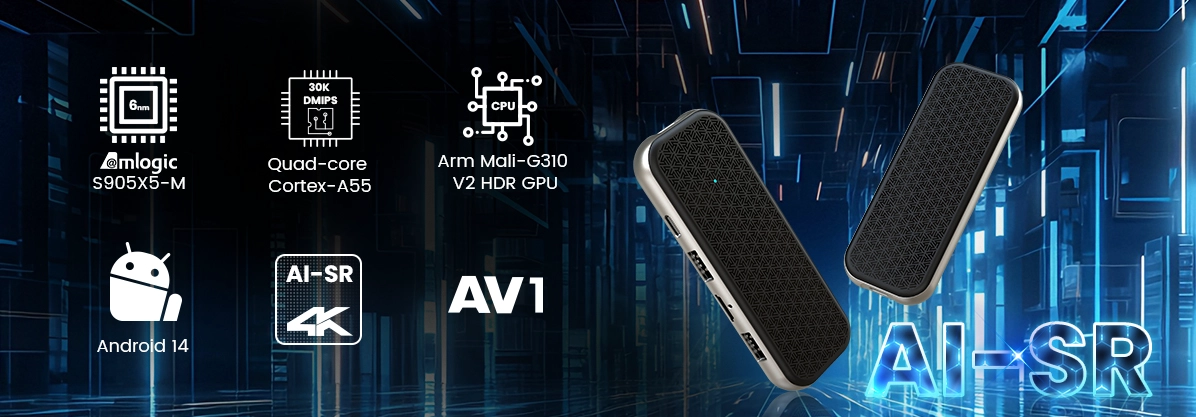
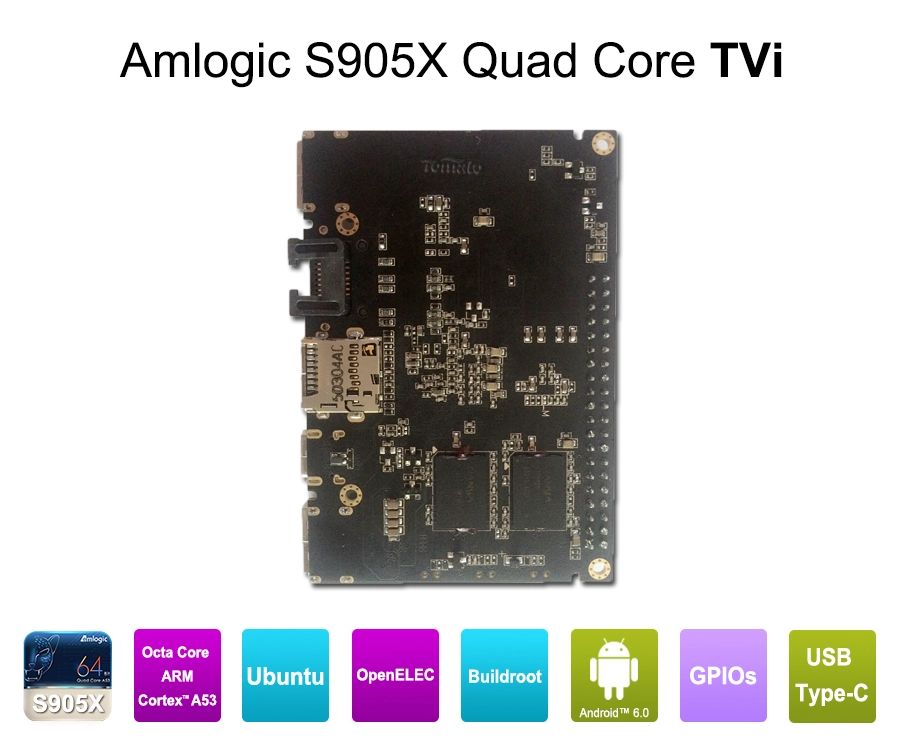
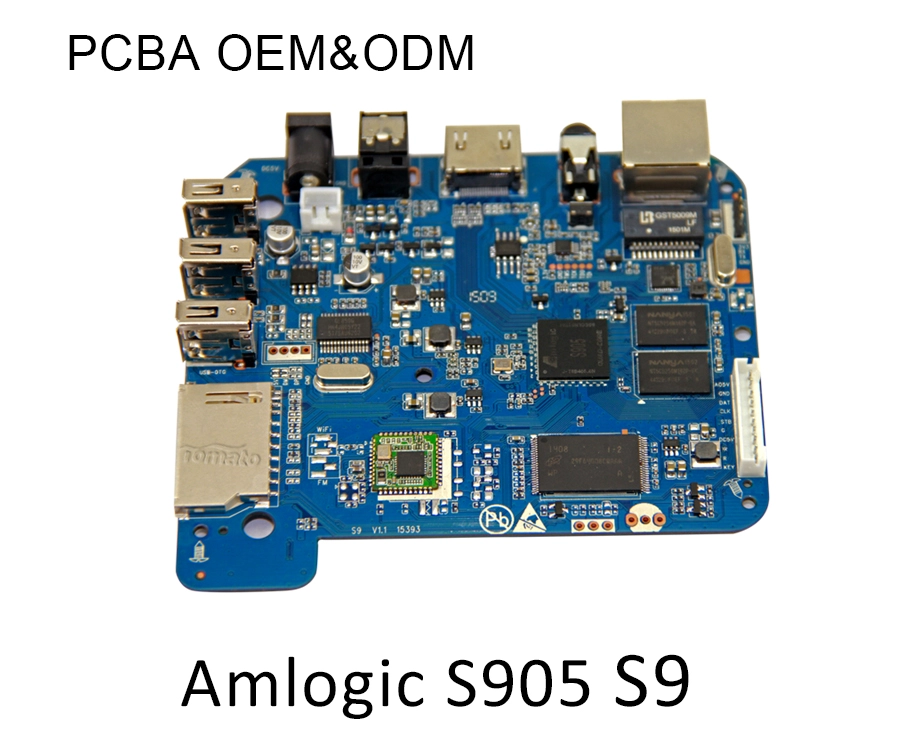
The foundation of an efficient OTT setup rests on how the System-on-Chip (SoC)—typically high-performance architectures like the Amlogic S905X4 or S905X5—processes inbound Adaptive Bitrate (ABR) data packets. Consumer configurations often rely on software decoding, which forces the primary CPU cores to handle heavy multimedia processing. This leads to rapid thermal buildup and aggressive clock-speed throttling.
[Inbound HLS/DASH Stream]
│
▼
[Hardware-Level ABR Buffer] ──► [Encrypted TEE / Widevine L1]
│
▼
[Dedicated VPU (AV1/HEVC)] ──► [Zero-Frame-Drop 4K Output]
To master the hardware setup, the deployment image must be compiled to force all HLS (HTTP Live Streaming) and MPEG-DASH streams directly through the chip’s dedicated Video Processing Unit (VPU). Enabling hardware-accelerated decoding for modern formats like AV1 and HEVC Main10 reduces CPU overhead by up to 70%. Furthermore, network engineers must adjust kernel-level network socket buffers (rmem_max and wmem_max) within the system properties. This modification expands the local eMMC 5.1 cache space dedicated to video chunk buffering, preventing frame-drops and visual artifacts during localized network throughput drops.
Cryptographic Alignment: Enforcing TEE and Widevine L1 DRM
Content delivery networks (CDNs) and premium content owners enforce rigid compliance parameters before authorizing 4K Ultra HD video playback. Without the correct cryptographic keys initialized on the device, streams are permanently capped at standard definition (480p), rendering high-end hardware infrastructure obsolete.
Securing the data pipeline requires verifying the state of the processor's Trusted Execution Environment (TEE). The setup process must validate that:
- Widevine L1 Integration: The hardware-backed DRM keys are securely seated in the memory block during the PCBA manufacturing phase, allowing full-resolution decryption.
-
HDCP 2.2 Handshaking: The firmware must be configured to maintain persistent High-bandwidth Digital Content Protection compliance across professional matrices, splitters, and commercial commercial displays.
-
Secure Boot Execution: The device bootloader must be locked to verify the cryptographic signature of the operating system on every power cycle, protecting the system endpoint from malicious APK injection or firmware manipulation.
Automated Provisioning and Fleet Management Controls
Manually setting up individual devices across a distributed network introduces human error and creates massive technical debt. Commercial operators must execute automated provisioning models that bypass standard Android setup wizards entirely.
By utilizing custom bootloaders combined with standard management protocols like TR-069 or dedicated Mobile Device Management (MDM) daemons, integrators can achieve zero-touch configuration. The custom firmware is compiled to launch a proprietary middleware application or custom branding launcher immediately upon receiving AC power.
Additionally, assigning static IP configurations, provisioning customized Wi-Fi 6 credential blocks, and restricting external USB debugging ports can all be handled silently over the network. This architecture allows IT departments to remotely push firmware patches, perform silent application updates, and monitor device temperatures without deploying on-site personnel.
Scaling Sourcing with Technical Certainty
Achieving operational stability across thousands of active endpoints is not a matter of adjusting consumer software applications; it requires structural authority over the underlying hardware platform. For cross-border electronics buyers and network operators, selecting an OEM partner capable of modifying the device configuration at the component level is critical.
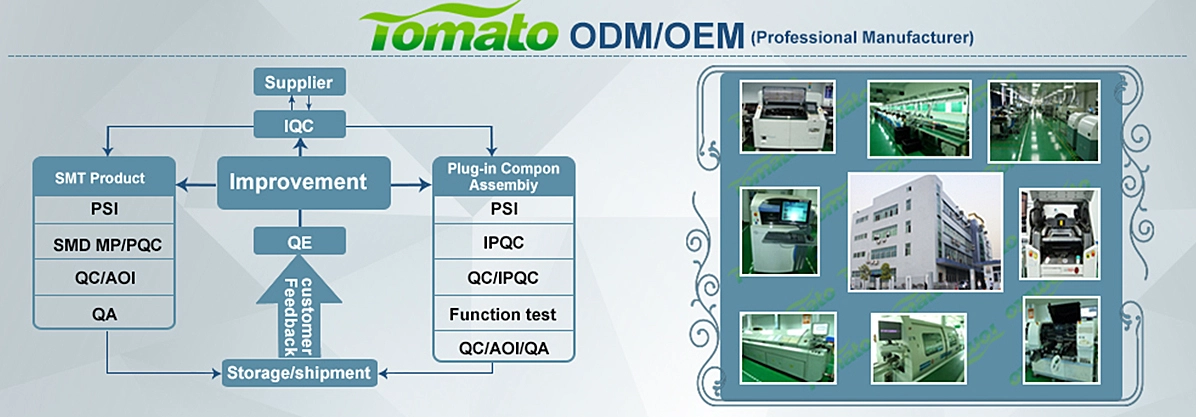
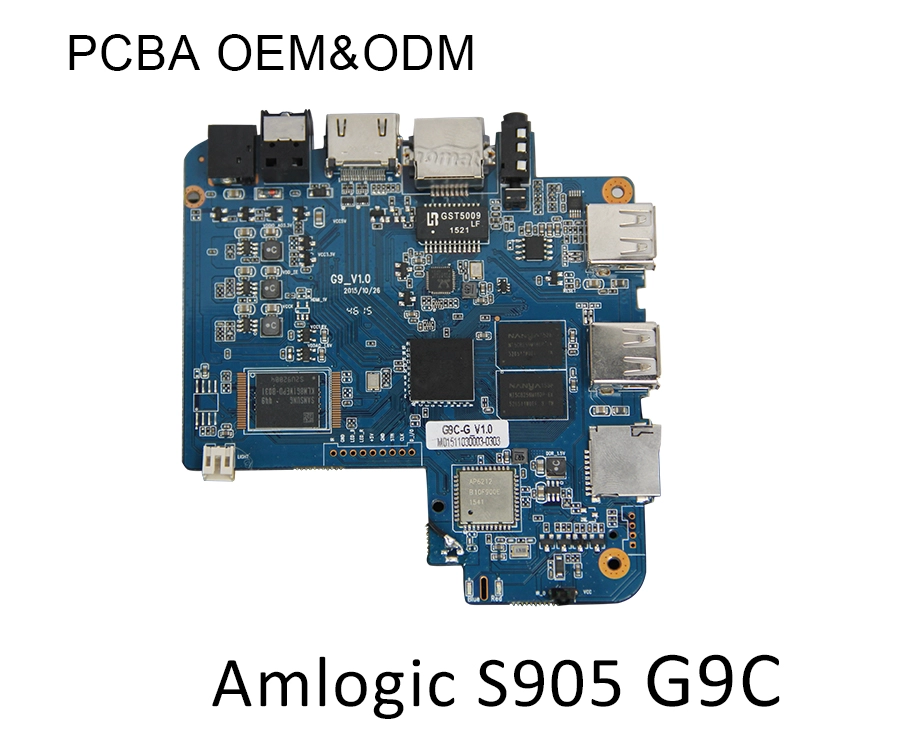
At SZTomato, we remove the volatility from large-scale hardware rollouts. Our 16 years of engineering expertise ensures your OTT TV Box infrastructure is optimized directly from the PCBA fabrication layer up to custom kernel compilation. Contact our senior engineering team to review your technical requirements and finalize a production-ready hardware blueprint.
