
Google TV Box for Hotels
Google TV Box for Hotels: Architecting Secure, MDM-Managed In-Room Entertainment
Deploying retail streaming dongles across a 300-room property inevitably leads to network interference and severe data privacy vulnerabilities. System integrators attempting to retrofit consumer-grade hardware for commercial use quickly encounter cross-room casting errors, persistent guest credentials, and hardware failure due to continuous thermal stress.
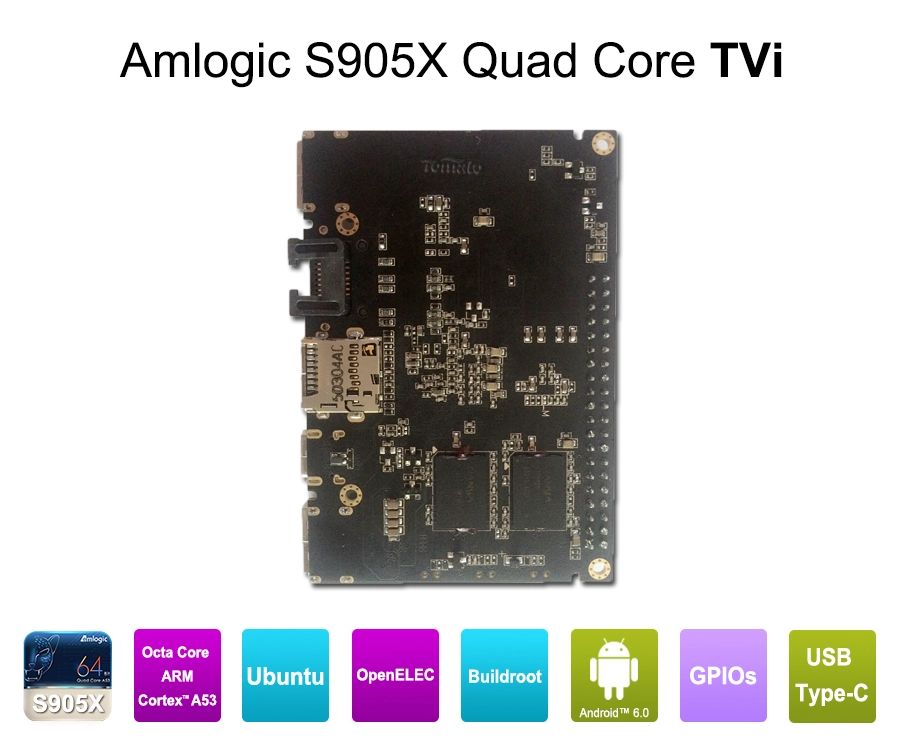
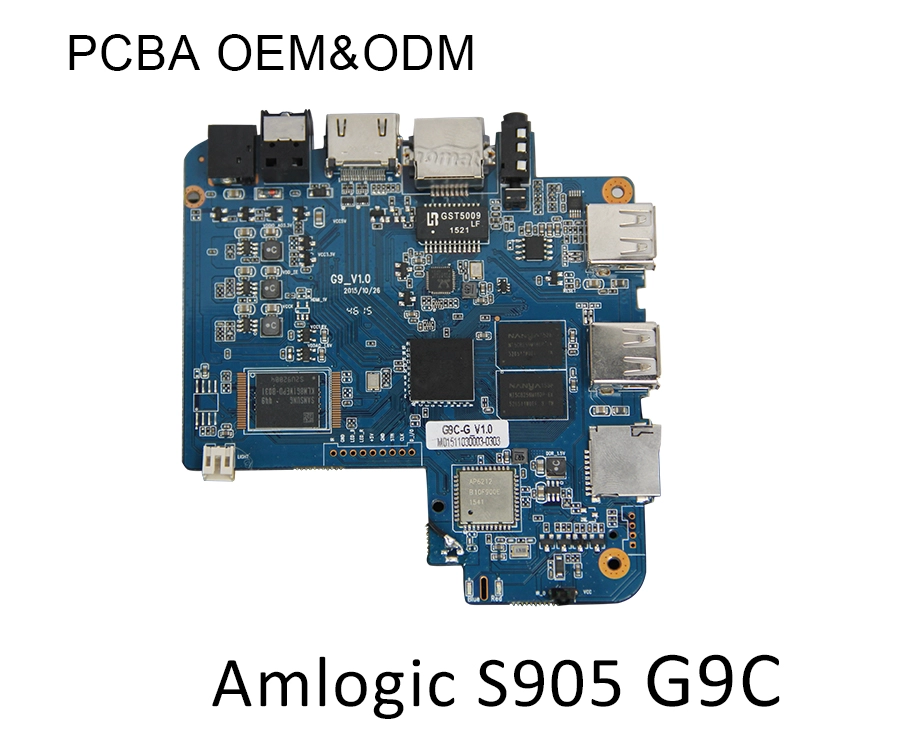
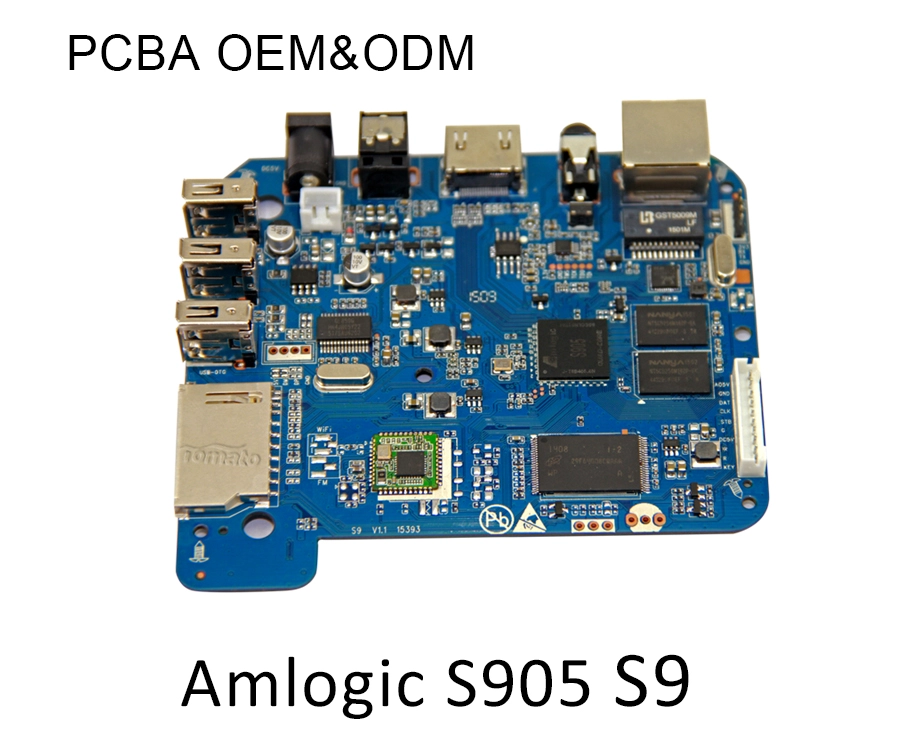
Scaling a Google TV Box for hotels requires a fundamental departure from off-the-shelf purchasing. Establishing a secure, high-uptime in-room entertainment (IRE) network dictates deep OEM/ODM intervention, integrating robust Mobile Device Management (MDM) frameworks directly into the custom firmware.
The Firmware Security Mandate: MDM and Kiosk Mode
Standard Android TV OS and Google TV interfaces are explicitly designed to maximize user freedom—a liability in a hotel environment. Guests routinely attempt to access root settings, download unauthorized APKs, or leave Netflix accounts active post-checkout.
Securing the device requires firmware-level engineering to strip consumer bloatware and enforce strict MDM protocols. A specialized manufacturing pipeline enables:
-
Zero-Touch Enrollment (ZTE): Devices are pre-configured at the PCBA stage to automatically register with MDM platforms (such as AirDroid Business or Hexnode) upon first boot. This eliminates manual provisioning, allowing IT administrators to push bulk network configurations via hidden SSIDs.
- Kiosk Mode Enforcement: The firmware restricts the user interface to a custom, hotel-branded launcher. Access to the Google Play Store and system settings is permanently blocked, preventing guests from tampering with display inputs or network bridges.
-
Automated Credential Wiping: By bridging the MDM API with the hotel’s Property Management System (PMS), the device receives a secure command to wipe all application caches, local storage, and streaming credentials the moment a guest completes the checkout process.
Isolating the Cast Protocol
One of the most persistent technical hurdles in hospitality deployments is managing casting protocols across dense Wi-Fi environments. Without proper network isolation, a guest in Room 201 can inadvertently cast media to the television in Room 202.
To resolve this, the deployed Google TV Box must support advanced VLAN (Virtual Local Area Network) tagging at the hardware level. Firmware engineers must configure the device to isolate the Google Cast receiver protocol to a specific IP subnet tied exclusively to that physical room. This ensures that a guest’s mobile device can only handshake with the specific set-top box paired to their designated access point.
Enterprise PCBA Modifications for 24/7 Operations
Consumer streaming devices lack the physical infrastructure to survive continuous commercial use. Repurposing a generic board for a hotel environment results in high failure rates, requiring constant on-site IT intervention. True hardware scalability requires structural PCBA modifications tailored to the hospitality sector.
-
Hardware Watchdog Timers (WDT): Microcontrollers embedded directly onto the board automatically trigger a hard reboot if the primary software interface freezes. This guarantees zero-touch recovery without requiring staff to physically unplug the unit behind a wall-mounted television.
-
Power over Ethernet (PoE) Integration: For properties utilizing hardwired network infrastructure, modifying the board to accept PoE drastically simplifies installation. This eliminates the need for separate DC power supplies, transmitting both high-bandwidth data and power through a single Cat6 cable.
-
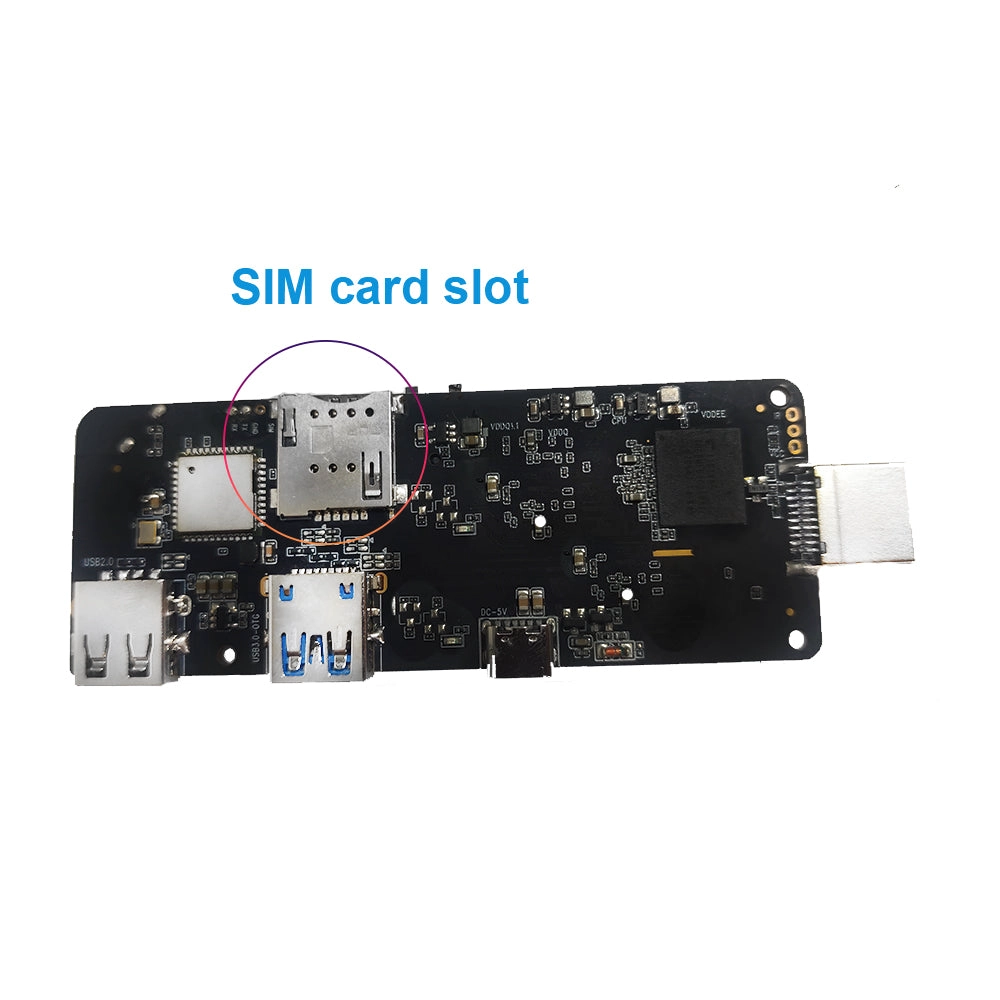
Anti-Theft and Port Locking: Physical modifications include disabling external USB debugging ports and utilizing proprietary mounting enclosures to secure the hardware against physical tampering or theft.
Streamlining Hospitality Hardware Procurement
For system integrators and distributors managing deployment networks across Europe and North America, attempting to manage retail hardware fragmentation is an unsustainable business model. Delivering a secure, fully integrated Google TV Box for hotels requires foundational control over the manufacturing process.
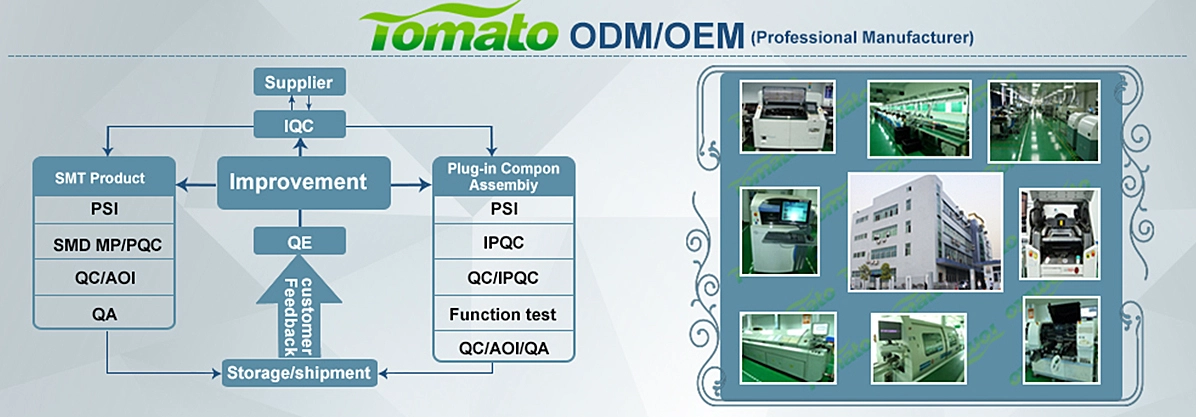
At SZTomato, our engineering focus bridges the gap between hardware architecture and enterprise software deployment. We provide direct access to customized PCBA fabrication and kernel-level firmware compilation tailored specifically for MDM-managed hospitality environments. To align your next procurement cycle with hardware engineered for commercial scale, consult with our technical team to define your precise deployment specifications.
